
 English
 русский
 Español
Equal Wall Thickness Screw Pumps
Cat:Single Screw Pumps
Screw pumps equipped with equal wall thickness stator, the same kind of pump specifications pump flow, and pressure are increased. The equal wall thic...
See DetailsContent
The right Stator for Progressive Cavity Pumps is determined by matching the elastomer material to the fluid chemistry, confirming the correct interference fit with the rotor, verifying temperature and pressure tolerance, and sourcing from a manufacturer that maintains consistent dimensional accuracy across production batches. A correctly chosen Pump Stator directly extends service life, reduces flow pulsation, and keeps energy consumption stable over long operating cycles.
Before purchasing a PC Pump Stator, buyers should review the following checklist:
A Stator for Progressive Cavity Pumps is the stationary rubber-lined component that works in direct partnership with the rotor to create the pump's signature progressive cavities. As the helical rotor turns inside the double-helix bore of the stator, sealed pockets of fluid form and move continuously from suction to discharge without pulsation. This is what separates a Screw Pump Stator from other displacement mechanisms — the fluid is moved gently, almost without shearing, which is one reason these pumps are widely chosen for sensitive or viscous media.
Inside a Progressive Cavity Pump Stator, the involute internal geometry must be molded with precision because even small dimensional deviations affect sealing and flow consistency. The rubber lining is typically bonded to a metal outer tube, and the combination of geometry and material elasticity allows the Rotor Stator Set to self-adjust slightly as it wears, maintaining sealing contact for a longer period before replacement becomes necessary.
Because the stator absorbs most of the mechanical and chemical stress in the pump, it is generally considered the primary wear part. Selecting the correct Rubber Stator compound and geometry from the start reduces unplanned downtime and supports stable performance across long production runs.
When comparing a Pump Stator Progressive Cavity design against alternatives, several technical factors should be weighed together rather than in isolation. Chemical compatibility, abrasion resistance, temperature range, and interference fit all interact to determine how long a stator will perform reliably in a given application.
The chart below illustrates a relative chemical resistance index, on a 0–10 scale, for three commonly used stator elastomers handling typical industrial process fluids.
As the chart shows, FKM compounds generally offer the highest chemical resistance, followed by EPDM, while NBR scores lower in this category but remains strong in oil-based environments. This pattern explains why a single Pump Spare Parts catalog typically stocks all three rubber families rather than promoting one as universally superior. Buyers handling aggressive chemical media should weigh this index heavily, while those working primarily with mineral oils or hydrocarbons may prioritize a different resistance category instead. No single material wins every category, which is why matching the compound to the actual fluid profile is more useful than chasing the highest overall score. Reviewing this kind of comparative data before purchase helps narrow down options before contacting a Screw Pumps Manufacturer for a formal recommendation.
Choosing between an NBR Pump Stator, an EPDM Stator, or an FKM compound requires looking at multiple performance dimensions side by side rather than a single metric. The radar chart below compares five core properties — oil resistance, heat resistance, abrasion resistance, chemical resistance, and flexibility — across the three material families on a common 0–10 scale.
The radar comparison makes a few practical patterns easy to spot. An NBR Pump Stator covers a wider area on the oil resistance and flexibility axes, which is why it remains a common default for general industrial transfer duty. An EPDM Stator extends further along the chemical and heat resistance axes, making it a frequent choice for water-based or steam-cleaned systems, but it pulls back sharply on oil resistance and should be avoided with hydrocarbon-based fluids. FKM compounds extend almost to the outer ring on heat, chemical, and abrasion resistance, which explains their use in demanding petrochemical or high-temperature settings, though their flexibility score is comparatively lower. Looking at the shape of each polygon, rather than a single number, gives a more realistic picture of where each Rubber Stator Screw Pump compound will actually perform well in service. This is also why a reliable Progressive Cavity Pump Stator Supplier will ask detailed questions about the fluid before recommending a specific compound.
| Material | Best Suited For | Less Suitable For |
|---|---|---|
| NBR | Oils, general industrial fluids, food-grade transfer | Strong oxidizers, ozone exposure |
| EPDM | Water treatment, steam, mild chemicals | Mineral oils, hydrocarbons |
| FKM | High temperature, aggressive chemicals | Applications requiring maximum flexibility |
Most Replacement Pump Stator decisions are driven by a gradual decline in performance rather than a sudden failure. Watching for early indicators helps operators schedule replacement before the pump experiences a major output drop.
This line chart illustrates a typical wear progression pattern rather than a guaranteed timeline, since actual wear rates depend heavily on fluid abrasiveness, speed, and pressure. In the early operating period, wear tends to accumulate slowly because the rubber bore is still close to its original interference fit with the rotor. As operating hours increase, the curve steepens, reflecting how clearance growth accelerates once the sealing line begins to lose contact pressure. This is precisely why catching the early-to-mid stage of the curve, rather than waiting for a sharp output decline, is the most cost-effective time to plan a Pump Stator inspection. Maintenance teams that log flow and amperage trends over time can often map their own equipment against a similar curve shape. Recognizing this pattern supports better planning around Spare Parts For Progressive Cavity Pumps inventory, so a replacement stator is on hand before performance drops significantly.
A well-built Industrial Pump Stator supports a wide range of process industries because progressive cavity pumps handle thick, abrasive, and shear-sensitive fluids better than many other pump types. This versatility is also why Single Screw Pumps are found in environmental, food, and energy sectors at the same time.
Wastewater and sludge handling represent one of the largest application groups, since a Sewage Screw Pump or Sludge Screw Pump must move thick, solids-laden material reliably without clogging or excessive shear. Chemical processing follows closely behind, where stator compounds must resist a broad range of corrosive or reactive media. In food and pharmaceutical settings, a Food Screw Pump stator is typically built from compounds approved for hygienic transfer, since gentle handling preserves product texture and quality. Petrochemical and energy applications often call for higher temperature tolerance, while paper and pulp operations need stators that can withstand high-fiber, abrasive slurries over long duty cycles. A Vertical Screw Pump configuration is also common across several of these sectors when floor space is limited or gravity-fed installation is preferred. Because each sector places different demands on the stator, sourcing from a manufacturer with broad Screw Pump Accessories experience across multiple industries tends to result in more accurate material recommendations.
Buyers often face a choice between an OEM-branded stator and a compatible aftermarket alternative supplied by an independent PC Pump Stator Manufacturer. Both options can perform well when produced to accurate tolerances, so the decision usually comes down to lead time, customization flexibility, and supplier transparency.
| Consideration | OEM Stator | Aftermarket / Custom Rubber Stator |
|---|---|---|
| Dimensional matching | Fixed to original specification | Can be custom-built to match worn equipment |
| Material options | Limited to original compound | Wider elastomer selection available |
| Lead time flexibility | Can vary by distribution network | Often produced closer to direct demand |
| Universal compatibility | Brand-specific | Can be engineered for multiple pump brands |
For operators managing pumps from multiple brands, sourcing a universal Industrial Pump Stator Supplier capable of producing accurately matched aftermarket parts can simplify spare parts inventory considerably. The key is verifying that the supplier tests dimensional accuracy and interference fit before shipment, regardless of whether the part is labeled OEM or aftermarket.
A Rotor Stator combination only performs at its best when both components are engineered together as a matched set. A Single Screw Rotor with the wrong outer profile relative to its stator bore will create uneven sealing line pressure, leading to faster localized wear and reduced pumping efficiency. This is why many experienced buyers prefer ordering a complete PC Stator and rotor pairing rather than mixing components from different sources.
Interference fit — the slight oversize of the rotor relative to the stator's resting bore — is what creates the sealing contact needed for efficient fluid transfer. Too little interference results in internal slippage and reduced flow; too much increases friction, heat, and premature wear. Manufacturers that control this tolerance carefully across their Screw Pump Stator production line tend to deliver more predictable performance across different batches and installation conditions.
Jingjiang Meijia Pump Industry Co., Ltd. is located at No. 36 Xintai Road, Jingjiang Economic and Technological Development Zone, Jiangsu Province. As an experienced Screw Pumps Manufacturer, the company focuses on the production, sales, and after-sales service of single-screw pumps along with high-quality single-screw pump spare parts.
The company's engineering team brings together design, manufacturing, inspection, and complete pump set assembly expertise. Meijia single screw pump products feature advanced design, a complete structural range, diverse configurations, and durable construction, and they are used across environmental water treatment, chemical processing, paper and pulp, food and pharmaceutical, and petrochemical and energy sectors. Meijia Pump Industry also supplies universal Screw Pump Accessories compatible with single screw pump equipment used across the industry, supported by strong production capacity and practical manufacturing experience.
A dedicated after-sales service center, staffed by experienced engineers, supports customers throughout the operating life of their equipment. Long-term users across different environments and working conditions have found that Meijia single screw pump products provide consistent operation year after year. Meijia Pump Industry welcomes visits and exchanges with partners and industry colleagues from all backgrounds.
Q1: How often should a progressive cavity pump stator be inspected?
Inspection frequency depends on fluid abrasiveness and run hours, but checking flow output and motor load on a regular schedule helps catch early wear before performance drops significantly.
Q2: Can one stator material be used for all fluids?
No single compound performs best in every fluid type. Matching NBR, EPDM, or FKM to the specific chemical and temperature profile generally produces more reliable results.
Q3: Is it possible to source a custom rubber stator for an older pump model?
Yes. Many manufacturers can reverse-engineer dimensions from sample parts or drawings to produce a custom stator matched to discontinued or legacy pump models.
Q4: Should the rotor be replaced at the same time as the stator?
It depends on the condition of the rotor surface. If wear is uneven or significant, replacing both as a matched rotor-stator set typically restores more consistent sealing performance.
Q5: What information should be provided when requesting a stator quote?
Sharing the pump brand and model, fluid type, operating temperature, and either original dimensions or a sample part helps a supplier recommend the most suitable stator design.
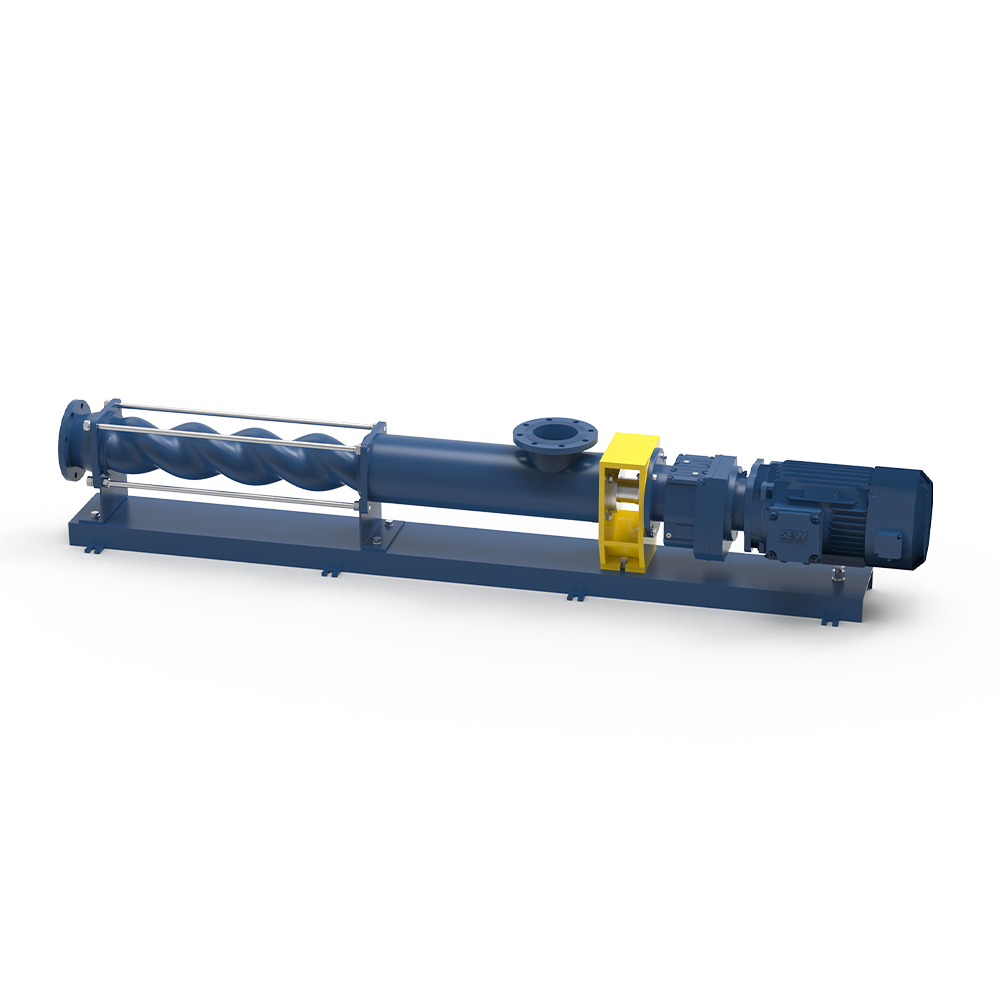
Screw pumps equipped with equal wall thickness stator, the same kind of pump specifications pump flow, and pressure are increased. The equal wall thic...
See Details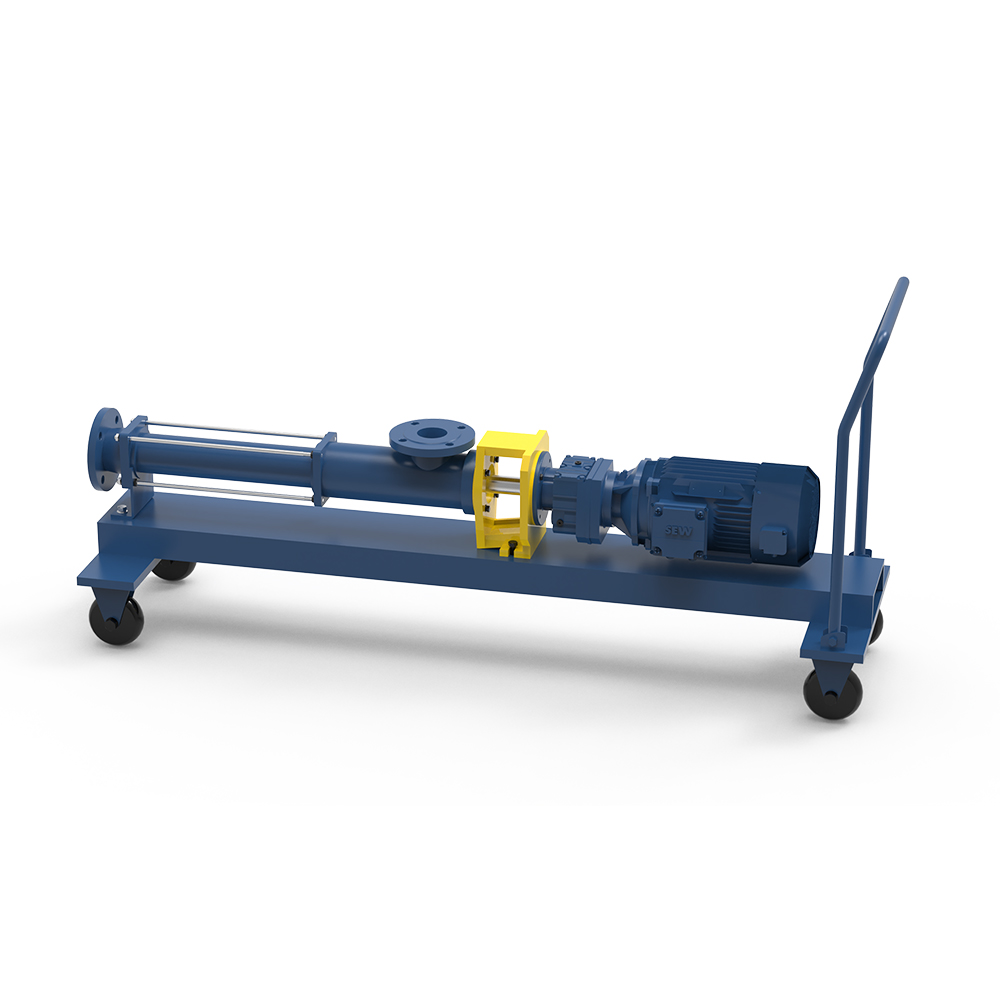
Mika vehicle-mounted pump, the pump base is not only stable and reliable, but also cleverly equipped with universal wheels, these wheels rotate flexib...
See Details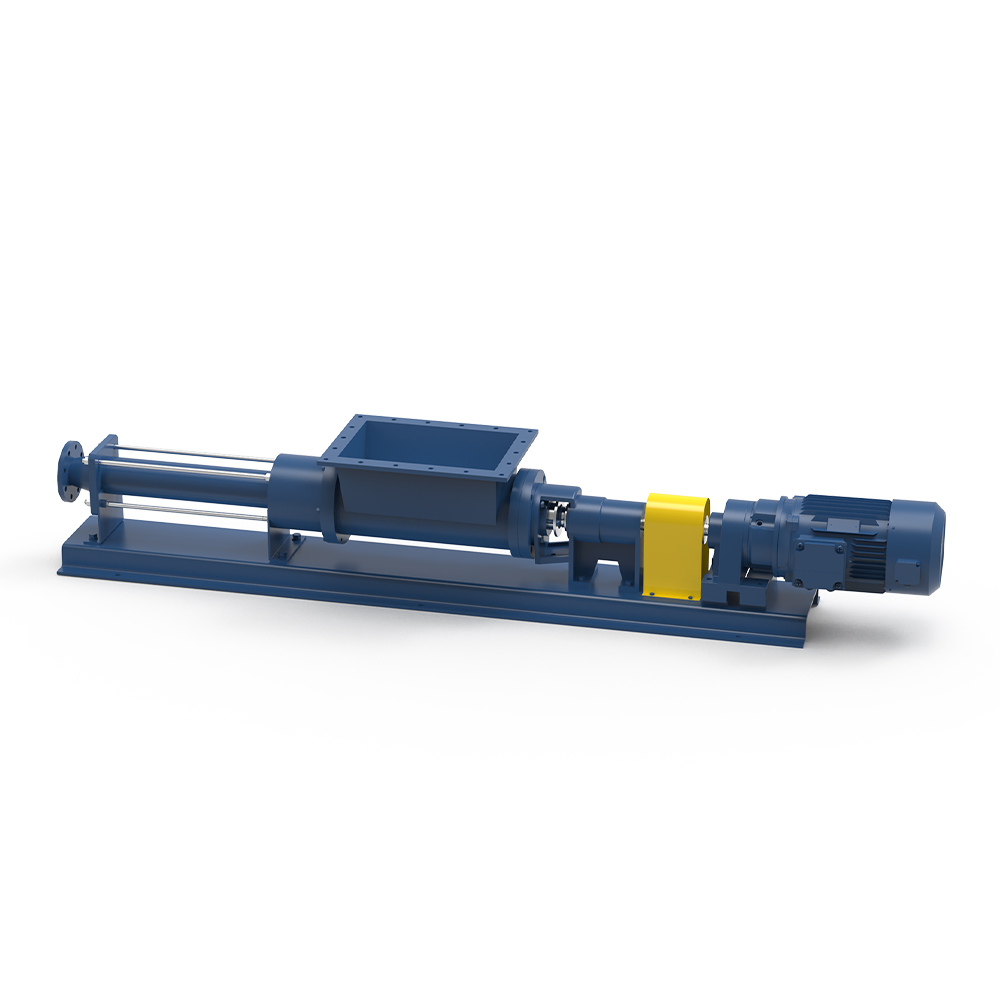
The inlet is a large hopper design W-type pump with a connecting shaft with multiple spiral vanes (which can effectively prevent the accumulation of m...
See Details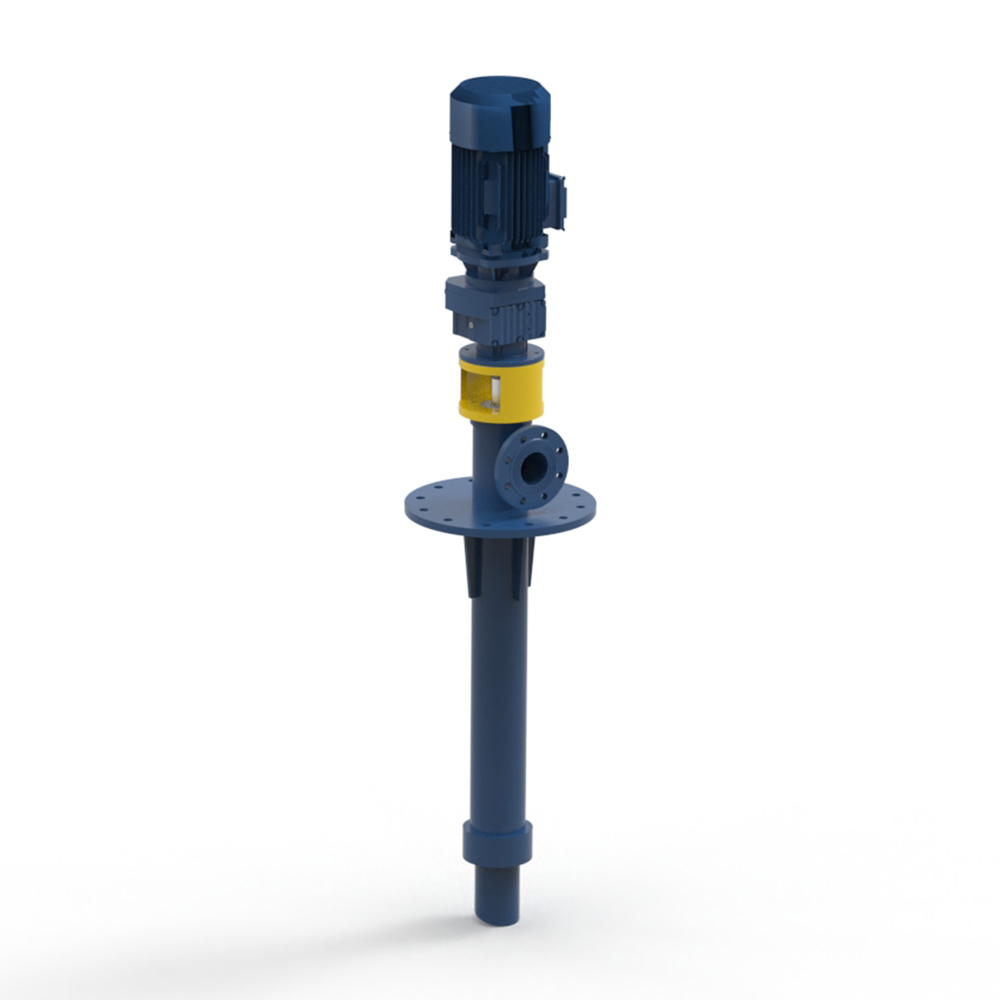
Mika vertical T-type screw pumps can be achieved through the length of the pump body to a variety of different depths of the pool, the pump's hopper i...
See Details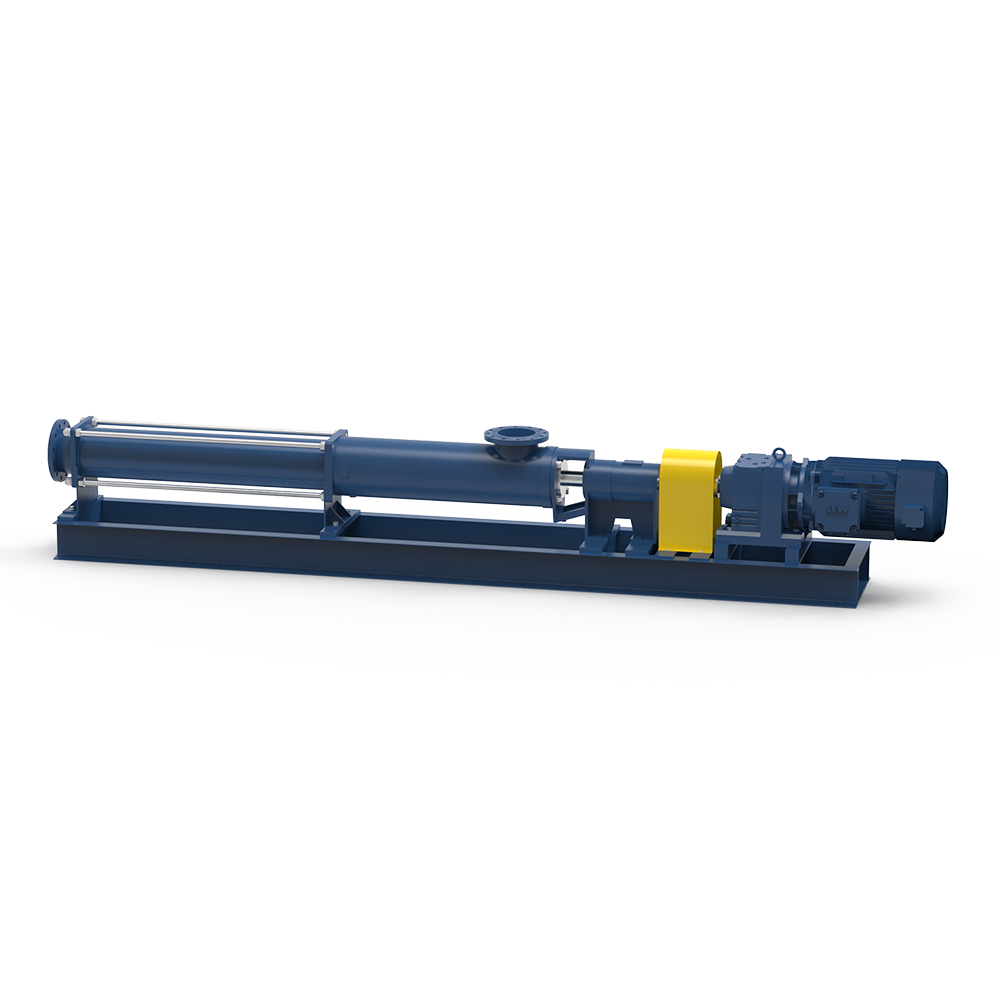
The S-pump with bearing frame support can withstand higher axial loads and can be used for high-pressure conditions, e.g. high-pressure sludge feed tr...
See Details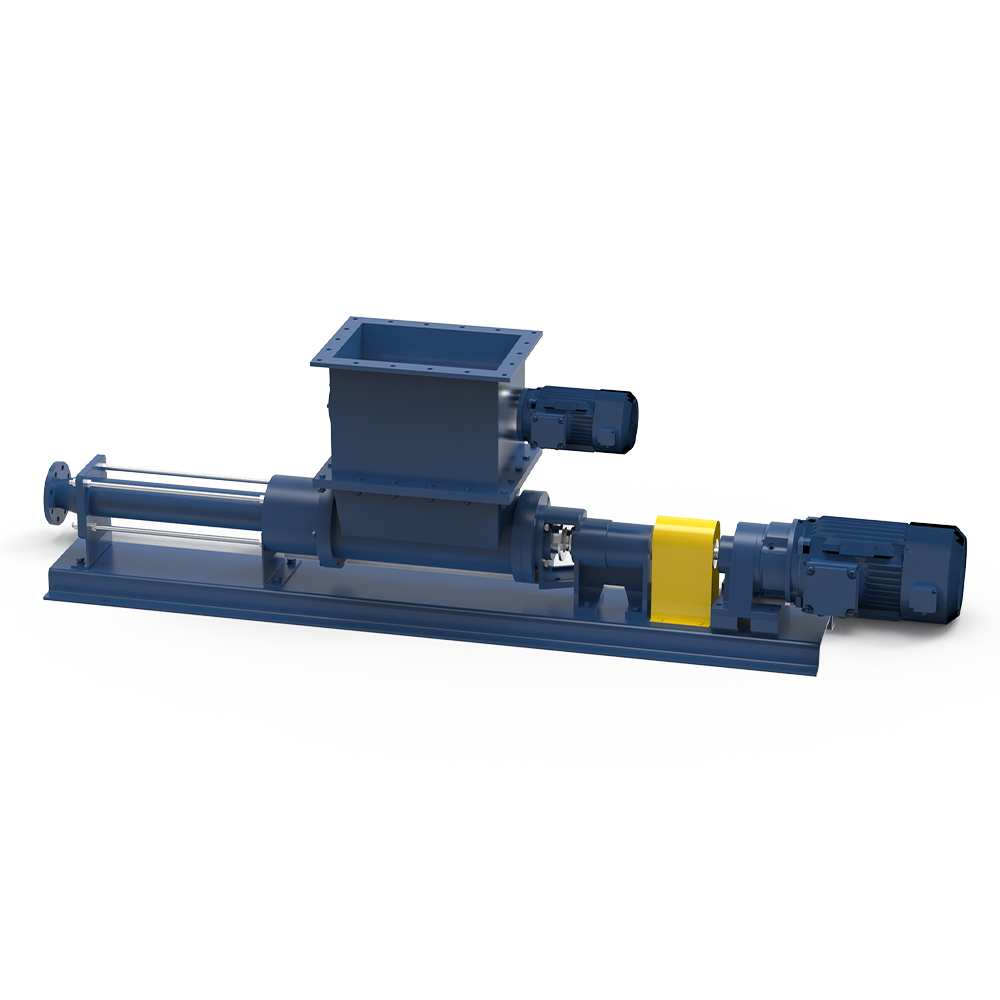
The inlet is designed for a large hopper with a bridge-breaking device P-pumps are suitable for conveying materials with high viscosity, high solids c...
See Details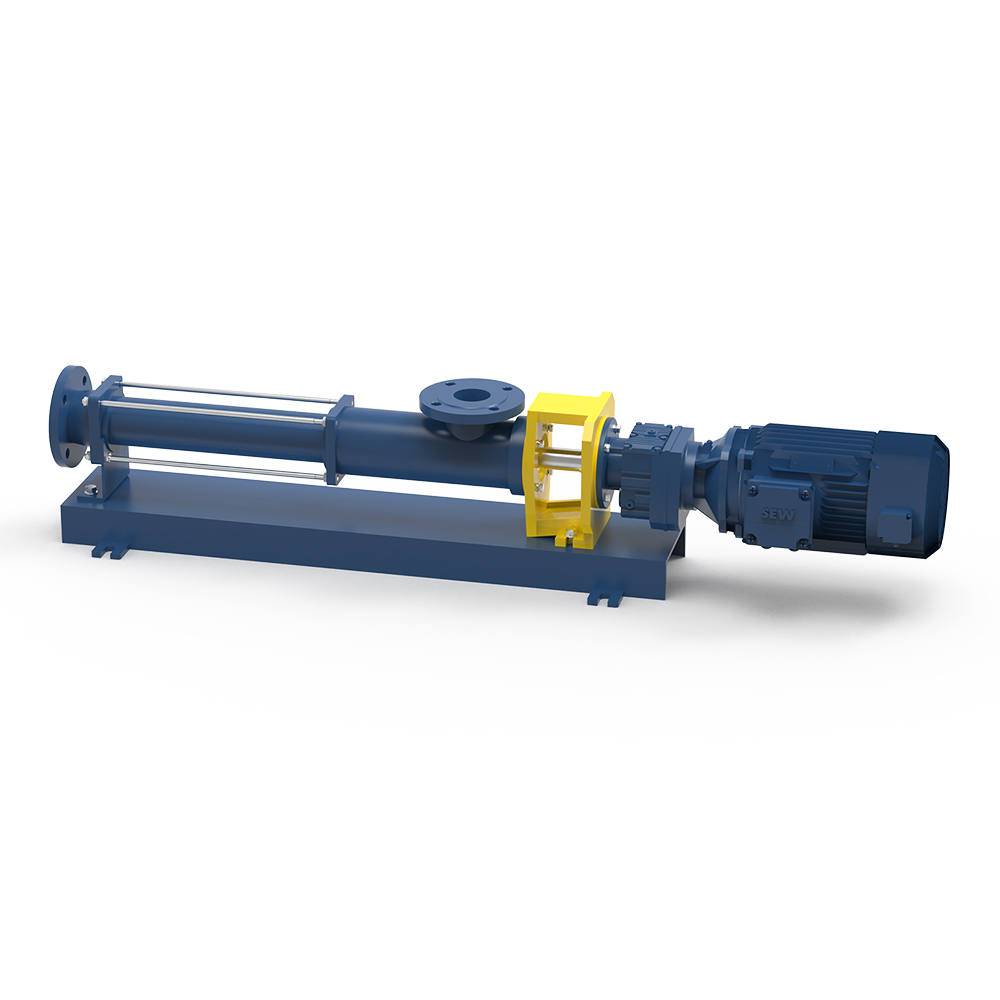
Mika Classic B direct-connected pumps are compact, easy to maintain, with low investment costs, and are suitable for a wide range of common working co...
See Details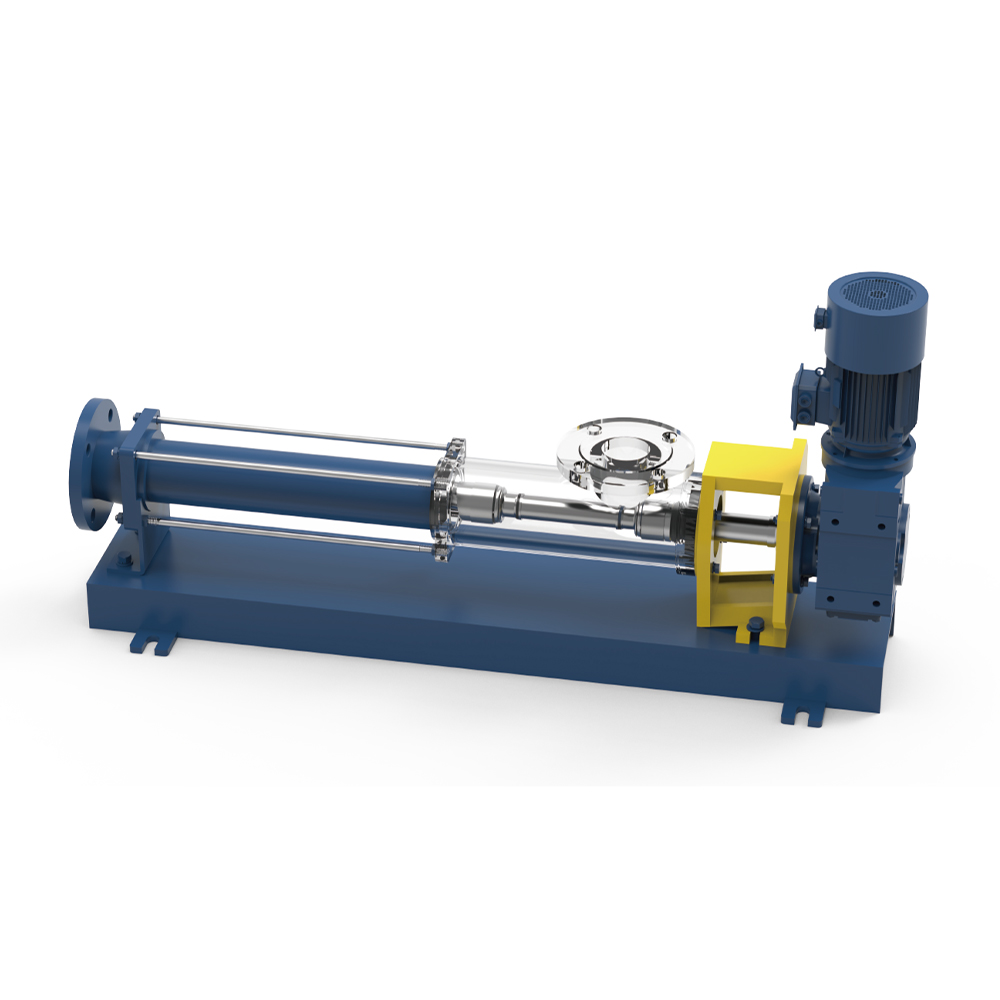
The speed reducer adopts the K series speed reducer, and the length of the pump can be shortened, so it can be used in places where the space is narro...
See Details
Various materials are available for different working conditions, such as NBR, HNBR, EPDM, and FKM.
See Details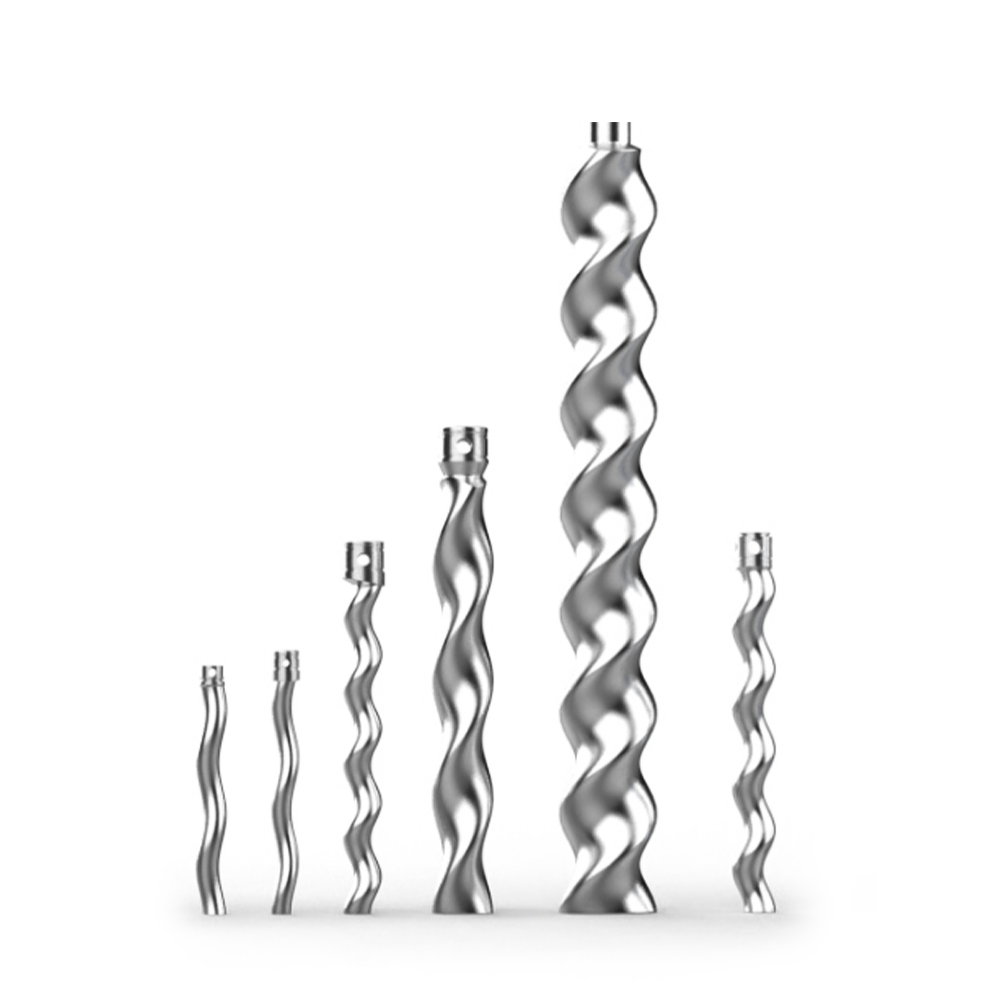
Multiple materials available, 304, 316L, 2205, rotor surface coating can be chrome plated or tungsten carbide sprayed.
See DetailsContact Us
Add: No. 36 Xintai Road, Economic Development Zone, Jingjiang City, Jiangsu Province, China
Tel: +86-13515167342
Fax: +86-523-84261117
E-mail: [email protected]
We'd love to
hear from you!
