
 English
 русский
 Español
W-type single screw pumps
Cat:Single Screw Pumps
The inlet is a large hopper design W-type pump with a connecting shaft with multiple spiral vanes (which can effectively prevent the accumulation of m...
See DetailsContent
In industries where materials are notoriously difficult to handle—such as dewatered sludge, thick pastes, or highly viscous chemicals—traditional pumping solutions often fall short. Clogging, inconsistent flow, and excessive wear are common pain points that lead to costly downtime and reduced efficiency. Enter the P-type progressive cavity pump, a specialized solution engineered to tackle the most challenging fluid dynamics. With its unique inlet design, robust performance capabilities, and versatile adaptability, this pump has emerged as a game-changer for sectors dealing with high-viscosity, high-solids, and poor-fluidity materials. This article explores the core innovations, working principles, and real-world applications that make P-type progressive cavity pumps indispensable for modern industrial operations.
One of the defining features of the P-type progressive cavity pump is its thoughtfully engineered inlet, designed specifically to handle materials that are prone to accumulation and agglomeration. Traditional pumps often struggle with materials that tend to form bridges or clumps in the feed hopper, leading to blockages and inconsistent suction. The P-type addresses this with a large hopper equipped with a bridge-breaking device.
Materials like dewatered sludge (with 30%–40% water content) or thick pastes have a tendency to stick together, forming solid bridges that prevent smooth flow into the pump. The bridge-breaking device in the P-type inlet actively disrupts these formations, ensuring a continuous and unobstructed feed. This design is critical for maintaining consistent operation, especially in applications where material consistency is variable or where the medium is prone to settling and caking.
By preventing bridging, the P-type progressive cavity pump eliminates one of the most common causes of pump failure in challenging applications. This not only reduces maintenance downtime but also ensures that the pump can handle a wider range of materials without requiring frequent manual intervention or modifications.
The P-type is specifically tailored for materials with high viscosity, high solids content, poor fluidity, and a tendency to agglomerate. Whether it's sewage sludge, food processing waste, or chemical slurries, the pump's inlet design and internal mechanism work in tandem to move these difficult media efficiently. This makes it an ideal choice for industries where the material properties are inherently challenging, and where standard pumps would fail to deliver reliable performance.
Like other progressive cavity pumps, the P-type operates on the principle of positive displacement, using a rotor and stator to move media axially. However, its design is optimized to handle the specific challenges of high-solids and viscous materials.
The rotor in the P-type progressive cavity pump is a screw with a large pitch, high tooth height, and small helix diameter. Its cross-section combines a circular segment (1/2 geometric shape) and an elliptical segment (2/3 geometric shape), creating cavities that are large enough to accommodate solid particles while maintaining a tight seal. This design prevents the medium from slipping back and ensures efficient transport, even at low speeds.
The large pitch and high tooth height are particularly beneficial for materials with poor fluidity. They allow the rotor to "grab" and move the medium effectively, preventing it from getting stuck or forming clumps within the pump. This is crucial for maintaining a steady flow and avoiding the pulsations that can damage both the pump and the material being handled.
The stator is a double or triple-threaded helical sleeve that matches the rotor's geometry. Made from durable elastomers or other specialized materials, the stator is designed to withstand the abrasive and corrosive nature of high-solids media. The stator's internal surface forms a continuous, sealed chamber with the rotor, creating a series of cavities that trap and transport the medium.
When the rotor rotates inside the stator, these cavities move along the length of the pump, effectively "squeezing" the fluid through. This mechanism ensures a smooth, pulsation-free flow, which is essential for materials that are sensitive to agitation or shear. The stator's material can be customized to suit the specific medium, whether it's corrosive chemicals, abrasive slurries, or food-grade products.
The P-type progressive cavity pump boasts several performance features that set it apart from conventional pumps, making it suitable for a wide range of complex working conditions.
One of the standout advantages of the P-type is its excellent self-priming ability. With a suction-up height of 3–5 meters when using water as the medium, the pump can easily lift fluids from below, even in applications where the pump is located above the fluid source. This is particularly useful in setups where the pump needs to draw from underground tanks or low-lying containers, eliminating the need for external priming systems and reducing installation complexity.
The P-type can transport liquids containing solid particles with a solids content of up to 40% (v/v). When the solids are in the form of powder particles, the handling capacity can be increased to 60% or higher, making it ideal for materials like dewatered sludge, food waste, or chemical slurries. This high solids-handling capability ensures that the pump can operate efficiently even in the most challenging conditions, without clogging or losing performance.
The pump is designed to handle a wide range of viscosities, with a maximum capacity of 1,000,000 CP (centipoise). This makes it suitable for materials ranging from thin liquids to extremely thick pastes, such as molasses, adhesives, or pharmaceutical ointments. Additionally, it can transport media at temperatures ranging from -20°C to +180°C, covering both cryogenic and high-temperature applications.
The flow rate of the P-type progressive cavity pump is approximately proportional to the rotational speed of the rotor. This linear relationship makes flow rate adjustment extremely convenient, allowing operators to fine-tune the pump's output to match specific process requirements. Whether it's a batch process requiring precise dosing or a continuous operation needing variable flow, the P-type provides the flexibility to adapt quickly.
Unlike many other pump types that stir or agitate the medium, the P-type operates smoothly, with uniform liquid volume, small vibration, and low noise. This is particularly important for materials that are sensitive to shear, such as food products or pharmaceuticals, where excessive agitation can alter the product's properties. The stable operation also reduces wear on the pump's components, extending its service life and minimizing maintenance costs.
The versatility of the P-type progressive cavity pump makes it a valuable solution across a multitude of industries, each with unique fluid handling challenges.
The P-type progressive cavity pump represents a significant advancement in fluid handling technology, specifically designed to address the challenges of high-viscosity, high-solids, and poor-fluidity materials. Its innovative inlet design, robust working principle, and versatile performance capabilities make it an indispensable tool for industries where traditional pumps fall short.
By eliminating bridging issues, handling high solids content, and operating smoothly across a wide range of viscosities and temperatures, the P-type pump ensures reliable, efficient, and cost-effective conveyance. For businesses looking to optimize their operations and overcome material handling challenges, investing in a P-type progressive cavity pump is a strategic decision that can lead to improved productivity, reduced downtime, and enhanced product quality.
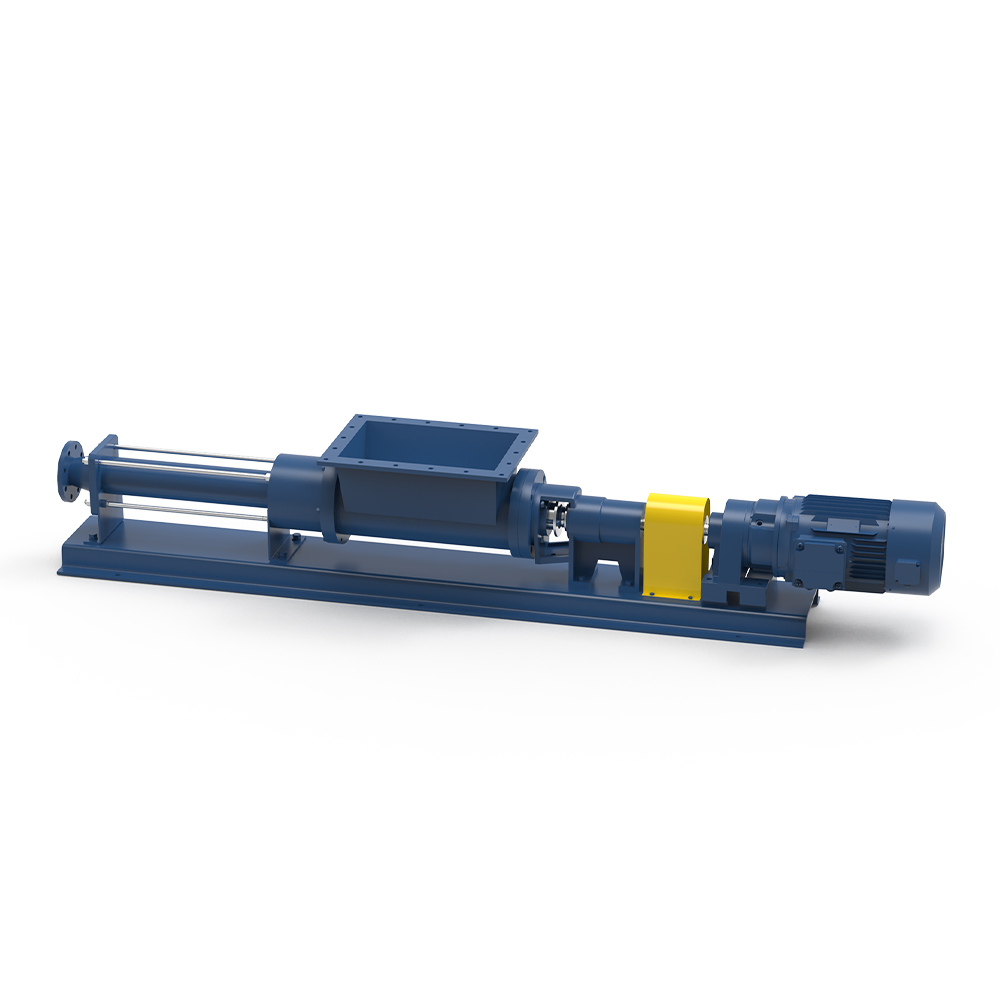
The inlet is a large hopper design W-type pump with a connecting shaft with multiple spiral vanes (which can effectively prevent the accumulation of m...
See Details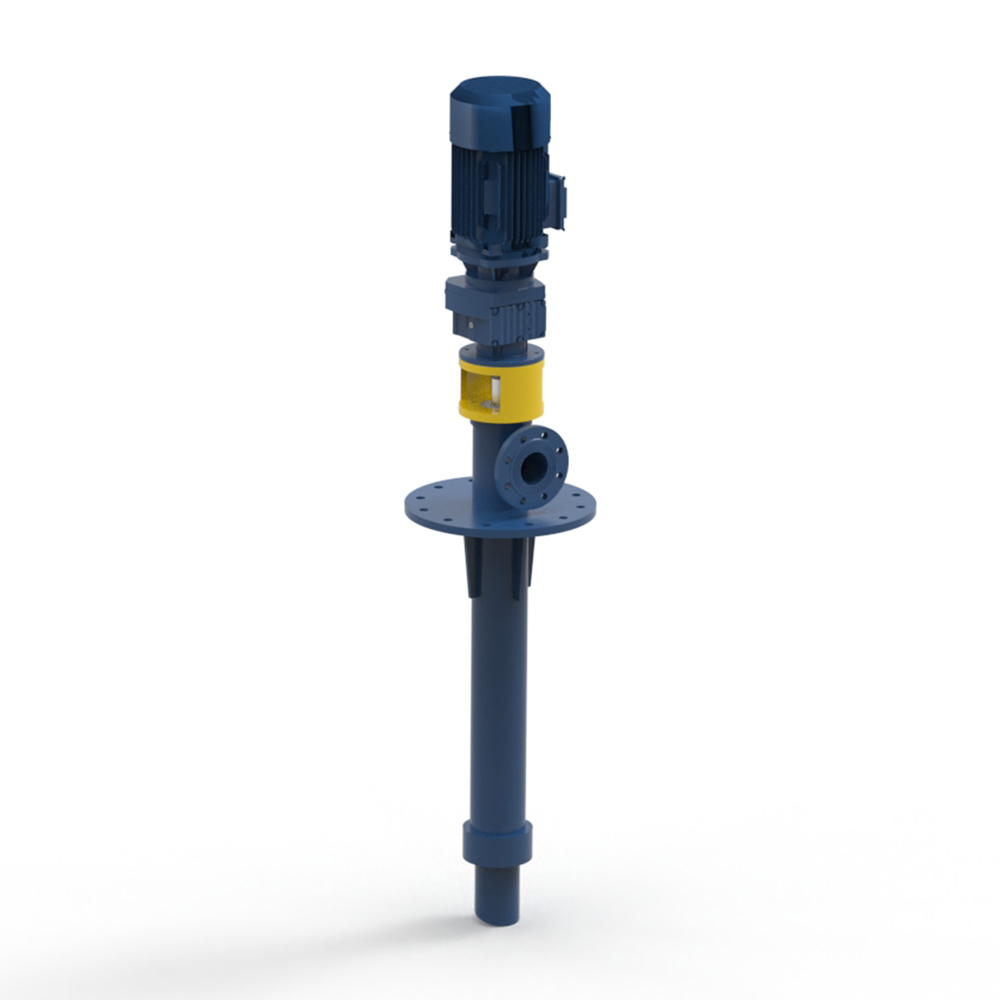
Mika vertical T-type screw pumps can be achieved through the length of the pump body to a variety of different depths of the pool, the pump's hopper i...
See Details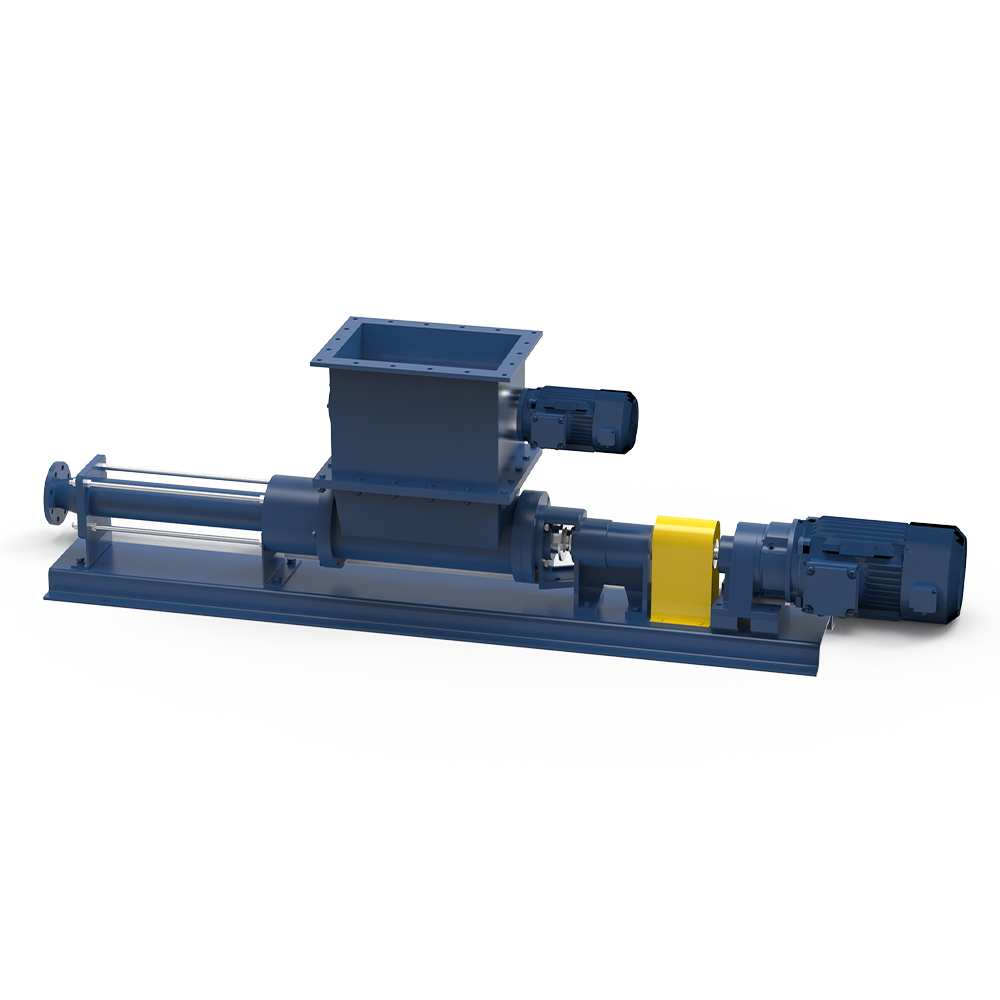
The inlet is designed for a large hopper with a bridge-breaking device P-pumps are suitable for conveying materials with high viscosity, high solids c...
See Details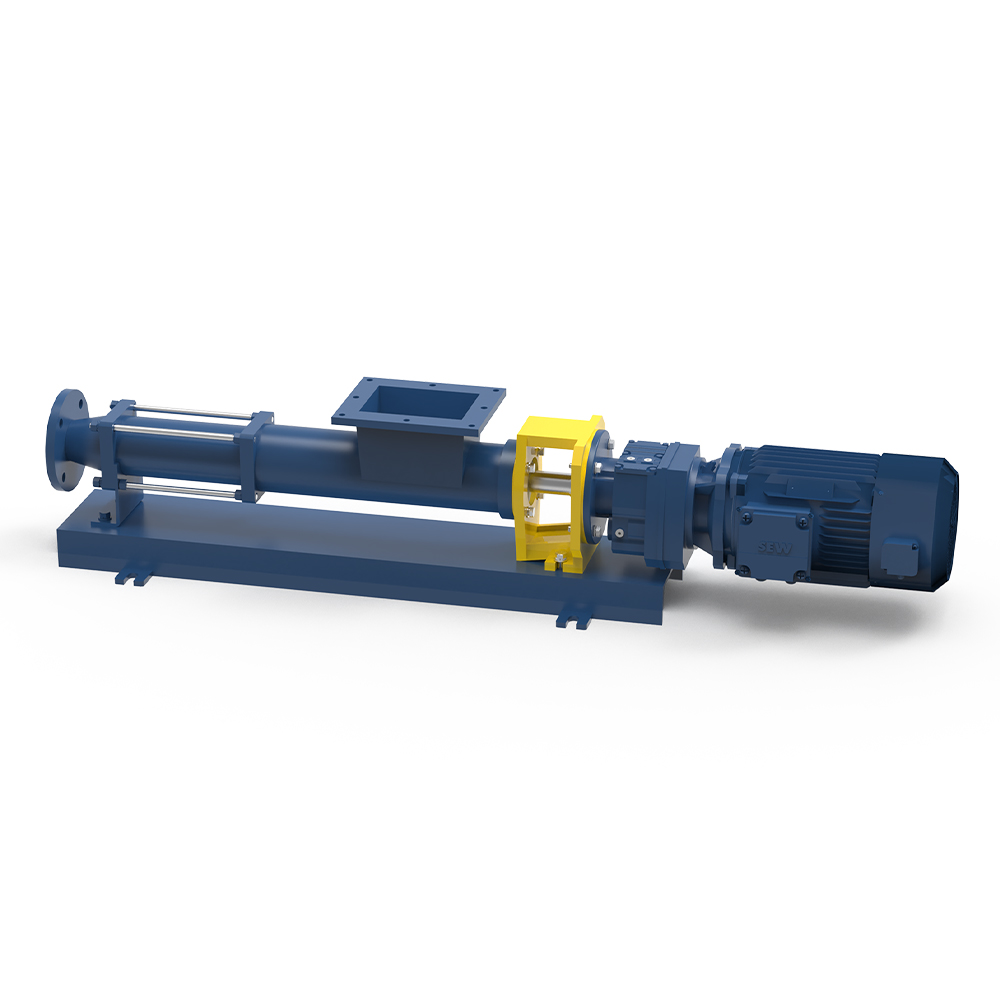
The inlet is a small rectangular hopper design H pump, suitable for conveying high viscosity solid content of less than 15% of the medium, such as cru...
See Details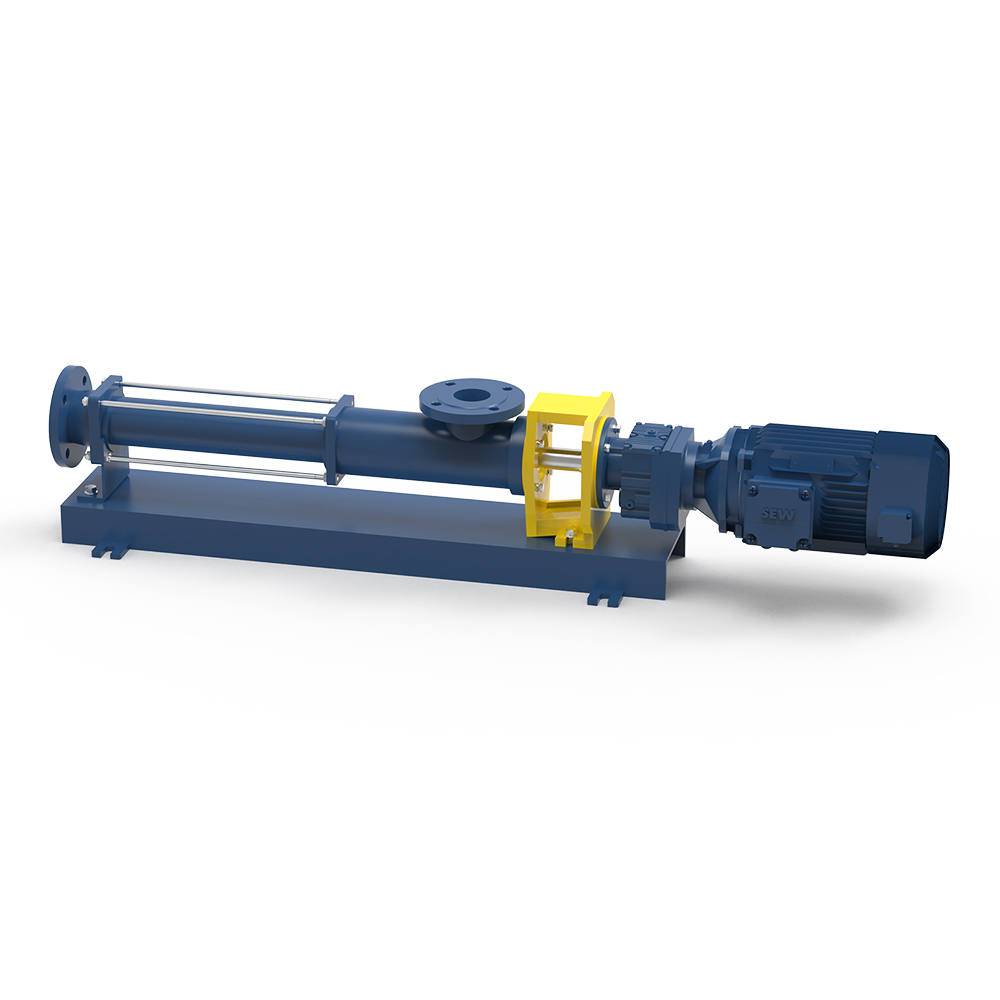
Mika Classic B direct-connected pumps are compact, easy to maintain, with low investment costs, and are suitable for a wide range of common working co...
See Details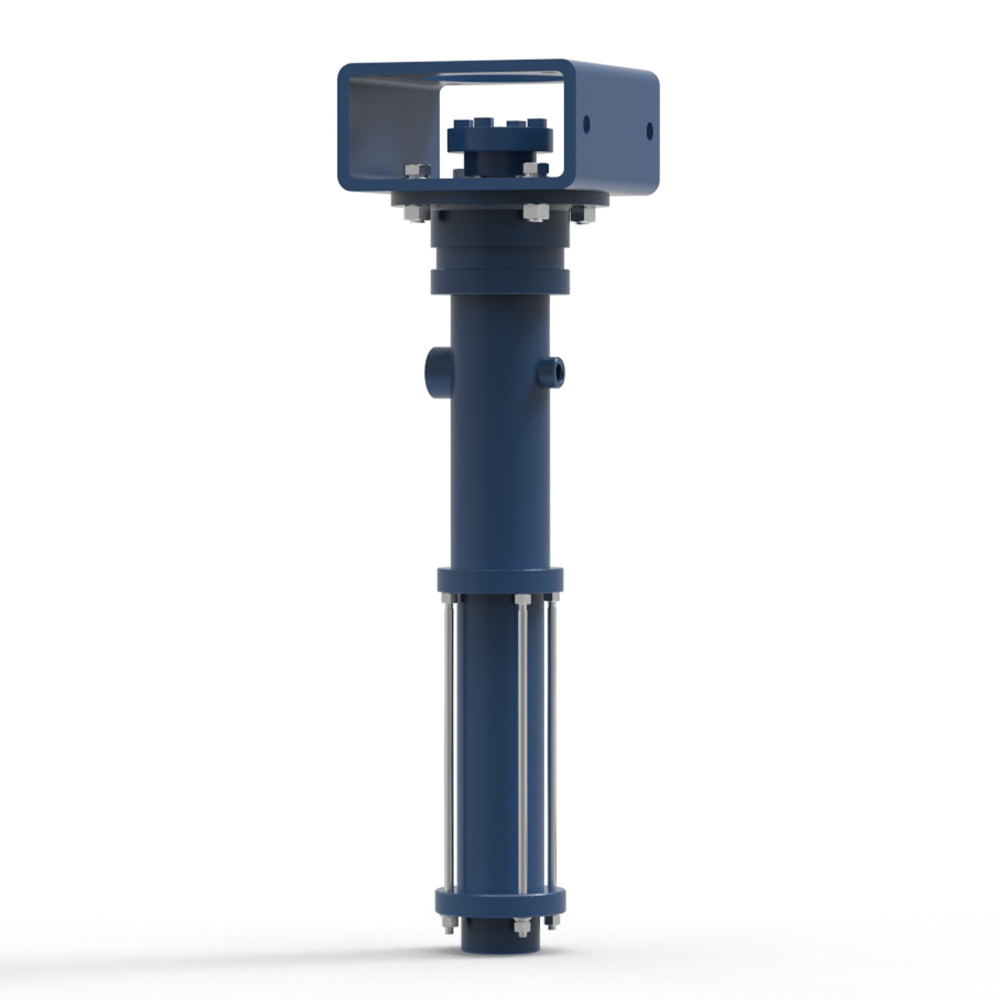
Precise flow rates and a wide range of materials for the metering and delivery of all kinds of sealants. Working Principle The MeiJia pump is a prog...
See Details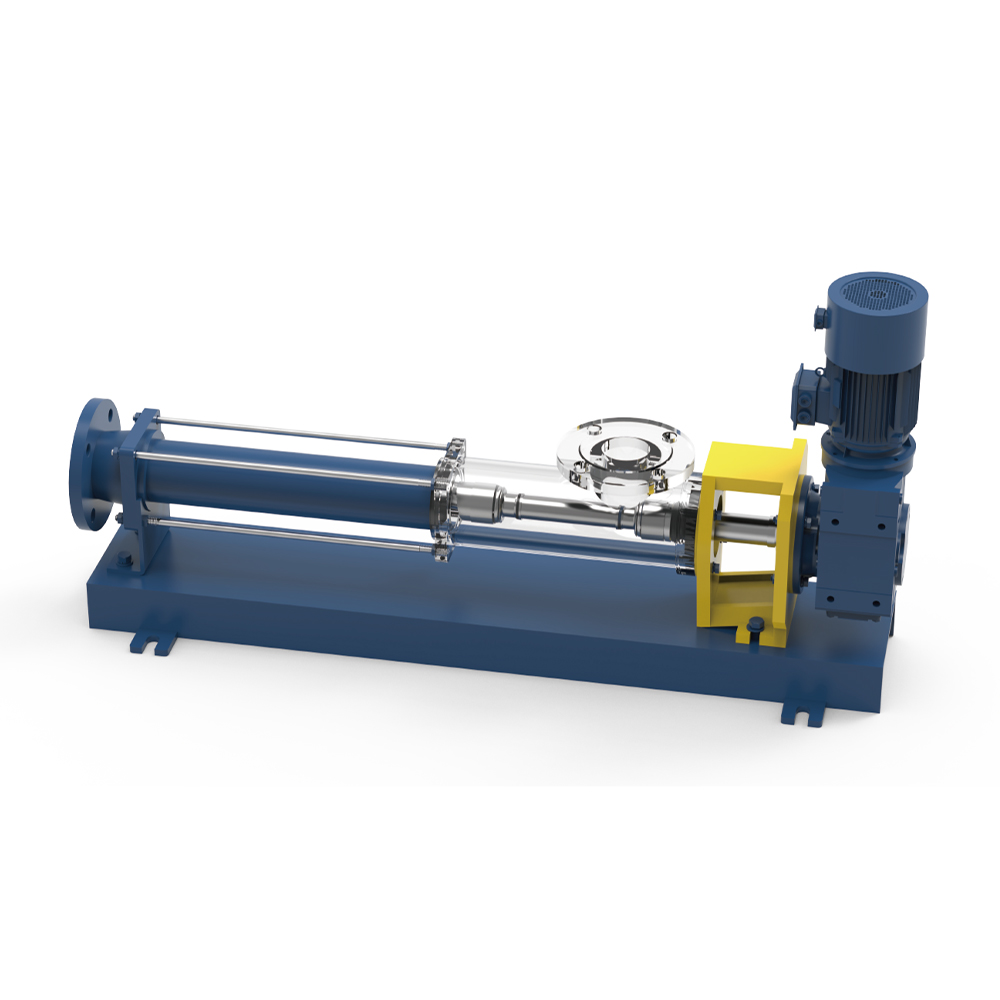
The speed reducer adopts the K series speed reducer, and the length of the pump can be shortened, so it can be used in places where the space is narro...
See Details
Various materials are available for different working conditions, such as NBR, HNBR, EPDM, and FKM.
See Details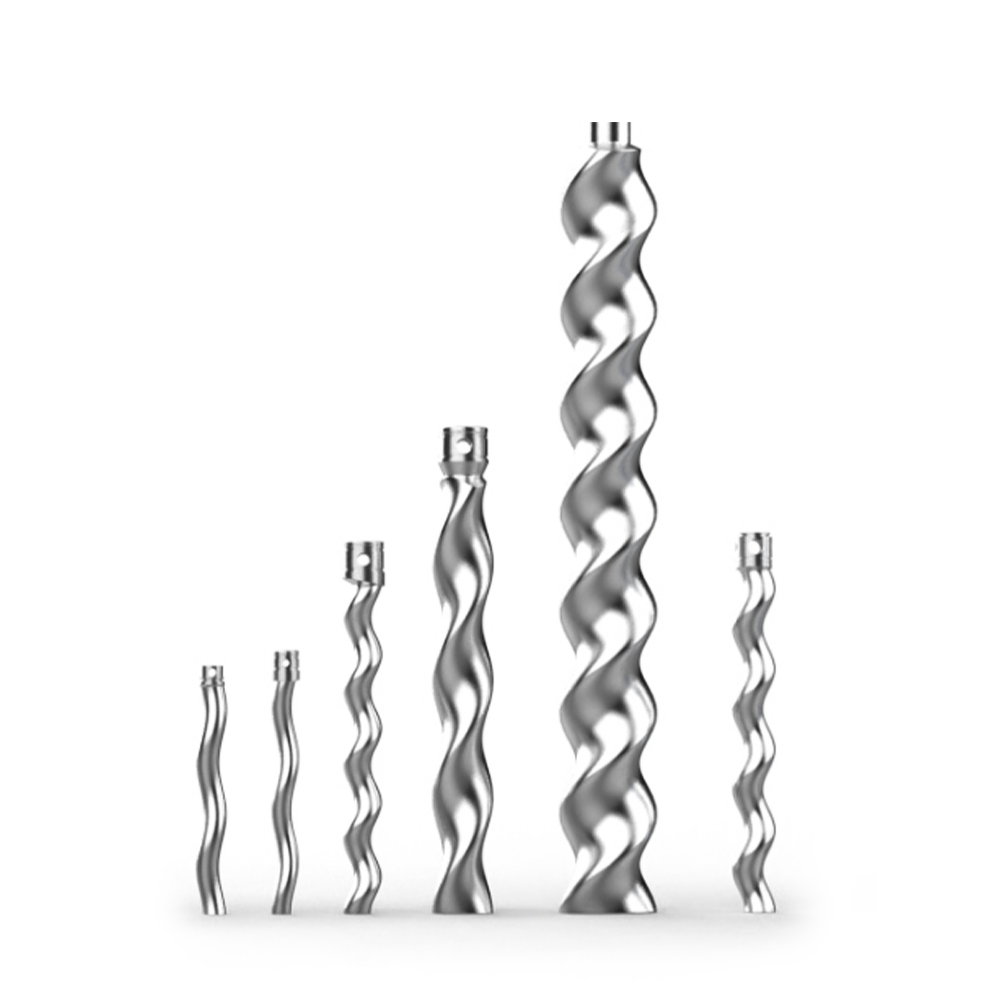
Multiple materials available, 304, 316L, 2205, rotor surface coating can be chrome plated or tungsten carbide sprayed.
See Details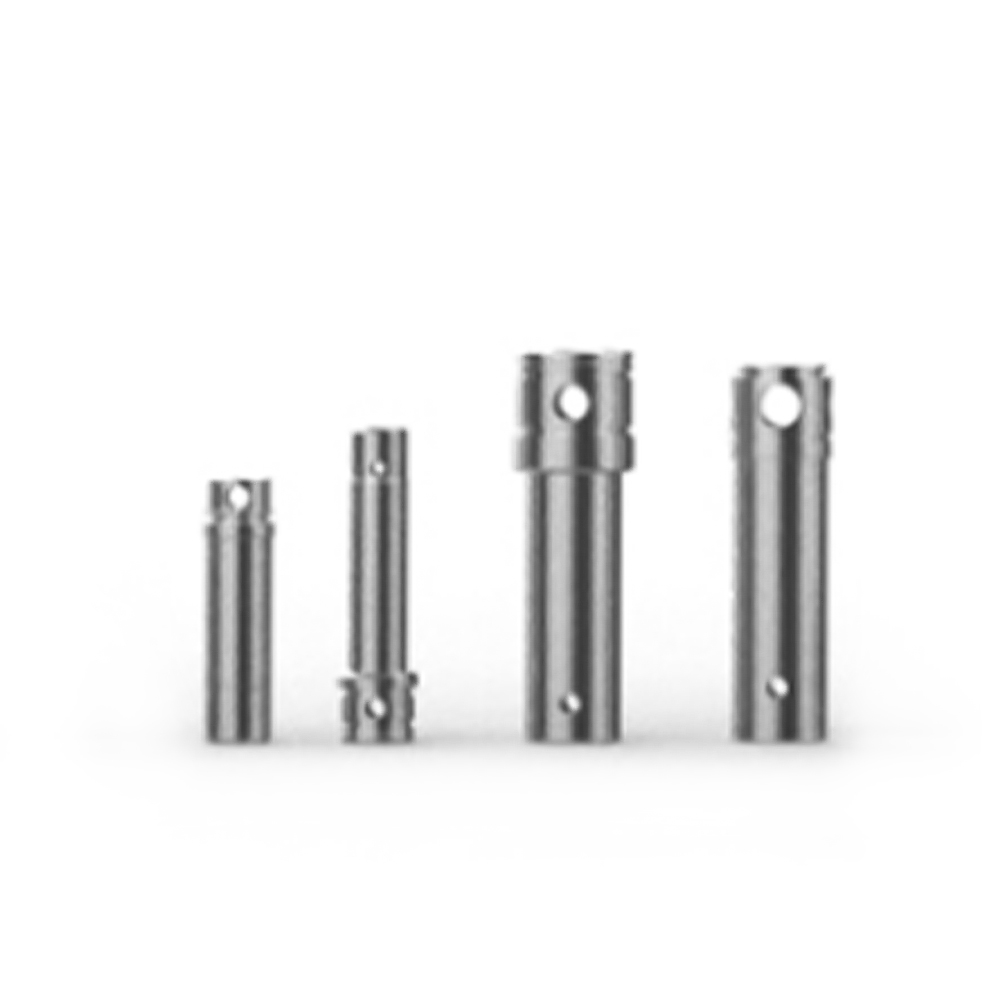
Multiple materials available: Q235,304,316L,2205,2507, etc.
See DetailsContact Us
Add: No. 36 Xintai Road, Economic Development Zone, Jingjiang City, Jiangsu Province, China
Tel: +86-13515167342
Fax: +86-523-84261117
E-mail: [email protected]
We'd love to
hear from you!
