
 English
 русский
 Español
Equal Wall Thickness Screw Pumps
Cat:Single Screw Pumps
Screw pumps equipped with equal wall thickness stator, the same kind of pump specifications pump flow, and pressure are increased. The equal wall thic...
See DetailsContent
A stator for progressive cavity pumps is the fixed, helical-lined rubber sleeve that works in tandem with a rotating metal rotor to create sealed cavities that move fluid continuously from inlet to outlet. It is, without question, the most performance-critical component among all progressive cavity pump parts — its geometry, rubber compound, and dimensional accuracy directly determine flow consistency, pressure capability, and service life across every application from sewage screw pumps to food-grade systems.
As a dedicated screw pumps manufacturer, Jingjiang Meijia Pump Industry Co., Ltd. supplies precision-engineered rubber stators, rotors, and complete spare parts for progressive cavity pumps to industries worldwide — delivering consistent quality backed by deep manufacturing expertise.
The operating principle of a PC pump stator is elegantly simple: the inner bore of the stator is machined (or moulded) as a double-helix with a pitch twice that of the single-helix single screw rotor. When the rotor turns eccentrically inside the stator, a series of sealed cavities forms between the two surfaces and travels axially from suction to discharge — with no valves, no turbulence, and minimal shear. This makes the progressive cavity stator ideal for viscous, abrasive, and shear-sensitive media that would be damaged by centrifugal or piston pumps.
Figure 1 — Progressive cavity pump operating cycle
Key dimensional relationships that define cavity pump stator performance:
The rubber stator lining is moulded from an elastomer bonded to a steel tube. Selecting the wrong compound is the leading cause of premature replacement pump stator requirements. The table below summarises the most widely used elastomer types for industrial pump stators:
| Compound | Temp. Range | Key Strength | Typical Application |
|---|---|---|---|
| NBR (Nitrile) | -30 °C to 100 °C | Oil & fuel resistance | Petrochemical, crude oil |
| EPDM | -40 °C to 150 °C | Steam & hot water | Sewage, water treatment |
| FKM (Viton) | -20 °C to 200 °C | Chemical resistance | Chemical, pharmaceutical |
| NR (Natural Rubber) | -50 °C to 80 °C | Abrasion resistance | Sludge, mining slurry |
| FDA Silicone | -60 °C to 180 °C | Food-grade compliance | Food screw pump, beverage |
Figure 2 — Relative abrasion resistance index by elastomer type (indicative)
The versatility of the screw pump stator design makes it applicable across a wide range of demanding sectors. Each industry places distinct demands on stator geometry, compound hardness (typically Shore A 60–80), and dimensional tolerance:
Sewage screw pumps and sludge screw pumps operate with media containing fibres, solids up to 40 mm, and abrasive particles. EPDM or natural rubber progressive cavity stators with a relatively low interference fit (0.3–0.6 mm) are favoured here to reduce torque while maintaining adequate sealing across varying solid concentrations of 1–8% DS (dry solids). Municipal wastewater treatment plants running continuously consume replacement pump stators at a typical interval of 8,000–15,000 operating hours depending on grit content.
A food screw pump requires FDA-compliant elastomers — typically silicone or EPDM — that withstand CIP (clean-in-place) procedures with caustic and acid solutions at up to 85 °C. Stator for pump designs in this sector prioritise smooth bore surfaces (Ra ≤ 1.6 µm) to prevent bacterial harbourage and ensure hygienic operation when handling tomato paste, honey, yoghurt, and similar high-viscosity products.
Crude oil transfer demands NBR or FKM rubber stators with high oil-swell resistance. At wellhead applications, the PC pump stator may be exposed to H₂S, CO₂, and temperatures exceeding 120 °C, making compound selection and bond strength between rubber and steel tube critical for reliable uptime. A well-engineered progressive cavity stator in these conditions can achieve pressure differentials of up to 24 bar per stage.
Paper and pulp mills use single screw pumps to transfer stock suspensions at consistencies of 3–6%; chemical plants depend on FKM-lined industrial pump stators for aggressive solvents and acids. Both sectors benefit from the inherently gentle, pulsation-free flow that screw pump accessories and precision stators enable.
Figure 3 — Indicative stator service life (hours) by industry application
The single screw rotor is the dynamic partner of the stator. Made from hardened stainless steel, chrome steel, or tungsten carbide-coated steel, it rotates eccentrically within the cavity pump stator bore. The quality of this rotor-stator pairing determines the pump's volumetric efficiency — ideally above 90% at rated speed and pressure. Key matching parameters include:
Figure 4 — Radar comparison: hard chrome vs stainless steel rotor performance
Monitoring stator condition is essential for avoiding unplanned shutdowns. The following indicators signal that a replacement pump stator is due:
Figure 5 — Indicative flow rate retention vs cumulative operating hours; replacement advised below 85%
A well-managed screw pump accessories inventory minimises downtime. Beyond the progressive cavity pump stator, the following pump spare parts should be held as recommended stock:
| Spare Part | Replacement Interval | Priority Level | Notes |
|---|---|---|---|
| Stator (rubber liner) | 8,000–15,000 h | Critical | Match compound to fluid |
| Single screw rotor | 12,000–20,000 h | Critical | Inspect chrome layer |
| Mechanical seal | 6,000–10,000 h | High | Stock 2× per pump |
| Universal joint / drive pin | 10,000–18,000 h | High | Check for fatigue cracks |
| Bearing assembly | Annual or per OEM spec | Medium | Grease lubrication key |
| Suction / discharge gaskets | Every overhaul | Standard | Match flange rating |
A vertical screw pump configuration introduces specific stator design requirements compared to horizontal installations. Because the pump hangs vertically — often submerged or semi-submerged — the stator must accommodate:
Jingjiang Meijia Pump Industry Co., Ltd. is located at No. 36 Xintai Road, Jingjiang Economic and Technological Development Zone, Jiangsu Province. As a professional screw pumps manufacturer, the company is dedicated to the production, sales, and after-sales service of single screw pumps and high-quality spare parts for progressive cavity pumps — including precision rubber stators, single screw rotors, and a comprehensive range of screw pump accessories.
Meijia Pump Industry has numerous experienced engineers with technically mature expertise in the design, manufacturing, inspection, and complete sets of screw pumps. Meijia single screw pump products feature advanced technology, complete structure, diverse forms, complete specifications, and durability. They serve industries including environmental water treatment, chemical industry, paper and pulp, food and pharmaceutical, petrochemical, and energy. Meijia also provides universal accessories for global single screw pump brands — including stator for progressive cavity pumps compatible with major market configurations.
The company's after-sales service centre has a team of experienced engineers delivering thoughtful support. Through long-term operation across diverse environments, Meijia single screw pump products demonstrate year-on-year reliability in different working conditions. Meijia Pump Industry is your trusted partner — leaders from all industries are welcome to visit and engage.
Q1. What is the main difference between a pump stator and a rotor in a progressive cavity pump?
The progressive cavity pump stator is the fixed outer rubber-lined component with a double-helix bore, while the single screw rotor is the rotating inner metal helical shaft. Together they form sealed cavities that transport fluid — neither can function without the other being correctly matched in geometry and interference.
Q2. How do I choose the right rubber compound for my stator for progressive cavity pumps?
Base the selection on three factors: the chemical compatibility of the elastomer with your pumped fluid, the operating temperature range, and the abrasiveness of the media. NBR suits oils and hydrocarbons; EPDM suits hot water and sewage; FKM suits aggressive chemicals; FDA-grade silicone suits food applications. A qualified screw pumps manufacturer can assist with compound selection based on a fluid datasheet.
Q3. Can a replacement pump stator from Meijia fit other manufacturers' pump frames?
Meijia Pump Industry supplies universal replacement pump stators and PC pump stator assemblies compatible with the major global single screw pump frame configurations. Providing the existing pump model number, key dimensions (stator OD, bore profile, pitch, and tube length), and the working fluid details allows Meijia engineers to confirm compatibility.
Q4. What causes premature stator wear in a sludge screw pump?
The primary causes are dry running (even briefly), abrasive solids above the design particle size limit, chemical swelling from incompatible fluids, and operating consistently above the rated pressure differential. For sludge screw pumps, installing a dry-run protection sensor and ensuring adequate suction head significantly extends industrial pump stator service life.
Q5. How is a stator for a food screw pump different from a standard industrial stator?
A food screw pump stator must use FDA- or EC 1935/2004-compliant elastomers (typically silicone or EPDM-food grade), a smooth bore finish (Ra ≤ 1.6 µm) to prevent bacterial growth, and certifiable traceability of the rubber compound. Standard industrial rubber stators do not carry these certifications and must not be used in food-contact applications.
Q6. What documentation should accompany a quality progressive cavity stator?
A professional Screw Pumps manufacturer should supply dimensional inspection reports, rubber compound material certification (with hardness and tensile data), bond strength test results between the rubber and steel tube, and for food or pharmaceutical applications, a declaration of compliance to the relevant food-contact regulation.
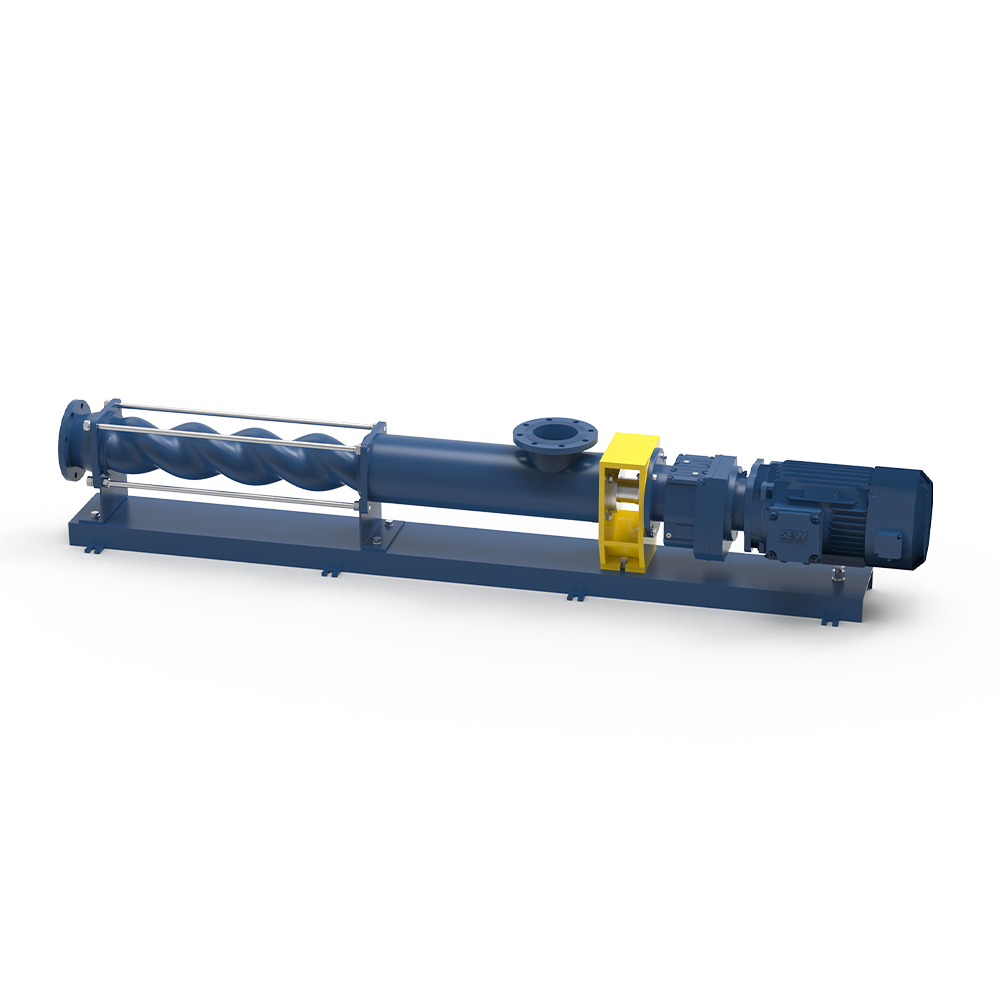
Screw pumps equipped with equal wall thickness stator, the same kind of pump specifications pump flow, and pressure are increased. The equal wall thic...
See Details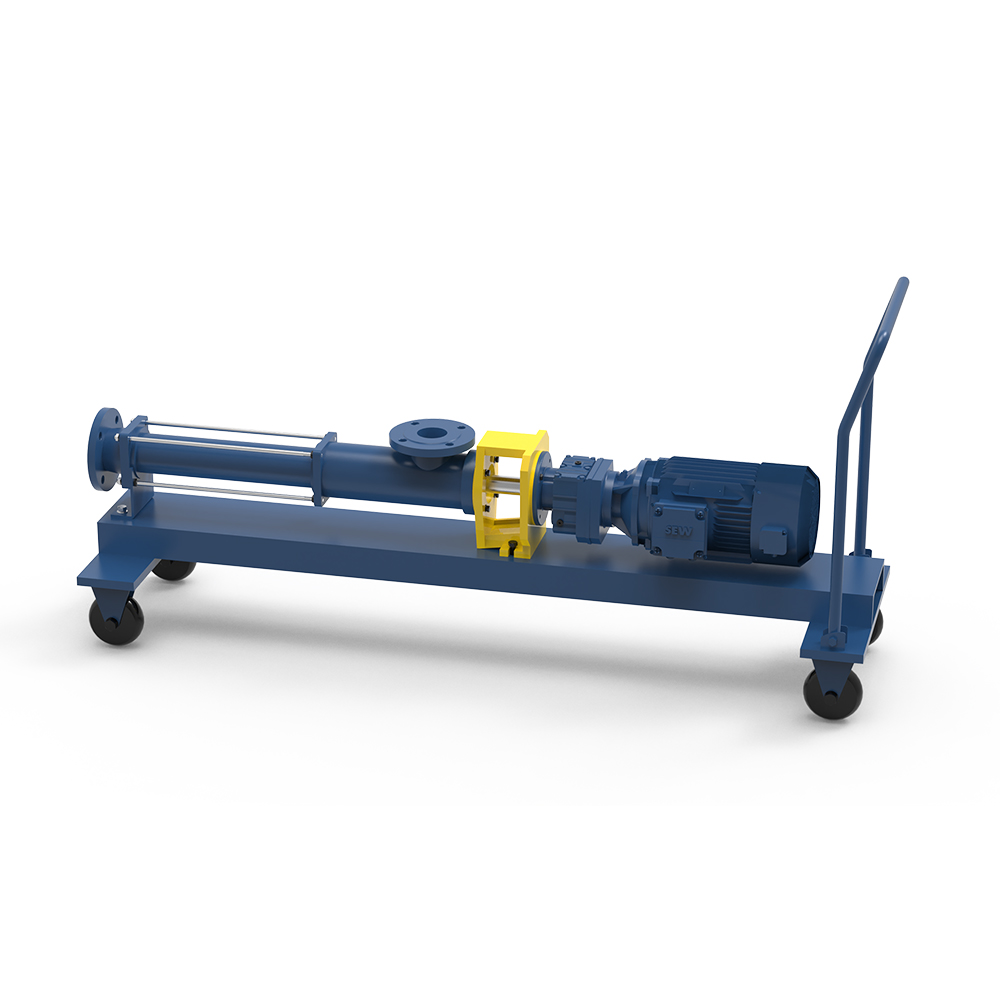
Mika vehicle-mounted pump, the pump base is not only stable and reliable, but also cleverly equipped with universal wheels, these wheels rotate flexib...
See Details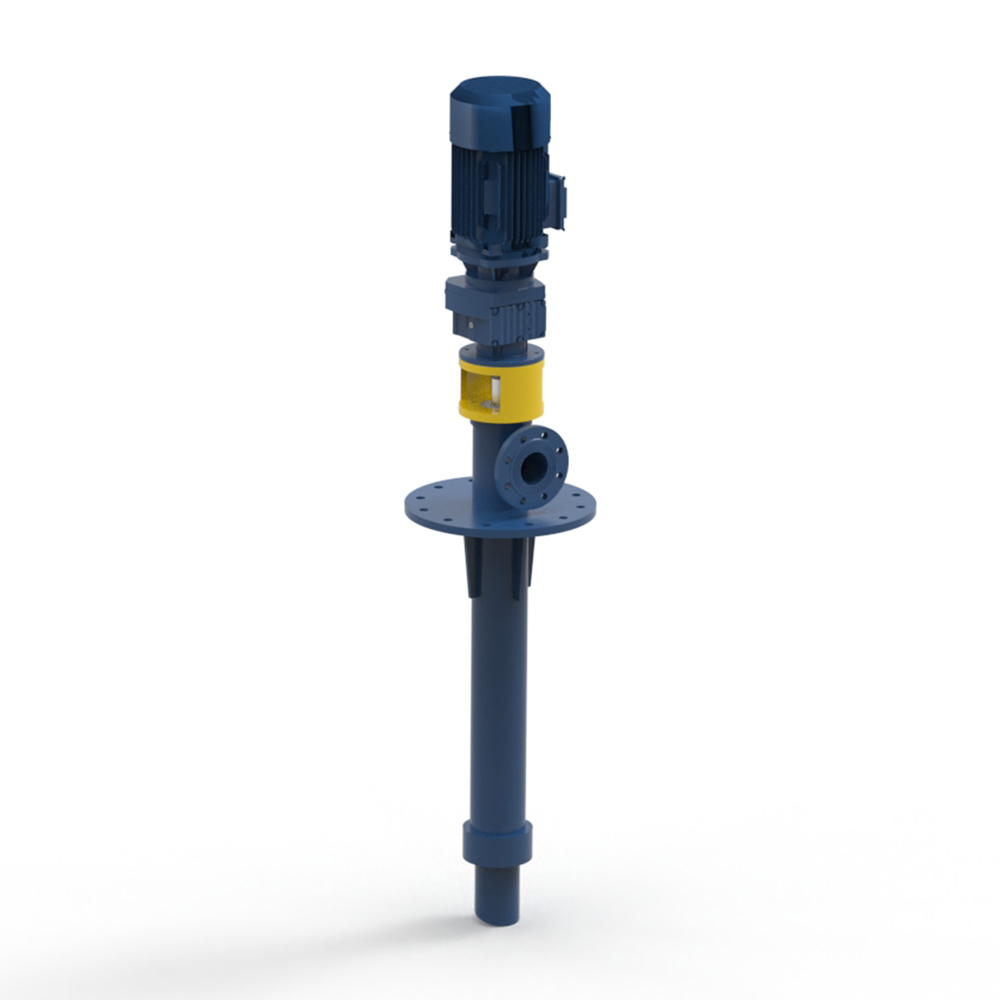
Mika vertical T-type screw pumps can be achieved through the length of the pump body to a variety of different depths of the pool, the pump's hopper i...
See Details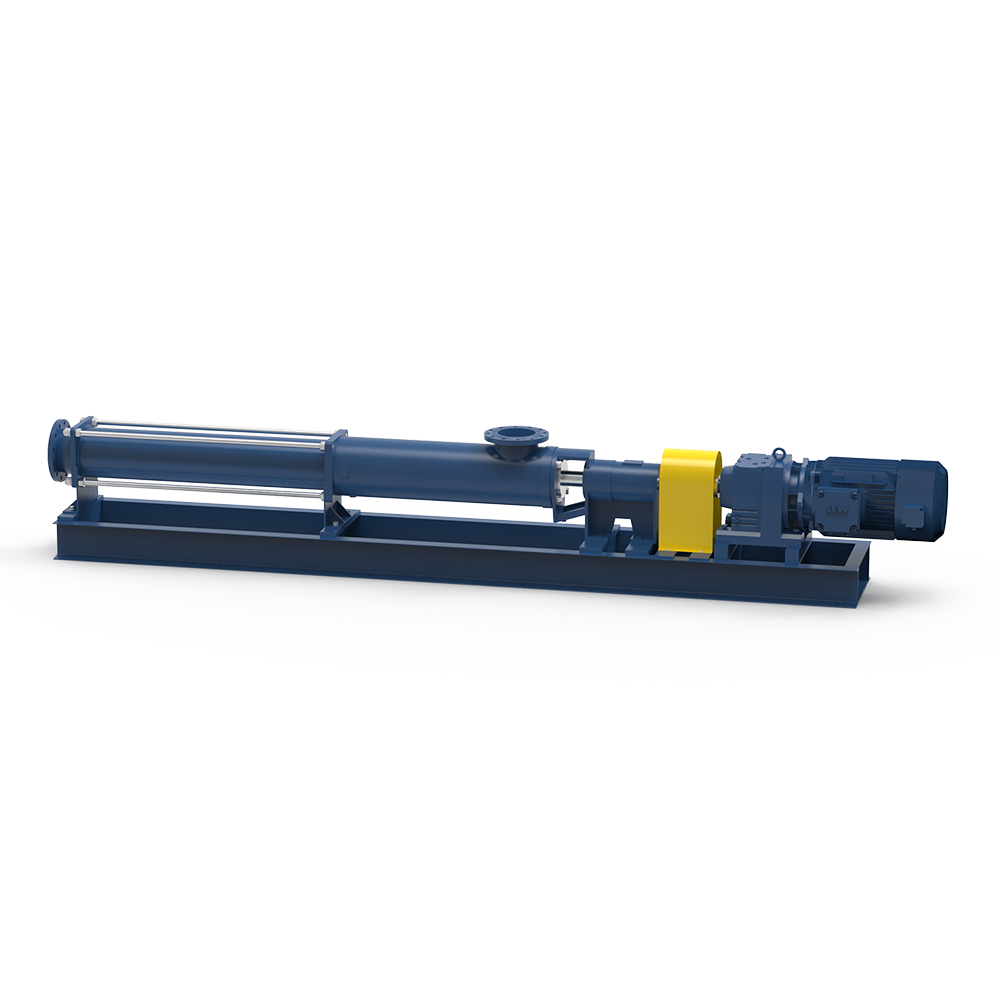
The S-pump with bearing frame support can withstand higher axial loads and can be used for high-pressure conditions, e.g. high-pressure sludge feed tr...
See Details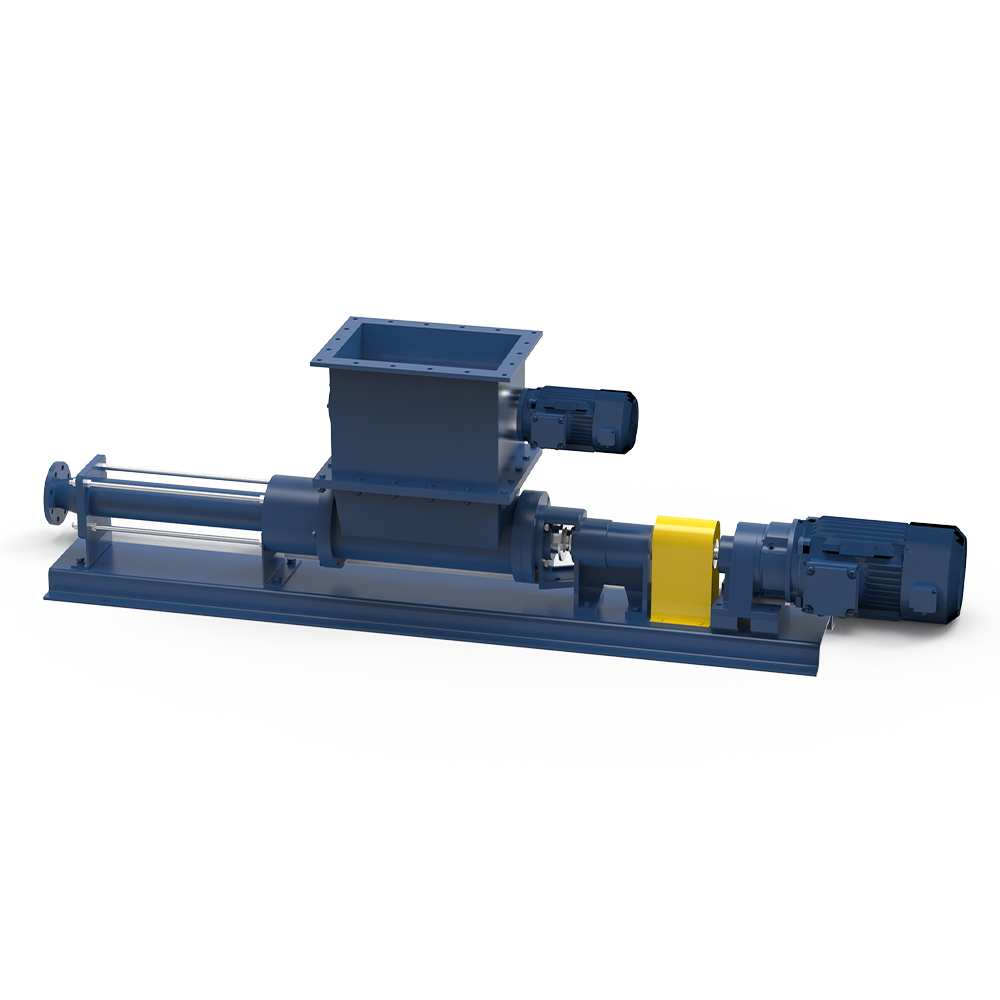
The inlet is designed for a large hopper with a bridge-breaking device P-pumps are suitable for conveying materials with high viscosity, high solids c...
See Details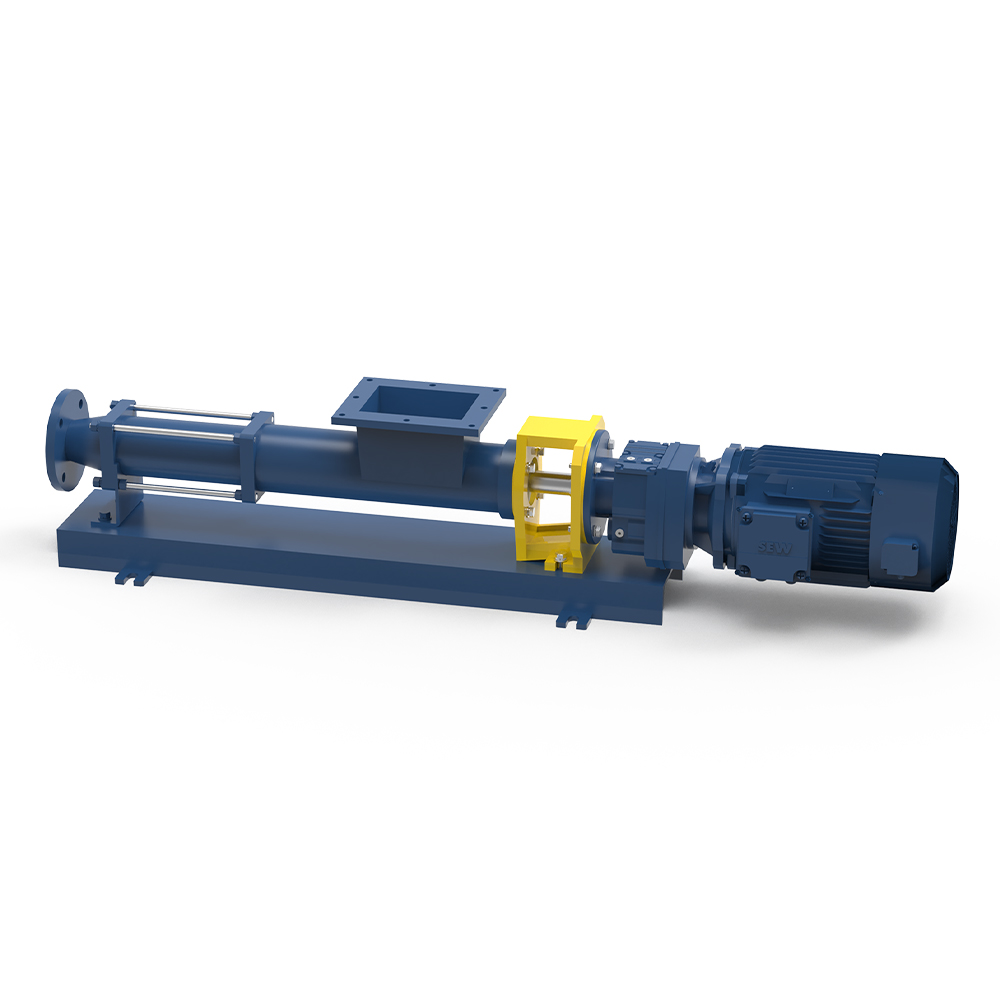
The inlet is a small rectangular hopper design H pump, suitable for conveying high viscosity solid content of less than 15% of the medium, such as cru...
See Details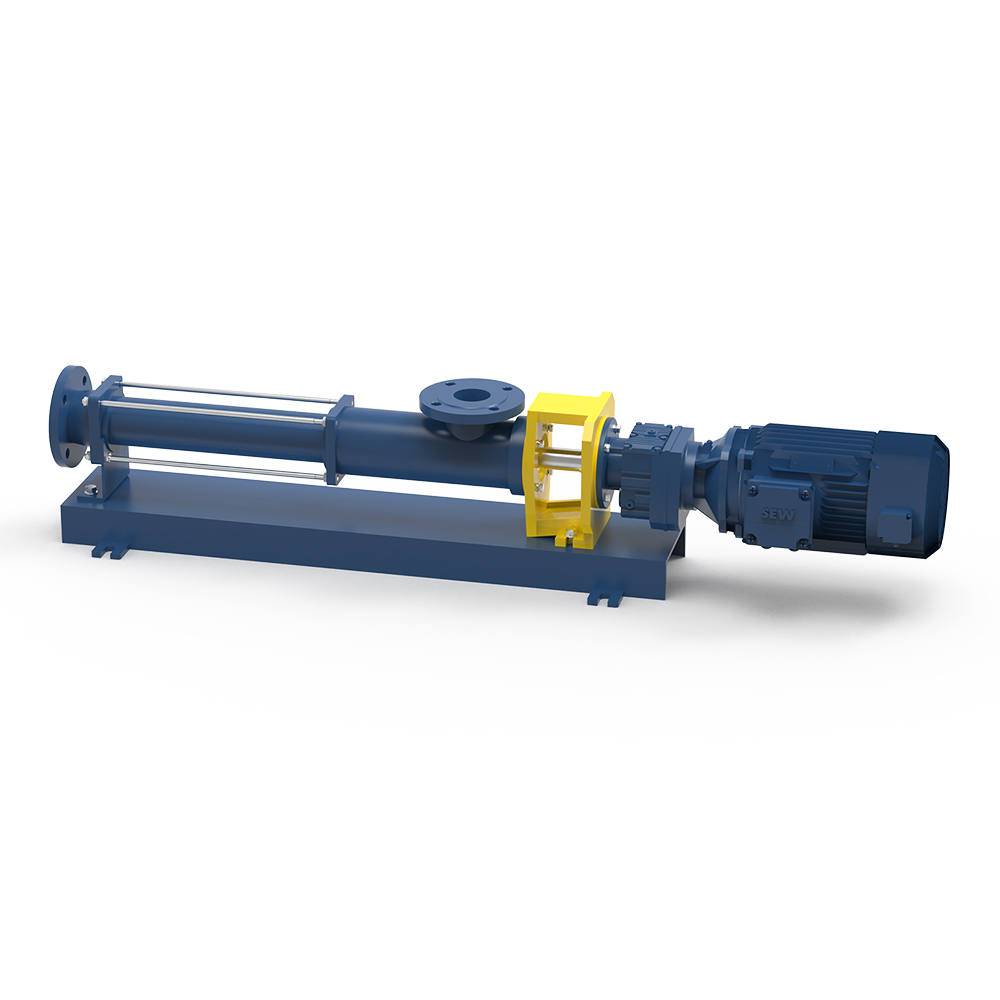
Mika Classic B direct-connected pumps are compact, easy to maintain, with low investment costs, and are suitable for a wide range of common working co...
See Details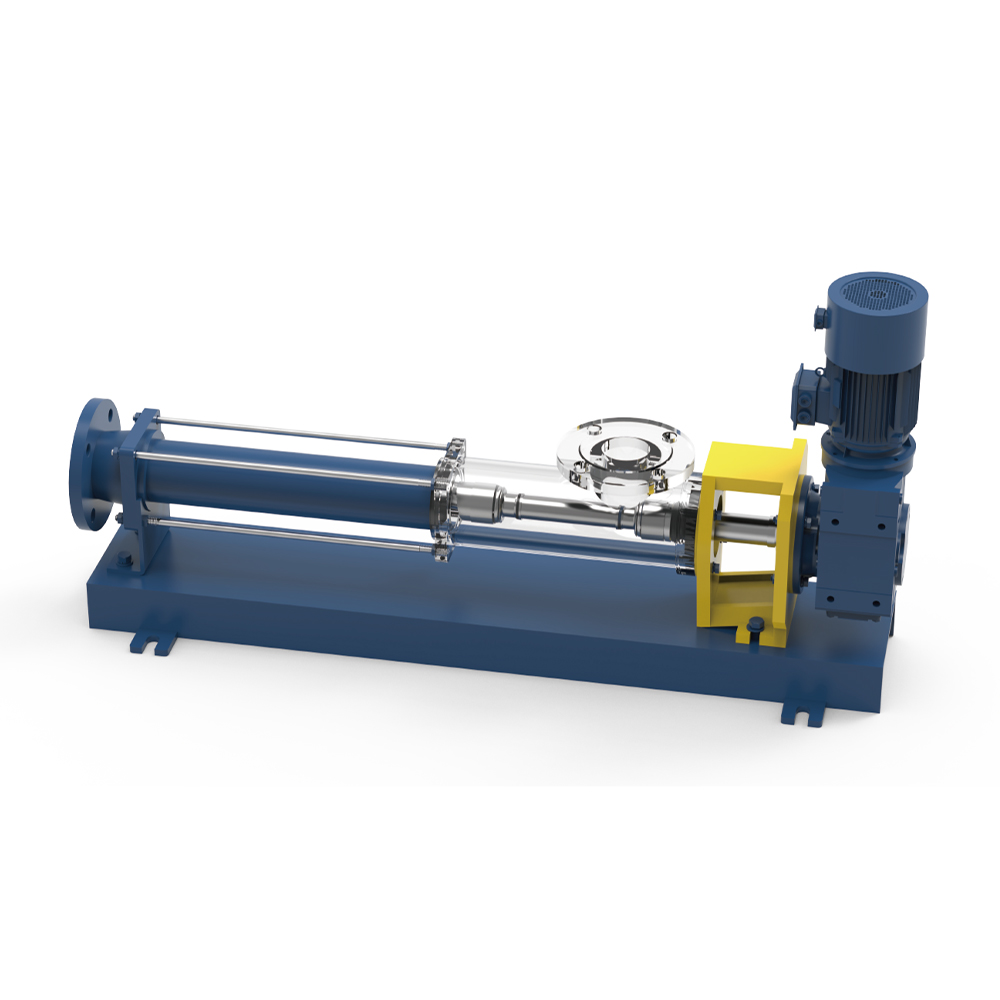
The speed reducer adopts the K series speed reducer, and the length of the pump can be shortened, so it can be used in places where the space is narro...
See Details
Various materials are available for different working conditions, such as NBR, HNBR, EPDM, and FKM.
See Details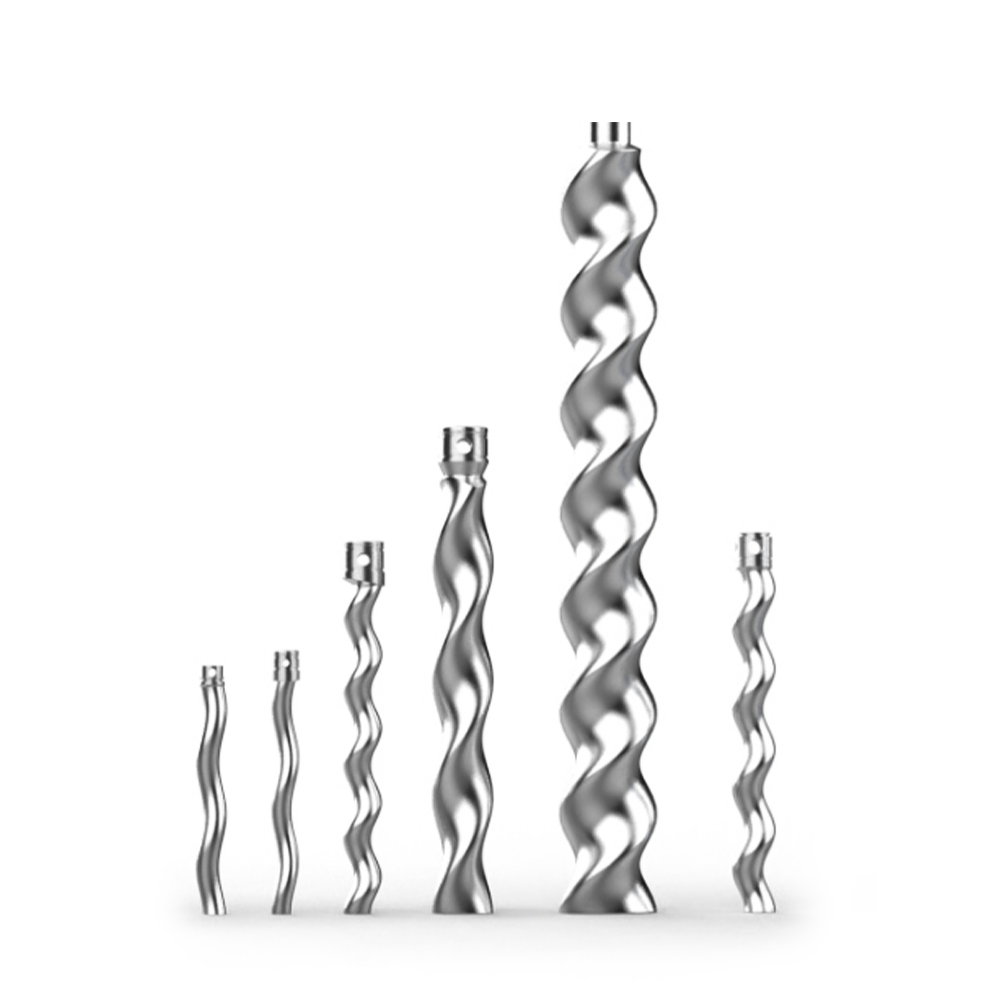
Multiple materials available, 304, 316L, 2205, rotor surface coating can be chrome plated or tungsten carbide sprayed.
See DetailsContact Us
Add: No. 36 Xintai Road, Economic Development Zone, Jingjiang City, Jiangsu Province, China
Tel: +86-13515167342
Fax: +86-523-84261117
E-mail: [email protected]
We'd love to
hear from you!
