
 English
 русский
 Español
Equal Wall Thickness Screw Pumps
Cat:Single Screw Pumps
Screw pumps equipped with equal wall thickness stator, the same kind of pump specifications pump flow, and pressure are increased. The equal wall thic...
See Details1. The Root Causes of Frequent Stator Replacement
The stator, one of the core working components of a screw pump, is susceptible to multiple factors during operation, leading to a limited lifespan. According to the product characteristics and industry experience of Jingjiang Meijia Pump Industry Co., Ltd., the main reasons for frequent stator replacement are as follows:
Material Aging and Insufficient Environmental Adaptability: Stator materials (such as NBR, HNBR, EPDM, FKM) have varying tolerances to temperature and chemical media. If an unsuitable material is selected (for example, using ordinary NBR in high-temperature corrosive media), the stator will fail due to softening, aging, or corrosion, requiring frequent replacement.
Mechanical Wear from High-Hardness Fluids: When the pump transports media containing hard particles (such as quartz sand, metal shavings, etc.), the rubber inside the stator is eroded by mechanical friction. Over time, the stator surface wear intensifies, leading to decreased sealing performance and forcing users to replace the stator to prevent leakage.
Elastic Degradation Caused by High Temperature: In high-viscosity or high-temperature operating environments, the stator rubber loses its elasticity due to prolonged heat exposure, failing to effectively maintain the fit between the rotor and the stator. This "elastic degradation" is one of the main technical bottlenecks leading to the need for regular replacement of screw pump stators.
2. Precise Material Selection is Key to the Solution
To address the challenge of easily damaged stators, Jingjiang Meijia Pump Industry Co., Ltd. offers a variety of material options to suit different operating conditions:
NBR (Nitrile Rubber): Primarily for conventional media with medium hardness and moderate temperature, with relatively low cost, suitable for general industrial use.
HNBR (Hydrogenated Nitrile Rubber): Enhanced heat and oil resistance compared to NBR, suitable for chemical environments requiring higher durability and high-temperature resistance.
EPDM (Ethylene Propylene Diene Monomer): Possesses excellent high-temperature and ozone resistance, especially suitable for high-temperature steam or hot water systems, effectively extending the stator replacement cycle.
FKM (Fluorocarbon Rubber): The strongest in high-temperature and corrosion resistance, designed for high-acid, high-alkali, and high-temperature and high-pressure environments. Although the cost is higher, it minimizes replacement frequency.
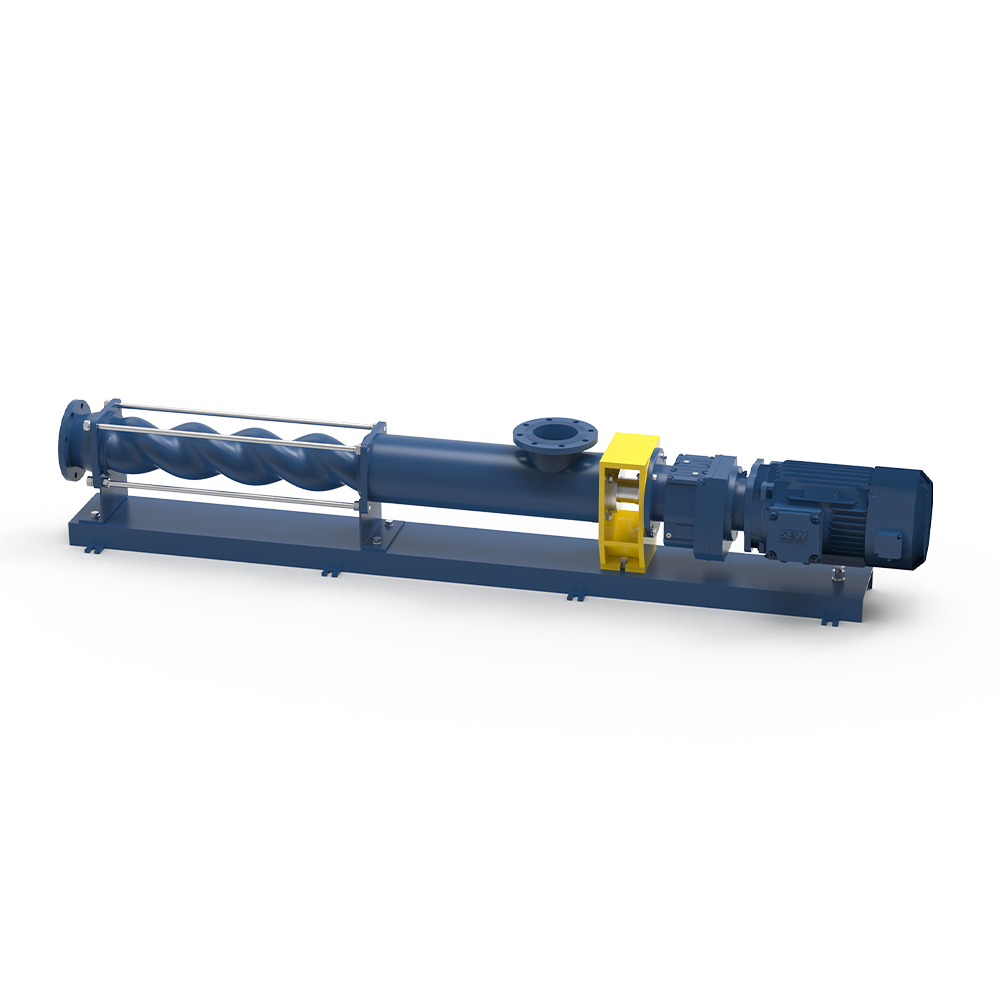
Screw pumps equipped with equal wall thickness stator, the same kind of pump specifications pump flow, and pressure are increased. The equal wall thic...
See Details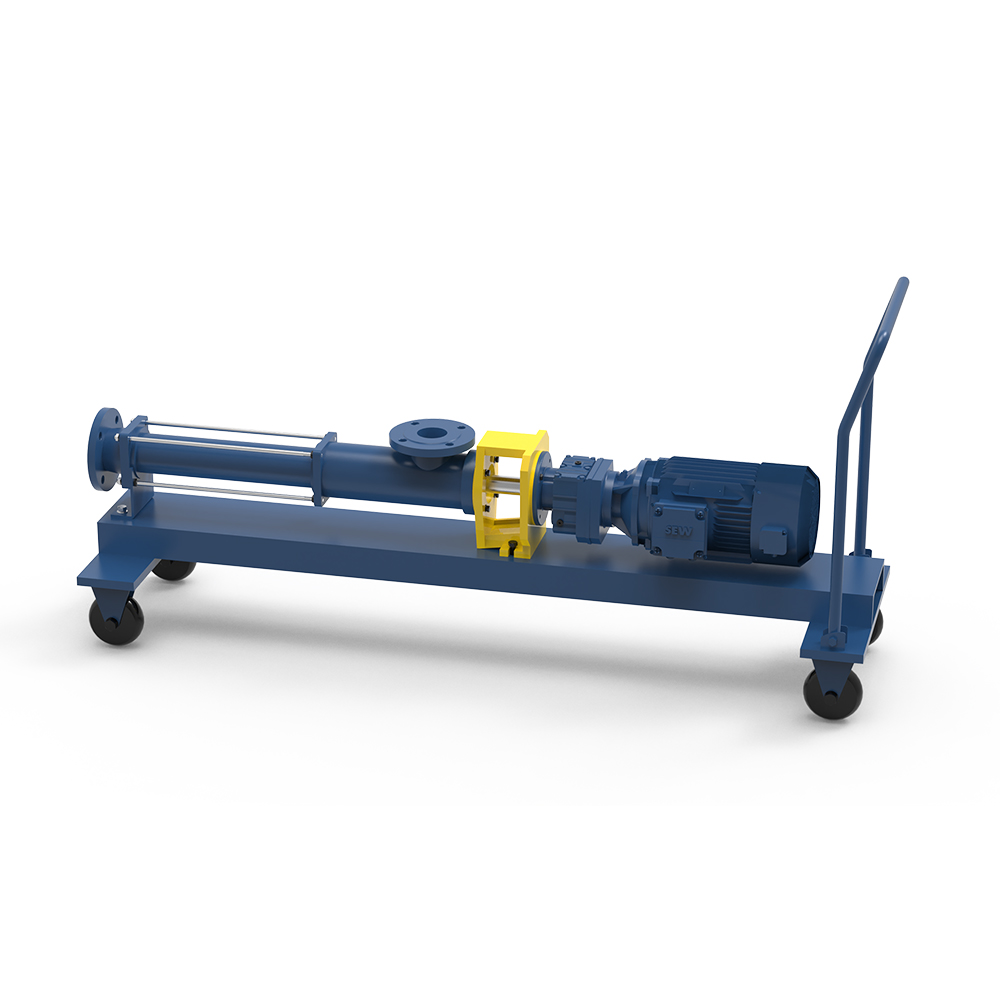
Mika vehicle-mounted pump, the pump base is not only stable and reliable, but also cleverly equipped with universal wheels, these wheels rotate flexib...
See Details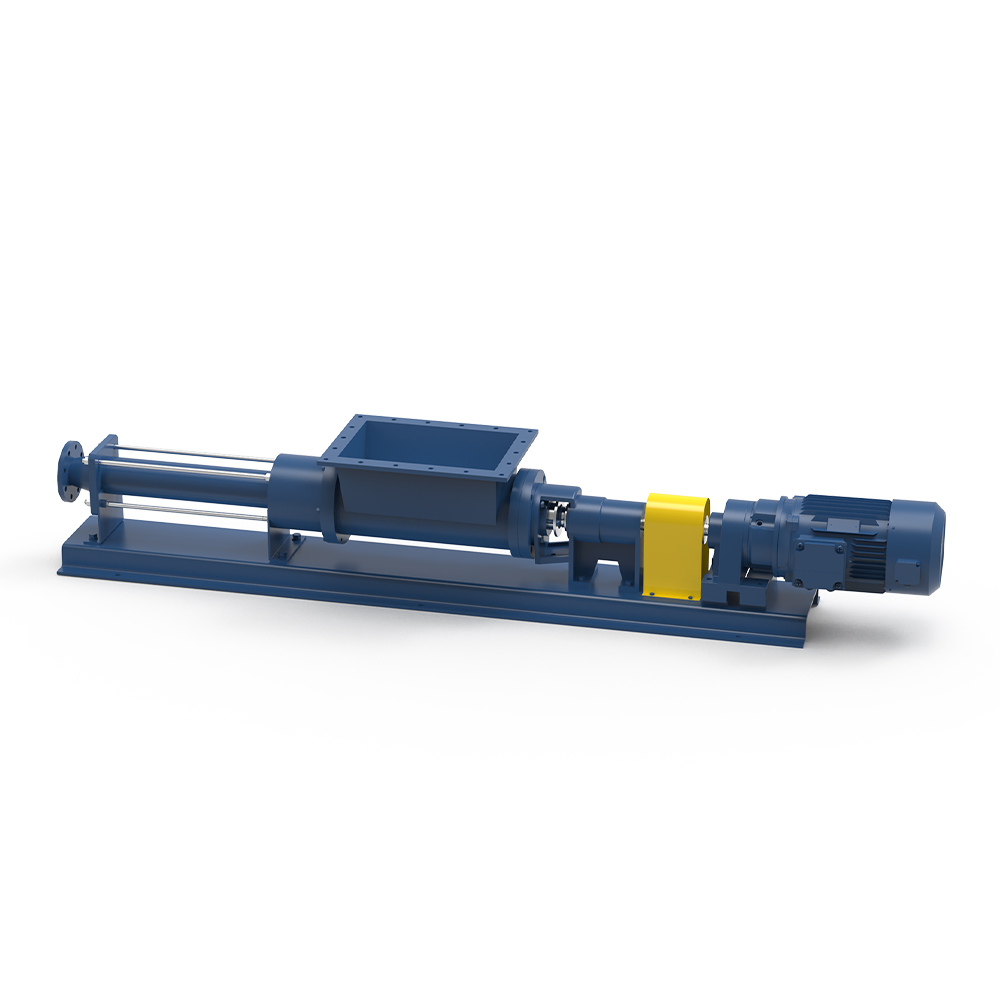
The inlet is a large hopper design W-type pump with a connecting shaft with multiple spiral vanes (which can effectively prevent the accumulation of m...
See Details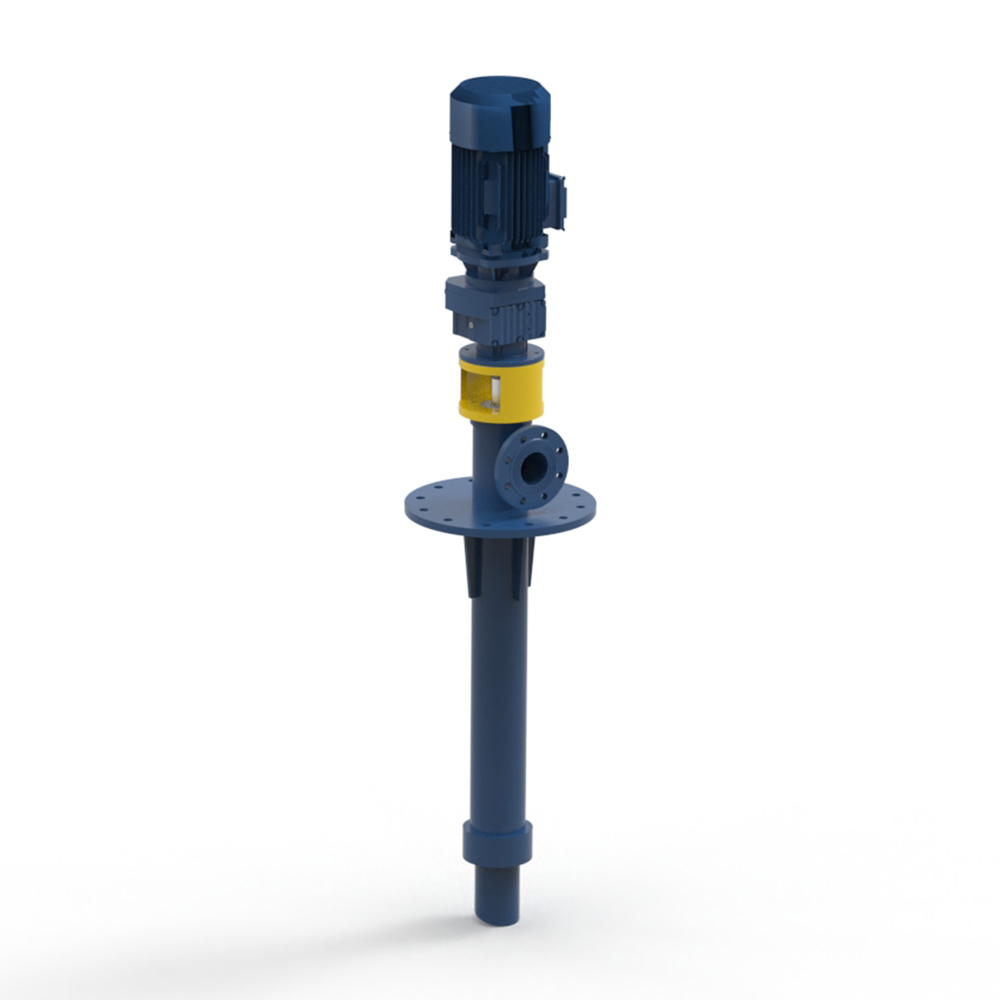
Mika vertical T-type screw pumps can be achieved through the length of the pump body to a variety of different depths of the pool, the pump's hopper i...
See Details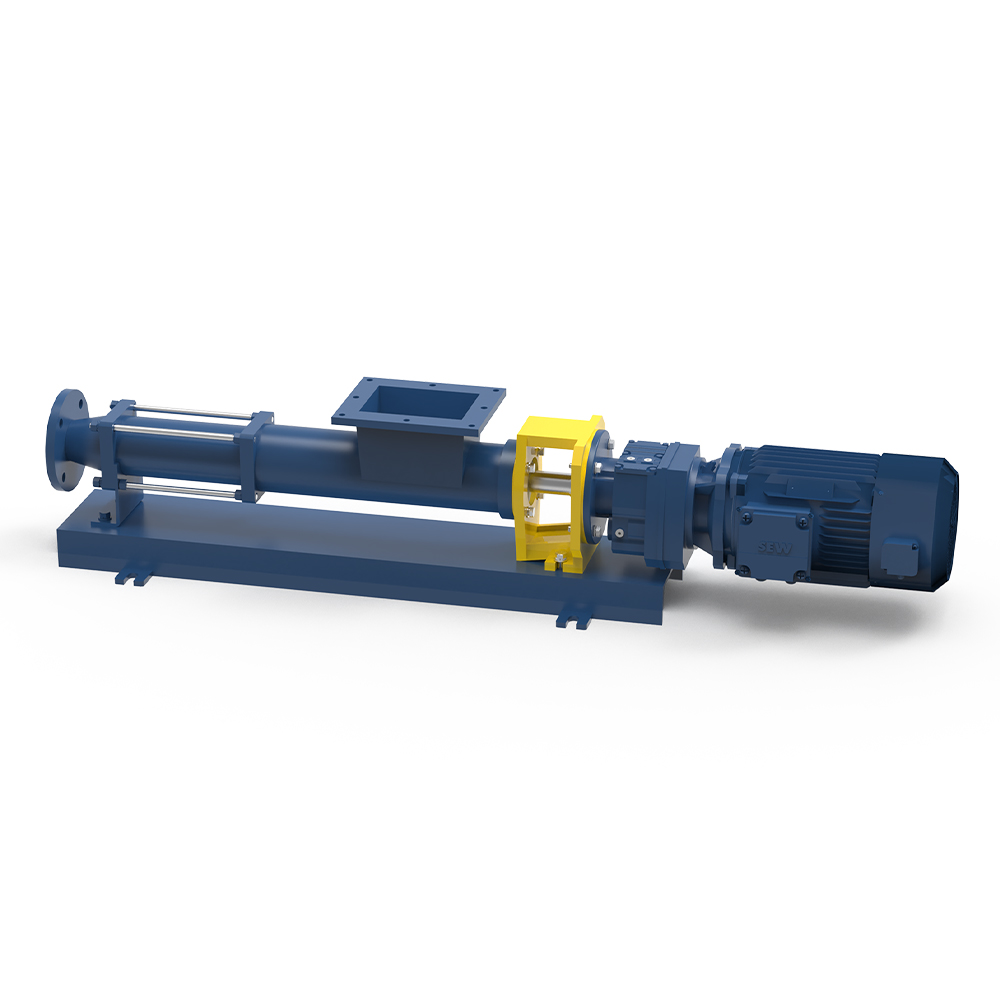
The inlet is a small rectangular hopper design H pump, suitable for conveying high viscosity solid content of less than 15% of the medium, such as cru...
See Details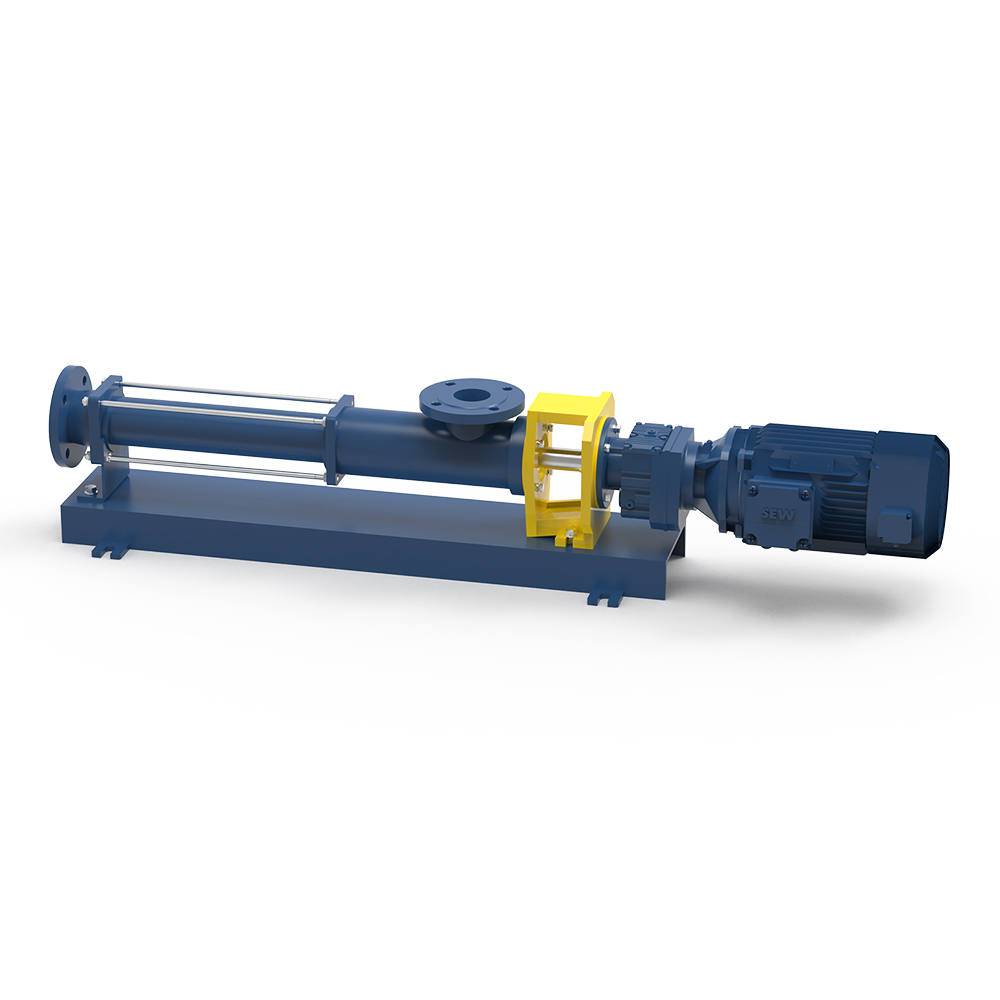
Mika Classic B direct-connected pumps are compact, easy to maintain, with low investment costs, and are suitable for a wide range of common working co...
See Details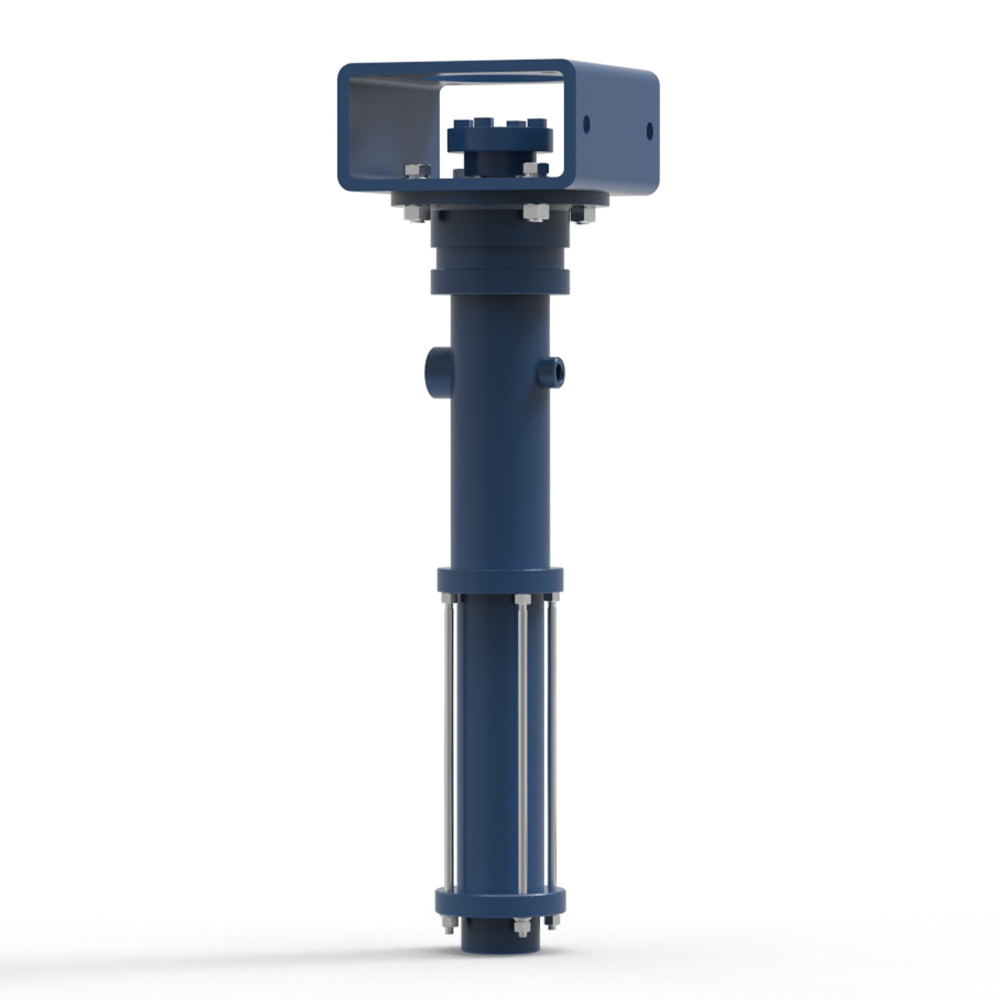
Precise flow rates and a wide range of materials for the metering and delivery of all kinds of sealants. Working Principle The MeiJia pump is a prog...
See Details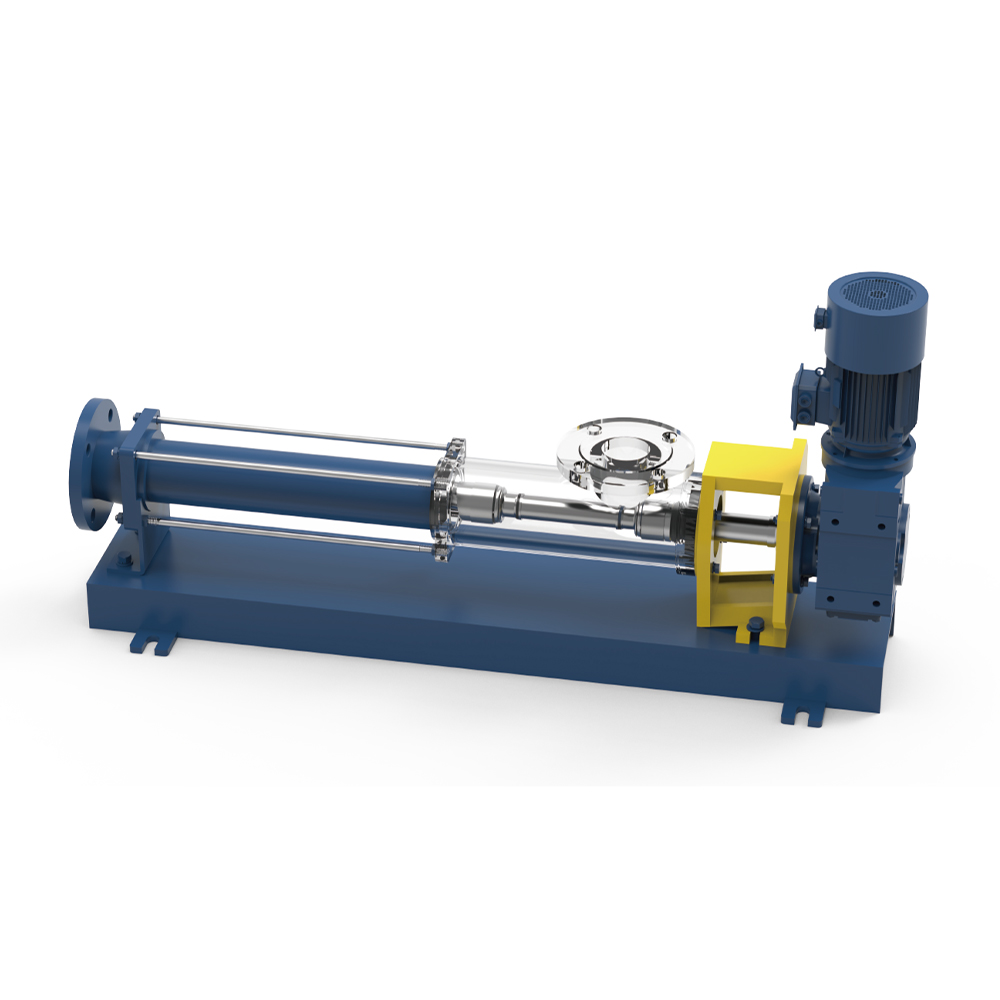
The speed reducer adopts the K series speed reducer, and the length of the pump can be shortened, so it can be used in places where the space is narro...
See Details
Various materials are available for different working conditions, such as NBR, HNBR, EPDM, and FKM.
See Details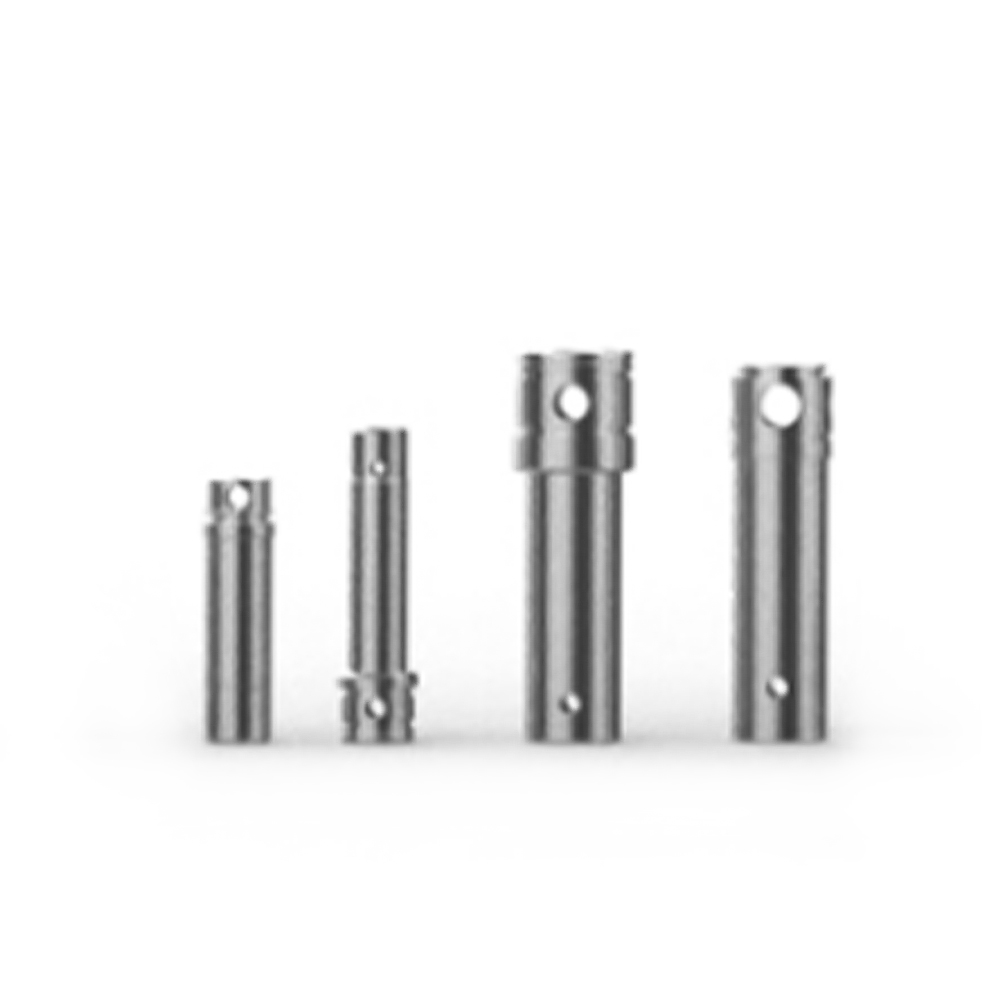
Multiple materials available: Q235,304,316L,2205,2507, etc.
See DetailsContact Us
Add: No. 36 Xintai Road, Economic Development Zone, Jingjiang City, Jiangsu Province, China
Tel: +86-13515167342
Fax: +86-523-84261117
E-mail: [email protected]
We'd love to
hear from you!
