
 English
 русский
 Español
Equal Wall Thickness Screw Pumps
Cat:Single Screw Pumps
Screw pumps equipped with equal wall thickness stator, the same kind of pump specifications pump flow, and pressure are increased. The equal wall thic...
See DetailsContent
In the realm of fluid dynamics, selecting the right equipment for challenging media is the difference between operational efficiency and frequent, costly downtime. The Single Screw Pump, often referred to as a progressive cavity pump, has emerged as a cornerstone technology for industries dealing with complex fluids. Unlike standard centrifugal designs, these pumps excel when the medium is thick, abrasive, or sensitive to shear forces.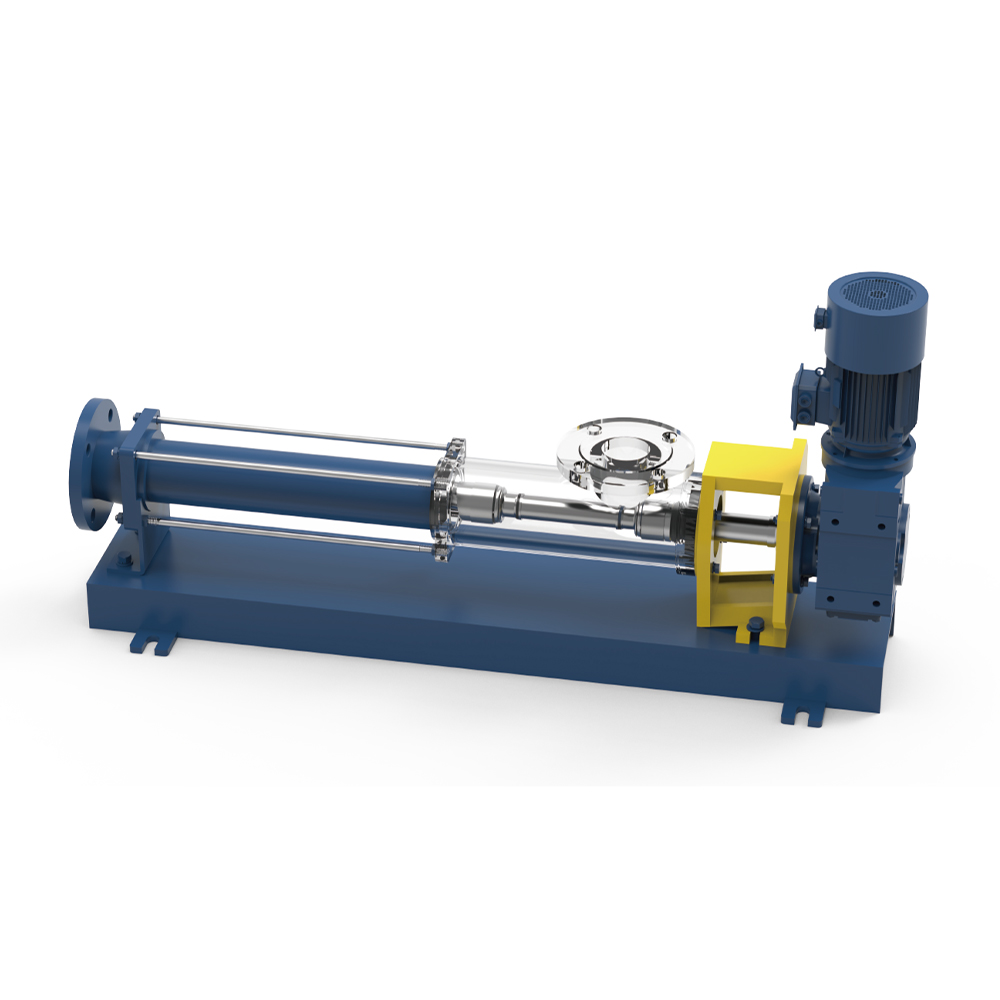
The fundamental appeal of the Single Screw Pump lies in its ability to provide a continuous, pulse-free flow. This is achieved through the interference fit between a rotating longitudinal screw (the rotor) and a fixed double-helix sleeve (the stator). As the rotor turns, sealed cavities move axially from the suction side to the discharge side, effectively "carrying" the product without agitation. This mechanism is particularly vital for non-Newtonian fluids, where maintaining the structural integrity of the liquid is paramount.
+1
One of the most significant technical advantages of the MeiJia Single Screw Pump is its excellent self-priming performance. In practical applications, many pumps struggle to initiate flow if the liquid level is below the pump inlet. However, these units boast a suction lift of up to 8.5 meters of water column. This capability eliminates the need for expensive foot valves or auxiliary priming systems, simplifying the overall piping layout and reducing potential points of failure.
Traditional pumps often fail when faced with slurries or waste streams. A Single Screw Pump is engineered to transport liquids containing heavy solid particles. It can comfortably handle a solid content of 40% by volume, and when dealing with powdered particles in a medium, this capacity can reach 60% or higher. Whether it is mining tailings or food processing waste, the internal clearances and materials are designed to resist clogging and excessive wear.
| Performance Metric | Capability Specification |
|---|---|
| Maximum Suction Lift | 8.5 Meters (Water Column) |
| Standard Solid Content | Up to 40% Volume |
| Powdered Solid Content | Up to 60%+ Volume |
| Flow Characteristic | Linear & Proportional to RPM |
When evaluating fluid handling systems, it is essential to compare the Single Screw Pump against other common pump types. Each has its niche, but the screw pump offers a unique "all-in-one" solution for difficult media.
The adaptability of the Single Screw Pump is evidenced by its presence in nearly every major industrial sector. Because the pump can handle everything from clean, neutral liquids to highly corrosive and bubble-generating fluids, it is an indispensable tool for engineers.
In the Food Industry, hygiene and gentle handling are critical. These pumps transport delicate items like jam, syrup, milk, and even meat or fish fillets without damaging the product texture. In the Chemical Industry, the focus shifts to durability, where the pumps move suspensions, latex, and various acids or salt solutions that would corrode lesser equipment.
For the Petroleum and Coal Industries, the Single Screw Pump is utilized for crude oil gathering and the handling of coal-water slurry (CWM). Meanwhile, in the Environmental Protection Industry, these pumps are the workhorses of wastewater treatment plants, moving activated sludge and concentrated floating scum through the treatment process with ease.
Beyond performance, the Single Screw Pump is praised for its simple structure. This simplicity translates directly to lower operational costs. Ease of installation and disassembly means that routine maintenance—such as inspecting the stator or rotor—can be performed quickly, minimizing downtime. Furthermore, since the pump flow is proportional to the rotational speed, users can achieve precise medication filling and metering, a feat that piston or gear pumps cannot match with the same level of consistency in viscous applications.
While specific limits depend on the pump size and motor power, Single Screw Pumps are specifically designed for highly viscous non-Newtonian fluids. They can handle viscosities ranging from 1 mPa·s up to several million mPa·s, provided the material can enter the suction chamber.
It is not recommended to run a Single Screw Pump dry. The stator is typically made of elastomeric material that relies on the pumped medium for lubrication and cooling. Running dry can lead to rapid stator wear or failure.
Because the pump flow is approximately proportional to the rotational speed, the most effective way to adjust the flow is by using a Variable Frequency Drive (VFD) to change the motor speed. This allows for very precise control and metering.
Yes, Single Screw Pumps are excellent for abrasive media. By selecting a hardened rotor and a suitable stator material, the pump can handle sand, oxides, and mine drainage with significantly less wear than high-speed centrifugal pumps.
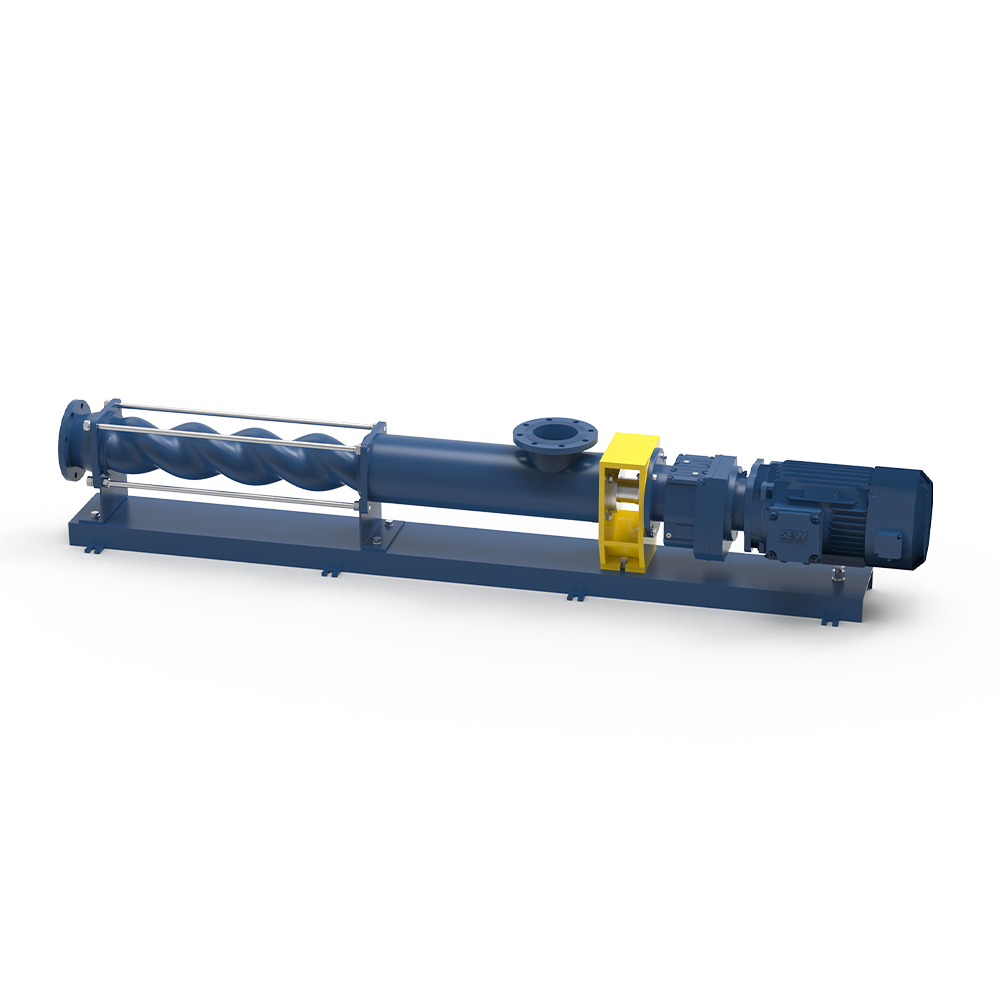
Screw pumps equipped with equal wall thickness stator, the same kind of pump specifications pump flow, and pressure are increased. The equal wall thic...
See Details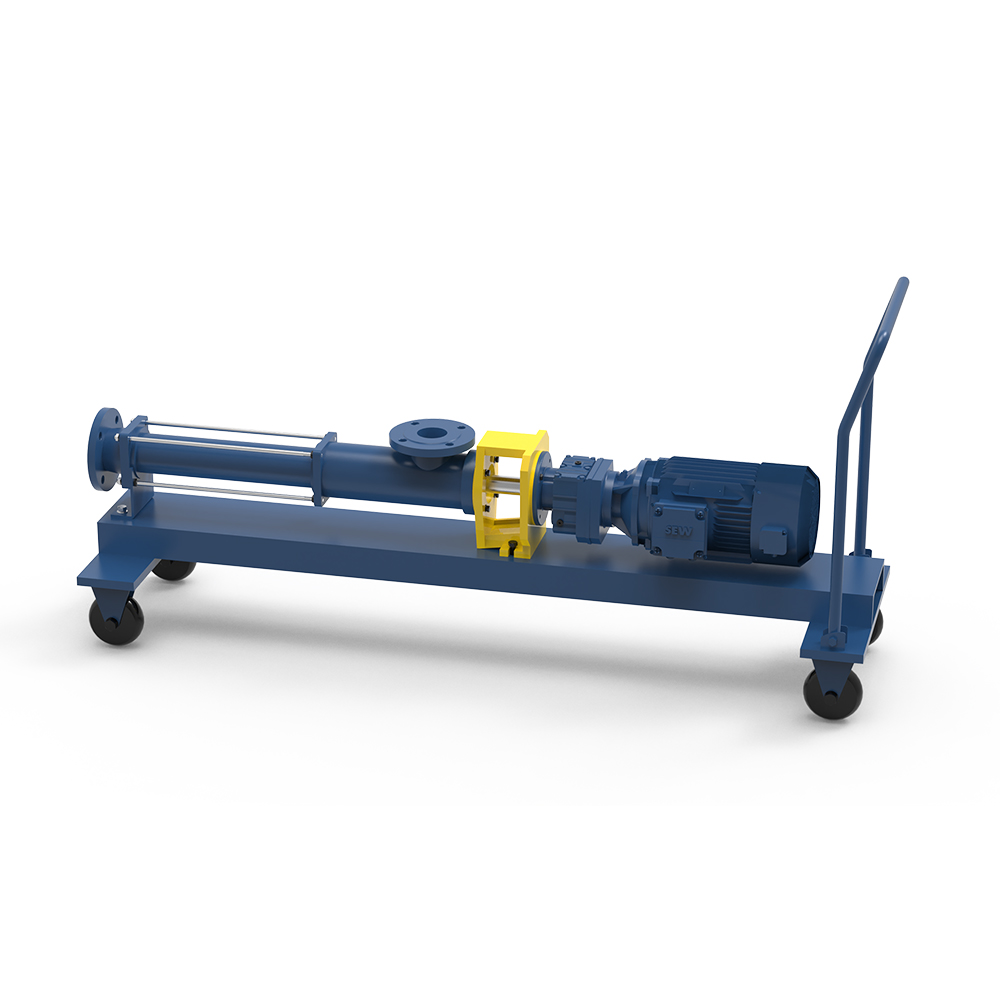
Mika vehicle-mounted pump, the pump base is not only stable and reliable, but also cleverly equipped with universal wheels, these wheels rotate flexib...
See Details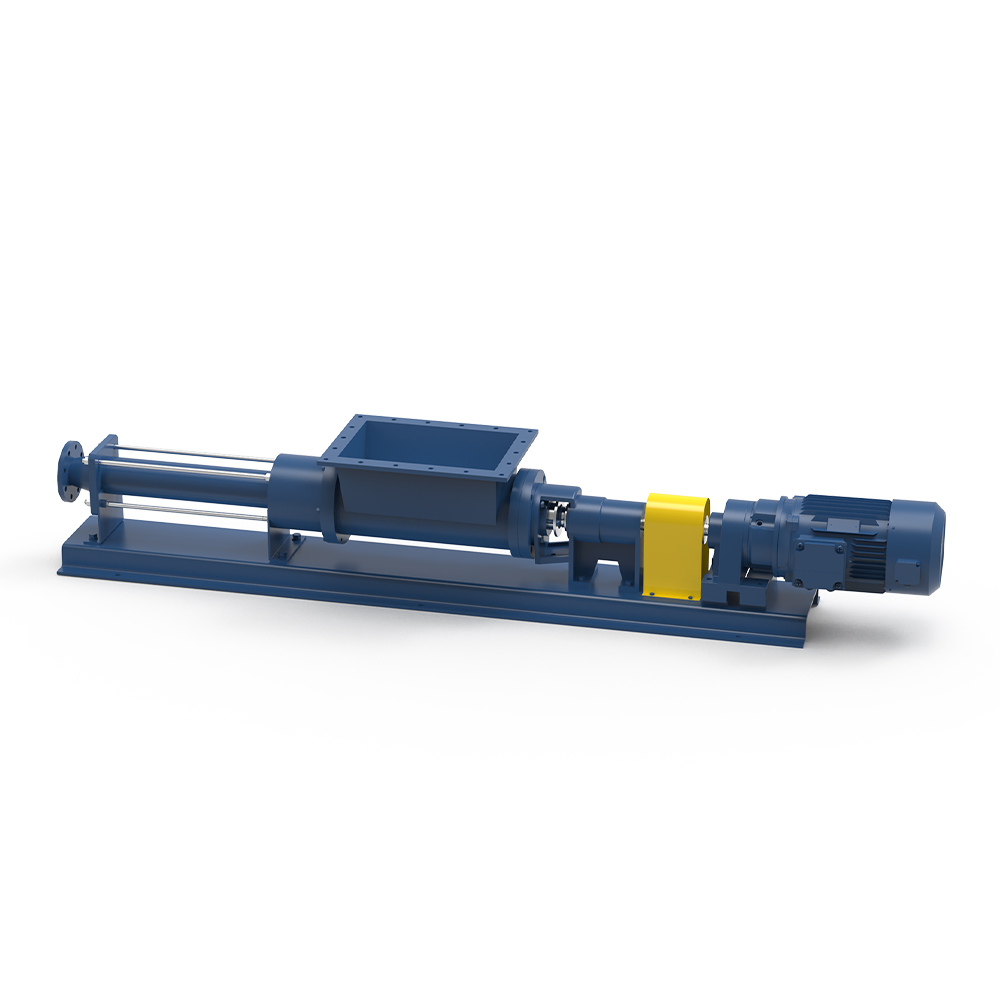
The inlet is a large hopper design W-type pump with a connecting shaft with multiple spiral vanes (which can effectively prevent the accumulation of m...
See Details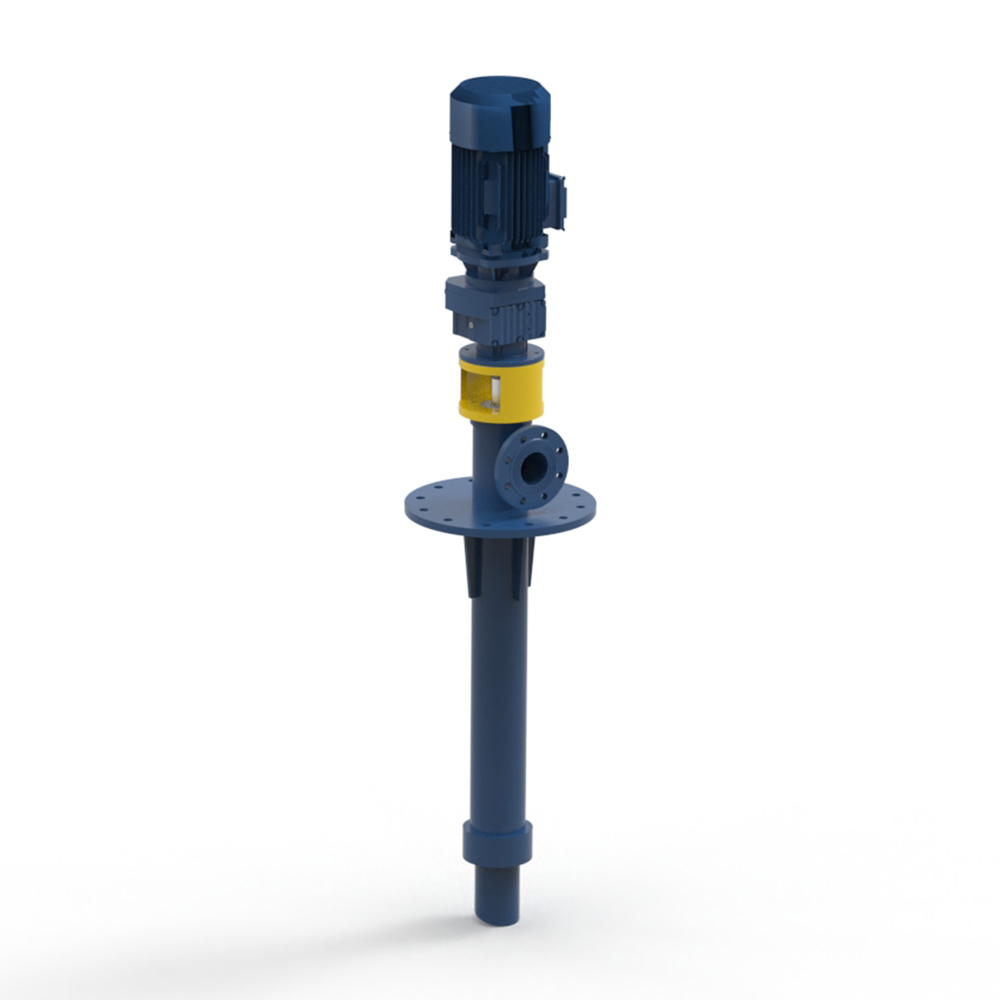
Mika vertical T-type screw pumps can be achieved through the length of the pump body to a variety of different depths of the pool, the pump's hopper i...
See Details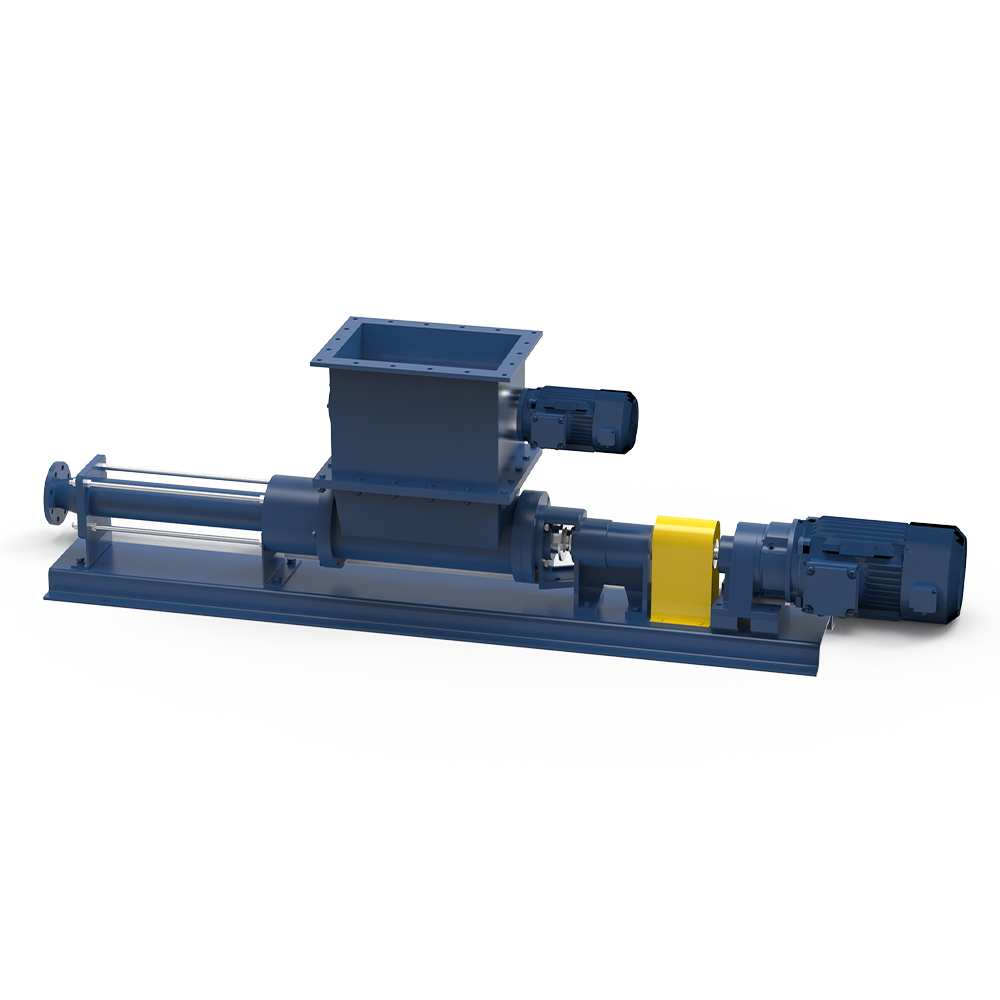
The inlet is designed for a large hopper with a bridge-breaking device P-pumps are suitable for conveying materials with high viscosity, high solids c...
See Details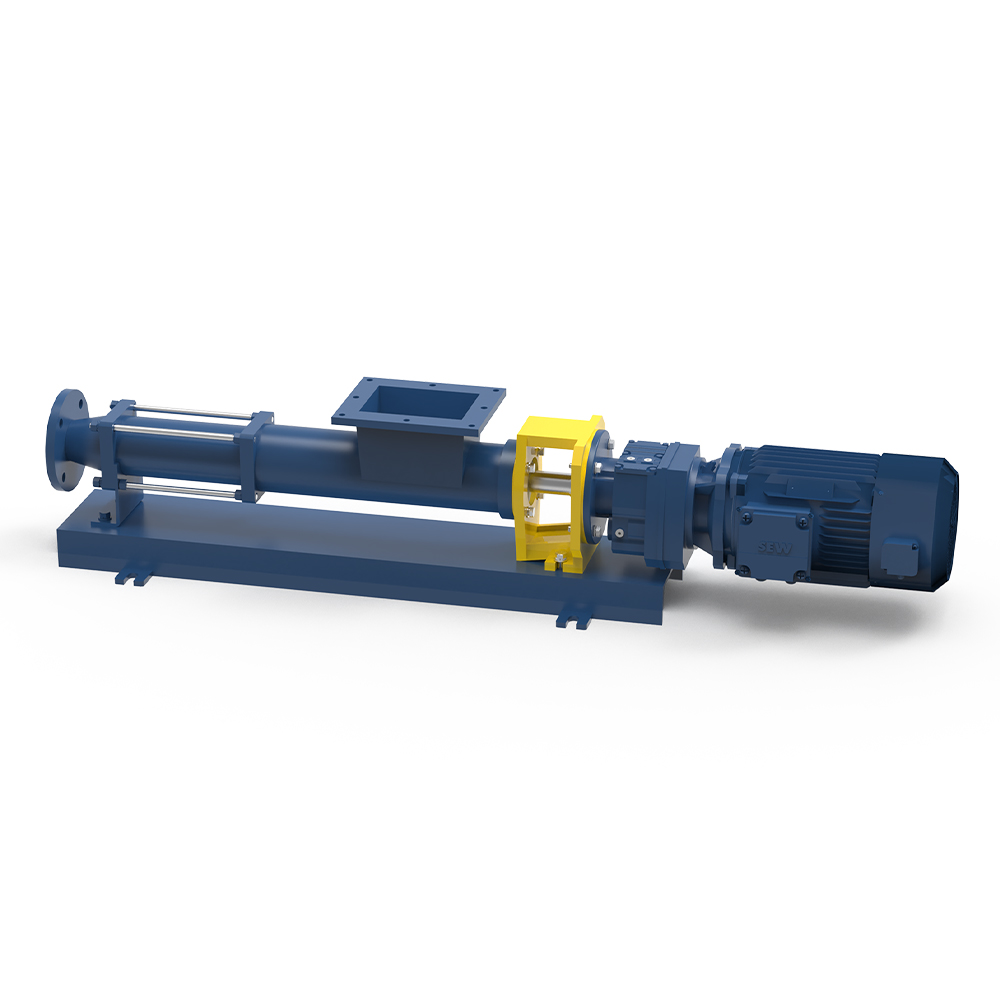
The inlet is a small rectangular hopper design H pump, suitable for conveying high viscosity solid content of less than 15% of the medium, such as cru...
See Details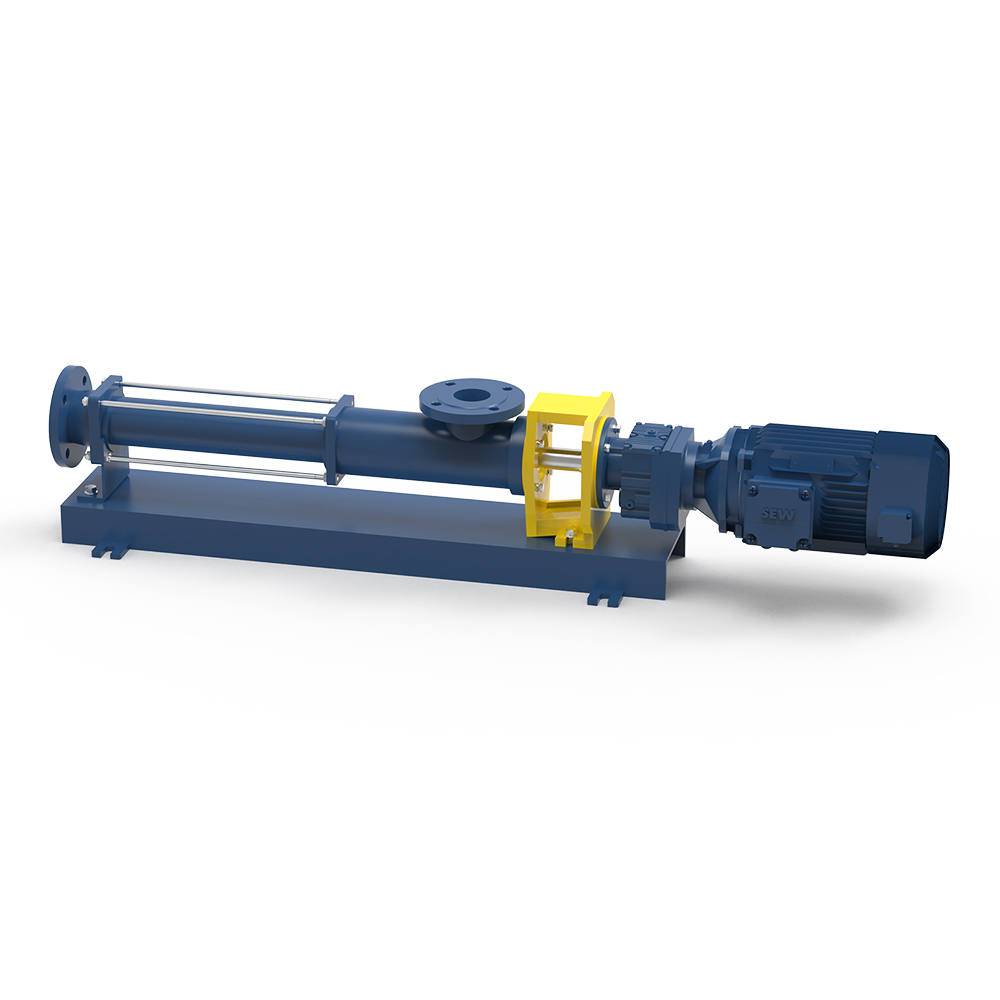
Mika Classic B direct-connected pumps are compact, easy to maintain, with low investment costs, and are suitable for a wide range of common working co...
See Details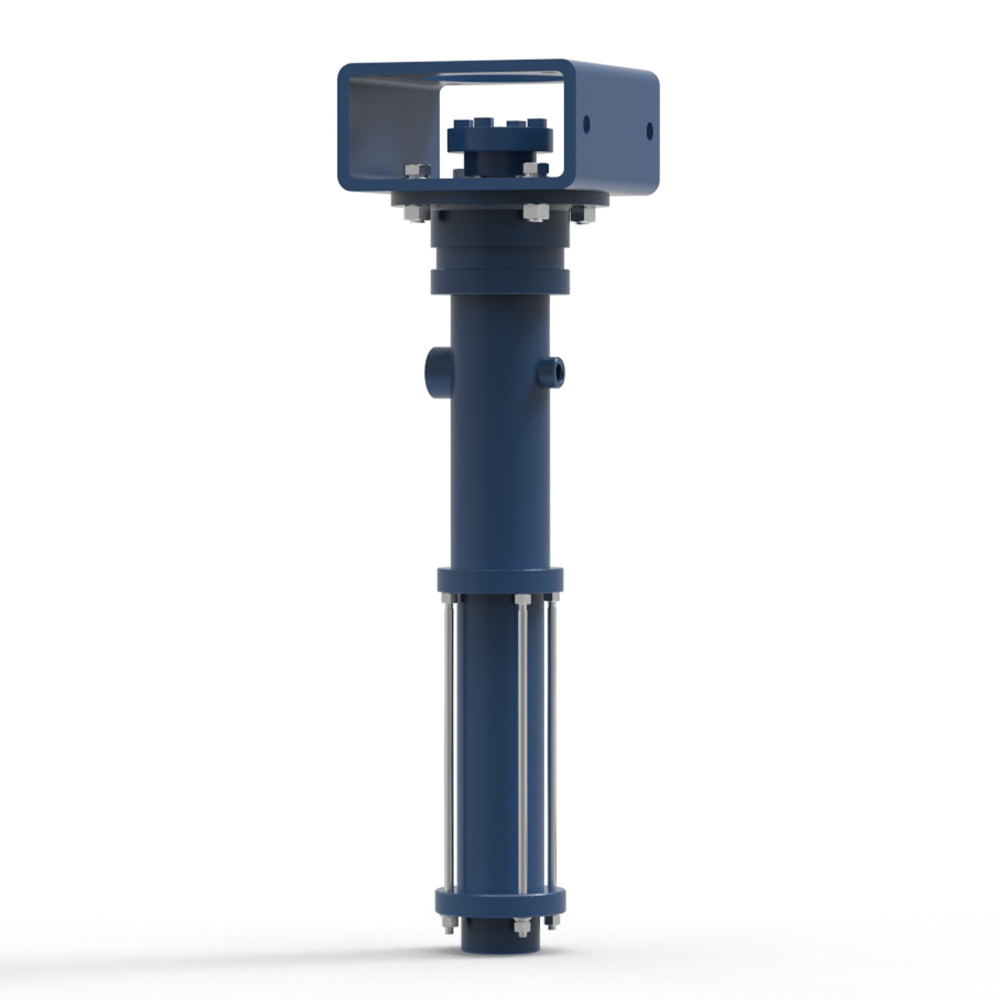
Precise flow rates and a wide range of materials for the metering and delivery of all kinds of sealants. Working Principle The MeiJia pump is a prog...
See Details
Various materials are available for different working conditions, such as NBR, HNBR, EPDM, and FKM.
See Details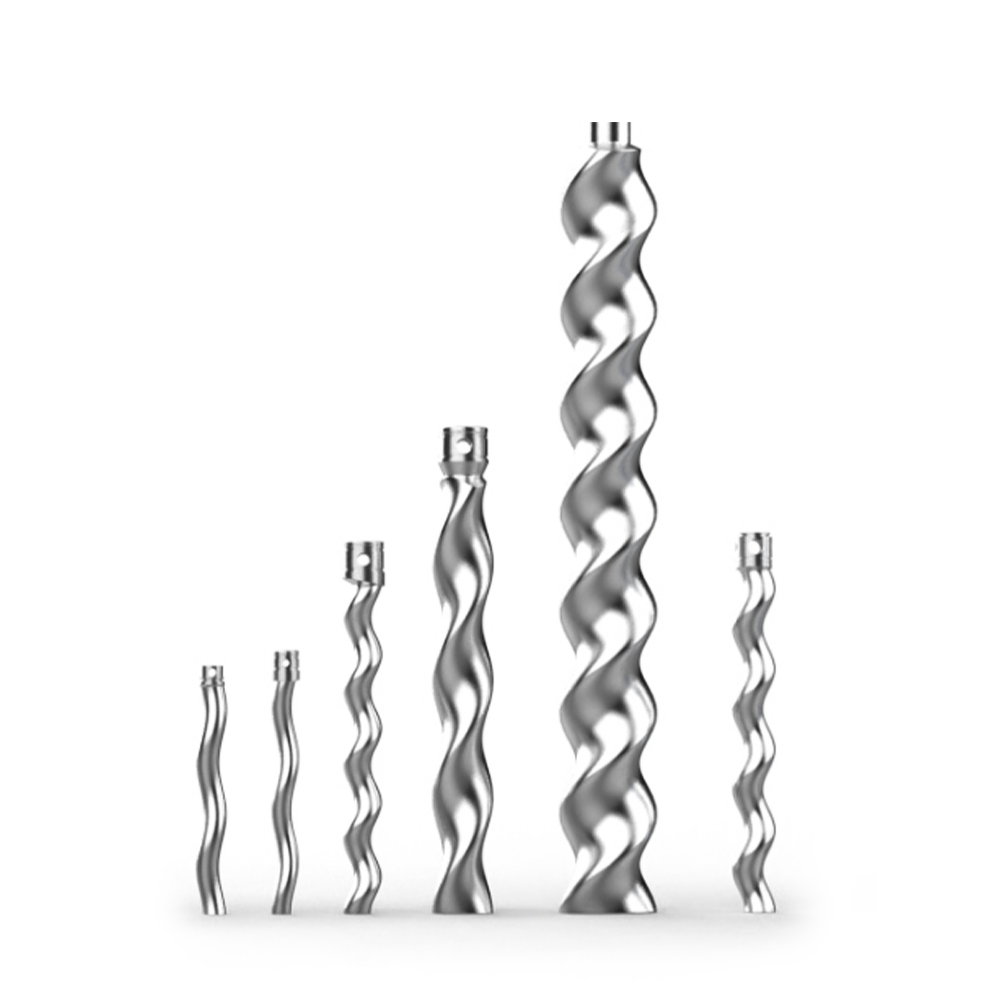
Multiple materials available, 304, 316L, 2205, rotor surface coating can be chrome plated or tungsten carbide sprayed.
See DetailsContact Us
Add: No. 36 Xintai Road, Economic Development Zone, Jingjiang City, Jiangsu Province, China
Tel: +86-13515167342
Fax: +86-523-84261117
E-mail: [email protected]
We'd love to
hear from you!
