
 English
 русский
 Español
Equal Wall Thickness Screw Pumps
Cat:Single Screw Pumps
Screw pumps equipped with equal wall thickness stator, the same kind of pump specifications pump flow, and pressure are increased. The equal wall thic...
See DetailsContent
A wastewater treatment plant in eastern China recently contacted us with a familiar problem. The operator needed to transfer sludge with 8 percent dry solids to a filter press at 12 bar, and the existing centrifugal pump kept losing prime and wearing out impellers. Two industries away, a food processor was moving a shear-sensitive fruit pulp while worrying about broken emulsions. Both plant managers asked the same question: centrifugal pump vs positive displacement, which design deserves the purchase order? The honest answer is that neither pump is universally superior. Each family owns a clear operating zone where it is technically and economically the right choice. The final decision depends on fluid viscosity, solids content, required pressure, flow stability, suction conditions and lifecycle cost. This article compares the two pump types from the perspective of an industrial pump manufacturer and supplier, so you can make a confident selection the first time.
Before comparing application suitability, you need to understand the physical mechanism inside each pump. The working principle defines every performance characteristic, from flow stability to wear life. It also determines which spare parts you will need, how often you will need them, and whether your operators can diagnose problems quickly.
A centrifugal pump converts the rotational energy of an impeller into velocity energy in the fluid, then converts that velocity into pressure in the volute or diffuser. The impeller spins at high speed, typically 1450 or 2900 rpm, and flings the liquid outward from the eye of the impeller. This design works beautifully with low-viscosity, clean fluids such as water, light oils, coolants and most process liquids below roughly 100 cP.
Because the centrifugal pump depends on fluid velocity to generate pressure, its flow rate changes as the system pressure changes. If you close a discharge valve, the pump moves to shutoff and produces maximum pressure with zero flow. If the piping offers little resistance, the pump moves far out on its curve and delivers high flow at low pressure. This flexibility is useful for many transfer duties but becomes a problem when the process demands a constant flow regardless of pressure. The operating point always moves along the pump curve, so system designers must calculate the system curve carefully.
A positive displacement pump traps a fixed volume of liquid and mechanically pushes it into the discharge line. Gear pumps, lobe pumps, piston pumps, diaphragm pumps and progressive cavity or single screw pumps all belong to this family. In a single screw pump, a metal rotor turns inside a rubber stator, forming sealed cavities that travel from suction to discharge. Every revolution moves an exact volume, so flow is proportional to speed and nearly independent of pressure.
Because positive displacement pumps force the liquid out mechanically, they can generate very high pressures and tolerate viscous fluids with ease. Flow pulsation varies by design; single screw pumps are known for low pulsation, while piston pumps produce sharp pulses that require dampeners. A relief valve or pressure bypass is normally required to protect the pump when the discharge line is blocked, because the pump will keep pushing until something breaks. This is not a weakness; it is a confirmation of the pump's ability to build pressure.
For a plant that handles sludge, viscous chemicals or food products with solids, the single screw pump is one of the most versatile positive displacement designs on the market. It combines excellent solids handling with a compact footprint and easy maintenance. Single screw pumps also tolerate dry running for short periods when installed with the appropriate flexishaft or universal joint protection.
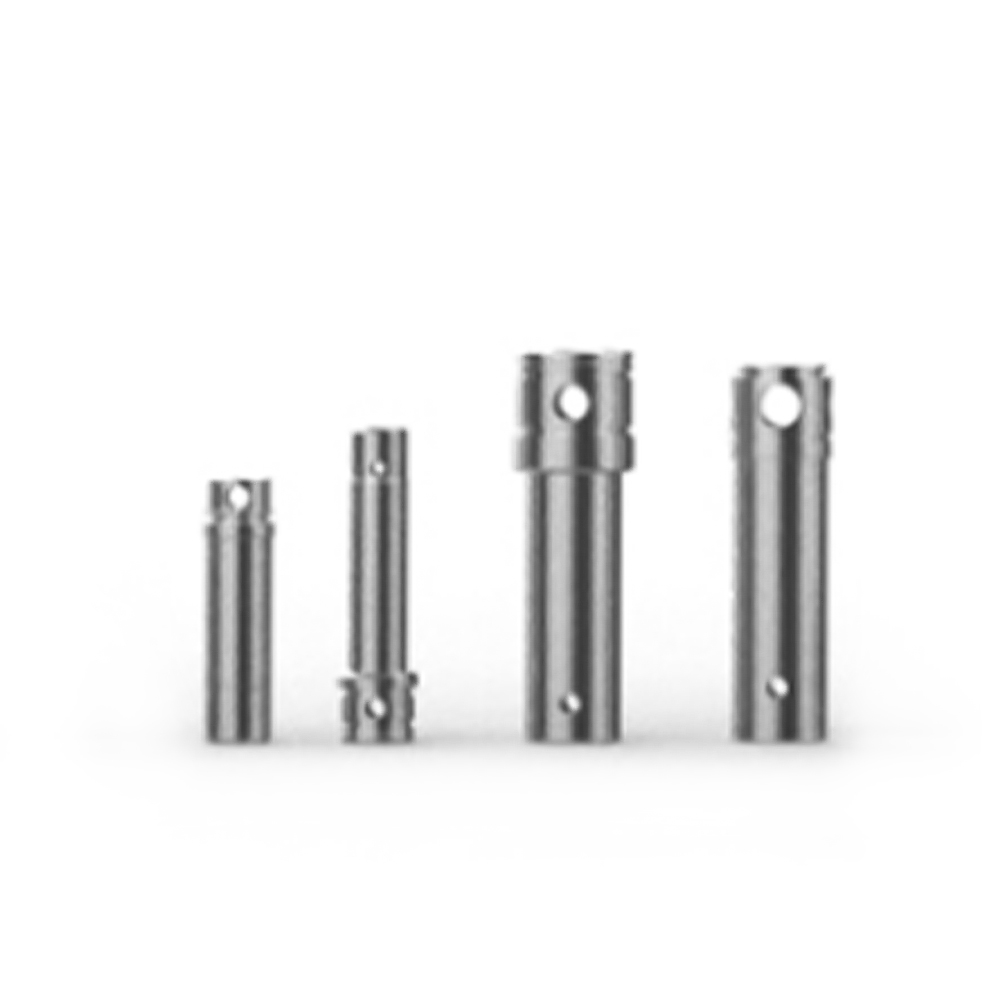 Single Screw Pump for Solids-Laden and Viscous FluidsThis progressive cavity pump self-primes up to 8.5 meters, handles up to 40% solids by volume, and pumps viscous non-Newtonian fluids smoothly, making it a versatile choice for demanding sludge and food applications.View Product →
The table below summarizes the practical differences between the two families. Use it as an initial screening tool before you move into detailed hydraulic selection and vendor discussions.
| Feature | Centrifugal Pump | Positive Displacement Pump |
|---|---|---|
| Flow generation | Impeller velocity, converts kinetic energy to pressure | Trapped volume mechanically pushed to discharge |
| Flow vs speed | Proportional to speed, approximately | Exactly proportional to speed |
| Flow vs pressure | Drops as pressure rises | Nearly constant until relief set point |
| Viscosity tolerance | Low; efficiency drops above 100 cP | High; can handle millions of cP with the correct design |
| Solids handling | Poor; impeller erosion and clogging | Good to excellent; single screw pumps handle fibrous and high-solids media |
| Pressure capability | Low to medium, limited by impeller speed | High; limited by structural design and motor power |
| Self-priming | Poor; usually needs priming or a foot valve | Good; most designs self-prime effectively |
| Shear sensitivity | High shear at impeller tips; can damage emulsions | Low shear in rotary designs; gentle handling |
| Pulsation | Smooth continuous flow | Varies; single screw pumps are low, piston types are high |
| Efficiency at rated point | High for water, typically 70 to 85 percent | Good, typically 60 to 80 percent depending on design |
| Wear behaviour | Impeller and casing erosion | Stator, rotor and seal wear |
| Maintenance focus | Mechanical seal, bearings, impeller | Stator, rotor, seals, relief valves |
This table is intentionally general. Every specific pump model has its own curve and limitations. A large vertical turbine centrifugal pump, for example, can produce substantial pressure in multistage arrangements, and a small gear pump may struggle with abrasive solids. However, the general pattern holds across the vast majority of industrial duties.
Flow behaviour is the most visible difference between the two pump families. A centrifugal pump operates along a performance curve in which flow falls as discharge pressure rises. A positive displacement pump delivers a nearly constant flow regardless of pressure changes. This single distinction drives most selection decisions in industry. The chart below rates both designs against six practical selection criteria.
The chart reveals the complementary strengths of the two families. A centrifugal pump delivers outstanding performance in high-volume water transfer, where its smooth continuous flow and low cost per cubic meter are important. Its weakness appears as soon as pressure rises or viscosity climbs, because the impeller has less kinetic energy available to overcome resistance. A positive displacement pump shows the mirror image. It holds flow nearly constant from low pressure up to its mechanical limit, which is why dosing and metering systems rely on it. The difference in pressure behaviour has a direct consequence for system design. With a centrifugal pump, an operator can throttle a discharge valve to adjust flow. With a positive displacement pump, throttling forces the pump against a closed system and pressures can spike dangerously. In practice, process engineers also look at the relationship between motor speed and output. Varying the speed of a centrifugal pump changes both flow and head along a family of curves. Varying the speed of a positive displacement pump changes flow almost linearly while pressure remains governed by the system. That linear relationship makes positive displacement pumps ideal companions for variable frequency drives in automatic batching and transfer systems. When a facility needs to supply multiple points at different pressures, a centrifugal pump with a control valve is often simpler. When a facility needs the same exact flow delivered into a varying back pressure, a positive displacement pump removes the need for complex controls. The chart also explains common pump failures. Centrifugal pumps are often misapplied in high-viscosity service, where they lose efficiency and overheat. Positive displacement pumps are often misapplied in very high-flow, low-pressure water transfer, where they become unnecessarily expensive and bulky. Matching the pump's natural behaviour to the system curve is the single most important step in any pump selection.
Viscosity is the second decisive factor in a centrifugal pump vs positive displacement comparison. Because a centrifugal pump relies on fluid velocity, thick fluids create friction losses inside the pump and reduce the head generated by the impeller. As viscosity increases, the pump curve drops and efficiency falls sharply. Most centrifugal pumps are only economical up to about 100 to 200 cP. Above that range, the user must oversize the motor and accept poor pump efficiency and possible overheating.
A positive displacement pump does not depend on velocity to move fluid; it physically displaces the liquid with rotating or reciprocating elements. Viscosity actually improves internal sealing in many positive displacement designs, because the thicker fluid fills clearances and reduces slip. Single screw pumps regularly handle fluids from a few centipoise up to one million centipoise, from water-thin solvents to molasses, printing ink and polymer melts. This is why the chemical, food and oil industries keep a positive displacement pump close at hand.
| Viscosity Range | Centrifugal Pump Behaviour | Positive Displacement Pump Behaviour |
|---|---|---|
| 1 to 100 cP | Excellent, highest efficiency | Good; some slip on low-viscosity fluids |
| 100 to 500 cP | Reduced head and efficiency, risk of cavitation | Very good, slip decreases |
| 500 to 1,000 cP | Marginal; requires large motor, high heat generation | Excellent, stable flow |
| 1,000 to 10,000 cP | Not recommended | Excellent, maintains flow |
| Above 10,000 cP | Not applicable | Excellent with proper rotor-stator design |
As the table indicates, the viscosity breakpoint sits much lower than many buyers expect. A liquid that pours easily at room temperature, such as a cooking oil at 80 cP, is already outside the sweet spot of a typical centrifugal pump. Transferring that oil with a centrifugal pump requires a larger impeller, a bigger motor and still delivers less flow than the nameplate suggests. The same oil in a positive displacement pump produces confident, repeatable flow with moderate power consumption.
Temperature is another hidden factor. Many viscous fluids become thin when heated, which expands the centrifugal pump's usable range. Some plants preheat heavy fuel oil or chocolate before pumping it with a centrifugal pump, but this adds energy cost and process complexity. A positive displacement pump with the correct stator material can often pump the cold, thick product directly, saving heating energy and simplifying the process line. Screw pump designs such as the constant wall thickness configuration show how stator geometry can be tuned to extend viscosity and solids handling even further. When media contains fibres or abrasive particles, the choice becomes even clearer; thick products frequently contain solids, and we address that next.
The third major difference is how each pump treats fluids containing solids. A centrifugal pump accelerates fluid to high velocity, and any solid particle in that stream strikes the impeller and casing at speed. Sand, scale and debris erode the impeller vanes over time, reducing performance and creating vibration. Even small amounts of abrasive solids can shorten seal life and cause premature bearing failure. If the solids are stringy, such as rags or fibres, they wrap around the impeller and clog the volute.
Positive displacement pumps approach solids differently. In a single screw pump, the rotor and stator form a continuous series of cavities, and the fluid travels through the pump with a gentle rolling motion. Fibres pass through without being cut, abrasive particles move at low velocity and cause far less wear, and thick slurries do not tend to separate or settle. This is why single screw pumps are a standard choice in wastewater treatment for sludge and scum, in the paper industry for pulp and coating mixes, and in the food industry for products with fruit chunks or vegetable pieces.
Shear sensitivity is the opposite side of the same coin. Centrifugal pumps, especially at high impeller tip speeds, can emulsify, foam or break down shear-sensitive liquids. If you are pumping latex, polymer solutions, cosmetic creams or food emulsions, a centrifugal pump can ruin the product. Positive displacement rotary pumps, by contrast, move the fluid with low relative motion between the fluid and the pumping elements. A single screw pump is one of the gentlest pump types available, which makes it popular for cream cheese, yoghurt, whole vegetables in brine and fermentation broths in pharmaceutical production. The same low-shear quality also preserves the particle size of slurries, which matters in mining and mineral processing.
Understanding where each pump type works well is easier with real process examples. The two-column layout below groups typical duties by pump type. As a progressive cavity pump manufacturer and supplier for more than a decade, we have seen both families succeed and fail across many industries.
Centrifugal Pump Applications
|
Positive Displacement Pump Applications
|
The two lists rarely overlap. When an application sits near the boundary, you should look at the specific duty point rather than guess. For example, a thin chemical with a flow of 50 cubic meters per hour at 3 bar is a simple centrifugal job. The same chemical at 10 bar with a flow of 5 cubic meters per hour and a viscosity of 800 cP belongs to a positive displacement pump. Between these extremes, both designs can work, and the decision shifts to capital cost, energy cost, floor space and maintenance resources.
We also see hybrid cases. A plant may use a centrifugal pump for the main transfer line and a small single screw dosing pump for the additive stream. This is a practical, cost-effective combination. The key is to resist the temptation to make one pump do everything. A pump that is technically versatile often becomes inefficient and unreliable when pushed beyond its intended envelope.
Efficiency is rarely a constant number for either pump type; it changes with operating point and fluid properties. A centrifugal pump reaches its best efficiency point at the middle of its curve, usually near the rated duty. Operated far from that point, efficiency falls quickly and recirculation inside the casing generates heat. For a pump running 8,000 hours per year, even a 5 percent efficiency penalty can create thousands of dollars in extra electricity costs.
A positive displacement pump maintains its efficiency over a much wider pressure range. The volumetric efficiency of a single screw pump declines slowly as pressure rises because more fluid slips through the rotor-stator clearance, but the drop is modest compared with the curve collapse seen in centrifugal pumps at high viscosity. In viscous service, a positive displacement pump can be 30 to 50 percent more energy-efficient than a centrifugal pump of the same nominal rating. Over a five-year operating life, the energy saving alone can exceed the initial purchase price of the pump.
Total cost of ownership also includes spare parts and downtime. Centrifugal pumps wear at the impeller, casing wear rings, mechanical seal and bearings. Positive displacement pumps wear at the stator, rotor, universal joint and seals. In a progressive cavity pump, the stator is a consumable rubber component, while the rotor is a hardened metal part that can often be reused after stator replacement. A reliable supply of original stator and rotor spare parts from the same pump manufacturer keeps rebuild costs low and predictable. Plants that operate many screw pumps often buy stator and rotor kits in wholesale quantities to stabilize their maintenance budget and shorten repair times.
When calculating lifecycle cost, include the cost of downtime. A clogged centrifugal pump may require cleaning every few weeks in solids service, while a correctly selected single screw pump runs for months between inspections. Conversely, a positive displacement pump has more moving parts and requires more frequent planned maintenance than a simple end-suction centrifugal pump. The correct comparison is not which pump is cheaper per unit, but which pump is cheaper for the specific duty.
Selecting between a centrifugal pump and a positive displacement pump is a systematic exercise. Work through the checklist below and assign a clear requirement to each item before speaking with a supplier. This discipline prevents the most common mistakes and gives you a defensible basis for the purchase decision.
Several of these points interact. A fluid that is thin and clean with moderate pressure is almost always centrifugal territory. A fluid that is thick, solids-laden or shear-sensitive, with high pressure, is almost always positive displacement territory. The difficult cases sit in the overlap. When they do, visit an existing installation, examine the maintenance log and compare the total cost of ownership before you buy.
After years of selling pumps and spare parts, we have seen the same selection mistakes repeat in many plants. These errors cost time, money and sometimes the whole production line. Below are the most common ones we encounter during technical audits and after-sales visits.
Every one of these mistakes is avoidable. The common thread is a mismatch between the pump's physical principle and the duty imposed by the process. When process conditions are uncertain, choose the pump with the wider tolerance for change; a positive displacement pump handles pressure and viscosity swings far better than a centrifugal pump.
Both pump families require discipline, but the focus of maintenance differs. A centrifugal pump revolves around the condition of its mechanical seal, bearings and the running clearances between the impeller and wear rings. Vibration analysis and seal monitoring can predict failure. The repair is usually straightforward: replace the seal, true the shaft, replace the bearings and check the impeller. With clean water duty, a centrifugal pump can run for years with minimal attention.
A positive displacement pump such as a single screw pump depends on the fit between the rotor and the stator. The rubber stator is the wear component; abrasives and chemicals gradually enlarge the internal cavity, and slip increases. When flow drops by 15 to 20 percent, it is time to replace the stator. The metal rotor usually survives two or three stator changes, so a sensible maintenance strategy keeps spare parts on hand and replaces the stator at the first sign of serious slippage.
 Custom Rubber Stator for Progressive Cavity PumpsA wear component that directly affects pump efficiency, this stator benefits from manufacturer-owned rubber compounding and formula customization, helping you match elastomer performance to your specific fluid and extend service life.View Product →
 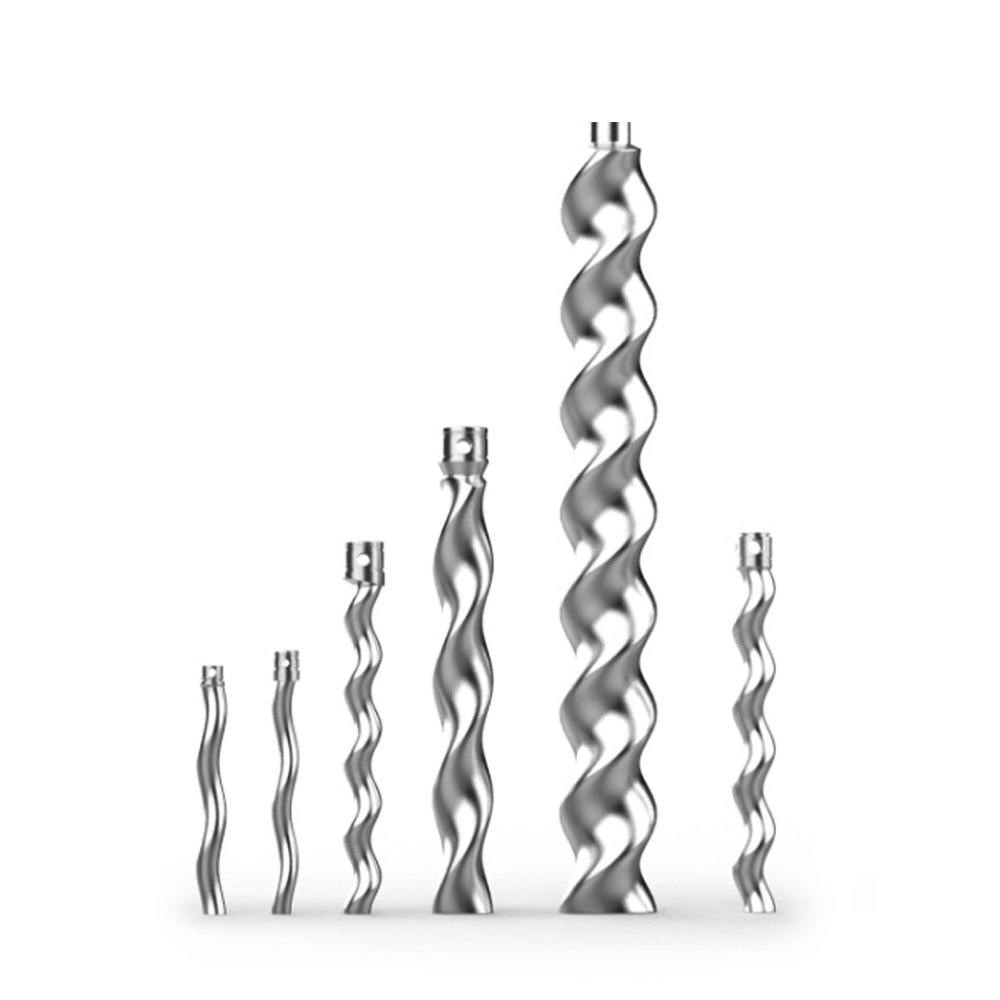 Durable Rotor for Single Screw PumpsAs the metal counterpart to the stator, this rotor is designed for repeated service across multiple stator replacements, with coating options that improve abrasion resistance and reduce maintenance frequency in tough pumping duties.View Product →
The choice of elastomer is critical in a progressive cavity pump. Different rubber formulations resist different chemicals and temperatures. A pump manufacturer with its own rubber compound technology can customize the stator to match your fluid, which extends service life considerably. Likewise, rotor coatings such as hard chrome or ceramic improve abrasion resistance. A plant that plans its spare part inventory around the actual wear rate of these components avoids emergency repairs and production stoppages.
Positive displacement pumps also have universal joints or connecting rods that require periodic lubrication, and many designs include a flange or adapter guarding the seal area. Set up an inspection schedule from the start: monthly vibration and temperature checks, quarterly seal inspections and an annual performance test against the flow curve. For either pump type, the manufacturer's support network matters. A supplier that stocks parts for common models and offers fast technical response reduces the total cost of ownership significantly.
These are the questions our engineers hear most often from buyers comparing the two pump families. The answers reflect practical field experience as well as hydraulic theory.
Which pump type is better for high-viscosity liquids?Positive displacement pumps, especially single screw and other rotary designs, handle viscous liquids far better than centrifugal pumps. Above roughly 200 cP, centrifugal pump efficiency drops sharply, while a positive displacement pump maintains flow by mechanically pushing the liquid. For products like molasses, resin, printing ink or polymer melts, a positive displacement pump is the reliable choice. |
Can a centrifugal pump pump sewage or wastewater sludge?Small amounts of suspended solids can pass through a centrifugal pump, but sewage sludge with fibrous material and high solids content causes clogging and impeller wear. Wastewater plants typically use single screw pumps for sludge transfer and filter press feed. The gentle progressing cavity action moves the sludge without ragging or breaking down the flocs. |
What is the main difference in flow rate between the two pump types?A centrifugal pump delivers a flow that falls as discharge pressure rises. A positive displacement pump delivers a nearly constant flow for a given speed, regardless of pressure, until the relief valve opens. This means a positive displacement pump can maintain accurate flow into a varying system, while a centrifugal pump may need a control valve to keep the flow stable. |
Which pump type is more energy-efficient?In the overall centrifugal pump vs positive displacement debate, the answer depends on the duty. For clean water at the best efficiency point, a centrifugal pump is very efficient and economical. At high viscosity or high pressure, a positive displacement pump is often 30 to 50 percent more efficient because it does not lose hydraulic energy to internal recirculation. Always compare the efficiency at your specific duty point rather than at the best-case curve. |
Do positive displacement pumps need a relief valve?Yes, for most installations. Because a positive displacement pump keeps pushing fluid even when the discharge is closed, pressures can rise to damaging levels. A relief valve or pressure bypass returns fluid to the suction side and protects the pump, seals and piping. The relief valve setting must be coordinated with the pump's maximum allowable pressure. |
Are centrifugal pumps self-priming?Standard centrifugal pumps are not self-priming and require the casing to be filled with liquid before startup. Special self-priming centrifugal models exist, but their suction lift is still limited. Positive displacement pumps such as single screw pumps have much better suction capability and handle air or gas pockets without losing prime. |
How long does a single screw pump stator last?Stator life depends on the fluid's abrasiveness, temperature, chemical compatibility and speed. In a clean, low-abrasion product, a stator can last several thousand hours; in abrasive slurries, it may need replacement every few months. Running the pump at lower speed and keeping the stator cool extends life. Working with a manufacturer that offers different rubber compounds for your specific medium is the best way to maximize stator service life. |
Choosing between a centrifugal pump and a positive displacement pump is not about which design is newer or more advanced; both have served industry for more than a century. It is about matching the pump's physical principle with the process requirement. Centrifugal pumps deliver high flow at modest pressure with clean, low-viscosity liquids. Positive displacement pumps deliver constant flow at high pressure with viscous, solids-laden or shear-sensitive fluids. The wide middle ground is where you need curves, data and honest technical support from a pump manufacturer. A single screw pump, as one of the most versatile positive displacement designs, covers many of the difficult applications found in wastewater, chemical, food, paper and energy industries. When you define the fluid, the flow, the pressure and the installation constraints, the right pump family appears clearly. And once you choose, a committed supplier with fast parts delivery and engineering experience makes the difference between a smooth project and an expensive lesson.
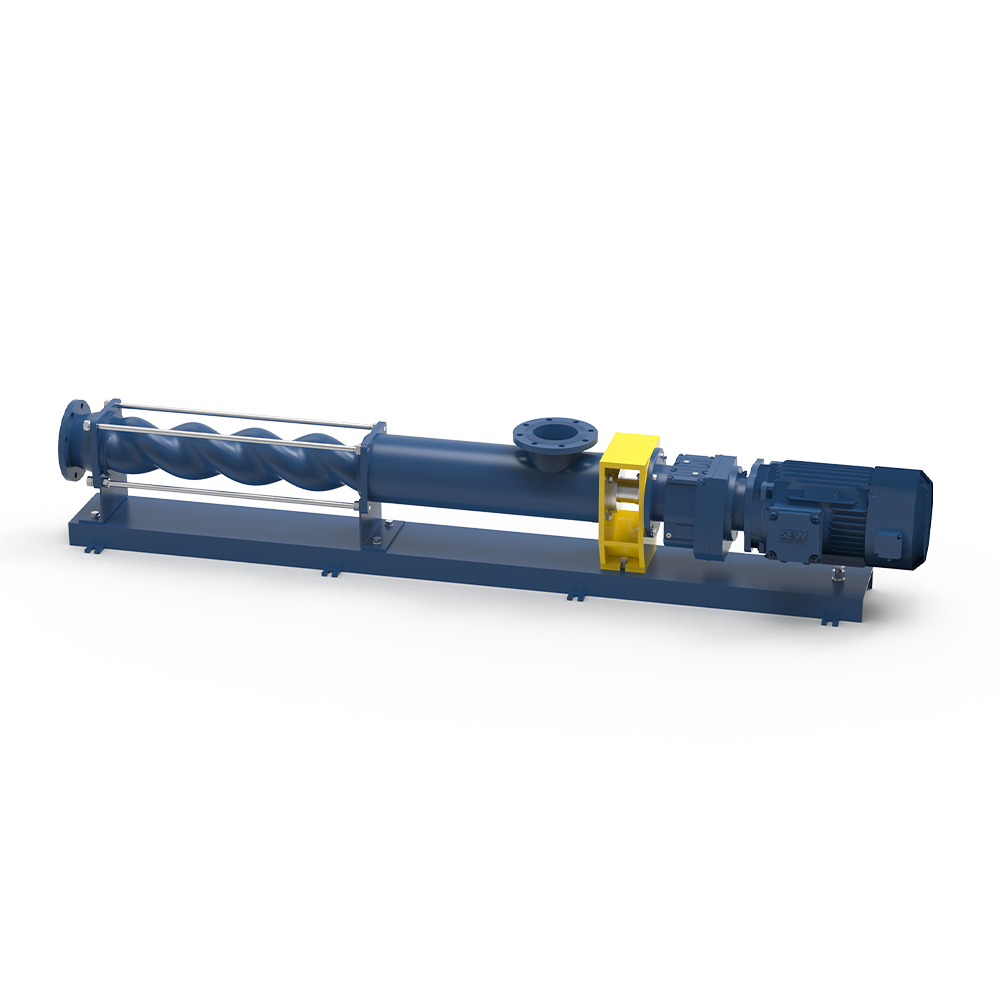
Screw pumps equipped with equal wall thickness stator, the same kind of pump specifications pump flow, and pressure are increased. The equal wall thic...
See Details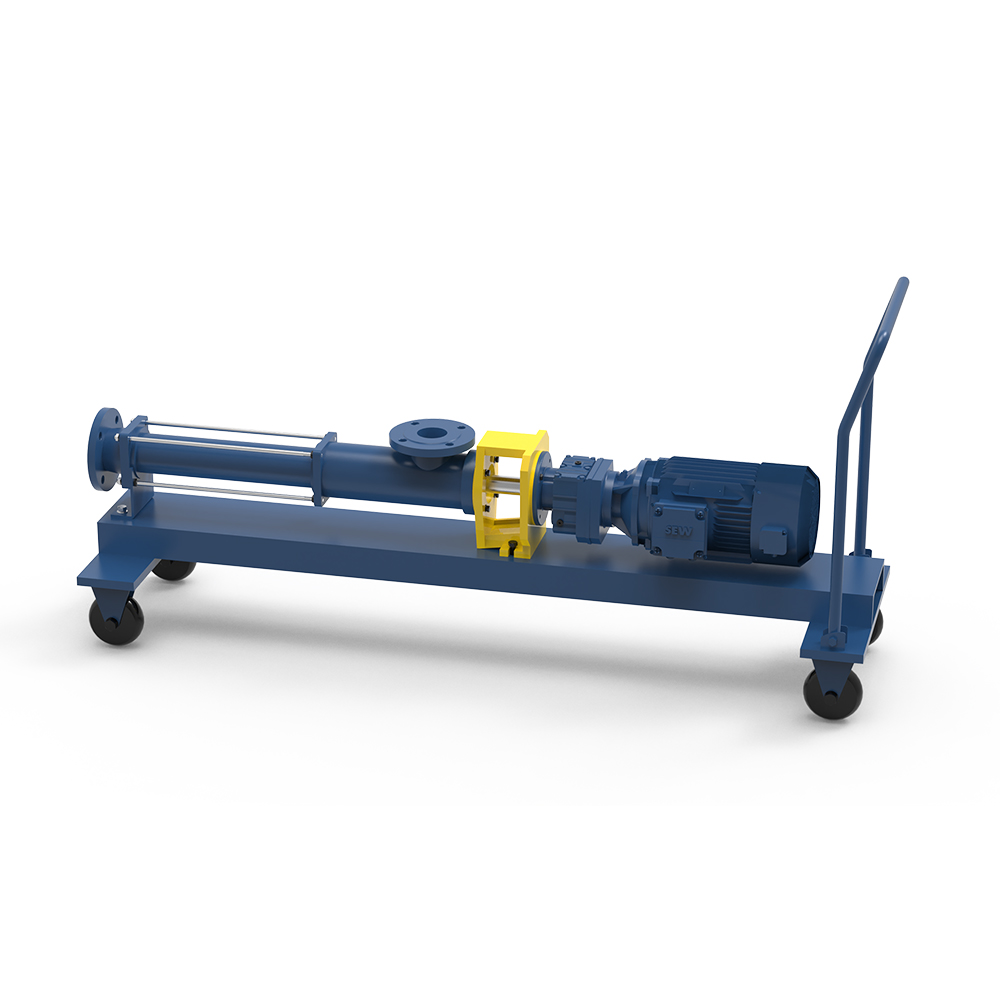
Mika vehicle-mounted pump, the pump base is not only stable and reliable, but also cleverly equipped with universal wheels, these wheels rotate flexib...
See Details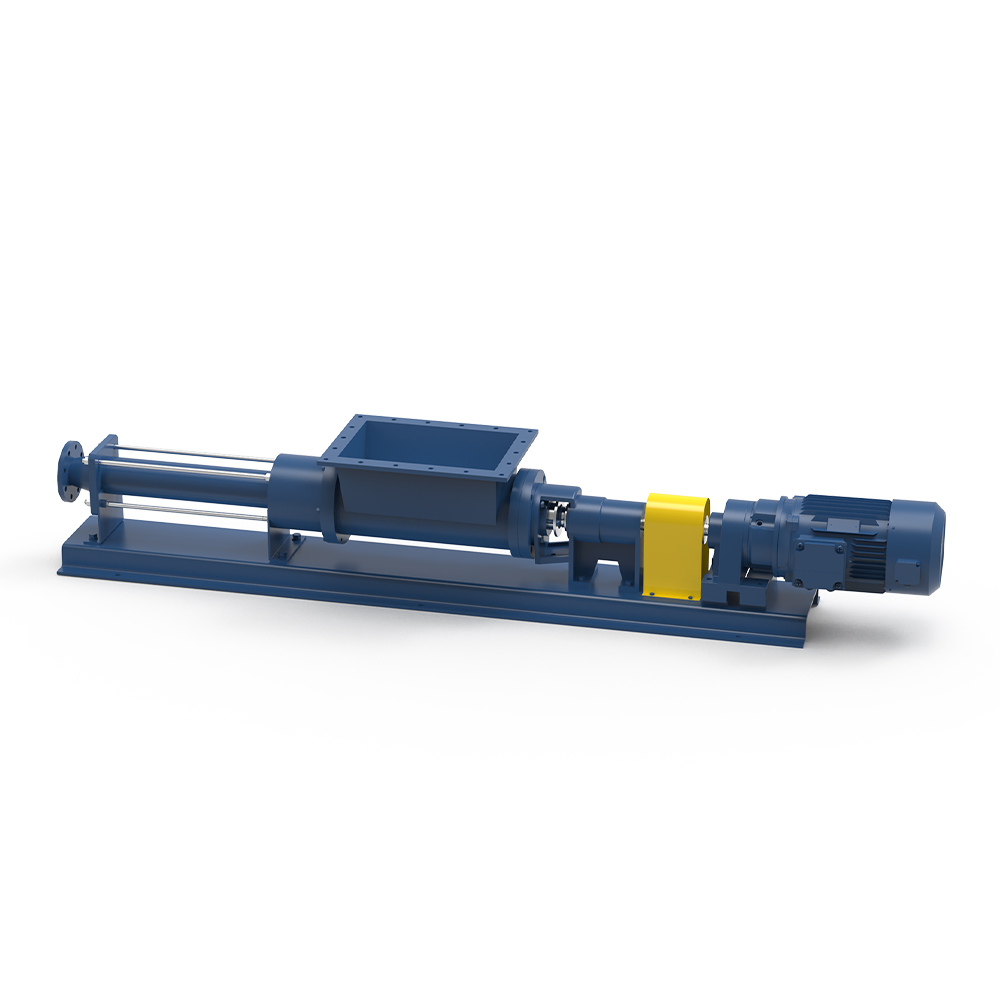
The inlet is a large hopper design W-type pump with a connecting shaft with multiple spiral vanes (which can effectively prevent the accumulation of m...
See Details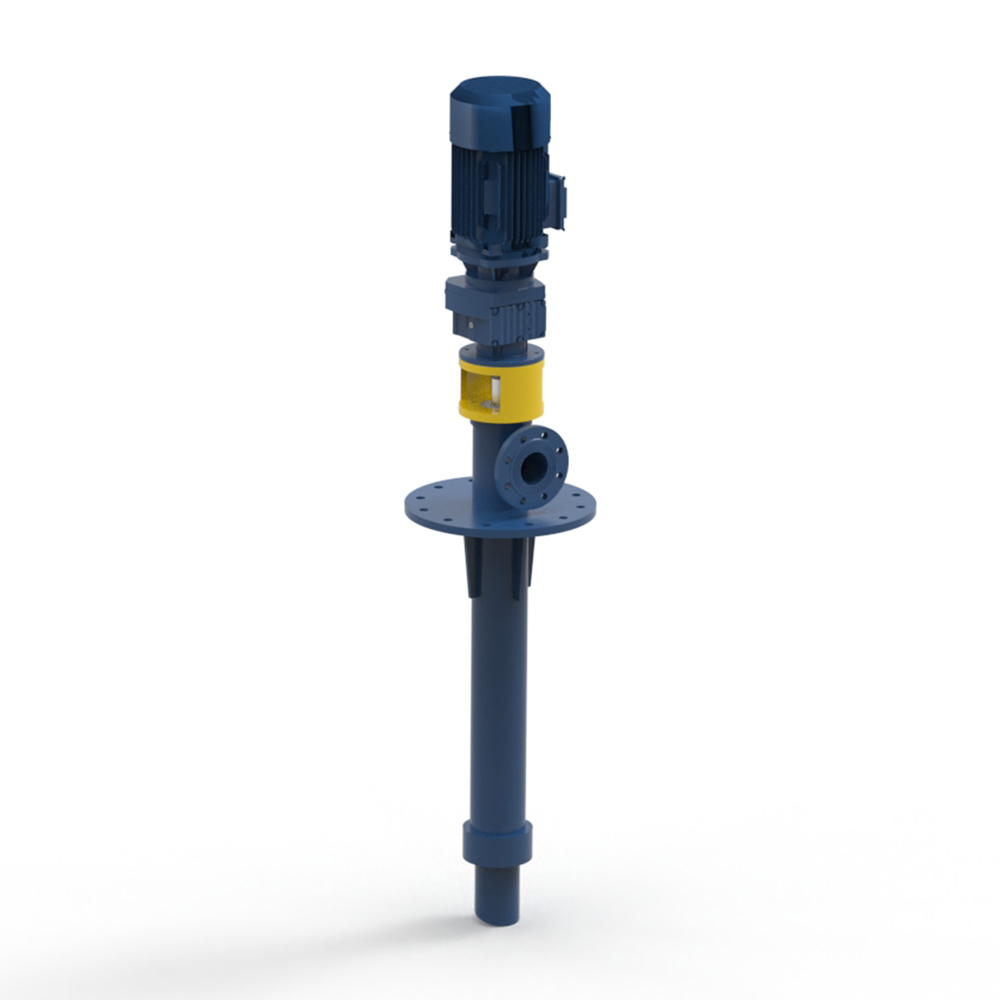
Mika vertical T-type screw pumps can be achieved through the length of the pump body to a variety of different depths of the pool, the pump's hopper i...
See Details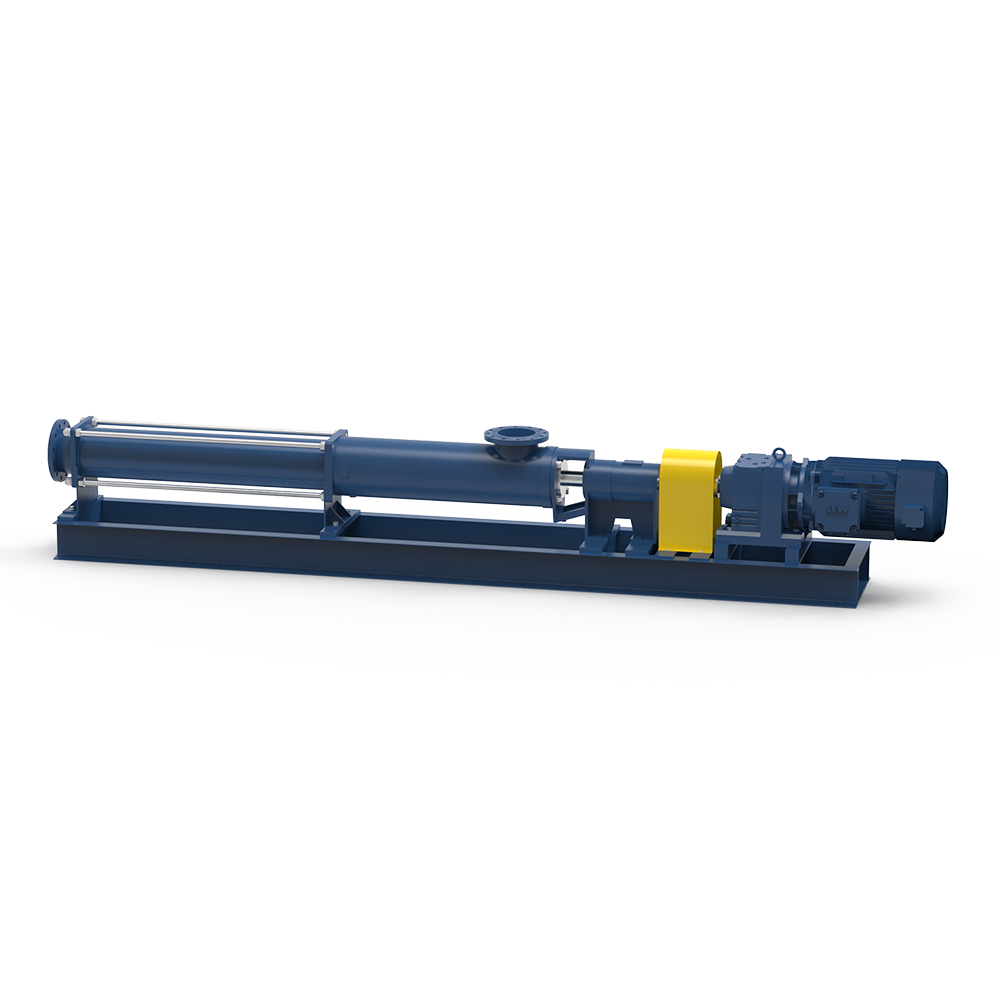
The S-pump with bearing frame support can withstand higher axial loads and can be used for high-pressure conditions, e.g. high-pressure sludge feed tr...
See Details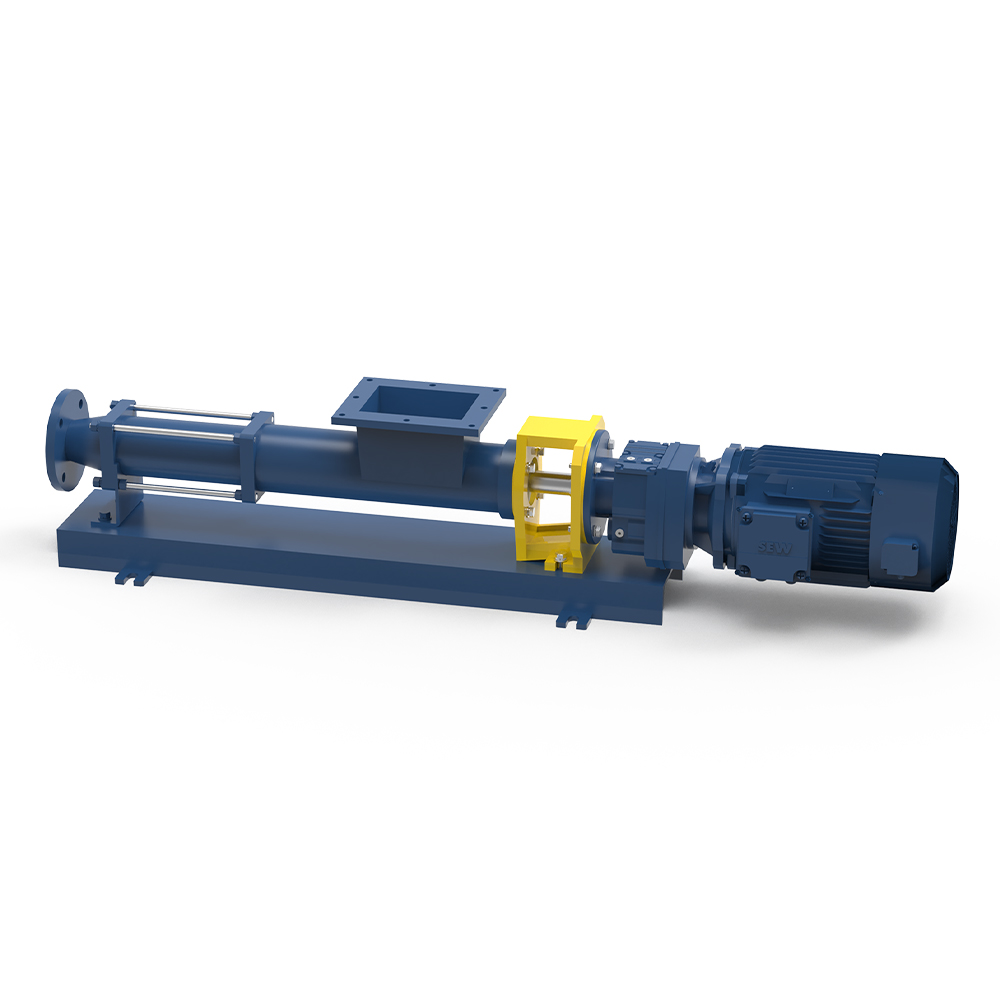
The inlet is a small rectangular hopper design H pump, suitable for conveying high viscosity solid content of less than 15% of the medium, such as cru...
See Details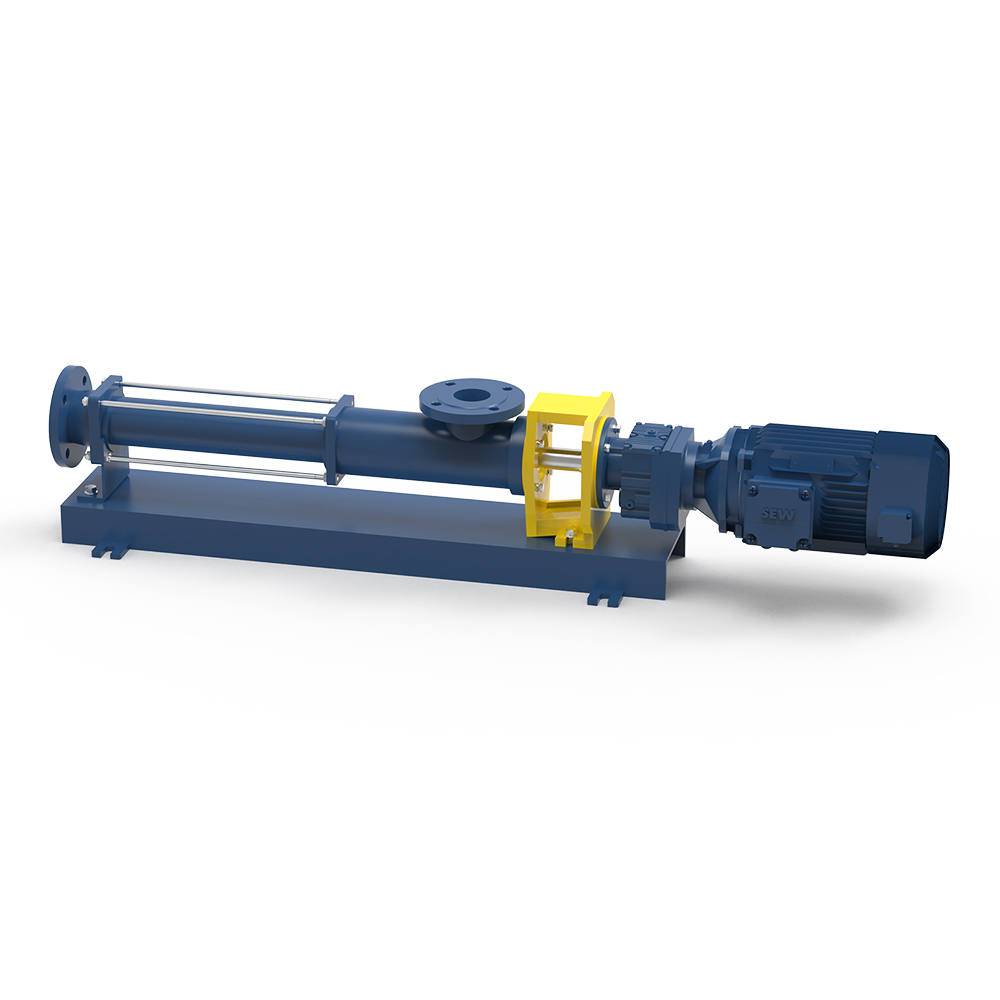
Mika Classic B direct-connected pumps are compact, easy to maintain, with low investment costs, and are suitable for a wide range of common working co...
See Details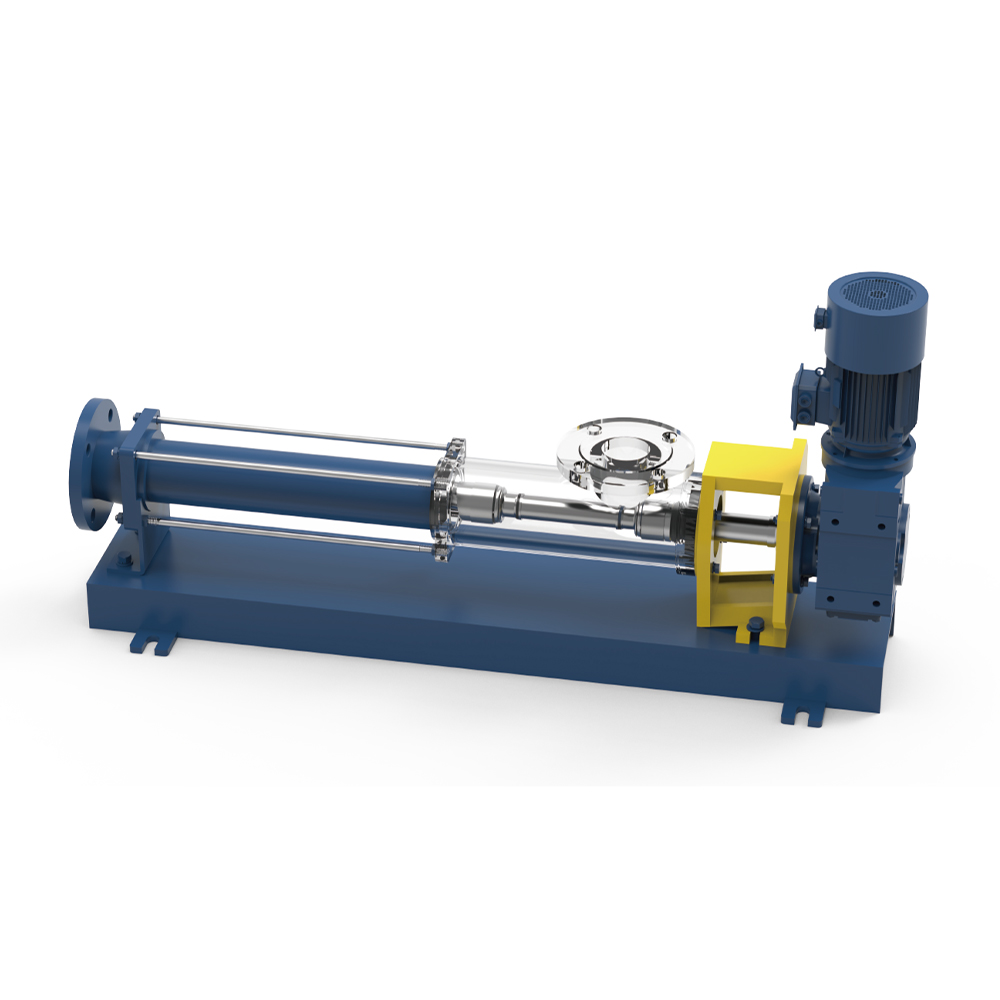
The speed reducer adopts the K series speed reducer, and the length of the pump can be shortened, so it can be used in places where the space is narro...
See Details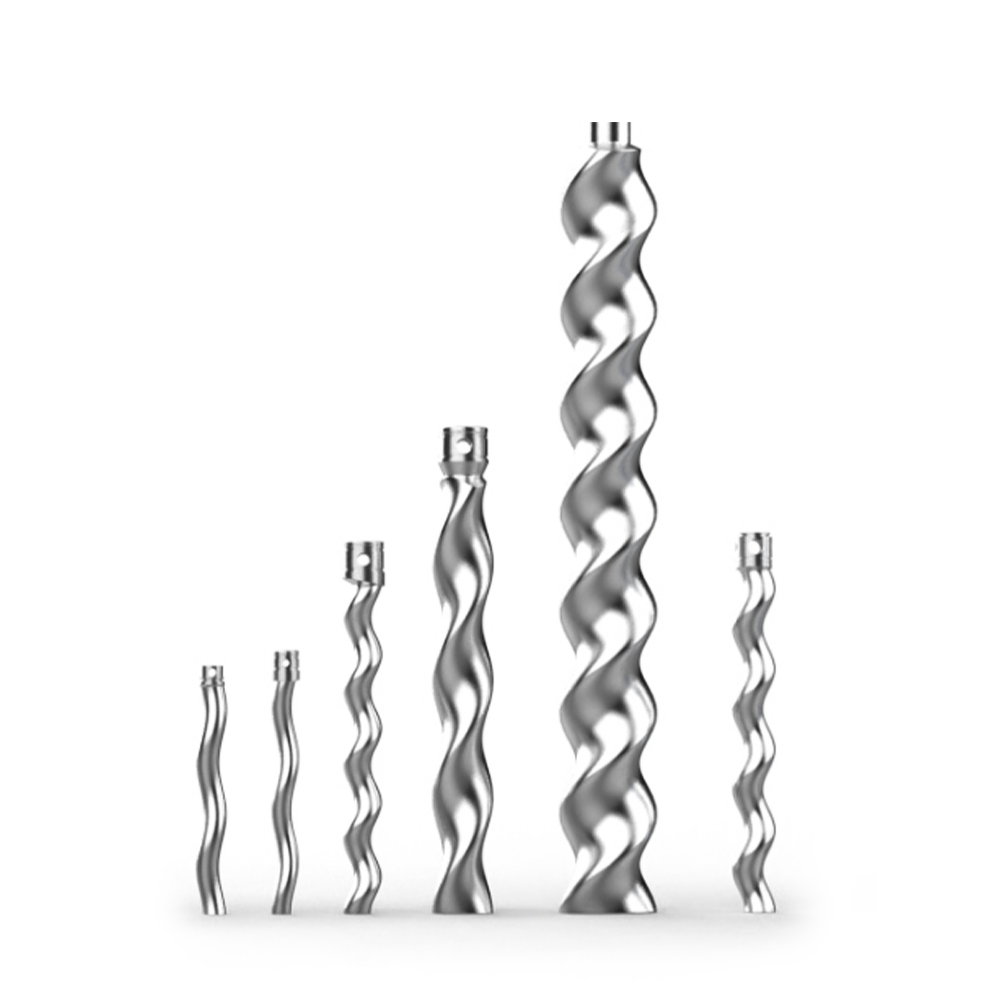
Multiple materials available, 304, 316L, 2205, rotor surface coating can be chrome plated or tungsten carbide sprayed.
See Details
Multiple materials available: Q235,304,316L,2205,2507, etc.
See DetailsContact Us
Add: No. 36 Xintai Road, Economic Development Zone, Jingjiang City, Jiangsu Province, China
Tel: +86-13515167342
Fax: +86-523-84261117
E-mail: [email protected]
We'd love to
hear from you!
