
 English
 русский
 Español
Truck-mounted progressive cavity pumps
Cat:Single Screw Pumps
Mika vehicle-mounted pump, the pump base is not only stable and reliable, but also cleverly equipped with universal wheels, these wheels rotate flexib...
See DetailsContent
Why do wastewater plant operators, paper mills, and drilling contractors keep choosing a pump whose central wearing part is a rubber sleeve? Because the eccentric screw pump working principle and design features deliver something few machines can match: steady, pulsation-free transfer of viscous, abrasive, and shear-sensitive media, with flow that is fixed by geometry rather than by system resistance. Once you understand how a helical metal rotor and a resilient stator create sealed cavities that carry fluid from suction to discharge, every line item in a quotation - stage count, elastomer, rated speed, drive type - becomes a rational trade-off instead of a guessing game.
This guide explains the working principle step by step, examines each design feature that shapes performance, compares the pump family with centrifugal and other positive displacement alternatives, and closes with application, selection, maintenance, and FAQ sections drawn from factory-floor experience rather than catalog language.
The perspective behind the article is that of a working manufacturer. Meijia Pump, a single screw pump manufacturer and spare parts supplier based in Jingjiang, Jiangsu Province, China, has spent more than twelve years producing complete progressive cavity pump series - the G, H, K, P, S, T, and W types, the direct-connected B type, and truck-mounted units - alongside stators, rotors, and extension shafts supplied to users of virtually every pump design on the market. More than one thousand completed projects in environmental water treatment, chemical processing, paper and pulp, food and pharmaceutical production, petrochemical service, and energy applications inform the practical notes below, and the same engineering team supports wholesalers, project contractors, and single-pump buyers alike.
An eccentric screw pump - also sold as a progressive cavity pump, a single screw pump, or a helical rotor pump - is a rotary positive displacement pump, and every word in that classification carries meaning. Rotary means the working parts spin continuously, so delivery is smooth rather than pulsing like a piston. Positive displacement means the machine moves a fixed volume for every revolution, regardless of what the discharge piping asks of it. Eccentric describes the geometry at the heart of the design: the rotor spins about its own axis while that axis simultaneously orbits around the pump centerline. The principle was patented in the early 1930s by the French engineer Rene Moineau, and the same geometry still defines every modern machine built around it.
Two components create the entire pumping action, and understanding their roles makes every later design discussion easier to follow.
The RotorA precision-machined, single-start external helix, typically made from hardened stainless or alloy steel and finished with a hard chrome coating. It rotates about its own axis while rolling around the stator axis with a fixed eccentricity, so every point on its surface sweeps through the full cavity in the course of one revolution. |
The StatorA double-start internal helix molded from elastomer - most often NBR, EPDM, or FKM - inside a steel tube. Its flexible walls interference-fit the rotor along two continuous sealing lines set 180 degrees apart, while the spaces between those lines form the open cavities that carry the fluid. |
Because the rotor has one helix start and the stator has two, the parts never lock together like a bolt in a nut. Instead they touch along the sealing lines and slide past each other with a controlled interference, and no dynamic mechanical seal is needed to hold pressure between stages, no valves are needed to time the flow, and no gears mesh inside the media. The geometry does everything, which is why the machine contains so few parts, runs quietly, and forgives dirty conditions that would destroy finely machined alternatives.
The clearest way to picture the principle is a screw and a nut. If a screw rotates while its nut is prevented from turning with it, the nut has only one way to go: axially along the thread. Inside the pump the fluid plays the role of that nut. It cannot spin with the rotor, so the rotation is converted into axial transport. The difference from an ordinary thread is that the thread here is formed jointly by the metal rotor and the resilient stator, and because the stator walls flex, the thread is not an open groove but a chain of closed pockets.
At any instant the interference between rotor and stator divides the pump length into alternating sealed cavities and sealing lines. As the rotor turns, each cavity keeps its volume and shape while sliding steadily from the suction chamber toward the discharge chamber, which is the origin of the name progressive cavity pump. The pocket of fluid is never squeezed, chopped, or violently accelerated; it is simply carried. That is why fragile media such as flocculated sludge, dairy curds, or polymer solutions arrive with their structure intact. Because cavity volume is fixed by geometry, flow is directly proportional to speed: double the revolutions and you double the flow, whatever the discharge pressure does within the pump rating. A relation commonly used in preliminary sizing puts displacement per revolution at roughly four times the eccentricity, times the rotor major diameter, times the rotor pitch - a reminder that flow is a purely geometric quantity.
The rotor must spin and orbit at the same time, and a rigid shaft cannot deliver both movements at once. A coupling rod with universal joints, or a flexible shaft in compact designs, connects the drive end to the rotor and absorbs the orbital travel. Joint quality is a genuine design feature worth checking before purchase: a well-dimensioned pin joint with a protected, grease-filled boot runs for years, while an undersized joint becomes the second maintenance hotspot after the stator itself.
Several cavities always open toward the suction side while others open toward the discharge side, and because cavity volume never changes in transit there is virtually no pulsation, no acceleration head, and very little vibration. Pressure capability comes from stacking stages: each full stator pitch forms one stage, and each stage holds roughly 0.6 MPa, or about six bar, of differential pressure. A three-stage machine therefore covers typical municipal duties, while five or six stages serve high-head industrial circulation. When system pressure rises, a controlled backflow called slip leaks back across the sealing lines, so flow falls gently and predictably instead of collapsing, and the pump reports its wear condition through measurable performance long before sudden failure.
Once the pumping elements are wetted, the progressive cavity principle is self-priming and will lift fluid through a short suction line, with modest net positive suction head requirements because the cavities open slowly and gently. For the very first start the pump must still be primed, and for viscous media the suction side should be flooded, because starved cavities run half empty and the dry patches inside them overheat the elastomer. The start-up routine also follows from the positive displacement nature: open the suction valve fully, confirm the pump is liquid-filled, start against an open discharge path or a relief valve, and never dead-head the pump, because a machine that moves a fixed volume per revolution will build pressure instantly against a closed valve. On shutdown with media that can set or dry - slurries, starches, some food products - a short flush keeps the next start from being a grind.
With the principle established, the design features read as deliberate engineering answers to operating problems. Four areas deserve the closest scrutiny when quotations from any eccentric screw pump manufacturer land on your desk.
Rotor pitch, major and minor diameters, and eccentricity determine cavity volume and therefore flow per revolution, while surface finish and hardness determine how long the interference fit survives. Quality rotors are machined to tight tolerances, ground, and finished with a hard chrome or equivalent coating; a rough or under-hardened rotor will chew through a stator within months on abrasive duty. When ordering a replacement rotor, ask the supplier for material certificates and coating data. Established manufacturers provide both as standard, and a hesitation to do so is itself useful purchasing information.
The stator rubber acts at once as a hydraulic component, a seal, and a wear part, so the compound must match the media. Swelling in the wrong solvent, softening in heat, and abrasion from solids each destroy the interference fit from a different direction, and no single rubber resists all three. The table below summarizes the common starting points.
| Elastomer | Best-suited media | Typical temperature ceiling | Watch-outs |
|---|---|---|---|
| NBR | Oils, emulsions, water, municipal wastewater, neutral sludges | About 90 degrees Celsius | Weak against ozone, aromatics, and chlorinated solvents |
| EPDM | Hot water, dilute acids and alkalis, many food media | About 120 degrees Celsius | Must avoid oils, fuels, and hydrocarbons |
| FKM / FPM | Hot oils, fuels, many solvents, aggressive process media | About 150 degrees Celsius | Higher cost; limited for some water-based media |
| PTFE | Strong acids, oxidizers, high-purity chemicals | About 150 degrees Celsius and above | Stiff material; needs support geometry and more generous clearances |
Hardness and compression set matter as much as base polymer. A stator that is too soft slips at pressure; one that is too hard loses its sealing grip and grinds on every start. This is where a manufacturer's rubber laboratory becomes a purchasing argument: Meijia Pump develops its own rubber formulations and tunes them to the customer's media, whether that means a harder, abrasion-facing blend for gritty drilling fluids, a food-contact compound for hygienic lines, or a heat-resistant mix for hot chemical circulation. Treating the stator as an engineered consumable rather than a one-size catalog item is one of the simplest ways to extend replacement intervals and stabilize lifetime cost.
 Custom Rubber Stators for Progressive Cavity PumpsMeijia Pump produces stators with in-house rubber formulations tailored to the media, from abrasion-resistant to food-contact compounds. A well-tuned stator compound extends replacement intervals and keeps lifetime cost stable.View Product →
Each stator stage carries roughly six bar of differential pressure, which makes stage count the primary lever for pressure. Specifying one more stage than the strict minimum buys wear headroom: as the rubber wears, the pressure drop across each sealing line rises, and a pump with a spare stage keeps its duty point long after a tightly sized unit has fallen behind. In after-sales records, undersized stage counts are among the most common root causes of premature stator replacement, because the pump is asked to run its whole life at the top of its per-stage limit.
Between the media and the drive end sits the shaft seal, and the right choice follows the hazard. Gland packing is economical, adjustable, and tolerant of solids, which suits sludge and slurry duty. Single or double mechanical seals suit volatile, toxic, or crystallizing media where leakage cannot be accepted, and flush plans keep the seal faces clean. In coupled designs, an outboard bearing housing carries the radial and hydraulic loads so that they never reach the drive joint, which is one more reason the coupled configuration dominates heavy continuous service.
How the motor connects to the rotor shapes both the footprint and the maintenance experience, and most series are offered in one of two arrangements.
Coupled designA separate bearing housing, drive shaft, and universal coupling rod connect the motor to the rotor. The joint is isolated and accessible, higher powers are practical, and bearings can be serviced without disturbing the pumping elements. This is the configuration behind the G, H, K, P, S, T, and W series. |
Direct-connected designIn the B type direct-connected pump, the motor flanges straight onto the pump body, deleting the bearing frame and shortening the shaft line. The unit becomes shorter, lighter, and less expensive, with fewer alignment errors - well suited to skids, dosing packages, and confined installations. |
Traditional stators mold thick rubber wings against a steel tube, which leaves the rubber wall thick at the crown of each cavity and thin near the bond line. Uneven walls cure unevenly, shed hysteresis heat unevenly, and swell unevenly when the media attacks them, so the interference fit drifts away from its design value from the first day of service. The equal wall thickness design keeps the rubber layer at a uniform depth around the entire cavity profile, which attacks the problem at its root.
In operation this produces three measurable benefits. First, the sealing lines hold their intended interference for a larger share of the stator's life, preserving flow and reducing slip. Second, heat escapes symmetrically, lowering the risk of the localized overheating that hardens rubber into a cracked, short-lived compound. Third, dimensional stability improves, so the pump tolerates intermittent duty, thermal cycling, and frequent starts without the fit wandering out of specification.
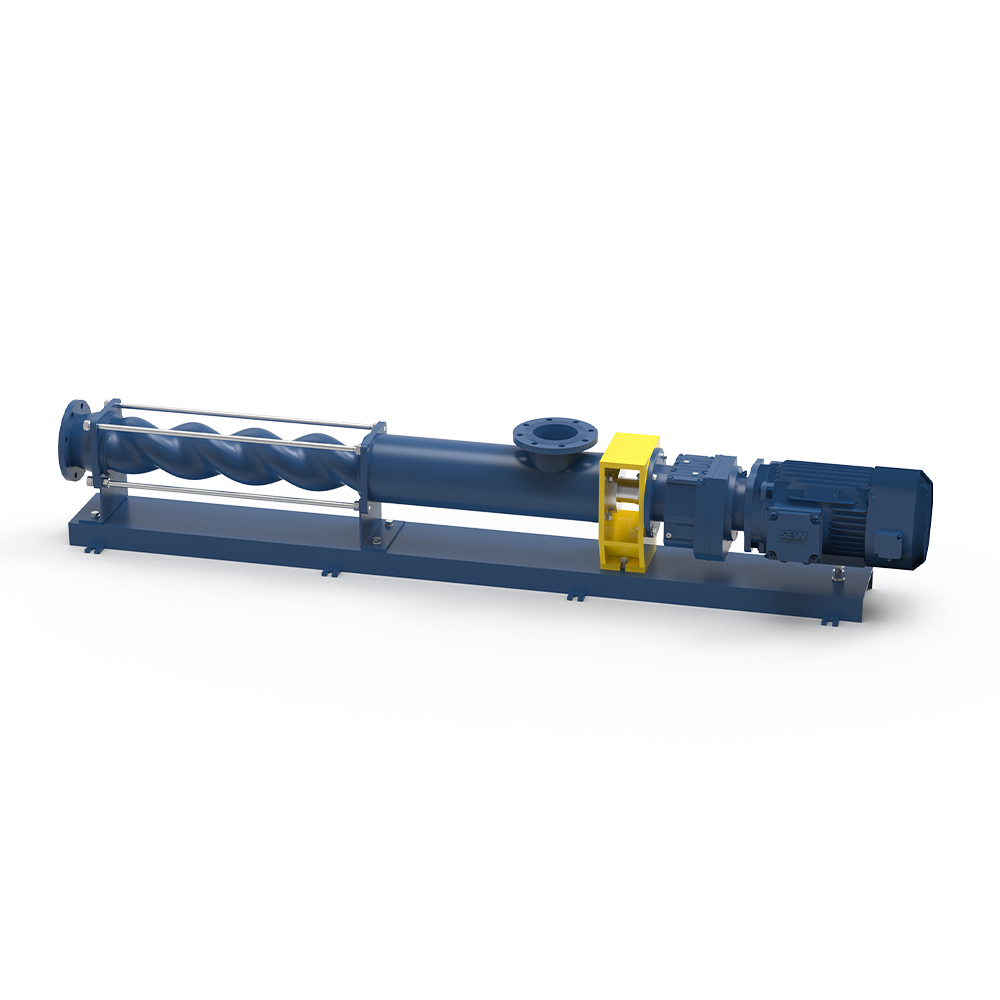 Equal Wall Thickness Stator Screw PumpsEqual wall thickness stators preserve sealing interference longer, dissipate heat symmetrically, and improve dimensional stability. For abrasive or temperature-sensitive duties, this construction lengthens the replacement interval of the most consumed part.View Product →
For procurement teams comparing quotations on abrasive or temperature-sensitive duties, equal wall thickness construction is a feature worth a modest premium, because it directly lengthens the replacement interval of the pump's most frequently consumed part. A focused technical comparison of this construction against traditional stator design is available in the related reading section at the end of this article.
The design features described above combine into a performance profile that is easy to summarize but worth examining closely before purchase. The chart below uses an illustrative index to compare how quickly stator life is consumed across media types, with clean lubricating fluids set as the 100-point reference. Light oils and emulsions sit close behind because they lubricate the interference fit almost as well as clean fluids. Municipal sludge and paper pulp, which carry soft solids and fibers, consume the fit roughly twice as fast. Heavy abrasive slurries such as drilling muds and mineral tailings are the most demanding service the pump can face, and they reward every design refinement described in this article.
Illustrative Relative Stator Service Life Index by Media Type
Clean lubricating fluids
Light oils and emulsions
Municipal wastewater sludge
Paper pulp, medium consistency
Heavy abrasive slurries
Index basis: clean lubricating fluid = 100. Actual replacement intervals depend on pressure, speed, abrasive content, and duty cycle.
Read from top to bottom, the chart tells a simple story: abrasion, not chemistry, is usually the factor that limits stator life. The distance between clean fluids at 100 and heavy slurries at 20 means a stator that lasts for years on a lubricating duty may need replacement within weeks or a few months on tailings. This is why professional users of abrasive media buy stators in sets and schedule replacements instead of waiting for failure. Speed is the first lever, because wear accelerates steeply with rotor speed in abrasive service, so halving the rpm can multiply stator life several times over at the cost of a larger frame running slowly. Stage count is the second lever, since additional stages reduce the pressure each sealing line must hold.
Compound selection is the third lever: a slightly harder, more abrasion-resistant rubber gives up a little sealing grip but buys weeks of additional life in sludge. The same logic explains why serious pump manufacturers ask so many questions about the media before quoting. Viscosity, solids content, particle sharpness, temperature, and dry-run exposure each shift the expected replacement interval by a wide margin. It also explains the economics of spare parts: the rotor and stator pair is the designed consumable of the machine, so lifetime cost depends less on the initial purchase price than on the consistency, interchangeability, and delivery time of the parts that keep it running.
A supplier that compounds its own rubber, machines its own rotors, and supports wholesale quantities for multi-pump fleets removes most of the waiting time between failure and fix. For mixed-brand plants, one parts source covering other manufacturers' pump designs turns a crowded stores ledger into a single, predictable line item. Treat the index as a planning tool rather than a guarantee. Log your own running hours between replacements for each duty, and maintenance becomes a scheduled budget item instead of an emergency call.
A comparison table makes the positioning of the eccentric screw pump obvious at a glance, and it also shows honestly where other technologies remain the better answer.
| Characteristic | Eccentric screw pump | Centrifugal pump | Gear pump | Plunger pump |
|---|---|---|---|---|
| Viscosity range | Water-thin to roughly 1,000,000 cP | Best below about 150 cP | Up to roughly 10,000 cP | Works, but losses rise with viscosity |
| Solids handling | Soft and fibrous solids pass with the flow | Poor; abrasion is rapid | Very limited | Practically none |
| Pulsation | Virtually none | None | Low | High |
| Shear on product | Very low | Moderate to high | Moderate | High |
| Dry running | Not permitted | Survives briefly | Limited | Limited |
| Pressure capability | Built by stages, about 6 bar per stage | Built by impeller head | Moderate | Very high |
| Flow control | Vary speed | Throttle valve or speed | Vary speed | Vary stroke or speed |
The limitations deserve equal space. The elastomer stator is a wearing part that a centrifugal pump does not have, dry running must be prevented by instrumentation rather than hope, and for thin, clean fluids moved at high flow a centrifugal unit remains cheaper to buy and to operate. The eccentric screw pump earns its place when viscosity, solids, gentleness, or metering accuracy dominates the duty, and it should lose the argument when they do not.
The same pumping principle serves very different industries, and the overview below pairs the most common application groups with the specific design feature that makes each one work.
Wastewater and environmental treatmentSludge transfer, thickened sludge, flotation froth, and polymer dosing. The gentle, low-shear cavities protect floc structure, soft solids pass without shredding, and the pump runs quietly enough for enclosed buildings and urban plants. |
Paper and pulpMedium-consistency pulp, surface coatings, starch, and black liquor. Fibrous media that would blind a centrifugal impeller simply travel through the open cavities, and stage stacking covers long, lossy discharge lines. |
|
Food, beverage, and pharmaceutical productionDough, honey, chocolate, yogurt, gels, and ointments. Hygienic stator compounds and smooth stainless wetted surfaces combine with low shear to protect texture, yield, and batch consistency. |
Chemical, petrochemical, and energy servicePolymer solutions, solvents, crude and oily streams, drilling mud, and lime milk. Matched elastomers resist the chemistry, stage counts answer the pressure, and mobile configurations bring the pump to the fluid instead of the reverse. |
Two installation formats widen the list further. A truck-mounted progressive cavity pump turns a standard vehicle into a mobile transfer station for tank cleaning, spill recovery, and remote site work, and it avoids the capital cost of a fixed pumping station that would sit idle between jobs. On filling and dosing lines, a dispensing valve paired with a screw pump supply gives a precise, drip-free cutoff for packaged liquids, which is why the combination appears on liquid packaging lines across the food and chemical sectors.
One pumping principle, many machines. Manufacturers offer distinct series so that pressure band, capacity, installation format, and hygiene requirements each get an optimized design. The cards below outline the series in the Meijia Pump range and the duty each is shaped for; the same logic applies to the series names used by other suppliers.
The foundational single screw pump series for general industrial transfer, with broad media coverage and the most widely interchangeable spare parts.
A hygienic-leaning progressive cavity pump configuration for food and pharmaceutical transfer, with smooth product-wetted paths and compatible compounds.
A chemical-duty configuration in which material and elastomer selection follow media compatibility first, suited to demanding process lines.
Staged for higher pressure bands on long discharge lines and viscous circulation loops where head losses accumulate quickly.
Shaped for sludge and slurry handling in municipal and industrial environmental service, where soft solids and grit are everyday companions.
Built for vertical and inclined conveying, including liquids that carry fine solid particles, where the screw geometry keeps the media moving steadily.
Designed around a distinctive W-profile screw that aims for more efficient fluid transport at comparable power draw.
Motor flanged directly to the pump for a compact, self-aligning, cost-efficient unit on skids, packages, and confined installations.
Mobile transfer for tanker service, spill response, and remote sites; a flexible and cost-effective alternative to fixed pump stations.
Uniform stator wall depth for a stable interference fit and longer replacement intervals on abrasive or hot media.
Precision cutoff hardware for dosing and liquid packaging lines fed by single screw pump supply.
Series letters vary between manufacturers, so when comparing quotations, map each offer to concrete parameters - stage count, rated pressure, connection standard, elastomer options, delivery time, and the spare parts program behind the machine - rather than to the letter printed on the nameplate.
Selection is where the working principle becomes a purchasing decision. Work through the following points in order, because each one narrows the field for the next.
The last point changes the total cost picture more than buyers expect. A manufacturer that develops its own rubber compounds, molds its own stators, machines its own rotors, and stocks parts for other brands' pumps shortens the loop between failure and fix from weeks to days. Our own service commitment - 24-hour on-site response in the Jiangsu, Zhejiang, and Shanghai region and 72-hour response elsewhere - exists precisely because a pump down is a production line down. For international buyers, the same logic applies to multilingual documentation, complete shipping papers, and a factory location close to port.
The eccentric screw pump rewards disciplined, simple maintenance and punishes neglect faster than most machines, because its best feature - the flexible interference fit - is also its most vulnerable part. Most premature failures trace back to a short list of avoidable causes.
The rotor-stator interface is lubricated by the pumped fluid itself, and without that film the rubber burns within seconds. Prime the pump before the first start, fit dry-run protection for unattended duties, and never run a positive displacement pump against a closed discharge without a relief path. Overheat damage also accumulates quietly: repeated thermal swelling and compression set from hot, starved operation show up months later as a sudden loss of pressure that looks mysterious on the trend but was entirely preventable.
As the interference fit wears, slip increases: flow at rated pressure falls slightly at first, then faster, until the pump can no longer hold discharge pressure. Measuring flow against speed at a fixed pressure gives an early-warning trend line that turns replacement into a scheduled task. When the time comes, replace rotor and stator as a matched pair - mixing a new stator with a worn rotor simply transfers the wear to the new part - and inspect the coupling rod joints at the same opportunity.
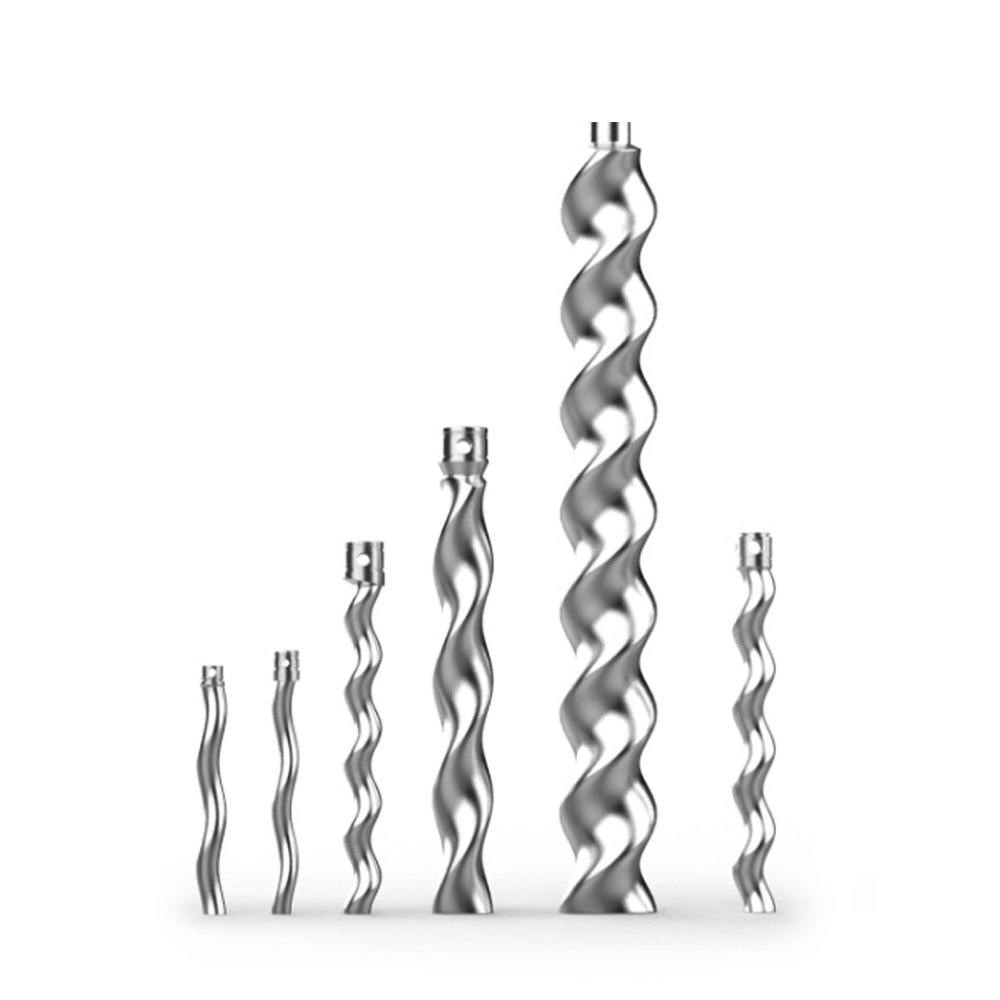 Single Screw Pump RotorsAs the rotor-stator interference fit wears, slip rises and flow falls, so replacing rotor and stator as a matched pair matters. These rotors are designed to be interchangeable across major pump designs for spare stock.View Product →
Because rotors and stators are engineered consumables, one spare set on the shelf for each critical pump is inexpensive insurance against a line-down week. Fleets running mixed brands benefit from standardizing on a supplier whose parts are dimensionally interchangeable across the major pump designs; one stores ledger, one compound approval process, one delivery schedule.
The questions below are the ones our service engineers answer most often, from the working principle itself to the practical choices around elastomers and spares.
What is the eccentric screw pump working principle in simple terms?A single-start helical metal rotor turns inside a double-start elastomer stator. Because the rotor interferes with the stator along continuous sealing lines, rotation creates sealed cavities that travel from suction to discharge carrying the fluid with them. Flow is proportional to speed, pressure capability comes from the number of stages, and the media is never compressed or chopped. |
Can an eccentric screw pump run dry?No. The rotor-stator interface is lubricated by the pumped media itself, so dry running destroys a stator within seconds to minutes. Always prime before the first start and fit dry-run protection for unattended duties. |
What viscosity range can it handle?From water-thin media up to roughly one million centipoise, depending on construction and speed. As viscosity rises, run the pump slower and make sure the suction side is flooded so the cavities fill completely on every stroke of the geometry. |
How do I choose the right stator material?Match the compound to the chemistry and temperature first: NBR for oils and general wastewater, EPDM for water, dilute chemicals and many food media, FKM for hot oils and solvents, PTFE for aggressive chemistry. Then tune hardness for abrasion. A manufacturer with its own rubber compounding, such as Meijia Pump, can tailor the blend to your exact media. |
Why does my pump gradually lose flow and pressure?Increasing slip across worn sealing lines is the usual cause. Track flow at a fixed pressure and speed; when the trend drops below your process minimum, replace the rotor and stator as a matched pair and inspect the drive joint at the same time. |
Are eccentric screw pumps suitable for food and pharmaceutical products?Yes, with hygienic stator compounds, smooth stainless wetted parts, and appropriate surface finishes. The low-shear, pulsation-free cavities are gentle on textures such as dough, yogurt, and ointments, which is why food and pharmaceutical plants are major users of the principle. |
How long does a stator last?Anywhere from a few weeks on heavy abrasive slurries to several years on clean lubricating media. Pressure, speed, abrasiveness, and compound choice set the interval, which is why we recommend logging running hours between replacements and holding one spare set for each critical pump. |
Choosing and maintaining an eccentric screw pump is easier with a manufacturer who designs, machines, molds, and tests the whole machine under one roof. Meijia Pump supports international buyers with English, Russian, and Spanish-speaking sales teams, ships through a location close to port, and supplies both complete pump series and interchangeable spare parts for progressive cavity pumps of other brands. Single replacement stators, wholesale quantities for distributors, and complete project packages all run through the same engineering team.
Constant wall thickness in depthFor a focused construction-level comparison, read our analysis of how the constant wall thickness design compares with traditional screw pump construction and what it delivers in efficiency and service life: advantages of the constant wall thickness design. |
Matching the pump to the dutyIf you are mapping pump types to duty points, this overview of application scenarios for equal wall thickness screw pumps shows which industries and media benefit most from the design. |
Send us your media data sheet, duty point, and installation constraints, and our engineers will return a recommendation covering stage count, running speed, elastomer, and a spare parts plan - not just a model number. Whether you buy one pump or a container load, the working principle stays the same; the design features and the supplier behind them decide how much it earns you.
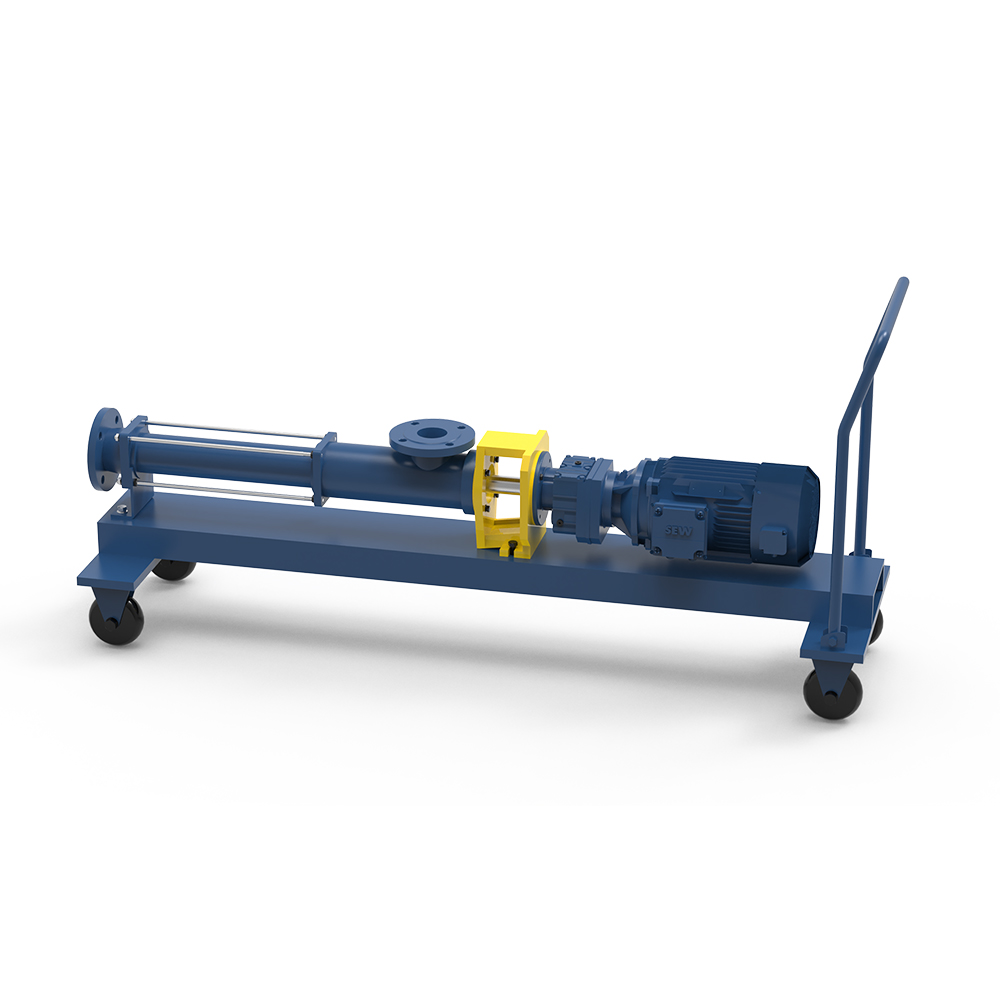
Mika vehicle-mounted pump, the pump base is not only stable and reliable, but also cleverly equipped with universal wheels, these wheels rotate flexib...
See Details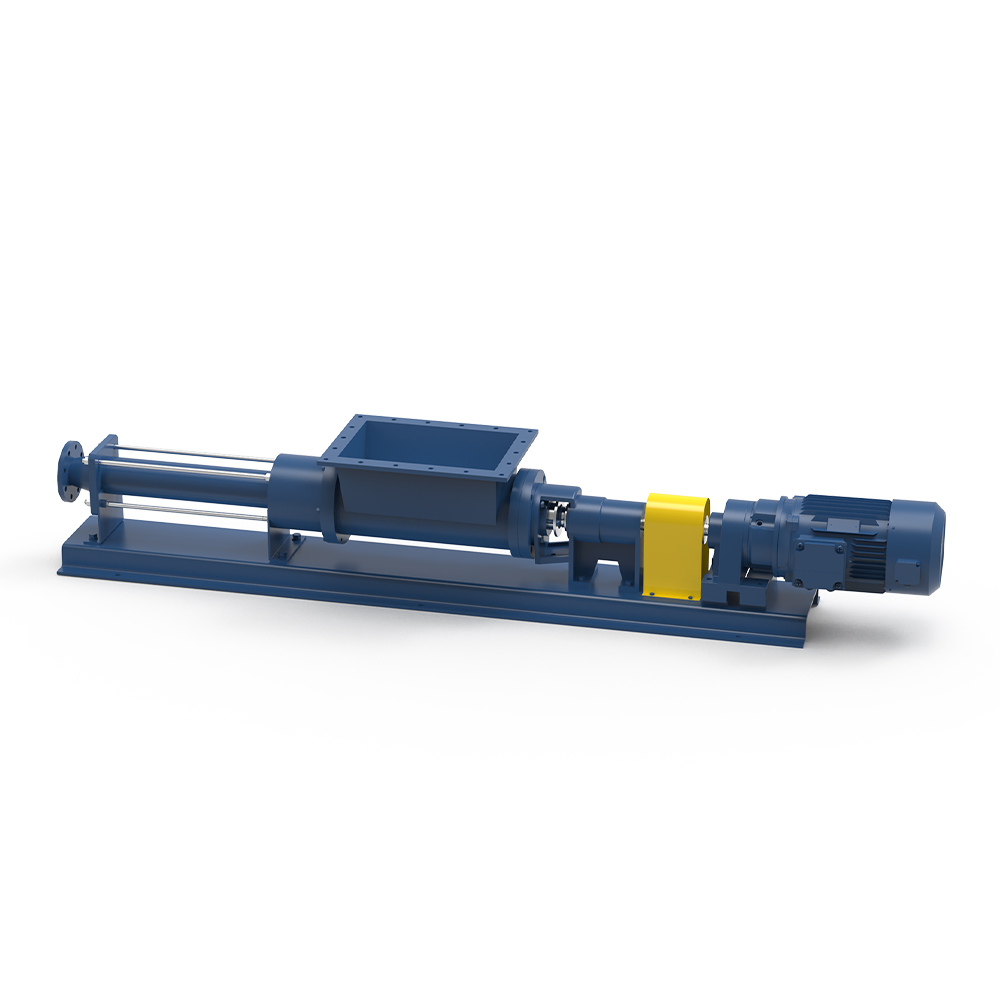
The inlet is a large hopper design W-type pump with a connecting shaft with multiple spiral vanes (which can effectively prevent the accumulation of m...
See Details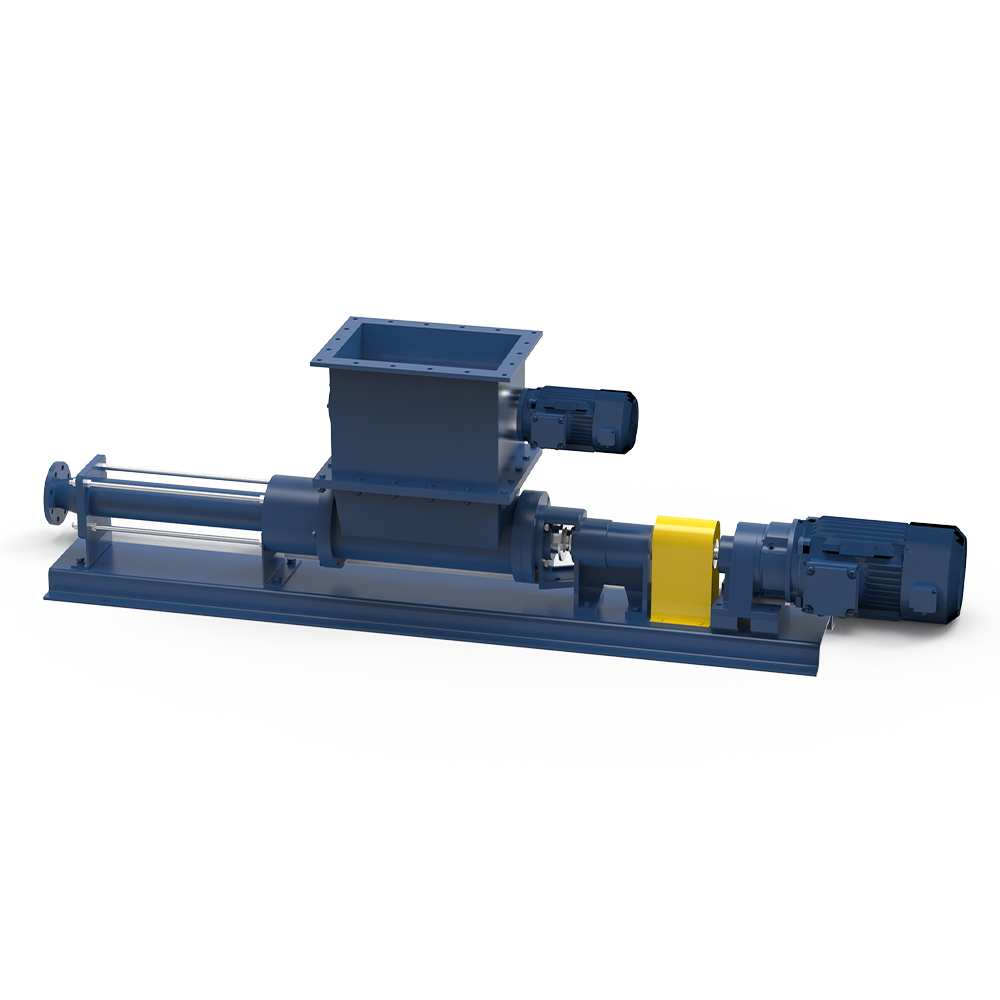
The inlet is designed for a large hopper with a bridge-breaking device P-pumps are suitable for conveying materials with high viscosity, high solids c...
See Details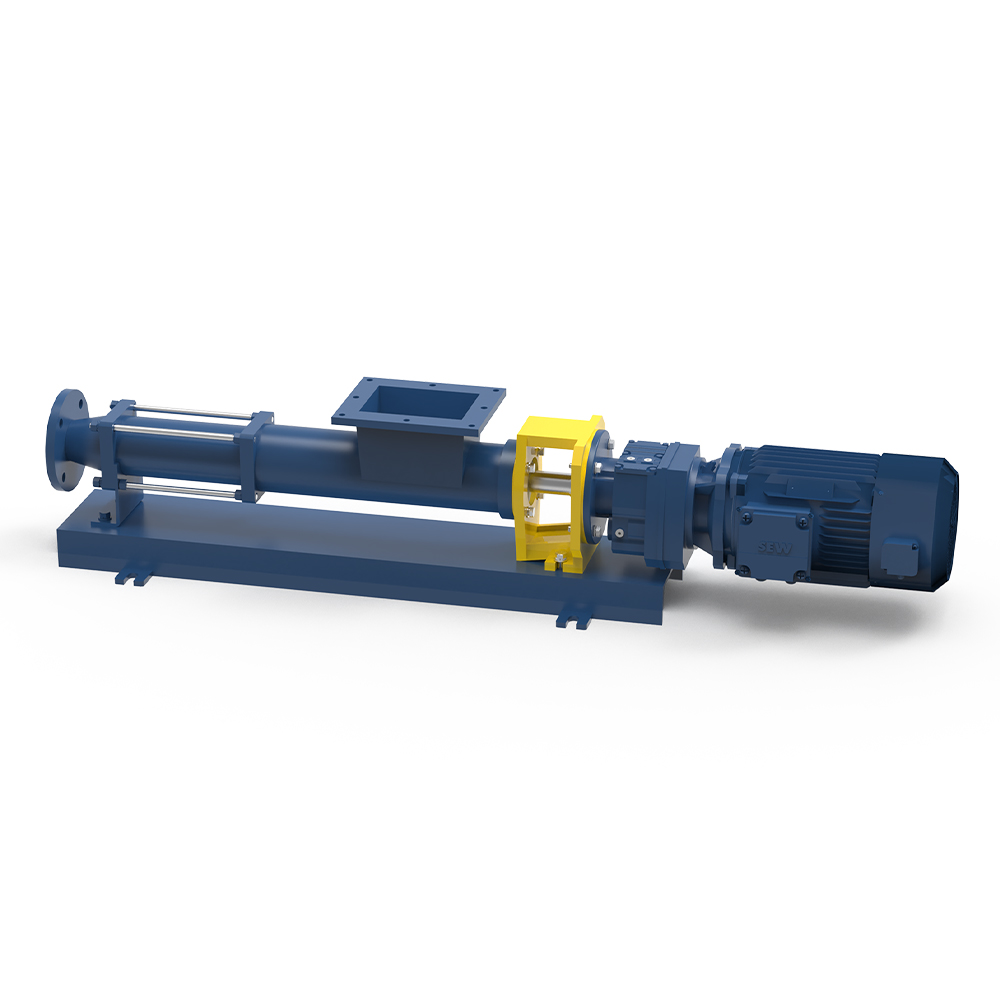
The inlet is a small rectangular hopper design H pump, suitable for conveying high viscosity solid content of less than 15% of the medium, such as cru...
See Details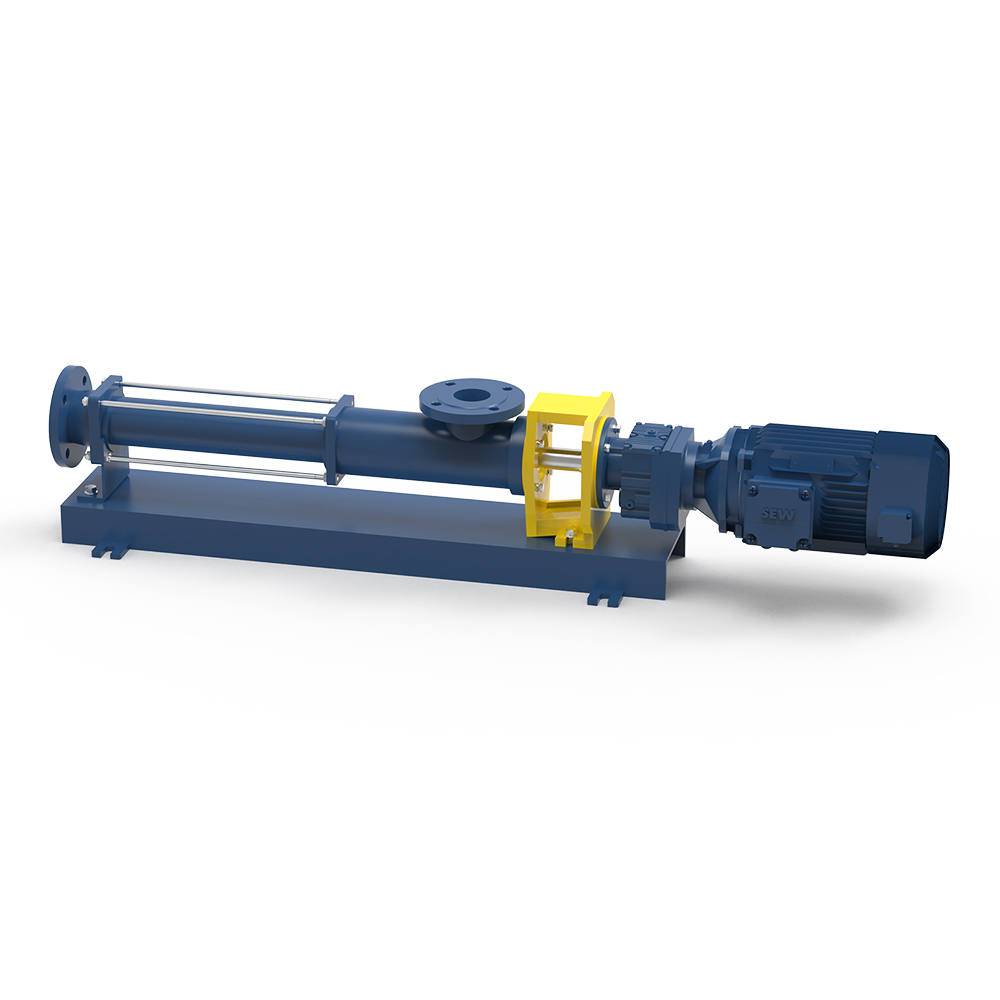
Mika Classic B direct-connected pumps are compact, easy to maintain, with low investment costs, and are suitable for a wide range of common working co...
See Details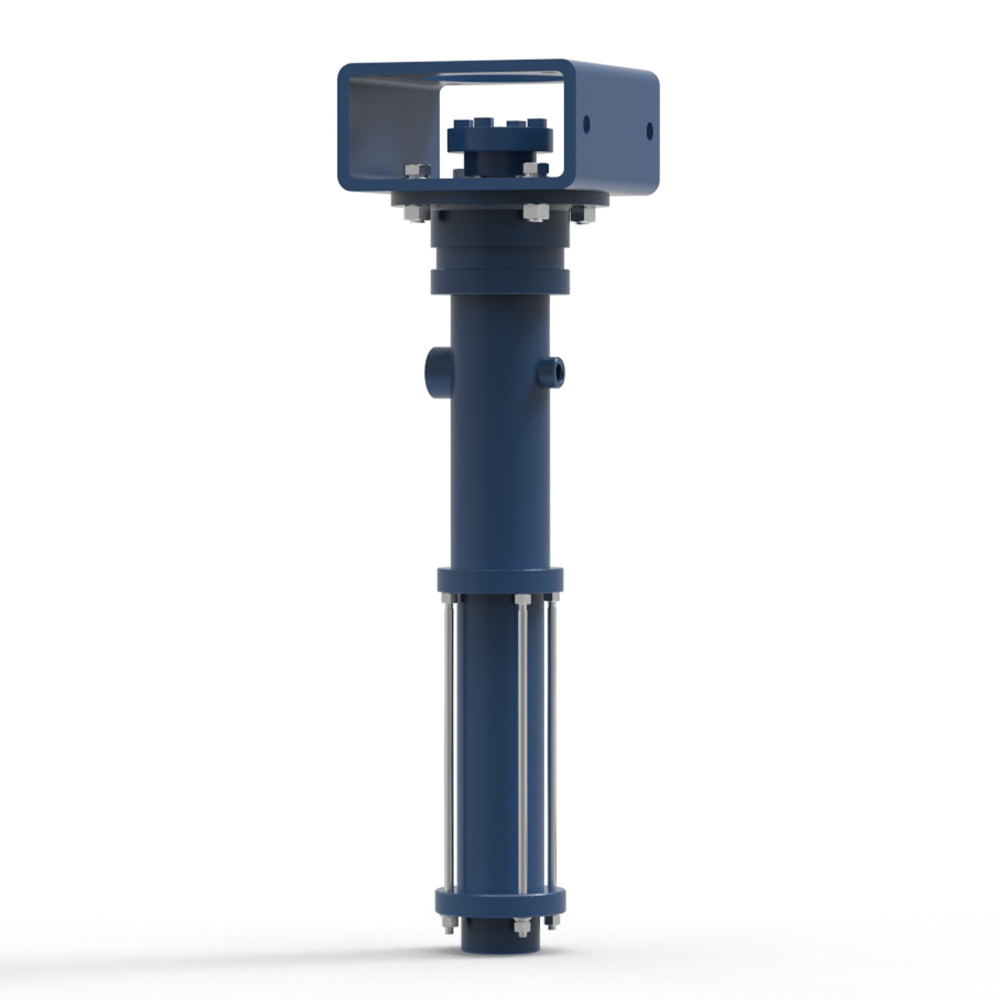
Precise flow rates and a wide range of materials for the metering and delivery of all kinds of sealants. Working Principle The MeiJia pump is a prog...
See Details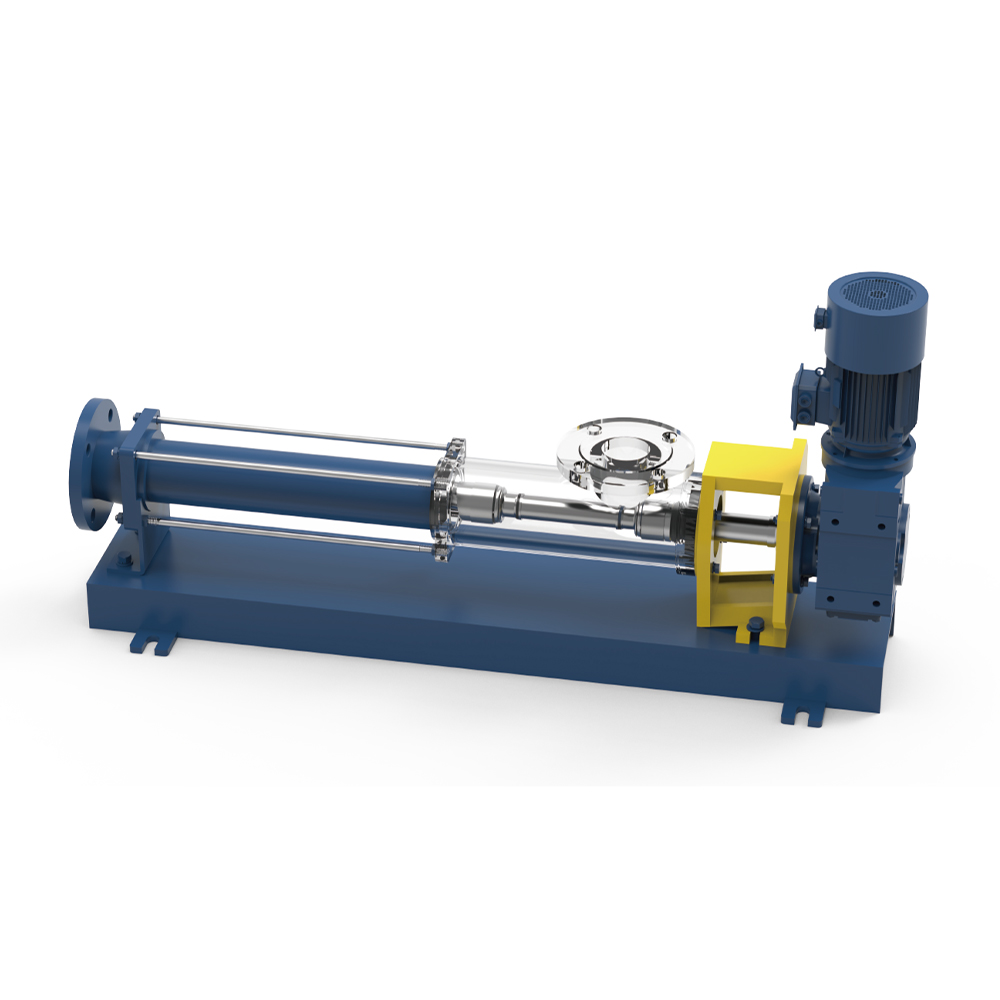
The speed reducer adopts the K series speed reducer, and the length of the pump can be shortened, so it can be used in places where the space is narro...
See Details
Various materials are available for different working conditions, such as NBR, HNBR, EPDM, and FKM.
See Details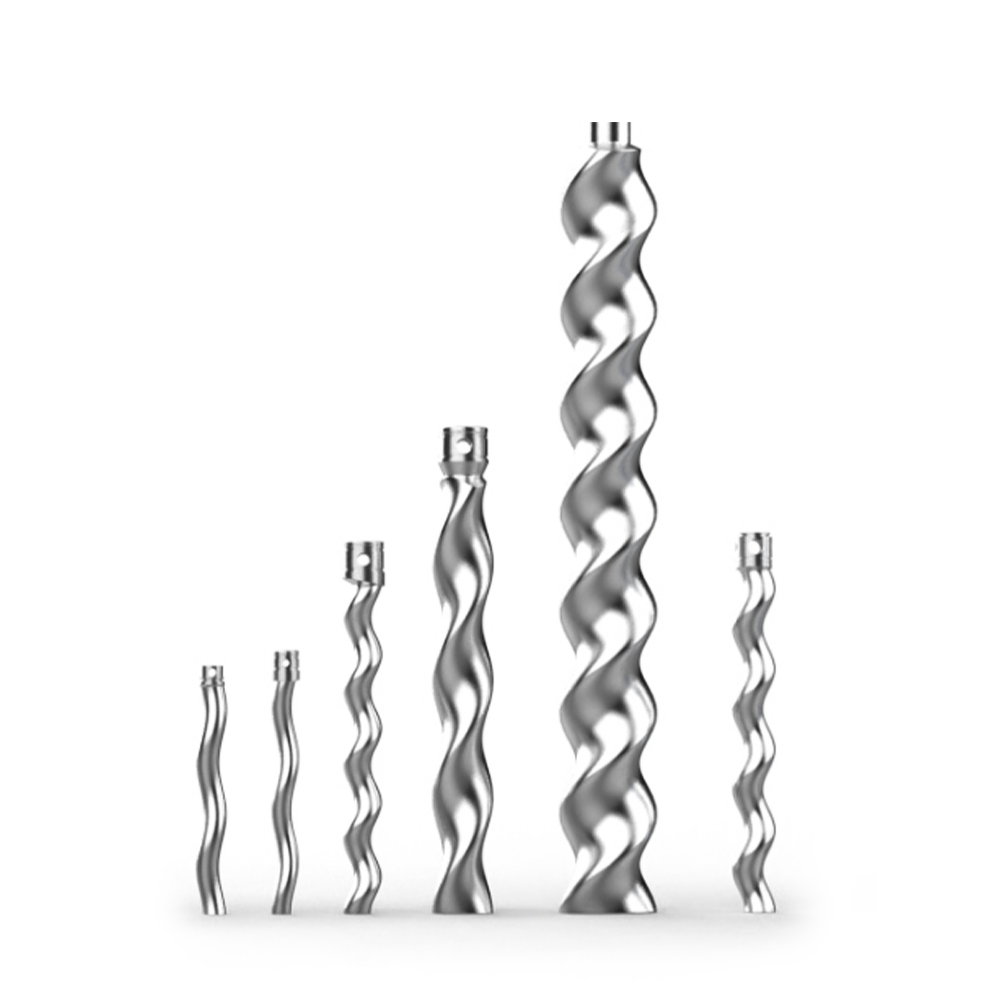
Multiple materials available, 304, 316L, 2205, rotor surface coating can be chrome plated or tungsten carbide sprayed.
See Details
Multiple materials available: Q235,304,316L,2205,2507, etc.
See DetailsContact Us
Add: No. 36 Xintai Road, Economic Development Zone, Jingjiang City, Jiangsu Province, China
Tel: +86-13515167342
Fax: +86-523-84261117
E-mail: [email protected]
We'd love to
hear from you!
