
 English
 русский
 Español
Equal Wall Thickness Screw Pumps
Cat:Single Screw Pumps
Screw pumps equipped with equal wall thickness stator, the same kind of pump specifications pump flow, and pressure are increased. The equal wall thic...
See DetailsContent
The most reliable way to keep a progressive cavity pump running without unplanned downtime is to maintain a stocked, correctly matched set of Spare Parts For Progressive Cavity Pumps, with the rotor and stator identified as the two highest-priority items because they are the components in direct, continuous contact with the pumped media. Alongside the rotor and stator, a complete Screw Pump Accessories kit typically includes shaft seals or packing, universal joints or pin joints connecting the rotor to the drive shaft, bearings, couplings, and fasteners, each of which wears at a different rate depending on the fluid being handled. Buyers sourcing from a Screw Pumps manufacturer generally find that planning spare parts around actual wear patterns, rather than reacting after a failure, reduces both downtime and the total number of emergency orders placed in a given year.
This article reviews the common categories of spare parts used across Single Screw Pumps, explains how each component contributes to overall pump performance, compares wear behavior across different application types, and provides practical guidance on inventory planning and procurement. It closes with a set of frequently asked questions commonly raised by maintenance and procurement teams working with a Food screw pump, a Sewage screw pump, a Sludge screw pump, or a Vertical screw pump in ongoing service.
Key takeaway: maintaining a correctly specified stock of rotor, stator, and general Screw Pump Accessories is generally the single most effective step a plant can take to reduce unplanned progressive cavity pump downtime.
Spare parts for a progressive cavity pump generally fall into a small number of functional categories, and understanding what each category does makes it easier to prioritize which items to keep on hand. The Single Screw Rotor is the helical, eccentrically shaped metal component that turns inside the stator to form the moving cavities that carry fluid from suction to discharge. The Stator for progressive cavity pumps is the resilient elastomer sleeve that houses the rotor, and its internal helix geometry works together with the rotor to seal each cavity as it progresses. Connecting rod assemblies, including universal joints or pin-type joints, transmit rotation from the drive shaft to the eccentric rotor while accommodating the rotor's off-center motion. Shaft seals or packing prevent leakage where the drive shaft passes through the pump housing, and bearings support the shaft and absorb radial and axial loads generated during operation. General Screw pump accessories such as couplings, fasteners, gaskets, and mounting hardware round out a typical spare parts inventory.
Media-Contact Components
|
Drive-Side Screw Pump Accessories
|
Single Screw Rotor
The primary wear component in direct rotational contact with the pumped fluid. Stator for progressive cavity pumps
Elastomer housing selected for chemical compatibility with the process fluid. Joint Assembly
Transfers rotation to the eccentric rotor while absorbing its off-center path. Shaft Seal Kit
Prevents leakage at the point where the drive shaft exits the housing. General Accessories
Couplings, bearings, gaskets, and fasteners supporting overall assembly.
Key takeaway: spare parts inventory generally splits into media-contact components like the rotor and stator, and drive-side Screw pump accessories that support shaft rotation and sealing.
The rotor and stator work together to form a series of sealed cavities that move fluid from suction to discharge, and the tightness of the seal between them directly determines how much fluid slips backward through each cavity rather than being carried forward. As the Single Screw Rotor surface wears, or as the Stator for progressive cavity pumps loses elasticity from chemical exposure or abrasion, the clearance between the two components widens and internal slip increases, which shows up first as a gradual decline in flow rate at a constant operating speed rather than a sudden failure. This gradual pattern is one reason flow monitoring is a practical early-warning tool for planning a spare parts replacement before performance drops enough to affect the process. Abrasive solids in the fluid accelerate rotor wear by physically eroding the coated or hardened surface, while aggressive chemicals or excessive operating temperature can accelerate stator wear by degrading the elastomer itself. Because these two components wear through different mechanisms, they do not always need to be replaced at the same time, and inspecting both independently during scheduled maintenance generally gives a more accurate picture of remaining service life than assuming they wear at matched rates.
Joint assemblies, shaft seals, and bearings wear through a different mechanism again, generally driven by mechanical fatigue, misalignment, and continuous rotational load rather than direct fluid contact. A joint assembly that is not properly lubricated or that operates under misaligned conditions will typically show wear sooner than one installed and maintained according to the pump manufacturer's guidance. Shaft seal wear is often first noticed as minor leakage around the drive shaft, which should be addressed promptly since continued operation with a worn seal can allow media to reach the bearing area and accelerate further damage. Because each of these components fails through a distinct mechanism, a maintenance program that inspects all of them on a shared schedule, rather than only reacting to the most visible symptom, generally identifies wear earlier and supports better spare parts planning.
Key takeaway: rotor, stator, joint, and seal wear each follow different mechanisms, so tracking flow performance and inspecting components independently supports more accurate spare parts planning than a single shared replacement schedule.
When a plant places a spare parts order for a progressive cavity pump, the items requested generally fall into the categories introduced earlier in this article, and looking at how a typical order is distributed across those categories helps explain why the rotor and stator receive the most attention in maintenance planning. This distribution pattern is consistent with general industry maintenance practice for positive displacement pumps, where the two media-contact components account for the largest share of routine replacement activity. Before reviewing the chart below, note that the figures represent a general, illustrative distribution based on common maintenance ordering patterns rather than a count from a single specific facility. The donut chart divides a typical spare parts order into five categories to show their relative share of total replacement activity. Reviewing this distribution is useful context before the wear-rate comparison presented later in this article.
The donut chart shows the Single Screw Rotor and Stator for progressive cavity pumps together accounting for well over half of a typical replacement order, which lines up directly with the earlier explanation that these two components carry the most direct wear from continuous fluid contact. The joint assembly segment represents a meaningful but secondary share, reflecting that mechanical fatigue and misalignment-driven wear occur less frequently than direct media contact wear but still require regular attention. Seals and packing make up a smaller portion of the typical order, generally because these items are lower cost individually and are often replaced proactively during a scheduled seal change rather than only after visible leakage appears. The general accessories category, covering couplings, bearings, gaskets, and fasteners, makes up a meaningful remaining share, reflecting that a complete overhaul or extended service visit typically touches several of these smaller components at once rather than replacing them individually across separate visits. For a plant planning its own spare parts budget and storage allocation, this distribution supports prioritizing rotor and stator availability first, since a shortage of these two items is more likely to cause an extended unplanned outage than a shortage of a coupling or gasket that can often be substituted temporarily or sourced more quickly. Sewage screw pump and Sludge screw pump applications handling higher solids content generally see an even larger share of orders concentrated in the rotor and stator categories, since abrasive media accelerates wear on these two components specifically. Food screw pump applications, by contrast, often see a comparatively larger share allocated to seals and general accessories, reflecting the more frequent seal changes associated with hygienic processing requirements. Reviewing this kind of category breakdown periodically against a plant's own purchase history can help confirm whether current stocking levels are aligned with actual replacement demand. Overall, this distribution provides a practical starting point for allocating spare parts budget and storage space across the different component categories introduced earlier in this article.
Key takeaway: the Single Screw Rotor and Stator for progressive cavity pumps together typically account for the largest share of a spare parts order, supporting a stocking priority that places these two components first.
One of the clearest patterns in progressive cavity pump maintenance is the relationship between how abrasive or solids-laden a fluid is and how quickly the rotor and stator wear under continuous operation. Fluids with low solids content and low viscosity, such as clean process water or lightly filtered chemical solutions, generally allow a rotor and stator pair to run for an extended service interval before replacement becomes necessary. Fluids with high solids content, such as raw sewage or dewatered sludge, generally shorten that service interval considerably because suspended particles continuously abrade the rotor surface and stress the stator's internal geometry. This relationship is a central reason why a Sewage screw pump or Sludge screw pump is generally built with reinforced clearance and a more wear-resistant rotor coating compared with a standard pump handling cleaner fluids. The scatter plot below places several common application types on a relative scale of media abrasiveness against typical rotor and stator wear rate, illustrating this general relationship across a range of process fluids.
The scatter plot shows a clear upward pattern moving from left to right, with clean water transfer positioned at the lowest wear rate and dewatered sludge positioned at the highest, which reflects the general principle that greater solids content and particle abrasiveness translate directly into faster rotor and stator wear. Chemical processing and food product transfer sit toward the lower-middle portion of the chart, since these fluids are generally lower in solids content even though some chemical or product characteristics can still affect stator elastomer compatibility separately from pure abrasion. Pulp stock handling shows a moderately elevated wear rate, consistent with the fiber content and consistency typical of paper and pulp processing, which places mechanical stress on the rotor surface beyond what a clean liquid would produce. Raw sewage transfer and dewatered sludge sit at the upper end of the chart, confirming why a Sewage screw pump and Sludge screw pump are generally specified with reinforced rotor coatings and adjusted clearance rather than a standard configuration. The dashed trend line drawn through these points illustrates the general upward relationship between abrasiveness and wear rate without implying a precise mathematical formula applicable to every specific fluid. For a plant operating multiple pumps across different duties, this pattern supports setting different spare parts stocking intervals for each application rather than applying one uniform replacement schedule across the entire pump fleet. A facility running a Sludge screw pump on dewatering duty should generally plan for a shorter rotor and stator replacement interval and correspondingly higher spare parts turnover than a facility running a standard pump on clean chemical transfer. This kind of differentiated planning helps avoid both the risk of an unexpected failure on a high-wear application and the unnecessary cost of over-stocking spare parts for a low-wear application that rarely needs replacement. Reviewing actual wear history against this general pattern periodically can help a plant refine its own stocking intervals over time based on real operating experience rather than a generic default schedule.
Key takeaway: media abrasiveness is directly related to rotor and stator wear rate, meaning a Sewage screw pump or Sludge screw pump generally requires a shorter spare parts replacement interval than a pump handling cleaner, low-solids fluid.
Building on the wear-rate comparison above, it is useful to translate that general pattern into a practical view of how a plant might allocate its spare parts budget across different component categories depending on the application it operates. A facility running only clean-fluid transfer duties will generally allocate spare parts spend differently than one running a Sewage screw pump or Sludge screw pump on solids-laden media. This allocation view is intended as a planning reference rather than a fixed formula, since actual proportions will vary with fluid characteristics, operating hours, and each plant's own maintenance history. The stacked bar chart below compares a suggested relative allocation of spare parts budget across four component categories for three representative application types.
The stacked bar chart shows the rotor and stator segment growing noticeably taller from left to right, confirming that sewage and sludge duty warrants a much larger relative allocation toward these two components than clean fluid transfer requires. Food processing sits in the middle, with a somewhat larger rotor and stator segment than clean fluid transfer but with a comparatively larger seals segment as well, reflecting the more frequent sanitary seal changes typical of hygienic processing lines. The joint assembly and general accessories segments remain relatively stable in absolute size across all three application types, which supports the earlier point that mechanical fatigue-driven wear on these components is less directly tied to fluid abrasiveness than rotor and stator wear is. For a plant operating a mixed fleet that includes a Food screw pump, a Sewage screw pump, and a Sludge screw pump across different stages of a treatment or production line, this allocation view suggests maintaining separate stocking plans for each duty rather than a single blended inventory strategy. Applying a uniform allocation across all pump types risks under-stocking rotor and stator spares for the highest-wear duty while over-stocking seals for an application that does not require frequent seal replacement. This kind of differentiated planning is particularly relevant for municipal water treatment facilities, which commonly operate pumps across the full range shown in this chart, from cleaner intake stages through raw sewage and dewatered sludge handling. For procurement teams working with a Screw Pumps manufacturer, sharing the specific duty and fluid characteristics of each pump in the fleet generally allows the supplier to recommend a more tailored spare parts kit rather than a generic one-size allocation. Reviewing actual replacement history against this kind of allocation chart periodically can help a plant fine-tune its own budget split over time. Ultimately, matching spare parts allocation to the specific demands of each application, rather than applying a single default ratio across an entire pump fleet, supports both cost efficiency and reduced downtime risk.
Key takeaway: spare parts budget allocation should shift toward rotor and stator spending as media abrasiveness increases, with sewage and sludge duty warranting a substantially larger share than clean fluid transfer.
A common question maintenance teams face is how much safety stock coverage to maintain for critical items like the Single Screw Rotor and Stator for progressive cavity pumps, balancing the cost of holding inventory against the risk of an extended outage while waiting for a replacement to arrive. A useful reference point discussed in general industrial maintenance planning is to target safety stock coverage sufficient to bridge the expected lead time for reordering a critical spare, plus a reasonable margin for unexpected demand spikes. For a pump duty identified as high-wear, such as a Sewage screw pump or Sludge screw pump handling abrasive media, this generally means holding a higher coverage percentage than for a low-wear, clean-fluid application where replacement need is rare and predictable. The gauge chart below illustrates a representative recommended safety stock coverage target for rotor and stator spares on a high-wear duty, expressed as a percentage of the typical replacement interval held in reserve inventory.
The gauge shows a coverage level of roughly three-quarters of the typical replacement interval held as reserve inventory, which is intended as a general planning reference rather than a fixed requirement applicable to every plant. Reading the gauge, a coverage level in this range means a plant would generally have a replacement rotor and stator on hand well before the currently installed set is expected to reach the end of its service life, leaving a reasonable buffer against variability in actual wear rate. Setting coverage meaningfully below this level increases the risk that a faster-than-expected wear event, such as an unusually abrasive batch of media, could leave the plant waiting on a reorder while the pump is already underperforming or offline. Setting coverage significantly above this level increases holding cost and storage space requirements without a proportional reduction in downtime risk, since very high coverage mainly guards against extreme and infrequent scenarios. For a lower-wear application such as clean chemical transfer, a lower coverage target is generally reasonable, since replacement need is rarer and more predictable, freeing storage space and budget for the higher-wear duties identified in the earlier allocation chart. Municipal water treatment facilities operating a Sewage screw pump or Sludge screw pump on a continuous or near-continuous duty cycle are generally good candidates for coverage at or above the level shown here, given the combination of high wear rate and the operational importance of maintaining continuous treatment capacity. Reviewing actual lead times with a Screw Pumps manufacturer or supplier is an important input to this kind of target, since a supplier able to fulfill spare parts orders quickly may allow a plant to maintain a somewhat lower coverage level without increasing risk. Conversely, a longer lead time for custom rotor coatings or specialized stator elastomer grades generally supports holding a higher coverage level for those specific items. Ultimately, this kind of coverage target should be treated as a starting point that a plant adjusts based on its own historical wear data, supplier lead times, and the operational cost of an unplanned outage.
Key takeaway: targeting safety stock coverage around three-quarters of the typical replacement interval for high-wear rotor and stator applications generally balances downtime risk against inventory holding cost.
The table below brings together the main spare parts categories discussed throughout this article, comparing typical wear driver, general replacement signal, and relevance across common pump variants to support more consistent maintenance planning.
| Spare Part | Primary Wear Driver | Common Replacement Signal | Highest-Relevance Variant |
|---|---|---|---|
| Single Screw Rotor | Abrasion from solids content | Gradual flow rate decline | Sewage and Sludge screw pump |
| Stator for progressive cavity pumps | Chemical exposure and abrasion | Flow decline, visible cracking | All variants, media-dependent |
| Joint assembly | Mechanical fatigue, misalignment | Vibration or unusual noise | Vertical screw pump |
| Shaft seal or packing | Continuous rotational contact | Visible leakage at shaft exit | Food screw pump |
| General Screw pump accessories | General operating wear | Scheduled overhaul inspection | All variants |
This comparison reinforces that each spare parts category has a distinct wear driver and a distinct early warning signal, which supports building a maintenance checklist that checks for the right symptom against the right component rather than a single generic inspection routine.
Key takeaway: matching the correct replacement signal to each spare parts category supports earlier detection of wear and more targeted maintenance planning across Single Screw Pump variants.
Ordering the correct Spare Parts For Progressive Cavity Pumps starts with confirming the exact pump model, frame size, and rotor coating or stator elastomer grade currently installed, since dimensional and material mismatches are among the most common causes of an incorrect spare parts order. Buyers should also confirm whether the process fluid or operating conditions have changed since the pump was originally installed, since a change in chemical exposure or solids content may mean the original elastomer grade is no longer the best match. Sharing operating speed, discharge pressure, and typical duty cycle with a Screw Pumps manufacturer generally allows a supplier to confirm whether the existing spare parts specification remains appropriate or whether an updated rotor coating or stator grade would better suit current conditions.
Information to Confirm Before Ordering
|
Practical Ordering Habits
|
Ordering a rotor and stator together as a matched pair is generally a practical habit, since a newly installed stator paired with a significantly worn rotor, or the reverse, can produce uneven clearance and a shorter combined service life than replacing both components at a similar wear stage. Keeping a documented parts list for each pump on-site, including the specific rotor coating and stator elastomer grade, reduces the risk of ordering an incompatible part and speeds up the reordering process during a maintenance window. For plants operating a Vertical screw pump in a tank or sump installation, confirming mounting-specific accessories such as extended shaft sections or guide bushings is also worth including in the same review, since these components are specific to the vertical configuration rather than shared with a standard horizontal pump.
Key takeaway: confirming exact pump specification and ordering the rotor and stator as a matched pair generally reduces the risk of dimensional mismatch and uneven wear after replacement.
Jingjiang Meijia Pump Industry Co., Ltd. is located at No. 36 Xintai Road, Jingjiang Economic and Technological Development Zone, Jiangsu Province, and is a professional company engaged in the production, sales, and after-sales service of single-screw pumps and high-quality single-screw pump spare parts. Meijia Pump Industry has numerous experienced, technically mature engineers working across the design, manufacturing, inspection, and complete assembly of screw pumps, and Meijia single screw pump products feature advanced technology, complete structure, diverse forms, and complete specifications, serving industries such as environmental water treatment, chemical processing, paper and pulp, food and pharmaceutical, and petrochemical and energy applications. Meijia Pump Industry also provides universal Screw pump accessories compatible with a range of single screw pump installations, which can be a practical option for plants maintaining pumps sourced from more than one production era or configuration.
The company's after-sales service center brings together a team of experienced engineers to provide thoughtful after-sales support once a pump is in service, which is relevant for buyers seeking ongoing guidance on Spare Parts For Progressive Cavity Pumps, wear diagnosis, or application-specific adjustments after installation. Many long-term users report that Meijia single screw pump products continue operating across a range of environments and working conditions over extended periods, based on the company's accumulated field experience across its customer base. For buyers evaluating a Screw Pumps manufacturer for ongoing spare parts supply, factors worth discussing typically include rotor coating and stator elastomer options for specific media, spare parts lead time, and the availability of after-sales technical support for wear diagnosis and part selection. Jingjiang Meijia Pump Industry welcomes inquiries from procurement and maintenance teams across these industries who are reviewing single screw pump spare parts options for a current or upcoming maintenance plan.
Key takeaway: a Screw Pumps manufacturer offering both a full pump range and a matched spare parts and accessories catalog, backed by after-sales support, can generally serve a plant's long-term maintenance needs from a single, consistent source.
Q1: Which spare parts should be prioritized when stocking for a progressive cavity pump?The Single Screw Rotor and Stator for progressive cavity pumps are generally the highest priority, since they carry the most direct wear from continuous fluid contact and typically account for the largest share of a spare parts order. |
Q2: How can early signs of rotor or stator wear be detected?A gradual decline in flow rate at a constant operating speed is generally the first practical sign of rotor or stator wear, making periodic flow monitoring a useful early-warning tool alongside scheduled visual inspection. |
Q3: Should the rotor and stator always be replaced together?Ordering the rotor and stator as a matched pair is generally recommended, since pairing a newly installed component with a significantly worn counterpart can produce uneven clearance and a shorter combined service life. |
Q4: Do Sewage and Sludge screw pumps need different spare parts planning than a standard pump?Yes, a Sewage screw pump or Sludge screw pump generally experiences faster rotor and stator wear due to higher solids content, so these applications typically warrant a shorter replacement interval and higher safety stock coverage. |
|
Buyers should confirm pump model, frame size, current rotor coating and stator elastomer grade, and any changes in process fluid or operating conditions to help the manufacturer confirm the correct spare parts specification. |
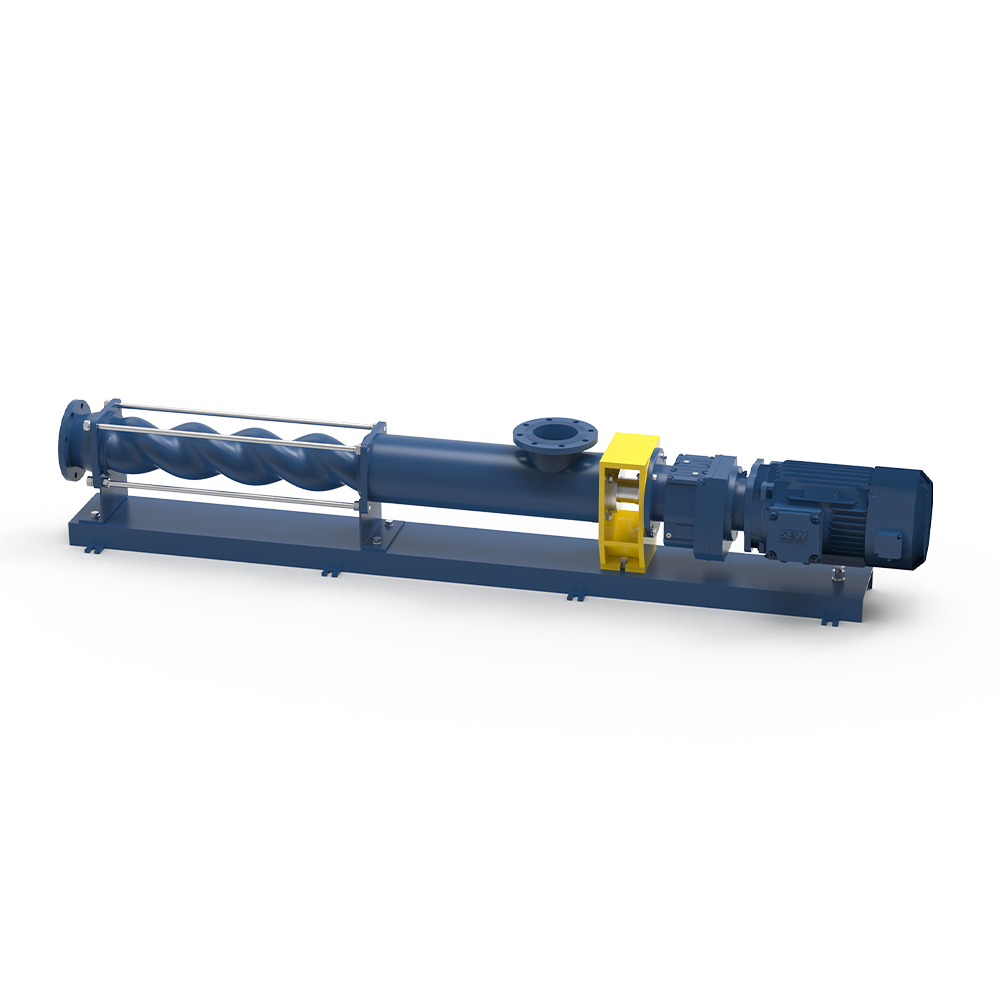
Screw pumps equipped with equal wall thickness stator, the same kind of pump specifications pump flow, and pressure are increased. The equal wall thic...
See Details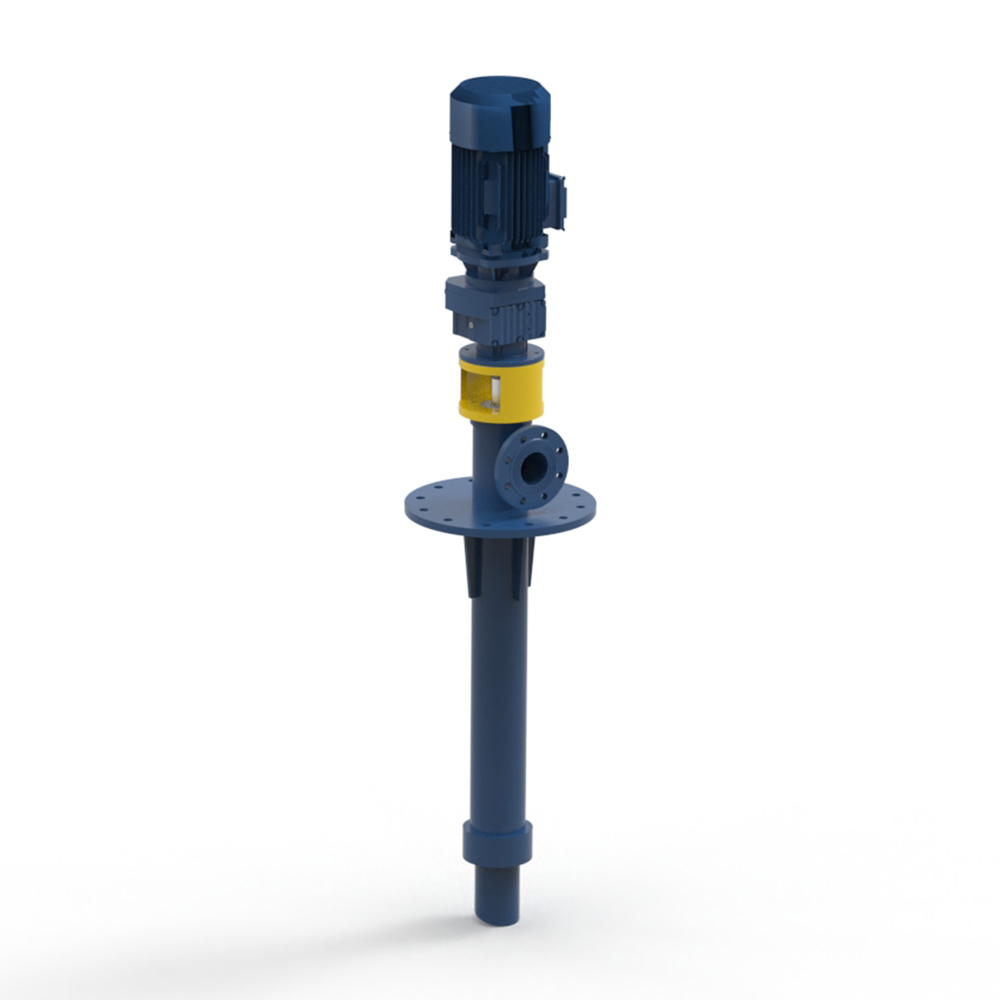
Mika vertical T-type screw pumps can be achieved through the length of the pump body to a variety of different depths of the pool, the pump's hopper i...
See Details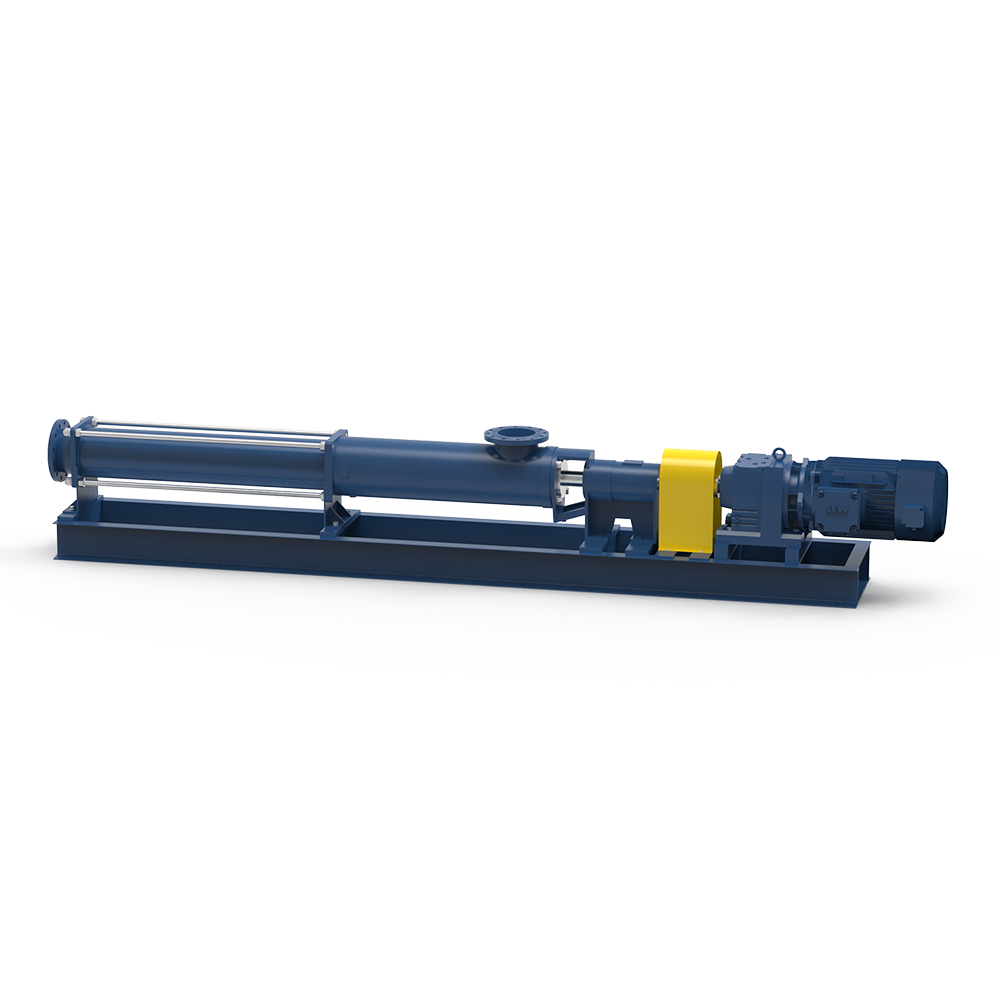
The S-pump with bearing frame support can withstand higher axial loads and can be used for high-pressure conditions, e.g. high-pressure sludge feed tr...
See Details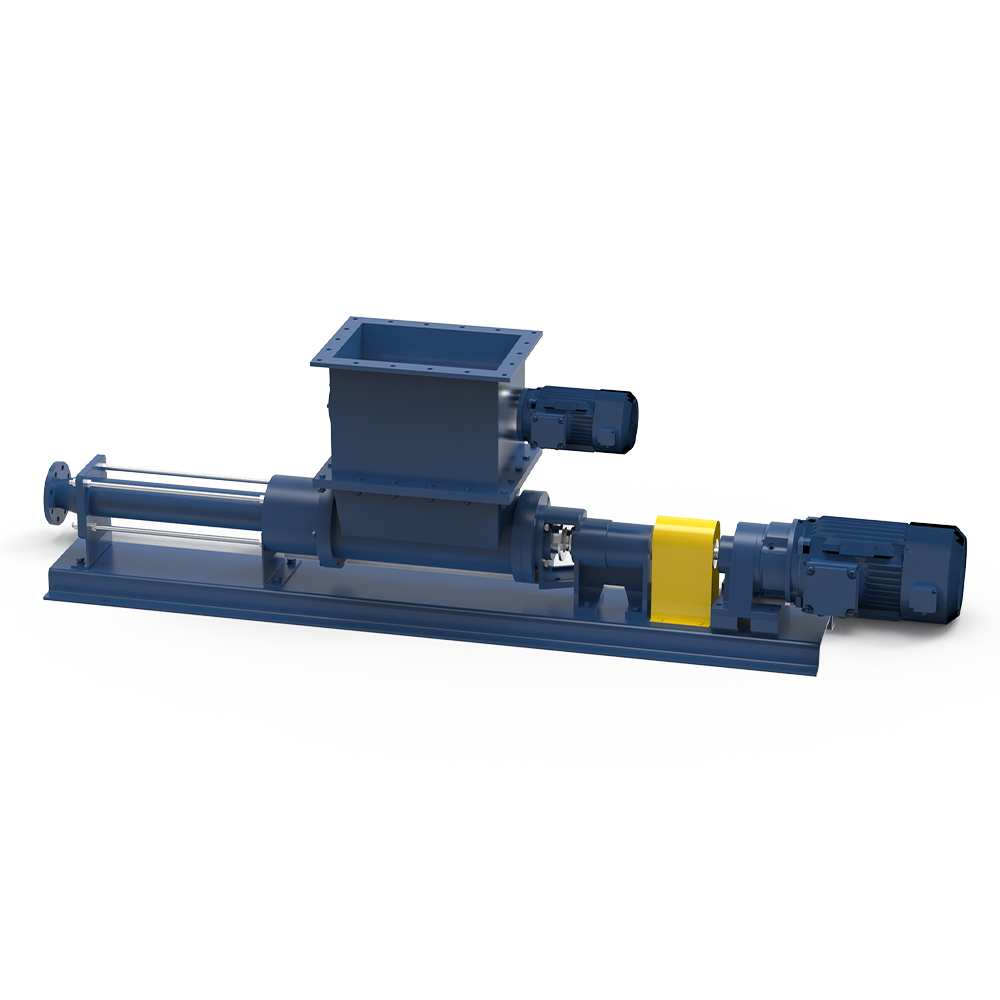
The inlet is designed for a large hopper with a bridge-breaking device P-pumps are suitable for conveying materials with high viscosity, high solids c...
See Details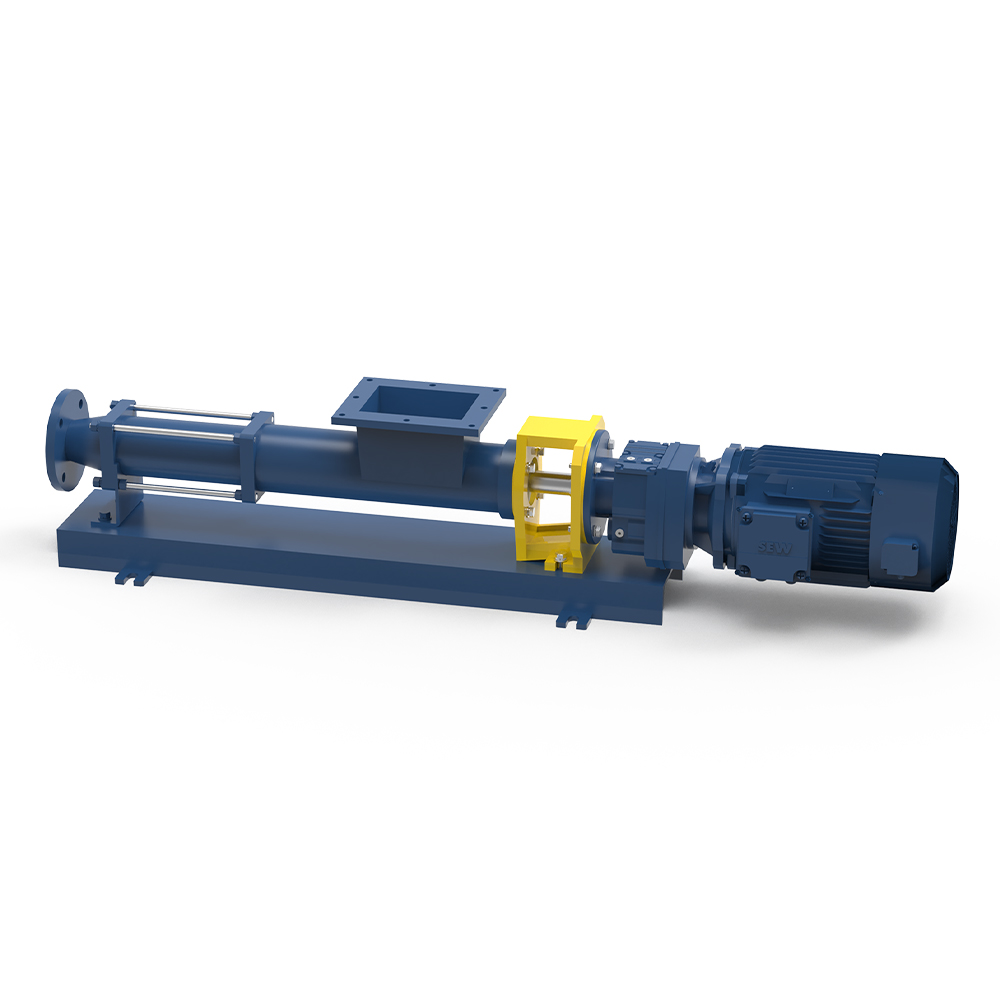
The inlet is a small rectangular hopper design H pump, suitable for conveying high viscosity solid content of less than 15% of the medium, such as cru...
See Details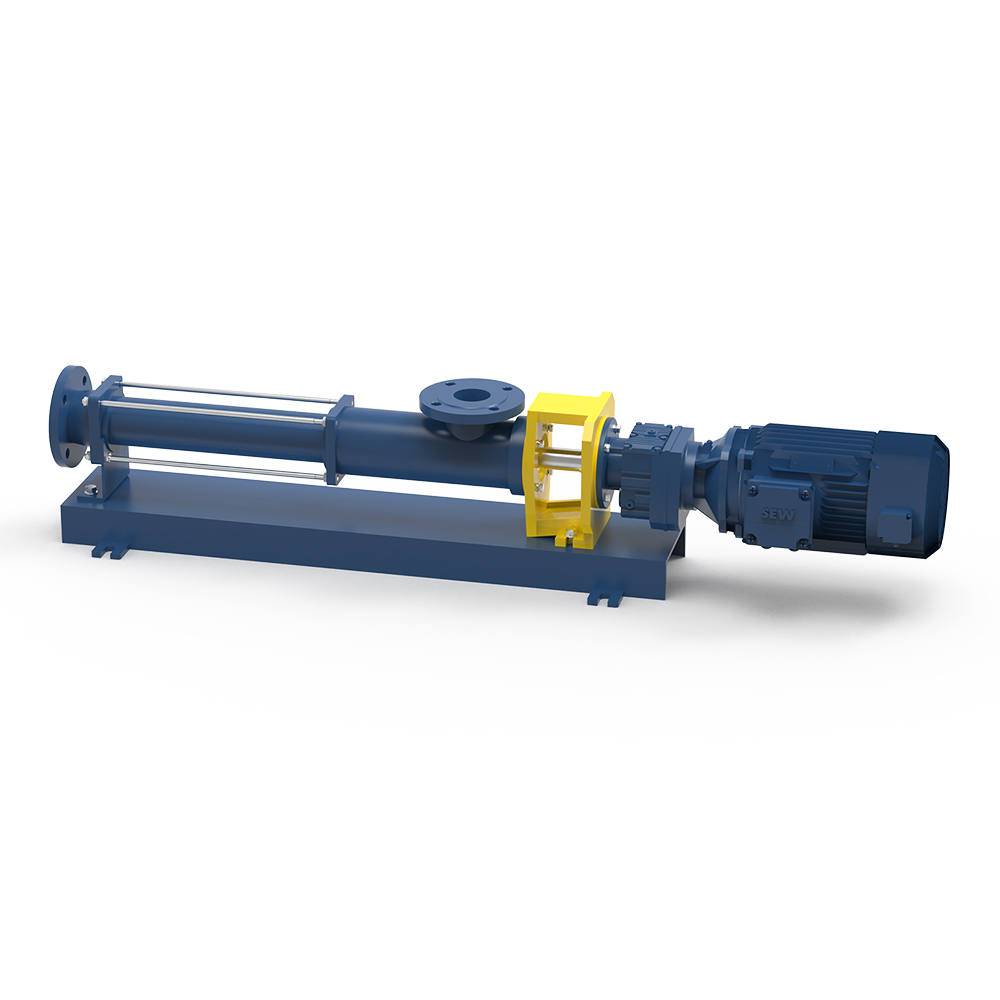
Mika Classic B direct-connected pumps are compact, easy to maintain, with low investment costs, and are suitable for a wide range of common working co...
See Details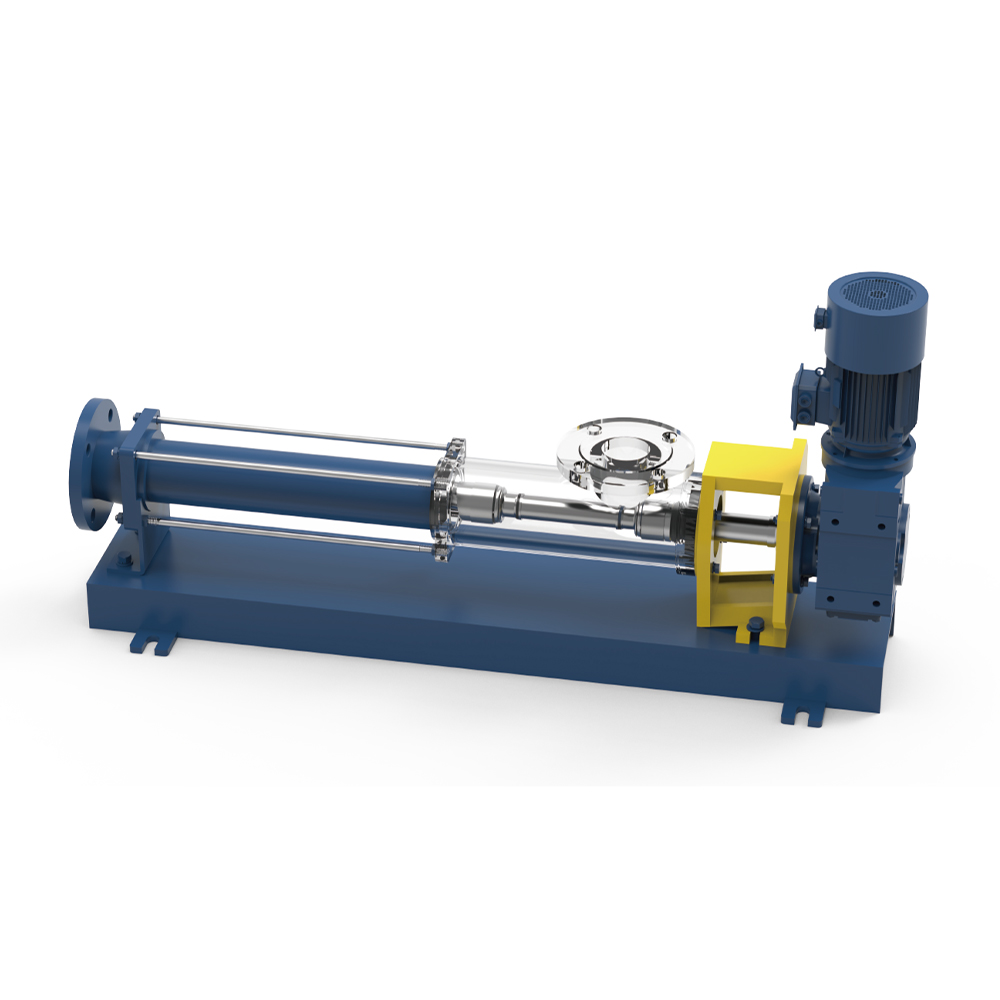
The speed reducer adopts the K series speed reducer, and the length of the pump can be shortened, so it can be used in places where the space is narro...
See Details
Various materials are available for different working conditions, such as NBR, HNBR, EPDM, and FKM.
See Details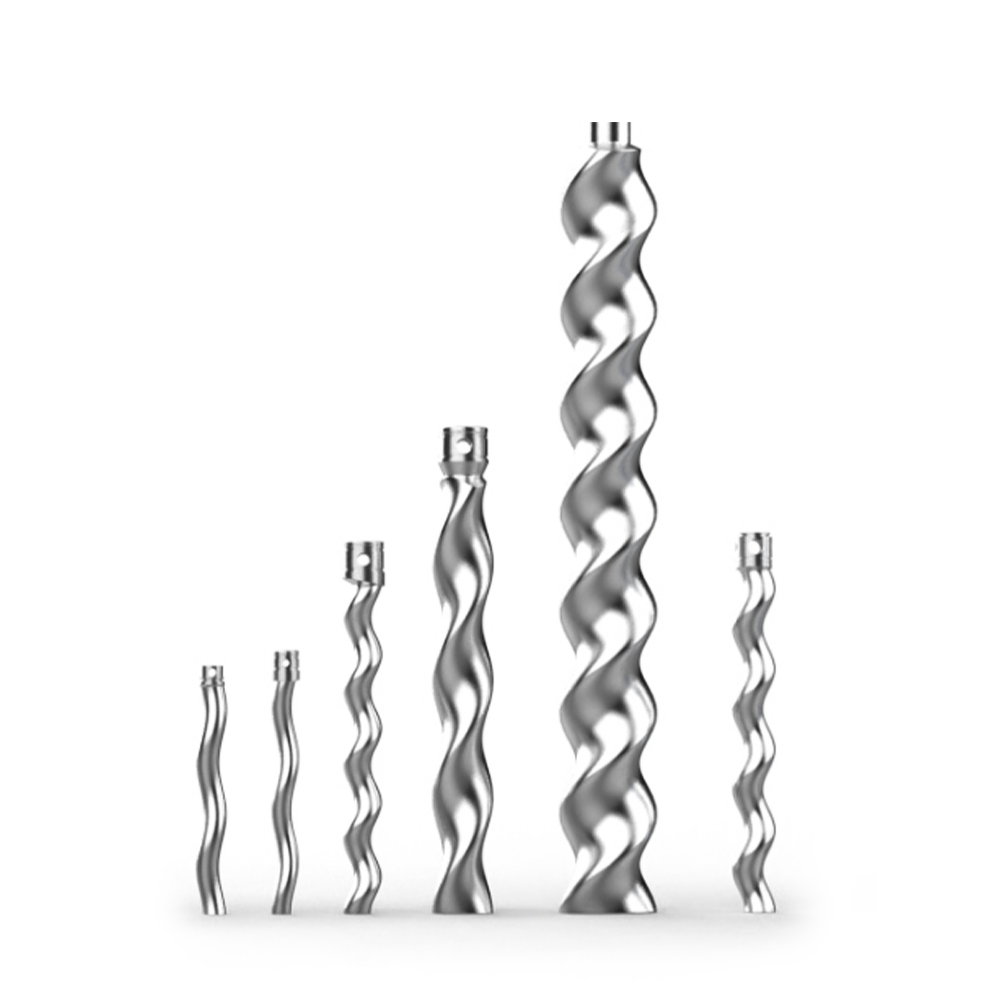
Multiple materials available, 304, 316L, 2205, rotor surface coating can be chrome plated or tungsten carbide sprayed.
See Details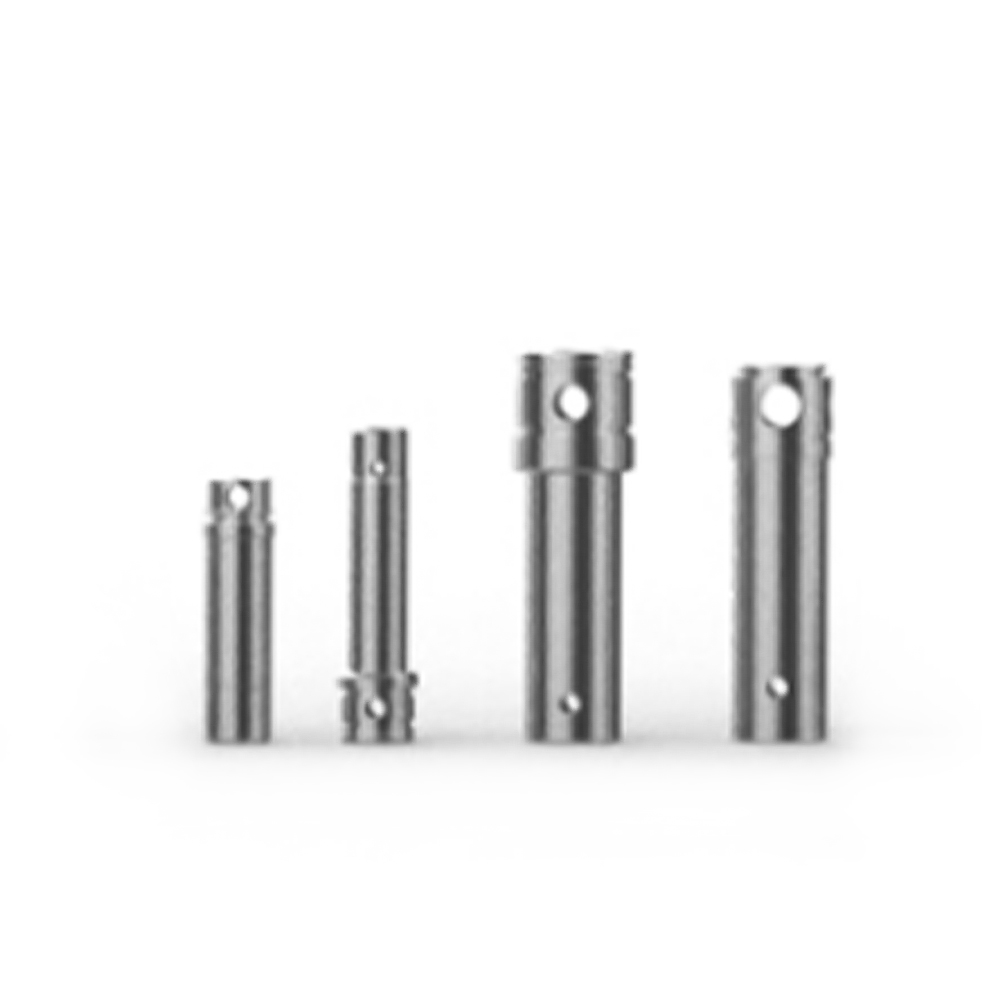
Multiple materials available: Q235,304,316L,2205,2507, etc.
See DetailsContact Us
Add: No. 36 Xintai Road, Economic Development Zone, Jingjiang City, Jiangsu Province, China
Tel: +86-13515167342
Fax: +86-523-84261117
E-mail: [email protected]
We'd love to
hear from you!
