
 English
 русский
 Español
Equal Wall Thickness Screw Pumps
Cat:Single Screw Pumps
Screw pumps equipped with equal wall thickness stator, the same kind of pump specifications pump flow, and pressure are increased. The equal wall thic...
See DetailsContent
Single Screw Pumps, also known as progressive cavity pumps, are positive displacement pumps built around a helical rotor turning inside a matching elastomer stator, and they are generally selected when a process needs to move viscous, shear-sensitive, or solids-laden fluid at a steady, low-pulsation flow rather than relying on the impeller-driven action of a centrifugal pump. This design allows a Single Screw Pump to deliver a flow rate that stays relatively consistent even as discharge pressure fluctuates, which is one of the main reasons the technology is widely used across environmental water treatment, chemical processing, paper and pulp, food and pharmaceutical, and petrochemical and energy applications. Buyers evaluating a Screw Pumps manufacturer for a new project generally start by confirming fluid viscosity, solids content, and required flow range, since these three factors drive most of the sizing and material decisions covered later in this article.
Because Single Screw Pumps are built from a relatively small number of core components, the same base design can be adapted into several configurations, including a Food screw pump for hygienic processing lines, a Vertical screw pump for space-constrained installations, and a Sewage screw pump or Sludge screw pump for wastewater and biosolids handling. This article reviews the common types of Single Screw Pumps, explains how the rotor-stator mechanism works, outlines application scenarios and selection criteria, compares pump variants side by side, provides maintenance guidance including spare parts planning, and closes with frequently asked questions from process engineers and procurement teams. Data visualizations are included throughout to make flow behavior, performance comparisons, and application suitability easier to evaluate at a glance.
Key takeaway: a Single Screw Pump is generally the practical choice whenever a process needs a steady, low-pulsation flow of viscous, shear-sensitive, or solids-laden fluid, regardless of moderate pressure changes downstream.
Single Screw Pumps are generally grouped by mounting orientation, media type, and hygiene requirement, and each configuration is built on the same core rotor-stator principle while adapting materials and layout to the target application. A standard horizontal Single Screw Pump is the most common configuration, generally installed in-line for general process transfer duties across chemical, industrial, and utility applications. A Vertical screw pump is arranged with the rotor and stator in a vertical orientation, which is often selected where floor space is limited or where a sump or tank-mounted installation is preferred. A Food screw pump is built using sanitary-grade materials and hygienic surface finishes suited to food and pharmaceutical processing lines where cleanability is a priority. A Sewage screw pump is configured with a wider clearance and reinforced rotor and stator geometry to handle raw or partially treated wastewater containing debris and fibrous material. A Sludge screw pump is built for higher-viscosity, higher-solids-content media typically found in dewatering and biosolids handling stages of a treatment process.
General Process Pump Types
|
Application-Specific Pump Types
|
The horizontal card row below summarizes five commonly requested Single Screw Pump configurations, giving buyers a quick reference before reviewing working principle and sizing details in later sections.
Standard Single Screw Pump
General-purpose transfer duty across process industries. Vertical Screw Pump
Space-saving layout for sump or tank-mounted installation. Food Screw Pump
Sanitary-grade construction for food and pharmaceutical lines. Sewage Screw Pump
Reinforced clearance for wastewater with debris and fiber. Sludge Screw Pump
Built for high-viscosity, high-solids dewatering applications.
Key takeaway: mounting orientation, media type, and hygiene requirement together determine which Single Screw Pump configuration fits a given process line.
A Single Screw Pump operates on the progressive cavity principle, in which a helical, eccentrically shaped rotor turns inside a resilient elastomer stator that has a matching internal helix with twice the number of starts as the rotor. As the rotor turns, it forms a series of sealed cavities between the rotor and stator that move progressively from the suction end toward the discharge end, carrying a fixed volume of fluid with each rotation rather than relying on centrifugal force. This mechanism is the main reason a Single Screw Pump produces a smooth, low-pulsation flow with limited shear on the fluid, which is particularly valuable for shear-sensitive food products, flocculated sludge, and fiber-containing wastewater streams. The rotor is generally manufactured from hardened or coated metal for wear resistance, while the stator elastomer is selected based on chemical compatibility with the media, since exposure to incompatible chemicals can accelerate stator wear and reduce pump life.
The diagram below is a labeled structural illustration of a typical Single Screw Pump, showing the rotor, stator, and the direction of fluid movement through the progressive cavity sequence from suction to discharge.
The rotor and stator combination shown here is common to nearly every Single Screw Pump configuration described in the previous section, with variation between a standard pump, a Food screw pump, and a Sludge screw pump generally coming from material selection, cavity geometry, and clearance rather than from a fundamentally different mechanism. Because the sealed cavities form and move continuously as the rotor turns, flow output is closely tied to rotational speed rather than to discharge pressure, which sets up the flow behavior comparison covered in the next section.
Key takeaway: the progressive cavity formed between the rotor and stator is what allows a Single Screw Pump to move viscous or solids-laden fluid with low shear and low pulsation.
One of the first sizing questions buyers ask a Screw Pumps manufacturer is what flow rate range a given pump size series can cover, since matching pump size to process demand avoids both undersizing, which limits throughput, and oversizing, which adds unnecessary installed capacity. Single Screw Pumps are generally produced across a range of size series, with smaller frames suited to metering and low-flow transfer duties and larger frames suited to bulk transfer in water treatment or industrial process lines. Flow rate within a given size series is primarily adjusted by changing rotational speed, since the geometry of the rotor and stator sets the fixed volume displaced per revolution. Before reviewing the chart below, note that the bar lengths represent an illustrative maximum flow rate for each size series at typical operating speed, intended to show relative scale across the product range rather than an exact rating for any single model. The horizontal bar chart compares four common size series by their typical maximum flow rate range.
The chart shows a clear step-up in flow rate capacity moving from the small series through the heavy-duty series, which reflects the larger rotor and stator geometry used in bigger frame sizes rather than any change in the underlying operating principle. The small series is generally selected for metering, dosing, or low-flow transfer applications such as chemical dosing lines or laboratory-scale process transfer. The medium series covers a broad middle range that fits many general industrial transfer duties, including chemical processing and food production lines where moderate flow rates are typical. The large series is commonly specified for municipal or industrial water treatment applications where higher throughput is required, such as raw sewage transfer ahead of screening or primary treatment. The heavy-duty series covers the highest flow range shown and is generally reserved for bulk transfer duties in large treatment plants, paper and pulp stock handling, or petrochemical process lines with substantial volume requirements. Within any single size series, actual flow rate can typically be adjusted across a range by changing motor speed, which allows one frame size to serve a range of process flow targets rather than requiring a new pump for every incremental flow requirement. This flexibility is one reason a Screw Pumps manufacturer can often meet a buyer's flow target with an existing size series rather than a fully custom design. For buyers uncertain which series fits their application, providing target flow rate, expected viscosity, and discharge pressure to a supplier generally allows a size series to be narrowed down quickly. It is also worth noting that maximum flow rating typically assumes a reference fluid viscosity, and actual achievable flow can shift somewhat for very high viscosity or high solids content media, which is discussed further in the application section later in this article. Matching size series to actual process demand, rather than defaulting to a larger frame for margin alone, generally supports more efficient long-term operation.
Key takeaway: Single Screw Pump size series scale from small metering duties up to heavy-duty bulk transfer, with flow rate within each series primarily adjustable through rotational speed.
Understanding how flow rate responds to changing discharge pressure is one of the most practical points of comparison when evaluating a Single Screw Pump against a centrifugal pump for a given duty. A centrifugal pump relies on impeller speed to generate flow, and its flow rate typically drops as discharge pressure or system head increases, following a characteristic curve well documented in general pump engineering references. A Single Screw Pump, as a positive displacement design, moves a fixed volume of fluid per rotation, so its flow rate stays comparatively steady across a range of discharge pressures at a given speed, only tapering modestly at the upper end of its rated pressure range due to internal slip. This behavior is one of the main reasons Single Screw Pumps are specified for applications where consistent flow matters even as downstream conditions vary, such as dosing, metering, or transfer through a partially fouled pipeline. The line chart below plots flow rate against discharge pressure for a Single Screw Pump and a generic centrifugal pump on the same relative scale.
The chart shows the Single Screw Pump line staying comparatively flat as discharge pressure rises, with only a modest decline toward the higher end of the pressure range shown, while the centrifugal pump line slopes downward more steeply across the same range. This pattern illustrates why a Single Screw Pump is generally favored for applications where flow rate consistency is more important than the ability to develop very high head, since its output remains predictable even as pipeline resistance or downstream conditions change. The steeper decline shown for the centrifugal pump line reflects the fundamental relationship between impeller speed, head, and flow that governs centrifugal pump performance, which is a well-established characteristic in general pump engineering references rather than a limitation specific to any single manufacturer. For dosing and metering applications, the flat flow response of a Single Screw Pump supports more accurate and repeatable dosing rates, since flow does not need to be continuously recalculated as system pressure shifts. For sludge and sewage transfer applications, where pipeline resistance can vary as solids content or fouling changes over time, the steadier flow response of a Single Screw Pump helps maintain consistent throughput without requiring constant speed adjustment. For general water transfer applications where head requirements are modest and relatively stable, a centrifugal pump can still be an efficient and appropriate choice, and the comparison shown here is not intended to suggest that one pump type is broadly superior to the other. Rather, the chart illustrates that pressure sensitivity, along with viscosity and solids handling covered in later sections, is one of the clearest technical reasons to select a Single Screw Pump over a centrifugal alternative for a specific duty. Buyers working with a Screw Pumps manufacturer on a new application are generally encouraged to share expected pressure variability alongside target flow rate, since this information helps confirm whether a positive displacement design offers a meaningful advantage for their specific process. Overall, the flatter flow-pressure relationship shown for the Single Screw Pump is a defining performance characteristic that supports its use in applications where consistent flow delivery is a priority.
Key takeaway: a Single Screw Pump maintains comparatively steady flow across a range of discharge pressures, which is a key reason it is specified for dosing, metering, and transfer duties where consistent output matters.
Beyond flow-pressure behavior, several other performance dimensions influence whether a Single Screw Pump or a centrifugal pump is the better fit for a given process. Viscous media handling, solids and sludge handling, flow consistency at low speed, self-priming capability, and shear sensitivity of the media are five dimensions commonly discussed during pump selection. Single Screw Pumps generally perform strongly across most of these dimensions because of their positive displacement, low-shear operating principle, while centrifugal pumps generally perform well on dimensions related to high-flow, low-viscosity transfer where their design is well suited. The radar chart below compares these two pump types across the five dimensions on a relative scale, without including cost as a factor.
The radar chart shows the Single Screw Pump extending further outward on viscous media handling, solids and sludge handling, low-speed flow consistency, and shear-sensitive media handling, which reflects the direct physical contact and controlled cavity movement built into the progressive cavity design. Self-priming capability also tends to favor the Single Screw Pump, since the close tolerance between rotor and stator generally allows it to draw fluid without requiring the pump casing to be pre-filled, which is useful in applications with a suction lift or an intermittently empty supply line. The centrifugal pump shape on the chart is more compact overall, reflecting that its design is generally optimized for high-flow, lower-viscosity transfer rather than the broader range of difficult media the Single Screw Pump is built to handle. This does not mean a centrifugal pump is a weaker choice in general, since for large-volume, low-viscosity water transfer at consistent head, a centrifugal design is often a practical and widely used solution. For a Sewage screw pump or Sludge screw pump application, the chart's emphasis on solids handling and low-speed flow consistency is directly relevant, since these applications routinely involve variable solids content and fibrous material that can challenge an impeller-based design. For a Food screw pump application, the shear-sensitive media handling dimension is particularly relevant, since many food products can be damaged or degraded by the higher shear forces present in some centrifugal pump designs. For general clean-water transfer with minimal viscosity or solids content, the comparison shown here is less decisive, and a Screw Pumps manufacturer or supplier can generally help a buyer weigh both pump types against the specific fluid properties of the application. Reviewing this radar comparison alongside the flow-pressure chart in the previous section gives a more complete picture of where a Single Screw Pump offers a functional advantage over a centrifugal alternative. Overall, the combination of viscous, solids, and shear-sensitive media handling shown here is the core technical reasoning behind Single Screw Pump selection across water treatment, food, and chemical process applications.
Key takeaway: Single Screw Pumps generally outperform centrifugal pumps on viscous, solids-laden, and shear-sensitive media handling, while centrifugal pumps remain a practical choice for high-flow, low-viscosity transfer.
With five common Single Screw Pump variants and several distinct application categories introduced earlier in this article, it helps to see suitability mapped across both dimensions at once. Application suitability generally depends on how closely a pump variant's construction, clearance, and wetted material match the demands of a given fluid type, whether that is a clean process fluid, a viscous product, a solids-laden stream, a hygienic food application, or a corrosive chemical. Before reviewing the heatmap below, note that each cell represents an illustrative relative suitability rating, with darker green shading indicating stronger general suitability and lighter shading indicating a more limited or condition-dependent fit. This kind of matrix view is useful for narrowing down a shortlist of variants before a detailed specification conversation with a supplier. The heatmap below compares five pump variants against five application categories.
The heatmap shows the standard pump and vertical pump variants shaded darkest in the clean fluids and viscous fluids columns, reflecting their general-purpose design suited to a broad range of process fluids without specialized solids or hygiene requirements. The Food screw pump row shows the darkest shading concentrated in the food-grade hygiene column, which lines up with its sanitary construction and cleanable surface finish, while its shading in the corrosive chemicals column remains lighter, since sanitary elastomer and material choices are generally optimized for food compatibility rather than aggressive chemical resistance. The Sewage screw pump and Sludge screw pump rows both show their darkest shading in the solids-laden fluids and viscous fluids columns, consistent with their reinforced clearance and geometry built specifically for debris, fiber, and high-solids content media. Both of these rows show lighter shading in the food-grade hygiene column, reflecting that their construction is generally optimized for wastewater and biosolids handling rather than sanitary processing. The corrosive chemicals column shows relatively moderate shading across most rows, which reflects that chemical compatibility is generally addressed through stator elastomer and rotor coating selection rather than through the base mechanical configuration of the pump variant, meaning a standard frame can often be adapted for corrosive service by changing wetted materials rather than switching to an entirely different pump type. This pattern is useful for buyers narrowing a shortlist, since it shows that variant selection should start with the dominant fluid characteristic of the application, such as solids content or hygiene requirement, before fine-tuning material selection for secondary factors like chemical exposure. For a wastewater treatment plant handling both raw sewage and dewatered sludge at different stages, this heatmap suggests that two different variants, a Sewage screw pump upstream and a Sludge screw pump downstream, may be more appropriate than a single variant covering both duties. For a food processing line handling a moderately viscous product, the Food screw pump row shows reasonable coverage across both the viscous fluids and food-grade hygiene columns, supporting its use as a single variant for that combined requirement. Buyers working with a Screw Pumps manufacturer can use a comparison like this heatmap as a starting point, then confirm final material and clearance selection based on the specific fluid properties of their process.
Key takeaway: pump variant selection should start with the dominant fluid characteristic, such as solids content or hygiene requirement, while chemical compatibility is generally addressed separately through stator and rotor material selection.
Environmental water treatment facilities use Single Screw Pumps across raw sewage intake, sludge transfer, dewatering feed, and polymer dosing duties, often specifying a Sewage screw pump or Sludge screw pump depending on the stage of the treatment process. Chemical processing plants use Single Screw Pumps for transferring corrosive or viscous chemical products, generally pairing a standard pump body with a stator elastomer and rotor coating matched to the specific chemical involved. Paper and pulp operations rely on Single Screw Pumps to move high-consistency pulp stock, where the low-shear, positive displacement action helps preserve fiber structure during transfer. Food and pharmaceutical manufacturers use a Food screw pump for sanitary transfer of viscous or particulate-containing products, where hygienic design and gentle handling protect product quality. Petrochemical and energy applications use Single Screw Pumps for viscous crude transfer, oil-water separation feed, and other duties where consistent flow under variable pressure conditions is valuable.
Application Scenarios
|
Selection Checklist
|
Buyers sourcing from a Screw Pumps manufacturer for a repeat production or municipal contract generally submit a specification sheet covering these five criteria before requesting a formal quotation, since this level of detail allows a supplier to confirm size series, elastomer grade, and rotor coating in a single review rather than through multiple rounds of clarification.
Key takeaway: viscosity, solids content, chemical exposure, hygiene requirement, and installation space together determine the correct Single Screw Pump variant and material configuration for a given application.
The table below brings together the five Single Screw Pump variants introduced earlier and compares them across typical media, construction focus, mounting orientation, and primary industries to support a more direct side-by-side review.
| Variant | Typical Media | Construction Focus | Primary Industries |
|---|---|---|---|
| Standard Single Screw Pump | General process fluids | Horizontal in-line mounting | General industrial, chemical |
| Vertical Screw Pump | General process fluids | Vertical, sump or tank mounted | Space-constrained installations |
| Food Screw Pump | Viscous, particulate food products | Sanitary-grade, cleanable finish | Food and pharmaceutical |
| Sewage Screw Pump | Raw or partially treated wastewater | Reinforced clearance for debris | Municipal and industrial water treatment |
| Sludge Screw Pump | High-viscosity, high-solids sludge | Heavy-duty rotor and stator geometry | Dewatering and biosolids handling |
This comparison reinforces that variant selection is driven primarily by media characteristics and installation constraints rather than by a single universally preferred configuration, and a Screw Pumps manufacturer offering the full variant range can generally support several stages of the same treatment or process line from a single product family.
Key takeaway: media type and installation constraints, not a single default configuration, should guide the choice between standard, vertical, food, sewage, and sludge Single Screw Pump variants.
Routine maintenance for a Single Screw Pump generally centers on monitoring rotor and stator wear, since these two components experience the most direct contact with the pumped media and typically define the pump's service interval. A gradual decline in flow rate at a constant speed is often the first practical sign of stator wear or rotor coating wear, making periodic flow monitoring a useful early-warning indicator alongside scheduled visual inspection. Checking that the stator elastomer remains chemically compatible with the current process fluid is particularly important if a plant changes chemical suppliers or process conditions over time, since an incompatible elastomer can degrade more quickly than expected. Seal or packing condition around the drive shaft should also be inspected periodically, since a worn seal can lead to leakage even when the rotor and stator themselves remain in serviceable condition. Shaft alignment between the pump and its drive motor should be checked during installation and periodically thereafter, since misalignment can accelerate wear on bearings and seals.
Maintaining a stock of key Spare Parts For Progressive Cavity Pumps helps reduce downtime when routine wear items need replacement. Commonly stocked items include a replacement Single Screw Rotor, a replacement Stator for progressive cavity pumps, and general Screw pump accessories such as seals, couplings, and fasteners. Because rotor and stator wear rates depend heavily on the specific application, plants running abrasive or highly viscous media generally plan for shorter replacement intervals than those running cleaner, less demanding fluids.
Key takeaway: monitoring flow rate trends and keeping key spare parts, including rotor, stator, and general accessories, on hand generally minimizes unplanned downtime for a Single Screw Pump.
Jingjiang Meijia Pump Industry Co., Ltd. is located at No. 36 Xintai Road, Jingjiang Economic and Technological Development Zone, Jiangsu Province, and is a professional company engaged in the production, sales, and after-sales service of Single Screw Pumps and related spare parts. The company's engineering team works across design, manufacturing, and inspection for a complete range of screw pump products, and Meijia Single Screw Pump products are produced in a variety of forms and specifications to serve industries such as environmental water treatment, chemical processing, paper and pulp, food and pharmaceutical, and petrochemical and energy applications. Meijia Pump Industry also supplies general-purpose Screw pump accessories compatible with a range of single screw pump installations, which can be a practical option for plants maintaining pumps from more than one production era or configuration.
The company's after-sales service team supports customers with technical follow-up once a pump is in service, which is relevant for buyers who want ongoing support for wear-part replacement, troubleshooting, or application-specific adjustments after installation. Many users report that Meijia Single Screw Pump products continue operating across a range of environments and working conditions over extended service periods, based on the company's accumulated field experience across its customer base. For buyers evaluating a Screw Pumps manufacturer or supplier for a new project, factors worth discussing typically include size series availability, elastomer and rotor coating options for specific media, spare parts lead time, and after-sales technical support. Jingjiang Meijia Pump Industry welcomes inquiries from procurement teams and engineering contacts across these industries who are reviewing single screw pump options for a current or upcoming project.
Key takeaway: a Screw Pumps manufacturer offering a full product range alongside spare parts and after-sales support can generally serve a plant's Single Screw Pump needs from initial installation through long-term maintenance.
Q1: What is a Single Screw Pump and how does it work?A Single Screw Pump, also known as a progressive cavity pump, uses a helical rotor turning inside a matching elastomer stator to form sealed cavities that move fluid progressively from suction to discharge, producing a steady, low-pulsation flow. |
Q2: How does a Single Screw Pump differ from a centrifugal pump?A Single Screw Pump is a positive displacement design that maintains comparatively steady flow as discharge pressure changes, while a centrifugal pump's flow rate typically decreases as head or pressure increases. |
Q3: Which Single Screw Pump variant is suitable for wastewater and sludge applications?A Sewage screw pump is generally suited to raw or partially treated wastewater with debris content, while a Sludge screw pump is generally suited to higher-viscosity, higher-solids dewatering and biosolids handling duties. |
Q4: What spare parts should be kept on hand for a Single Screw Pump?Commonly stocked items include a replacement Single Screw Rotor, a Stator for progressive cavity pumps, and general Screw pump accessories such as seals and couplings, since these are the components most subject to routine wear. |
Q5: Can a Single Screw Pump be used for food and pharmaceutical applications?Yes, a Food screw pump built with sanitary-grade materials and a cleanable surface finish is generally suited to viscous or particulate food and pharmaceutical products where gentle, low-shear handling is required. |
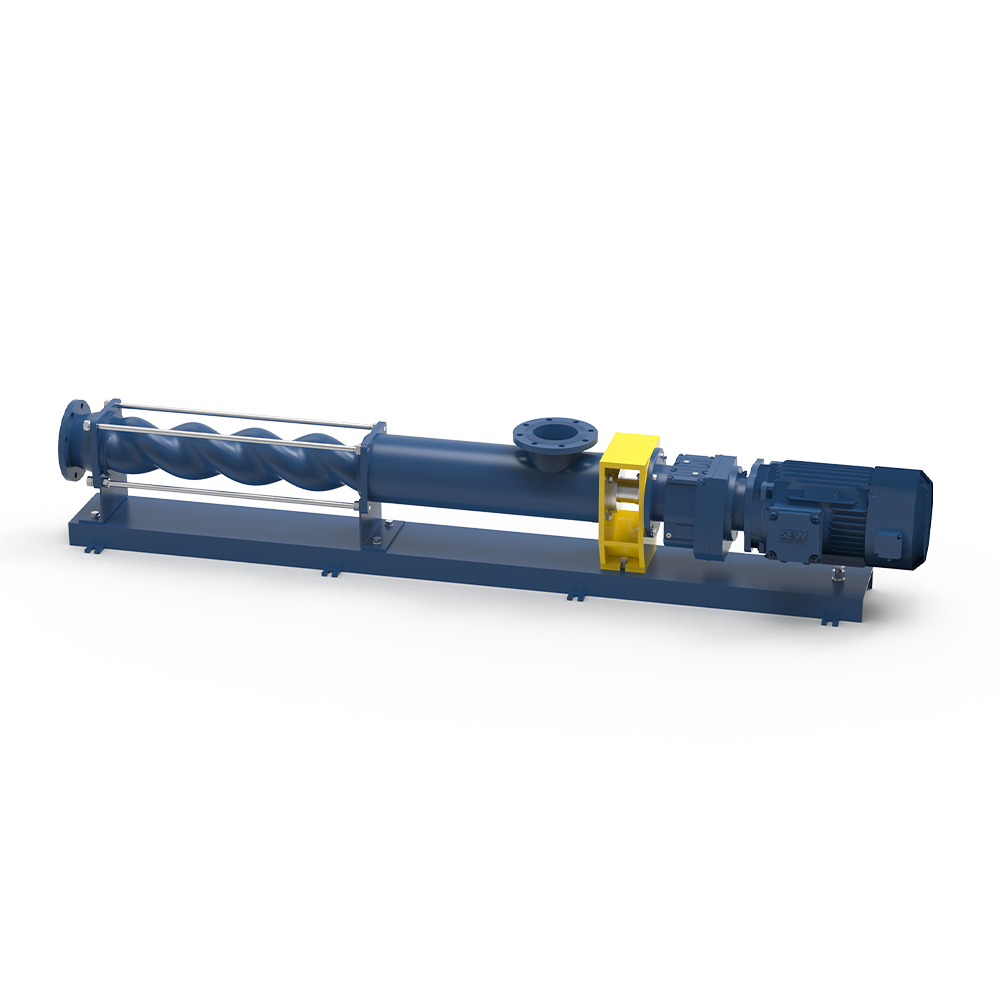
Screw pumps equipped with equal wall thickness stator, the same kind of pump specifications pump flow, and pressure are increased. The equal wall thic...
See Details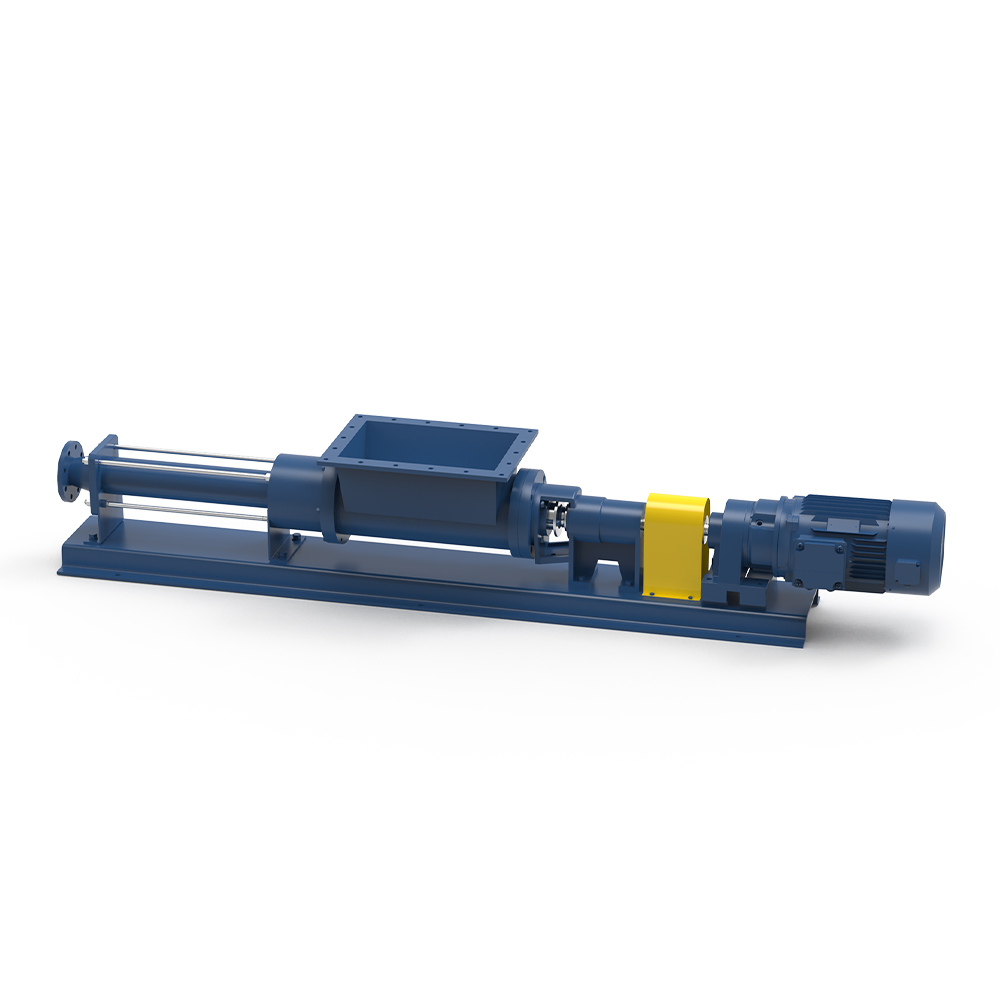
The inlet is a large hopper design W-type pump with a connecting shaft with multiple spiral vanes (which can effectively prevent the accumulation of m...
See Details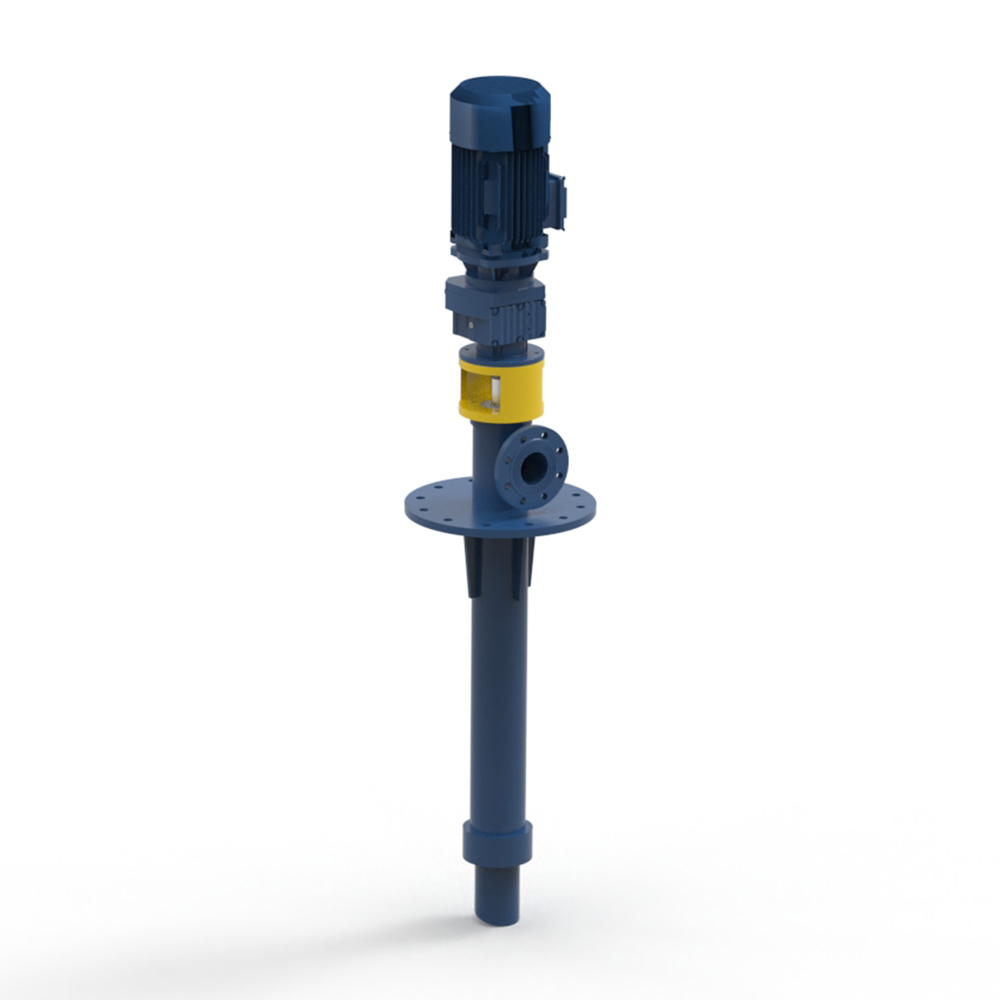
Mika vertical T-type screw pumps can be achieved through the length of the pump body to a variety of different depths of the pool, the pump's hopper i...
See Details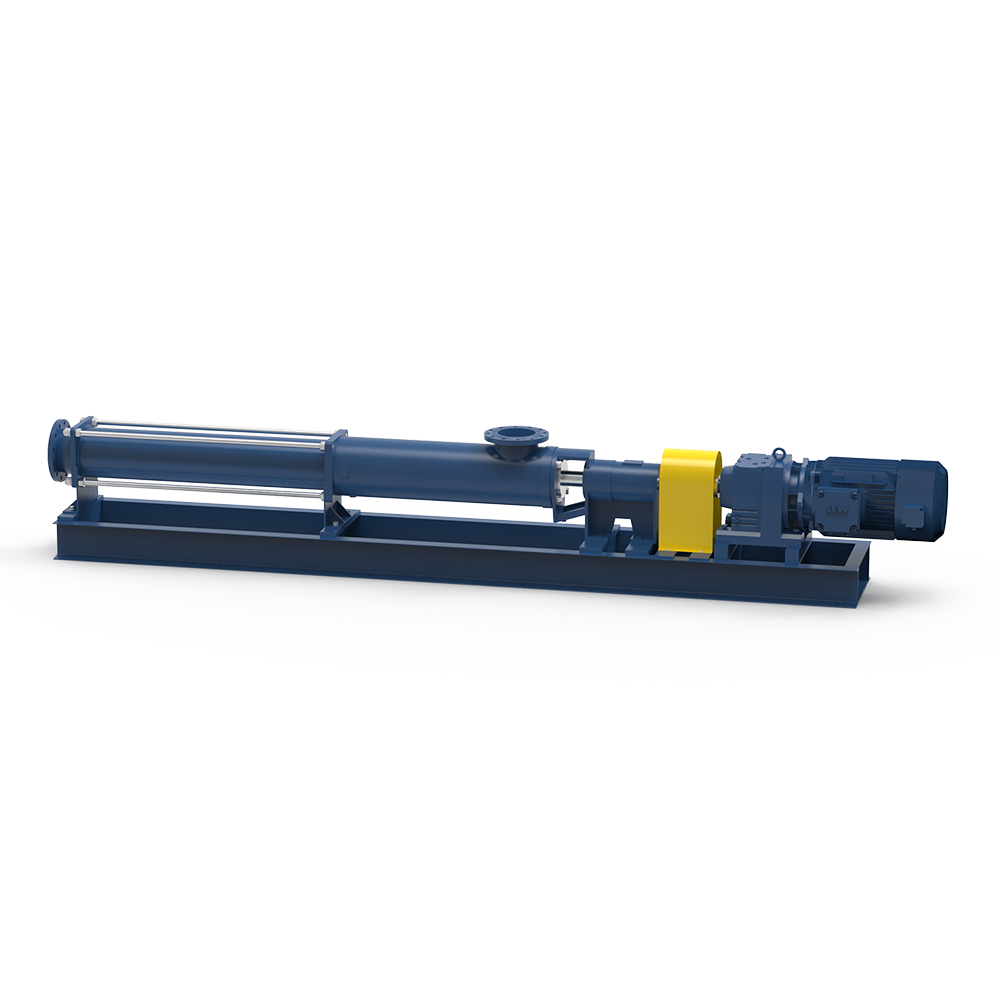
The S-pump with bearing frame support can withstand higher axial loads and can be used for high-pressure conditions, e.g. high-pressure sludge feed tr...
See Details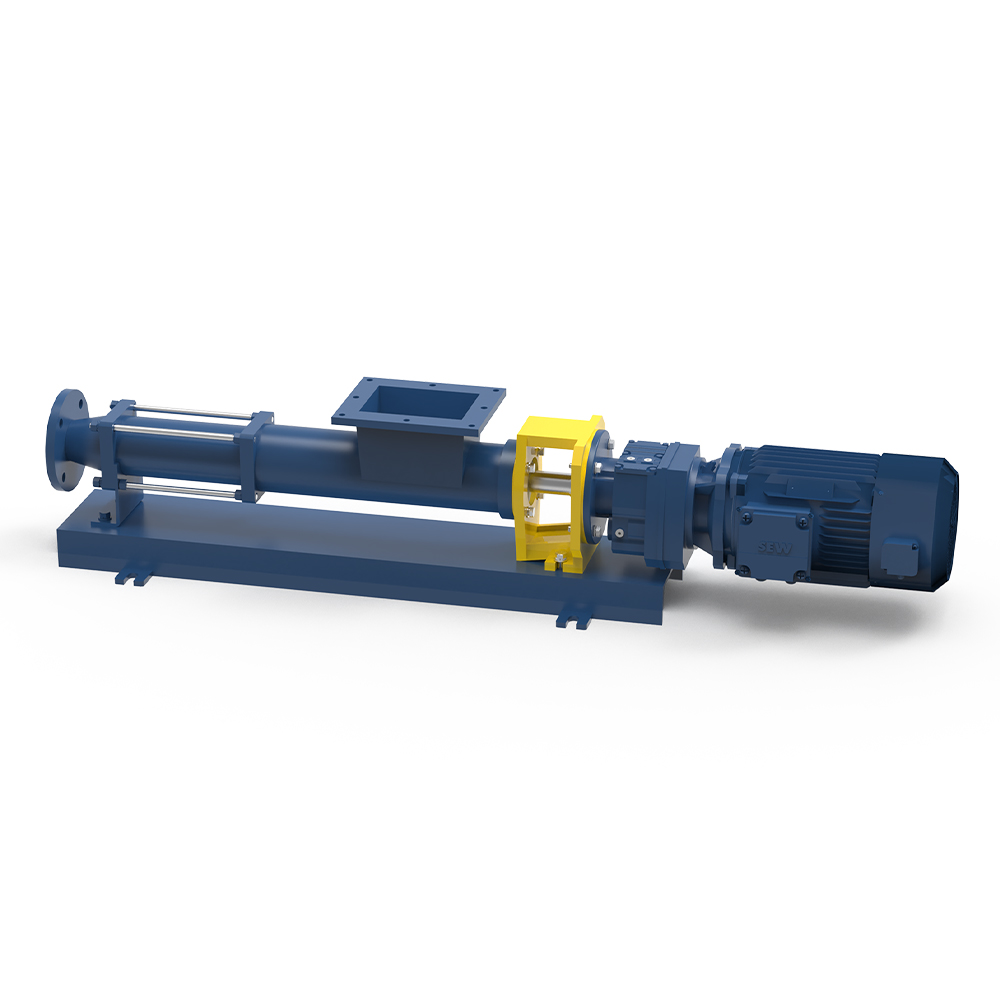
The inlet is a small rectangular hopper design H pump, suitable for conveying high viscosity solid content of less than 15% of the medium, such as cru...
See Details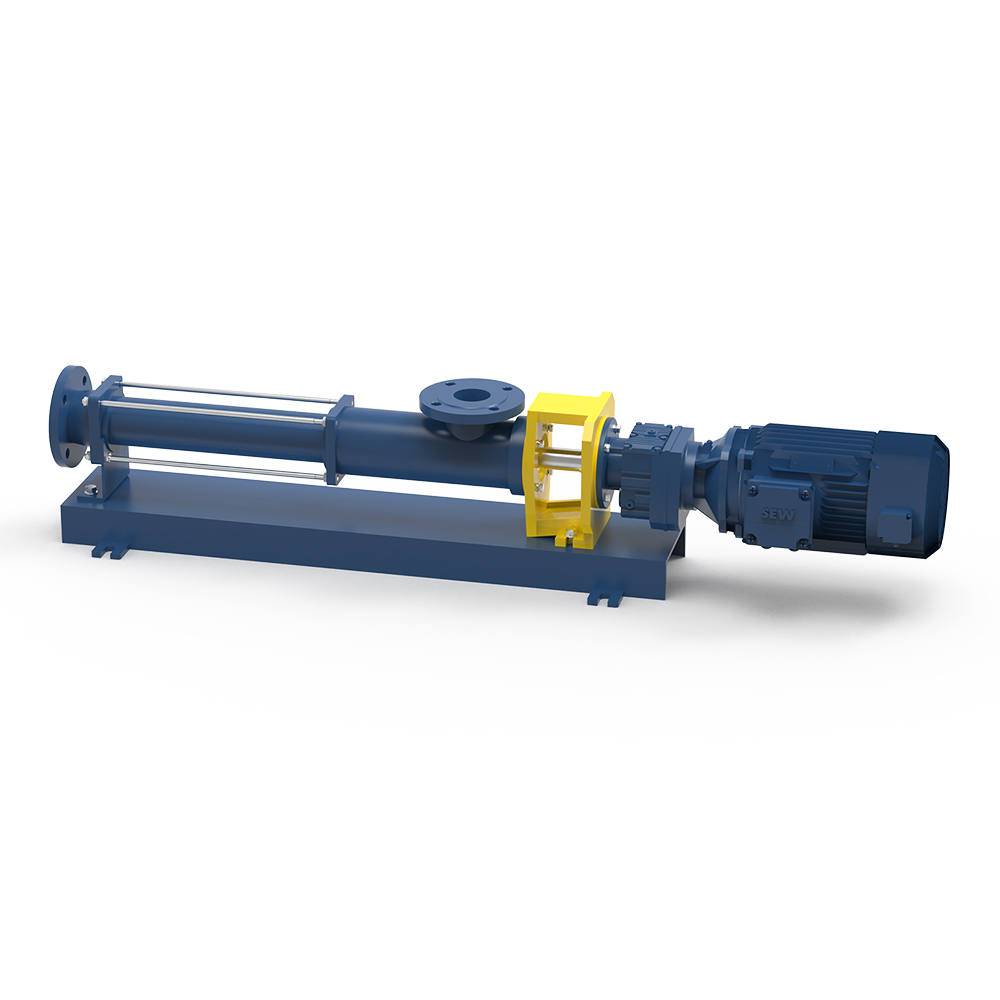
Mika Classic B direct-connected pumps are compact, easy to maintain, with low investment costs, and are suitable for a wide range of common working co...
See Details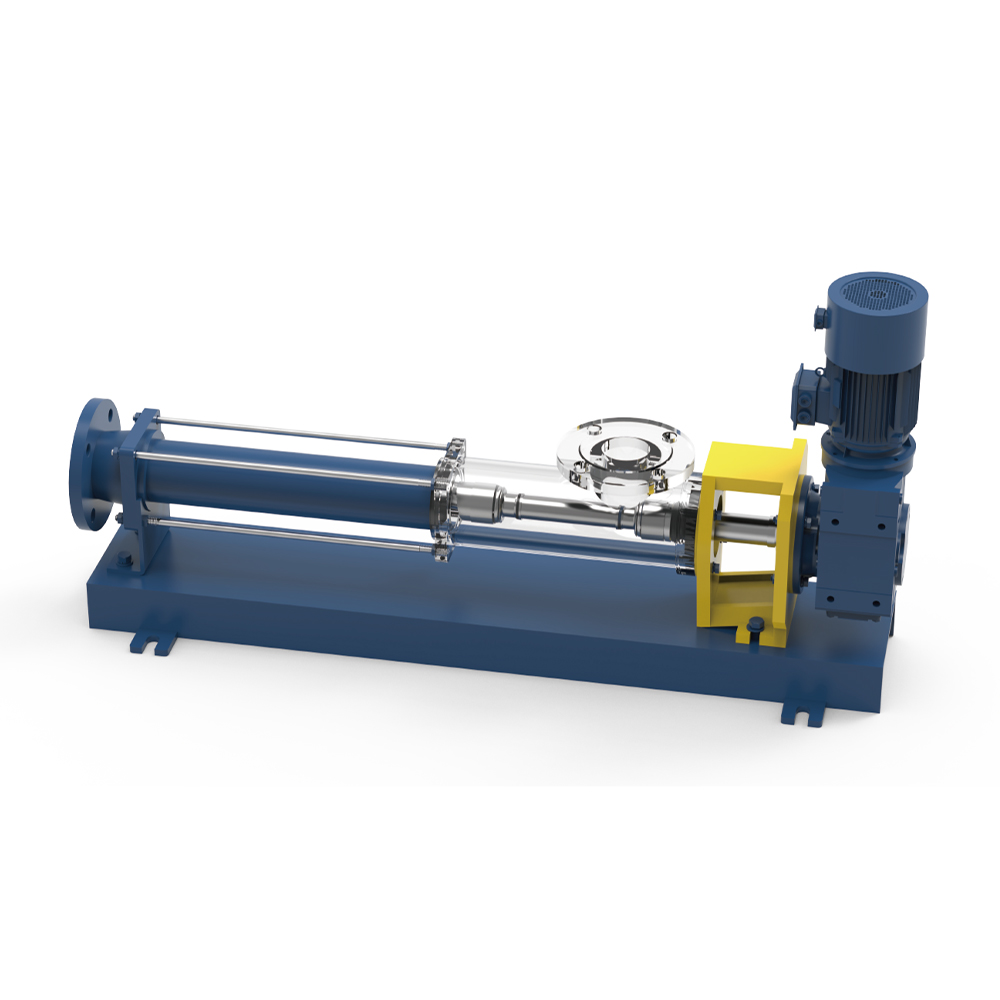
The speed reducer adopts the K series speed reducer, and the length of the pump can be shortened, so it can be used in places where the space is narro...
See Details
Various materials are available for different working conditions, such as NBR, HNBR, EPDM, and FKM.
See Details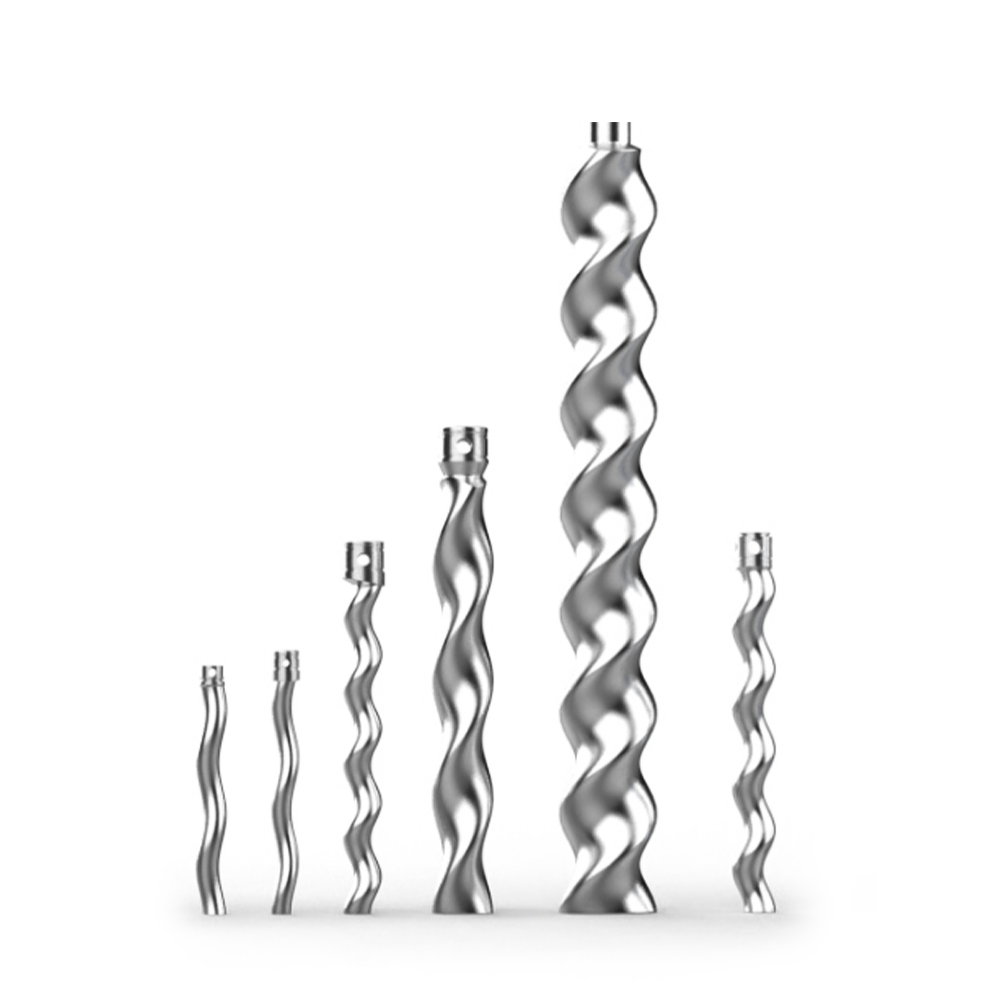
Multiple materials available, 304, 316L, 2205, rotor surface coating can be chrome plated or tungsten carbide sprayed.
See Details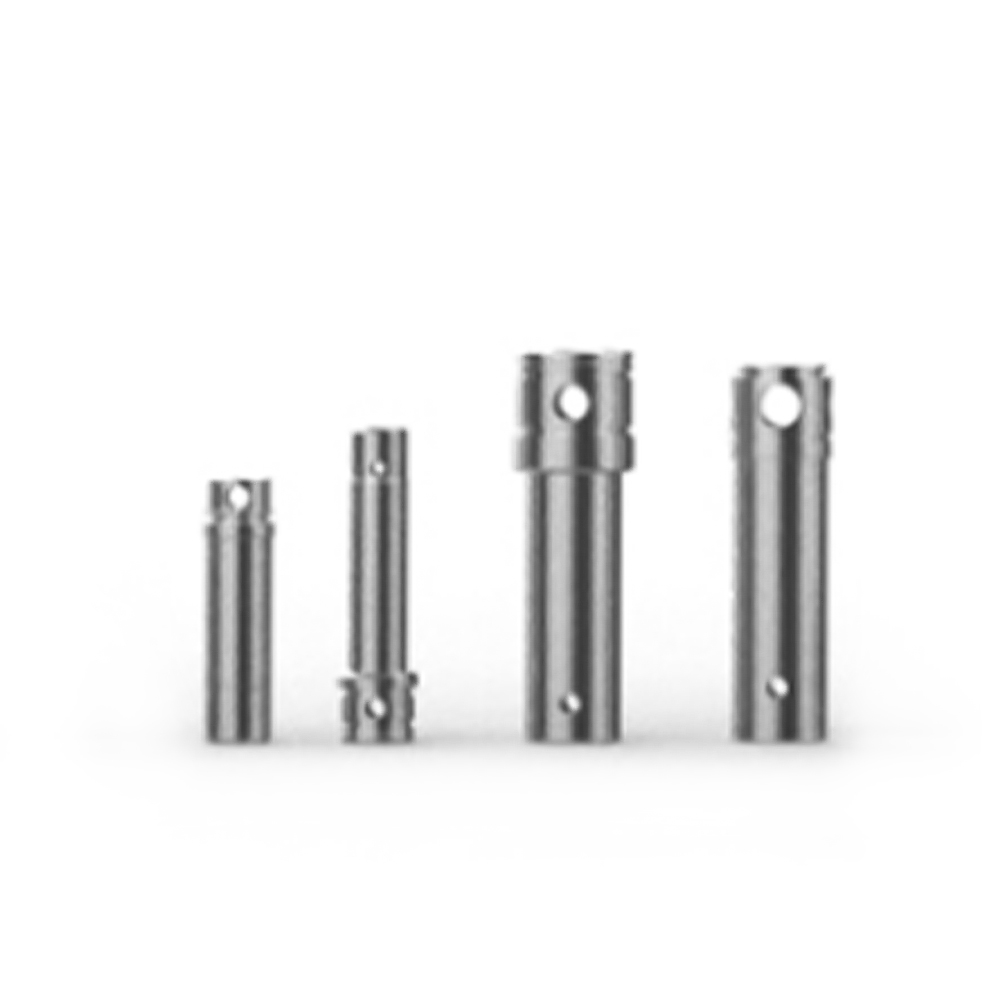
Multiple materials available: Q235,304,316L,2205,2507, etc.
See DetailsContact Us
Add: No. 36 Xintai Road, Economic Development Zone, Jingjiang City, Jiangsu Province, China
Tel: +86-13515167342
Fax: +86-523-84261117
E-mail: [email protected]
We'd love to
hear from you!
