
 English
 русский
 Español
Equal Wall Thickness Screw Pumps
Cat:Single Screw Pumps
Screw pumps equipped with equal wall thickness stator, the same kind of pump specifications pump flow, and pressure are increased. The equal wall thic...
See DetailsContent
In the demanding world of industrial fluid management, the challenge has always been how to move viscous or sensitive materials quickly and safely across different locations. From construction sites to chemical processing plants, the need for a versatile, mobile solution has led to a surge in interest regarding Truck-mounted progressive cavity pumps.
The latest innovations in mobile pumping technology focus on bridging the gap between heavy-duty performance and agile maneuverability. Here is an in-depth look at how these pumps are changing the landscape of industrial operations.
Traditionally, industrial pumps were stationary fixtures, bolted to factory floors. However, modern projects often require equipment to move between different tanks, drainage points, or processing zones. The introduction of the vehicle-mounted base has solved this logistical headache.
By integrating a stable, reliable base with cleverly equipped universal wheels, these pumps can now navigate tight corners and narrow aisles that were previously inaccessible. The flexibility of these wheels allows the pump body to rotate 360 degrees, making it easy to position the intake and discharge valves exactly where they are needed.
To complement this physical agility, the design includes a specialized handrail. Crafted from non-slip material, the handle provides a comfortable and secure grip. This ergonomic focus ensures that operators can move the heavy pump body with minimal physical strain, significantly reducing the risk of workplace injuries while increasing overall efficiency.
Understanding the "heart" of the pump is essential for anyone looking to optimize their fluid transfer process. The progressive cavity design—often referred to as a "screw pump" or "mono pump"—relies on a unique internal geometry to move fluids without the turbulence or pulsation found in other pump types.
The magic happens between two primary components: the rotor and the stator.
When the rotor is inserted into the stator, a series of sealed cavities, or "spaces," are formed. As the rotor begins to turn, these cavities "progress" from the suction end to the discharge end of the pump.
Unlike centrifugal pumps that "throw" liquid using high-speed impellers, the progressive cavity pump gently moves the medium axially. This means the fluid travels in a straight line along the axis of the screw. This is particularly beneficial for:
One of the most frequent questions from site managers is: "Will it hold up under pressure?" The stability of the vehicle-mounted base ensures that even when the pump is operating at high speeds, vibration is kept to a minimum.
The tight seal between the rotor and stator allows the pump to be self-priming, meaning it can draw fluid from a lower level without needing the pipes to be filled with liquid first. Furthermore, the flow rate is directly proportional to the speed of the rotor, giving operators precise control over how much material is being moved at any given time.
For those considering an upgrade to their equipment fleet, the advantages of a truck-mounted system are clear:
| Feature | Benefit |
| Universal Wheels | Easy navigation in confined spaces and 360-degree positioning. |
| Ergonomic Handrail | Improved operator safety and reduced physical effort during transport. |
| Progressive Cavity Design | Handles high-viscosity and shear-sensitive fluids with ease. |
| Stable Vehicle Base | Reliable operation with reduced vibration and long-term durability. |
As industries move toward more "on-demand" and "on-site" services, the demand for Truck-mounted progressive cavity pumps is expected to grow. The combination of high-torque pumping power and "push-and-go" mobility makes it an essential tool for sectors ranging from environmental cleanup to heavy manufacturing.
By prioritizing both the mechanical efficiency of the rotor-stator relationship and the physical ease of use for the operator, these pumps represent a significant step forward in industrial design. They aren't just tools; they are mobile solutions that adapt to the ever-changing needs of the modern job site.
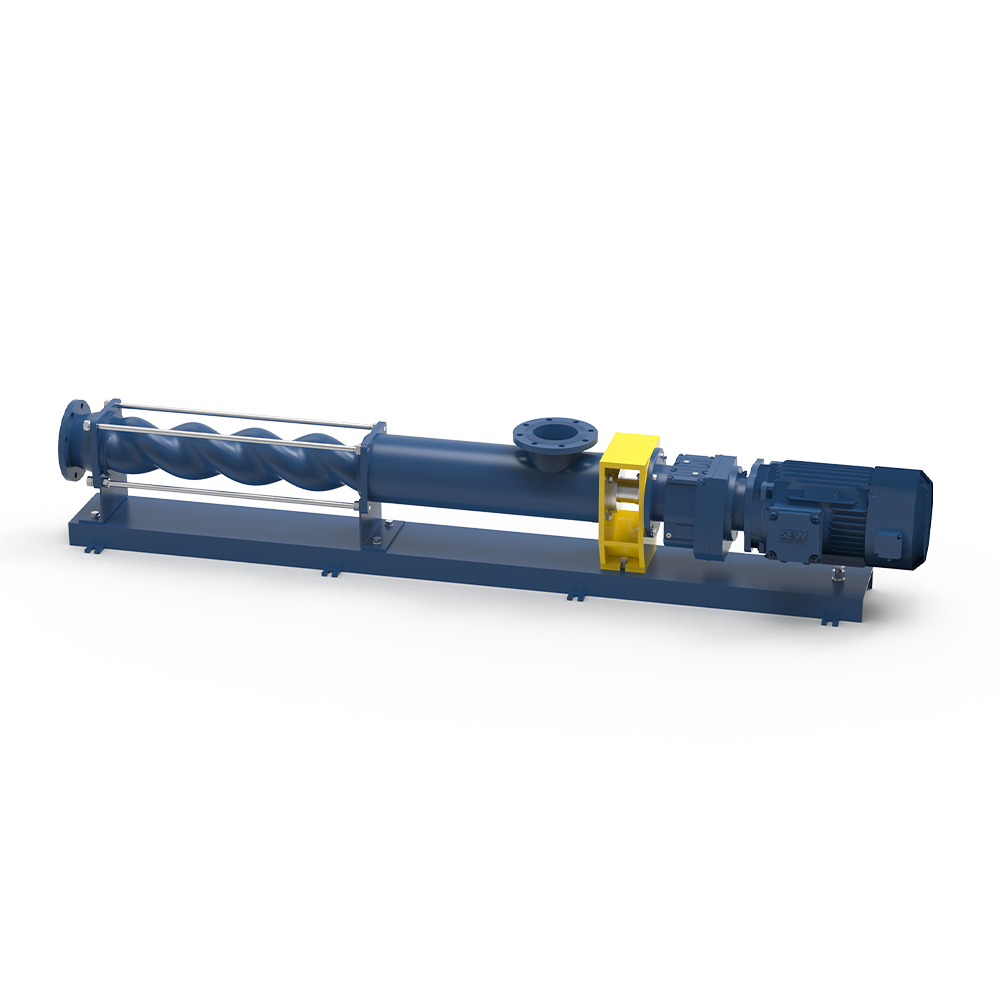
Screw pumps equipped with equal wall thickness stator, the same kind of pump specifications pump flow, and pressure are increased. The equal wall thic...
See Details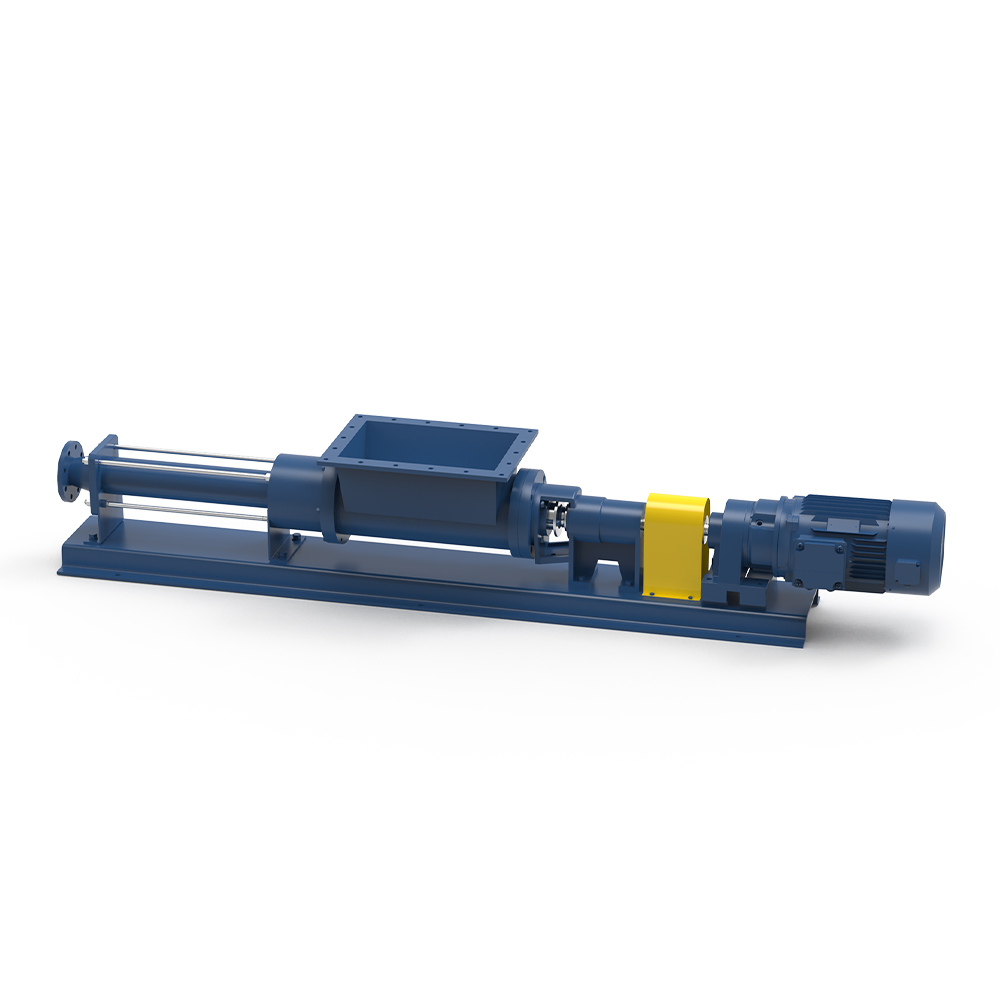
The inlet is a large hopper design W-type pump with a connecting shaft with multiple spiral vanes (which can effectively prevent the accumulation of m...
See Details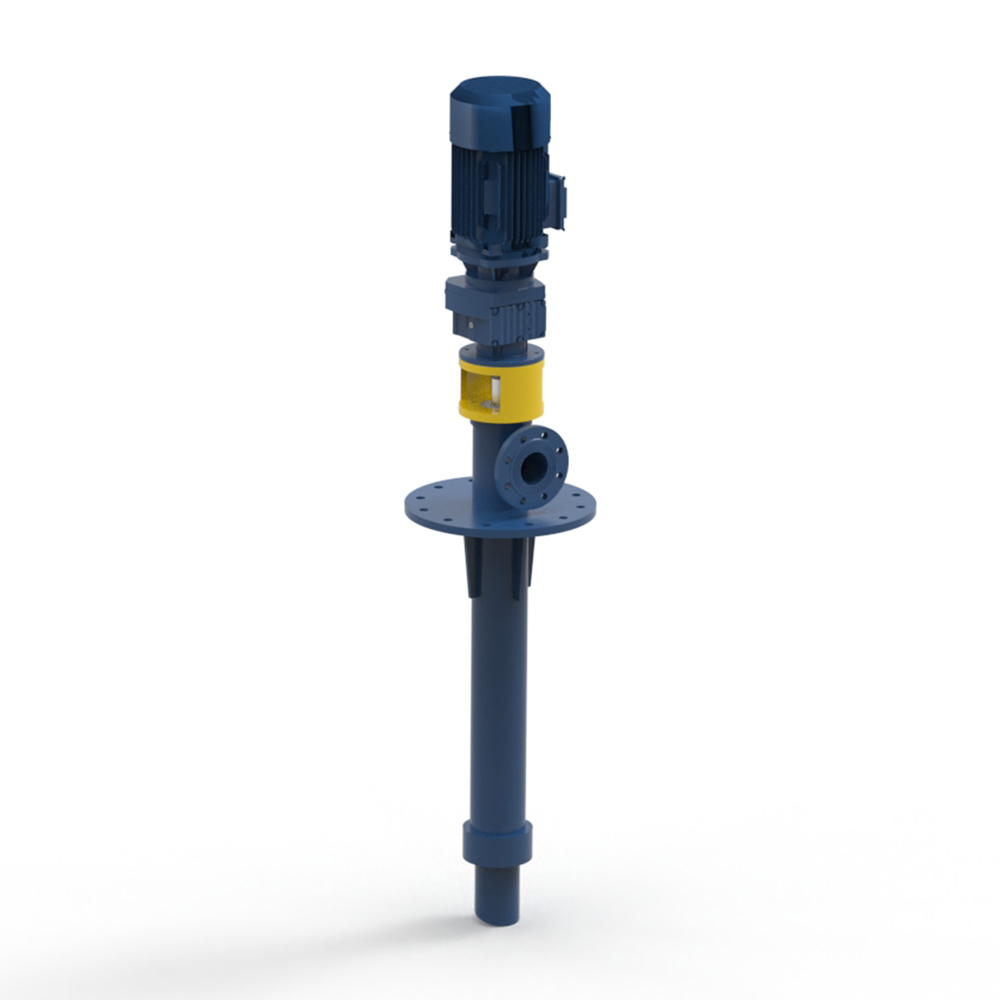
Mika vertical T-type screw pumps can be achieved through the length of the pump body to a variety of different depths of the pool, the pump's hopper i...
See Details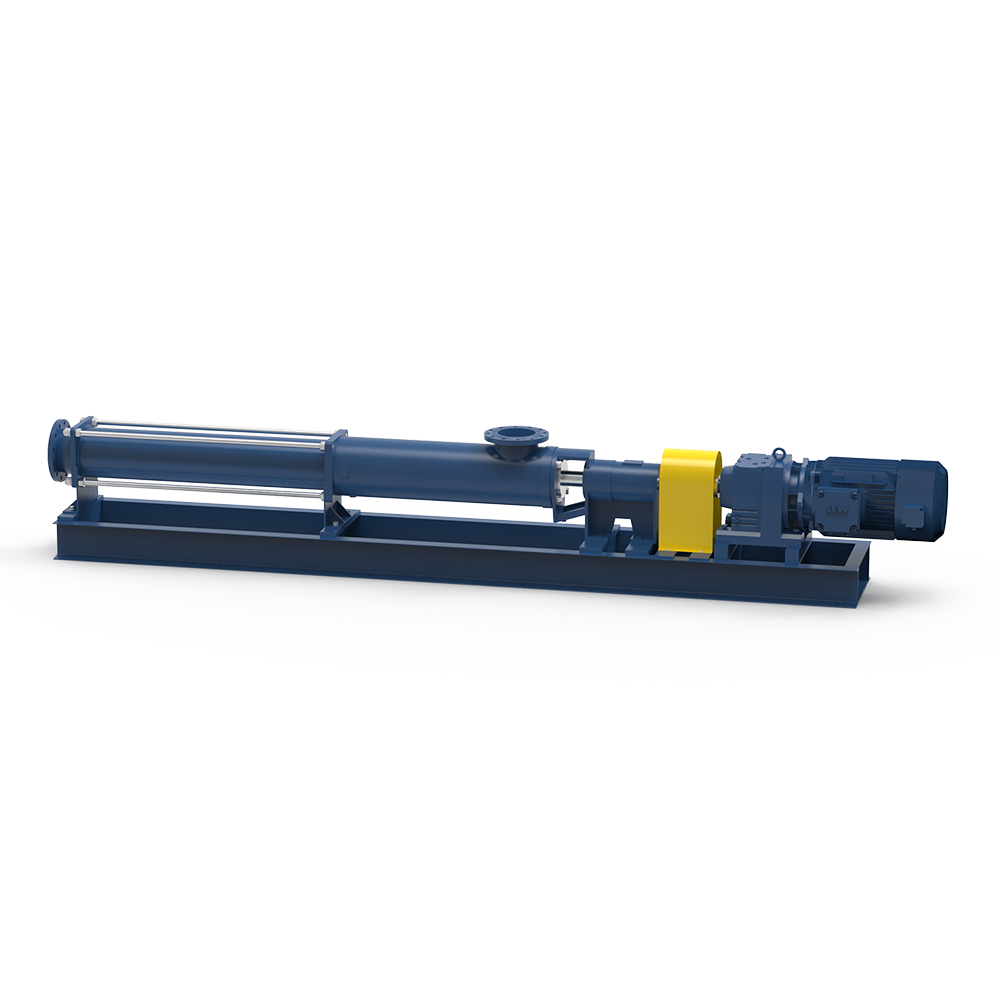
The S-pump with bearing frame support can withstand higher axial loads and can be used for high-pressure conditions, e.g. high-pressure sludge feed tr...
See Details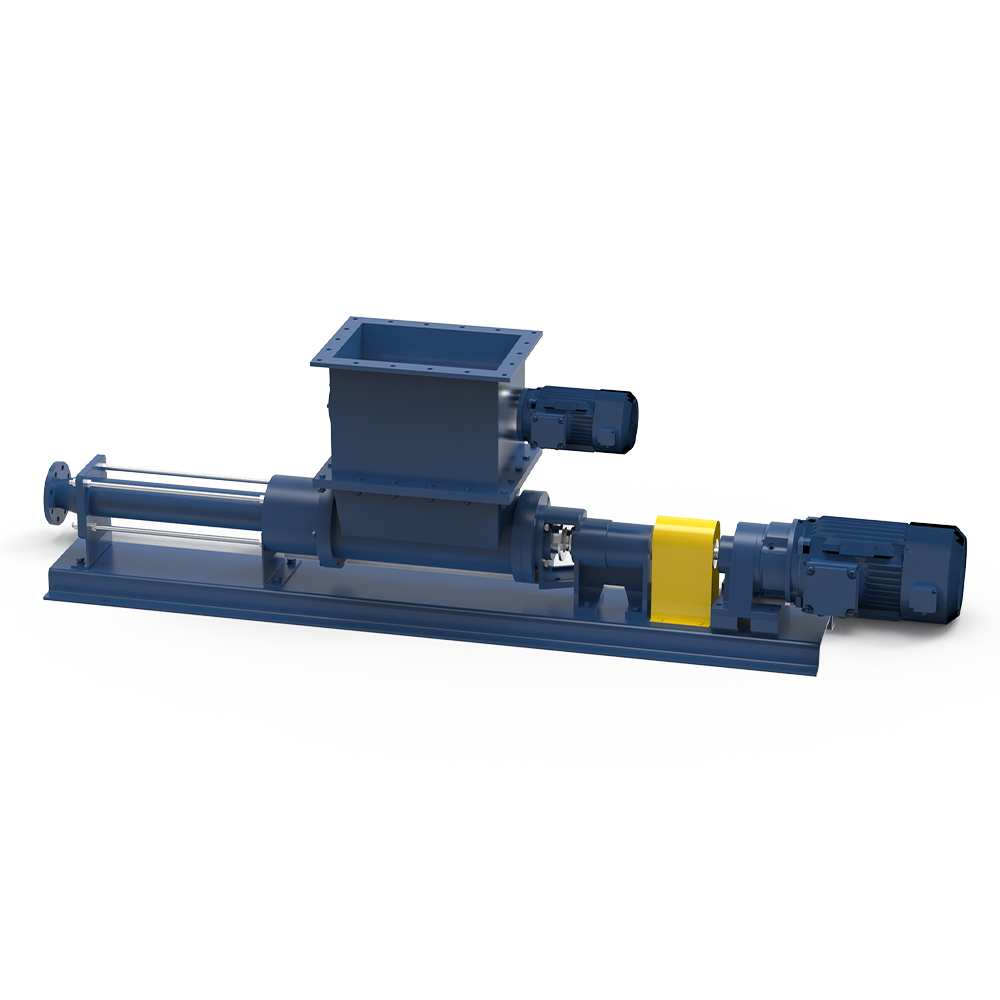
The inlet is designed for a large hopper with a bridge-breaking device P-pumps are suitable for conveying materials with high viscosity, high solids c...
See Details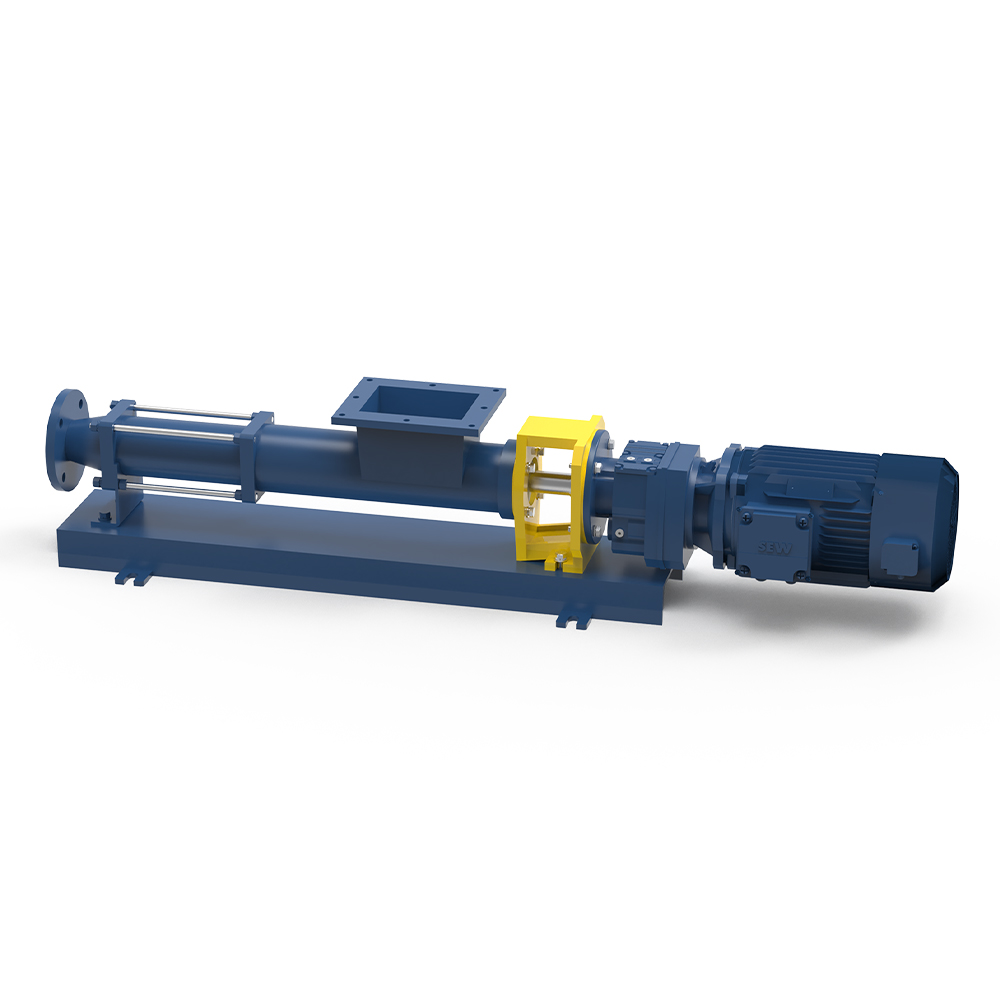
The inlet is a small rectangular hopper design H pump, suitable for conveying high viscosity solid content of less than 15% of the medium, such as cru...
See Details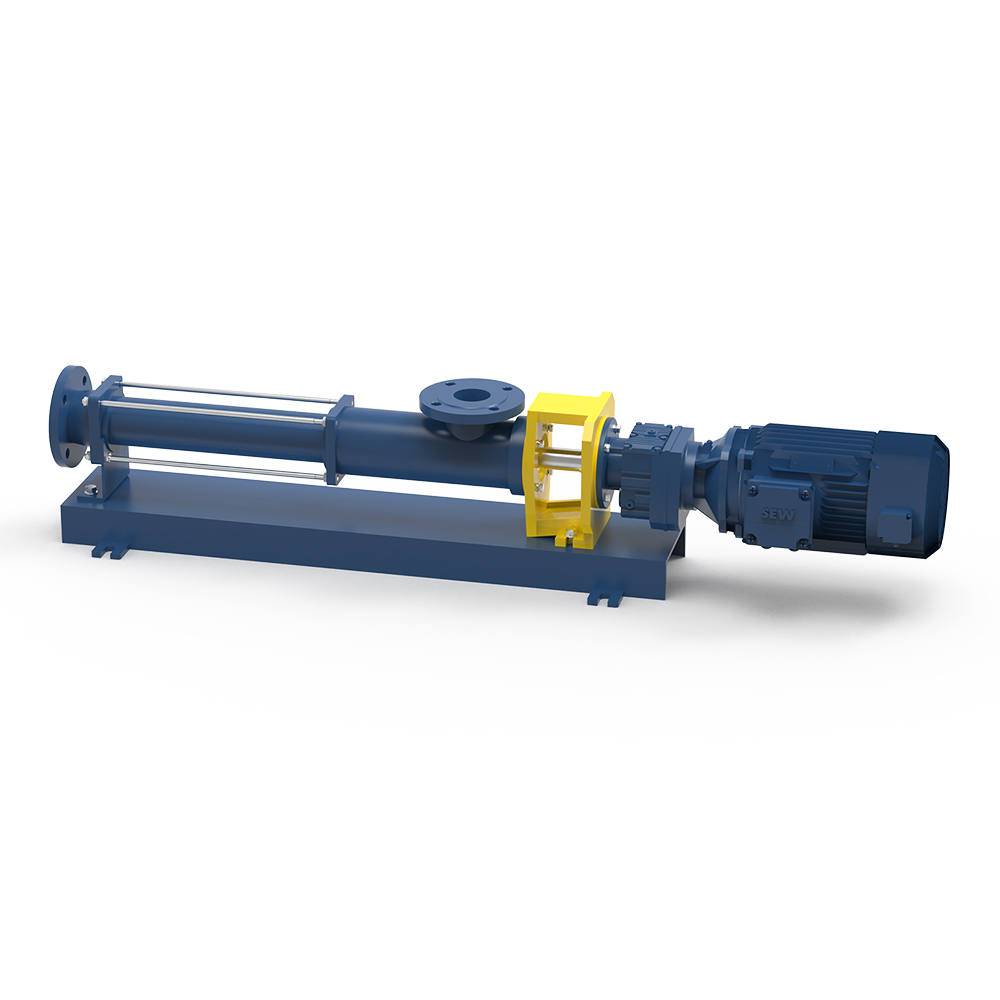
Mika Classic B direct-connected pumps are compact, easy to maintain, with low investment costs, and are suitable for a wide range of common working co...
See Details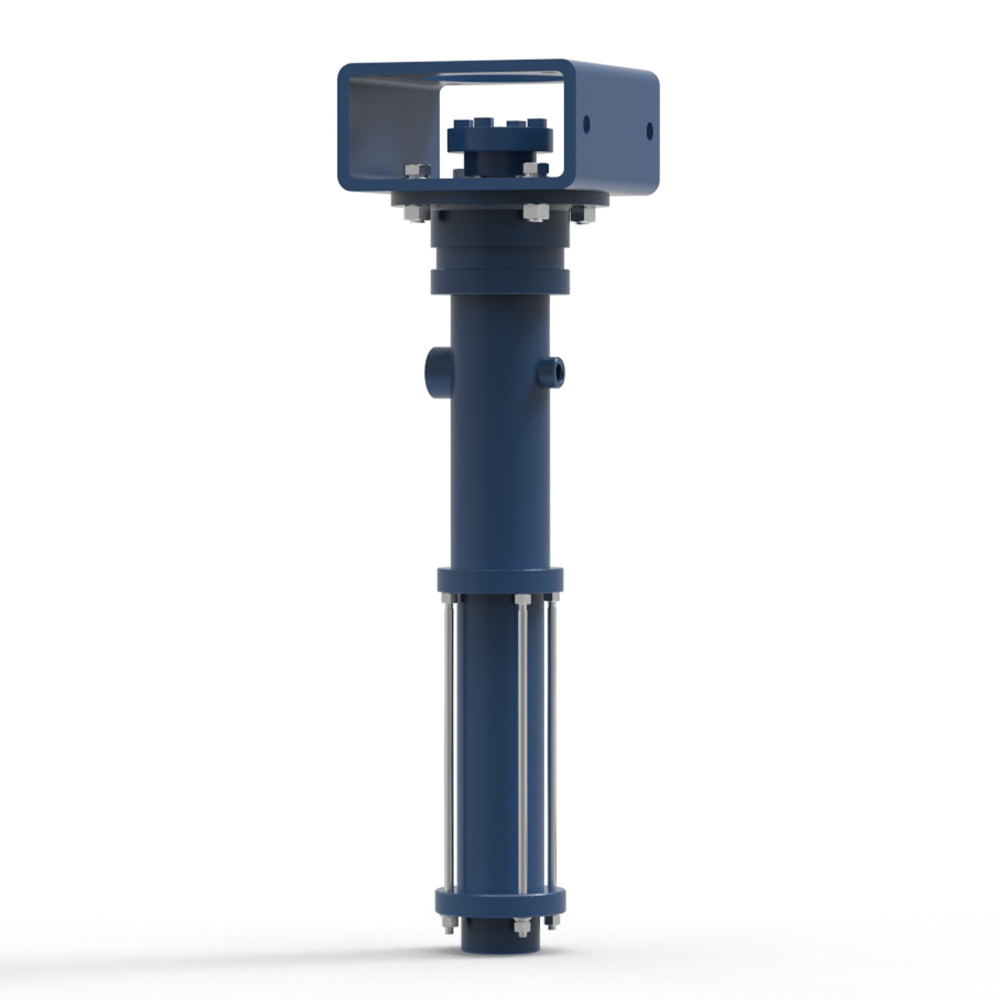
Precise flow rates and a wide range of materials for the metering and delivery of all kinds of sealants. Working Principle The MeiJia pump is a prog...
See Details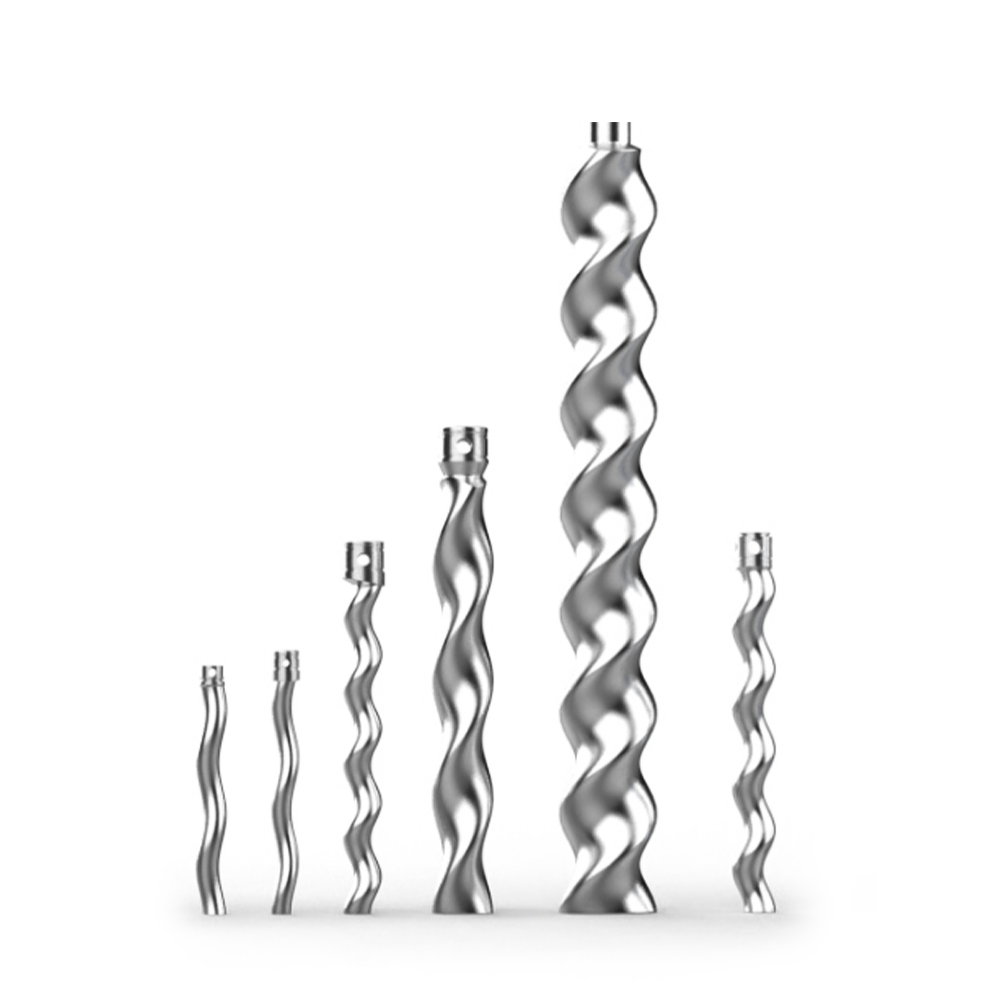
Multiple materials available, 304, 316L, 2205, rotor surface coating can be chrome plated or tungsten carbide sprayed.
See Details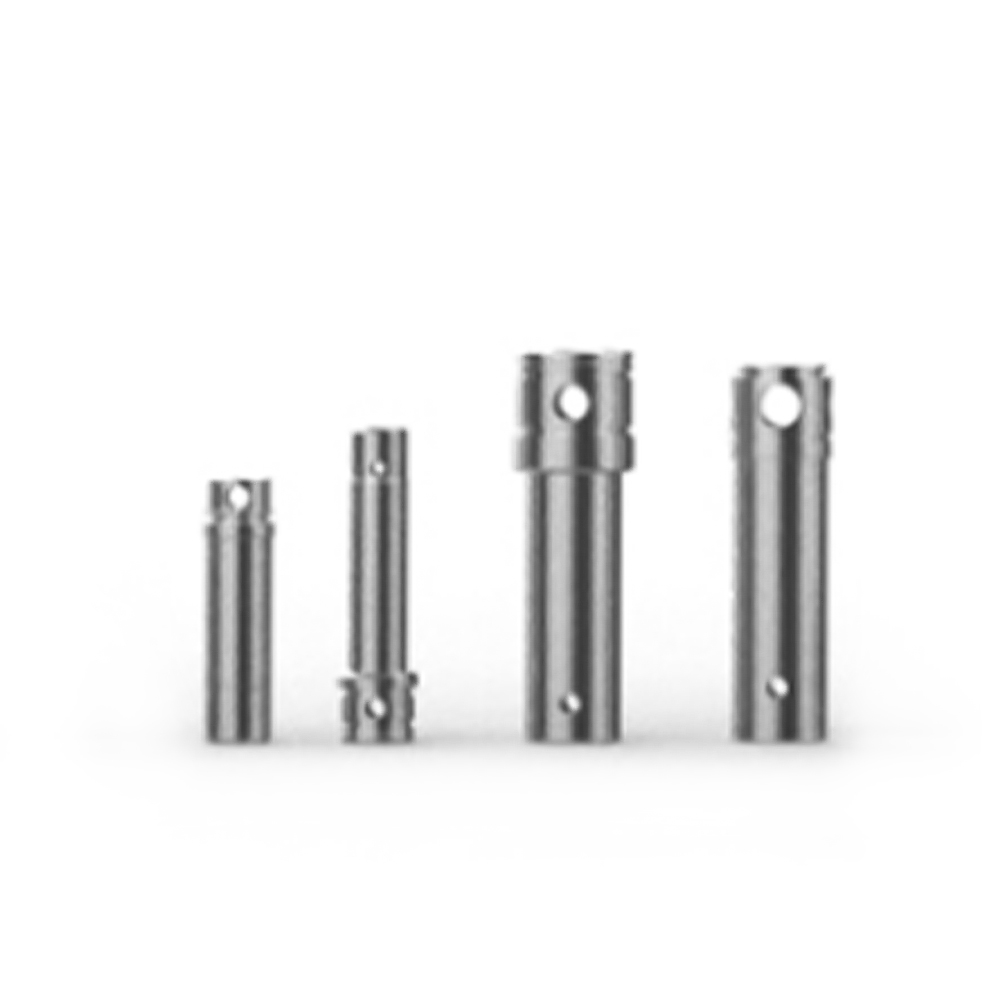
Multiple materials available: Q235,304,316L,2205,2507, etc.
See DetailsContact Us
Add: No. 36 Xintai Road, Economic Development Zone, Jingjiang City, Jiangsu Province, China
Tel: +86-13515167342
Fax: +86-523-84261117
E-mail: [email protected]
We'd love to
hear from you!
