
 English
 русский
 Español
Equal Wall Thickness Screw Pumps
Cat:Single Screw Pumps
Screw pumps equipped with equal wall thickness stator, the same kind of pump specifications pump flow, and pressure are increased. The equal wall thic...
See DetailsContent
For industries dealing with heavy, viscous materials, the challenge has always been the same: how do you keep the flow moving when the material doesn't want to budge? Standard pumps often fail when faced with "cake-like" substances, leading to blockages and costly downtime.
Recent advancements in industrial pumping technology have introduced a specialized solution designed specifically for these "un-pumpable" materials. By rethinking the traditional inlet and internal screw geometry, manufacturers have developed a system that handles high-solid content with unprecedented ease.
One of the most common headaches in wastewater treatment and chemical processing is bridging. This happens when thick material, like dewatered sludge, sticks together and forms an arch over the pump inlet, preventing any material from actually entering the pump.
The W-type single screw pumps solve this through a specialized large hopper design. Unlike a standard pipe connection, this wide-mouth opening allows gravity to assist the feed. More importantly, the pump features a connecting shaft equipped with multiple spiral vanes.
These vanes act as a continuous agitator. As the shaft turns, the vanes break up any potential clogs and force the material into the pumping chamber. This design is particularly effective for dewatered sludge with a solids content of 20% to 30%, ensuring that the pump remains fed even when the material has extremely poor fluidity.
At its core, this technology is a progressive cavity pump. While that sounds technical, the concept is quite simple: it creates a moving "pocket" of material.
The magic happens between two primary components: the rotor and the stator.
When the rotor sits inside the stator, they form a series of sealed spaces, or "cavities." As the motor turns the rotor, these cavities move forward. Because the seal between the two components is maintained at all times, the material inside the cavity is pushed smoothly from the suction end to the discharge end.
In the past, pumps struggled with "tooth height" and "pitch"—essentially the depth and length of the screw threads. If the screw is too shallow, it can't grab thick materials.
The latest generation of these pumps utilizes a high tooth height. This allows for larger volumes of solids to be trapped and moved in each revolution. Whether the internal geometry is a 1/2 circular shape or a 2/3 elliptical shape, the goal remains the same: maximizing the space available for the medium while maintaining a tight enough seal to handle high pressure.
| Feature | Benefit for the User |
| Large Hopper Inlet | Easy feeding of semi-solid "cakes" and sludge. |
| Spiral Vanes | Prevents material accumulation and "bridging." |
| High Pitch Rotor | Moves larger volumes with less energy. |
| Double/Triple Threaded Stator | Ensures steady, pulse-free flow. |
This technology isn't just for wastewater; it is a versatile workhorse for any industry where materials are thick, sticky, or abrasive.
Because the movement is axial (in a straight line from start to finish), the material isn't subjected to high-speed shearing. This is crucial for materials that change properties when shaken or stirred too violently.
Beyond just moving the material, operators are often concerned about how long a pump will last. The progressive cavity design is inherently low-wear because the rotor moves at a relatively low speed compared to centrifugal pumps.
The use of the spiral vanes in the hopper also reduces the strain on the motor. By ensuring the pump is never "starved" for material, the system avoids the vibrations and heat buildup associated with dry running or cavitation.
Moving thick materials doesn't have to be a constant battle against clogs and equipment failure. By combining a "forced-feed" hopper design with precision-engineered rotor/stator geometry, the W-type single screw pumps provide a reliable path forward for the toughest industrial fluids. It is a solution that focuses on the two things operators value most: consistency and uptime.
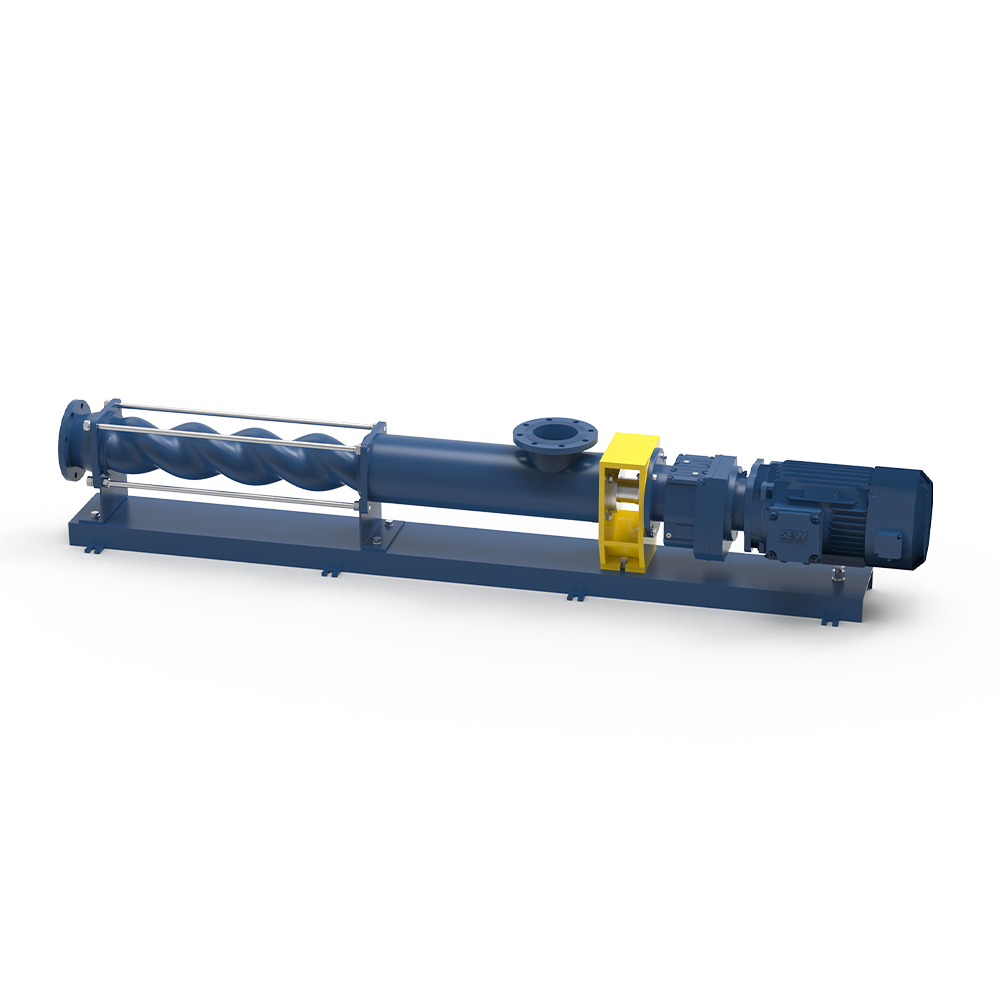
Screw pumps equipped with equal wall thickness stator, the same kind of pump specifications pump flow, and pressure are increased. The equal wall thic...
See Details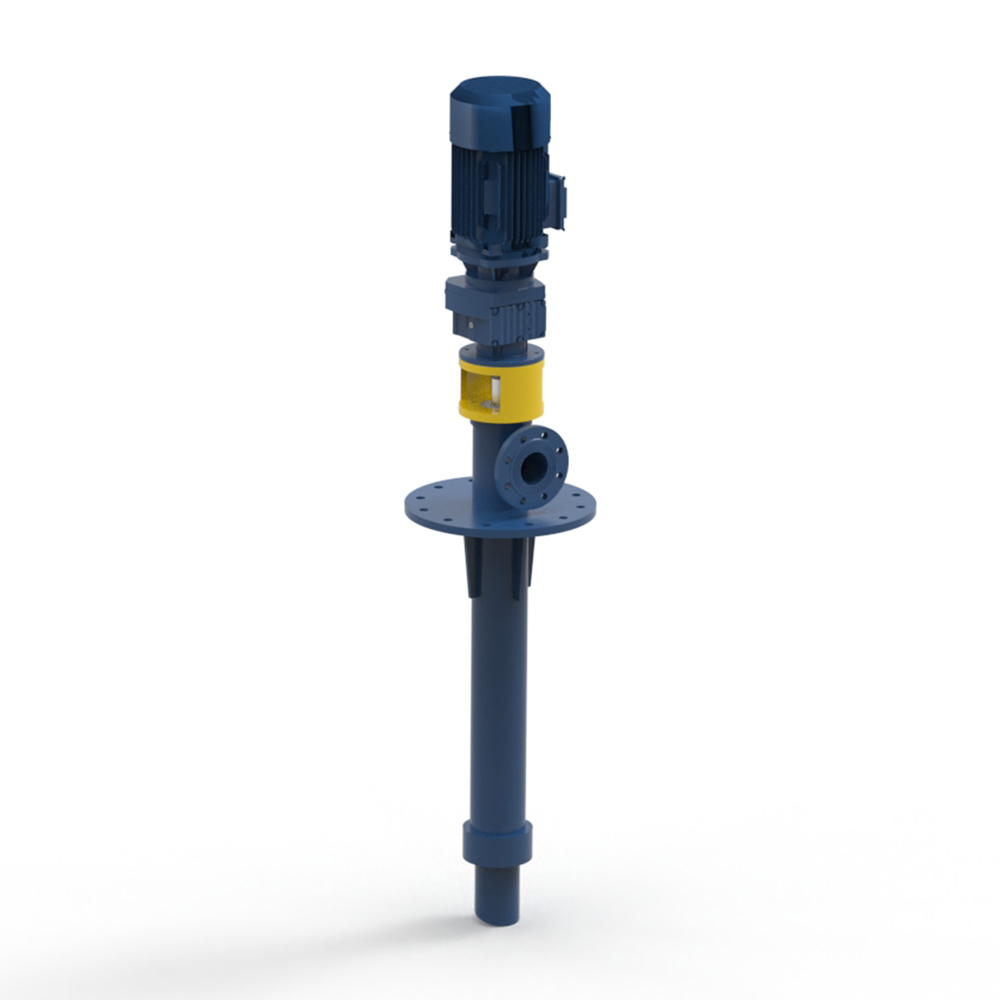
Mika vertical T-type screw pumps can be achieved through the length of the pump body to a variety of different depths of the pool, the pump's hopper i...
See Details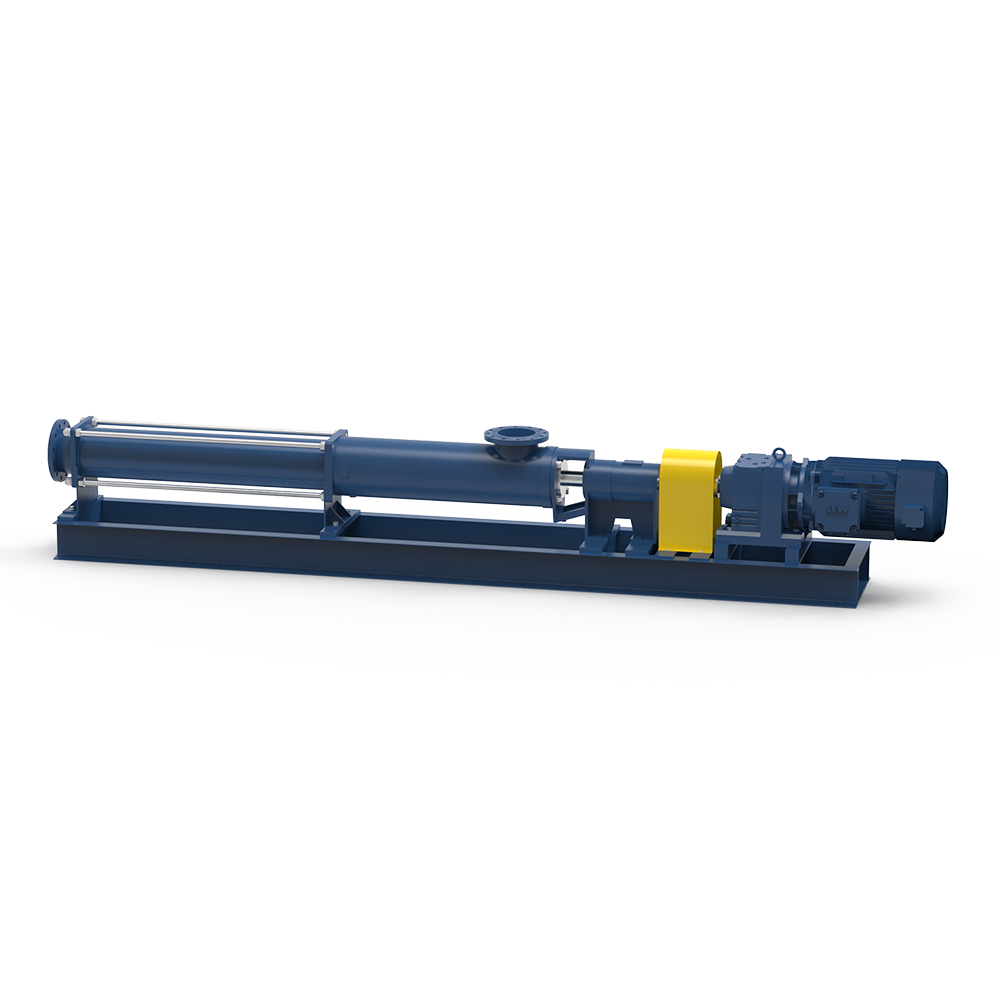
The S-pump with bearing frame support can withstand higher axial loads and can be used for high-pressure conditions, e.g. high-pressure sludge feed tr...
See Details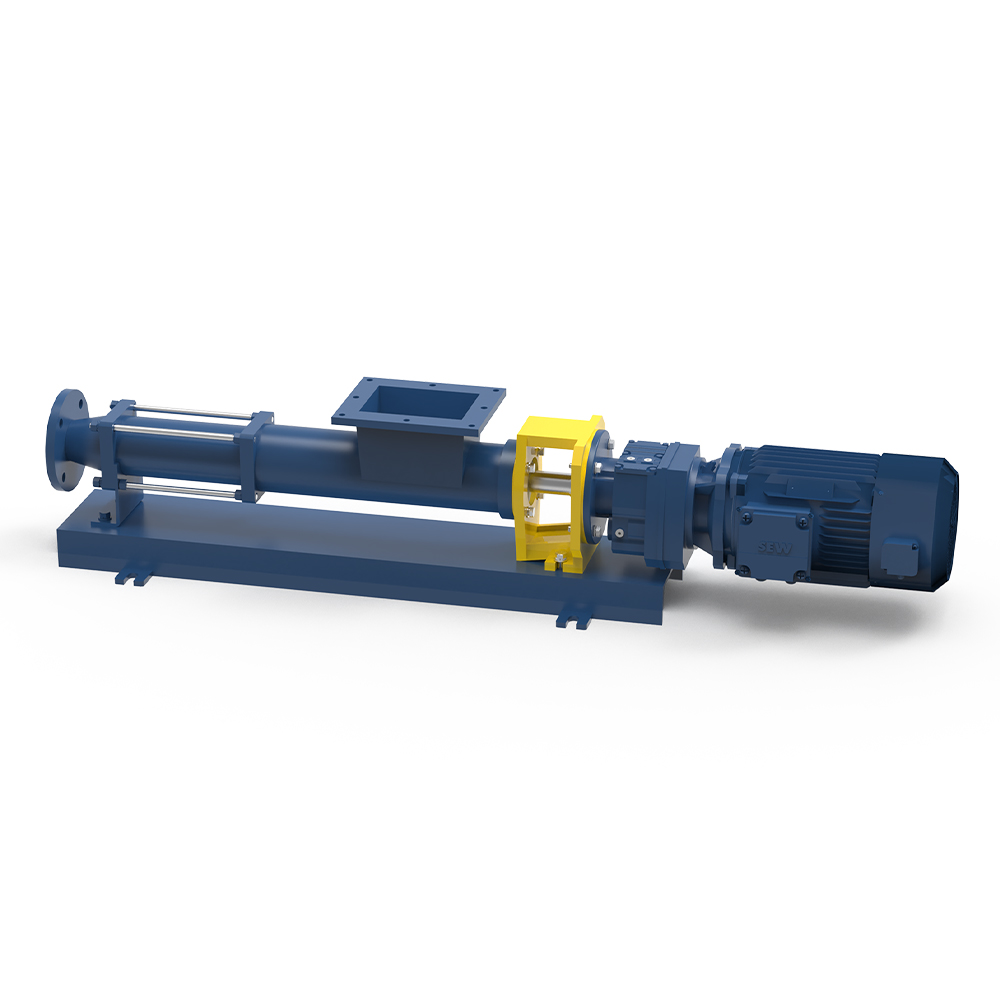
The inlet is a small rectangular hopper design H pump, suitable for conveying high viscosity solid content of less than 15% of the medium, such as cru...
See Details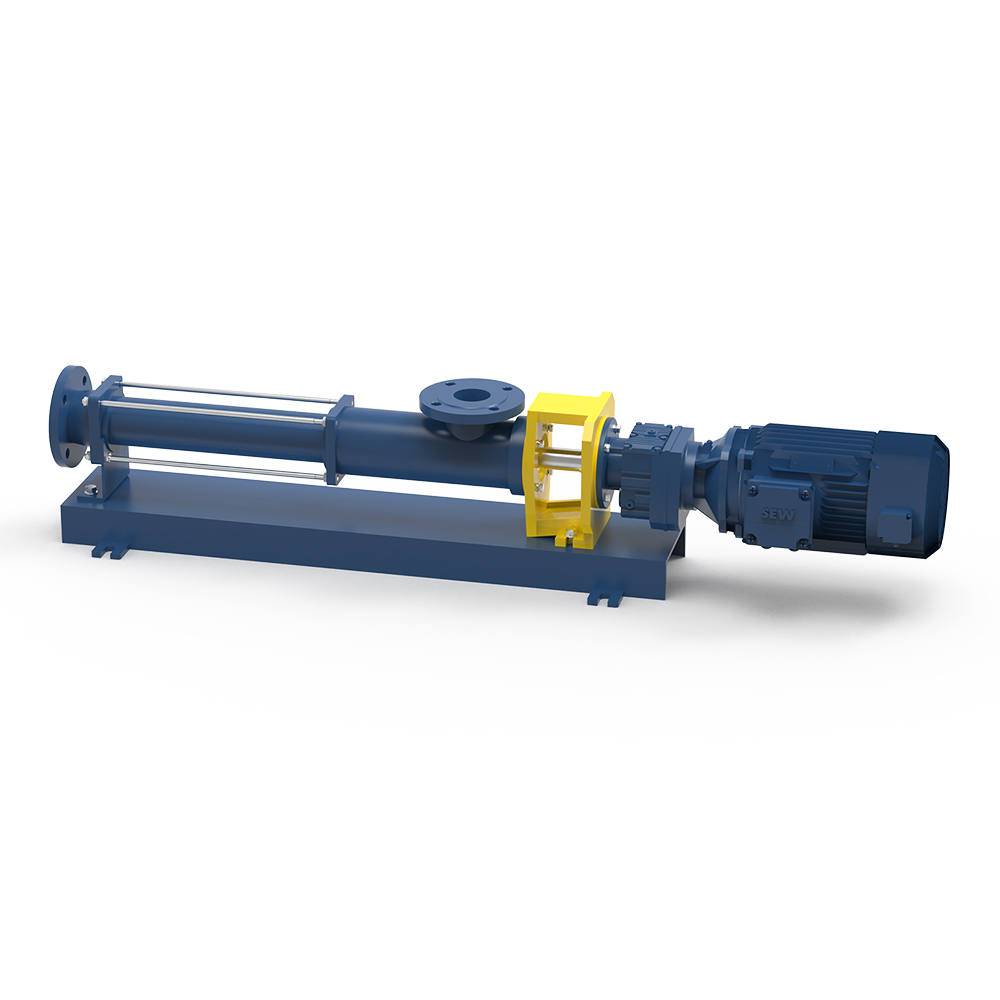
Mika Classic B direct-connected pumps are compact, easy to maintain, with low investment costs, and are suitable for a wide range of common working co...
See Details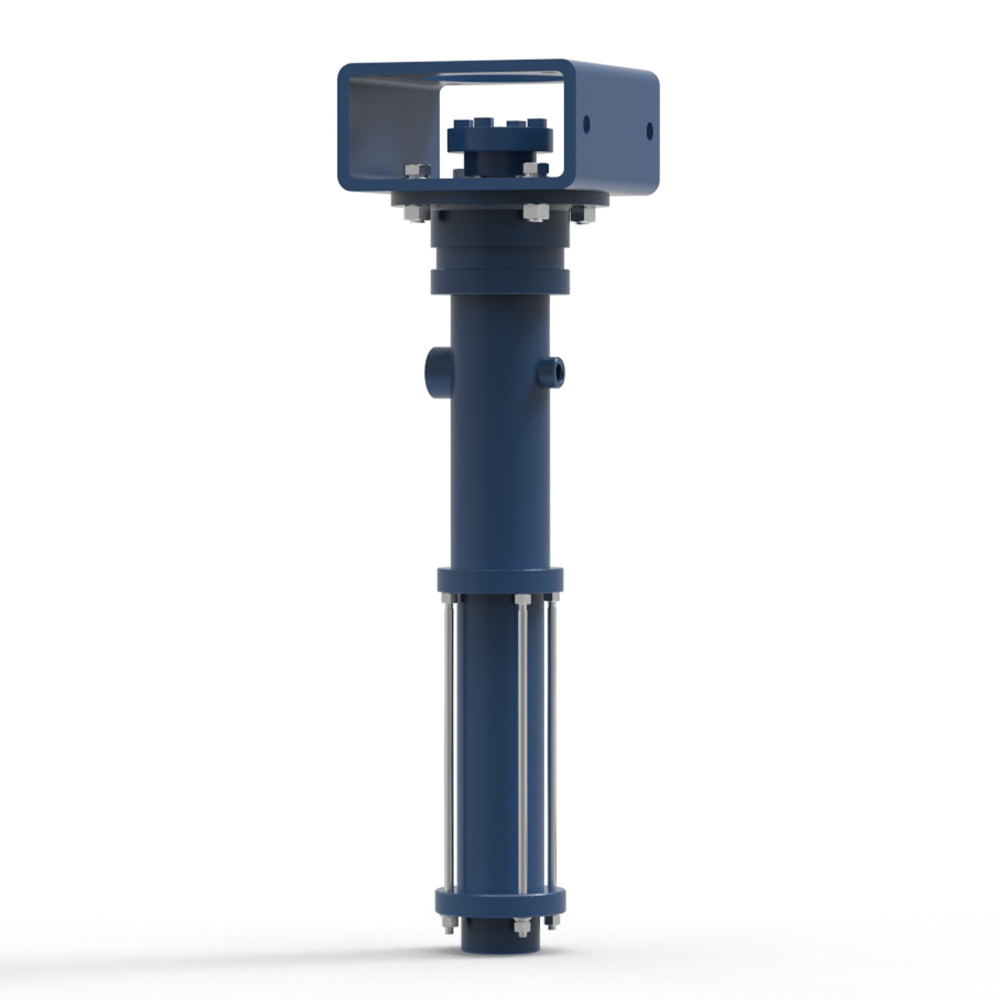
Precise flow rates and a wide range of materials for the metering and delivery of all kinds of sealants. Working Principle The MeiJia pump is a prog...
See Details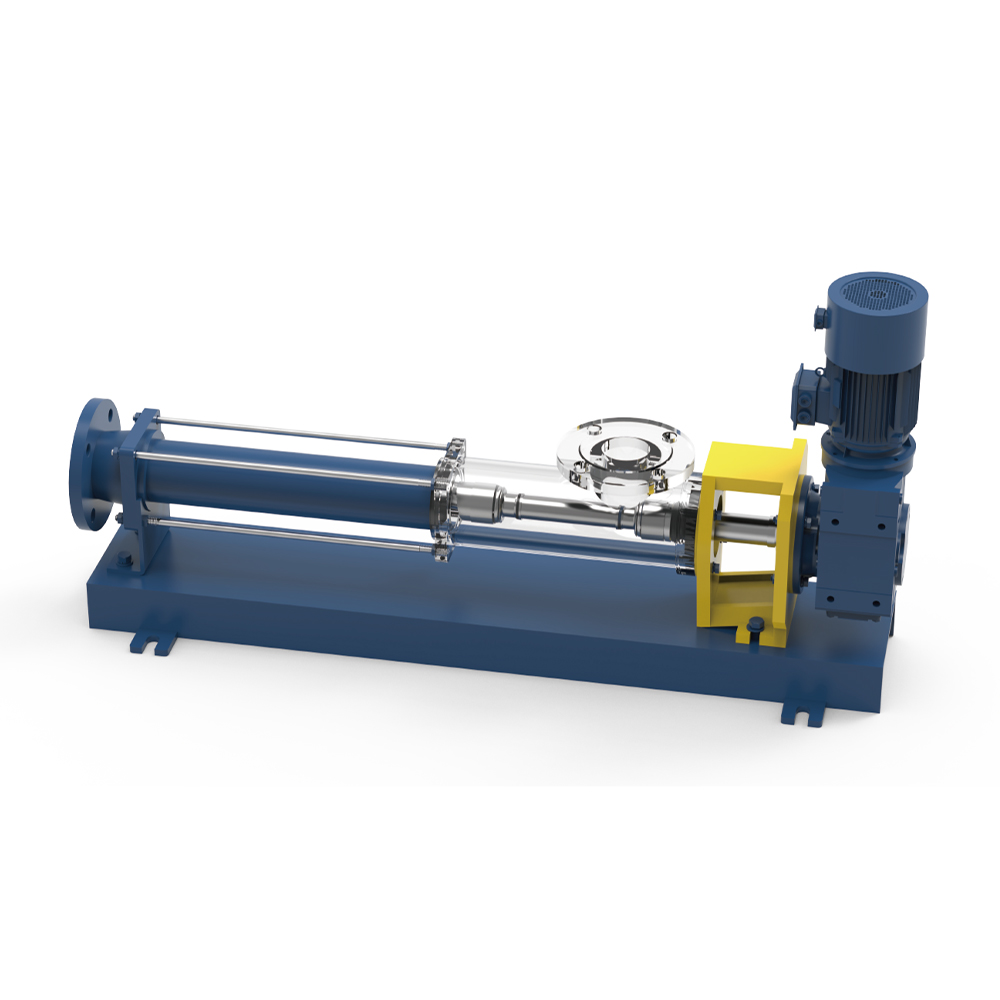
The speed reducer adopts the K series speed reducer, and the length of the pump can be shortened, so it can be used in places where the space is narro...
See Details
Various materials are available for different working conditions, such as NBR, HNBR, EPDM, and FKM.
See Details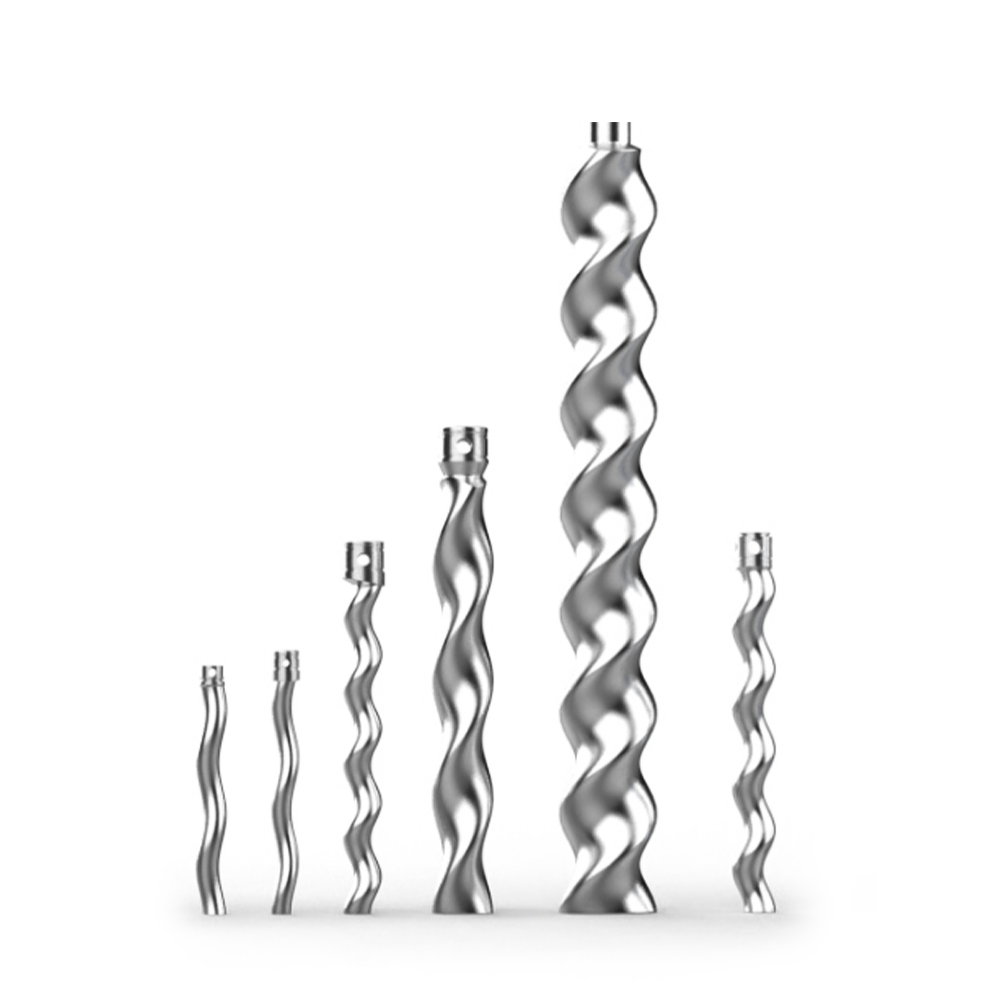
Multiple materials available, 304, 316L, 2205, rotor surface coating can be chrome plated or tungsten carbide sprayed.
See Details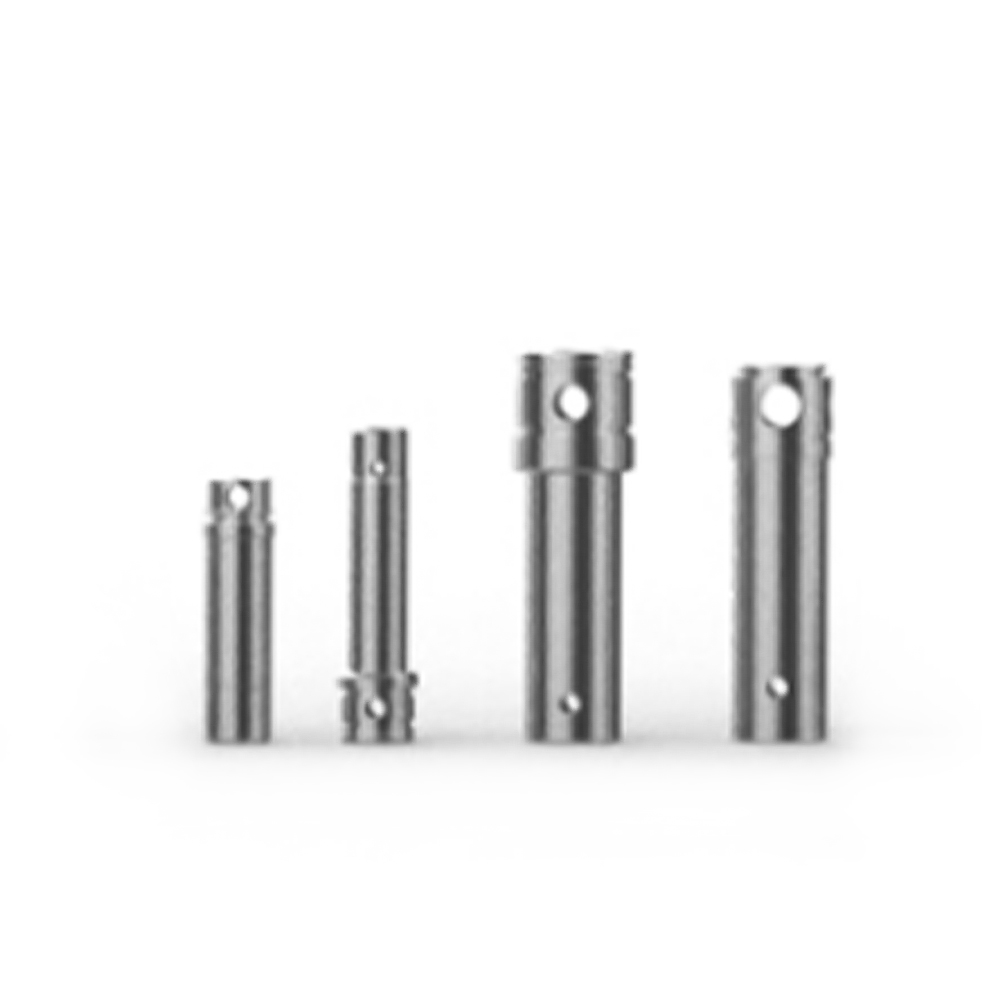
Multiple materials available: Q235,304,316L,2205,2507, etc.
See DetailsContact Us
Add: No. 36 Xintai Road, Economic Development Zone, Jingjiang City, Jiangsu Province, China
Tel: +86-13515167342
Fax: +86-523-84261117
E-mail: [email protected]
We'd love to
hear from you!
