
 English
 русский
 Español
Equal Wall Thickness Screw Pumps
Cat:Single Screw Pumps
Screw pumps equipped with equal wall thickness stator, the same kind of pump specifications pump flow, and pressure are increased. The equal wall thic...
See DetailsContent
In the world of industrial fluid management, one question continues to surface among plant managers and engineers: "How can we efficiently extract high-viscosity materials from deep underground pools or large storage tanks without losing suction?" For years, traditional pumping systems have struggled with the physical limitations of "suction lift," often requiring expensive priming systems or complex configurations that lead to frequent maintenance. However, recent innovations in T-type screw pumps have provided a definitive answer to this logistical hurdle. By submerging the pumping mechanism directly into the medium, these vertical systems are redefining how industries handle challenging fluids.
The primary advantage of a vertical screw pump lies in its adaptable physical structure. Unlike horizontal pumps that sit outside a tank, these pumps are engineered with an adjustable body length. This design allows the pump to be customized to the specific depth of a collection pool or storage pit.
The most critical feature of this setup is the placement of the intake. In this vertical configuration, the pump’s hopper is positioned at the very bottom of the pool. By placing the "business end" of the pump directly into the material, the system eliminates the need for a vacuum to pull liquid up a pipe. Instead, the weight of the fluid helps feed the pump, making it significantly more efficient for thick, sludge-like materials that would stall other systems.
Flexibility is a core requirement in modern manufacturing and waste management. To meet this, the latest vertical pumping systems offer dual-installation options:
Permanent Fixed Mounting: For facilities with consistent processing needs, the pump can be bolted into a permanent frame, providing a stable, long-term solution for continuous fluid transfer.
Mobile Forklift Integration: Perhaps the most innovative aspect is the ability to integrate the pump with forklift devices. This allows the entire unit to be lifted, moved, and repositioned across different unloading zones. This mobility transforms a piece of heavy machinery into a versatile tool that can be deployed wherever it is needed most, reducing the need for multiple fixed pumps across a site.
At its heart, the T-type screw pump is a "progressive cavity pump." To understand why it is so effective, we must look at the internal relationship between its two primary components: the rotor and the stator.
The working principle is a masterclass in geometry. The rotor is a screw-like component characterized by a large pitch and high tooth height. Depending on the specific requirements of the medium, the rotor's cross-section is typically shaped in a 1/2 or 2/3 geometric ratio (circular or elliptical).
This rotor sits snugly inside the stator, which is a helical sleeve with double or triple-threaded internal paths. The interaction between these two parts creates a series of sealed "pockets" or cavities.
How it moves: As the rotor turns, these cavities "progress" forward. The medium trapped inside these spaces doesn't just get pushed; it is carried smoothly from the suction end at the bottom of the pool to the discharge end at the top.
Many people ask why a screw design is preferred over a standard centrifugal impeller. The answer lies in the Axial Movement of the fluid.
In a centrifugal pump, fluid is spun at high speeds, which can damage shear-sensitive materials (like certain chemicals or food products) or cause "air-locking" if bubbles are present. In a screw pump, the medium moves linearly along the axis. This produces a low-turbulence, low-shear flow. Whether you are moving thick oil, wastewater sludge, or chemical slurries, the material remains stable throughout the process.
Furthermore, because the cavities are positive-displacement, the flow rate is directly proportional to the speed of the rotor. This gives operators precise control over how much material is being moved, regardless of the pressure changes in the discharge line.
For those considering an upgrade to their fluid handling systems, the benefits of this vertical screw technology are clear:
No Priming Required: Since the pump is submerged, it is always "primed" and ready to work.
Space Efficiency: The vertical orientation takes up a much smaller footprint on the factory floor compared to horizontal units.
Durability: By matching the rotor and stator materials to the specific medium (such as using hardened steel or specialized elastomers), these pumps can withstand abrasive particles without failing.
Ease of Maintenance: Despite being submerged, the modular design allows for the rotor and stator to be inspected and replaced with minimal downtime.
As industries seek more reliable ways to handle "un-pumpable" liquids, the focus has shifted toward submerged, positive-displacement technology. The ability to reach the very bottom of a pool, combined with the mobility of forklift-compatible frames, makes these pumps an essential asset for modern industrial operations.
By mastering the geometry of the progressive cavity, these systems ensure that no matter how deep the pool or how thick the sludge, the flow never stops.
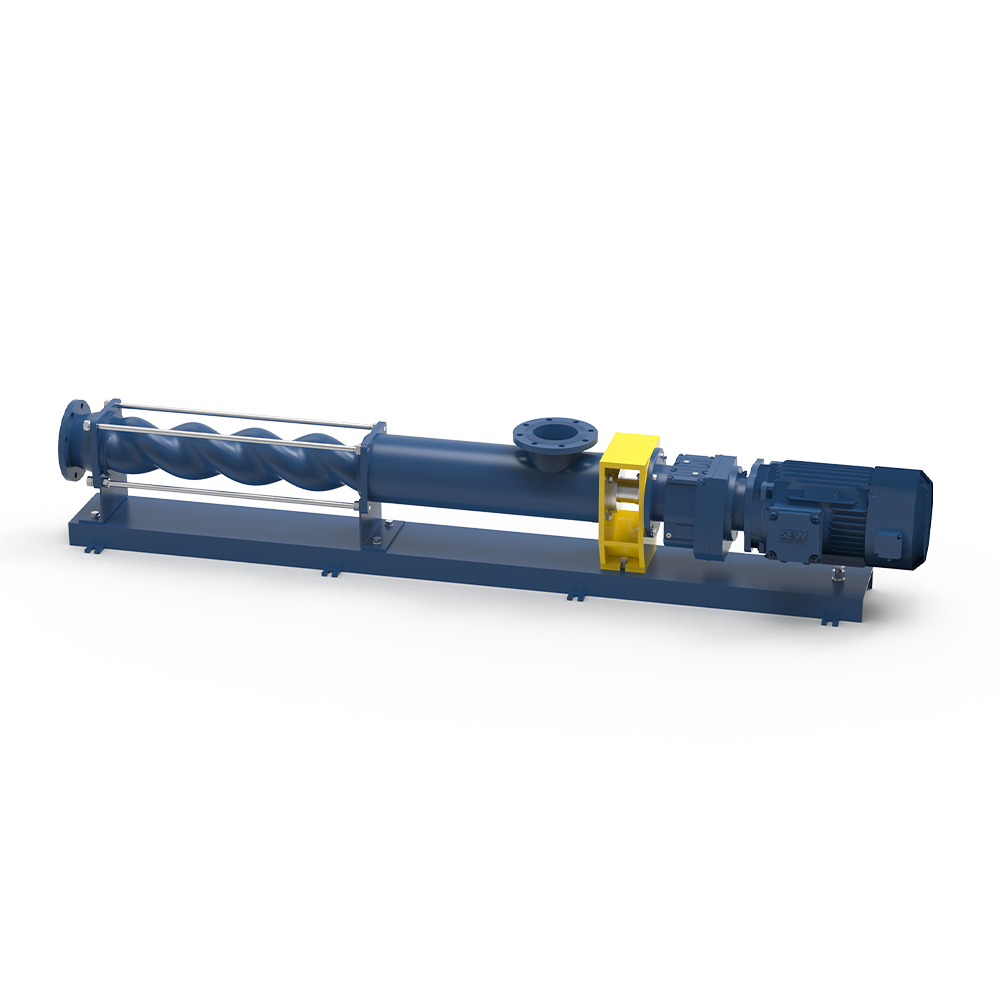
Screw pumps equipped with equal wall thickness stator, the same kind of pump specifications pump flow, and pressure are increased. The equal wall thic...
See Details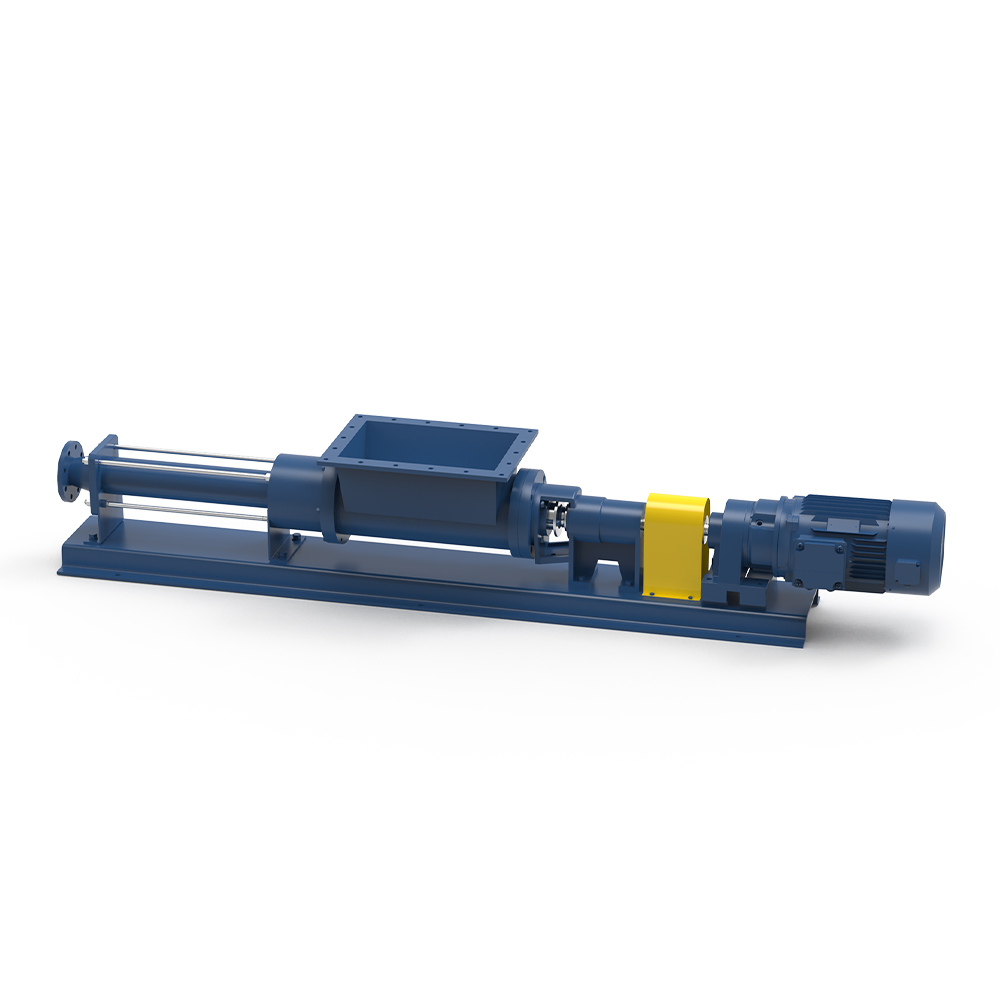
The inlet is a large hopper design W-type pump with a connecting shaft with multiple spiral vanes (which can effectively prevent the accumulation of m...
See Details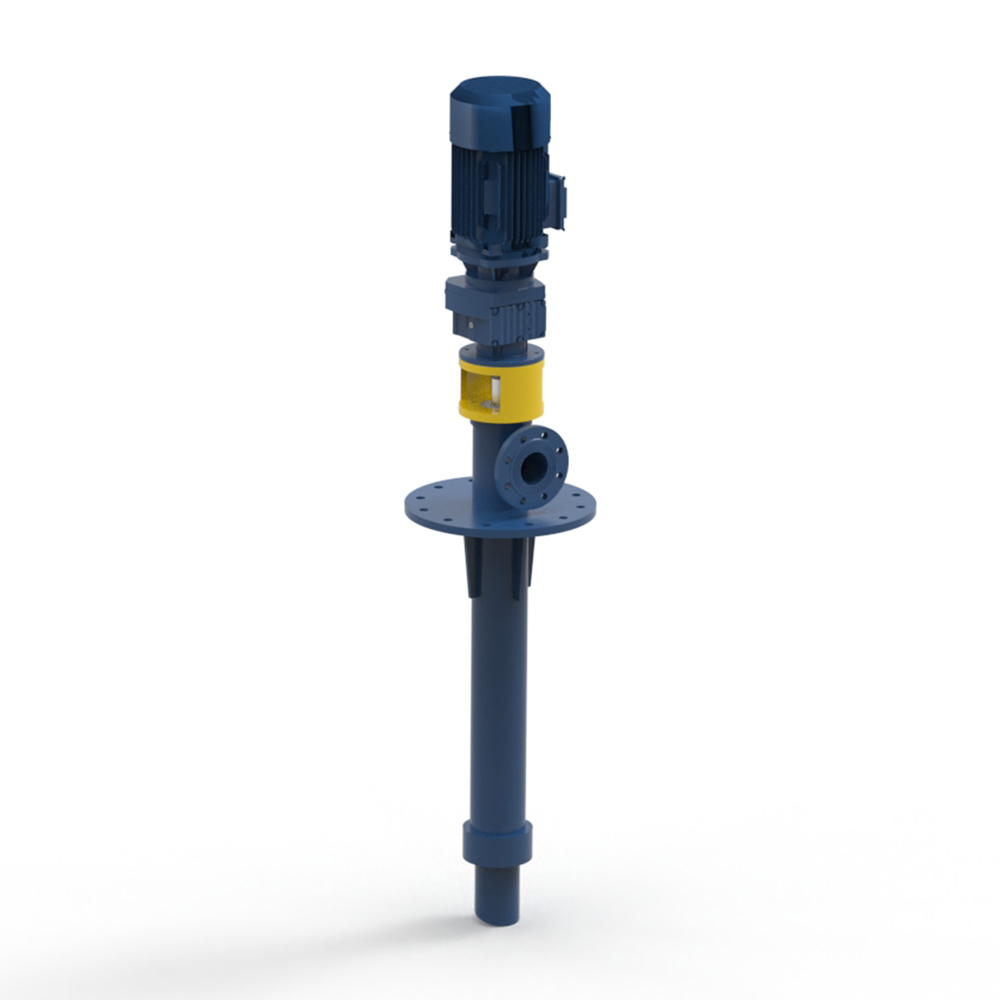
Mika vertical T-type screw pumps can be achieved through the length of the pump body to a variety of different depths of the pool, the pump's hopper i...
See Details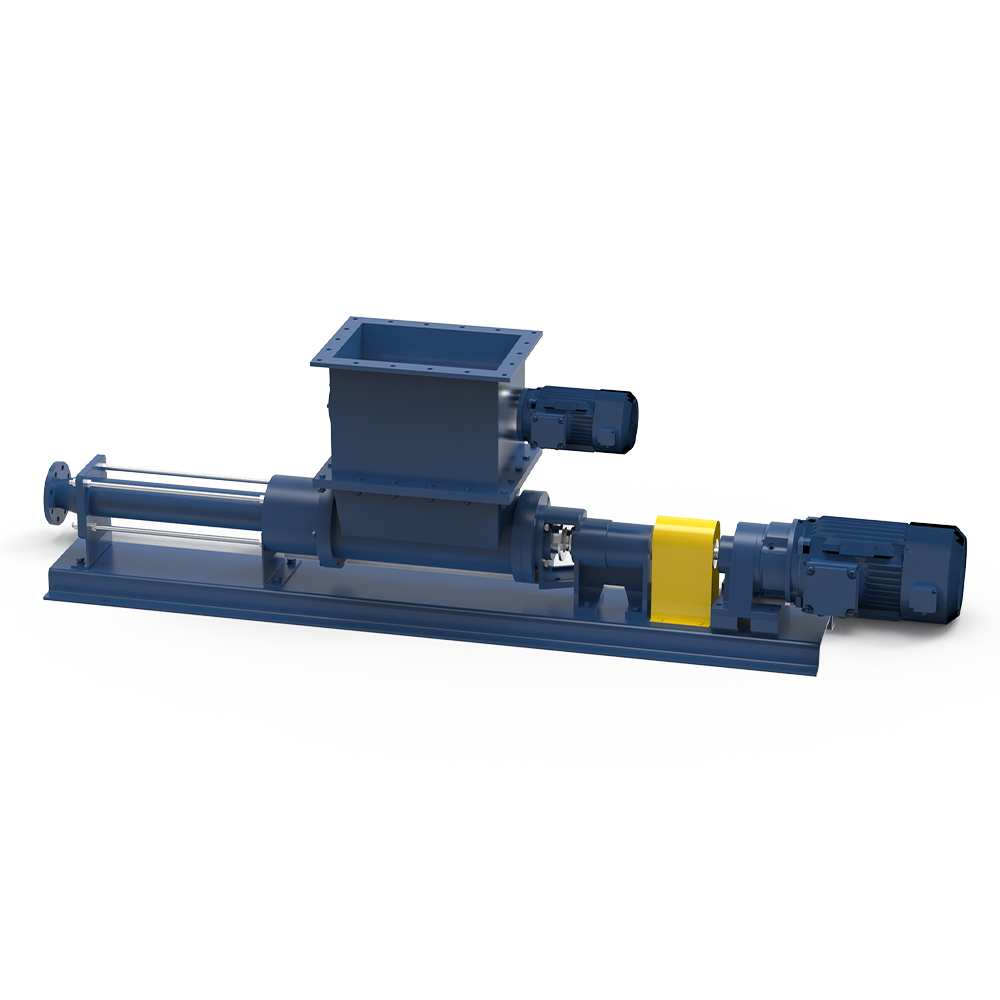
The inlet is designed for a large hopper with a bridge-breaking device P-pumps are suitable for conveying materials with high viscosity, high solids c...
See Details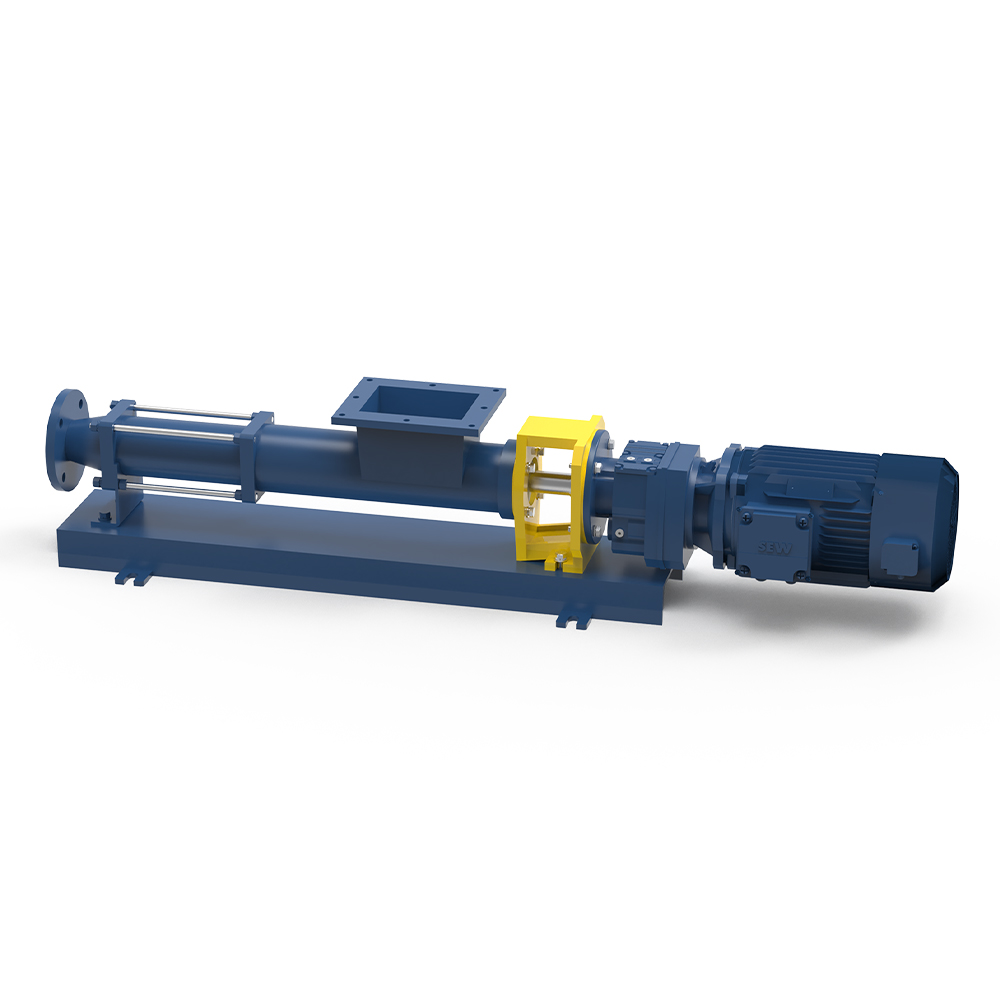
The inlet is a small rectangular hopper design H pump, suitable for conveying high viscosity solid content of less than 15% of the medium, such as cru...
See Details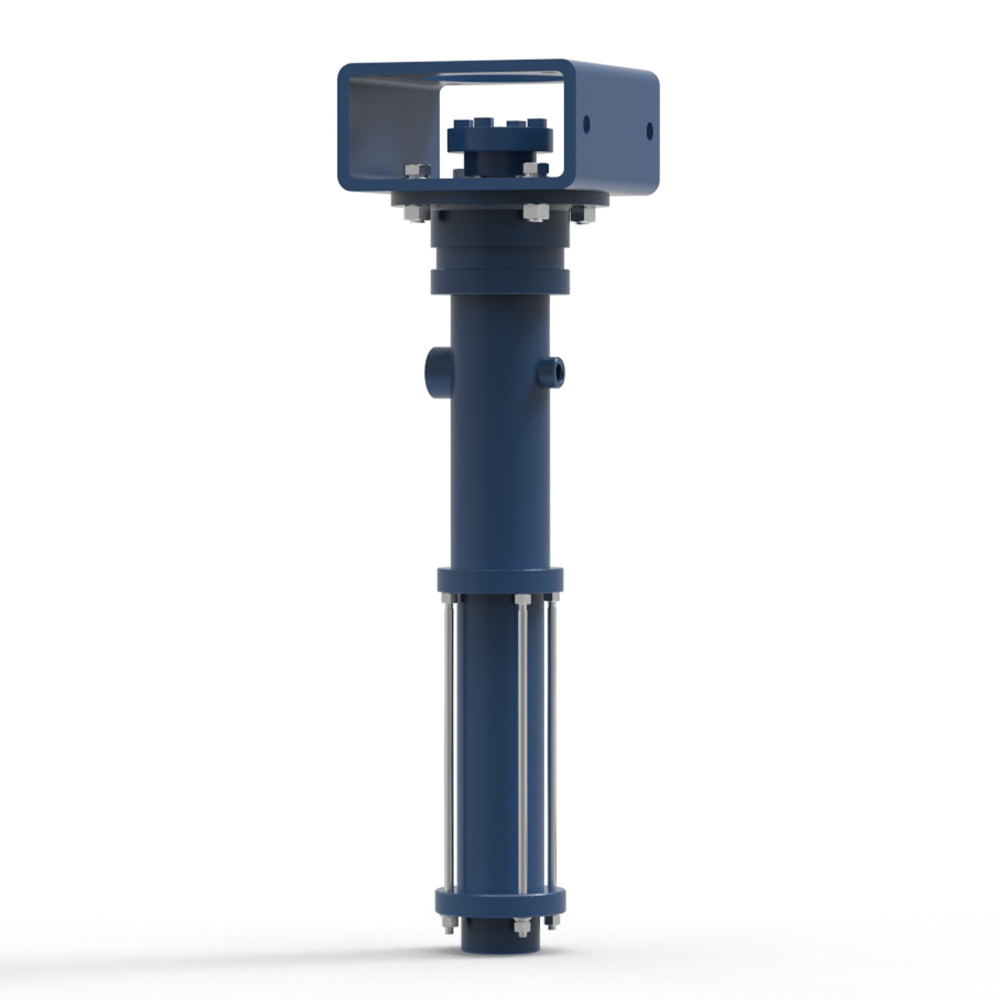
Precise flow rates and a wide range of materials for the metering and delivery of all kinds of sealants. Working Principle The MeiJia pump is a prog...
See Details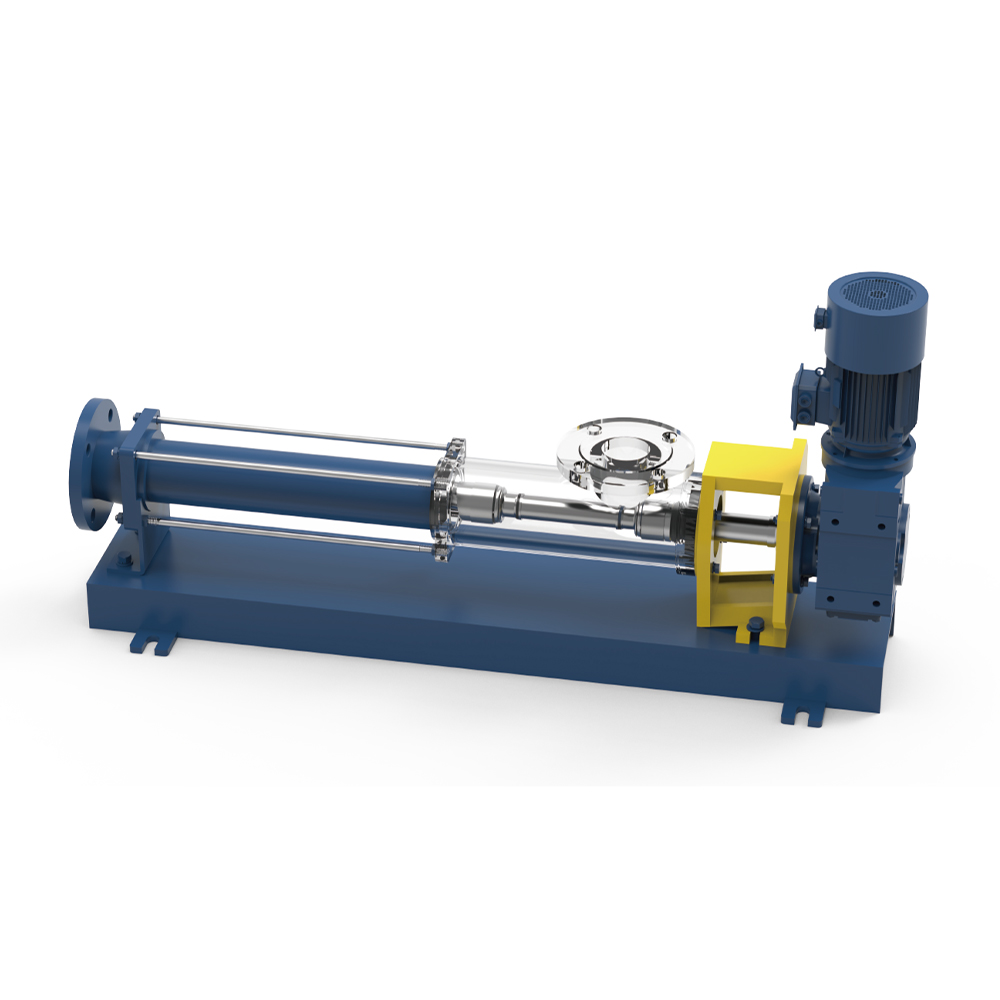
The speed reducer adopts the K series speed reducer, and the length of the pump can be shortened, so it can be used in places where the space is narro...
See Details
Various materials are available for different working conditions, such as NBR, HNBR, EPDM, and FKM.
See Details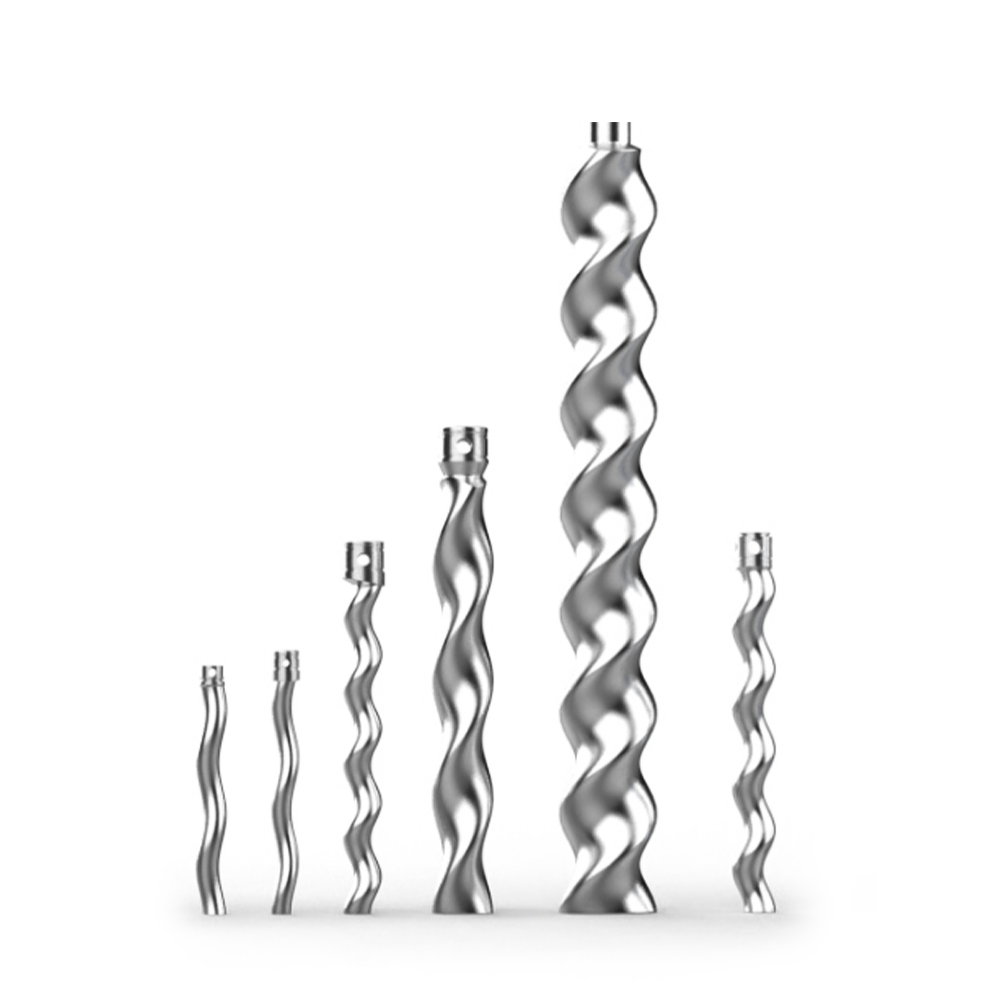
Multiple materials available, 304, 316L, 2205, rotor surface coating can be chrome plated or tungsten carbide sprayed.
See Details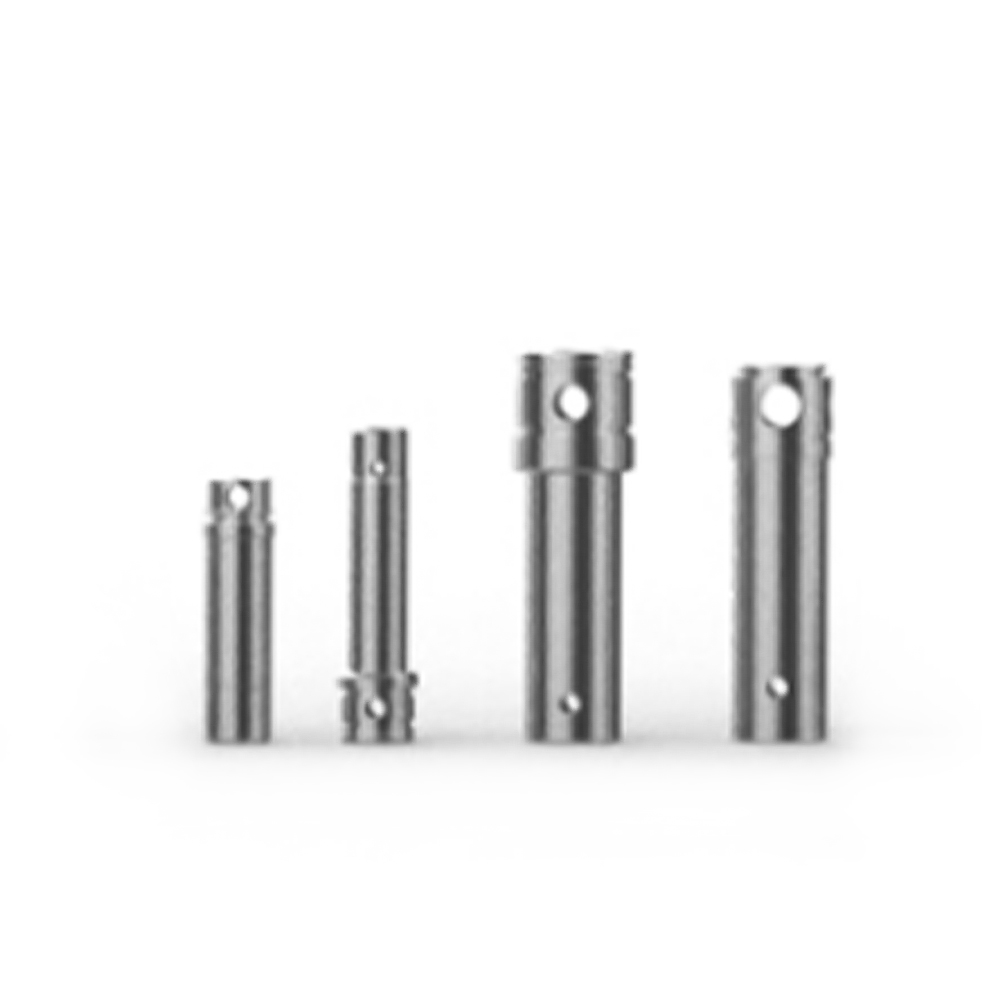
Multiple materials available: Q235,304,316L,2205,2507, etc.
See DetailsContact Us
Add: No. 36 Xintai Road, Economic Development Zone, Jingjiang City, Jiangsu Province, China
Tel: +86-13515167342
Fax: +86-523-84261117
E-mail: [email protected]
We'd love to
hear from you!
