
 English
 русский
 Español
Equal Wall Thickness Screw Pumps
Cat:Single Screw Pumps
Screw pumps equipped with equal wall thickness stator, the same kind of pump specifications pump flow, and pressure are increased. The equal wall thic...
See DetailsContent
In high-end manufacturing, particularly in the electronics, automotive, and aerospace sectors, the ability to apply sealants and adhesives with microscopic accuracy is non-negotiable. The Dispensing Valve serves as the critical interface between the bulk material and the target substrate. Traditional valves often struggle with "tailing," dripping, or inconsistent volumes when the viscosity of the sealant changes due to temperature fluctuations. However, the MeiJia Dispensing Valve, utilizing progressive cavity pump technology, overcomes these hurdles by providing a truly volumetric delivery system.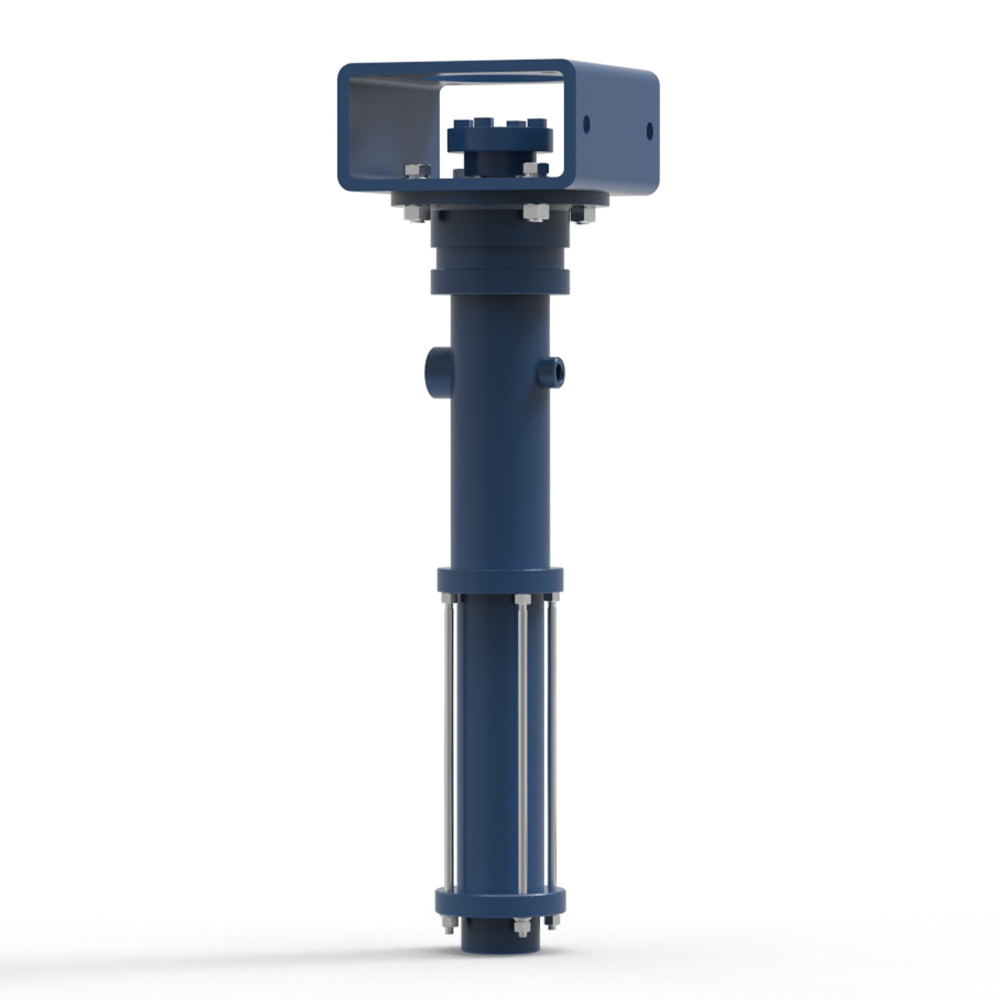
Unlike air-pressure-based dispensing, which is highly sensitive to changes in fluid thickness, this Dispensing Valve ensures that the volume of material delivered is directly proportional to the rotation of its internal components. This precision is vital for tasks such as underfilling semiconductors, applying thermal paste, or sealing intricate automotive sensors where a variance of even 1% in flow rate can lead to product failure.
To understand why this technology is superior for metering and delivery, we must look at the internal mechanics of the system. The core of the MeiJia pump is its specialized rotor and stator assembly, designed to create a sequence of perfectly sealed chambers.
The rotor is a precision-engineered screw characterized by a large pitch and high tooth height. Geometrically, it features a circular cross-section of 1/2 shape or an elliptical cross-section of 2/3 shape. This rotor fits into the stator, which is a helical sleeve with double or triple threads. The interference fit between these two parts creates "voids" or spaces that trap the medium.
| Technical Feature | MeiJia Progressive Cavity Specification |
|---|---|
| Flow Consistency | >99% Repeatability |
| Material Viscosity Range | 1 mPa·s to 1,000,000+ mPa·s |
| Suction End Mechanism | Volumetric Displacement |
| Suck-Back Capability | Adjustable via Rotor Reversal |
Industrial sealants are rarely "pure" liquids; they often contain abrasive fillers like silica or silver to provide structural strength or thermal conductivity. A standard Dispensing Valve would quickly erode under these conditions. The progressive cavity design of the MeiJia pump thrives here. Because the stator is typically made of a resilient elastomer, it can temporarily deform to allow solid particles to pass through without scratching the rotor or losing the seal.
Whether you are dealing with two-component (2K) epoxies, moisture-cure silicones, or thick grease, the valve maintains precise flow rates. This adaptability makes it the preferred choice for automated assembly lines where different materials might be used on the same machine throughout a production cycle.
One of the most significant frustrations in industrial dispensing is the "drip" that occurs at the end of a cycle. The Dispensing Valve powered by a progressive cavity motor can reverse its rotation slightly at the end of the shot. This creates a suck-back effect, pulling the material back into the nozzle and ensuring a clean break every time. This not only improves product aesthetics but also drastically reduces material waste and cleaning requirements.
Furthermore, the uniform liquid flow prevents pulsation. In bead-laying applications (such as a gasket on an engine block), pulsation results in "thick and thin" spots. With the MeiJia pump technology, the bead diameter remains perfectly constant, ensuring a leak-proof seal once the parts are mated.
Yes, by using two MeiJia pumps—one for the resin and one for the hardener—and feeding them into a static mixer. The volumetric nature of the Dispensing Valve ensures the mixing ratio remains 100% accurate, which is critical for the chemical curing process.
Pistons require a refill stroke, which causes a pause in production. A Dispensing Valve based on the Single Screw Pump principle provides continuous flow, allowing for much faster cycle times in high-speed manufacturing environments.
Maintenance involves regular cleaning and occasional replacement of the stator. Because the stator is an elastomeric part, it will eventually wear depending on the abrasiveness of the sealants used. However, the modular design allows for quick disassembly and replacement in minutes.
The flow rate is proportional to the rotational speed of the motor driving the rotor. By using a high-resolution servo motor, the system can achieve ultra-precise dispensing volumes down to microliters.
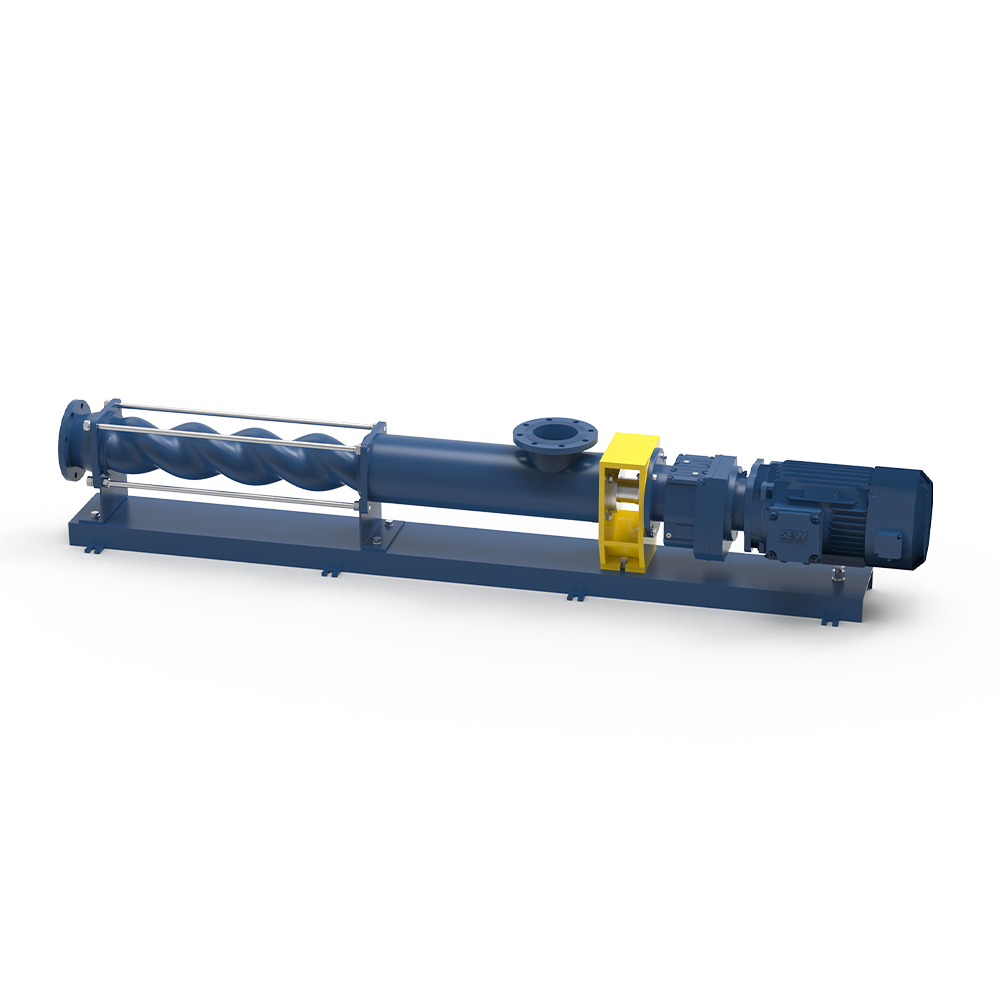
Screw pumps equipped with equal wall thickness stator, the same kind of pump specifications pump flow, and pressure are increased. The equal wall thic...
See Details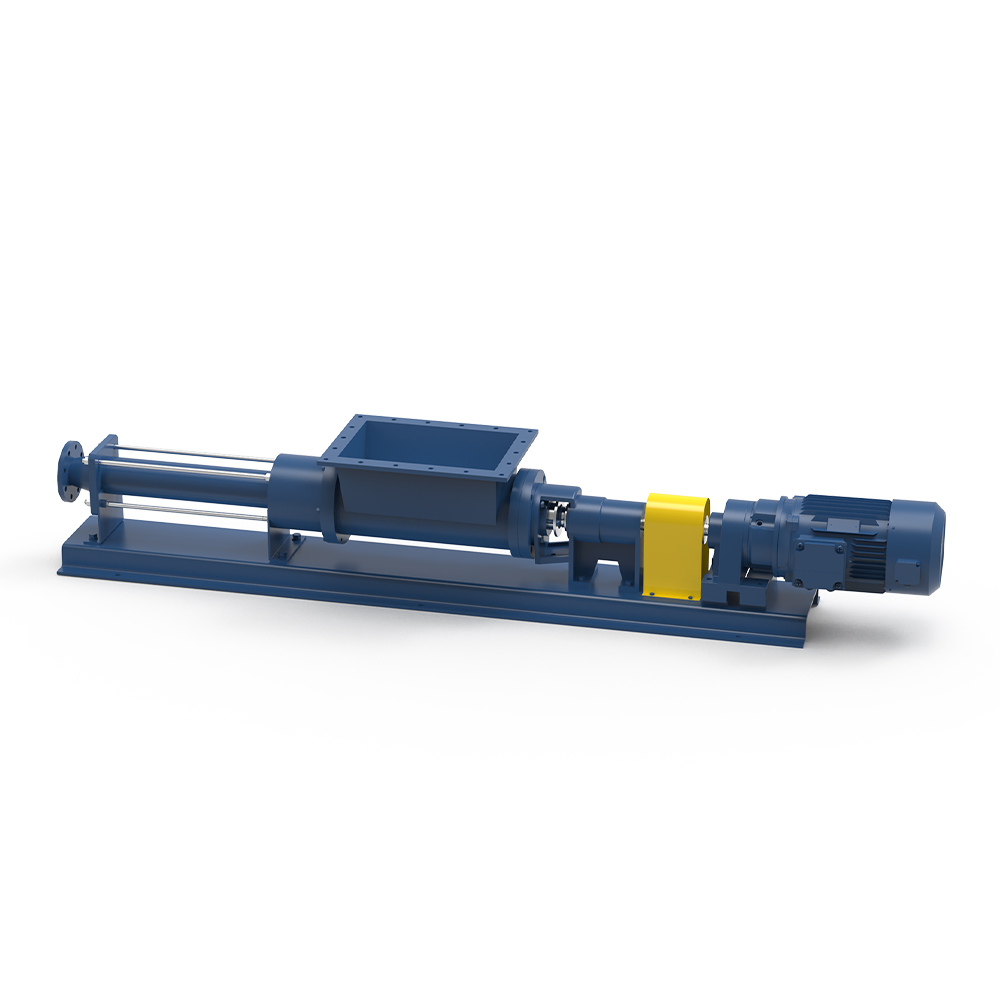
The inlet is a large hopper design W-type pump with a connecting shaft with multiple spiral vanes (which can effectively prevent the accumulation of m...
See Details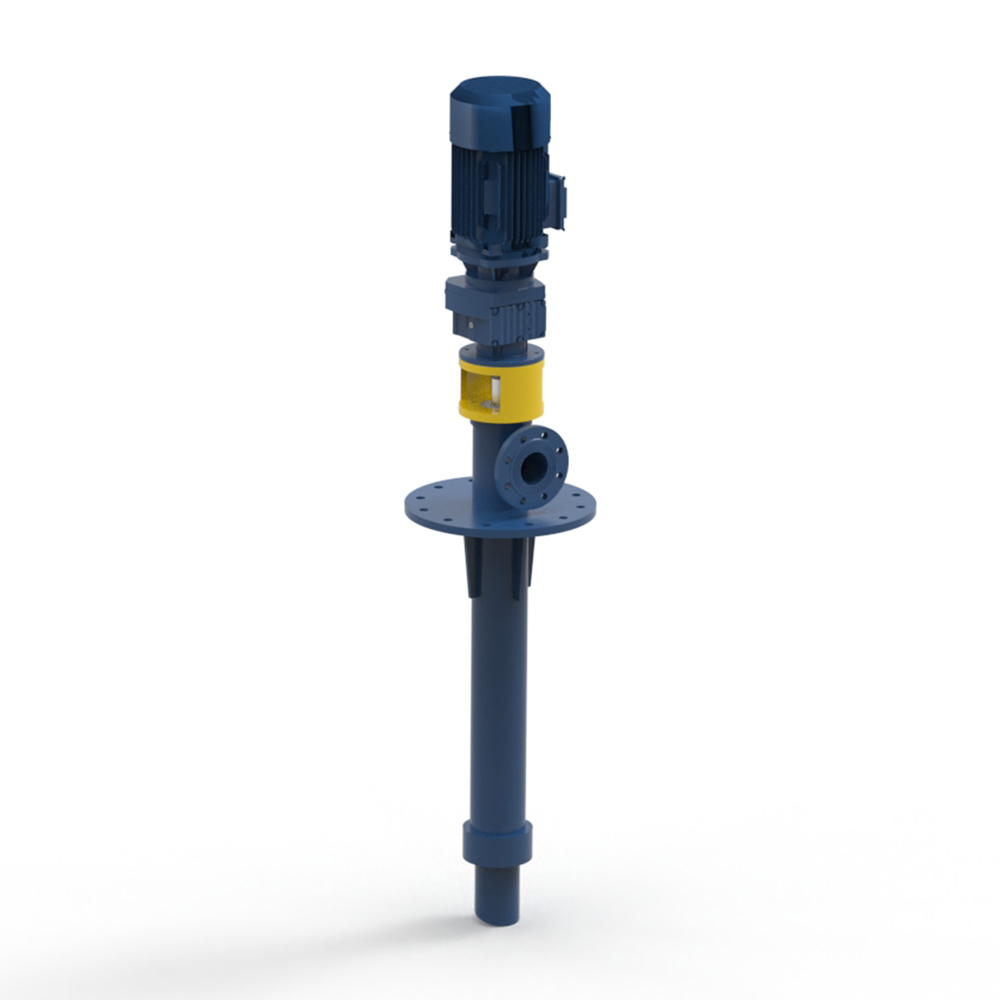
Mika vertical T-type screw pumps can be achieved through the length of the pump body to a variety of different depths of the pool, the pump's hopper i...
See Details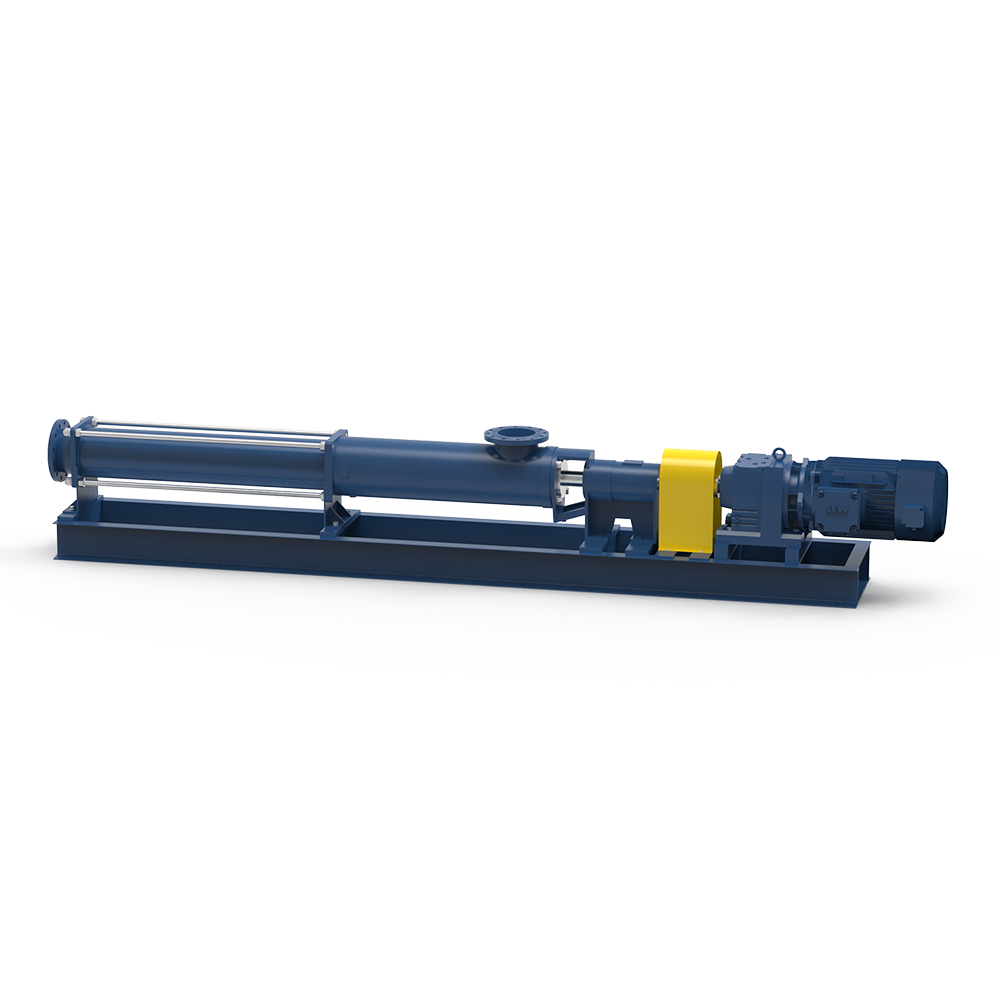
The S-pump with bearing frame support can withstand higher axial loads and can be used for high-pressure conditions, e.g. high-pressure sludge feed tr...
See Details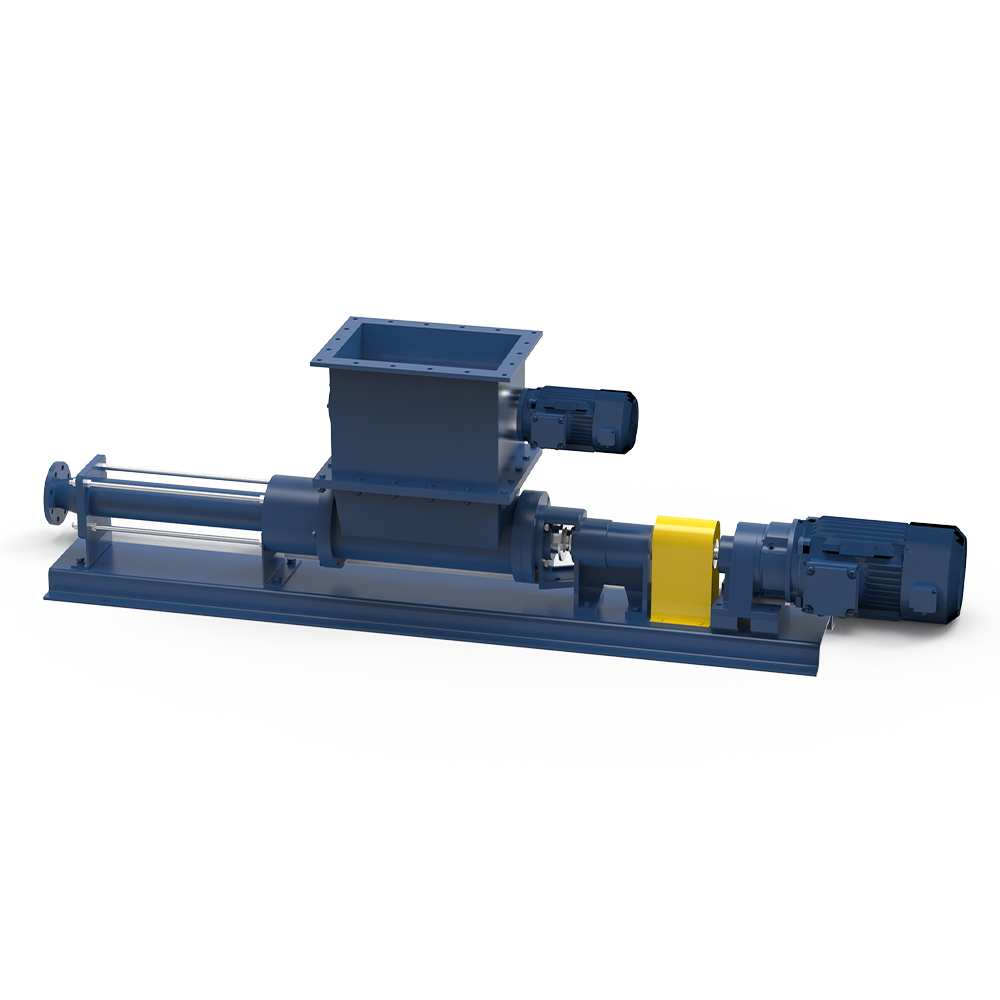
The inlet is designed for a large hopper with a bridge-breaking device P-pumps are suitable for conveying materials with high viscosity, high solids c...
See Details
Precise flow rates and a wide range of materials for the metering and delivery of all kinds of sealants. Working Principle The MeiJia pump is a prog...
See Details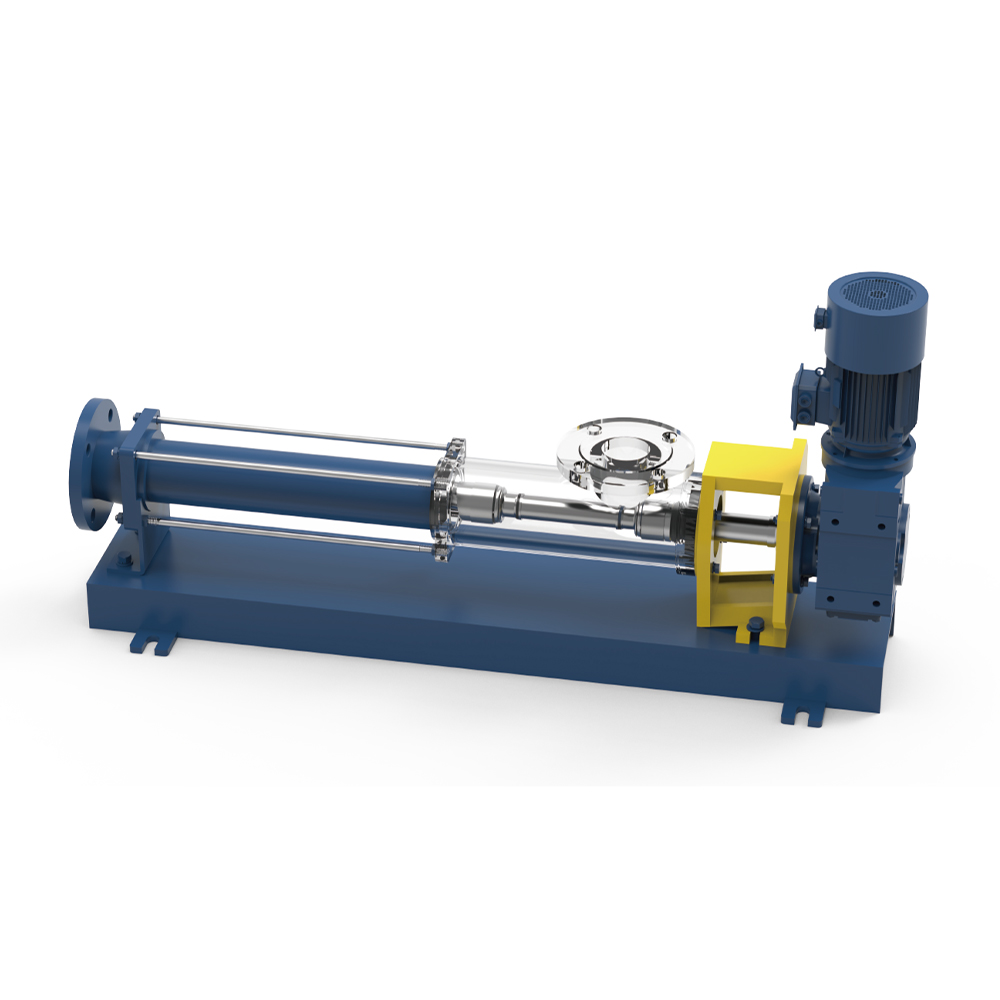
The speed reducer adopts the K series speed reducer, and the length of the pump can be shortened, so it can be used in places where the space is narro...
See Details
Various materials are available for different working conditions, such as NBR, HNBR, EPDM, and FKM.
See Details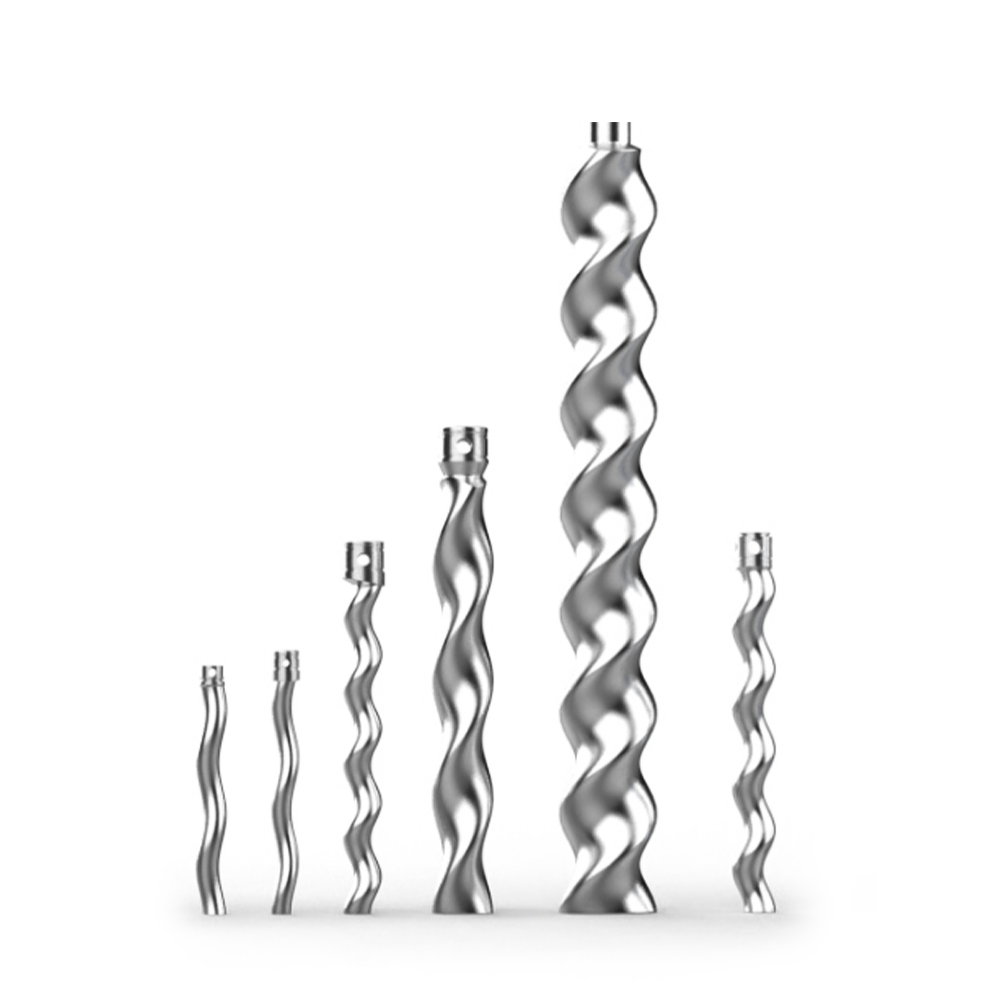
Multiple materials available, 304, 316L, 2205, rotor surface coating can be chrome plated or tungsten carbide sprayed.
See Details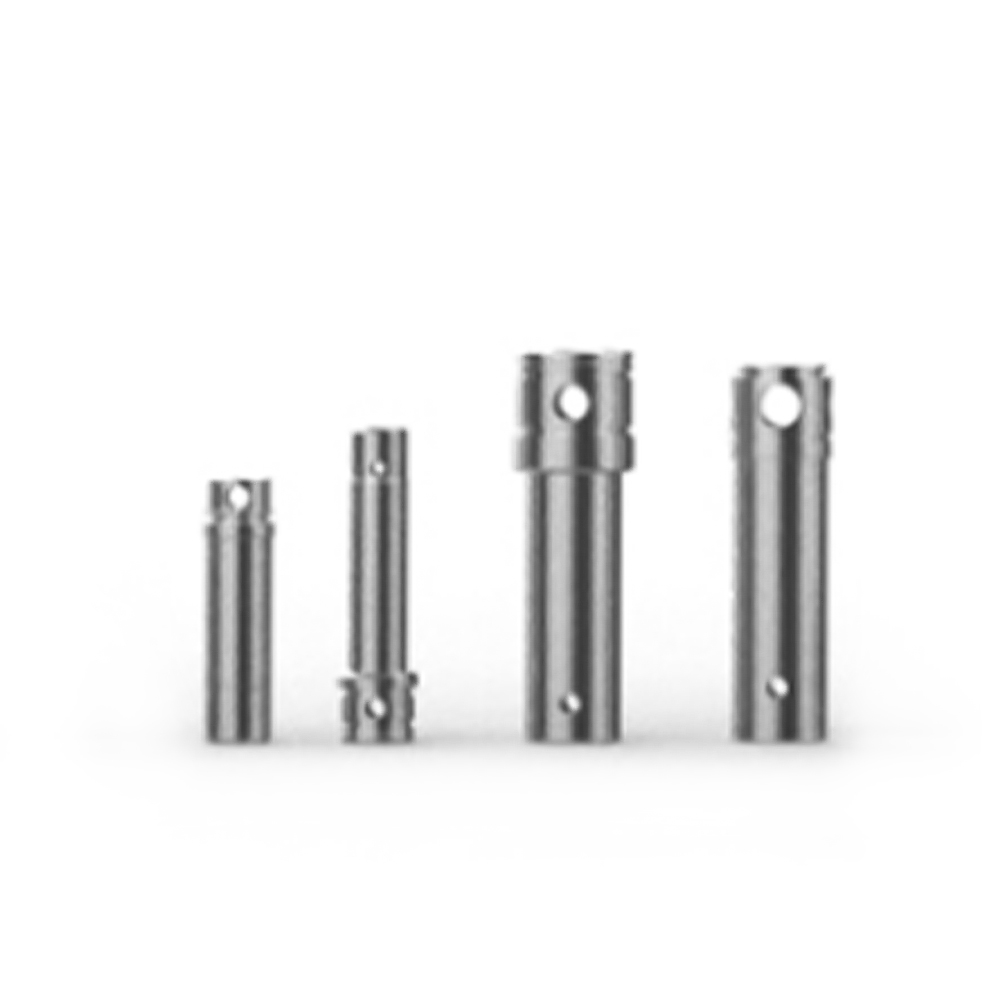
Multiple materials available: Q235,304,316L,2205,2507, etc.
See DetailsContact Us
Add: No. 36 Xintai Road, Economic Development Zone, Jingjiang City, Jiangsu Province, China
Tel: +86-13515167342
Fax: +86-523-84261117
E-mail: [email protected]
We'd love to
hear from you!
