
 English
 русский
 Español
Equal Wall Thickness Screw Pumps
Cat:Single Screw Pumps
Screw pumps equipped with equal wall thickness stator, the same kind of pump specifications pump flow, and pressure are increased. The equal wall thic...
See DetailsContent
Maintaining the operational integrity of a Single Screw Pump (also known as a Progressive Cavity Pump) requires more than just routine inspections; it demands the use of high-precision spare parts engineered for specific industrial environments. Because these pumps often handle corrosive, abrasive, or high-viscosity media, the internal components are subject to constant mechanical and chemical stress. Selecting the correct Spare Parts for Progressive Cavity Pumps is the most effective way to prevent unplanned downtime and ensure a stable, linear flow in demanding applications like wastewater treatment, chemical processing, and food production.
The performance of a Single Screw Pump relies on the interference fit between the rotor and the stator. When these parts wear down, internal slippage occurs, leading to a significant drop in flow rate and pressure. By understanding the material science behind each component—from the elastomeric stator to the tungsten carbide-coated rotor—operators can tailor their pump configurations to exceed standard service life expectations.
The Single screw pump stator is often the most frequently replaced wear part. To accommodate different temperatures and chemical compositions, a variety of elastomeric materials are available:
The Single screw rotor serves as the moving core. Depending on the abrasiveness of the medium, multiple stainless steel grades like 304, 316L, and 2205 Duplex Steel can be selected. For handling slurries or mine drainage, the rotor surface can be chrome-plated for smoothness or sprayed with tungsten carbide. Tungsten carbide processing provides an incredibly hard surface layer that significantly resists the cutting action of solid particles, extending the rotor's life by up to 300% in abrasive applications.
Reliability in a Single Screw Pump is not just about the pumping elements; it is also about the structural integrity of the housing and transmission. The Single screw feed chamber and discharge body must withstand the system's internal pressure and the corrosive nature of the fluid.
| Component Name | Available Materials / Brands |
|---|---|
| Extension & Connecting Shaft | Q235, 304, 316L, 2205, 2507 |
| Feed Chamber & Discharge Body | Q235, 304, 316L, 2205, 2507 |
| Direct-Connected Bracket | High-Strength Cast Iron |
| Gear Motor Options | SEW, NORD, Guomao, Dongli |
The use of 2507 Super Duplex Steel for shafts and chambers is particularly beneficial in offshore or desalination projects where seawater corrosion is a constant threat. Meanwhile, the Single-screw direct-connected bracket, made of robust cast iron, provides the necessary rigid support to maintain alignment between the motor and the pump body, preventing vibration-related wear.
The eccentric motion of the rotor requires a flexible yet powerful drive connection. This is handled by Single-screw universal joints. These joints come in multiple forms, including rubber sheath pin connections or the more sophisticated cross shaft universal joint drive equipped with a protective sheath. These joints allow for the necessary angular movement while transmitting high torque from the Single screw gear motor.
To ensure maximum uptime, we integrate world-class drive systems from brands such as SEW and NORD, as well as renowned domestic options like Changzhou Guomao and Ningbo Dongli. A high-quality gear motor ensures that the rotational speed remains consistent, which is vital since the flow of a Single Screw Pump is directly proportional to its RPM.
There is no fixed timeline, as it depends on the medium. In clean water applications, a Single screw pump stator can last for years. However, when pumping abrasive slurries, it may need inspection every 3 to 6 months. A drop in discharge pressure is usually the first sign that the stator needs replacement.
A Single screw rotor with tungsten carbide coating offers superior hardness compared to standard chrome plating. It is specifically designed for fluids containing sharp or hard particles, preventing "pitting" and maintaining the seal between the rotor and stator for a longer period.
Yes. Depending on the chemical concentration at different stages of your process, you might choose 304 stainless steel for the feed chamber but upgrade to 2205 Duplex for the discharge body if the pressure and corrosive potential are higher at the outlet.
The rubber sheath protects the precision-machined pin or cross-shaft from the medium being pumped. If the sheath fails, abrasive or corrosive fluids can enter the joint, causing rapid mechanical failure and potentially snapping the connecting shaft.
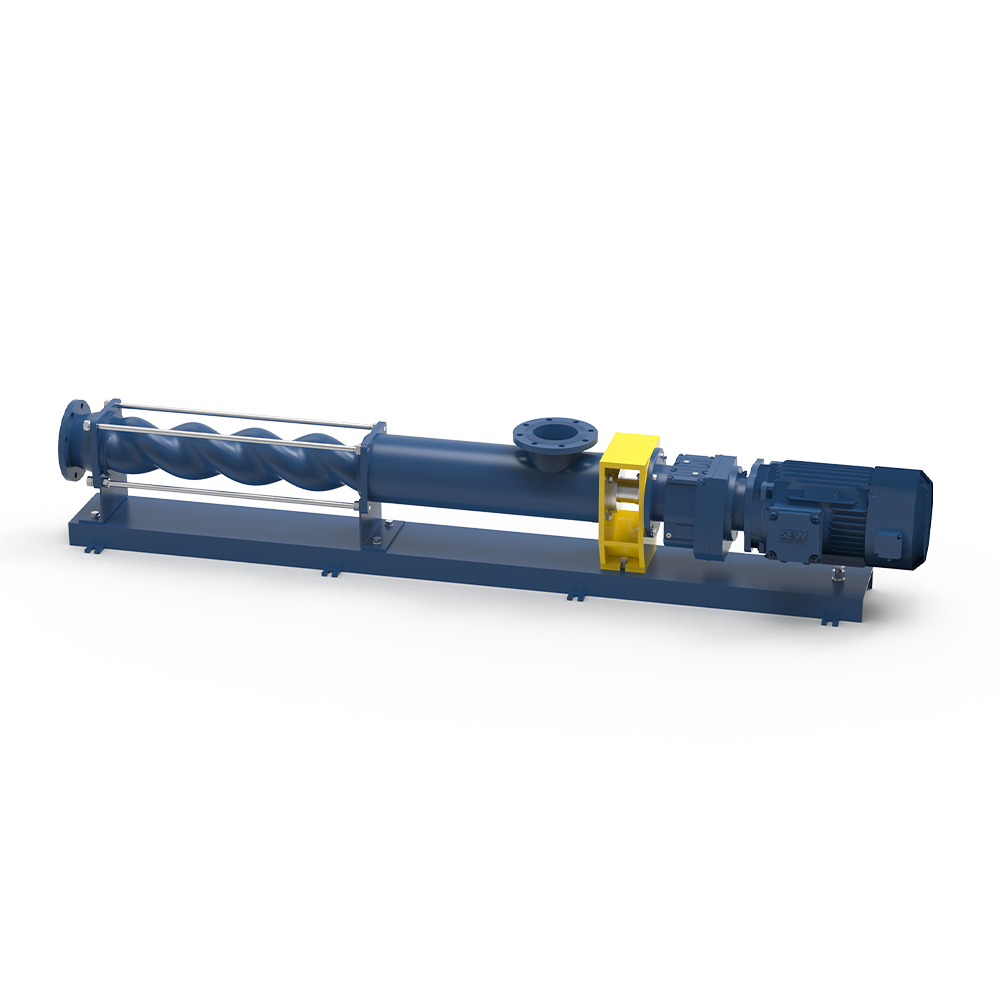
Screw pumps equipped with equal wall thickness stator, the same kind of pump specifications pump flow, and pressure are increased. The equal wall thic...
See Details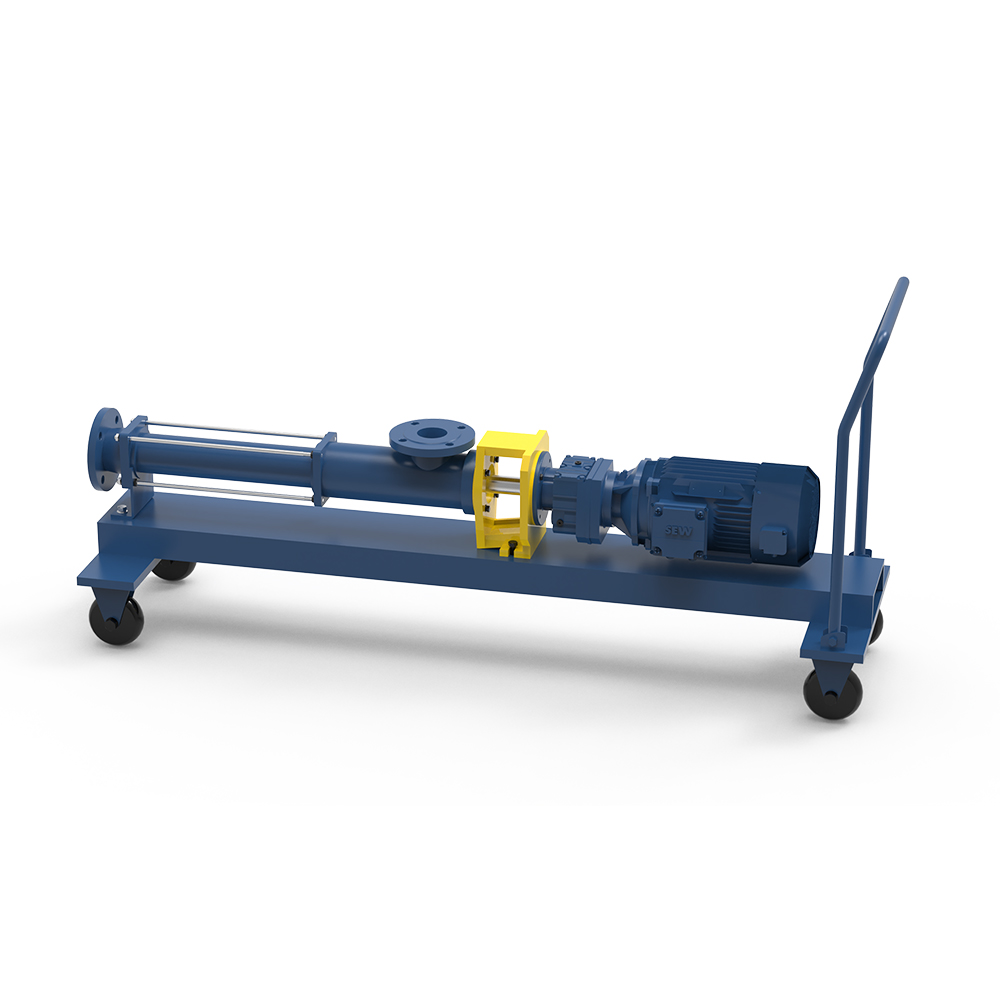
Mika vehicle-mounted pump, the pump base is not only stable and reliable, but also cleverly equipped with universal wheels, these wheels rotate flexib...
See Details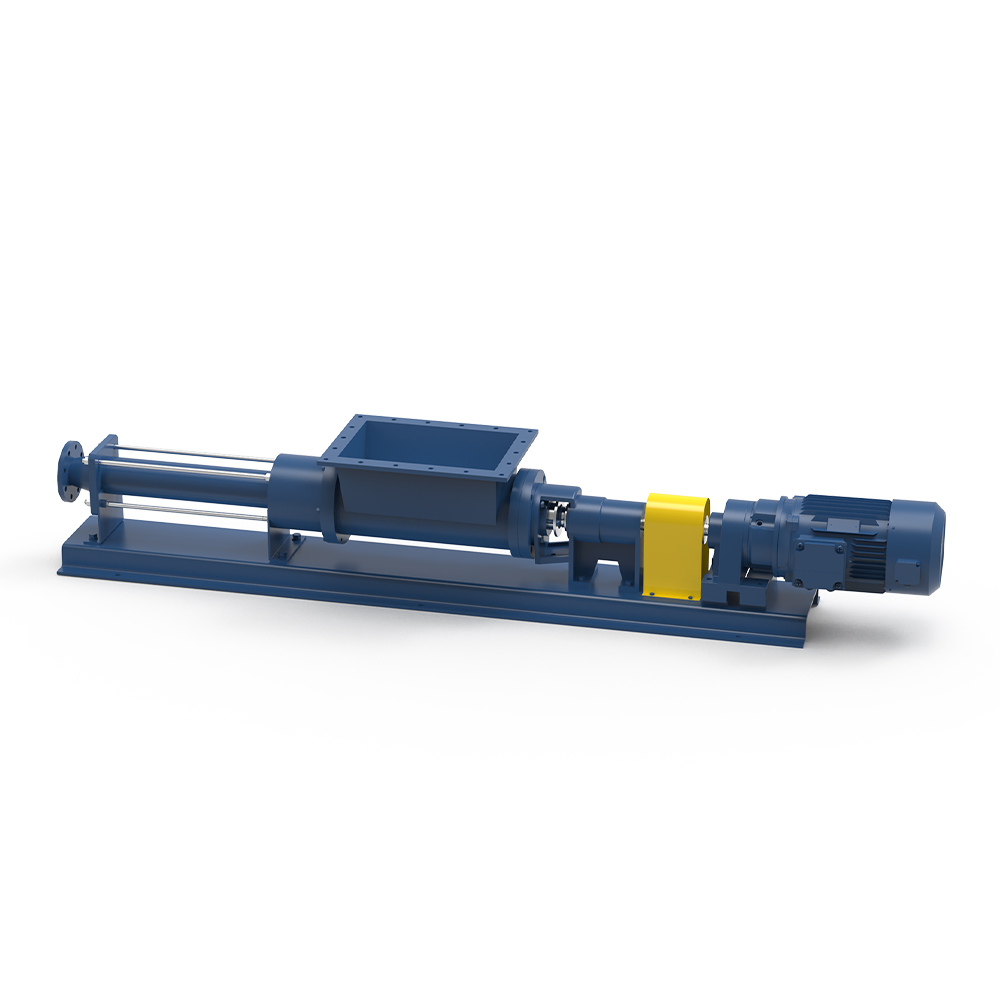
The inlet is a large hopper design W-type pump with a connecting shaft with multiple spiral vanes (which can effectively prevent the accumulation of m...
See Details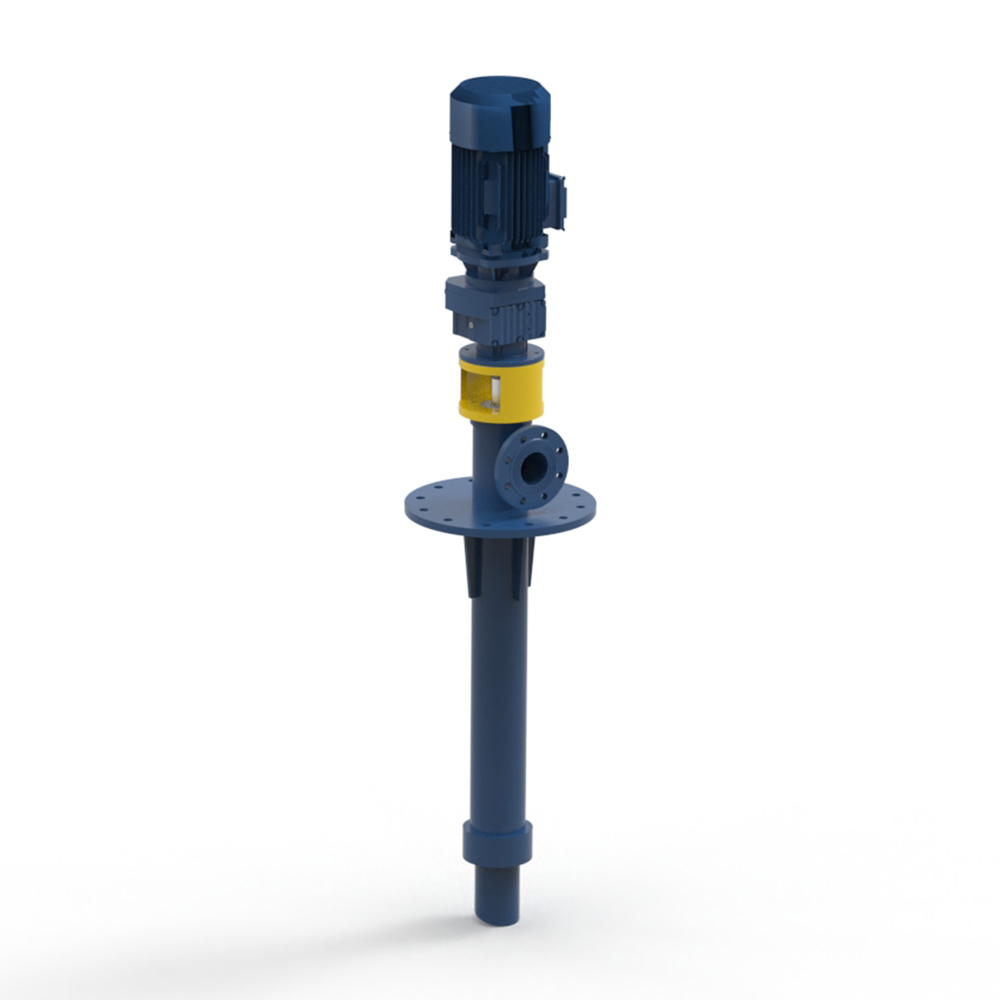
Mika vertical T-type screw pumps can be achieved through the length of the pump body to a variety of different depths of the pool, the pump's hopper i...
See Details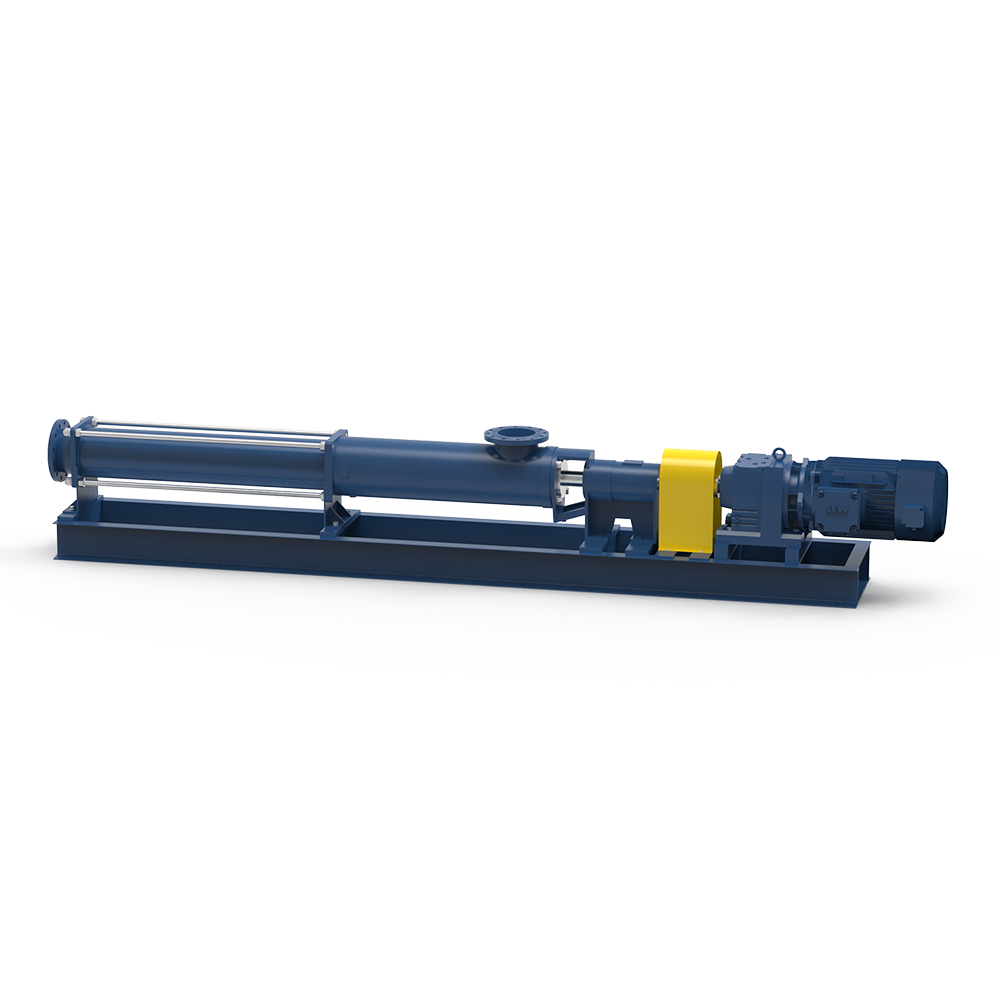
The S-pump with bearing frame support can withstand higher axial loads and can be used for high-pressure conditions, e.g. high-pressure sludge feed tr...
See Details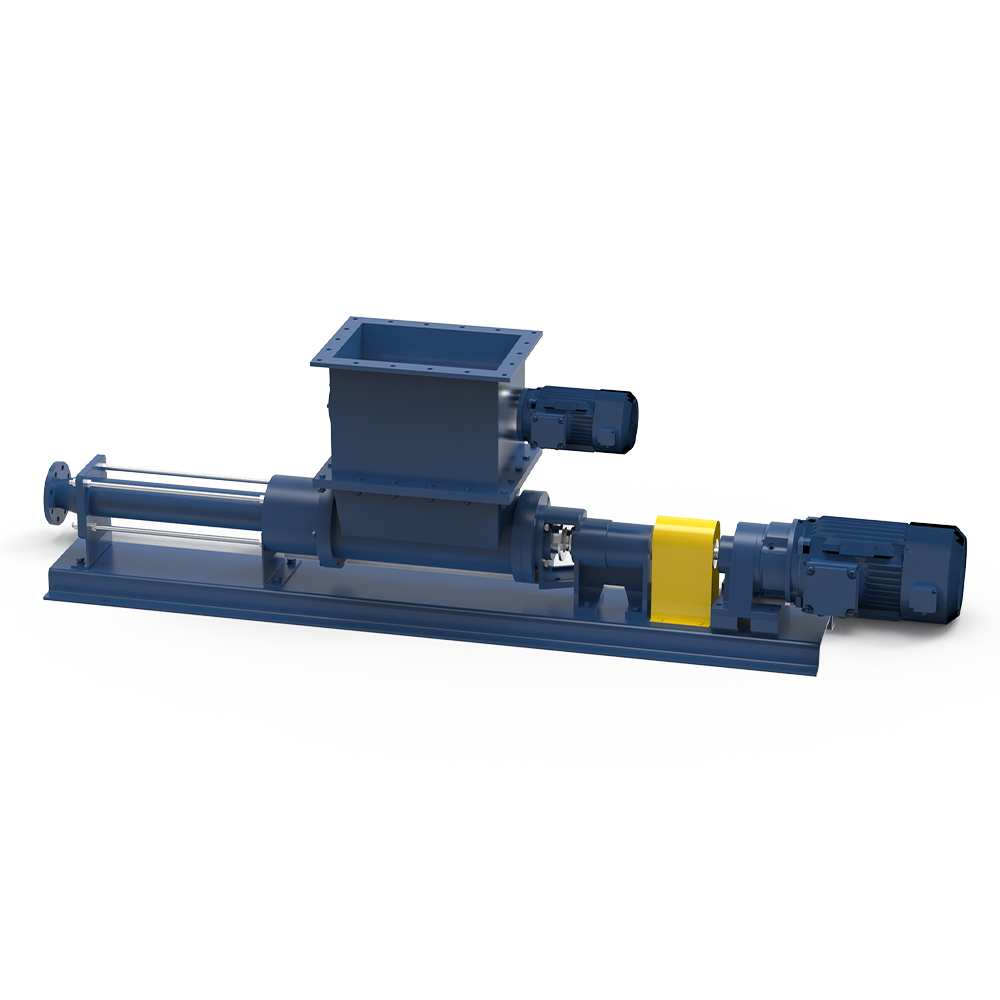
The inlet is designed for a large hopper with a bridge-breaking device P-pumps are suitable for conveying materials with high viscosity, high solids c...
See Details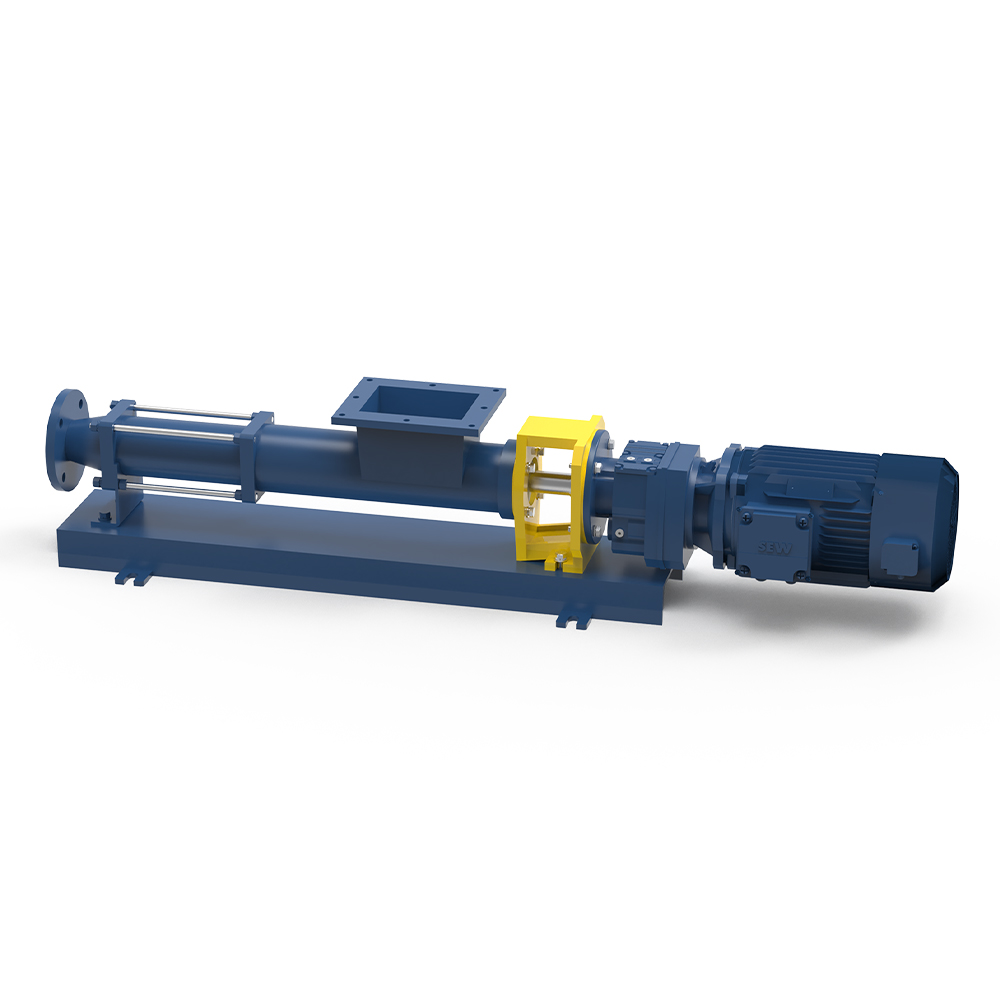
The inlet is a small rectangular hopper design H pump, suitable for conveying high viscosity solid content of less than 15% of the medium, such as cru...
See Details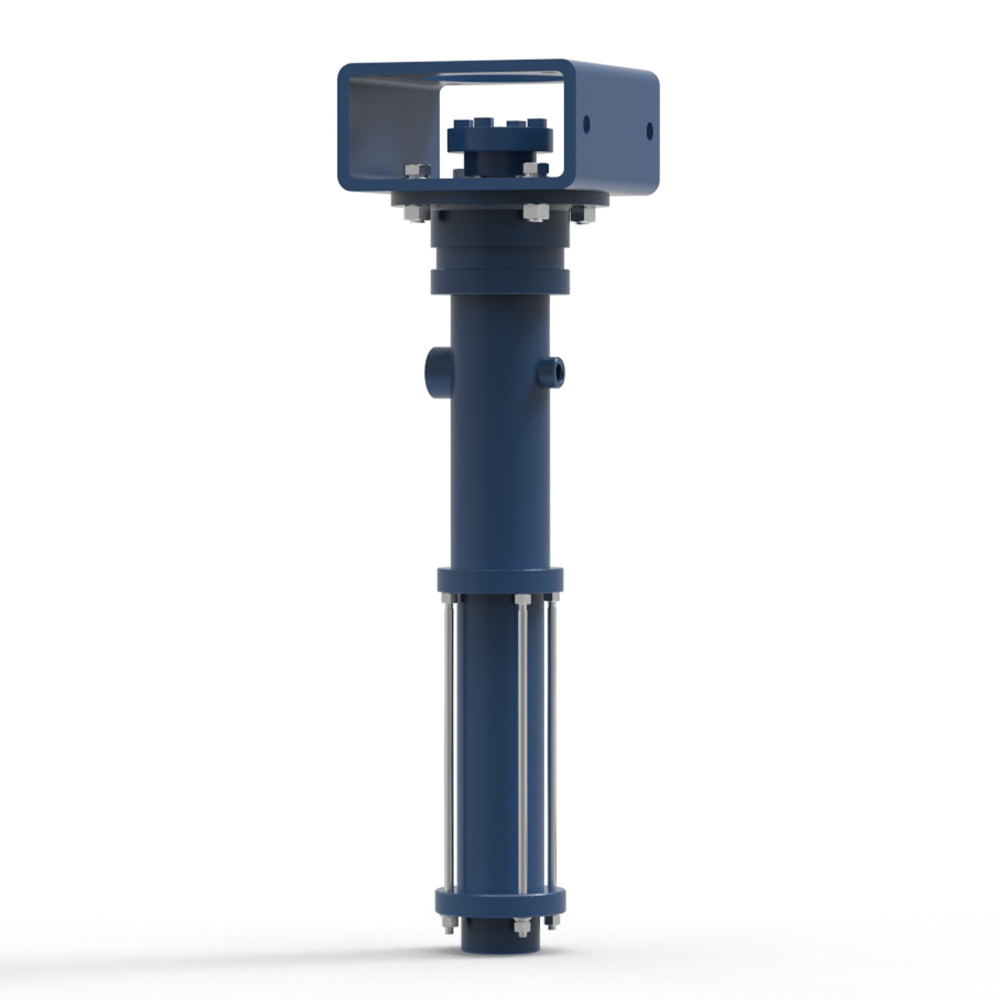
Precise flow rates and a wide range of materials for the metering and delivery of all kinds of sealants. Working Principle The MeiJia pump is a prog...
See Details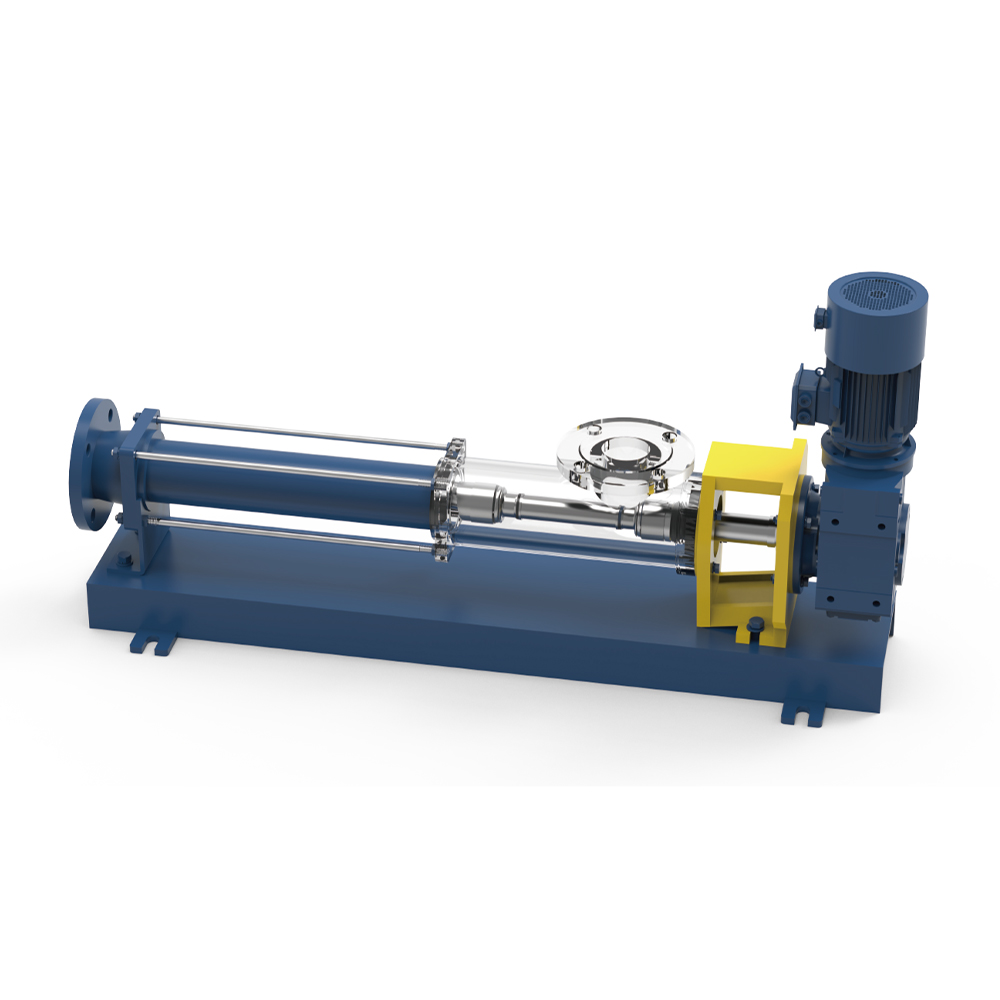
The speed reducer adopts the K series speed reducer, and the length of the pump can be shortened, so it can be used in places where the space is narro...
See Details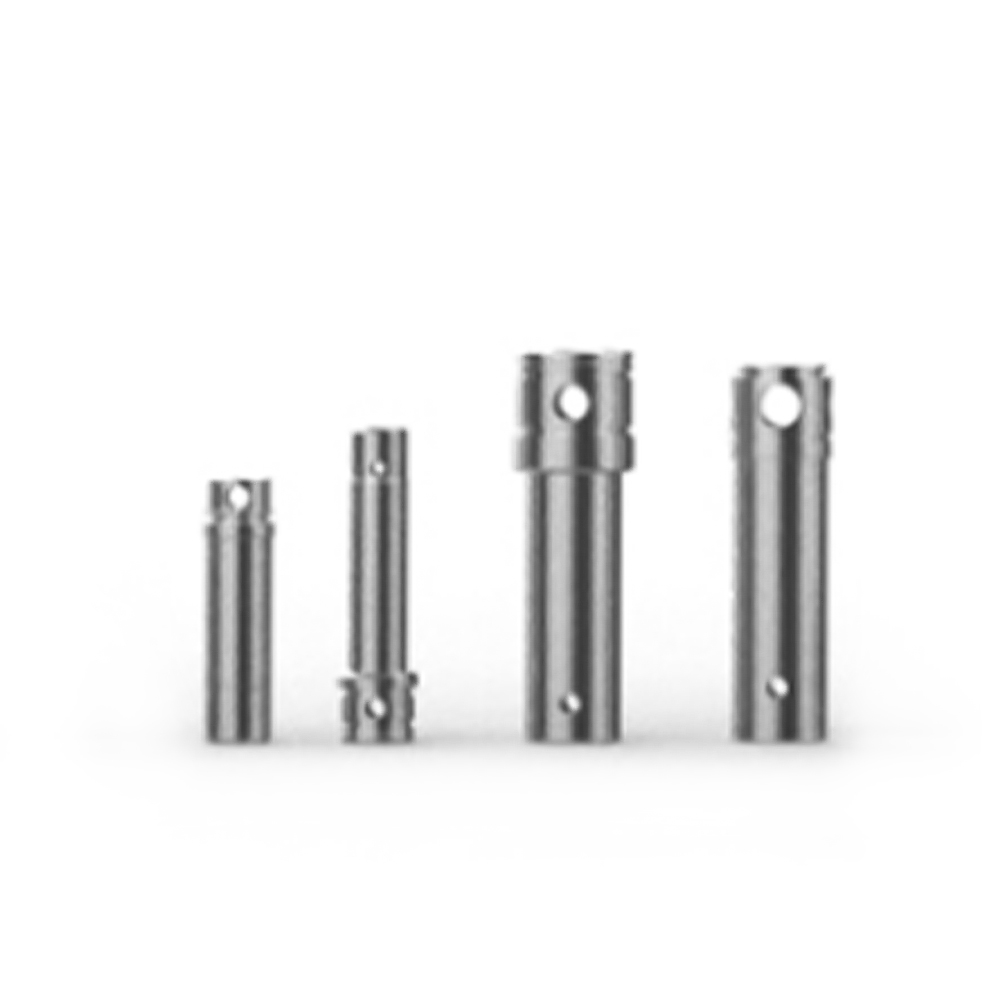
Multiple materials available: Q235,304,316L,2205,2507, etc.
See DetailsContact Us
Add: No. 36 Xintai Road, Economic Development Zone, Jingjiang City, Jiangsu Province, China
Tel: +86-13515167342
Fax: +86-523-84261117
E-mail: [email protected]
We'd love to
hear from you!
