
 English
 русский
 Español
Equal Wall Thickness Screw Pumps
Cat:Single Screw Pumps
Screw pumps equipped with equal wall thickness stator, the same kind of pump specifications pump flow, and pressure are increased. The equal wall thic...
See DetailsContent
A mobile progressive cavity pump improves jobsite efficiency by eliminating the need for fixed piping infrastructure, cutting setup time from hours to under 30 minutes, and delivering continuous, pulsation-free transfer of sludge, wastewater, and high-viscosity fluids directly where they are needed — without repositioning the worksite around the pump. Truck-mounted progressive cavity pumps combine the precision flow characteristics of a helical rotor-stator mechanism with the logistics flexibility of a road vehicle, giving operators the ability to respond to multi-location or time-sensitive pumping demands in a single shift. Whether the application is oil sludge recovery, drilling mud circulation, wastewater cavity pump service at municipal sites, or portable sludge pumping system deployment at construction dewatering projects, the mobile platform fundamentally changes how a pumping task is planned and executed.
Setup Time Comparison: Mobile Progressive Cavity Pump vs Fixed Installation (minutes)
This chart compares the operational setup and relocation times between a truck-mounted progressive cavity pump and a conventionally installed fixed pump system across five key scenarios. The most dramatic difference appears in relocation capability: a mobile pumping system can be driven to a new site and operational within 45 minutes, whereas a fixed installation requires complete dismantling, transport of rigid pipework and ancillary equipment, and recommissioning — a process that routinely takes 2–5 working days and involves significant labour cost. Even at initial deployment, the mobile PC pump's 25-minute arrival-to-flow time contrasts sharply with the 120 minutes required just to complete the piping connections on a fixed system, let alone the 480+ minutes of full site setup including civil preparation and utility connections. For multi-site wastewater pumping, sludge transfer, or emergency industrial transfer pump deployments, this time difference translates directly into reduced downtime, lower labour costs, and faster project completion. The mobile progressive cavity pump is not merely a convenience — it is a productivity multiplier in any workflow where speed and site flexibility have operational value.
A progressive cavity pump — also called a single screw pump, PC pump, or cavity pump — operates by rotating a helical metal rotor inside a resilient elastomer stator. The geometry of this rotor-stator pair creates a series of sealed cavities that progress from the inlet to the outlet as the rotor turns, carrying fluid forward in a smooth, continuous, pulsation-free motion. Unlike centrifugal pumps, which rely on velocity and cannot handle high-solids or high-viscosity media without cavitation and performance loss, the industrial screw pump system maintains consistent output regardless of fluid viscosity, particle content, or air entrainment.
This makes the single screw pump the pump of choice for sludge transfer, wastewater pumping, oil sludge recovery, drilling mud, food-grade viscous products, and any application where gentle, shear-sensitive, or abrasive fluid handling is required. The sealed cavity principle means the pump generates positive displacement — flow is proportional to speed, independent of back-pressure — giving operators precise flow control by simply adjusting motor RPM, an advantage that centrifugal alternatives cannot provide.
The two wear components in any progressive cavity pump are the single screw rotor — typically chrome-plated or hard-faced steel — and the stator for progressive cavity pumps, an elastomer sleeve whose compound (NBR, EPDM, FKM, food-grade HNBR) is selected to match the pumped medium. Sourcing quality spare parts for progressive cavity pumps from a specialist manufacturer ensures dimensional compatibility, correct elastomer hardness, and consistent interference fit between rotor and stator — the interference being the critical parameter that determines both sealing efficiency and wear life. Screw pump accessories including drive pins, universal joints, connecting rods, and packing glands complete the wear parts inventory that any operator should maintain on-site or on the truck.
The truck mounted progressive cavity pump platform is not a universal replacement for fixed installations — it is an optimised solution for specific operational profiles. Understanding when to choose mobile over fixed is the key to extracting maximum return from the equipment investment.
| Operational Factor | Truck-Mounted PC Pump | Fixed Installation |
|---|---|---|
| Number of pumping locations | Multiple (2–20+) | Single fixed point |
| Site access constraints | Road-accessible, flexible hose reach | Fixed pipe run required |
| Project duration | Days to weeks (temporary) | Months to years (permanent) |
| Fluid type | Sludge, wastewater, drilling mud, oil sludge | Any (optimised per site) |
| Emergency response | Deployable within 1 hour | Cannot redeploy quickly |
| Civil infrastructure needed | None — self-contained | Pump room, piping, foundations |
Effective Flow Rate (m³/h) — Mobile PC Pump vs Centrifugal Pump by Fluid Viscosity
This grouped column chart illustrates how effective flow rate (m³/h) compares between a mobile progressive cavity pump and a centrifugal pump across four fluid categories of increasing viscosity: clean water, wastewater, sludge, and oil sludge. At low viscosity the two pump types perform comparably — the centrifugal pump slightly edges out the PC pump on clean water throughput at 19 m³/h versus 18 m³/h. However, as viscosity increases the performance gap widens dramatically in favour of the high viscosity transfer pump. At sludge viscosity levels (typically 5,000–50,000 cP), the mobile PC pump maintains 15 m³/h while the centrifugal unit drops to just 6 m³/h — a 60% reduction in effective output. At oil sludge viscosity (above 100,000 cP), the centrifugal pump delivers only 2 m³/h while the screw pump system sustains 12 m³/h — a six-fold difference. This performance divergence is not a design flaw in the centrifugal pump; it is a fundamental consequence of the centrifugal operating principle, which relies on imparting velocity to fluid. Viscous fluids resist velocity transfer, causing rapid impeller slip and heat generation. The progressive cavity mechanism, by contrast, physically displaces fluid regardless of its resistance to flow, making it the technically correct choice for sludge transfer, oil sludge recovery, drilling mud pumping, and any other high viscosity pump application encountered on mobile industrial jobsites.
Municipal wastewater treatment generates primary and secondary sludge at multiple points across a single plant — settling tanks, digester feeds, dewatering centrifuge inlets, and biosolids loading bays. A sludge transfer pump truck deployed at the plant eliminates the need for a fixed pump at every transfer point, instead serving multiple stations in sequence throughout the operating shift. Typical sludge dry solids content at these points ranges from 2% DS (primary sludge) to 6–8% DS (thickened sludge), with viscosities in the 5,000–30,000 cP range. The wastewater cavity pump mechanism handles this range without adjustment, delivering consistent flow at differential pressures up to 24 bar depending on stator stage configuration.
Oil sludge — a mixture of crude oil, water, and sediment — accumulates in storage tank bottoms, API separators, and containment berms at refinery sites. Viscosities range from 10,000 to over 500,000 cP depending on temperature and water cut, presenting a handling challenge that makes the industrial screw pump system the dominant technology choice. The truck-mounted PC pump can be positioned adjacent to the tank cleanout point, connected via flexible hose, and running within 25 minutes of arrival — a critical advantage in tank entry operations where confined space time is minimised for safety reasons. Stators in FKM (Viton) elastomer are typically specified for oil sludge service, providing resistance to aromatic hydrocarbon swelling that would rapidly degrade NBR-compound alternatives.
Drilling mud — weighted, viscous fluid used to stabilise boreholes and carry cuttings to surface — requires pumping under conditions of highly variable density (1,000–2,500 kg/m³), abrasive solids content, and episodic high-pressure demand. The portable sludge pumping system mounted on a service truck can be deployed to a well pad within the time it takes to rig up suction and discharge hoses, providing a mobile backup or primary transfer pump capability. Hard-chrome rotors paired with abrasion-resistant chrome-iron-infused stators extend wear life significantly in this service, with rotor replacement intervals extending to 1,500–2,500 operating hours in well-maintained installations.
Construction site dewatering produces a particularly variable pumping challenge: initially clear groundwater, transitioning to increasingly silty or clay-laden water as excavation proceeds, eventually producing a slurry with solids content up to 30%. A centrifugal pump manages the early phase efficiently but fails progressively as solids increase. The portable sludge pumping system on a truck handles the full viscosity progression without pump changeover, reducing equipment on-site and eliminating the productivity interruption of a mid-project pump swap. For projects in urban areas where site access is restricted, the truck-mounted unit also eliminates the need for temporary pump house construction.
Proper maintenance of a mobile pump system extends stator and rotor life, reduces unplanned downtime, and preserves resale value of the truck platform. The following practices are recommended by experienced operators across sludge, wastewater, and industrial transfer applications:
Stator Service Life (operating hours) vs Solids Content (%) — PC Pump in Sludge Service
This line chart shows how stator service life — measured in operating hours before replacement is required — declines as the solids content of the pumped sludge increases, comparing a standard elastomer stator paired with a standard rotor against the same stator paired with a hard-chrome plated single screw rotor. At 0% solids (clean liquid), both configurations achieve approximately 2,000 operating hours, as wear is driven almost entirely by fluid pressure differential rather than abrasion. As solids content climbs toward 10%, the standard configuration drops to around 1,200 hours while the hard-chrome upgrade maintains 1,500 hours — a 25% life extension attributable to the reduced surface roughness and higher hardness of the chrome-plated rotor profile, which generates less abrasive wear on the counter-running stator elastomer. At 30% solids content — typical of settled primary sludge or construction slurry — the gap widens further: the standard configuration is replaced at roughly 280 hours while the upgraded configuration extends to approximately 520 hours. This 85% life improvement at high solids content makes the hard-chrome rotor a high-value investment for operators running portable sludge pumping system equipment in high-abrasion applications. Stocking quality spare parts for progressive cavity pumps — including correctly specified replacement stators and both rotor grades — on the truck allows rapid field replacement and minimises site downtime when wear intervals are reached.
Choosing the right mobile pumping system means evaluating it against the full range of jobsite priorities simultaneously. The radar below scores a truck-mounted progressive cavity pump, a portable centrifugal unit, and a fixed submersible pump across five dimensions critical to industrial transfer pump decision-making.
Pump Selection Radar: Mobile PC Pump vs Portable Centrifugal vs Fixed Submersible
This performance radar plots three pump technology choices — mobile progressive cavity pump, portable centrifugal pump, and fixed submersible pump — across five dimensions that matter most in mobile industrial and wastewater pumping applications. The mobile PC pump achieves near-maximum scores across all five axes, reflecting its combined strengths: high viscosity handling capability (score 95/100), maximum mobility as a self-contained vehicle-mounted system (98/100), excellent solids handling without impeller blockage (92/100), strong pressure capability through multi-stage stator design (88/100), and rapid deployment speed (95/100). The portable centrifugal pump scores well on mobility and setup speed — it is lighter and simpler to position — but drops sharply on high viscosity performance (30/100) and solids handling (40/100), confirming its limitations in sludge and oil sludge transfer applications. The fixed submersible scores highest on solids handling for its installation type (65/100) and moderate pressure capability (70/100) but near-zero on mobility (15/100) and setup speed (25/100), making it the correct choice for permanent installations but a poor fit for any application requiring site flexibility. For wastewater pumping, sludge transfer, drilling mud, and industrial transfer pump deployments where conditions change and multiple sites must be served, the mobile progressive cavity pump occupies a uniquely strong position across all relevant evaluation dimensions.
Jingjiang Meijia Pump Industry Co., Ltd. is located at No. 36 Xintai Road, Jingjiang Economic and Technological Development Zone, Jiangsu Province. It is a professional company engaged in the production, sales, and after-sales service of single screw pumps and high-quality single screw pump spare parts, serving clients across environmental water treatment, chemical, paper and pulp, food and pharmaceutical, petrochemical, and energy industries.
Meijia Pump Industry employs experienced engineers across design, manufacturing, inspection, and integrated pump system configuration. Products feature advanced technology, complete structure, diverse forms, and full specification coverage — built for durability under continuous industrial operating conditions. Meijia also supplies universal screw pump accessories, stators for progressive cavity pumps, and single screw rotors compatible with major global single screw pump platforms worldwide.
The company's after-sales service centre provides dedicated engineering support to customers following delivery. Meijia single screw pump products have demonstrated sustained operation year after year across diverse environments and demanding working conditions. Leaders from all industries are welcome to visit the Jingjiang facility and explore future cooperation.
Q1. What is the maximum viscosity a truck-mounted progressive cavity pump can handle?
A: A well-specified truck mounted progressive cavity pump can handle fluid viscosities up to 1,000,000 cP — this covers the full range from municipal wastewater sludge (5,000–30,000 cP) through oil sludge and drilling mud to heavy polymer paste. Viscosity handling is primarily limited by suction lift capability and motor torque rather than the pump mechanism itself. For very high-viscosity media, a feed screw at the pump inlet improves suction performance significantly.
Q2. How often do stators need replacing in sludge service?
A: In municipal sludge service at 3–6% DS, a quality stator for progressive cavity pumps typically achieves 800–1,500 operating hours before replacement is required. Replacement interval varies with solids abrasivity, operating pressure, and rotor surface finish. Hard-chrome rotors extend stator life by 25–85% depending on solids content. Maintaining a spare stator on the truck eliminates the downtime cost of waiting for parts delivery after a wear event.
Q3. Can a mobile progressive cavity pump handle fluids with large solid particles?
A: Yes — the cavity pump mechanism tolerates solid particles up to approximately 50–60% of the cavity cross-sectional dimension without blocking. For a typical 3-inch PC pump, this means particles up to 25–30 mm can pass. For applications with larger debris, a macerator or chopper pump upstream of the PC pump reduces particle size to within the handling range. Coarse inlet screens protect the stator from oversized objects that would cause seizure.
Q4. What flow rate and pressure can a truck-mounted screw pump achieve?
A: Truck-mounted screw pump systems in industrial transfer pump configurations typically deliver flow rates from 2 m³/h to 80 m³/h and differential pressures from 6 bar (single-stage) to 24 bar (four-stage), depending on model specification. Flow is controlled by varying motor speed via a VFD (variable frequency drive), which also provides soft-start protection for the drive train. Most truck-mounted units are fitted with PTO (power take-off) drives from the vehicle engine, eliminating the need for a separate generator at the jobsite.
Q5. Where can I source compatible spare parts for progressive cavity pumps of different manufacturers?
A: Jingjiang Meijia Pump Industry Co., Ltd. manufactures and supplies universal spare parts for progressive cavity pumps — including single screw rotors, stators, connecting rods, drive pins, and mechanical seals — compatible with major global pump platforms. Dimensioned drawings or existing part samples are sufficient for Meijia's engineering team to match specifications and manufacture replacement components. Universal spare parts supply eliminates dependency on OEM lead times, which can extend to 6–10 weeks for imported components.
Q6. Is a mobile progressive cavity pump suitable for food or pharmaceutical applications?
A: Yes — the food screw pump variant of the progressive cavity pump uses FDA-compliant elastomer stators (food-grade HNBR or silicone), stainless steel wetted components meeting 3-A Sanitary Standards, and CIP (clean-in-place) compatible flow paths. Mobile configurations are used in food processing, beverage production, and pharmaceutical ingredient transfer where gentle, shear-free pumping of viscous or delicate media is required, and where a mobile unit serves multiple processing lines or temporary production setups.
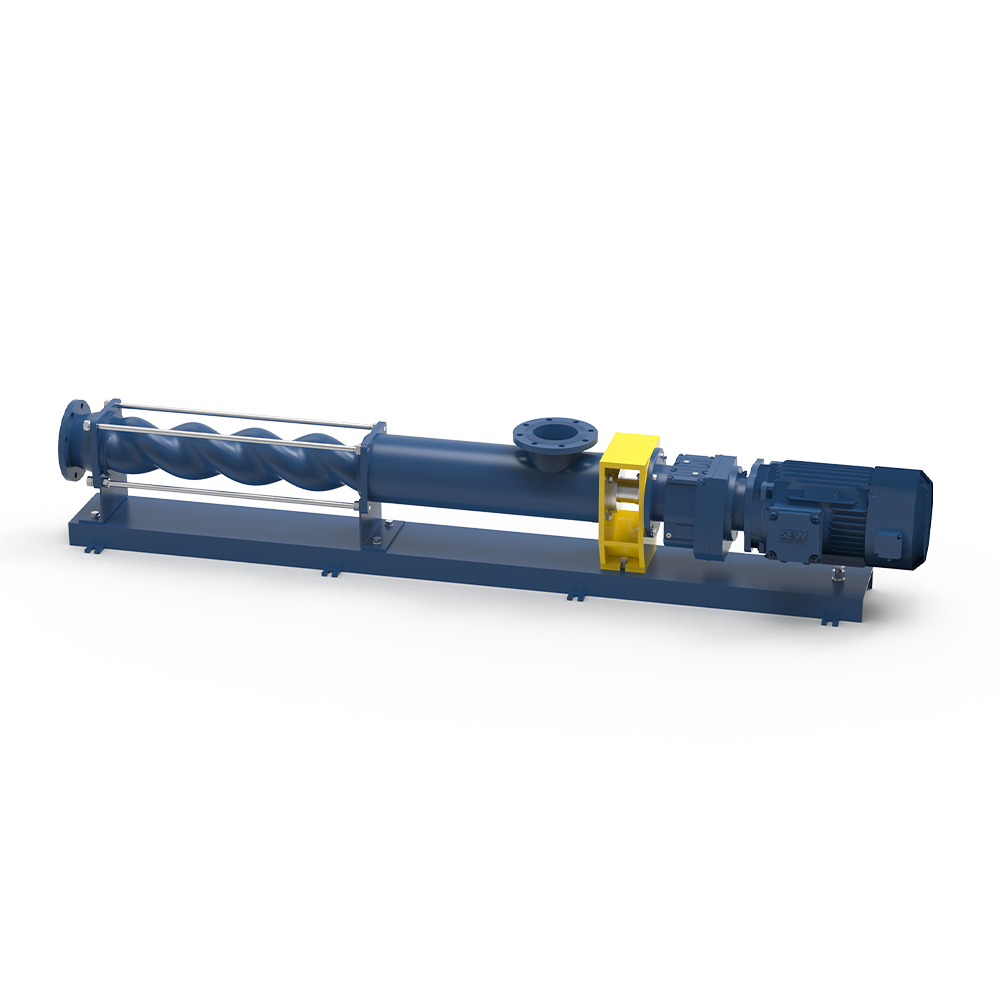
Screw pumps equipped with equal wall thickness stator, the same kind of pump specifications pump flow, and pressure are increased. The equal wall thic...
See Details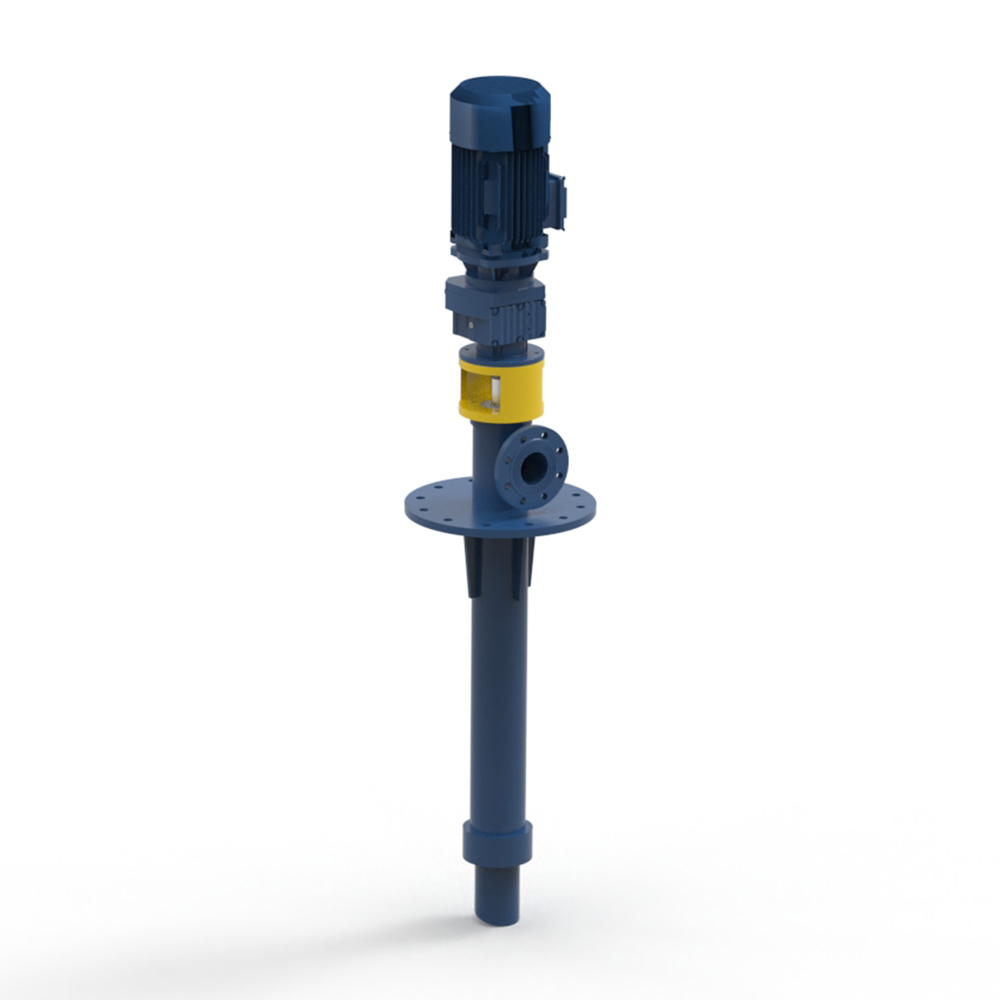
Mika vertical T-type screw pumps can be achieved through the length of the pump body to a variety of different depths of the pool, the pump's hopper i...
See Details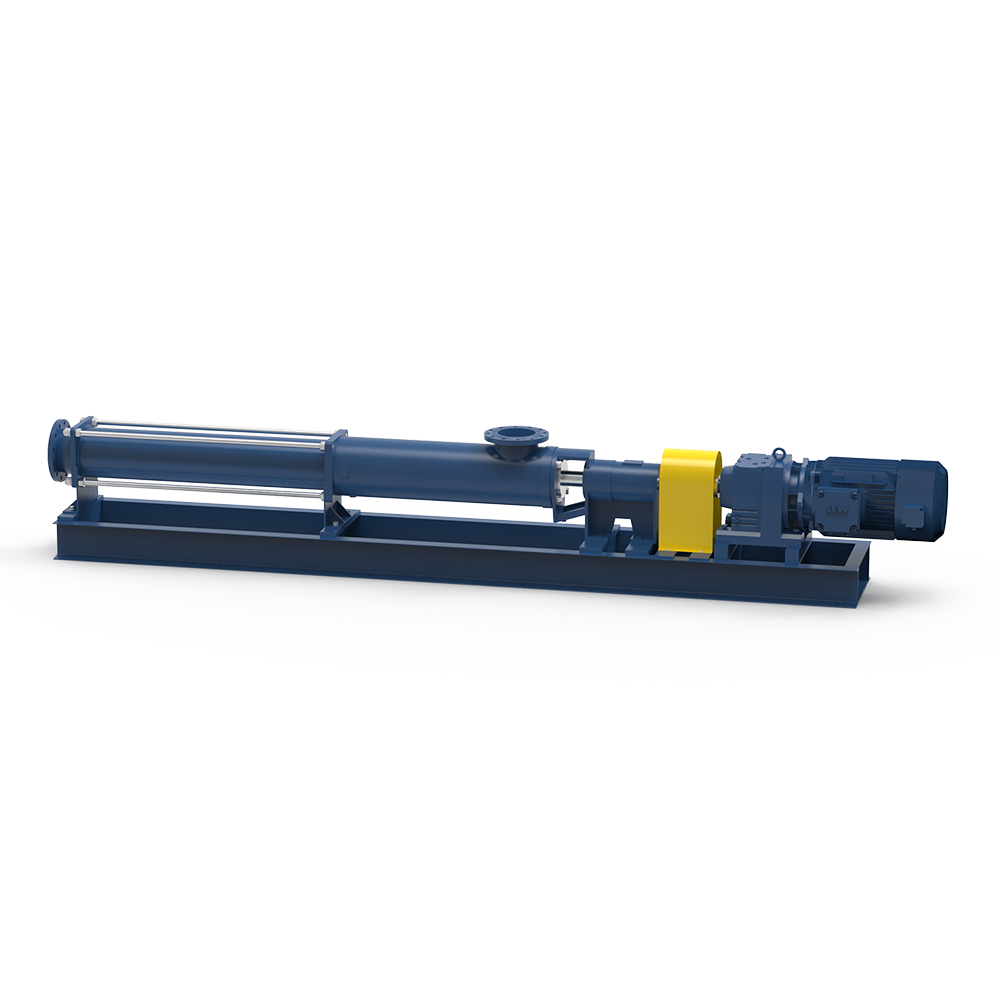
The S-pump with bearing frame support can withstand higher axial loads and can be used for high-pressure conditions, e.g. high-pressure sludge feed tr...
See Details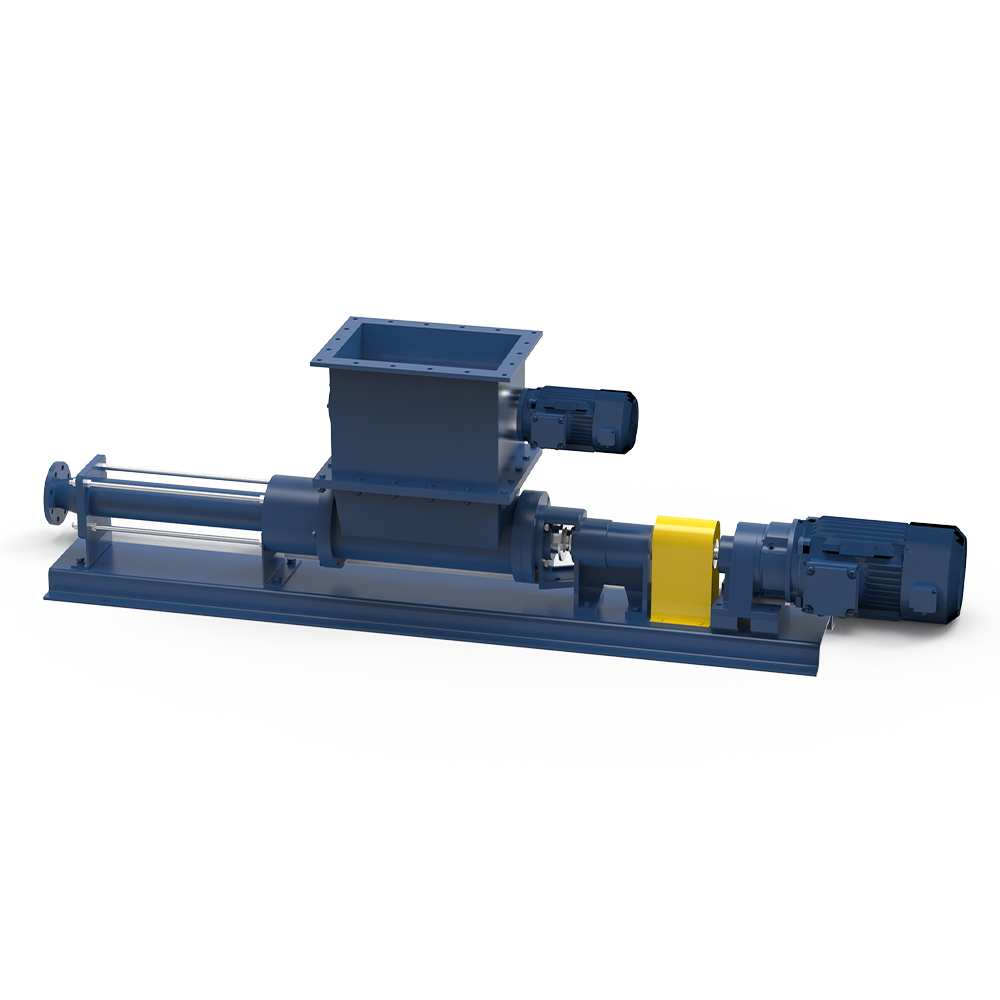
The inlet is designed for a large hopper with a bridge-breaking device P-pumps are suitable for conveying materials with high viscosity, high solids c...
See Details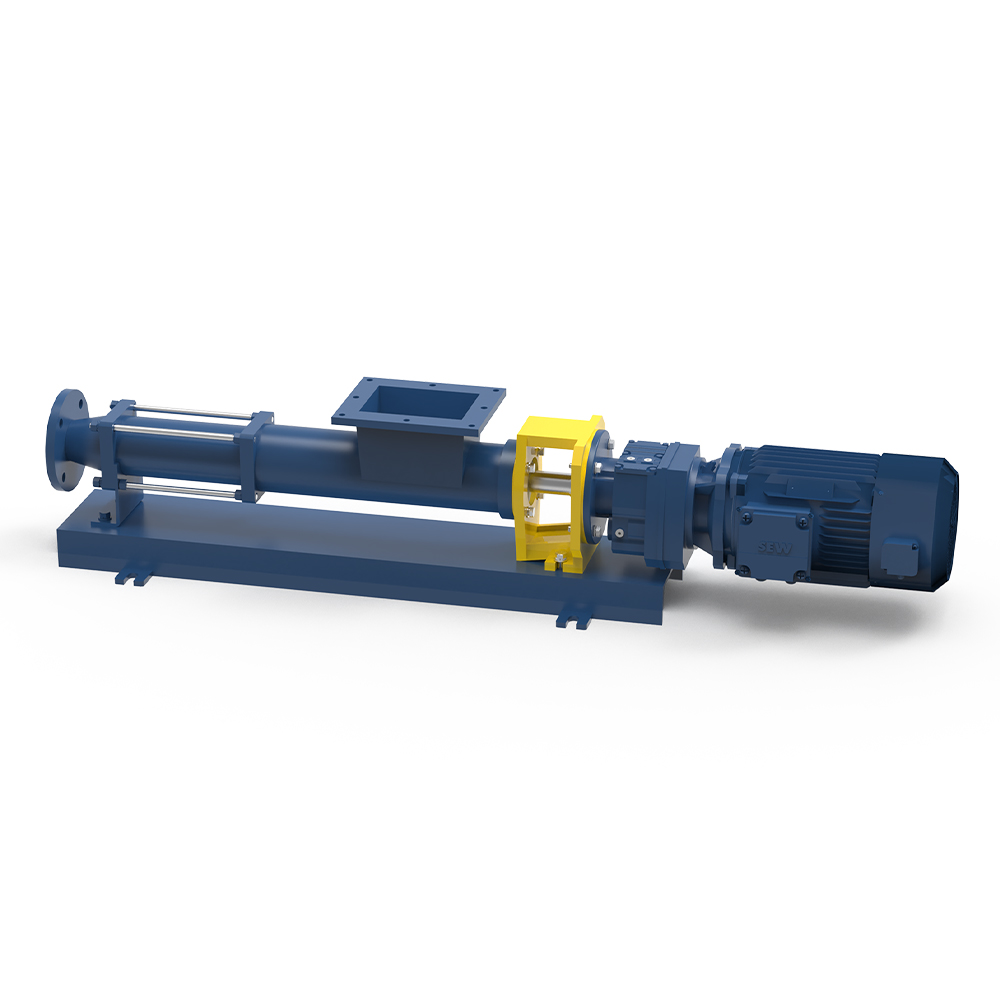
The inlet is a small rectangular hopper design H pump, suitable for conveying high viscosity solid content of less than 15% of the medium, such as cru...
See Details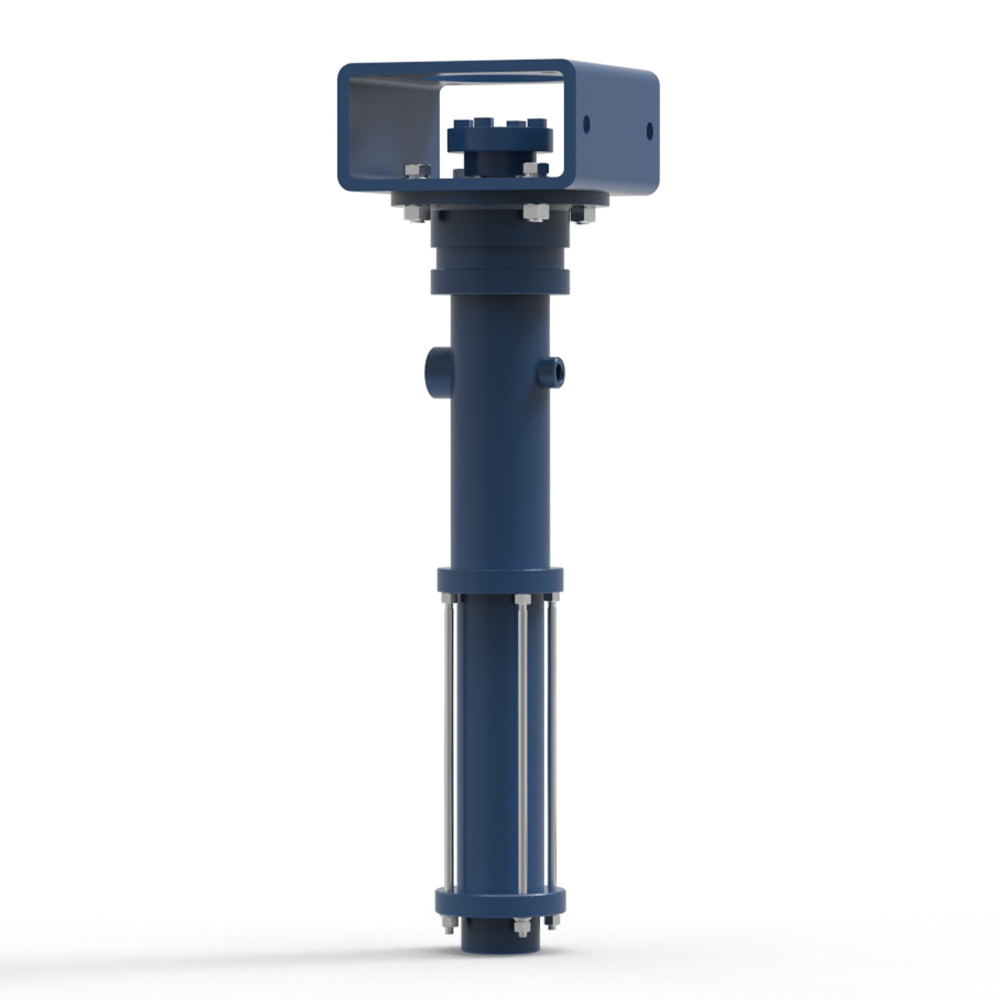
Precise flow rates and a wide range of materials for the metering and delivery of all kinds of sealants. Working Principle The MeiJia pump is a prog...
See Details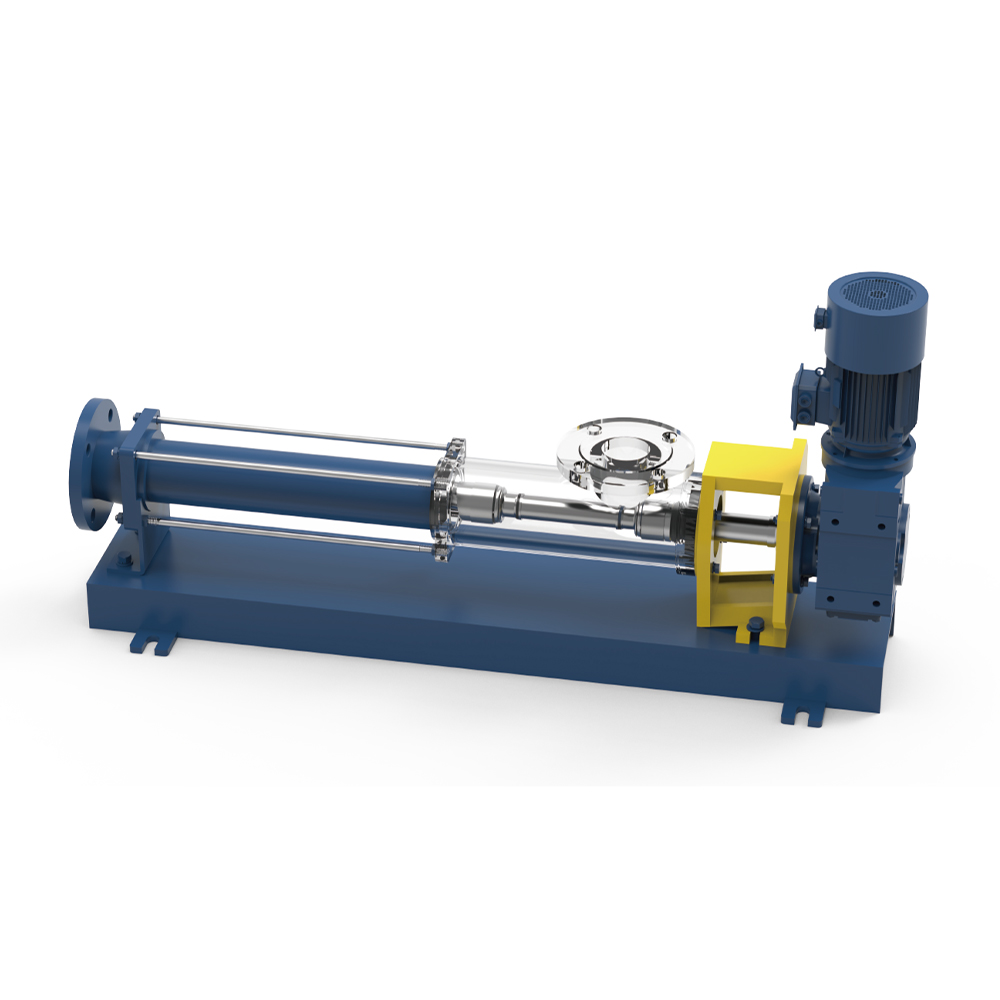
The speed reducer adopts the K series speed reducer, and the length of the pump can be shortened, so it can be used in places where the space is narro...
See Details
Various materials are available for different working conditions, such as NBR, HNBR, EPDM, and FKM.
See Details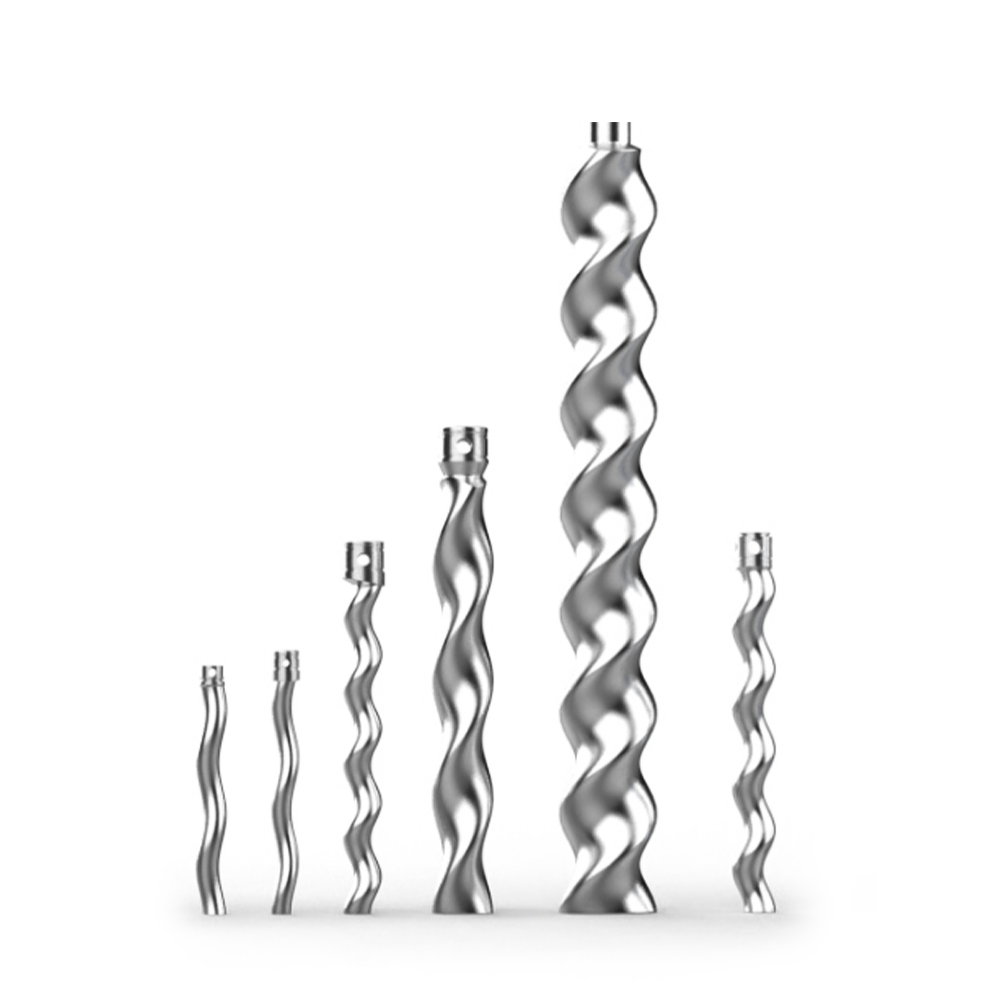
Multiple materials available, 304, 316L, 2205, rotor surface coating can be chrome plated or tungsten carbide sprayed.
See Details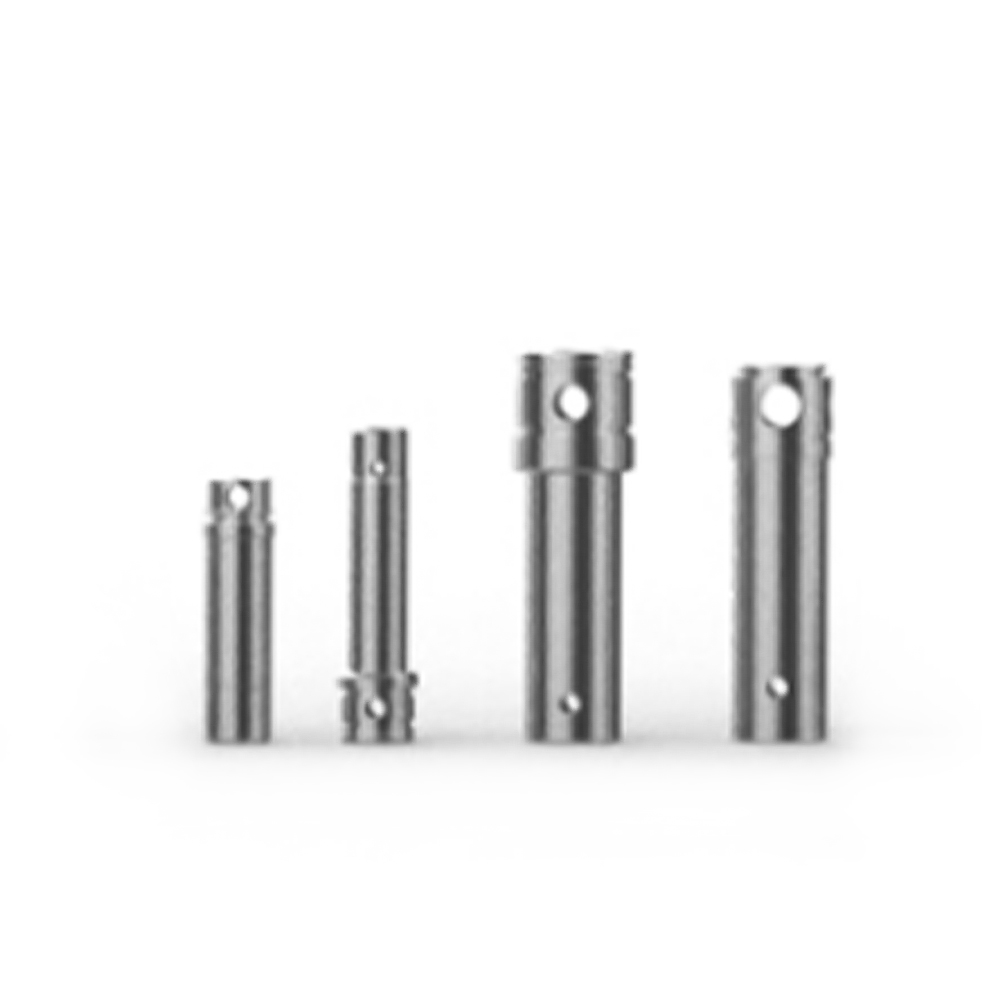
Multiple materials available: Q235,304,316L,2205,2507, etc.
See DetailsContact Us
Add: No. 36 Xintai Road, Economic Development Zone, Jingjiang City, Jiangsu Province, China
Tel: +86-13515167342
Fax: +86-523-84261117
E-mail: [email protected]
We'd love to
hear from you!
