
 English
 русский
 Español
Equal Wall Thickness Screw Pumps
Cat:Single Screw Pumps
Screw pumps equipped with equal wall thickness stator, the same kind of pump specifications pump flow, and pressure are increased. The equal wall thic...
See DetailsContent
A single screw pump — commonly known as a progressive cavity pump — is a positive displacement pump that uses a helical rotor rotating inside a matched stator to move fluid from the suction end to the discharge end in a smooth, continuous axial flow. Among the many variants available, the W-type single screw pump stands out as an engineered solution for demanding applications: it features a large hopper-style inlet with a connecting shaft fitted with multiple spiral vanes that actively prevent material accumulation at the pump's intake. This design makes it particularly well suited for transferring high-viscosity, high-solids-content materials such as dewatered sludge with solids content in the range of 20%–30%.
As an industrial screw pump solution, the W-type progressive cavity pump delivers consistent performance across environmental water treatment, chemical processing, paper and pulp manufacturing, food and pharmaceutical production, petrochemical operations, and energy sectors. Its combination of gentle pumping action, high volumetric efficiency, and adaptability to challenging media makes it a preferred choice wherever conventional centrifugal pumps struggle.
This article explores the working principle, key advantages, limitations, application scope, and selection criteria for W-type screw pumps, supported by data visualizations and comparative analysis to help engineers and procurement professionals make informed decisions.
The W-type screw pump operates on the progressive cavity principle. The two core components are the rotor and the stator. The rotor is a single-threaded helix with a large pitch, high tooth height, and small helix diameter; its cross-section is circular in a 1/2 geometric configuration. The stator is a double or triple-threaded helical elastomeric sleeve whose internal geometry precisely matches the rotor profile, creating sealed cavities between the two components.
As the rotor turns inside the stator, these sealed cavities form at the suction end, trap a fixed volume of medium, and migrate continuously toward the discharge end. Because the cavities are sealed and move axially, the flow is non-pulsating and the medium experiences no turbulent agitation. This mechanism gives the pump its characteristic uniform flow and makes it an outstanding viscous fluid pump for delicate or shear-sensitive products.
The W-type variant adds a specially designed wide-throat hopper inlet with spiral-vane agitation. This prevents thick or fibrous materials from bridging across the inlet, ensuring a consistent feed to the rotor-stator cavity regardless of how challenging the medium is. The result is reliable, uninterrupted operation even when pumping dewatered sludge, thick pastes, or media loaded with fibrous solids.
Figure 1: Schematic of W-type progressive cavity pump rotor-stator cavity movement
The diagram above illustrates how sealed cavities form between the rotor and stator, progressively migrating from the suction (left) to the discharge (right) end. Each cavity carries a fixed volume of medium, producing a near-pulsation-free flow. The hopper at the inlet ensures continuous material feed even for highly viscous or fibrous media. The orange arrow represents the net flow direction, emphasizing the pump's axial, non-turbulent transport mechanism. This gentle progression is what separates progressive cavity pumps from centrifugal alternatives, particularly when handling fragile, shear-sensitive, or abrasive fluids in industrial applications.
The W-type single screw pump offers a compelling combination of technical and operational benefits that make it a leading choice in demanding industrial environments. Below are the core advantages:
The W-type progressive cavity pump can handle liquid media with a solid particle content of up to 40% by volume. When the medium contains solids in powder form, the conveying capacity can reach 60% or higher. This exceptional capability makes it a first-choice industrial screw pump for sewage treatment plants, chemical facilities, paper mills, and mining operations where conventional pumps fail to maintain consistent throughput.
Unlike centrifugal pumps that agitate fluid aggressively, the progressive cavity mechanism delivers smooth, uniform flow with minimal vibration and low noise. This characteristic is critical for applications in food processing, pharmaceuticals, and cosmetics where product integrity must be preserved. The low-shear action makes the W-type pump an ideal sanitary screw pump for sensitive biological or food-grade materials.
Volumetric efficiency reaches up to 90%, and mechanical efficiency can achieve up to 80%. These figures translate into lower energy consumption per unit of fluid transferred, reducing operating costs over the pump's lifecycle. Compared with peristaltic or diaphragm pump alternatives, the W-type screw pump consistently delivers superior efficiency at medium-to-high pressures.
As a capable viscous fluid pump, the W-type design can handle media ranging from thin, water-like liquids to extremely thick pastes and sludges with viscosities in the range of 1 to 1,000,000 mPa·s. This versatility allows a single pump model to serve across multiple stages of a production process.
The simple structural design of W-type pumps allows for straightforward assembly and disassembly. The stator and rotor are the primary wear components and can be replaced individually without dismantling the entire pump system. This modular serviceability reduces downtime and overall maintenance costs significantly compared to multi-component pump designs.
Figure 2: Horizontal bar chart showing key performance metrics of W-type single screw pumps
The chart above provides a comparative overview of the W-type pump's core performance indicators. The volumetric efficiency of 90% and mechanical efficiency of 80% highlight its superior energy utilization compared to many alternative pump technologies. The solid handling capacity of 40% by volume (or up to 60% for powdered solids) demonstrates why this pump excels in sludge and slurry applications. The extremely low noise level reflects the smooth, non-pulsating flow generated by the progressive cavity mechanism, reducing workplace noise pollution. The high maintenance ease score of 9/10 reflects the modular design that allows field technicians to replace rotor and stator components without specialized tooling. Finally, the pump's capability to handle viscosities up to 1,000,000 mPa·s (represented as 100 on a normalized scale) makes it one of the most versatile viscous fluid pumps available on the market today.
No pump technology is without trade-offs. Understanding the limitations of the W-type single screw pump helps engineers select the right equipment for each application and plan maintenance schedules effectively.
These limitations are manageable with proper pump selection and maintenance planning. Choosing the correct stator elastomer for the medium, installing dry-run protection sensors, and scheduling routine stator inspections are standard best practices recommended for all progressive cavity pump installations.
The W-type screw pump serves a remarkably broad range of industries, thanks to its ability to handle viscous, abrasive, and solid-laden media that challenge conventional pump designs. Below is an overview of the primary application areas.
| Industry | Typical Media | Pump Type | Key Benefit |
|---|---|---|---|
| Water Treatment | Dewatered sludge (20–30% DS) | Sewage screw pump / Sludge screw pump | Handles high DS without clogging |
| Chemical Industry | Polymers, resins, slurries | Chemical transfer pump | Chemical-resistant stator options |
| Food & Pharma | Sauces, creams, pastes, biologics | Food screw pump / Sanitary screw pump | Low shear, hygienic design |
| Oil & Gas | Crude oil, lubricants, drilling mud | Oil transfer screw pump | Stable flow under high viscosity |
| Paper & Pulp | Fiber slurries, coatings | Industrial screw pump | Handles fibrous, abrasive media |
| Energy Sector | Biogas digestate, heavy fuel | Vertical screw pump | Consistent metering in variable feed |
The diversity of industries served by the W-type progressive cavity pump underscores the flexibility of the progressive cavity design. In water and wastewater treatment, the sludge screw pump variant is deployed at dewatering belt press outlets where sludge can reach 30% dry solids content — a condition that would quickly block most other pump types. In the food industry, where FDA-grade materials and CIP (clean-in-place) compatibility are mandatory, the food screw pump configuration uses stainless steel wetted components and compliant elastomer stators to meet hygiene standards.
When selecting a pump for viscous or solids-laden media, engineers typically evaluate several technologies including centrifugal pumps, peristaltic pumps, diaphragm pumps, and gear pumps. The following radar chart and line graph provide a visual comparison of performance dimensions to illustrate where the W-type progressive cavity pump excels and where trade-offs exist.
Figure 3: Radar chart comparing W-type screw pump vs. centrifugal pump across six performance dimensions (scale: 0–100)
The radar chart clearly shows that the W-type screw pump (green) significantly outperforms a standard centrifugal pump (orange) in solids handling, viscosity range, and flow smoothness — the three dimensions most critical for demanding industrial and wastewater applications. Centrifugal pumps have a slight edge in maintenance simplicity and efficiency at low-viscosity, high-flow conditions, but this advantage disappears as media viscosity and solids content increase. The abrasion resistance axis shows a moderate gap: while W-type pumps can handle abrasive media, their elastomeric stators require periodic replacement in highly abrasive service. The flow smoothness advantage of the W-type pump is particularly important in dosing and metering applications, where pulsation-free delivery ensures accurate chemical or food dosing. Overall, this comparison supports the selection of W-type progressive cavity pumps for any application involving viscous, solids-laden, or shear-sensitive media, where the centrifugal pump's performance envelope simply does not reach.
Figure 4: Line chart — volumetric efficiency retention across viscosity range (mPa·s, log scale)
This line chart illustrates one of the most critical differentiators between W-type progressive cavity pumps and centrifugal pumps: efficiency retention as viscosity increases. The W-type screw pump (green line) maintains volumetric efficiency between 82% and 90% across the entire viscosity spectrum from 1 mPa·s (thin as water) to 1,000,000 mPa·s (heavy paste). By contrast, the centrifugal pump (orange dashed line) starts at around 78% for thin fluids and degrades sharply to under 10% at very high viscosities, making it effectively non-functional for thick media. This data-backed comparison explains why chemical transfer pumps and industrial screw pumps based on the progressive cavity principle are the standard choice in industries dealing with polymers, lubricants, sludge, and food pastes. The consistent efficiency of the W-type pump means that energy costs remain predictable regardless of seasonal viscosity fluctuations in the pumped medium — a significant operational advantage in long-running industrial processes.
Selecting the right W-type single screw pump requires careful evaluation of process conditions. Below are the primary parameters that engineers should assess.
Figure 5: Column chart showing relative importance of key selection parameters for W-type screw pump specification
The column chart ranks the importance of selection parameters for W-type single screw pumps based on how strongly each factor influences pump sizing and rotor-stator specification. Viscosity is ranked highest at 75%, because it directly determines rotor speed, torque requirements, and motor sizing — an undersized motor at high viscosity will stall the pump or cause premature wear. Solids content at 70% importance is equally critical, as it governs the clearance between rotor and stator and the need for wear-resistant stator materials. Operating pressure at 65% determines how many stages (rotor-stator elements in series) are required to achieve the desired discharge head — most W-type pumps are configurable in multi-stage arrangements for higher pressure service. Chemical compatibility at 55% is critical for selecting the stator elastomer and wetted metal alloy; for example, NBR stators are used for oils, EPDM for hot water or alkaline media, and FKM for solvents. Temperature at 45% affects both elastomer selection and the pump's maximum allowable speed. Providing accurate process data across all these dimensions to the pump manufacturer ensures a correct selection the first time, avoiding costly remediation after installation.
| Elastomer | Suitable Media | Temp. Range | Common Application |
|---|---|---|---|
| NBR | Oils, fats, fuels | -20°C to +100°C | Oil transfer screw pump |
| EPDM | Hot water, alkaline, steam | -40°C to +150°C | Sewage screw pump |
| FKM | Solvents, acids | -20°C to +200°C | Chemical transfer pump |
| HNBR | Abrasive slurries | -30°C to +150°C | Sludge screw pump |
| Food-Grade NBR | Food, beverages, pharmaceuticals | -20°C to +100°C | Food screw pump / Sanitary screw pump |
A proactive maintenance strategy significantly extends the service life of a single screw pump and reduces unplanned downtime. The key wear components that should be part of any spare parts inventory include the stator, rotor, shaft seal assembly, and connecting rod universal joints. Jingjiang Meijia Pump Industry supplies comprehensive spare parts for progressive cavity pumps including stators, rotors, screw pump accessories, and complete rotor-stator assemblies compatible with major global pump brands.
The recommended maintenance intervals for a typical W-type pump in sludge service are:
Maintaining a stock of critical spare parts for progressive cavity pumps — particularly the stator for progressive cavity pumps and the single screw rotor — is strongly recommended for continuous-process industries where pump stoppage results in significant production loss. Meijia Pump Industry's after-sales service engineers are available to assist with on-site diagnostics, performance restoration, and scheduled preventive maintenance programs tailored to each customer's operating conditions.
Jingjiang Meijia Pump Industry Co., Ltd. is located at No. 36 Xintai Road, Jingjiang Economic and Technological Development Zone, Jiangsu Province, China. It is a professional company engaged in the production, sales, and after-sales service of single screw pumps and high-quality single screw pump spare parts.
Meijia Pump Industry employs numerous experienced, technically mature engineers across design, manufacturing, inspection, and complete-set assembly of screw pumps. Meijia single screw pump products feature advanced technology, complete structure, diverse configurations, comprehensive specifications, and exceptional durability. They are widely deployed in environmental water treatment, chemical industry, paper and pulp, food and pharmaceutical, petrochemical, and energy sectors. As a leading screw pumps manufacturer, Meijia Pump Industry also provides universal accessories for global single screw pump brands, backed by strong production capacity, extensive practical experience, and mature technological expertise that ensure stable product quality.
The company's after-sales service center is staffed by a team of experienced engineers dedicated to providing customers with thorough support throughout the pump lifecycle. Users operating Meijia single screw pumps in diverse environments and demanding working conditions have consistently reported long-term, trouble-free operation year after year. Meijia Pump Industry is your trusted partner in single screw pump solutions — leaders from all industries are warmly welcomed to visit and exchange insights.
Q1: What is the difference between a W-type screw pump and a standard single screw pump?
A standard single screw pump has a conventional cylindrical or tapered inlet. The W-type screw pump features a large hopper-style inlet with a connecting shaft fitted with multiple spiral vanes. This design prevents high-viscosity or high-solids materials from bridging at the inlet, making the W-type specifically suitable for dewatered sludge with 20–30% dry solids content and other difficult-to-feed media.
Q2: Can the W-type progressive cavity pump handle abrasive media?
Yes. By selecting wear-resistant elastomers such as HNBR for the stator and hard chrome or tungsten carbide coatings for the rotor, the W-type pump can handle abrasive slurries effectively. However, abrasive service increases stator wear rates, so more frequent inspections and a ready supply of spare parts for progressive cavity pumps are recommended. Meijia Pump Industry provides stator options engineered for abrasive applications.
Q3: What happens if the pump runs dry?
Dry running is the most common cause of premature stator failure. Without the lubricating and cooling effect of the pumped medium, friction between the rotor and stator generates heat that can cause the elastomer to degrade or harden within minutes. Dry-run protection devices such as flow sensors, pressure switches, or motor current monitoring should always be installed to prevent this condition in automated systems.
Q4: Are W-type screw pumps suitable for food and pharmaceutical applications?
Yes. When configured as a food screw pump or sanitary screw pump, the W-type pump uses FDA-compliant food-grade NBR or EPDM stator elastomers, stainless steel wetted components, and CIP-compatible seals. This configuration meets hygiene standards required for sauces, dairy, pharmaceutical pastes, and cosmetic emulsions while delivering the low-shear, non-pulsating flow these products require.
Q5: How do I select the correct rotor material for my application?
The single screw rotor is typically manufactured in 304 or 316L stainless steel for general and food-grade service, hard chrome-plated carbon steel for abrasive media, or duplex stainless steel for corrosive chemical environments. The choice depends on the medium's abrasiveness, chemical composition, and operating temperature. Meijia Pump Industry's engineering team can recommend the appropriate rotor material based on your specific process data.
Q6: Can Meijia spare parts be used to replace components in other brands' progressive cavity pumps?
Meijia Pump Industry provides universal screw pump accessories and stator for progressive cavity pumps that are compatible with many global single screw pump brands. The company's strong production capacity and mature dimensional control ensure that interchangeable spare parts meet or exceed original equipment specifications, helping customers reduce dependency on single-source OEM supply chains.
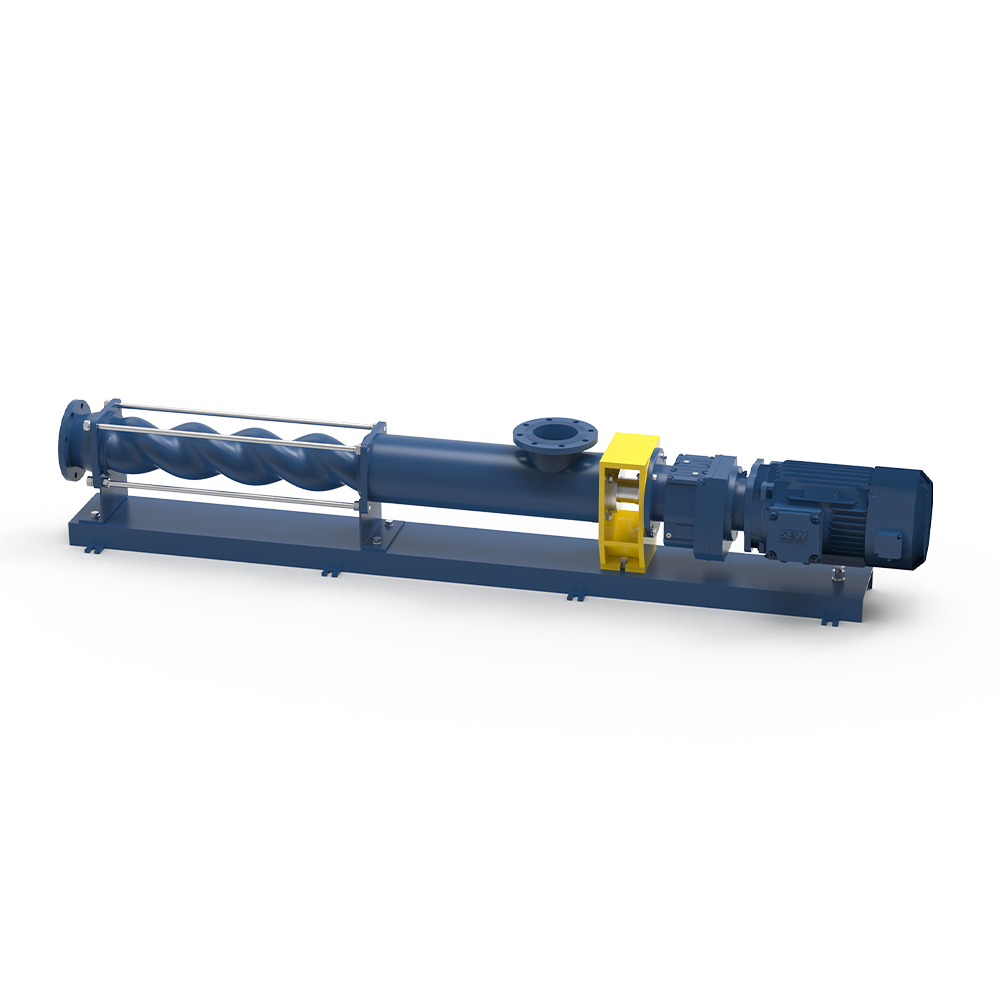
Screw pumps equipped with equal wall thickness stator, the same kind of pump specifications pump flow, and pressure are increased. The equal wall thic...
See Details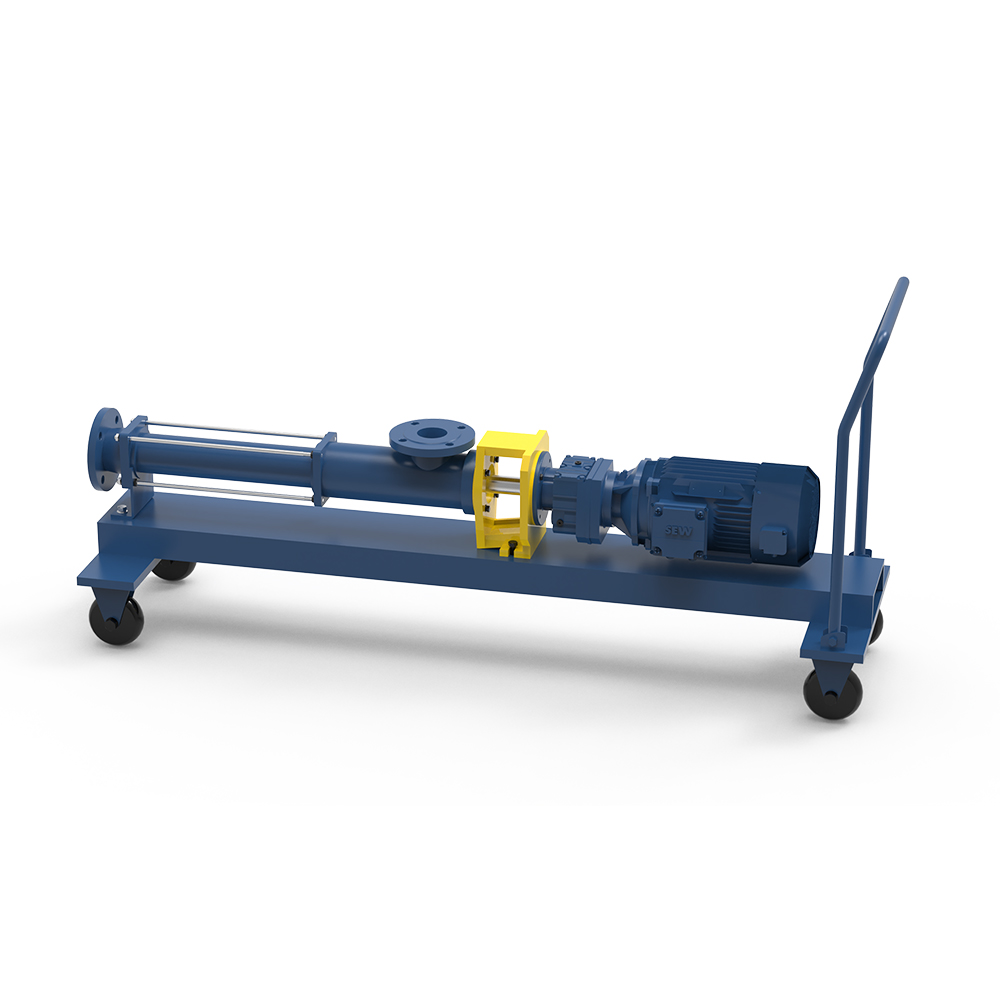
Mika vehicle-mounted pump, the pump base is not only stable and reliable, but also cleverly equipped with universal wheels, these wheels rotate flexib...
See Details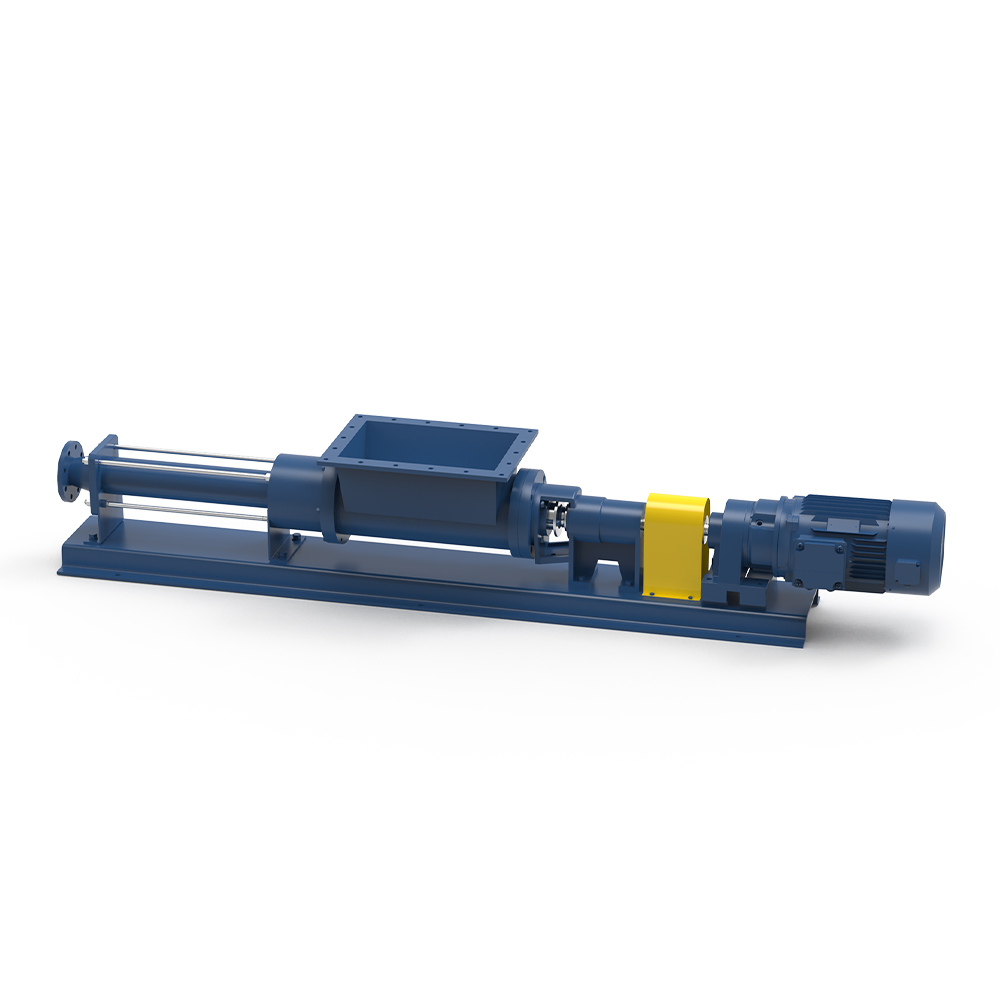
The inlet is a large hopper design W-type pump with a connecting shaft with multiple spiral vanes (which can effectively prevent the accumulation of m...
See Details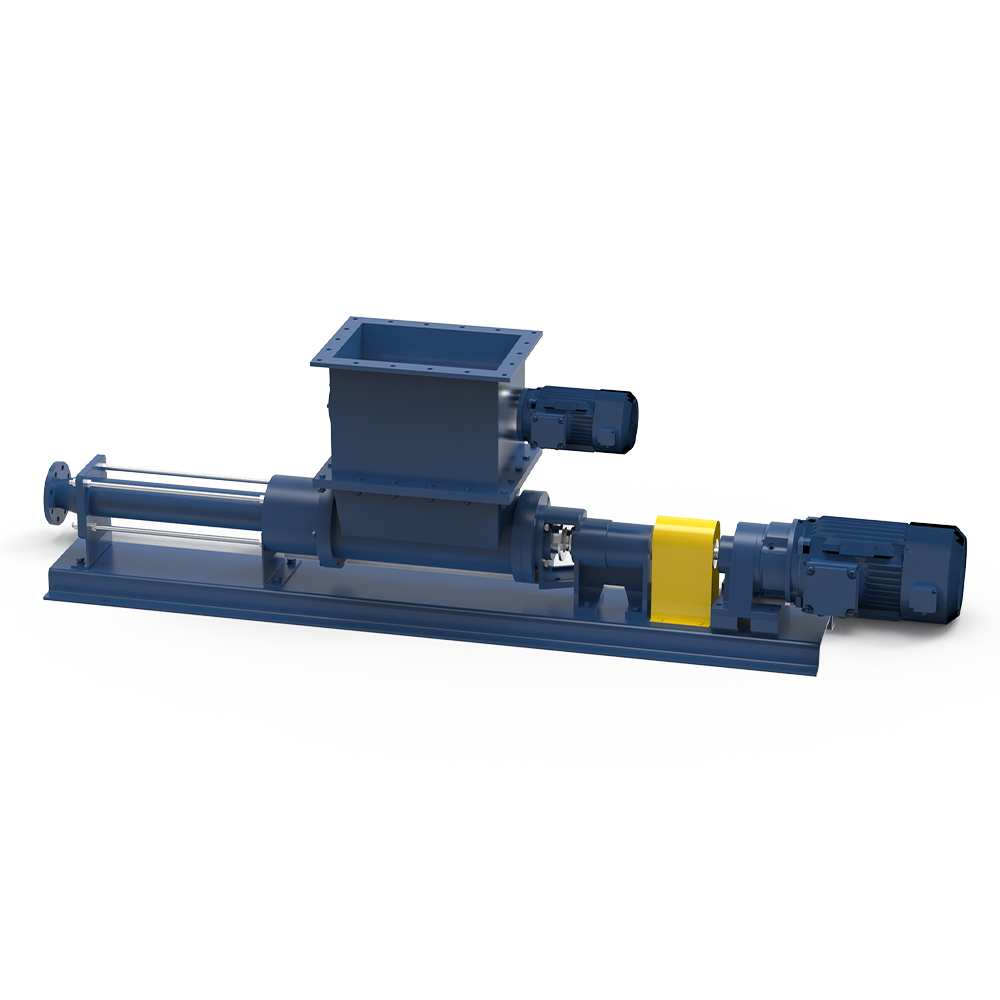
The inlet is designed for a large hopper with a bridge-breaking device P-pumps are suitable for conveying materials with high viscosity, high solids c...
See Details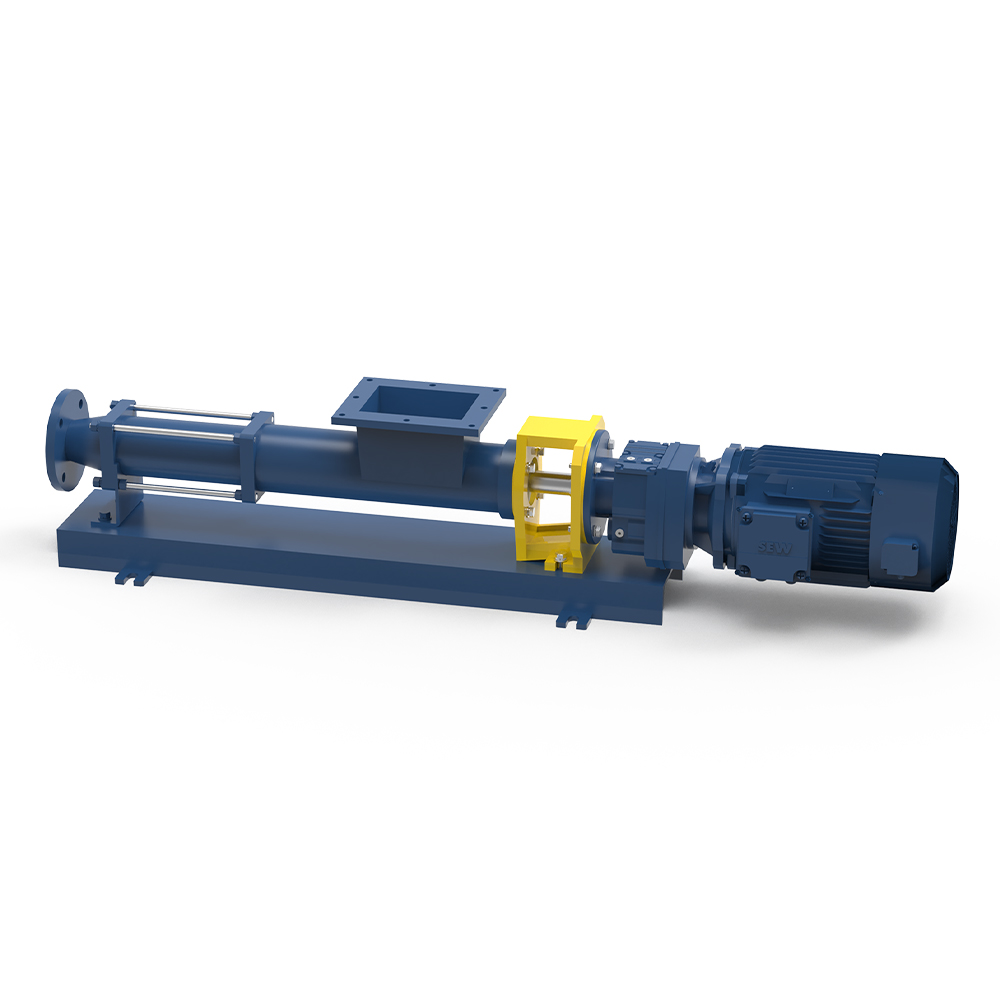
The inlet is a small rectangular hopper design H pump, suitable for conveying high viscosity solid content of less than 15% of the medium, such as cru...
See Details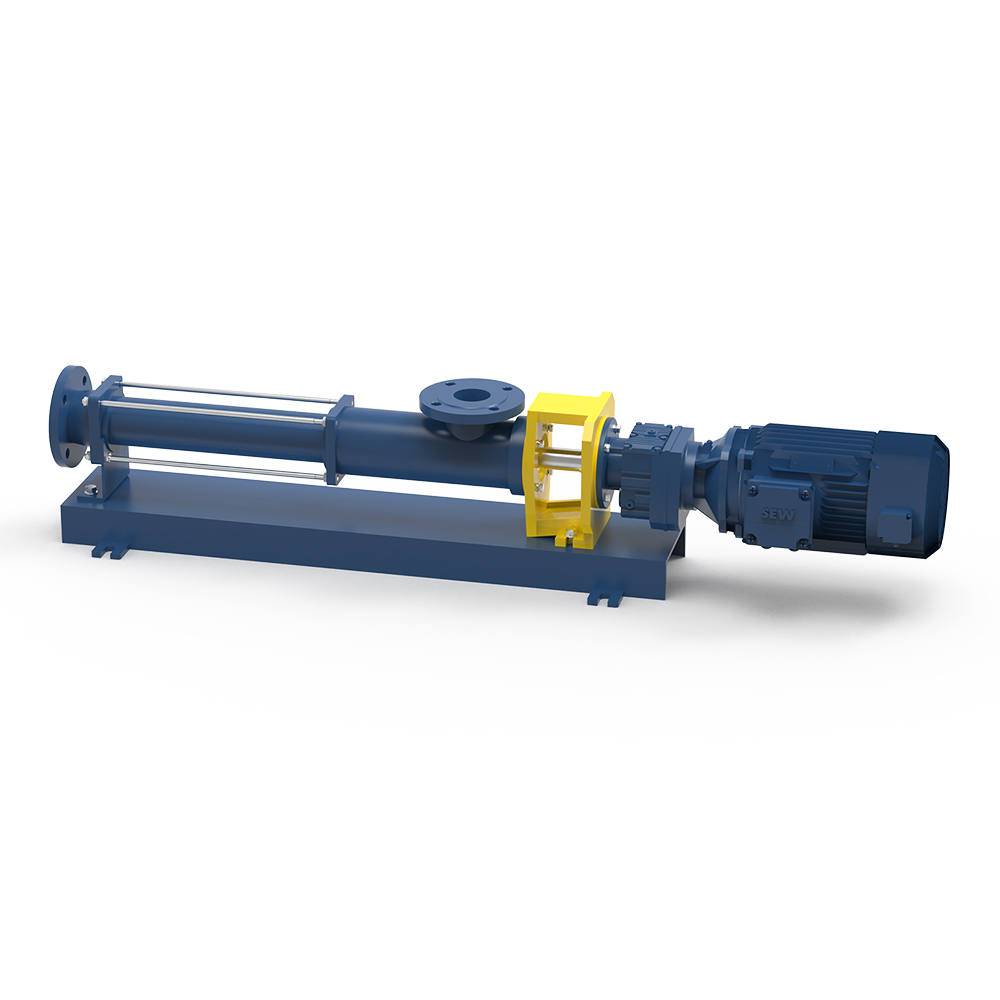
Mika Classic B direct-connected pumps are compact, easy to maintain, with low investment costs, and are suitable for a wide range of common working co...
See Details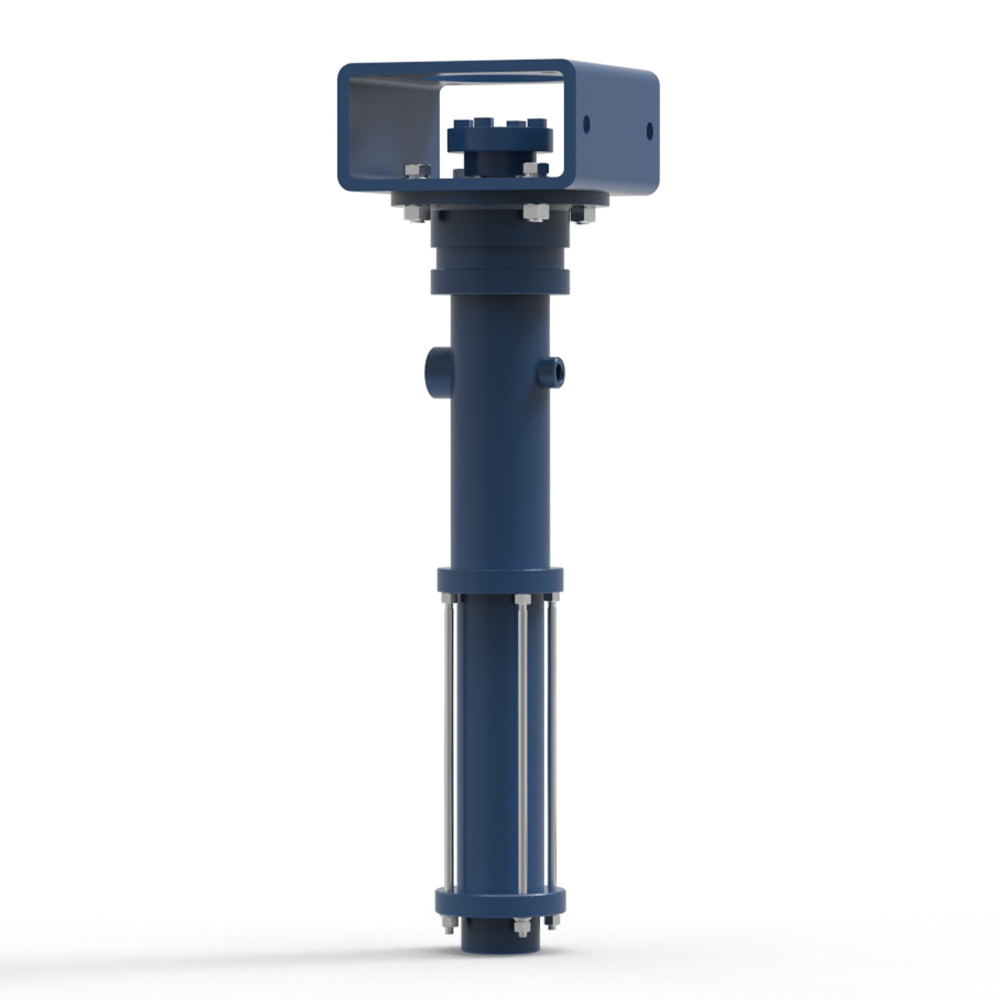
Precise flow rates and a wide range of materials for the metering and delivery of all kinds of sealants. Working Principle The MeiJia pump is a prog...
See Details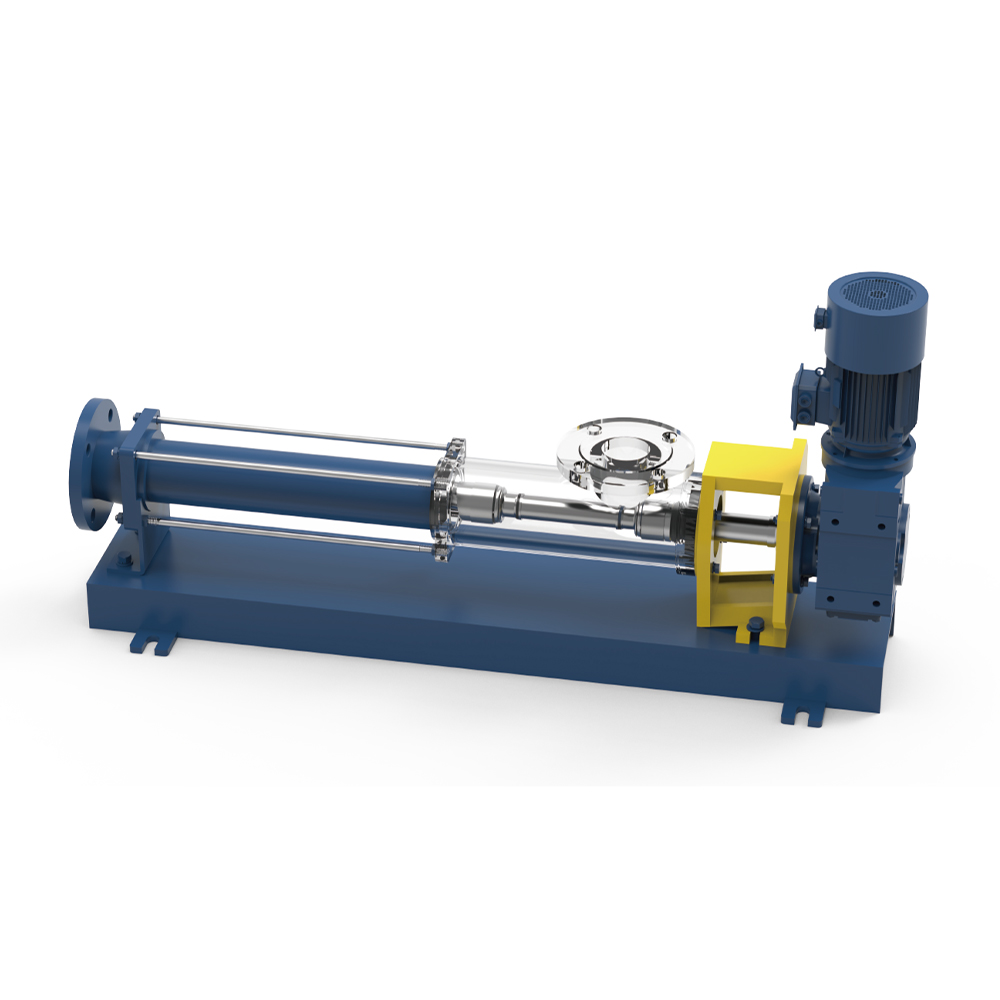
The speed reducer adopts the K series speed reducer, and the length of the pump can be shortened, so it can be used in places where the space is narro...
See Details
Various materials are available for different working conditions, such as NBR, HNBR, EPDM, and FKM.
See Details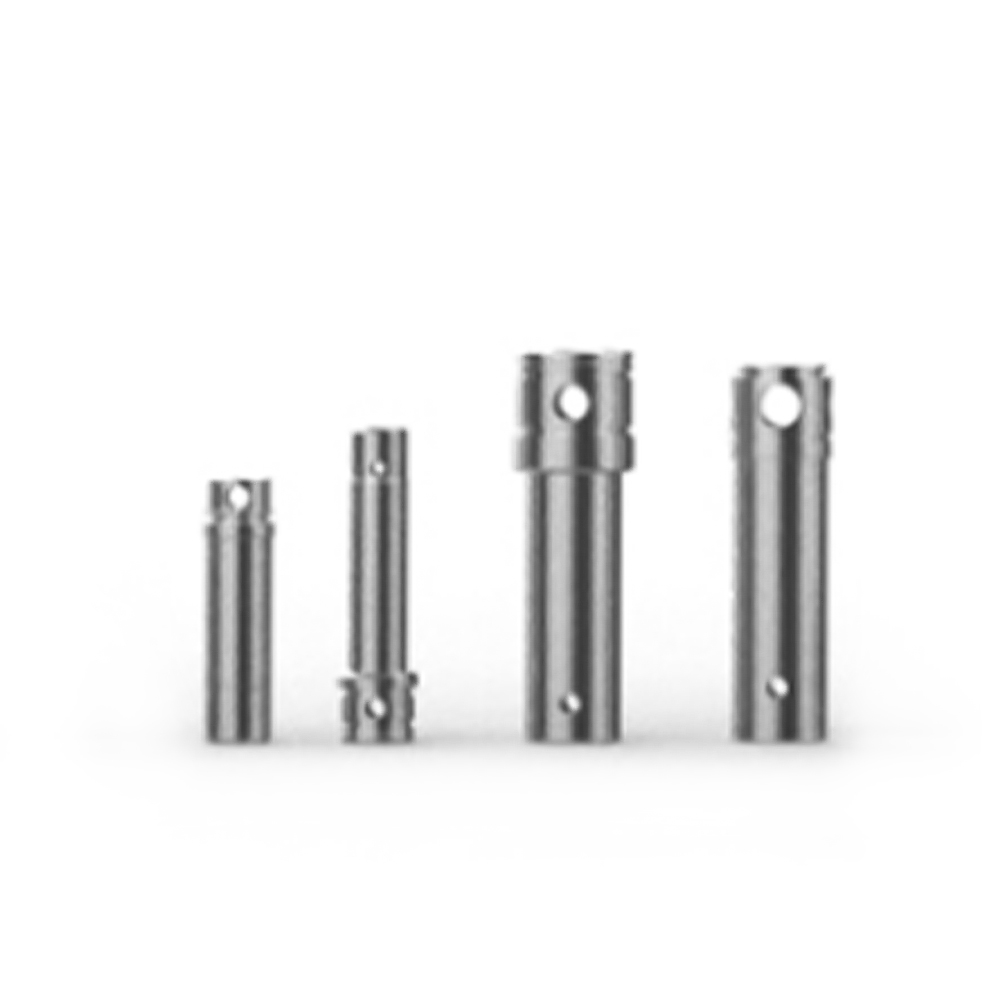
Multiple materials available: Q235,304,316L,2205,2507, etc.
See DetailsContact Us
Add: No. 36 Xintai Road, Economic Development Zone, Jingjiang City, Jiangsu Province, China
Tel: +86-13515167342
Fax: +86-523-84261117
E-mail: [email protected]
We'd love to
hear from you!
