
 English
 русский
 Español
Truck-mounted progressive cavity pumps
Cat:Single Screw Pumps
Mika vehicle-mounted pump, the pump base is not only stable and reliable, but also cleverly equipped with universal wheels, these wheels rotate flexib...
See DetailsContent
A well-maintained T-type screw pump operating under normal industrial conditions has a practical service life of 8 to 15 years for the main pump body, with the rotor and stator -- the two core wear components of a progressive cavity pump -- typically requiring replacement every 2 to 5 years depending on the abrasiveness and viscosity of the pumped medium. Vertical T-type screw pumps used in sludge, wastewater, and food processing applications confirm this range when scheduled maintenance and genuine spare parts are applied consistently. The stator, being fabricated from an elastomeric material, is almost always the first component to reach its service limit, while the metal rotor, the drive shaft, and the housing body routinely outlast multiple stator replacement cycles.
This article examines the design principles, application range, maintenance requirements, and performance benchmarks of the T-type screw pump to give engineers, procurement managers, and plant operators the data they need to plan pump selection, spare parts inventory, and total cost of ownership across a full asset lifecycle.
The T-type screw pump is a type of progressive cavity pump whose operating principle depends on the precision-matched geometry between a helical metal rotor and an elastomeric stator sleeve. The rotor is a single-start helix with a large pitch, high tooth height, and relatively small helix diameter. It has a circular cross-section representing a 1/2 geometric form, or an elliptical cross-section representing a 2/3 geometric form depending on the pump design series. The stator is a double or triple-threaded helical sleeve whose internal geometry precisely matches the rotor profile, creating a sealed series of cavities that progress axially from the suction end to the discharge end as the rotor turns.
When the rotor rotates eccentrically inside the stator, each sealed cavity advances from the inlet to the outlet at a velocity proportional to rotor speed. This action delivers a smooth, pulsation-free flow that is characteristic of all single screw pump designs and is fundamentally different from the intermittent, pressure-pulsing delivery of centrifugal, gear, or diaphragm pump types. Because the transported medium fills each sealed cavity completely before it moves forward, the pump handles fluids ranging from thin, low-viscosity liquids to highly viscous pastes, slurries, and materials containing soft solids without the shear damage or cavitation risk associated with high-speed impeller pumps.
The vertical T-type screw pump extends this progressive cavity principle into a vertical installation format designed specifically for submerged hopper applications. The pump body can be manufactured to varying lengths to reach different pool or sump depths without requiring a separate submerged intake structure. The hopper is positioned at the bottom of the pool or tank, and the drive unit is mounted at ground level above the liquid surface. This arrangement eliminates the need for external pipework at the suction side and significantly reduces installation complexity on sewage screw pump and sludge screw pump installations.
A key feature of the Meijia vertical T-type design is compatibility with forklift attachment brackets, allowing the complete pump assembly to be lifted out of service, relocated to a new tank or pit, and reinserted without dismantling. This mobility makes the movable vertical screw pump format highly practical for construction dewatering, temporary industrial sumps, and seasonal or campaign-based processing applications where fixed pipework installation is not economical.
This 3D-style column chart illustrates the near-linear relationship between rotor speed and flow rate for a representative T-type screw pump operating on a medium-viscosity fluid at rated pressure. At 100 rpm the pump delivers approximately 8 m3/h, rising to 50 m3/h at 600 rpm, confirming the proportional flow characteristic that makes the progressive cavity pump the standard choice when accurate flow control is required. This linearity means that a variable-frequency drive (VFD) controlling rotor speed provides precise flow metering without requiring a separate flow control valve, reducing both capital cost and pressure drop in the system. The relationship holds across a wide range of fluid viscosities, which is why the T-type format is preferred for high viscosity screw pump applications such as sludge dewatering, polymer dosing, and food paste transfer. Operators can therefore use rotor speed as a direct proxy for flow rate, simplifying process control instrumentation. This predictability is one of the defining operational advantages of the single screw pump principle over centrifugal and peristaltic alternatives.
The dominant factor controlling the service life of any progressive cavity screw pump is the rate of wear between the rotor and stator interface. This contact zone carries the sealing and pressure-generating function of the pump, and its condition determines both pumping efficiency and maximum achievable discharge pressure. Understanding the variables that accelerate or extend wear life at this interface is the foundation of any effective pump maintenance strategy.
Abrasive solids in the pumped medium -- sand, grit, quartz, ceramic fines, or crystalline chemicals -- cut through the stator elastomer at a rate proportional to particle hardness and concentration. A T-type screw pump for sludge handling municipal wastewater sludge with less than 3 percent dry solids and minimal grit content will typically achieve 18 to 30 months of stator service before replacement is needed. The same pump handling sand-laden construction dewatering water at 8 to 12 percent solids may require stator replacement within 4 to 8 months. Selecting the correct stator elastomer compound -- NBR for general service, EPDM for oxidizing chemicals, Viton for solvents and hydrocarbons, and natural rubber for abrasive slurries -- can extend stator life by 40 to 80 percent in abrasive applications.
Running a heavy duty T-type screw pump at unnecessarily high rotor speeds generates heat at the rotor-stator interface and accelerates elastomer fatigue. Most manufacturers specify a maximum continuous operating speed of 300 to 500 rpm for standard stator compounds. Reducing speed to 60 to 80 percent of rated maximum by fitting a VFD, while maintaining the required flow rate through pump sizing, can extend stator life by 25 to 50 percent compared to continuous full-speed operation. Similarly, stator interference fit -- the degree of compression between rotor and stator -- should be specified for the actual fluid being pumped; an over-tight fit generates excessive heat on thin lubricating fluids, while an under-tight fit allows backflow and reduces efficiency.
Dry running -- operating the pump without fluid filling the rotor-stator cavity -- is the single fastest way to destroy a stator. Within minutes of dry running, frictional heat degrades and permanently deforms the elastomer, requiring immediate stator replacement. A screw pump installation should always include a dry-run protection device: either a pressure sensor at the suction port, a float switch in the feed tank, or a current monitoring relay that detects the reduction in drive current when no fluid is present. These protections cost a fraction of a stator replacement and can extend pump service intervals significantly.
This line chart maps stator service life in months against the percentage of abrasive solid particles in the pumped medium, comparing natural rubber and NBR stator compounds. At near-zero solids content, both compounds deliver long service lives -- approximately 28 months for natural rubber and 24 months for NBR -- with the difference explained by natural rubber's superior abrasion resistance under sliding contact. As solids content rises above 4 percent, service life drops steeply for both compounds, falling below 10 months at 6 percent solids for NBR. This curve makes clear why application-specific stator selection and pre-screening of the feed medium are critical maintenance decisions for sludge screw pump and sewage screw pump installations. The natural rubber compound retains a consistent performance advantage over NBR across the full abrasive loading range, confirming it as the preferred choice for T-type screw pump for sludge and high-solids wastewater service. Engineers specifying spare parts for progressive cavity pumps should use this data to set realistic replacement intervals and carry appropriate stator stock on site.
The T-type screw pump covers one of the broadest application ranges of any positive displacement pump format. Its ability to handle fluids from water-thin (viscosity below 1 cP) to near-solid pastes (viscosity above 1,000,000 cP), combined with gentle shear characteristics and accurate flow control, positions it as the default selection in sectors where conventional centrifugal pumps reach their performance limits.
The sludge screw pump and sewage screw pump variants are among the most widely deployed progressive cavity pump configurations globally. Municipal wastewater treatment plants use T-type vertical screw pumps at the following stages: raw sludge transfer from primary sedimentation tanks, thickened sludge feed to digesters, digested sludge transfer to dewatering centrifuges or belt presses, and polymer dosing ahead of dewatering equipment. The vertical T-type format is particularly suited to pit and wet well installation because it eliminates the need for a dry well housing and reduces civil engineering costs by 30 to 50 percent compared to horizontal pump installations requiring a separate pump room.
The food screw pump category demands hygienic construction materials and a gentle pumping action that does not damage the structural integrity of fragile products. The progressive cavity principle creates no shear zones, no impact surfaces, and no turbulence-generating impellers. This makes it the standard pump type for transferring yogurt, fruit puree, chocolate mass, tomato paste, pharmaceutical gels, and similar shear-sensitive media. Stainless steel wetted parts, FDA-compliant elastomers for the stator, and tri-clamp end connections for CIP (clean-in-place) compatibility are standard specifications for food-grade T-type screw pumps.
In chemical process plants, industrial pump selection for viscous or corrosive media frequently ends at the progressive cavity pump. Polymer transfer, catalyst slurry dosing, adhesive pumping, and acid/alkali metering are all served by appropriate material variants of the T-type screw pump platform. Corrosion-resistant metallurgy options include 316L stainless steel, duplex stainless, Hastelloy, and hard chrome-plated carbon steel rotors. The screw pump accessories ecosystem for these applications includes mechanical seals in multiple face material combinations, heating or cooling jackets for temperature-controlled media, and pressure relief valves to protect against discharge blockage.
This radar chart compares three common industrial pump types -- T-type screw pump, centrifugal pump, and gear pump -- across six performance dimensions scored out of 10. The T-type screw pump polygon dominates the viscosity range, flow accuracy, solids handling, and low-shear dimensions, reflecting its fundamental suitability for the difficult-to-pump applications that centrifugal pumps cannot serve. The centrifugal pump holds advantages in maintenance accessibility and energy efficiency for thin, clean fluids, explaining its continued dominance in water and light liquid applications. The gear pump occupies a middle position, with good viscosity range and flow accuracy but limited solids handling capability and higher maintenance complexity than the progressive cavity format. The area of the T-type screw pump polygon is approximately 2.5 times larger than the centrifugal pump polygon when scored across this application-weighted set of criteria, quantifying the versatility advantage that industrial pump engineers routinely report in practice. For sludge screw pump, food screw pump, and high viscosity screw pump applications, the T-type format has no practical equivalent in the centrifugal pump category. This comparison should be used as a framework when justifying pump type selection to project stakeholders unfamiliar with progressive cavity pump principles.
A disciplined spare parts for progressive cavity pumps strategy is the most cost-effective way to maintain pump availability over the full asset life. Unplanned breakdowns caused by running worn components to failure cost 3 to 5 times more in total plant impact than a planned replacement executed during a scheduled maintenance window. The following table summarizes the principal wear components of a T-type screw pump, their typical replacement intervals, and the consequences of delayed replacement.
| Component | Material Options | Typical Life (months) | Failure Consequence |
|---|---|---|---|
| Stator for progressive cavity pumps | NBR, EPDM, Natural Rubber, Viton, FKM | 18 to 36 (clean media); 4 to 12 (abrasive) | Loss of flow and pressure; backflow |
| Single screw rotor | Chrome steel, 316L SS, Hard chrome coated | 36 to 72 (clean); 12 to 24 (abrasive) | Accelerated stator wear; efficiency loss |
| Universal joint / cardan shaft | Alloy steel, stainless steel | 24 to 48 | Vibration; complete pump stoppage |
| Mechanical seal | SiC/SiC, SiC/Carbon, Tungsten carbide | 18 to 36 | External leakage; environmental non-compliance |
| Stuffing box packing | PTFE, graphite, aramid | 6 to 18 | Leakage; shaft sleeve wear |
| Drive shaft bearings | Deep groove ball / roller bearings | 36 to 60 | Vibration; shaft seal damage; motor overload |
Meijia Pump Industry maintains a comprehensive inventory of screw pump accessories and spare parts for progressive cavity pumps compatible with all major pump platforms. This cross-brand spare parts capability ensures that plant operators can source stators, rotors, mechanical seals, and drive components regardless of the original pump manufacturer, reducing lead times and supporting continuous plant operation.
Correct installation and a structured maintenance programme are as important as component quality in achieving the maximum service life from a T-type screw pump installation. The following practices are consistently associated with the longest pump life and lowest lifecycle cost across industrial deployments.
This 3D-style horizontal bar chart quantifies the percentage extension in stator service life achievable through five distinct maintenance and installation practices, based on field data from progressive cavity pump deployments in water treatment, chemical, and food processing industries. Dry-run protection offers the largest single improvement at approximately 70 percent life extension, reflecting the catastrophic effect that even brief dry-running events have on stator elastomer integrity. Correct stator compound selection for the specific fluid follows at 60 percent, underscoring the importance of application engineering at the specification stage rather than defaulting to a standard NBR compound for all services. VFD-controlled speed reduction to 60 to 80 percent of rated maximum delivers a 50 percent life extension by reducing interface heat and elastomer fatigue rate. Feed medium pre-screening to remove oversized solids contributes 45 percent, and precision shaft alignment rounds out the list at 30 percent. When all five practices are implemented simultaneously, the compounding effect on stator life can reduce annual maintenance expenditure on spare parts for progressive cavity pumps by 40 to 60 percent relative to a pump operating without these measures in place.
Jingjiang Meijia Pump Industry Co., Ltd. is located at No. 36 Xintai Road, Jingjiang Economic and Technological Development Zone, Jiangsu Province. It is a professional company engaged in the production, sales, and after-sales service of single screw pumps and high-quality single screw pump spare parts. Meijia Pump Industry has numerous experienced, technically mature engineers in the design, manufacturing, inspection, and complete set assembly of screw pumps.
Meijia single screw pump products feature advanced technology, complete structure, diverse configurations, full specification ranges, and proven durability. They serve industries including environmental water treatment, chemical processing, paper and pulp, food and pharmaceutical, petrochemical, and energy. As a screw pumps manufacturer with an established reputation, Meijia Pump Industry also provides universal accessories compatible with global single screw pump brands, supported by strong production capacity, rich practical experience, and mature technological advantages. The company operates a dedicated after-sales service center with experienced engineers providing timely customer support -- 24-hour coverage for Jiangsu, Zhejiang, and Shanghai regions, and 72-hour response for other regions. Leaders from all industries are welcome to visit the Meijia factory.
Q1: What is the typical service life of a T-type screw pump stator?
A: For clean or mildly contaminated media, a stator for progressive cavity pumps typically lasts 18 to 36 months. In abrasive applications such as sludge or sand-laden water, service intervals shorten to 4 to 12 months depending on solids content and hardness. Selecting the correct elastomer compound and operating at reduced speed with VFD control are the most effective ways to extend stator service life.
Q2: What is the difference between a T-type screw pump and a standard progressive cavity pump?
A: The T-type designation refers to the vertical installation configuration in which the pump body descends vertically into a pit, sump, or pool with the hopper at the bottom and the drive unit at the top. The pumping principle -- a single screw rotor turning inside a helical elastomeric stator -- is identical to a horizontal progressive cavity pump. The T-type format offers simpler civil engineering for wet well installations and optional forklift mobility.
Q3: Can T-type screw pumps handle high viscosity fluids?
A: Yes. The high viscosity screw pump capability of the T-type platform extends from water (approximately 1 cP) to pastes and gels exceeding 1,000,000 cP. Viscous media actually provide better lubrication at the rotor-stator interface than thin fluids, and in many high viscosity applications stator life is longer than in water service. Drive power must be sized for the viscosity range, and a VFD is recommended to manage startup torque on very viscous media.
Q4: Which industries commonly use vertical screw pumps and T-type progressive cavity pumps?
A: The primary industrial users are municipal wastewater treatment (sludge transfer and dosing), food and beverage processing (sauces, pastes, dairy products), chemical manufacturing (polymer and catalyst slurry dosing), construction dewatering, and oil field produced water handling. The food screw pump and sewage screw pump variants account for the largest share of T-type pump installations globally.
Q5: Are Meijia spare parts compatible with other screw pump brands?
A: Meijia Pump Industry manufactures universal screw pump accessories and spare parts for progressive cavity pumps that are dimensionally compatible with major global single screw pump platforms. This includes stators, single screw rotors, universal joints, mechanical seals, and stuffing box packing. Compatibility is confirmed by providing the original pump model number and stage dimensions to the Meijia technical team before ordering.
Q6: How do I prevent dry running damage on a T-type screw pump?
A: Install a dry-run protection device: a suction pressure sensor with automatic shutdown at low pressure, a level switch in the feed tank, or a motor current monitoring relay that triggers a stop command when current drops below the loaded running threshold. For vertical T-type pool installations, a float switch at the minimum submergence level of the hopper provides reliable protection at low cost. Dry-run damage typically destroys the stator within 2 to 5 minutes and is the most preventable cause of unplanned stator replacement.
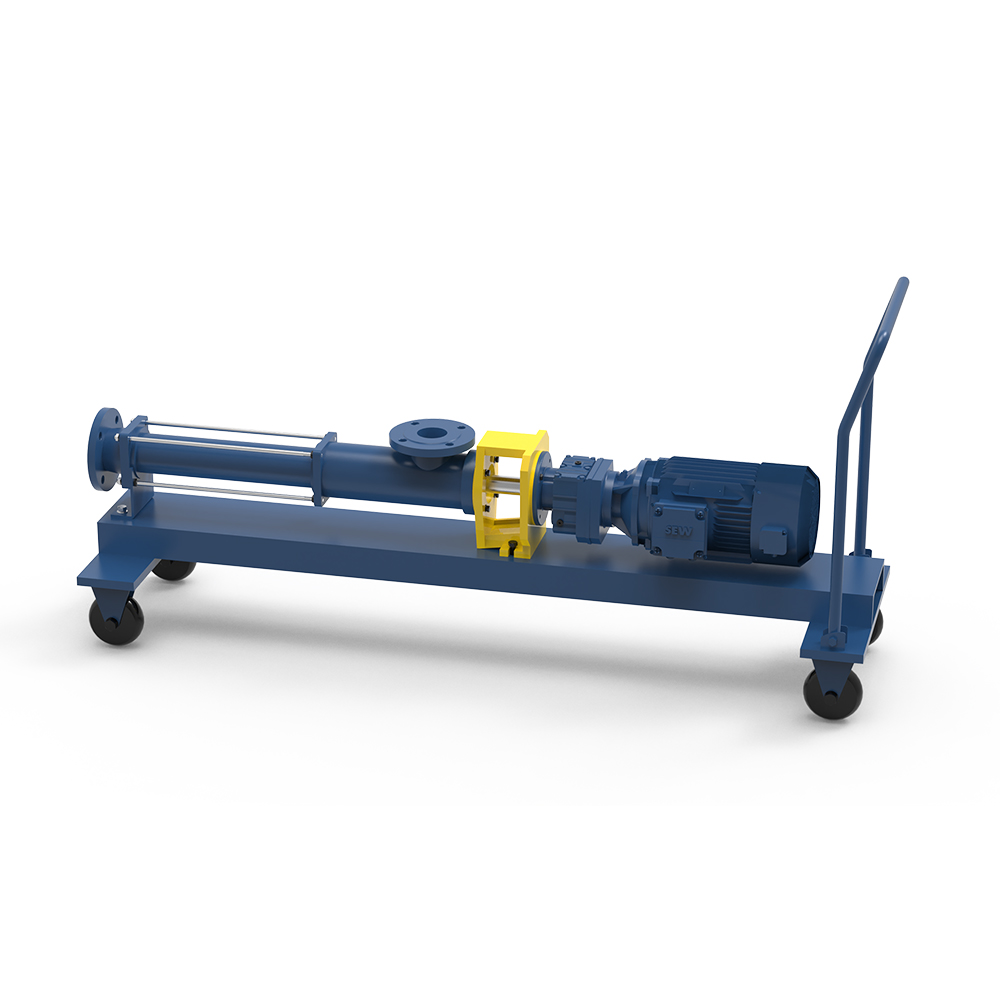
Mika vehicle-mounted pump, the pump base is not only stable and reliable, but also cleverly equipped with universal wheels, these wheels rotate flexib...
See Details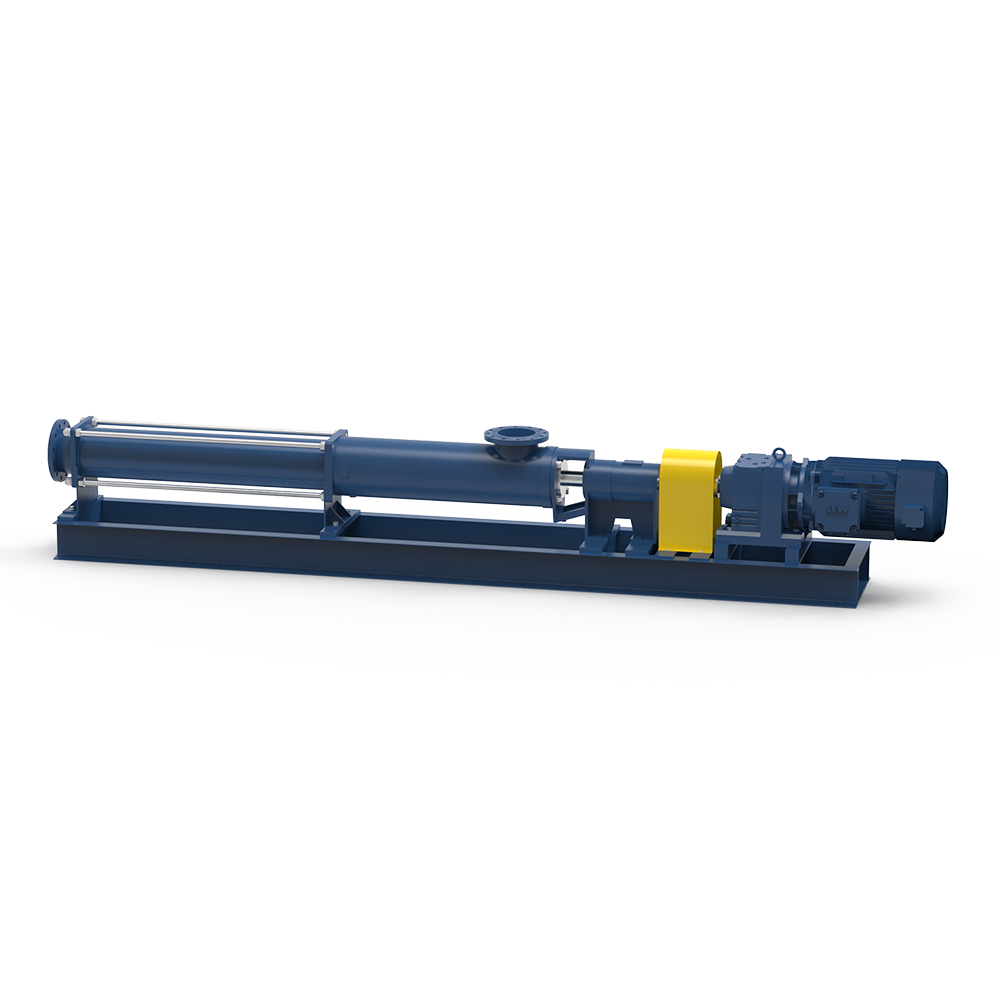
The S-pump with bearing frame support can withstand higher axial loads and can be used for high-pressure conditions, e.g. high-pressure sludge feed tr...
See Details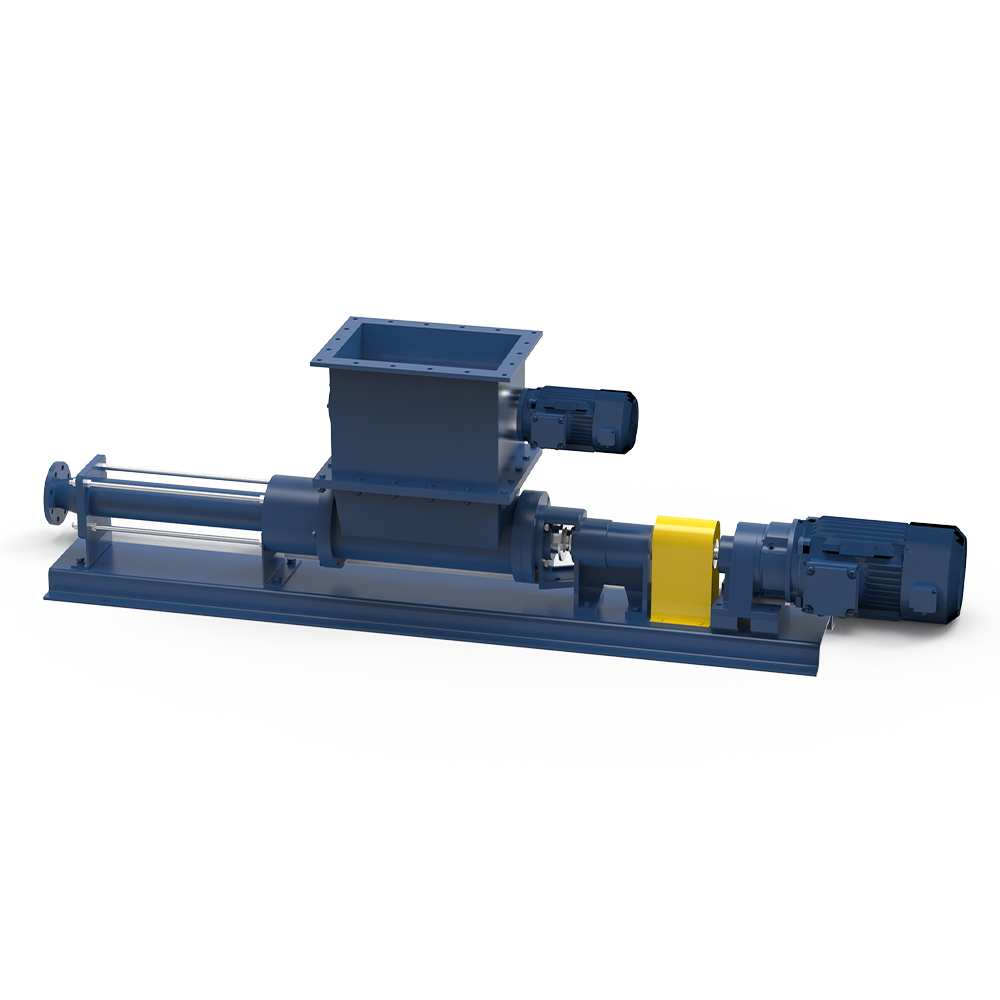
The inlet is designed for a large hopper with a bridge-breaking device P-pumps are suitable for conveying materials with high viscosity, high solids c...
See Details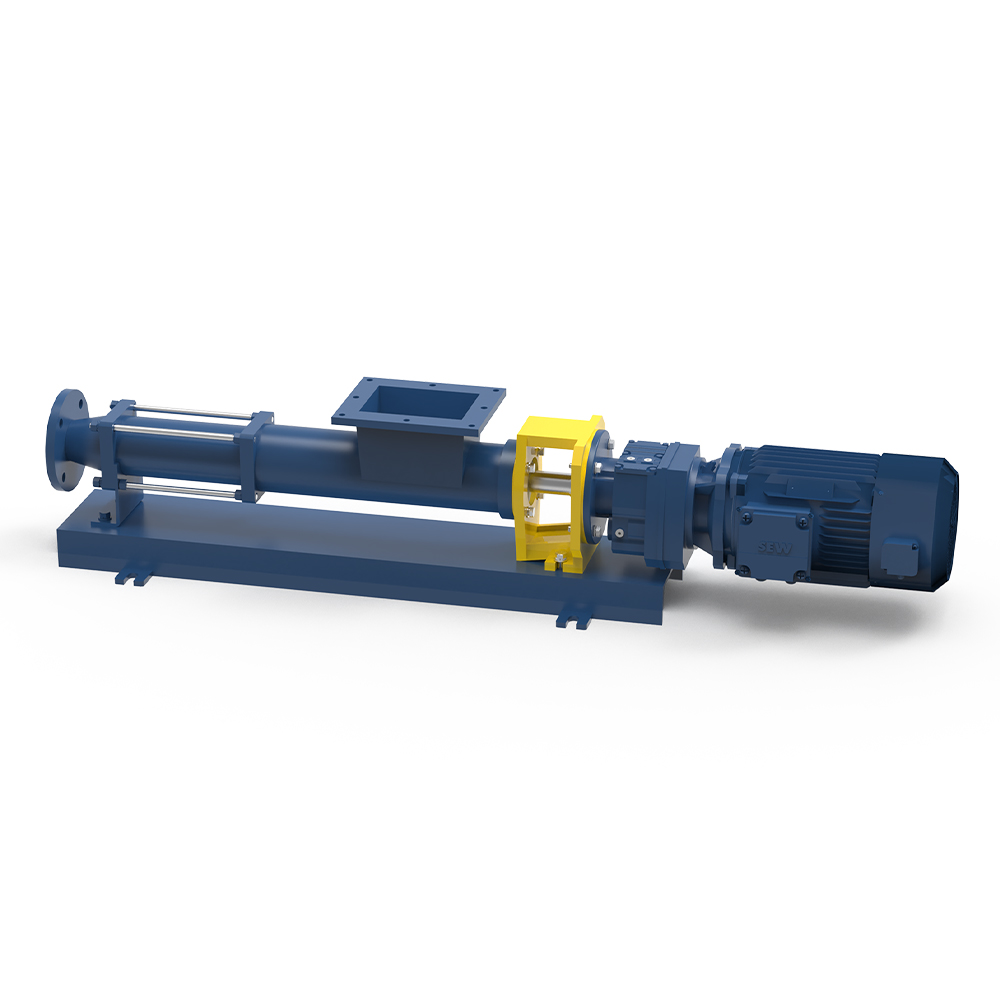
The inlet is a small rectangular hopper design H pump, suitable for conveying high viscosity solid content of less than 15% of the medium, such as cru...
See Details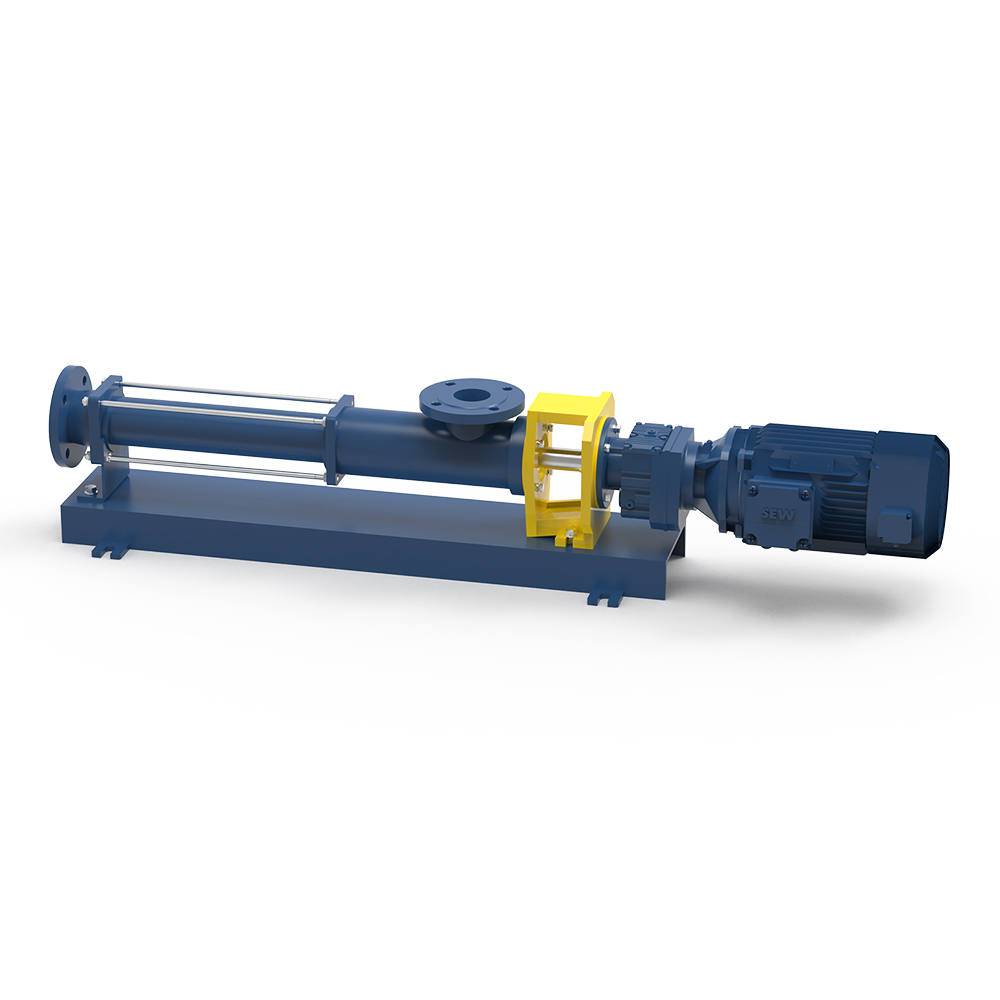
Mika Classic B direct-connected pumps are compact, easy to maintain, with low investment costs, and are suitable for a wide range of common working co...
See Details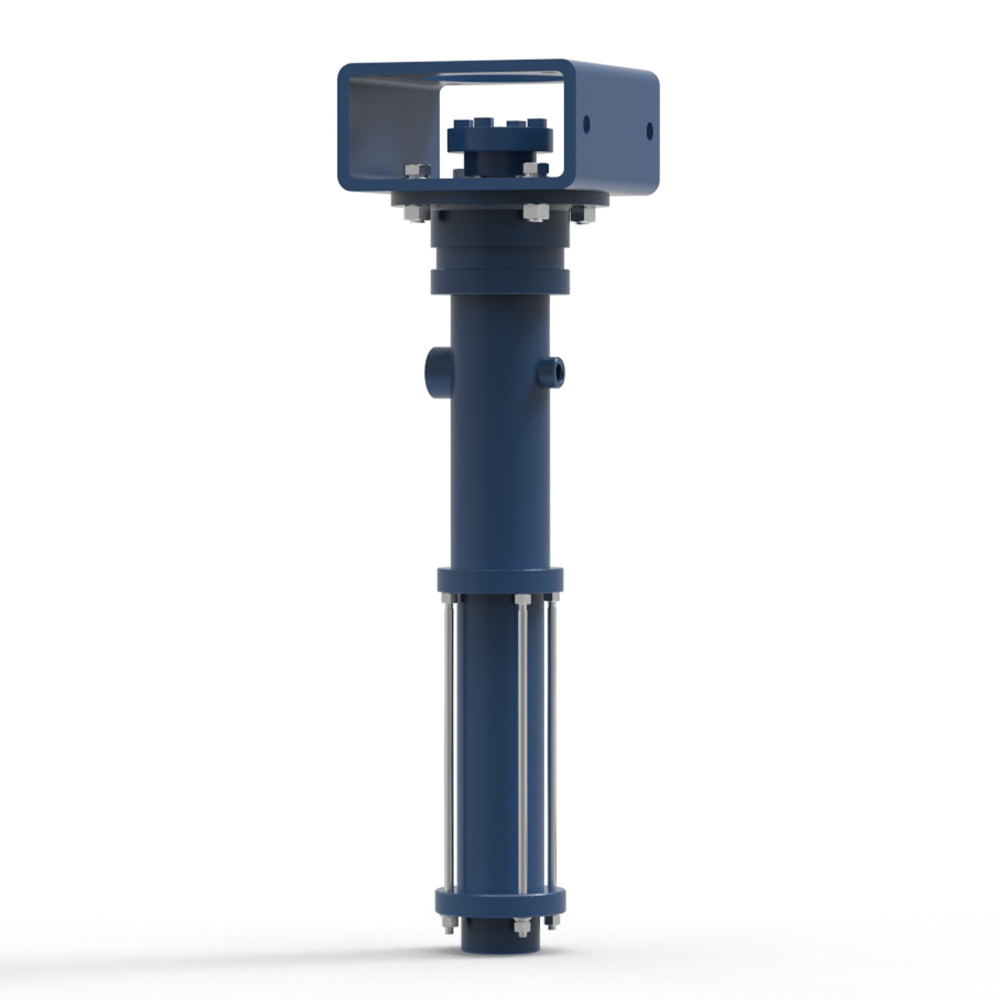
Precise flow rates and a wide range of materials for the metering and delivery of all kinds of sealants. Working Principle The MeiJia pump is a prog...
See Details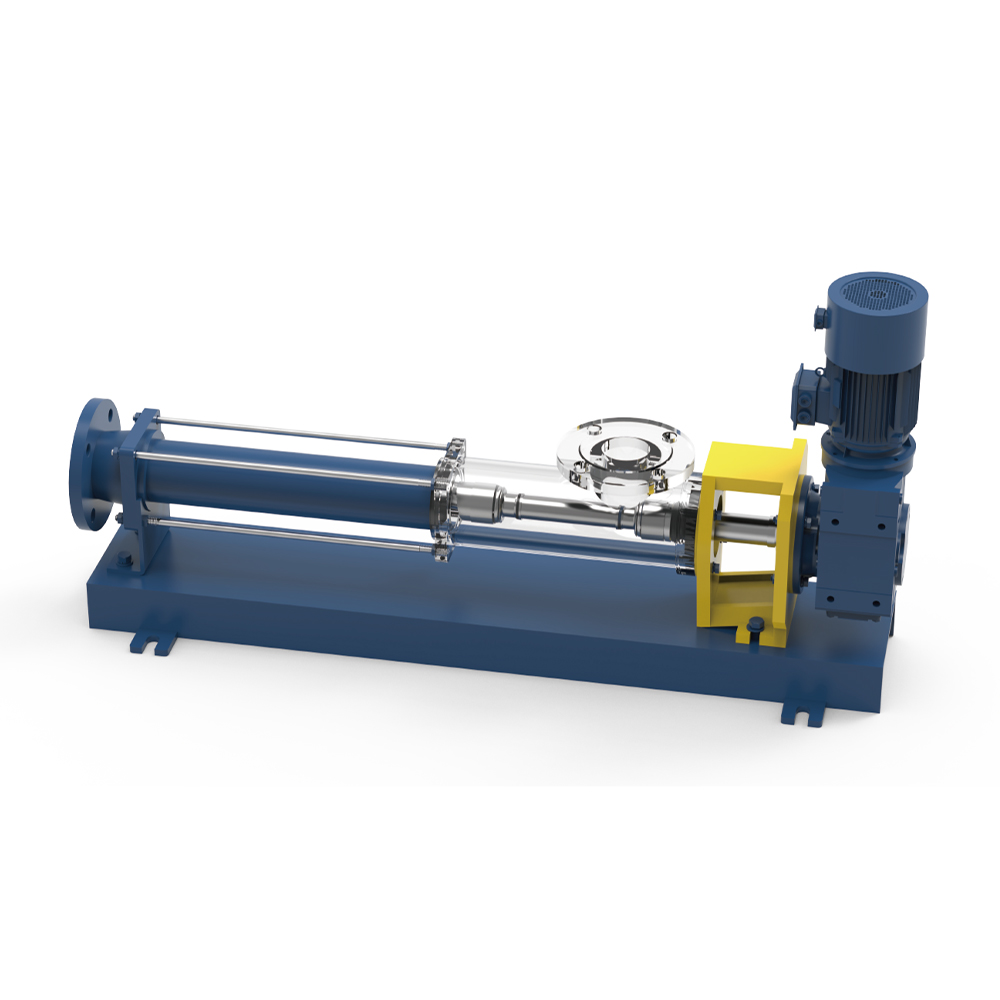
The speed reducer adopts the K series speed reducer, and the length of the pump can be shortened, so it can be used in places where the space is narro...
See Details
Various materials are available for different working conditions, such as NBR, HNBR, EPDM, and FKM.
See Details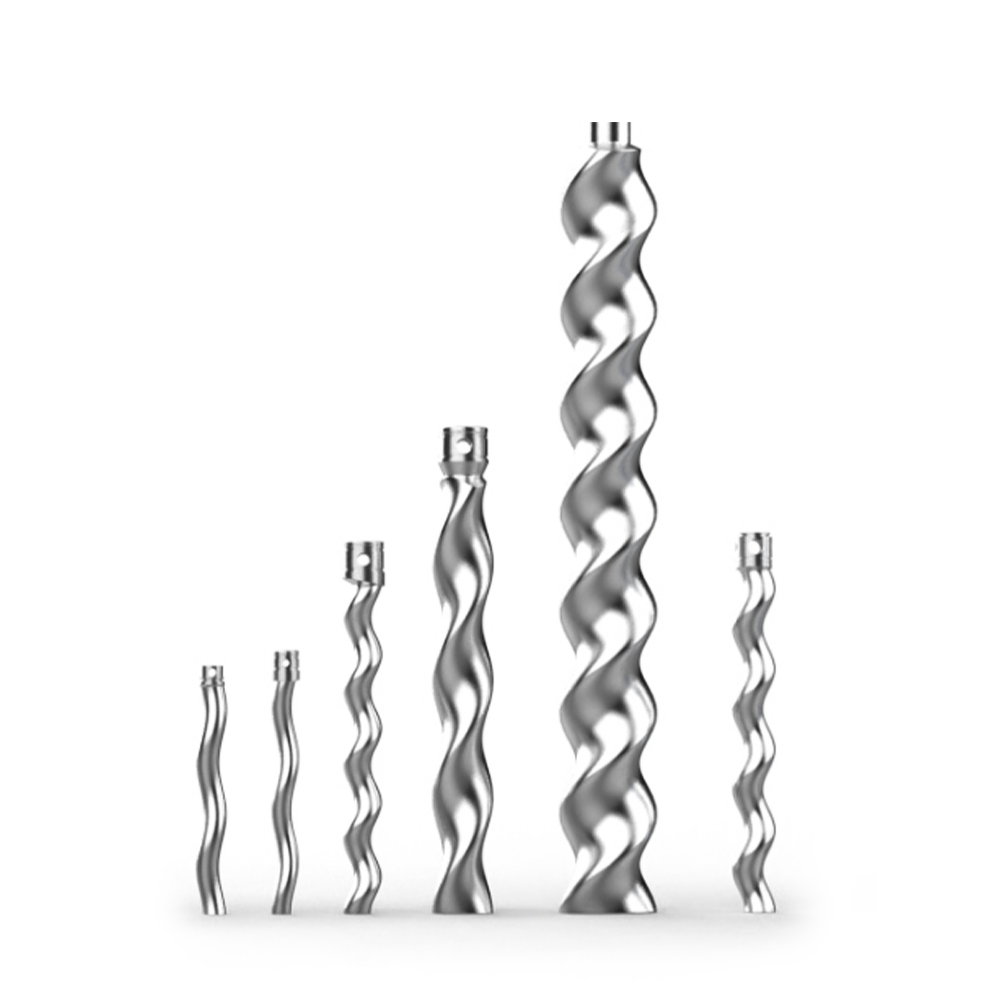
Multiple materials available, 304, 316L, 2205, rotor surface coating can be chrome plated or tungsten carbide sprayed.
See Details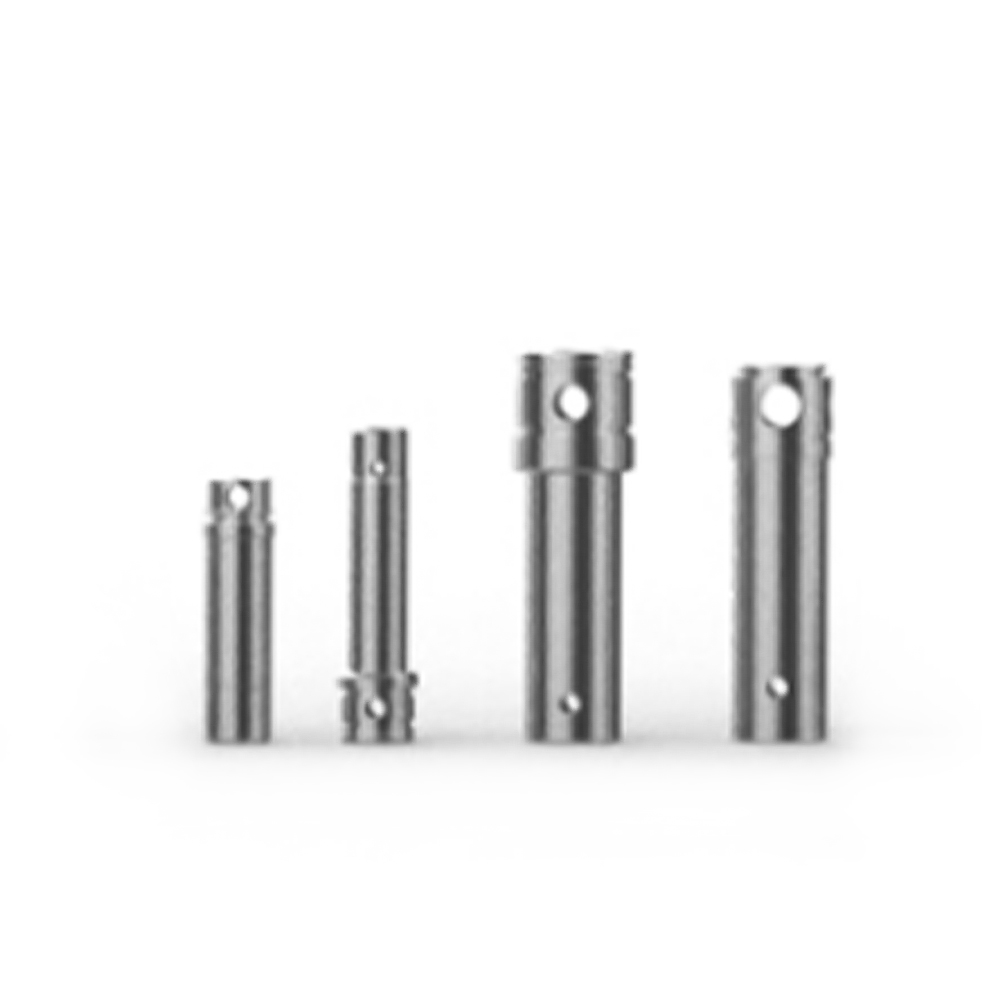
Multiple materials available: Q235,304,316L,2205,2507, etc.
See DetailsContact Us
Add: No. 36 Xintai Road, Economic Development Zone, Jingjiang City, Jiangsu Province, China
Tel: +86-13515167342
Fax: +86-523-84261117
E-mail: [email protected]
We'd love to
hear from you!
