
 English
 русский
 Español
Equal Wall Thickness Screw Pumps
Cat:Single Screw Pumps
Screw pumps equipped with equal wall thickness stator, the same kind of pump specifications pump flow, and pressure are increased. The equal wall thic...
See DetailsContent
Spare parts for progressive cavity pumps determine how long a single screw pump keeps running without unplanned downtime, and the stator, rotor, extension shaft, feed chamber, and connecting components each play a distinct role in that outcome. Choosing the correct elastomer for the stator, the correct metal alloy and surface treatment for the rotor, and a properly matched extension shaft is generally more decisive for pump longevity than any other single factor in day-to-day operation. This article explains, section by section, how each screw pump accessory works, what materials are typically used, and how to match components to real operating conditions such as abrasive slurry, high-viscosity food product, or corrosive chemical media. Practical selection guidance, comparison tables, and several data visualizations are included so that plant engineers, procurement teams, and distributors can make informed decisions without guesswork. The goal is a reference that is directly useful for anyone sourcing screw pump accessories, stators for progressive cavity pumps, single screw rotors, or single screw extension shafts from a screw pumps manufacturer.
Jingjiang Meijia Pump Industry Co., Ltd. is located at No. 36 Xintai Road, Jingjiang Economic and Technological Development Zone, Jiangsu Province. It is a professional company engaged in the production, sales, and after-sales service of single-screw pumps and high-quality single-screw pump spare parts. Meijia Pump Industry has numerous experienced, technically mature, high-quality, and fully trustworthy engineers in the design, manufacturing, inspection, and complete sets of screw pumps. Meijia single screw pump products have advanced technology, complete structure, diverse forms, complete specifications, and durability. They are widely used in industries such as environmental water treatment, chemical industry, paper and pulp, food and pharmaceutical, petrochemical, energy, etc. Meijia Pump Industry also provides universal accessories for global single screw pump brands, and its strong production capacity, rich practical experience, and mature technological advantages provide stable support for its products.
The company's after-sales service center has a team of experienced engineers to provide customers with thoughtful after-sales service. After long-term and careful comparison, different users will have the same discovery: Meijia single screw pump products can operate for many years in different environments and working conditions. Meijia Pump Industry aims to be a dependable partner for engineering teams, and leaders from all walks of life are welcome to visit and exchange technical views.
A progressive cavity pump, more commonly called a single screw pump, moves fluid through a series of sealed cavities formed between a helical metal rotor and a matching elastomeric stator. Every spare part in the assembly contributes to that sealing and pumping action, so replacing a worn part with an incorrectly specified one usually shows up quickly as reduced flow, higher slip, or premature wear elsewhere in the pump. The core spare parts that a screw pumps manufacturer typically supplies include the stator, the single screw rotor, the extension shaft, the feed chamber, the direct-connected bracket, the gear motor, the universal joint, the connecting shaft, and the discharge body. Below is a practical reference table summarizing each component, its typical material options, and its functional role in the pump.
| Component | Typical Materials | Primary Function |
|---|---|---|
| Stator | NBR, HNBR, EPDM, FKM | Forms sealed cavities with the rotor |
| Single screw rotor | 304, 316L, 2205, chrome-plated or tungsten carbide coated | Generates progressive cavity motion |
| Single screw extension shaft | Q235, 304, 316L, 2205, 2507 | Extends drive length for deep tanks or pits |
| Feed chamber | Q235, 304, 316L, 2205, 2507 | Guides inlet media into the rotor-stator cavity |
| Direct-connected bracket | Cast iron | Supports and aligns the drive unit |
| Universal joint | Rubber-sheathed pin type or cross-shaft type | Transmits offset rotary motion to the rotor |
| Connecting shaft | Q235, 304, 316L, 2205, 2507 | Links universal joints along the drive line |
| Discharge body | Q235, 304, 316L, 2205, 2507 | Directs pumped media to the outlet line |
Sourcing these parts from a single screw pumps manufacturer with in-house engineering, rather than piecing together mismatched components, generally reduces the risk of dimensional or tolerance mismatches at the rotor-stator interface. This matters because even a well-made stator will underperform if paired with a rotor of the wrong pitch or outer profile.
No product photograph was supplied for this article, so the diagram below is a labeled isometric schematic rather than an actual product photo, and it is intended purely to illustrate how the main spare parts fit together mechanically. The schematic shows the single screw rotor seated inside the stator, connected through the universal joint and connecting shaft to the drive end, with the feed chamber at the inlet and the discharge body at the outlet. Viewing the assembly this way helps explain why a worn stator or a scored rotor surface causes leakage back through the cavity rather than a sudden pump failure. It also clarifies why the extension shaft length must match the tank or pit depth precisely, since an incorrect length changes the support span and can increase vibration. Reading the diagram alongside Table 1 above makes it easier to identify which spare part is likely responsible for a specific symptom such as reduced discharge pressure or unusual noise.
This layout is representative of a typical horizontal single screw pump configuration and can vary depending on whether the unit is a vertical screw pump, a submersible sewage screw pump, or a compact food-grade design, but the relationship between the rotor, stator, and connecting hardware stays fundamentally the same across these variants.
The stator is the single most application-specific component in the pump, and its elastomer chemistry is what determines whether the pump will tolerate the fluid it is meant to handle. In a variety of different conditions, a variety of materials can be selected, such as NBR, HNBR, EPDM, and FKM, and each of these compounds behaves differently under heat, chemical exposure, and abrasive wear. NBR (nitrile rubber) is a widely used general-purpose elastomer for oil-containing or moderately abrasive media, while HNBR (hydrogenated nitrile) improves on that base compound with better heat aging and ozone resistance. EPDM is generally favored for water-based fluids, dilute acids, and alkaline media, but it is not well suited to oil-based products because petroleum products tend to cause EPDM to swell. FKM (fluoroelastomer) is typically selected when the process fluid includes aggressive chemicals or when the operating temperature runs higher than what NBR or EPDM can comfortably tolerate.
Below is a comparison chart illustrating the commonly cited operating temperature ranges for these four elastomer families, based on general elastomer engineering references rather than a single proprietary test. The chart uses a horizontal bar format so that the relative temperature span of each compound can be read at a glance from left to right. Reading this chart alongside the fluid compatibility notes above gives a starting point for stator selection, though final confirmation should always come from the specific fluid's material safety data and the pump manufacturer's compatibility guidance. Each bar represents an approximate upper working temperature limit, and these figures are indicative rather than exact for every formulation, since compounding varies between rubber suppliers. This kind of comparison is one of the most requested pieces of information from buyers evaluating screw pump accessories for new or replacement installations.
The chart shows that FKM generally offers the widest high-temperature margin among these four elastomer families, which is one reason it is commonly specified for hot process fluids or applications with intermittent thermal spikes. HNBR and EPDM sit close together in terms of maximum working temperature, but they are chosen for different chemical environments, so temperature tolerance alone should never be the only selection criterion. NBR remains a practical and widely used choice for moderate-temperature, oil-tolerant applications where cost efficiency and general-purpose performance are the priority. It is also worth noting that abrasive solids content, not just temperature and chemistry, has a major effect on stator wear life, since sharp particulates can abrade the elastomer surface faster than heat alone would degrade it. For sludge screw pump and sewage screw pump applications in particular, abrasion resistance and tear strength often matter as much as chemical compatibility because these streams frequently carry grit, sand, and fibrous solids. Food screw pump applications typically require elastomers that meet food-contact compliance standards in addition to their mechanical properties, which narrows the practical material list further. In chemical processing, compatibility charts published by elastomer manufacturers should be checked against the specific concentration and temperature of the chemical involved, since compatibility can change significantly outside a narrow concentration band. A stator that is undersized in interference fit relative to the rotor can also generate excess friction heat regardless of which elastomer is used, so correct manufacturing tolerance is just as important as material choice. Because the stator is a wear part by design, most operators plan for periodic replacement rather than expecting indefinite service life, and keeping a spare stator in inventory is a common practice for reducing downtime. When ordering a replacement stator for progressive cavity pumps, matching the exact pitch, lobe profile, and bore geometry of the original part is essential, since even a small mismatch with the rotor can cause uneven wear or reduced volumetric efficiency.
The single screw rotor is the precision-machined helical metal component that rotates eccentrically inside the stator to create the progressing cavities that move fluid through the pump. Multiple materials are available for the rotor depending on the corrosiveness and abrasiveness of the process media, commonly including 304 stainless steel, 316L stainless steel, and 2205 duplex stainless steel. The rotor surface can also receive additional treatment, such as chrome plating or tungsten carbide spray coating, both of which are intended to raise surface hardness and reduce friction against the stator bore. 304 stainless steel is a cost-effective general-purpose option for mildly corrosive fluids, while 316L offers improved resistance to chlorides and many industrial chemicals due to its molybdenum content. 2205 duplex stainless steel combines a two-phase microstructure that generally provides higher mechanical strength and better resistance to chloride stress corrosion cracking than either 304 or 316L, which makes it a common choice for more demanding chemical or marine-adjacent environments.
The radar chart below compares 304, 316L, and 2205 across four qualitative performance dimensions that are commonly discussed when specifying a rotor: corrosion resistance, mechanical strength, wear resistance, and general cost efficiency. These ratings are illustrative and intended to support relative comparison rather than to represent laboratory-certified values for any specific alloy heat or supplier batch. The chart format was chosen because it allows several performance dimensions to be viewed together at once, which is useful when no single material wins on every axis. Reading outward from the center of the chart indicates a stronger relative performance on that axis, so a larger enclosed shape generally reflects a more well-rounded material across the four criteria shown. This kind of multi-factor comparison is particularly relevant for engineers who are balancing rotor material against expected service life and the corrosiveness of the fluid stream.
The chart indicates that 2205 duplex stainless steel generally scores highest on corrosion resistance and mechanical strength among the three alloys shown, which is consistent with its two-phase microstructure and higher alloy content. 316L sits in the middle of the group, offering a meaningful step up from 304 in chloride resistance while remaining more widely available and easier to machine than 2205 in most fabrication shops. 304 stainless steel typically scores well on cost efficiency and general availability, which explains why it remains a common default choice for less aggressive fluids such as clean water or mildly contaminated process streams. None of the three alloys is a universal answer, and the correct choice depends heavily on chloride concentration, pH, temperature, and the presence of abrasive solids in the pumped fluid. Surface coatings such as chrome plating or tungsten carbide spraying can meaningfully extend rotor life in abrasive service by increasing surface hardness beyond what the base alloy alone provides, which is particularly relevant for sludge screw pump and vertical screw pump installations handling grit-laden media. Tungsten carbide coatings are generally associated with higher abrasion resistance than chrome plating, though the coating process and substrate preparation also affect the final result. When specifying a replacement single screw rotor, matching the original pitch, diameter, and profile geometry to the stator is just as important as selecting the correct base material, since a geometric mismatch will reduce pump efficiency regardless of how corrosion-resistant the alloy is. For food screw pump applications, surface finish and cleanability are additional considerations alongside corrosion resistance, since a smoother, well-polished rotor surface is generally easier to keep sanitary. Buyers sourcing a single screw rotor from a screw pumps manufacturer should confirm both the alloy certification and the dimensional tolerance of the machined profile before installation. Correct rotor and stator pairing, verified at the time of purchase, remains one of the most reliable ways to avoid premature wear after a spare parts replacement.
The single screw extension shaft is used whenever the pump drive needs to be positioned above a deep tank, sump, or pit while the rotor and stator remain submerged or positioned at the bottom of the vessel. Multiple materials are available for the extension shaft, including Q235 carbon steel, 304 and 316L stainless steel, and higher-alloy options such as 2205 and 2507 duplex stainless steel, allowing the shaft material to be matched to the corrosiveness of the surrounding environment rather than only the pumped fluid. Q235 carbon steel is typically the most economical option and is generally suitable for non-corrosive or lightly corrosive service, while 304 and 316L stainless steel are chosen when the shaft is exposed to moisture, mild chemicals, or washdown conditions common in food and water treatment settings. 2205 and 2507 duplex stainless steels are reserved for the most demanding corrosive or high-strength requirements, such as deep sewage screw pump installations or aggressive chemical containment pits where long-term structural integrity is critical. Correct shaft length and diameter selection also affects vibration behavior, since an extension shaft that is too long relative to its diameter can develop excessive deflection or resonance at operating speed.
The area chart below illustrates a generalized, non-brand-specific relationship between typical submerged pump installation depth and the general category of extension shaft commonly used at that depth range, based on common industry practice for vertical screw pump and submersible sewage screw pump installations. This is intended as a general planning reference rather than an engineering calculation, and actual shaft sizing should always be confirmed through a proper mechanical design review that accounts for shaft critical speed, bearing spacing, and support bracket placement. The chart uses a filled area format to emphasize the cumulative range of application depth rather than a single data point, which better reflects how these installations vary across different plant layouts. Reading the chart from left to right shows how deeper installations generally call for a heavier-duty shaft category with additional intermediate support bearings. This is one of the more frequently asked sizing questions when procurement teams are ordering a single screw extension shaft as a replacement part or for a new installation.
The chart shows a generally upward trend, meaning that as installation depth increases, the extension shaft category tends to move toward heavier-duty designs, typically with intermediate bearing support to control deflection. At shallow depths, a standard-diameter shaft in a lighter material such as Q235 or 304 stainless is often sufficient because the unsupported span is short and vibration risk is limited. As depth increases into the two-to-four meter range, many installations begin to require an intermediate support bearing to keep the shaft within safe deflection limits, particularly when the pump is handling variable-density media such as sludge. Beyond four to six meters, larger diameter shafts and higher-grade materials such as 316L or duplex stainless steel become more common due to the combined effects of hydrostatic pressure, potential corrosion exposure, and the need for greater bending stiffness. Installations deeper than six meters, which are more typical in large municipal sewage screw pump applications, generally require a fully engineered shaft and bearing arrangement rather than a standard catalog length. It is worth emphasizing that pit depth is only one variable in shaft selection, and rotational speed, fluid density, and the presence of solids all influence the final design as well. Extension shafts are also a wear item at their coupling points, particularly where they interface with universal joints, so periodic inspection of these connection points is a reasonable part of routine maintenance. When ordering a replacement single screw extension shaft, providing the exact original length, diameter, and end-connection type to the screw pumps manufacturer helps avoid a mismatch that could otherwise require rework during installation. For plants standardizing on a small number of pump models, keeping a correctly sized spare extension shaft in inventory can meaningfully reduce the time needed to return a pump to service after an unplanned shutdown. Because the extension shaft directly affects the mechanical stability of the entire rotating assembly, its specification should never be treated as an afterthought relative to the rotor and stator selection discussed earlier in this article.
Single screw pumps and their spare parts are used across a wide range of industrial sectors because the progressive cavity design handles viscous, shear-sensitive, and solids-laden fluids more gently than many other pump types. Environmental and municipal water treatment plants commonly rely on sewage screw pumps and sludge screw pumps to move raw sewage, thickened sludge, and dewatered cake through the treatment process without excessive shearing of solids. Chemical processing facilities use single screw pumps to transfer corrosive or high-viscosity fluids where consistent, low-pulsation flow is important for downstream process control. Food and pharmaceutical producers often specify a food screw pump built with sanitary-compliant materials and surface finishes to move products such as sauces, pastes, and creams without damaging product texture. Paper and pulp mills, petrochemical plants, and energy facilities round out the major sectors where these pumps are commonly deployed, generally because of their ability to handle abrasive, viscous, or multiphase media reliably.
The donut chart below presents a generalized, illustrative distribution of single screw pump applications across these major industry segments, intended to give readers a general sense of where this pump technology sees the broadest use rather than to represent a precise market survey. Each segment of the ring corresponds to one industry category, and the relative size of each segment is meant only as a general indication rather than an exact statistic. This visualization style was chosen because it communicates proportional share clearly while remaining compact and easy to scan. The distribution reflects general industry patterns commonly referenced in pump engineering literature rather than any single audited data source. Readers evaluating which spare parts strategy applies to their own facility can use this chart as a starting point for understanding how their industry typically approaches screw pump maintenance.
Water and environmental treatment generally represents one of the largest application segments for single screw pumps, which aligns with the widespread use of sewage screw pumps and sludge screw pumps for handling raw influent, digested sludge, and dewatered biosolids at municipal and industrial treatment sites. Chemical processing is typically the next largest segment, reflecting the pump's ability to transfer viscous or corrosive fluids at controlled, low-pulsation flow rates that many chemical processes require. Food and pharmaceutical applications occupy a meaningful share as well, driven by the need for gentle handling of shear-sensitive products and the availability of sanitary-compliant stator elastomers and rotor finishes. Paper and pulp, petrochemical, and energy sectors round out the remaining share, each relying on the pump's ability to handle high-viscosity or abrasive media that would challenge conventional centrifugal pumps. This general distribution helps explain why a screw pumps manufacturer typically stocks a broad range of elastomer compounds and alloy grades rather than a single standard configuration, since customer needs vary significantly by sector. For facilities operating across more than one of these categories, standardizing on a smaller number of pump models with interchangeable screw pump accessories can simplify spare parts inventory management considerably. Understanding which segment a given facility falls into is a useful starting point when deciding which stator elastomer and rotor alloy combination to prioritize when planning spare parts stock. It also helps set realistic expectations for maintenance intervals, since abrasive-duty sectors such as water and environmental treatment generally require more frequent stator replacement than lower-solids sectors such as food processing.
Selecting screw pump accessories is ultimately about matching material properties to the specific conditions of the fluid and the operating environment rather than defaulting to the same combination for every installation. Abrasive solids content, chemical aggressiveness, operating temperature, and sanitary requirements all interact to determine which stator elastomer and rotor alloy will perform best in a given application. A heatmap style comparison is useful here because it can show, at a glance, how well each of the four common stator elastomers is generally suited to each of the major industry segments discussed above. This kind of matrix view helps procurement and maintenance teams cross-reference their specific industry against the material options without having to read through separate paragraphs for each combination. The color intensity in the grid below reflects a general suitability rating rather than a certified test result, and it should be used as a starting point for discussion with an application engineer rather than a final specification.
The heatmap shows that NBR generally rates strongest in water and environmental applications and less favorably in petrochemical or energy settings, which is consistent with its more limited resistance to certain hydrocarbon-based fluids compared with FKM. FKM, by contrast, generally rates strongest in petrochemical and energy applications, reflecting its broader chemical resistance and higher temperature tolerance, but it is often a less necessary choice for straightforward water treatment duty where a lower-cost elastomer performs adequately. EPDM shows a strong general fit for water and environmental service as well as for paper and pulp applications, both of which frequently involve water-based or mildly alkaline process streams that suit EPDM's chemical resistance profile. HNBR sits in a middle position across most categories, offering a reasonable balance of heat resistance and chemical tolerance that makes it a workable choice when neither NBR nor EPDM fully meets the requirement but FKM is not strictly necessary. Food and pharmaceutical applications show a more conditional pattern across all four elastomers, since sanitary compliance certification, not just chemical resistance, is often the deciding factor in that sector. This reinforces the point made earlier in the stator selection section, that abrasion resistance, chemical compatibility, temperature tolerance, and, in some sectors, regulatory compliance all need to be considered together rather than in isolation. Procurement teams working with a screw pumps manufacturer should share as much detail as possible about their fluid composition, temperature range, and solids content so that the elastomer recommendation is grounded in the actual operating conditions rather than a generic default. Because stator wear is often the first sign of a mismatch between elastomer and fluid, tracking stator replacement frequency over time can itself serve as a useful diagnostic signal that the current material selection may need to be revisited.
Ordering the correct spare parts for progressive cavity pumps the first time avoids the cost and delay of a second shipment, and a short checklist can help procurement teams gather the right information before contacting a supplier. The list below covers the details most commonly requested by a screw pumps manufacturer when quoting a stator, single screw rotor, or single screw extension shaft.
Providing this information up front generally shortens the quotation and lead-time process considerably, since it reduces the number of clarifying questions needed before a supplier can confirm a matching part. It is also good practice to keep a written record of previously supplied part numbers and material grades for each pump in service, since this record becomes the fastest reference point during an unplanned breakdown. Facilities that standardize their spare parts documentation tend to experience shorter downtime windows when a stator or rotor eventually needs replacement, simply because the correct specification is already on file rather than needing to be re-derived from a worn or damaged part.
Beyond the stator, rotor, and extension shaft, a complete single screw pump also depends on supporting hardware such as the direct-connected bracket, the gear motor, the universal joint, the connecting shaft, and the discharge body, all of which need to work together as a matched set. The direct-connected bracket, typically made of cast iron, supports and aligns the drive unit relative to the pump body, and its dimensional accuracy directly affects shaft alignment and vibration levels. Gear motors used on single screw pumps commonly come from established industrial drive brands, and matching the correct gear ratio and mounting configuration is important for achieving the intended pump speed and torque output. The universal joint, available in rubber-sheathed pin designs as well as cross-shaft designs, accommodates the eccentric motion of the rotor while transmitting torque from the drive line, and its wear condition should be checked periodically since joint wear can introduce backlash and vibration. The connecting shaft and discharge body, both available in a range of materials from Q235 carbon steel through 2507 duplex stainless steel, complete the flow path and structural connection between the drive end and the pump outlet.
Sourcing all of these screw pump accessories from a single, experienced manufacturer rather than assembling parts from multiple unrelated suppliers generally reduces the risk of interface mismatches between components. Jingjiang Meijia Pump Industry Co., Ltd. produces and supplies the full range of these parts, including universal accessories compatible with a wide range of global single screw pump brands, drawing on the company's manufacturing capacity and practical field experience. This approach is particularly useful for plants that operate a mixed fleet of pump brands and want to consolidate their spare parts sourcing with a single wholesale supplier rather than tracking down individual components from the original equipment brand for each unit. Working directly with a manufacturer also generally shortens the technical clarification process, since engineering questions about tolerance, material certification, or coating specification can be answered by the same team that produces the part.
Q1: How often should the stator be replaced on a single screw pump?
Replacement frequency depends on abrasive solids content, temperature, and chemical exposure, so there is no single fixed interval. Monitoring discharge pressure and flow output over time is a practical way to notice gradual stator wear before it affects process performance.
Q2: Can NBR stators be used for chemical processing applications?
NBR is generally more suited to oil-containing or moderately abrasive media rather than aggressive chemical streams. For chemical processing, HNBR or FKM are typically better starting points, and the specific fluid should be checked against elastomer compatibility guidance.
Q3: What determines whether a single screw rotor should be 304, 316L, or 2205?
Chloride content, pH, and overall corrosiveness of the process fluid are the main deciding factors. 304 is generally suited to milder conditions, 316L handles moderate chloride exposure, and 2205 is typically reserved for the most demanding corrosive or high-strength requirements.
Q4: Does a single screw extension shaft need intermediate support at every installation depth?
Shallow installations often do not require intermediate support, but deeper installations generally benefit from additional bearing support to control shaft deflection and vibration. The exact requirement depends on shaft diameter, material, and rotational speed, so a proper mechanical review is recommended for deeper pits.
Q5: Can Meijia Pump Industry supply spare parts compatible with other single screw pump brands?
Yes, Meijia Pump Industry produces universal accessories for a wide range of global single screw pump brands, in addition to its own complete single screw pump product line. Providing existing part dimensions or nameplate data helps confirm compatibility before ordering.
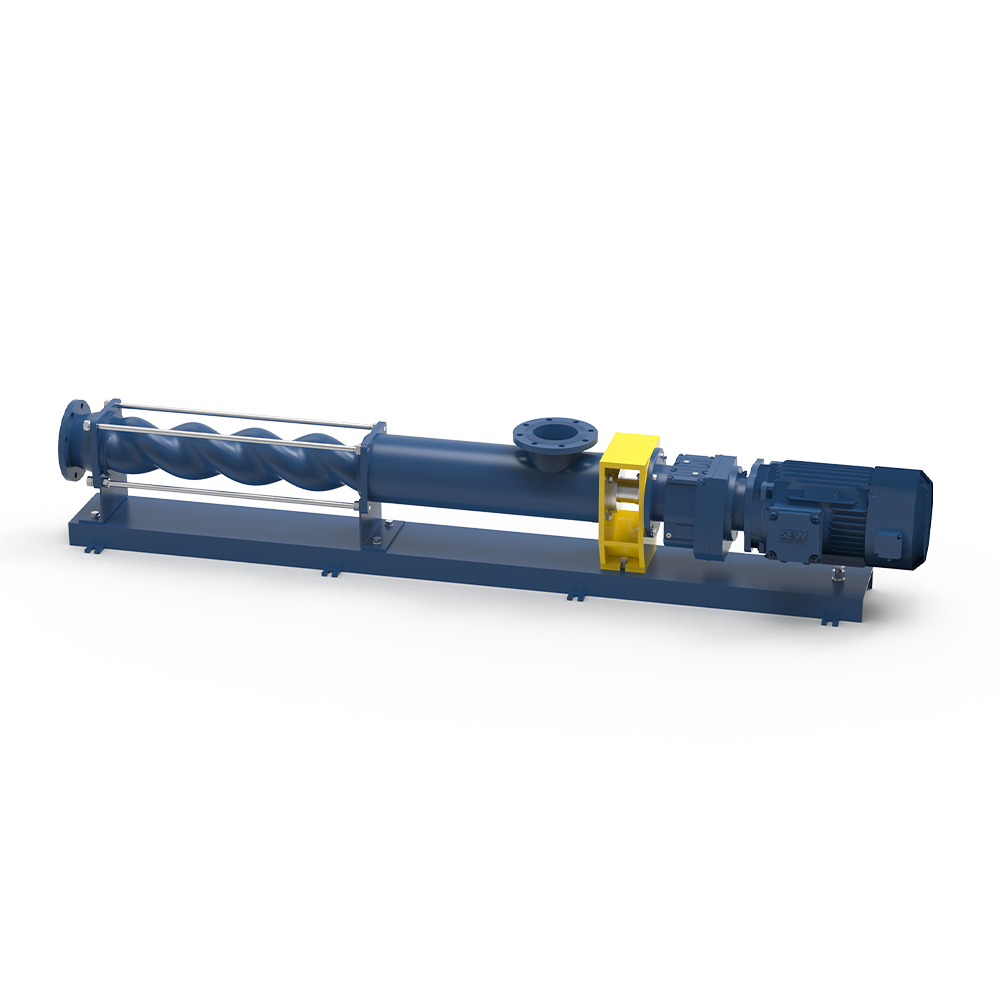
Screw pumps equipped with equal wall thickness stator, the same kind of pump specifications pump flow, and pressure are increased. The equal wall thic...
See Details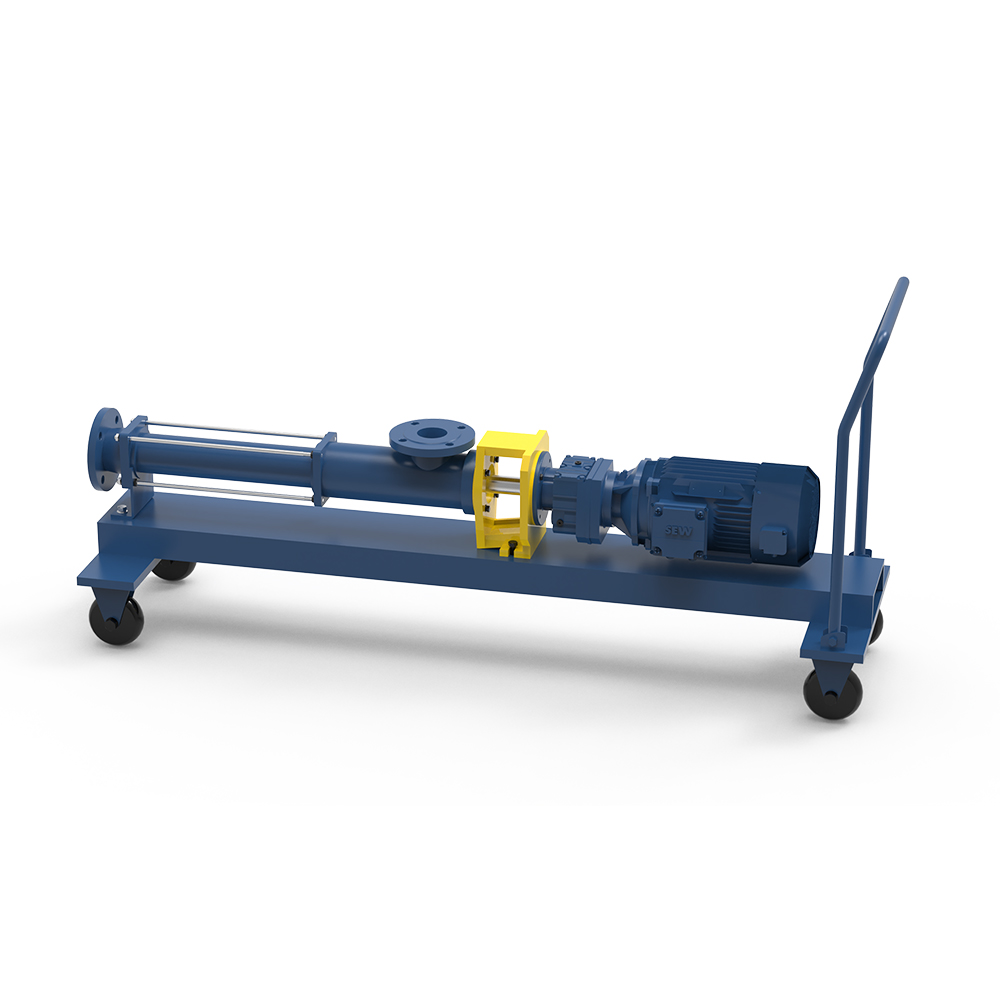
Mika vehicle-mounted pump, the pump base is not only stable and reliable, but also cleverly equipped with universal wheels, these wheels rotate flexib...
See Details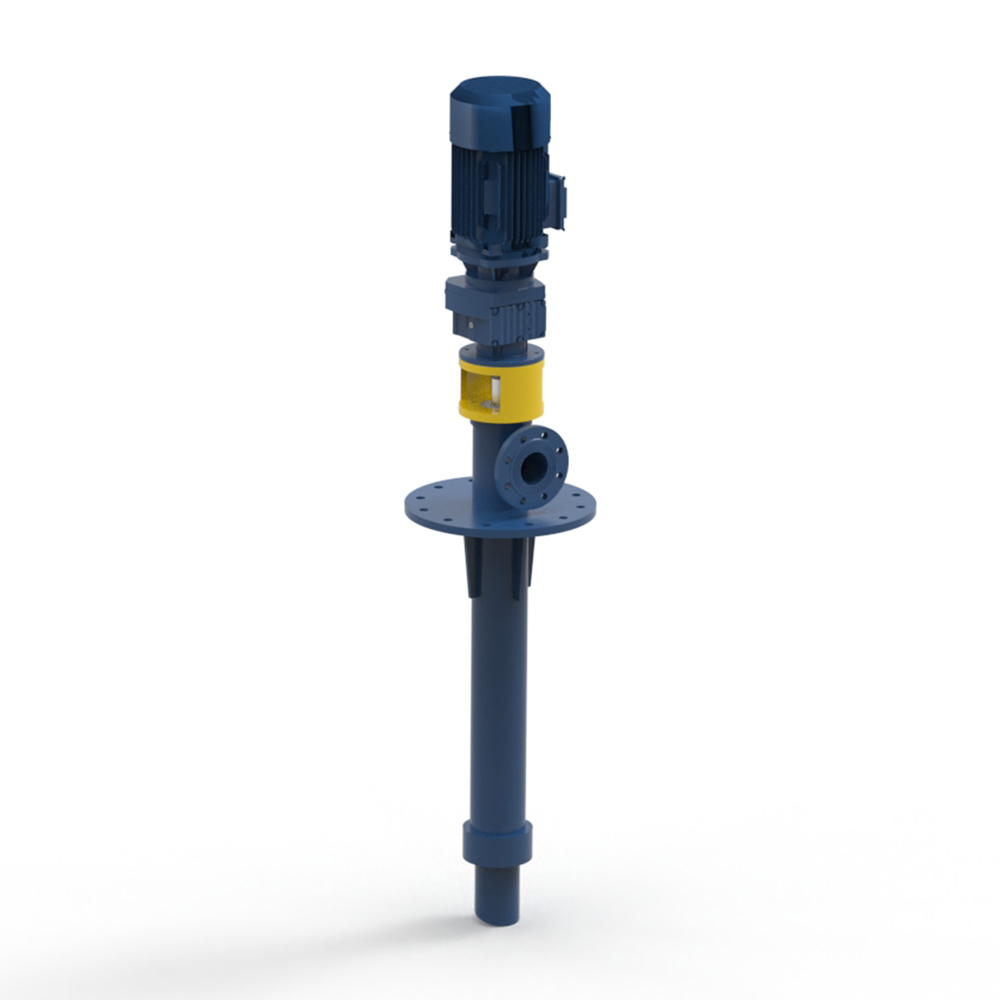
Mika vertical T-type screw pumps can be achieved through the length of the pump body to a variety of different depths of the pool, the pump's hopper i...
See Details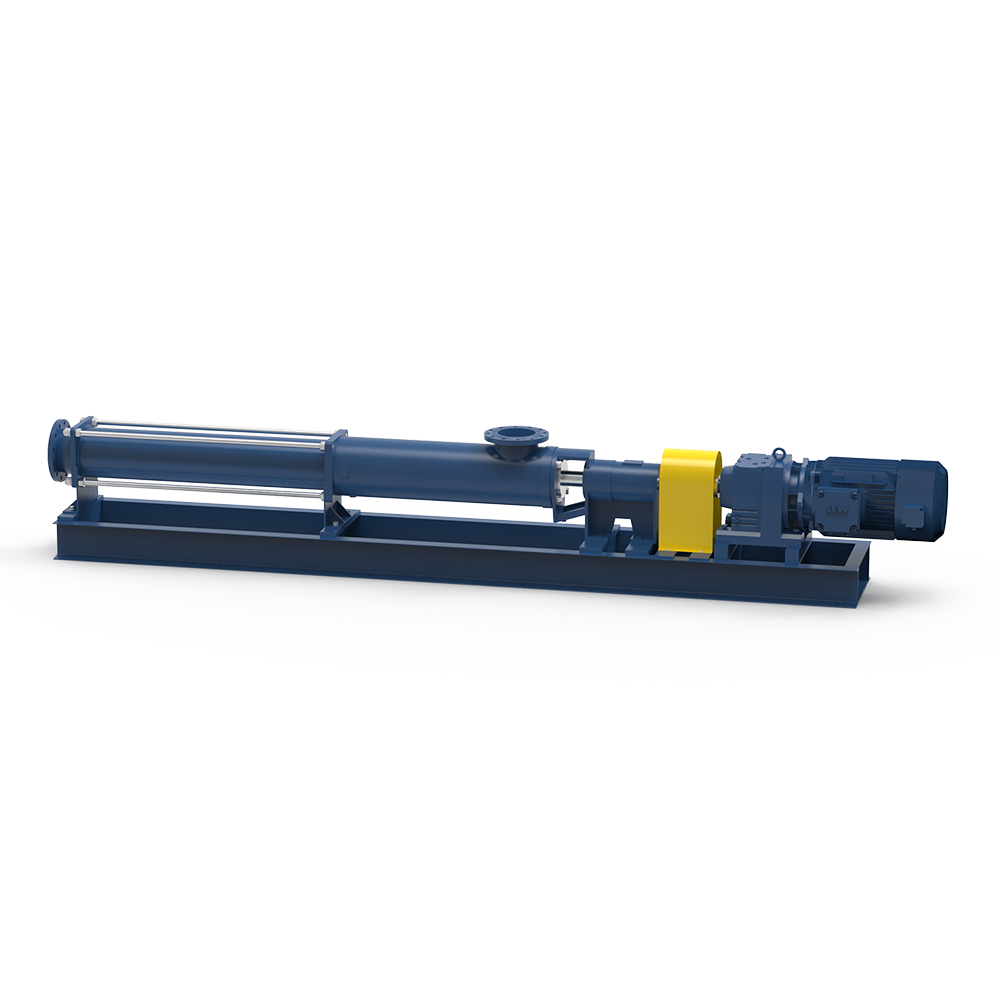
The S-pump with bearing frame support can withstand higher axial loads and can be used for high-pressure conditions, e.g. high-pressure sludge feed tr...
See Details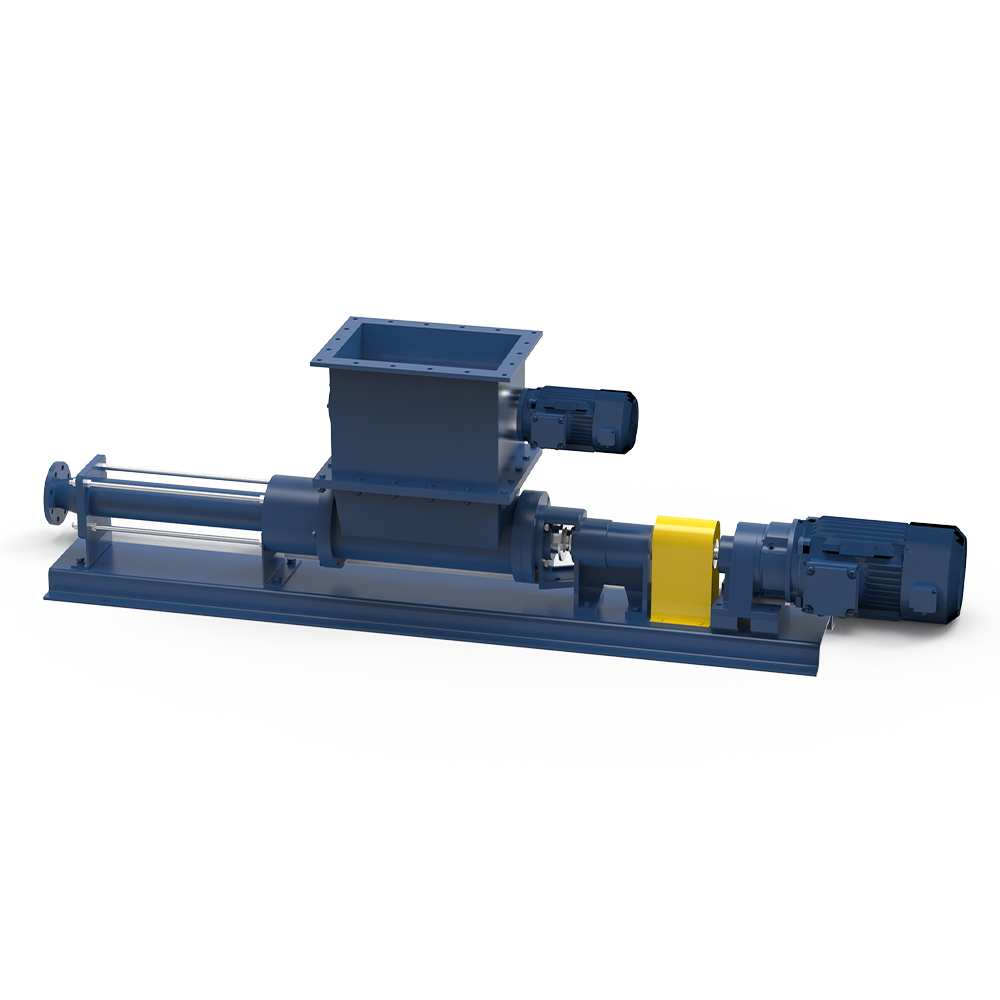
The inlet is designed for a large hopper with a bridge-breaking device P-pumps are suitable for conveying materials with high viscosity, high solids c...
See Details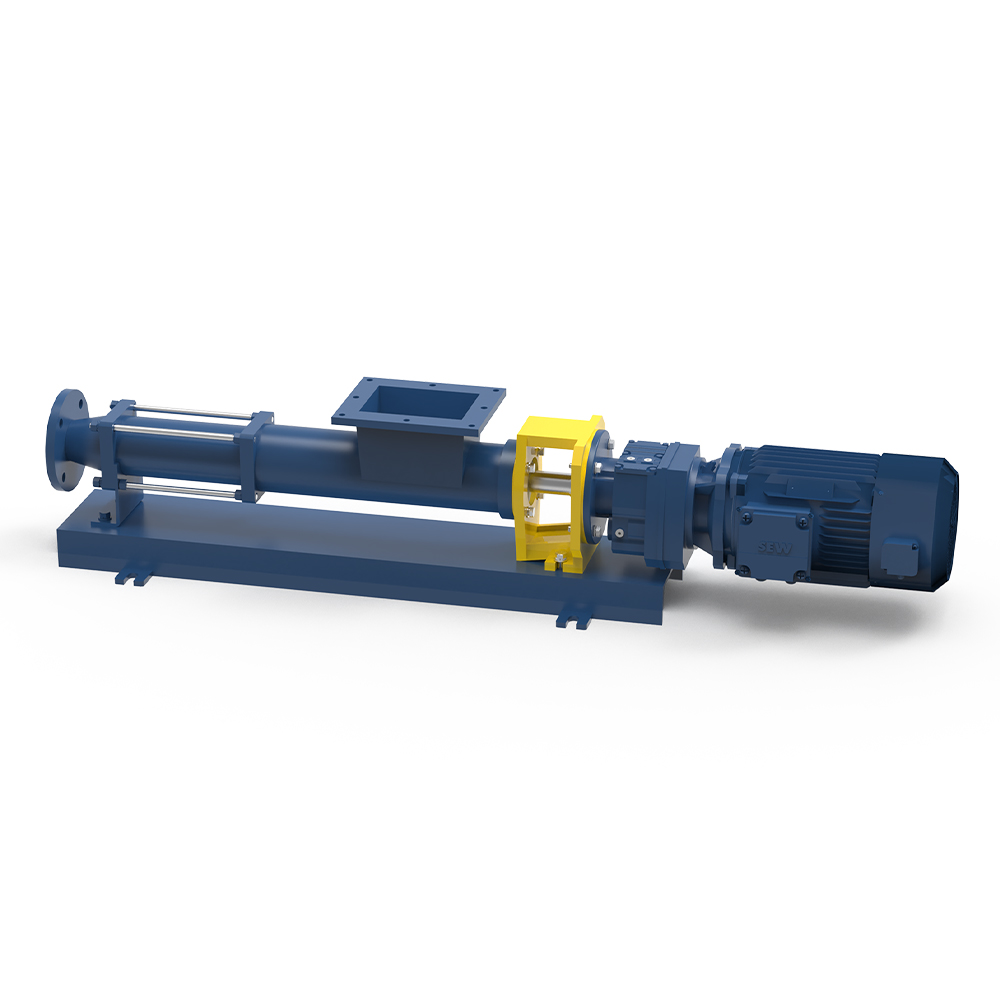
The inlet is a small rectangular hopper design H pump, suitable for conveying high viscosity solid content of less than 15% of the medium, such as cru...
See Details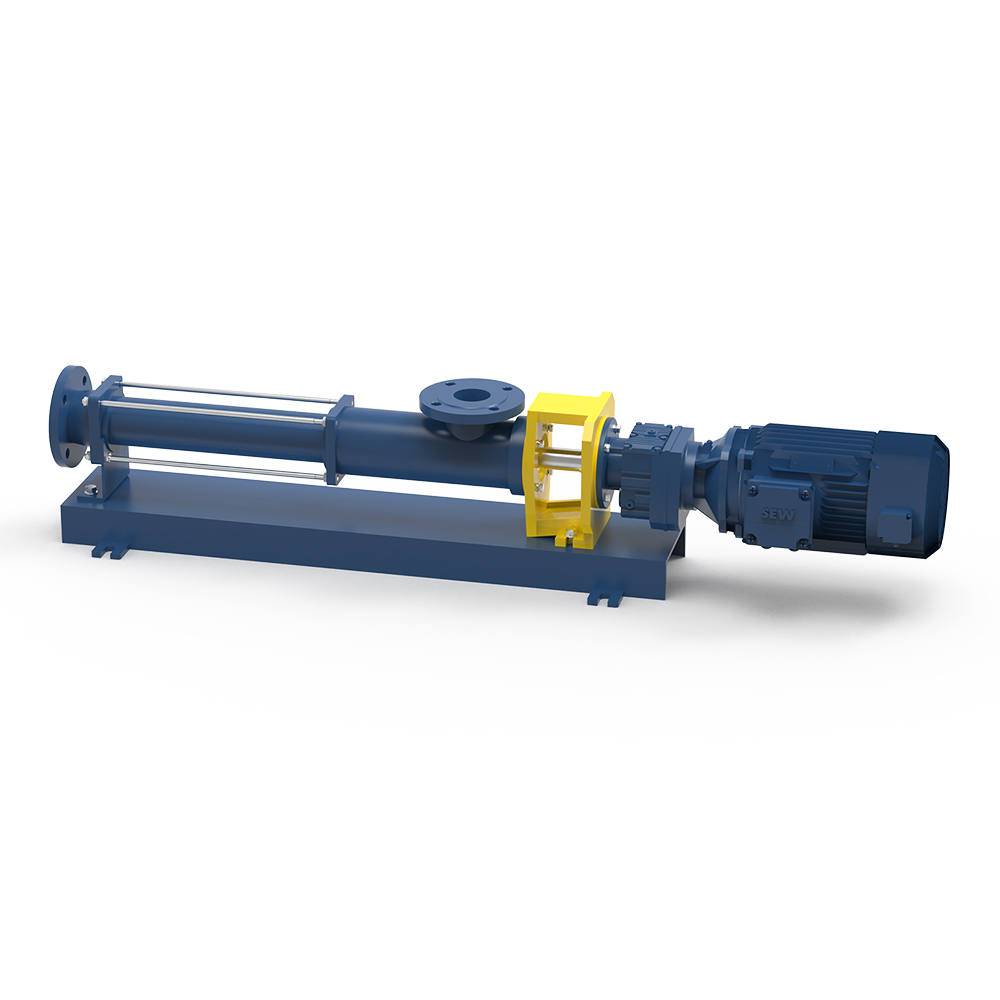
Mika Classic B direct-connected pumps are compact, easy to maintain, with low investment costs, and are suitable for a wide range of common working co...
See Details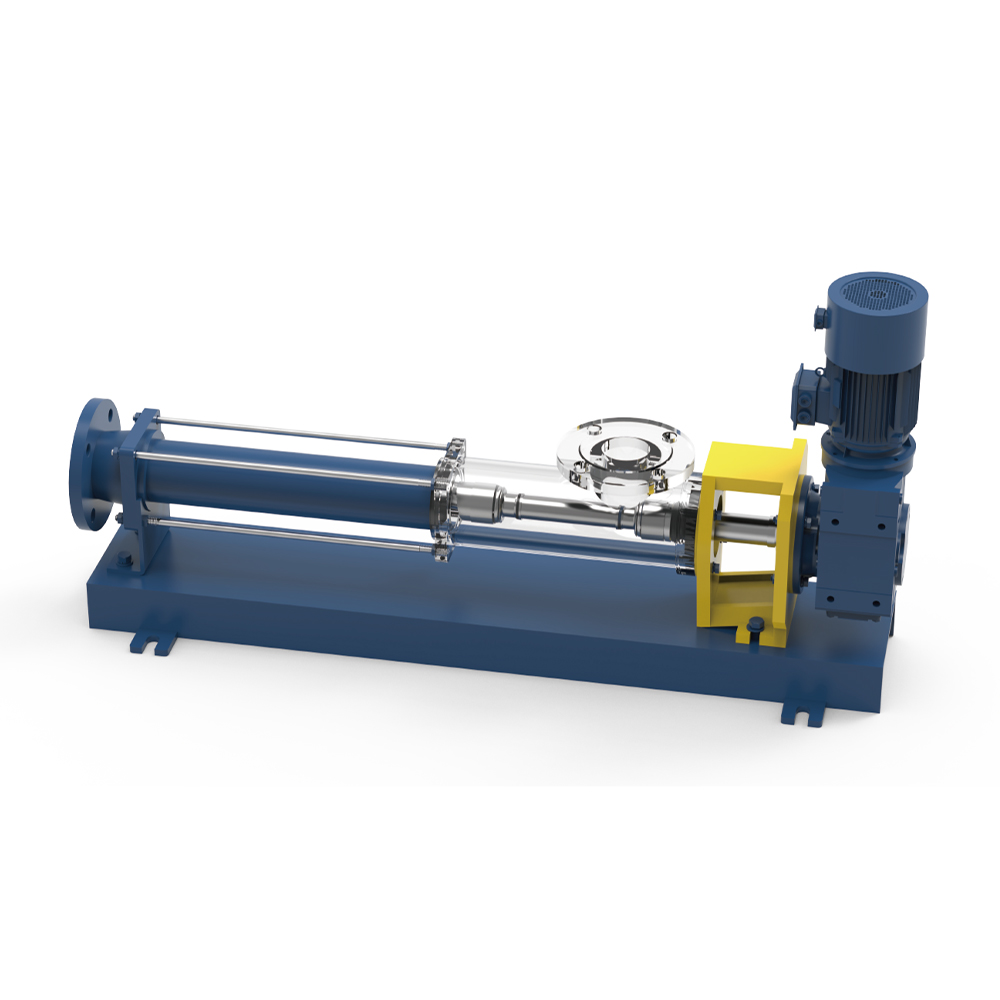
The speed reducer adopts the K series speed reducer, and the length of the pump can be shortened, so it can be used in places where the space is narro...
See Details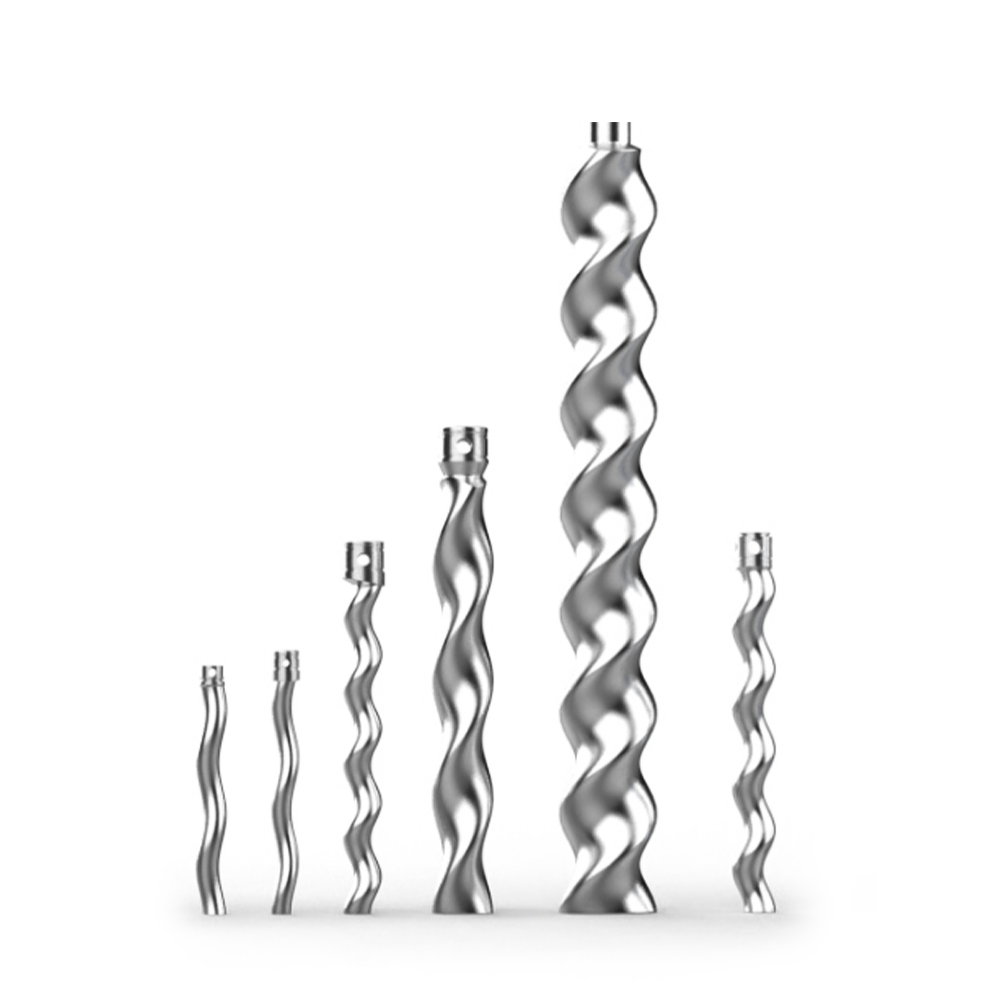
Multiple materials available, 304, 316L, 2205, rotor surface coating can be chrome plated or tungsten carbide sprayed.
See Details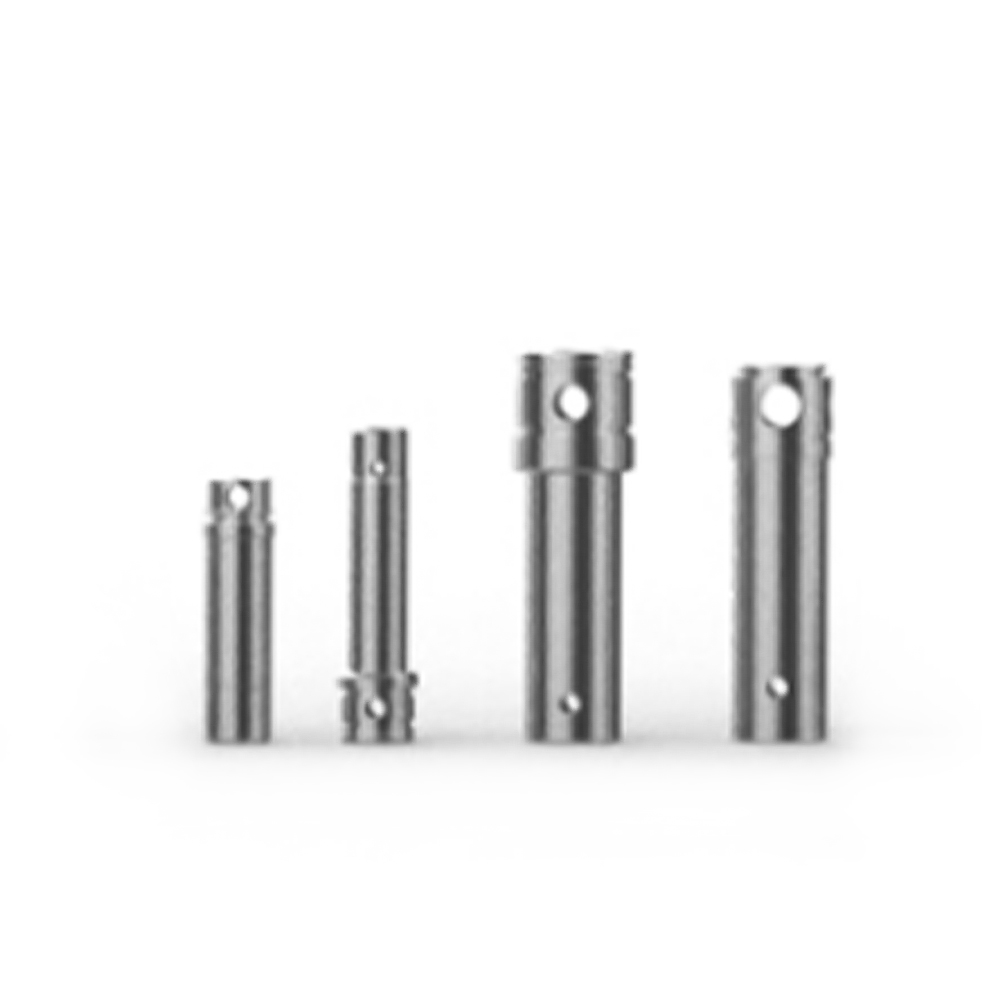
Multiple materials available: Q235,304,316L,2205,2507, etc.
See DetailsContact Us
Add: No. 36 Xintai Road, Economic Development Zone, Jingjiang City, Jiangsu Province, China
Tel: +86-13515167342
Fax: +86-523-84261117
E-mail: [email protected]
We'd love to
hear from you!
