
 English
 русский
 Español
Equal Wall Thickness Screw Pumps
Cat:Single Screw Pumps
Screw pumps equipped with equal wall thickness stator, the same kind of pump specifications pump flow, and pressure are increased. The equal wall thic...
See DetailsContent
A complete set of screw pump accessories, not just the stator and rotor alone, is what determines whether a single screw pump runs reliably over its service life. The drive line, the structural housings, and the two core wear parts all interact mechanically, so treating accessories as a coordinated system rather than a list of individual spare parts generally leads to fewer unplanned shutdowns. This article works through the full accessory chain of a single screw pump, from the gear motor and universal joint at the drive end, through the feed chamber, stator, rotor, and extension shaft, to the discharge body at the outlet. It is written for plant engineers, maintenance planners, and procurement teams who are standardizing their screw pump accessories sourcing, whether they are supporting a single installation or a mixed fleet of pumps across several process areas. Several data visualizations are included to make the relationships between accessory categories, wear behavior, and configuration choices easier to interpret at a glance.
Jingjiang Meijia Pump Industry Co., Ltd. is located at No. 36 Xintai Road, Jingjiang Economic and Technological Development Zone, Jiangsu Province. It is a professional company engaged in the production, sales, and after-sales service of single-screw pumps and high-quality single-screw pump spare parts. Meijia Pump Industry has numerous experienced, technically mature, high-quality, and fully trustworthy engineers in the design, manufacturing, inspection, and complete sets of screw pumps. Meijia single screw pump products have advanced technology, complete structure, diverse forms, complete specifications, and durability, and they are widely used in industries such as environmental water treatment, chemical industry, paper and pulp, food and pharmaceutical, petrochemical, and energy. Meijia Pump Industry also provides universal accessories for global single screw pump brands, and its strong production capacity, rich practical experience, and mature technological advantages provide stable support for its products.
The company's after-sales service center has a team of experienced engineers to provide customers with thoughtful after-sales service. After long-term and careful comparison, different users will have the same discovery: Meijia single screw pump products can operate for many years in different environments and working conditions. Meijia Pump Industry aims to be a dependable manufacturer and wholesale supplier for engineering teams, and leaders from all walks of life are welcome to visit and exchange technical views.
Screw pump accessories cover every component outside the pump casing that contributes to torque transmission, media handling, or structural support within a single screw pump assembly. This is broader than just the stator and rotor, and it includes the direct-connected bracket, the gear motor, the universal joint, the connecting shaft, the feed chamber, and the discharge body. Grouping these parts into a schematic block diagram, rather than describing them in isolation, makes it easier to see how torque and fluid flow move through the assembly in sequence. The diagram below follows the flow from the gear motor at the drive end through to the discharge body at the outlet, with the stator and rotor forming the pumping core in the middle of the chain.
Table 1 below summarizes the same accessory list with typical material options and wear characteristics, giving a quick reference for planning replacement schedules across the full set rather than reacting to one failure at a time.
| Accessory | Typical Materials | General Wear Category |
|---|---|---|
| Stator | NBR, HNBR, EPDM, FKM | High wear, planned replacement item |
| Single screw rotor | 304, 316L, 2205, chrome or tungsten carbide coated | Moderate wear, condition-based replacement |
| Single screw extension shaft | Q235, 304, 316L, 2205, 2507 | Low wear, mainly inspected for alignment |
| Universal joint | Rubber-sheathed pin type or cross-shaft type | Moderate wear at pivot points |
| Feed chamber | Q235, 304, 316L, 2205, 2507 | Low to moderate wear, depends on solids content |
| Direct-connected bracket | Cast iron | Very low wear, structural component |
| Discharge body | Q235, 304, 316L, 2205, 2507 | Low wear, occasional erosion at high solids content |
Not every single screw pump uses the same combination of accessories, and the configuration generally depends on how the pump is mounted and where it sits relative to the tank or pit it serves. A standard horizontal configuration typically has a shorter drive line with a compact universal joint and connecting shaft, while a vertical screw pump or a submersible sewage screw pump installation adds a longer single screw extension shaft and, in deeper installations, an intermediate support bearing. A food screw pump configuration usually keeps the drive line simple but places more emphasis on the feed chamber and discharge body finish for cleanability. Understanding how the accessory mix shifts across these three common configurations helps a buyer plan a more accurate spare parts list rather than ordering a generic set that does not match the actual installation.
The stacked bar chart below shows an illustrative breakdown of the relative share that each accessory category represents within a complete spare parts set for three common configurations: standard horizontal, extended shaft (vertical or deep-pit), and sanitary food-grade. Each bar is divided into segments representing the stator and rotor core, the drive line hardware, the structural housings, and the extension shaft where applicable. This chart format was chosen because it shows both the total composition and the relative share of each category within a single visual, which a simple bar chart cannot do as clearly. Reading across the three bars from left to right shows how the extension shaft segment grows substantially for the extended-shaft configuration while remaining negligible for the standard and sanitary configurations. This comparison is useful for procurement teams trying to anticipate which accessory categories will make up the bulk of their spend and planning effort for a given installation type.
The chart shows that the stator and rotor core, shown in dark green, generally represents the largest single share of the accessory set across all three configurations, which is consistent with their role as the primary wear items in the pump. The extension shaft segment, shown in the lightest shade, is nearly absent in the standard configuration but expands considerably in the extended-shaft configuration, reflecting the added drive-line length needed for deep tank or pit installations. The sanitary configuration shows a comparatively larger structural housings share, which aligns with the additional attention that feed chamber and discharge body finish quality typically receive in food and pharmaceutical applications. Drive line hardware, including the universal joint and gear motor interface, holds a fairly consistent share across all three configurations, since torque transmission requirements do not vary as dramatically as shaft length or housing finish requirements. This kind of composition view is useful for setting inventory priorities, since it shows that stocking spare stators and rotors will generally cover the largest share of maintenance needs regardless of which configuration a facility operates. For facilities that operate a vertical screw pump or a deep-pit sewage screw pump, the chart is a reminder that extension shaft availability deserves proportionally more planning attention than it would for a standard horizontal installation. Procurement teams working with a screw pumps manufacturer can use this kind of breakdown as a starting point for a stocking plan, then refine it further based on their own historical replacement records. It is worth noting that these composition figures are illustrative rather than measured across a specific fleet, since actual proportions will vary by pump size, duty cycle, and process fluid characteristics. The general pattern, however, that the rotor and stator dominate the accessory set while extension shaft share depends heavily on installation depth, tends to hold true across most single screw pump installations regardless of brand.
The universal joint is one of the more overlooked screw pump accessories, yet it carries the full drive torque while accommodating the eccentric orbital motion of the single screw rotor, which makes its design and condition directly relevant to pump reliability. Two joint types are commonly used: a rubber-sheathed pin design, where a flexible rubber sleeve surrounds a pin connection, and a cross-shaft universal joint design, which uses a rigid metal cross-shaft arrangement to transmit torque. The rubber-sheathed pin design generally offers a degree of vibration damping because the rubber sleeve absorbs some torsional shock, while the cross-shaft design generally offers higher rigidity and is often preferred for higher-torque or higher-speed applications. Choosing between the two types typically comes down to a trade-off between vibration tolerance and mechanical stiffness, and the correct choice depends on the specific pump size, speed, and the abrasiveness of the surrounding environment. Because the universal joint sits between the connecting shaft and the rotor, its wear condition also affects how evenly load is transmitted to the rotor, which can indirectly influence stator wear as well.
The horizontal bar chart below compares the rubber-sheathed pin joint and the cross-shaft joint across three qualitative performance dimensions: vibration tolerance, torque capacity, and maintenance simplicity, using an illustrative 0 to 10 rating scale. This chart type was selected because a simple side-by-side bar format makes it easy to see where each joint type has a relative advantage without over-complicating the comparison with too many dimensions. The ratings reflect general mechanical engineering characteristics associated with each joint design rather than measurements from a specific test program. Reading the bars from top to bottom for each joint type shows a fairly clear trade-off pattern between the two designs. This comparison is intended to help engineers narrow down which joint type is more appropriate before requesting a formal quotation from a screw pumps manufacturer.
The chart shows that the rubber-sheathed pin joint generally rates higher on vibration tolerance and maintenance simplicity, which is consistent with the damping effect of the rubber sleeve and its relatively simple field-replaceable design. The cross-shaft joint, by contrast, generally rates higher on torque capacity, making it a common choice for larger pumps or applications where higher drive torque is required to move viscous or high-solids media. Neither joint type is universally superior, and the comparison illustrates why joint selection should be based on the specific duty point of the pump rather than a default assumption carried over from a different installation. For lighter-duty applications such as a smaller food screw pump, the rubber-sheathed pin design's vibration damping and simple maintenance are often more valuable than the additional torque headroom of a cross-shaft design. For larger sewage screw pump or sludge screw pump installations handling higher torque loads, the cross-shaft design's rigidity becomes more important, particularly where the pump operates continuously at higher duty cycles. Maintenance simplicity also has a practical inventory implication, since a joint type that is easier to service in the field may reduce the total downtime associated with a routine inspection or minor repair. It is worth noting that both joint types are still wear items and will eventually require replacement regardless of which design is chosen, so periodic inspection remains necessary either way. When specifying a replacement universal joint, providing the existing joint's dimensions and torque rating to the manufacturer helps ensure the replacement part matches the original drive-line geometry. Because the universal joint sits at a mechanically active point in the drive line, its selection deserves the same level of attention that is typically given to the stator and rotor, even though it is often treated as a secondary accessory. Standardizing on one joint type across a fleet of similar pumps, where duty conditions allow, can also simplify spare parts stocking and reduce the number of distinct part numbers a facility needs to track.
Among all screw pump accessories, the stator and single screw rotor are the two most directly affected by the abrasiveness of the pumped fluid, since both components are in continuous sliding contact with the process media as it moves through the cavity. Higher abrasive solids content generally shortens the practical inspection and replacement interval for both parts, though the relationship is not perfectly linear because elastomer hardness, rotor coating, and fluid velocity all interact with solids content as well. Understanding this relationship in general terms helps maintenance planners set more realistic inspection schedules rather than applying the same fixed interval to every installation regardless of the fluid being handled. This is particularly relevant for facilities operating a sludge screw pump or sewage screw pump, where solids content can vary significantly between different points in a treatment process.
The scatter plot below illustrates a generalized, non-brand-specific relationship between approximate abrasive solids content in the pumped fluid and a general recommended inspection interval category for the stator and rotor, based on common patterns discussed in pump maintenance literature rather than a single controlled study. Each point on the chart represents a general operating scenario rather than a specific pump or customer installation. This chart format was chosen because a scatter plot is well suited to showing the general direction of a relationship between two variables without implying a precise mathematical formula. Reading the chart from left to right shows a broadly downward trend, meaning that recommended inspection intervals tend to shorten as abrasive solids content increases. This relationship is a useful planning reference, though actual intervals should always be adjusted based on observed wear during the first few inspection cycles at a specific site.
The scatter plot shows a fairly consistent downward trend, with the dashed trend line indicating that recommended inspection intervals generally shorten as abrasive solids content rises, which aligns with the well-understood mechanism of abrasive wear on both elastomer and metal surfaces. At the low end of the solids range, intervals cluster toward the longer end of the scale, consistent with applications such as clean or lightly contaminated water transfer where wear accumulates more slowly. As solids content increases into the moderate range, the points shift toward shorter intervals, reflecting the faster material loss that occurs when particulates repeatedly contact the stator bore and rotor surface. At the high end of the solids range, typical of raw sewage screw pump or sludge screw pump duty, the points cluster toward the shortest intervals shown, reinforcing why these applications often benefit from a coated rotor or a more abrasion-resistant elastomer such as a reinforced NBR or EPDM compound. The scatter format also makes clear that the relationship is not perfectly linear, since individual points can sit somewhat above or below the general trend line depending on additional factors such as flow velocity and particle sharpness. This variability is a useful reminder that abrasive solids content is an important but not exclusive predictor of accessory wear rate. Facilities can use this general pattern as a starting point for setting an initial inspection schedule, then refine the interval based on actual condition observed during the first two or three inspections at their specific site. Tracking actual wear against the initially planned interval over time also helps validate whether the selected stator elastomer and rotor coating are well matched to the fluid's abrasiveness. For procurement planning, this relationship supports keeping a shorter safety stock cycle for stators and rotors in high-solids applications compared with cleaner fluid services. Sharing solids content estimates with a screw pumps manufacturer when requesting spare parts recommendations generally results in a more accurate elastomer and coating suggestion than a generic catalog selection.
One practical advantage of working with a manufacturer that produces universal accessories compatible with a wide range of global single screw pump brands is that it reduces the number of separate suppliers a facility needs to manage for spare parts. Standardizing accessory sourcing around one supplier generally simplifies technical communication, since the same engineering team can answer questions about tolerance, material grade, and coating options across the entire accessory list. This is particularly valuable for facilities that operate a mixed fleet of pumps acquired over different years or from different original suppliers, where tracking down brand-specific parts for each unit can become time-consuming. A useful way to visualize this benefit is through a coverage-style gauge showing how much of a typical mixed-fleet accessory requirement can generally be addressed through universal, dimensionally-matched replacement parts rather than requiring brand-specific sourcing.
The gauge chart below presents an illustrative coverage indicator representing the general proportion of common single screw pump accessory categories, such as stators, rotors, universal joints, and connecting shafts, that can typically be matched through dimensionally-compatible universal parts rather than original-brand-only sourcing. This is a general illustrative estimate intended to communicate a concept rather than an audited statistic for any specific fleet or supplier. The gauge format was chosen because it is well suited to representing a single summary metric in a way that is quick to read and visually distinct from the other charts in this article. The needle position indicates the general coverage level, with the shaded arc providing a visual reference band. This visualization is meant to support a broader discussion about the practical value of standardized, universally compatible screw pump accessories rather than to serve as a precise sourcing guarantee.
The needle position in the gauge sits toward the upper-middle portion of the arc, reflecting the general observation that a meaningful share of common accessory categories can typically be addressed through dimensionally-matched universal parts once accurate original dimensions are provided. This coverage tends to be strongest for high-turnover wear items such as stators and rotors, since these components are manufactured to well-established pitch and profile standards that a competent manufacturer can replicate closely. Coverage is generally moderate for drive-line hardware such as universal joints and connecting shafts, where torque rating and end-connection geometry need to be matched carefully but are still commonly documented and reproducible. Structural components such as the direct-connected bracket sometimes require closer coordination with the manufacturer, since mounting footprint and bolt pattern can vary more between original brands. This general pattern supports the practical approach of prioritizing stator and rotor standardization first when a facility begins consolidating its screw pump accessories sourcing, since that is where the most consistent coverage and the largest share of routine spend typically overlap. It also explains why accurate original part dimensions, rather than just a brand name, are the most useful information a buyer can provide when requesting a compatibility check. Facilities operating a food screw pump alongside a sludge screw pump, for example, can often source stators, rotors, and drive-line hardware for both from the same manufacturer once dimensional data is confirmed, even though the two applications call for very different elastomer and finish specifications. This coverage concept is also relevant for facilities weighing whether to standardize on a single screw pumps manufacturer for future purchases, since broader accessory coverage generally reduces the total number of supplier relationships needed to keep a mixed fleet running. As with the other charts in this article, the gauge is intended as a conceptual planning aid, and any specific compatibility question should be confirmed directly with the manufacturer using actual part dimensions.
Combining the composition patterns, wear relationships, and coverage concepts discussed above into a practical stocking list helps a maintenance team avoid both under-stocking critical wear items and over-stocking low-turnover structural parts. The list below reflects a general prioritization order that is commonly appropriate across most single screw pump installations, though it should be adjusted based on a facility's own historical replacement data.
This kind of prioritized approach reflects the general wear patterns discussed throughout this article, with the stator and rotor sitting at the top of the list because they represent both the highest wear rate and the largest share of a typical accessory set. Facilities that align their stocking priorities with actual wear patterns rather than a generic parts list tend to reduce both excess inventory and unplanned downtime at the same time. Reviewing this list annually against actual maintenance records is a reasonable practice for keeping the stocking plan aligned with real operating conditions as process fluids or duty cycles change over time.
Q1: What is included when a supplier refers to screw pump accessories?
The term generally covers the stator, single screw rotor, extension shaft, feed chamber, direct-connected bracket, gear motor, universal joint, connecting shaft, and discharge body. Together these components form the complete drive line and pumping core of a single screw pump.
Q2: Which universal joint type is generally preferred for higher-torque applications?
Cross-shaft universal joints generally offer higher torque capacity and rigidity, making them a common choice for larger or higher-duty-cycle pumps. Rubber-sheathed pin joints, by comparison, generally offer better vibration tolerance and simpler field maintenance.
Q3: Does higher abrasive solids content always shorten stator and rotor life?
Higher abrasive solids content generally shortens the practical inspection and replacement interval for the stator and rotor, though the relationship is not perfectly linear. Elastomer hardness, rotor coating, and flow velocity also influence how quickly wear accumulates.
Q4: Can universal accessories replace parts from other single screw pump brands?
In many cases, yes, provided accurate original dimensions are supplied so the manufacturer can confirm a dimensional match. Coverage is generally strongest for stators, rotors, and drive-line hardware, with structural components sometimes requiring closer coordination.
Q5: Does Meijia Pump Industry supply the complete accessory set for a single screw pump?
Yes, Meijia Pump Industry produces the full range of screw pump accessories, including universal accessories compatible with a wide range of global single screw pump brands, alongside its own complete single screw pump product line.
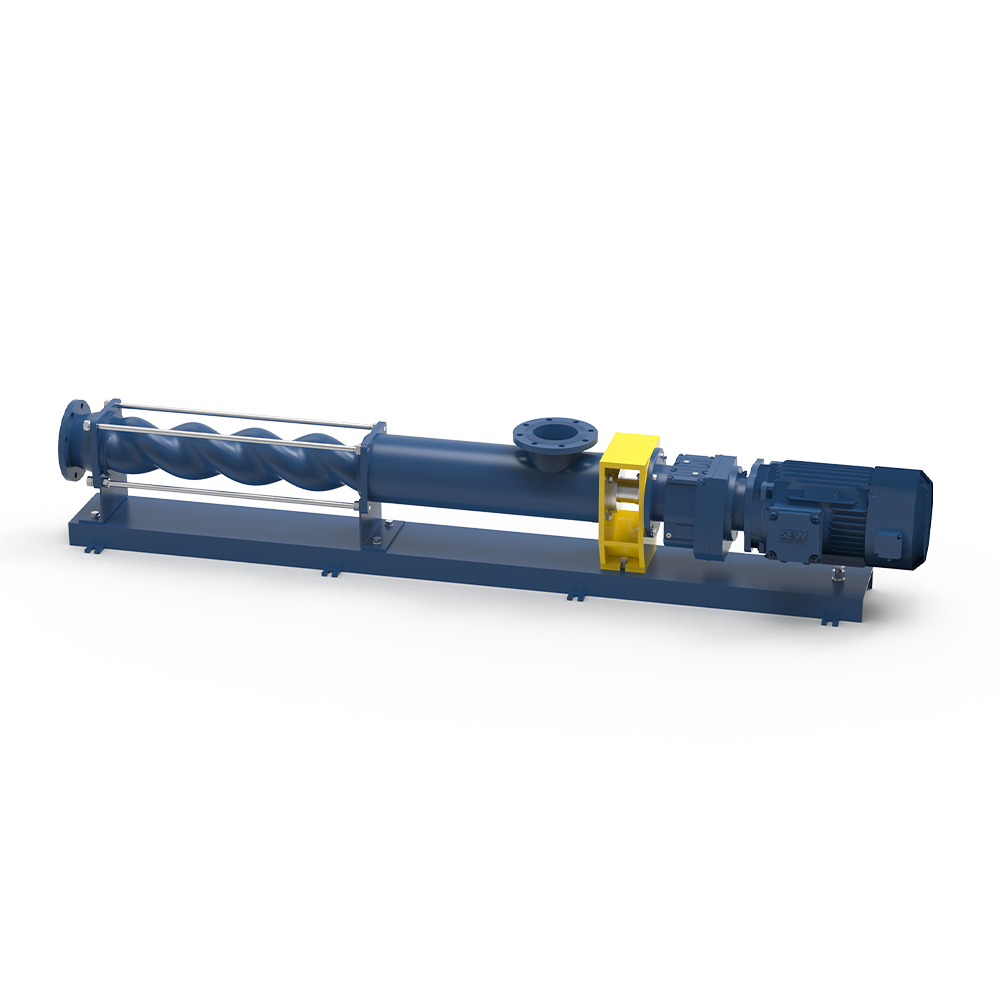
Screw pumps equipped with equal wall thickness stator, the same kind of pump specifications pump flow, and pressure are increased. The equal wall thic...
See Details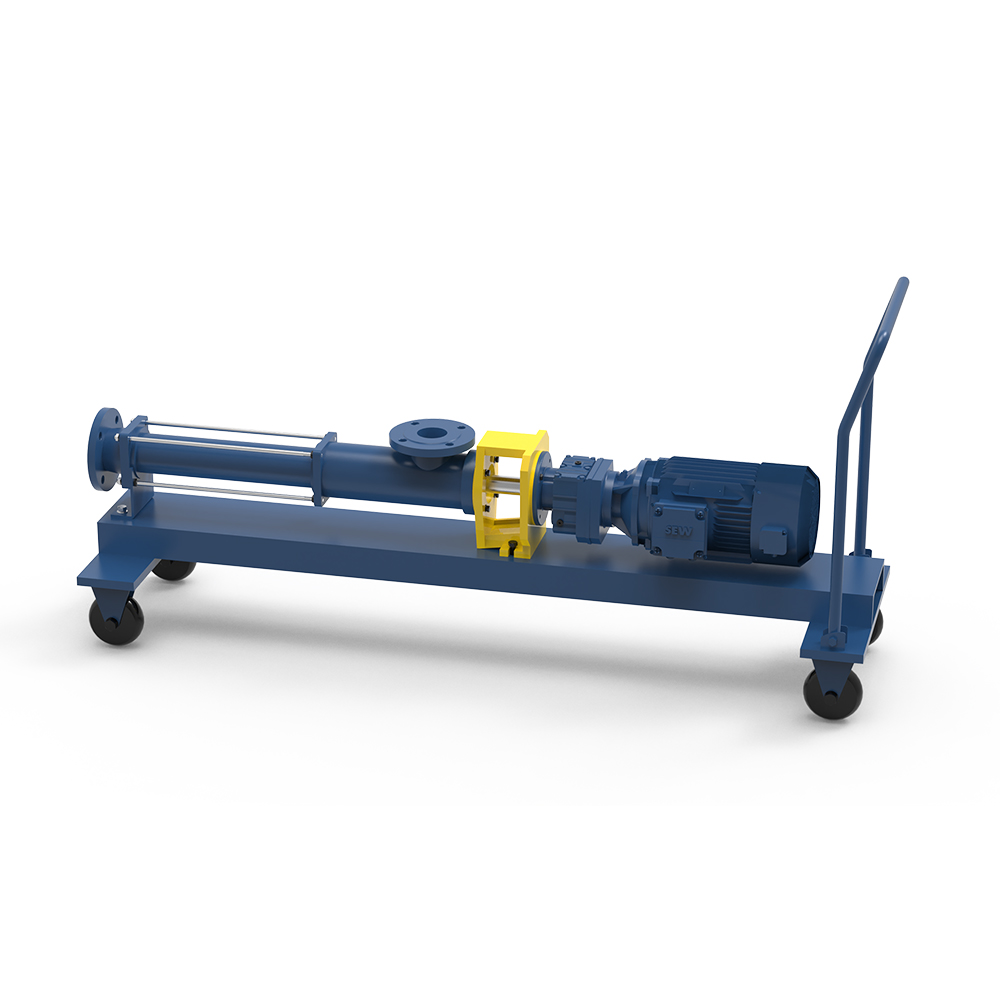
Mika vehicle-mounted pump, the pump base is not only stable and reliable, but also cleverly equipped with universal wheels, these wheels rotate flexib...
See Details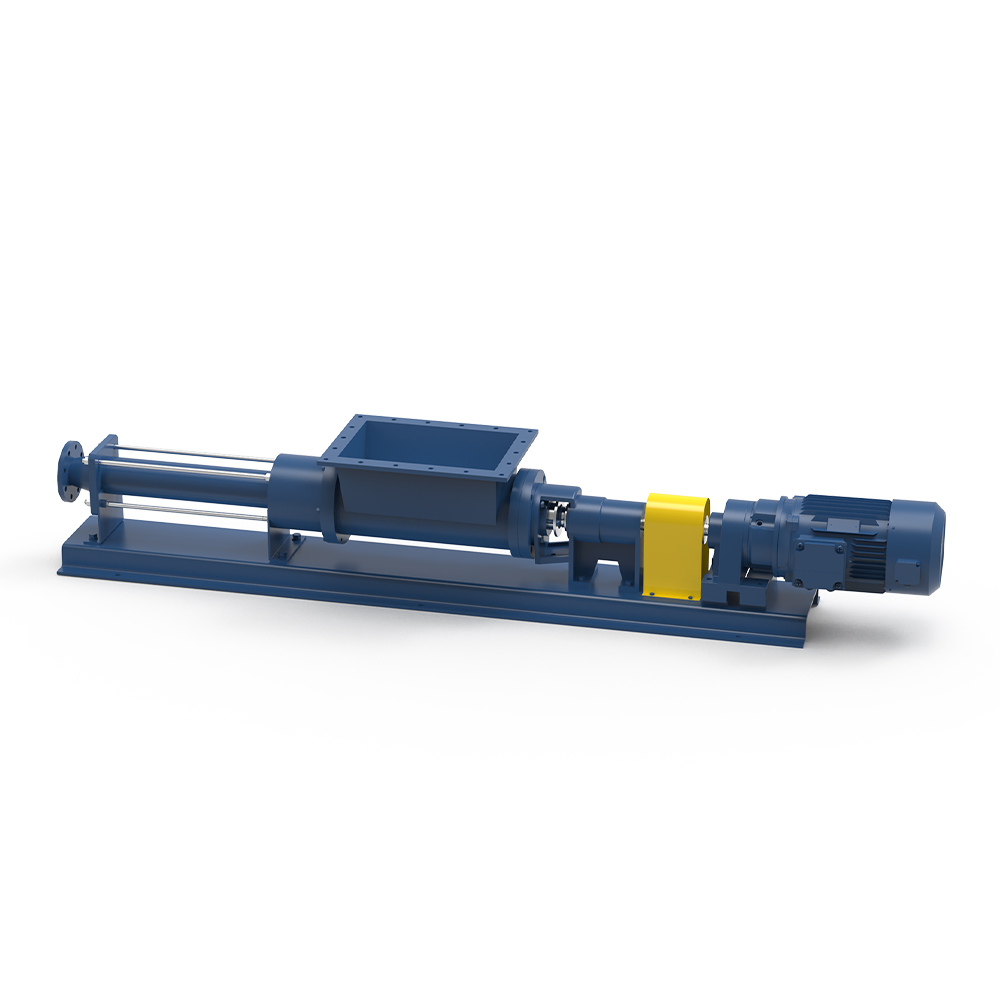
The inlet is a large hopper design W-type pump with a connecting shaft with multiple spiral vanes (which can effectively prevent the accumulation of m...
See Details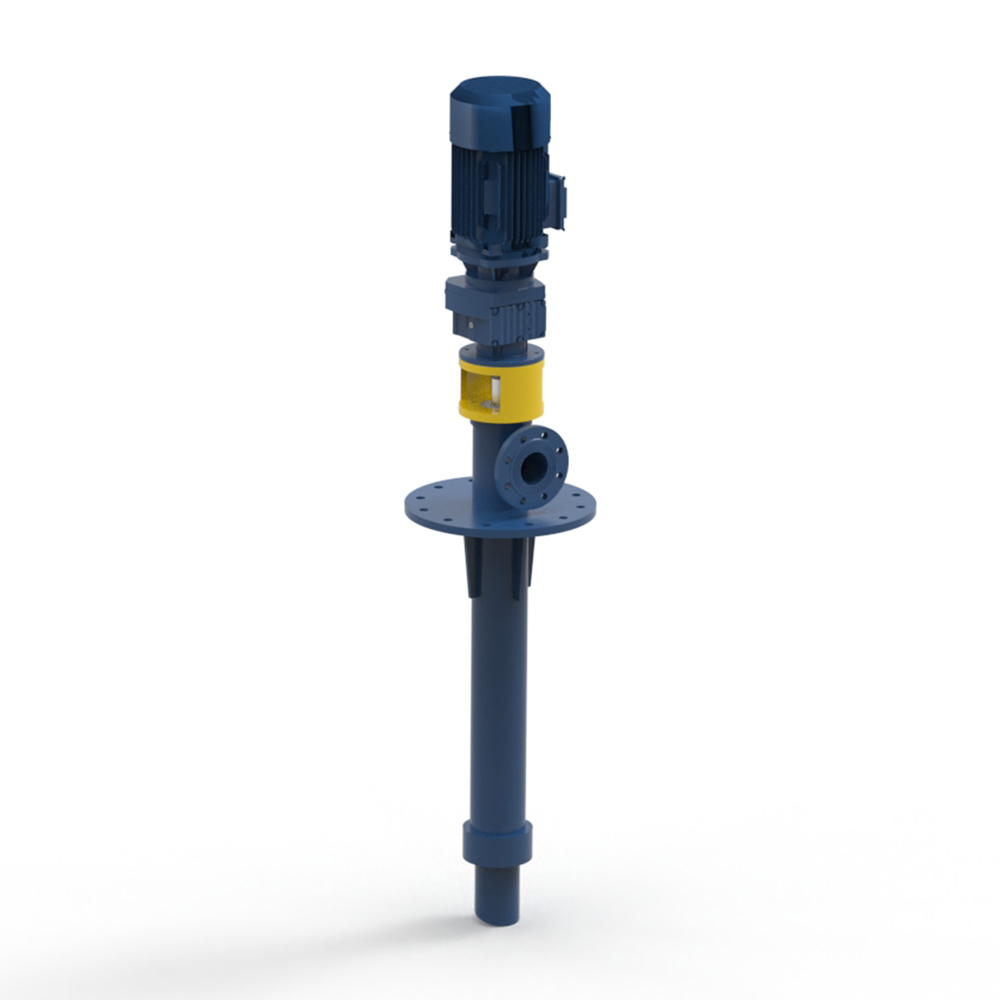
Mika vertical T-type screw pumps can be achieved through the length of the pump body to a variety of different depths of the pool, the pump's hopper i...
See Details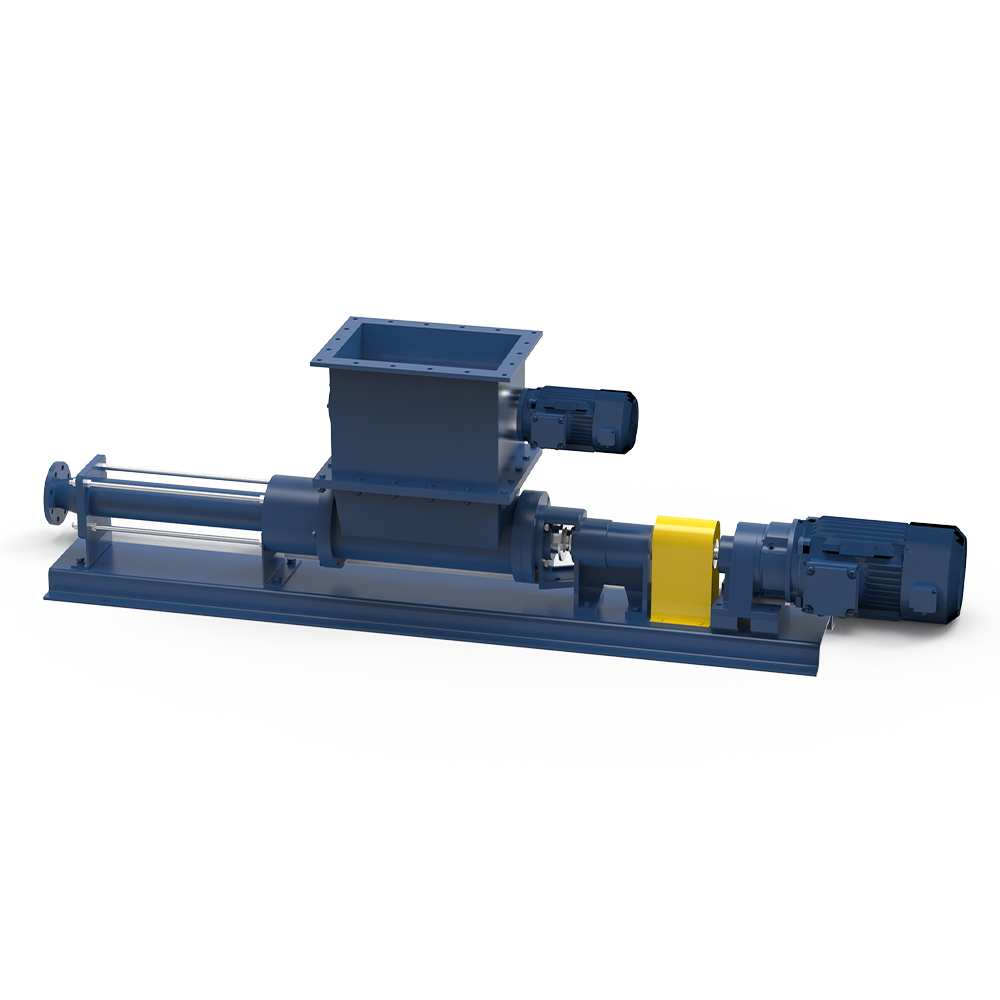
The inlet is designed for a large hopper with a bridge-breaking device P-pumps are suitable for conveying materials with high viscosity, high solids c...
See Details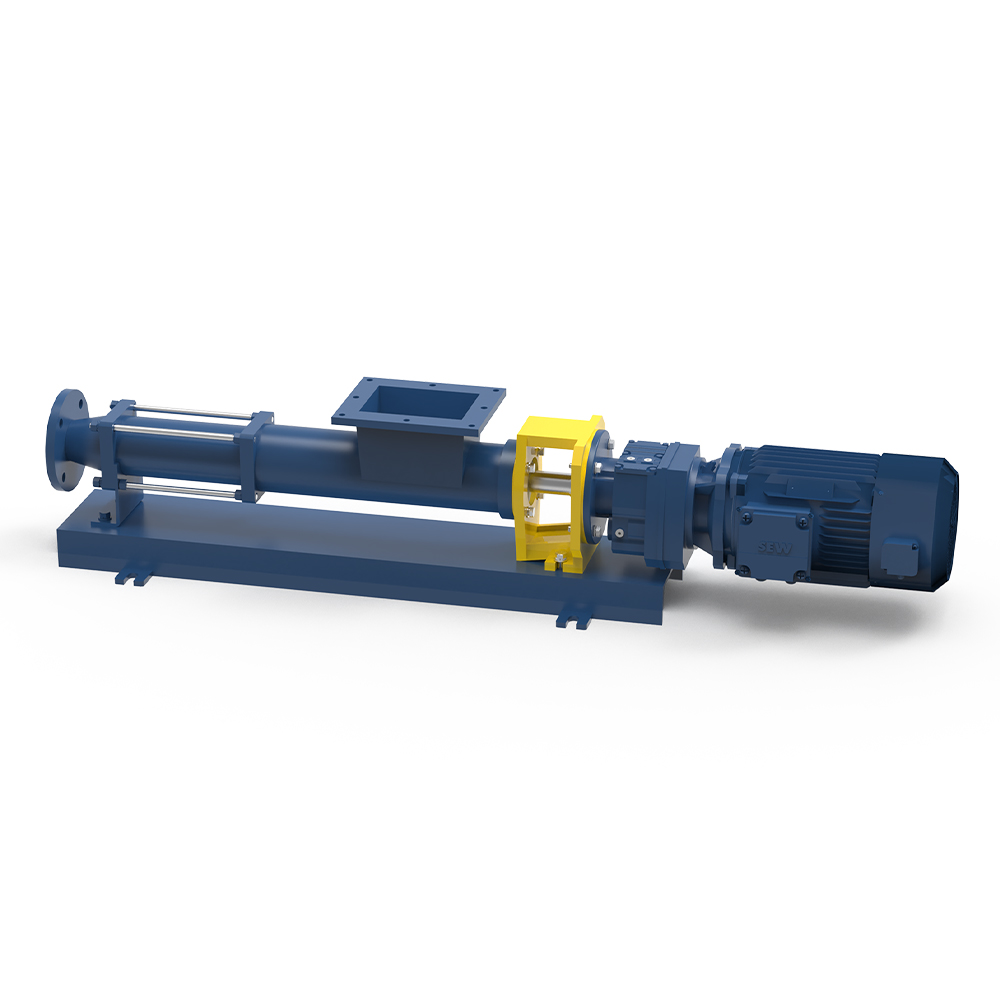
The inlet is a small rectangular hopper design H pump, suitable for conveying high viscosity solid content of less than 15% of the medium, such as cru...
See Details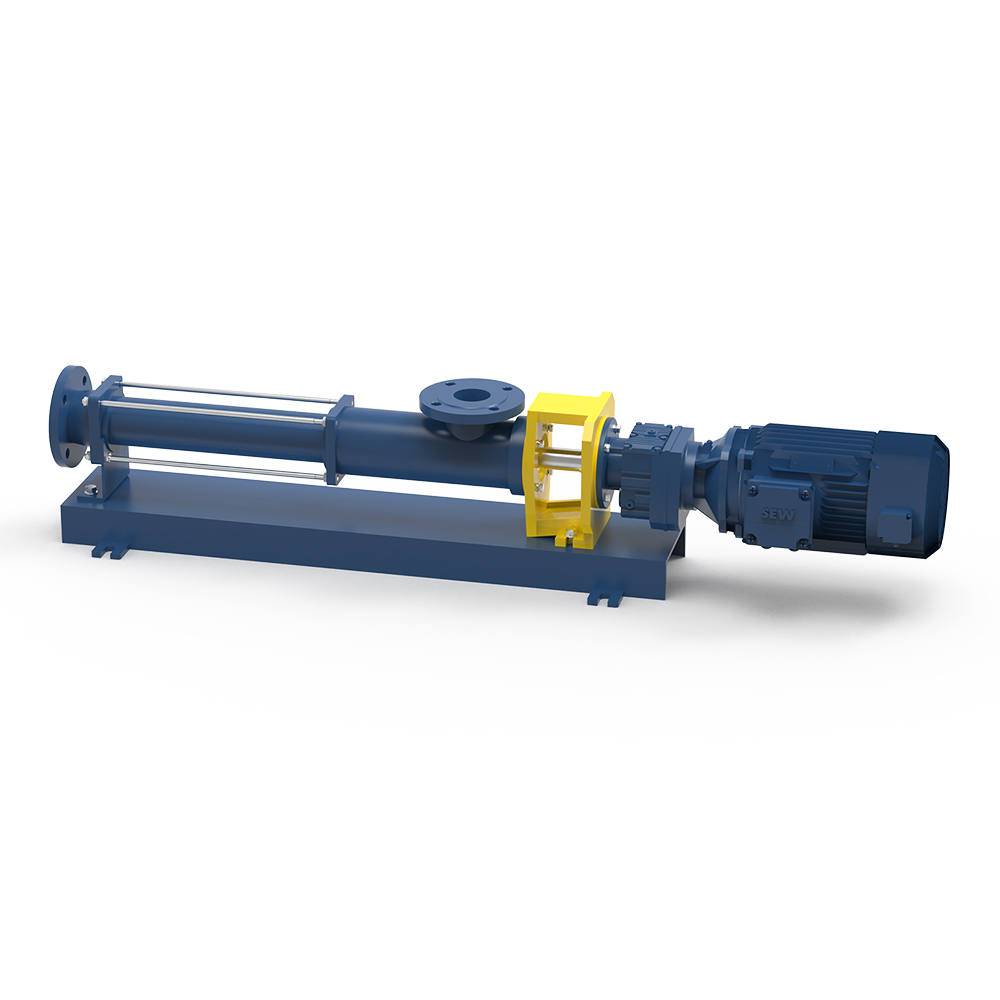
Mika Classic B direct-connected pumps are compact, easy to maintain, with low investment costs, and are suitable for a wide range of common working co...
See Details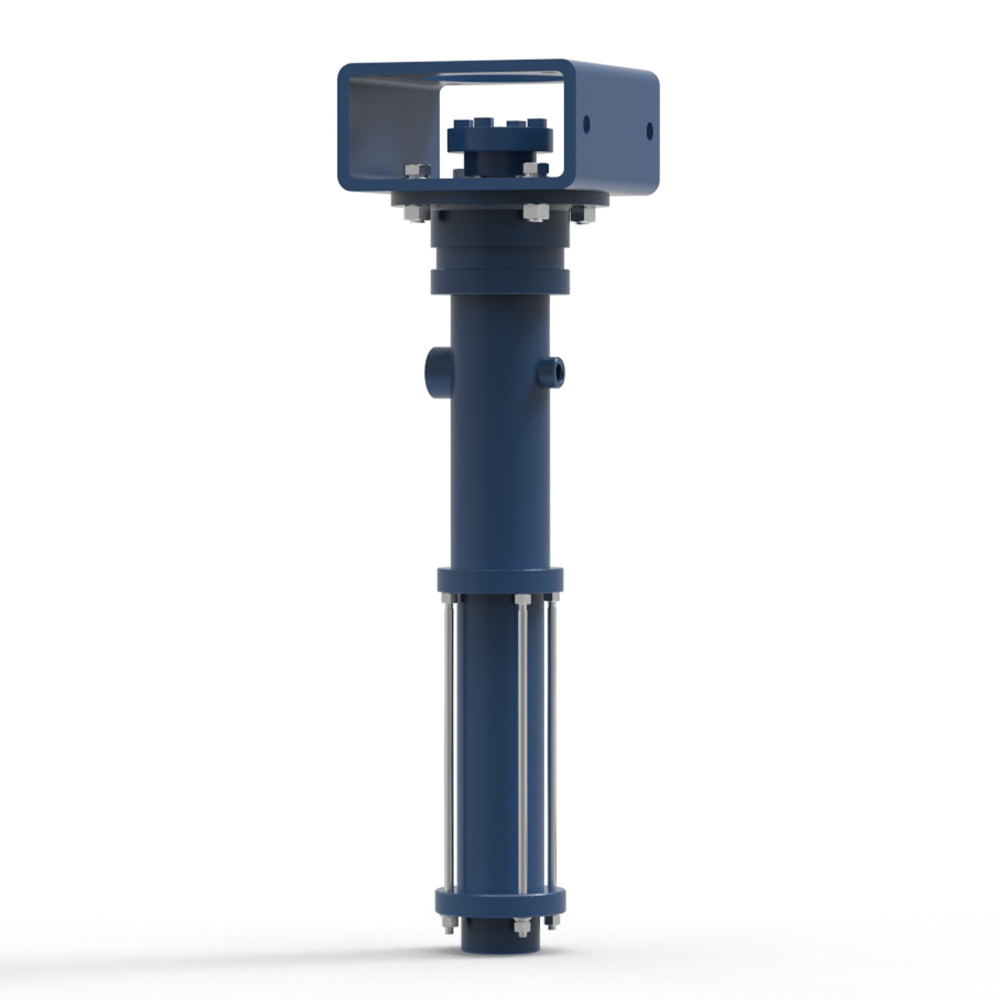
Precise flow rates and a wide range of materials for the metering and delivery of all kinds of sealants. Working Principle The MeiJia pump is a prog...
See Details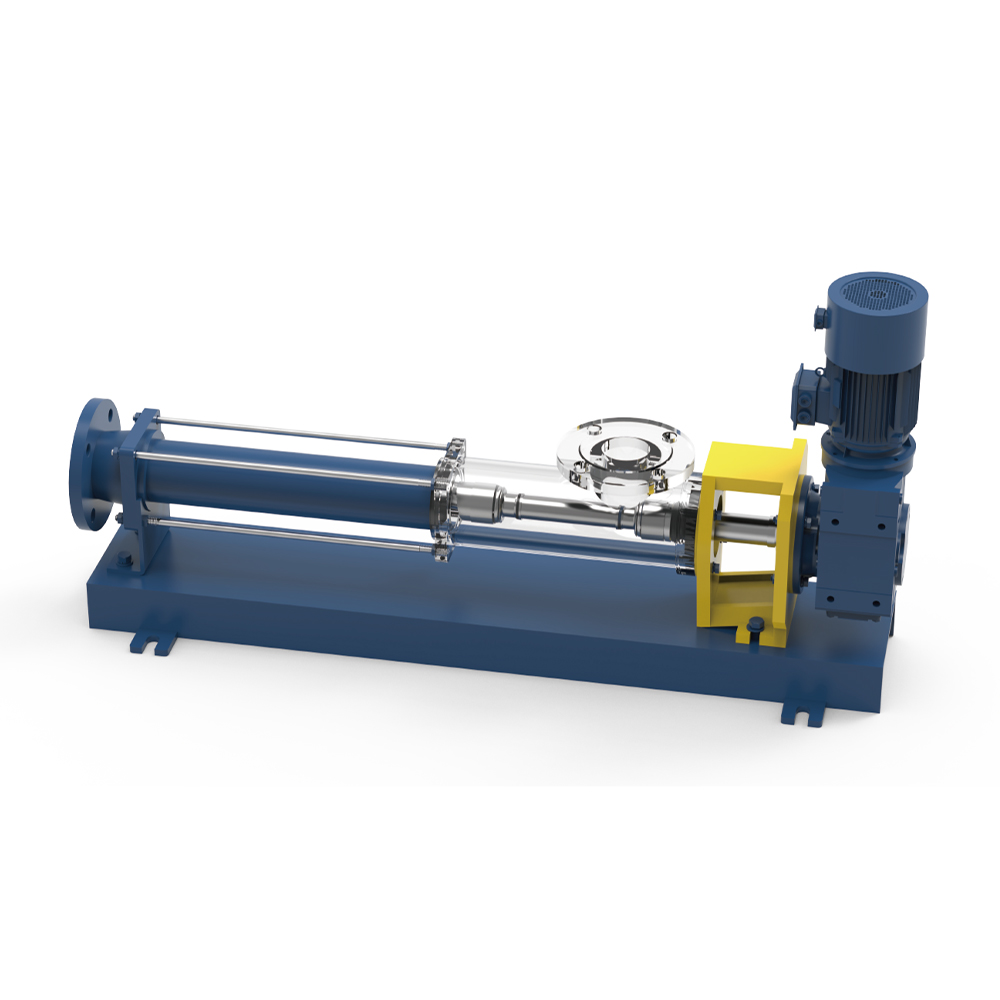
The speed reducer adopts the K series speed reducer, and the length of the pump can be shortened, so it can be used in places where the space is narro...
See Details
Various materials are available for different working conditions, such as NBR, HNBR, EPDM, and FKM.
See DetailsContact Us
Add: No. 36 Xintai Road, Economic Development Zone, Jingjiang City, Jiangsu Province, China
Tel: +86-13515167342
Fax: +86-523-84261117
E-mail: [email protected]
We'd love to
hear from you!
