
 English
 русский
 Español
Equal Wall Thickness Screw Pumps
Cat:Single Screw Pumps
Screw pumps equipped with equal wall thickness stator, the same kind of pump specifications pump flow, and pressure are increased. The equal wall thic...
See DetailsContent
Screw Pumps, and in particular Equal Wall Thickness Screw Pumps, are a category of positive displacement pumps built around a helical rotor turning inside a matching stator, and the equal wall thickness design specifically refers to a stator geometry where the rubber lining maintains a consistent thickness around the rotor at every point of rotation. This design detail matters in practice because it directly affects wear distribution, pressure stability, and how predictably the pump performs over its service life compared with older, uneven-wall stator designs. The sections below walk through the common types of single screw pumps available today, how the rotor-stator assembly is structured, how buyers typically select between models for different industries, and what ongoing maintenance looks like once a pump is in service.
Single screw pumps are manufactured in several configurations depending on the fluid being handled and the installation orientation required. Understanding the differences between these types helps a buyer narrow down the right pump family before comparing specific models.
| Pump Type | Typical Fluid | Common Industry |
|---|---|---|
| Equal Wall Thickness Screw Pump | Viscous, abrasive, or shear-sensitive fluids | Chemical, environmental water treatment |
| Sludge Screw Pump | Thickened sludge, high-solids content | Wastewater treatment plants |
| Sewage Screw Pump | Raw sewage, mixed solids | Municipal and industrial drainage |
| Food Screw Pump | Sanitary-grade viscous fluids | Food and pharmaceutical processing |
| Vertical Screw Pump | Fluids requiring compact footprint installation | Space-constrained plant layouts |
Across these variations, the shared operating principle is that fluid is moved through a series of sealed cavities formed between the rotor and stator as the rotor turns, which is what gives screw pumps their characteristic smooth, low-pulsation flow compared with some other positive displacement designs. Buyers comparing a Screw Pumps manufacturer's catalog will typically find that flow rate, discharge pressure rating, and rotor-stator material compatibility are the first specifications checked, since these determine whether a given model matches the fluid and process conditions on site. Many facilities also request Spare Parts For Progressive Cavity Pumps and general Screw pump accessories as part of the initial order, since planning for future maintenance from the start reduces downtime later.
Key takeaway: matching the pump type to the fluid's solids content and viscosity is the first decision point when comparing screw pump models.
A single screw pump operates on a simple mechanical principle: a helical metal rotor rotates eccentrically inside a rubber or elastomer-lined stator, and as it turns, a series of sealed cavities form and progress along the length of the stator, carrying fluid from the suction side to the discharge side. In an equal wall thickness design, the internal geometry of the stator is shaped so that the lining thickness stays consistent around the rotor at every rotational position, rather than being thicker in some areas and thinner in others as in older uneven-wall designs. The diagram below illustrates a simplified structural layout of a typical single screw pump assembly.
As the rotor rotates within the stator, fluid enters at the suction inlet housing and is drawn into the first sealed cavity, which then moves progressively along the pump length as subsequent cavities open and close in sequence. This progressive cavity motion is what gives the pump its smooth, near-continuous flow output, in contrast to pumps that generate more pronounced pulsation. The equal wall thickness lining is significant structurally because it means contact pressure and wear are distributed more evenly around the stator's circumference during operation, rather than concentrating on a single thinner section that would otherwise wear through first. This even distribution is one of the reasons equal wall thickness designs are often specified for continuous-duty applications where unplanned downtime for stator replacement is costly. The rotor itself is typically manufactured from hardened or coated metal to resist abrasion from the fluid, while the stator lining material is selected based on chemical compatibility with the fluid being pumped, whether that is process water, sludge, or a food-grade product.
Key takeaway: the equal wall thickness stator design distributes wear more evenly around the rotor, which supports steadier long-term performance.
Screw pumps are used across a wide range of industries, and the mix of pump types selected tends to vary by sector depending on fluid characteristics and process requirements. Environmental water treatment facilities, chemical processors, paper and pulp mills, food and pharmaceutical producers, and petrochemical or energy operations each have somewhat different priorities when choosing between a standard single screw pump and an equal wall thickness variant. Reviewing how these types are typically distributed across industries can help a buyer benchmark their own selection against common practice. The stacked bar chart below presents an illustrative breakdown of relative adoption for two pump categories across five common industry segments, intended for general orientation rather than as precise market data. This kind of view is often used internally by procurement teams when comparing options against what similar facilities in their sector tend to use.
Water treatment applications show a relatively even split between standard and equal wall thickness pumps, which reflects the mixed nature of this sector, where some processes handle relatively clean process water while others manage abrasive sludge that benefits from the more even wear characteristics of an equal wall thickness stator. Chemical processing shows a higher share allocated to standard configurations in this illustrative view, though equal wall thickness options remain relevant wherever the process fluid is particularly abrasive or where continuous, low-maintenance operation is prioritized. Paper and pulp operations show a fairly balanced distribution as well, consistent with the sector's mix of fiber-heavy and more fluid process streams. Food and pharmaceutical applications lean more heavily toward equal wall thickness designs in this illustration, which aligns with the sector's emphasis on gentle, shear-sensitive handling and predictable long-term performance in sanitary environments. Petrochemical and energy operations show a mixed pattern similar to water treatment, reflecting the range of viscosities and abrasiveness levels found in that sector's process streams. Reading across all five segments, no single industry relies exclusively on one pump category, which reinforces that pump type selection is ultimately driven by the specific fluid characteristics at a given site rather than by industry alone. For a buyer sourcing from a Single Screw Pumps supplier, this pattern suggests it is worth requesting guidance based on the specific fluid profile rather than assuming a sector-standard choice will always be optimal. Facilities handling variable or seasonally changing fluid characteristics may also want to discuss flexibility with their supplier, since some equal wall thickness models are designed to tolerate a wider operating range than older uneven-wall designs. Overall, this chart is meant to support a more informed conversation with a pump supplier rather than to replace a site-specific evaluation.
Key takeaway: pump type distribution varies by industry, but fluid characteristics at a specific site remain the most reliable guide for selection.
One of the most practical concerns for any facility running screw pumps continuously is how volumetric efficiency changes as the rotor and stator wear over time, since a gradual efficiency decline directly affects process throughput and eventual maintenance timing. Wear naturally occurs as the rotor surface contacts the stator lining during each rotation, and the rate of this wear depends on fluid abrasiveness, operating pressure, and the evenness of contact pressure around the stator. This is precisely where the equal wall thickness design tends to show a measurable advantage, since more even contact distribution generally slows the point at which internal clearance becomes large enough to noticeably reduce output. The area chart below illustrates a general, illustrative comparison of efficiency decline over operating hours for a standard uneven-wall stator versus an equal wall thickness stator, intended to show the shape of the trend rather than exact performance figures for any specific model. Facilities planning maintenance intervals often find this kind of comparison useful when deciding how frequently to schedule stator inspection.
Both curves start near full rated efficiency, which is expected since a newly installed stator has minimal clearance between the rotor and lining. The standard stator curve, shown as the solid line, declines more steeply as operating hours accumulate, reflecting how uneven wall thickness tends to concentrate wear on the thinner sections of the lining, gradually increasing internal slip and reducing volumetric output. The equal wall thickness curve, shown as the dashed line, declines more gradually across the same operating period, consistent with wear being spread more evenly around the stator circumference rather than concentrated in one area. By the later stages of the chart, the gap between the two curves becomes more pronounced, illustrating how the advantage of even wall thickness compounds over extended operating periods rather than only appearing early in the pump's life. This pattern is particularly relevant for facilities running pumps continuously in abrasive or high-solids applications, where wear accumulates faster than in cleaner fluid services. A slower efficiency decline also has a practical maintenance implication: it generally allows for longer intervals between stator inspections or replacements, which can reduce the frequency of planned downtime events. It is worth noting that actual wear rates depend heavily on fluid abrasiveness, operating pressure, and rotational speed, so the exact hours shown should be read as illustrative rather than as a guarantee for any specific installation. Facilities handling particularly abrasive slurries, such as certain sludge or industrial process streams, may see both curves shift downward and to the left compared with this general illustration. Even accounting for that variability, the relative shape of the two curves — a steeper decline for standard stators versus a more gradual one for equal wall thickness designs — is a pattern commonly discussed in the pump industry. Facilities evaluating a pump replacement or new installation can use this kind of comparison as one input, alongside site-specific fluid testing, when deciding which stator design best fits their operating profile. Tracking actual output over time using flow metering is still the most reliable way to confirm real-world wear trends for any individual pump.
Key takeaway: equal wall thickness stators tend to show a more gradual efficiency decline over operating hours compared with standard uneven-wall designs.
Choosing the right screw pump configuration depends heavily on the fluid being handled and the installation conditions at the site. The table below organizes common application scenarios alongside the selection factors that typically matter most for each, followed by more detailed guidance for two common buyer groups.
| Application Scenario | Priority Selection Factors |
|---|---|
| Sludge and high-solids handling | Wear-resistant lining, equal wall thickness stator, robust rotor coating |
| Raw sewage transfer | Solids pass-through capability, stable discharge pressure |
| Food and pharmaceutical fluids | Sanitary-grade materials, gentle shear handling, easy cleaning access |
| Space-constrained plant layouts | Vertical screw pump footprint, mounting flexibility |
| Chemical or corrosive fluid transfer | Chemical-compatible stator lining, rotor material compatibility |
For Water and Wastewater Treatment Operators
|
For Food, Pharmaceutical, and Chemical Processors
|
Beyond matching a pump to the current process, buyers should also think about how their fluid handling needs might change over time. A facility that starts with relatively clean process water may later take on higher-solids streams, so requesting information about the pump's tolerance range upfront can avoid an unplanned equipment change later. Working with a Screw Pumps manufacturer that offers a broad range of configurations, from standard single screw pumps to specialized equal wall thickness and vertical screw pump models, gives a facility more room to adapt without switching suppliers entirely.
Key takeaway: selection priorities should be driven by fluid characteristics and anticipated process changes, not just current operating conditions.
Comparing equal wall thickness screw pumps against standard stator designs helps clarify when the added design complexity is worth specifying. The comparison below focuses on practical operating characteristics rather than abstract engineering terms, since these are the factors that most directly affect day-to-day pump performance. The gauge chart following the table gives an illustrative view of typical volumetric efficiency retention associated with equal wall thickness designs after extended operation, intended as a general reference point for maintenance planning discussions.
| Characteristic | Equal Wall Thickness Design | Standard Stator Design |
|---|---|---|
| Wear Distribution | Even around circumference | Concentrated on thinner sections |
| Pressure Stability | More consistent across stages | More variable at higher stages |
| Typical Service Interval | Generally longer | Generally shorter under abrasive duty |
| Suitability for Abrasive Fluids | Well suited | Suitable for lighter duty |
The comparison table highlights that the practical differences between the two designs mostly show up over time rather than at initial installation, since both designs typically deliver similar rated performance when new. Wear distribution is the most fundamental difference, and it cascades into the other characteristics listed: because equal wall thickness stators wear evenly, pressure output tends to stay more consistent across multi-stage configurations as operating hours accumulate. This consistency matters for processes that depend on stable discharge pressure, since fluctuating pressure can affect downstream equipment or dosing accuracy in chemical and water treatment applications. The gauge chart above is intended to represent, in general terms, that equal wall thickness designs tend to retain a comparatively higher share of their original efficiency after extended operation, positioned toward the higher end of the illustrative scale. This is consistent with the wear pattern differences discussed in the earlier area chart section, where standard stators showed a steeper efficiency decline over the same operating period. Service interval expectations also differ meaningfully: because wear is more contained in equal wall thickness designs, maintenance teams often find they can extend the time between stator inspections, which reduces both labor cost and process interruption frequency. For applications specifically handling abrasive fluids such as sludge or certain industrial slurries, the suitability advantage of equal wall thickness designs becomes more pronounced, since abrasive wear is exactly the mechanism the design is intended to manage more evenly. Standard stator designs remain a reasonable choice for lighter-duty applications where fluid abrasiveness is low and budget considerations favor a simpler stator geometry. Facilities should also factor in their own maintenance capacity when interpreting this comparison, since a longer service interval is most valuable to operations where planned downtime is particularly disruptive or costly to schedule. As with the earlier charts in this article, the specific percentages implied by the gauge should be read as illustrative rather than as guaranteed performance figures for any individual installation.
Key takeaway: equal wall thickness designs tend to retain efficiency for longer under abrasive duty, supporting extended maintenance intervals.
Screw pumps are typically offered across a range of models sized for different flow rates and discharge pressure requirements, and understanding how these two parameters relate across a manufacturer's lineup helps a buyer identify which model family fits their process. Flow rate and discharge pressure are not independent; larger rotor-stator geometries generally support higher flow but may have different pressure-per-stage characteristics than smaller, higher-speed configurations. Buyers sometimes assume a single "biggest is best" model will suit all needs, but matching flow and pressure requirements precisely tends to produce better long-term efficiency than oversizing. The scatter plot below places a set of illustrative model points across flow rate and discharge pressure axes, showing how these characteristics vary across a typical single screw pump range. This kind of visualization helps illustrate why model selection benefits from reviewing the full range rather than defaulting to a single commonly quoted size.
Reading across the scatter plot from left to right, both model families show a general upward trend where larger flow rate ratings tend to correspond with higher achievable discharge pressure, which reflects that larger rotor-stator assemblies typically incorporate more pumping stages capable of building pressure progressively. The equal wall thickness points, shown in the lighter green, tend to sit slightly above the standard model points at comparable flow rates in this illustration, suggesting these configurations can often support somewhat higher discharge pressure for a similar flow rating, consistent with their more consistent internal sealing behavior discussed earlier. The spread of points also shows that the model range is not perfectly linear; some mid-range models cluster closely together, which is common in pump catalogs where manufacturers offer several closely spaced sizes to let buyers match capacity more precisely rather than jumping between widely spaced increments. For a facility with a specific target flow rate and pressure requirement, this kind of chart is useful for narrowing down candidate models before requesting detailed technical datasheets, since it visually shows which models cluster near the required operating point. Oversizing a pump beyond actual process requirements can lead to the pump running frequently at partial capacity, which is generally less efficient than selecting a model whose rated range closely matches actual demand. Undersizing, on the other hand, risks the pump operating consistently near its maximum rated pressure, which can accelerate wear regardless of stator design. Buyers working with a Screw Pumps manufacturer typically benefit from providing accurate process data, including expected flow variability and any anticipated future capacity increases, so the supplier can recommend a model positioned appropriately within the range shown. It is also worth checking whether a given model's rated point in this chart reflects continuous duty or intermittent operation, since continuous duty applications generally warrant selecting a model with some margin below its absolute maximum rating rather than one operating at the edge of its envelope. Reviewing this kind of benchmarking data alongside site-specific fluid testing gives a more complete picture than either data source alone. Overall, the scatter plot format is well suited to model comparison because it allows flow and pressure to be considered together rather than as separate, disconnected specifications.
Key takeaway: matching a model's flow and pressure rating closely to actual process requirements generally supports better long-term efficiency than oversizing.
Consistent maintenance practice is what allows a screw pump to deliver reliable service over many years rather than developing recurring output or sealing issues after a relatively short period. Because the rotor-stator interface is the primary wear point in any single screw pump, maintenance routines are generally organized around regular inspection intervals rather than a single fixed schedule.
Daily monitoring of pressure and flow output is one of the simplest and most effective habits an operations team can maintain, since a gradual decline often shows up in trend data well before it becomes noticeable through visual inspection alone. Unusual noise during operation is worth investigating promptly, since dry running or cavitation can accelerate rotor and stator wear significantly compared with normal operating conditions. Weekly checks on seals and coupling alignment matter because misalignment between the pump and drive motor can introduce uneven load on the rotor shaft, which over time contributes to premature wear beyond what would occur from fluid contact alone. Monthly review of trend data is particularly useful for facilities that log flow and pressure readings systematically, since this makes it possible to spot a slow, ongoing decline that might otherwise be attributed to normal variation. Periodic overhaul work, typically planned around scheduled downtime windows, is where rotor and stator condition is directly inspected and where Spare Parts For Progressive Cavity Pumps such as replacement stators, rotors, or seals are typically installed if wear has reached the point where performance is affected. Keeping a basic maintenance log that records inspection dates, findings, and any parts replaced makes it considerably easier to plan future part orders and estimate remaining service life for a given rotor-stator set. Facilities that stock commonly needed Screw pump accessories and a spare Stator for progressive cavity pumps on site tend to experience shorter downtime when replacement becomes necessary, compared with facilities that order parts only after a failure occurs. Training at least one additional operator on basic troubleshooting steps, such as checking for air lock or verifying suction conditions, can also reduce the time needed to diagnose common issues. Suppliers that offer readily available Single Screw Rotor replacements and general spare parts support can meaningfully shorten the time needed to resolve unexpected wear-related issues, which is worth discussing during the initial equipment selection process rather than only after a problem arises.
Key takeaway: routine monitoring combined with planned rotor and stator inspection is the most effective way to extend screw pump service life and avoid unplanned downtime.
Beyond the technical specification of the pump itself, the manufacturer or supplier behind the equipment plays a significant role in how reliably a screw pump performs and how easily maintenance needs are met over its service life. Buyers sourcing Screw Pumps from a China factory, manufacturer, or supplier typically look at engineering experience specific to single screw pump design, the breadth of spare parts availability, and whether the company offers OEM or ODM arrangements for facilities needing a particular configuration.
Working with an experienced China manufacturer that focuses specifically on single screw pumps and related spare parts, rather than a general pump supplier covering many unrelated pump types, tends to reduce the risk of mismatched rotor-stator specifications, since equal wall thickness stator design in particular requires specialized manufacturing knowledge. Jingjiang Meijia Pump Industry Co., Ltd., located at No. 36 Xintai Road, Jingjiang Economic and Technological Development Zone, Jiangsu Province, is a professional company engaged in the production, sales, and after-sales service of single screw pumps and high-quality single screw pump spare parts. The company's design, manufacturing, and inspection work is supported by a team of experienced engineers, and its single screw pump products are described as offering advanced technology, complete structure, diverse forms, complete specifications, and durability, with use across industries including environmental water treatment, chemical processing, paper and pulp, food and pharmaceutical, petrochemical, and energy. Meijia Pump Industry also provides universal accessories compatible with single screw pump brands more broadly, which can be useful for facilities managing a mixed fleet of equipment from different sources. The company's after-sales service center maintains a team of engineers dedicated to supporting customers once equipment is in service, which is a practical consideration for facilities planning long-term operation rather than a one-time purchase.
When evaluating a China supplier, wholesaler, or exporter for screw pump equipment, buyers commonly ask about a few practical points: whether the supplier can provide reference installations or performance data for the specific fluid type being considered, whether OEM manufacturer or ODM manufacturer arrangements are available for facilities wanting a tailored flow and pressure configuration, and what technical support structure exists once the pump is delivered and commissioned. A reliable OEM factory or ODM factory relationship also tends to matter for buyers planning to standardize equipment across multiple sites, since a supplier familiar with a facility's existing pump fleet can more easily recommend compatible spare parts and upgrades. Durability and long-term parts availability are additional practical considerations, since screw pumps are expected to remain in continuous service for extended periods rather than being replaced frequently. Working with a China producer or China brand that maintains consistent engineering standards across its single screw pump range, including Vertical Screw Pump and Sludge Screw Pump configurations, can also simplify future expansion as a facility's process needs evolve.
Key takeaway: a supplier's specialized single screw pump manufacturing focus and dedicated after-sales support are as important as the pump's technical specification sheet.
Q1: What is the main advantage of an equal wall thickness screw pump over a standard stator design?The main advantage is more even wear distribution around the stator lining, which generally leads to more consistent pressure output and a more gradual efficiency decline over extended operating periods compared with uneven-wall designs. |
Q2: How do I know if I need a sludge screw pump or a standard single screw pump?This depends primarily on the solids content and abrasiveness of the fluid; higher-solids or abrasive streams generally benefit from a sludge-rated or equal wall thickness configuration, while lighter, cleaner fluids can typically use a standard pump. |
Q3: How often should the rotor and stator be inspected on a continuously running pump?Inspection frequency depends on fluid abrasiveness and operating hours, but tracking flow and pressure trend data monthly, combined with a periodic physical inspection, helps identify the right interval for a specific installation. |
Q4: Can single screw pump spare parts from one supplier be used across different pump brands?Some suppliers offer universal accessories designed for broader compatibility, but rotor and stator dimensions are model-specific, so it is best to confirm exact compatibility with the supplier before ordering replacement parts. |
Q5: What should I ask a screw pump manufacturer before placing an order?Useful questions include whether the manufacturer has experience with your specific fluid type, whether OEM or ODM configuration options are available, and what after-sales support and spare parts availability the company provides. |
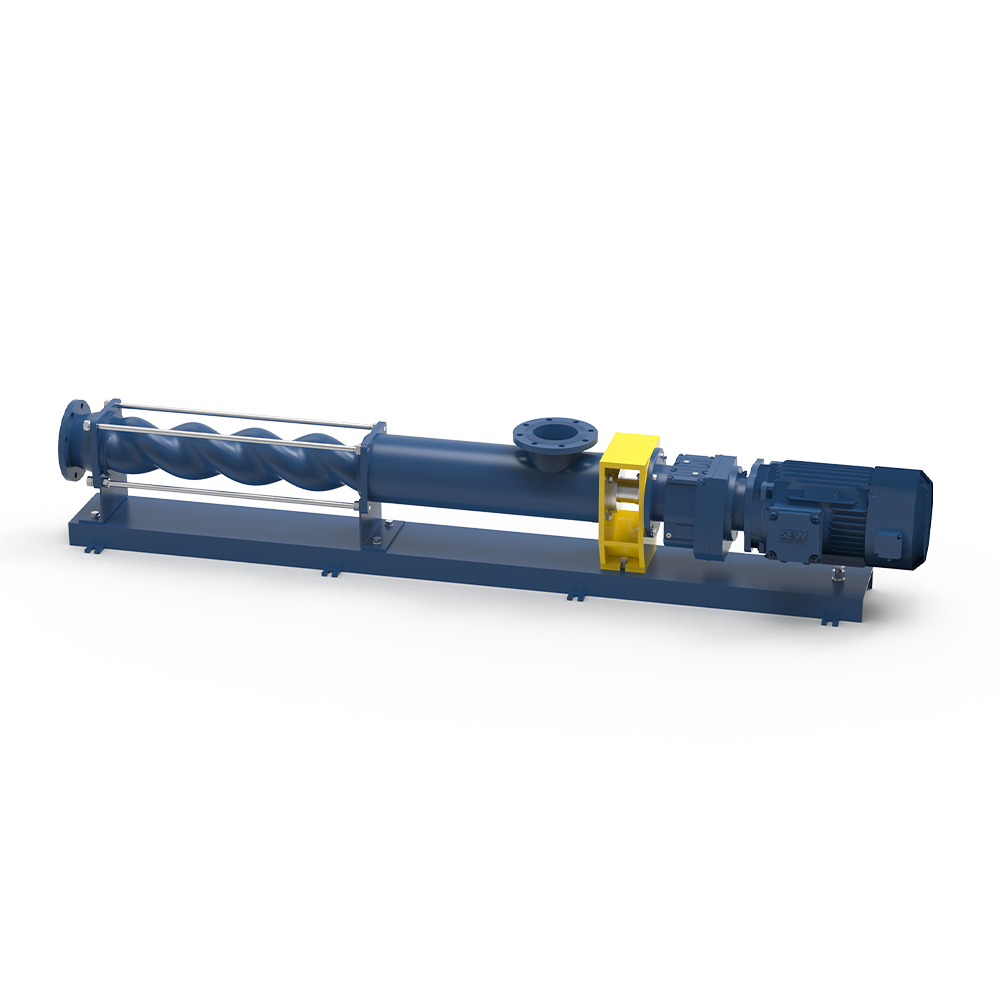
Screw pumps equipped with equal wall thickness stator, the same kind of pump specifications pump flow, and pressure are increased. The equal wall thic...
See Details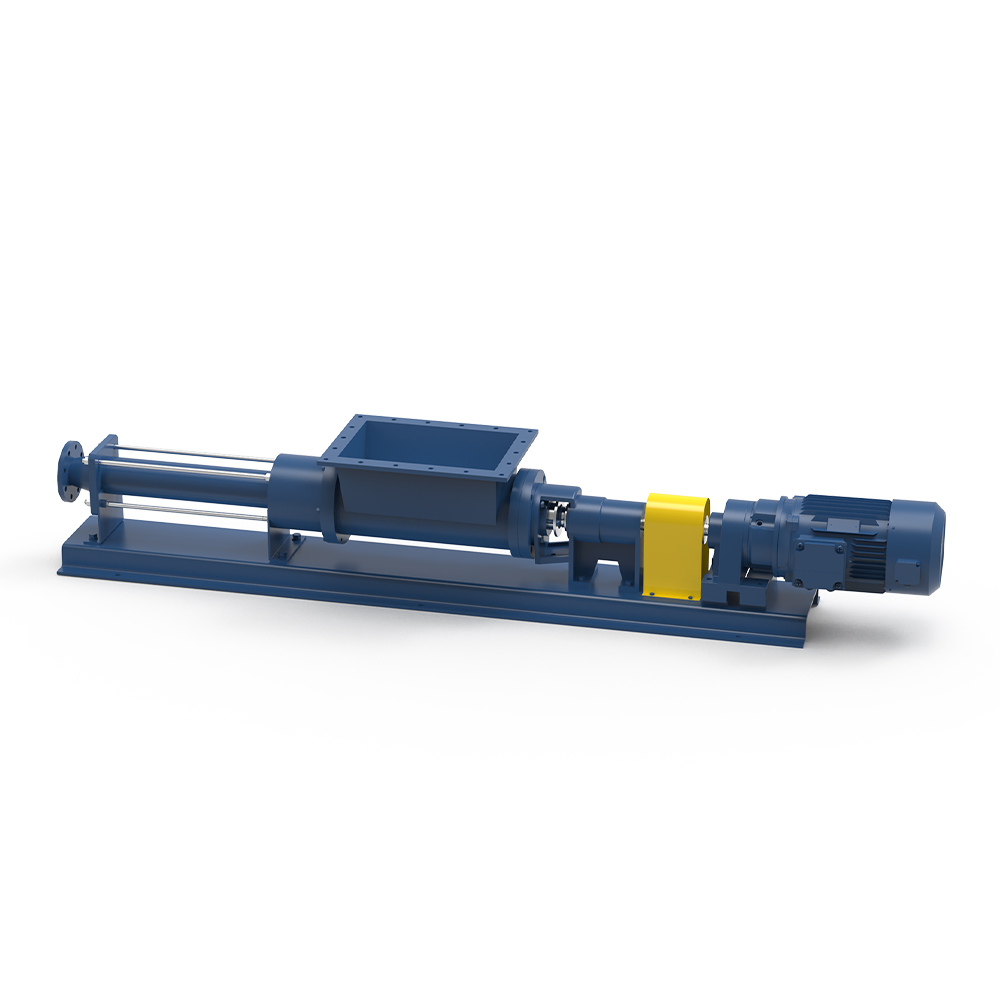
The inlet is a large hopper design W-type pump with a connecting shaft with multiple spiral vanes (which can effectively prevent the accumulation of m...
See Details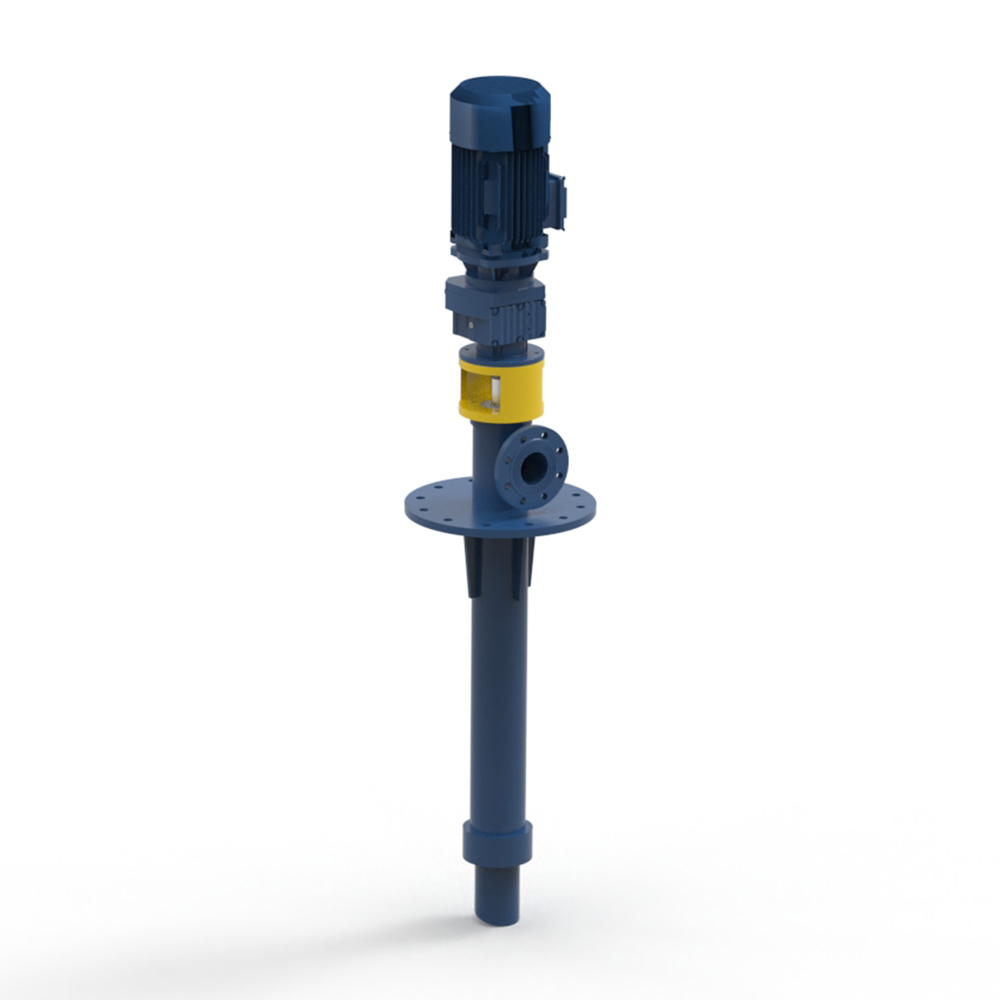
Mika vertical T-type screw pumps can be achieved through the length of the pump body to a variety of different depths of the pool, the pump's hopper i...
See Details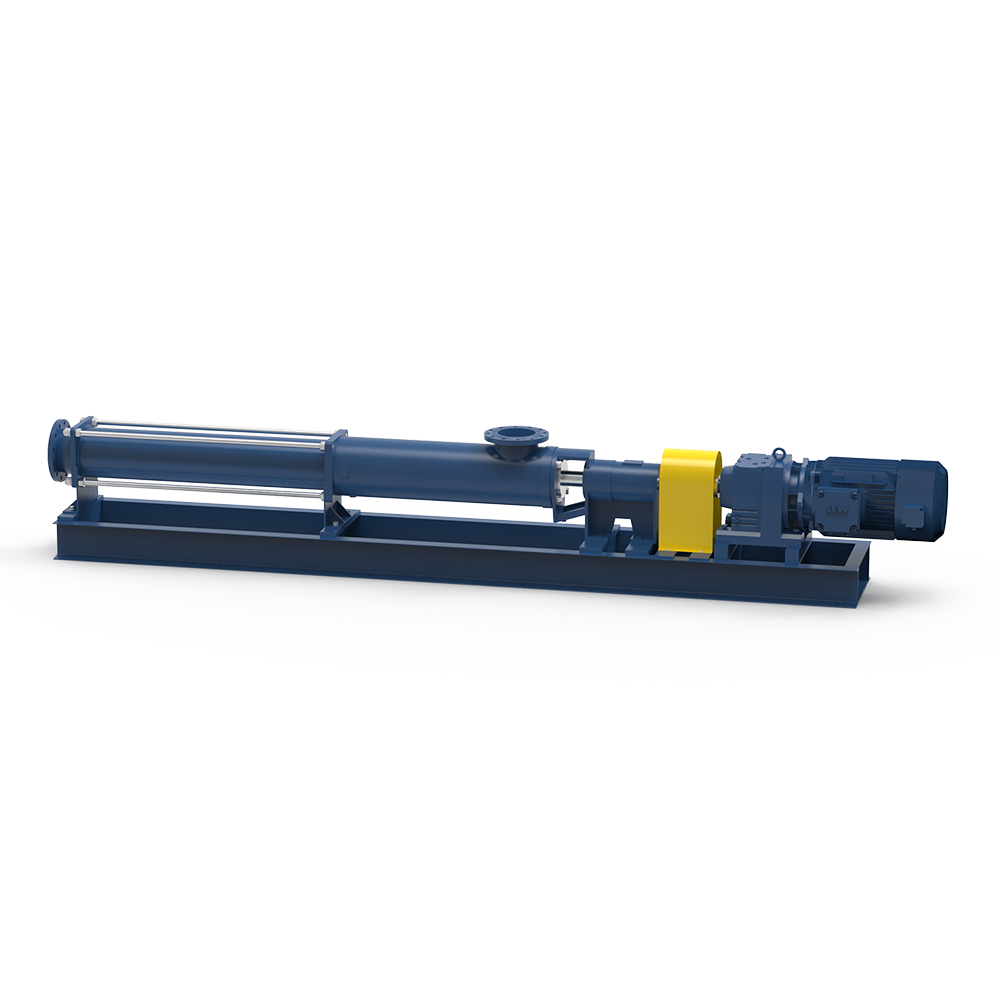
The S-pump with bearing frame support can withstand higher axial loads and can be used for high-pressure conditions, e.g. high-pressure sludge feed tr...
See Details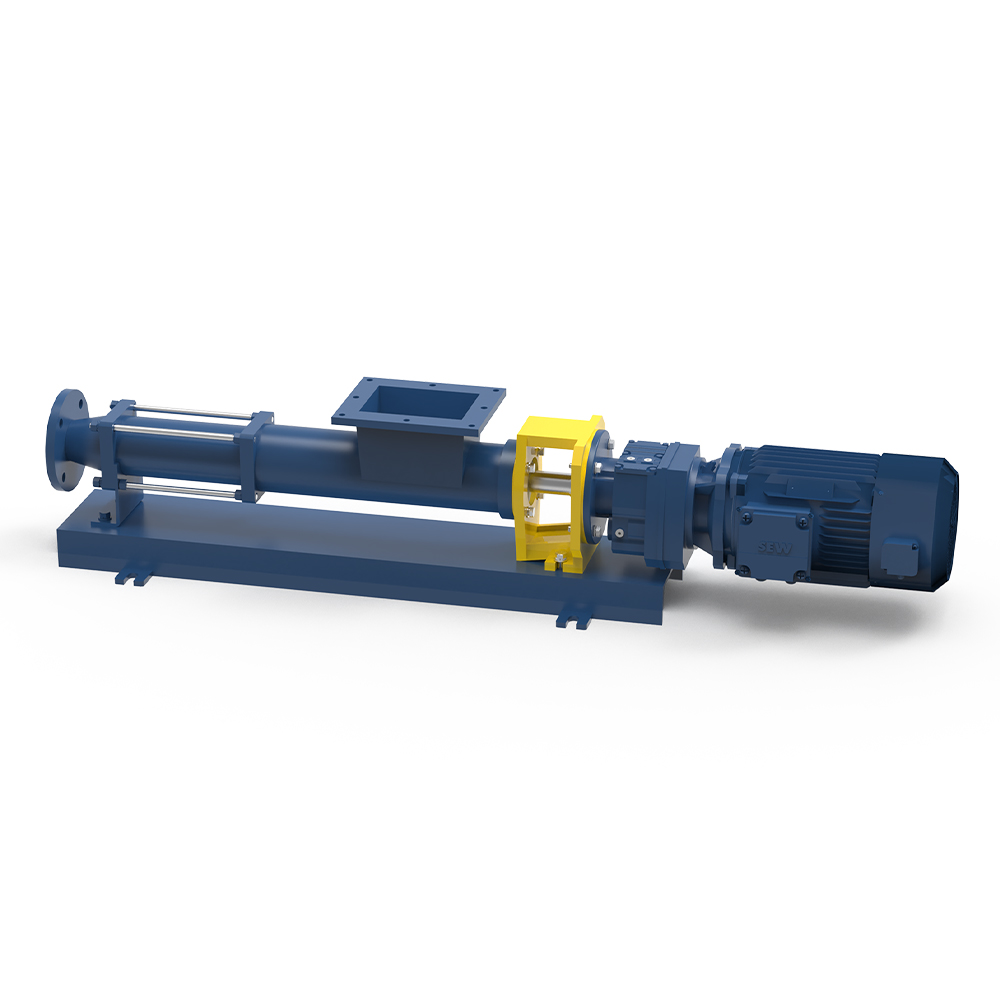
The inlet is a small rectangular hopper design H pump, suitable for conveying high viscosity solid content of less than 15% of the medium, such as cru...
See Details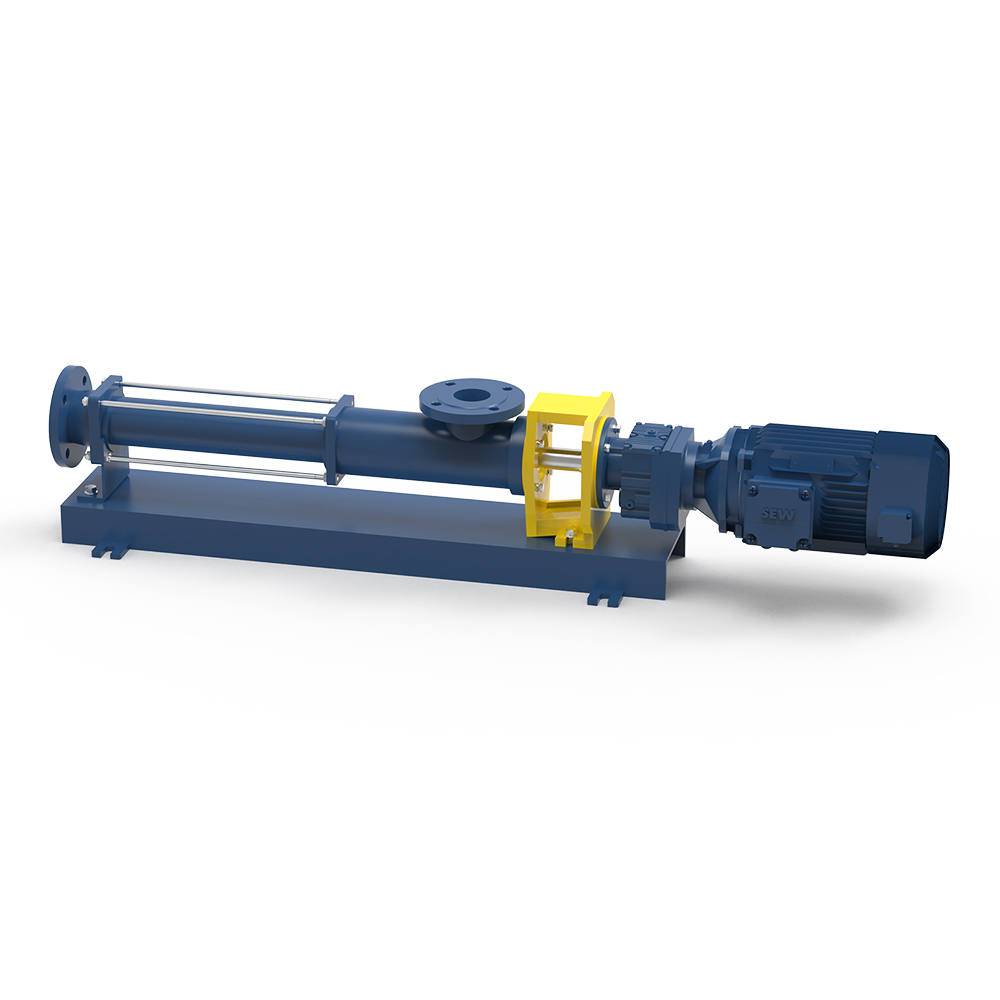
Mika Classic B direct-connected pumps are compact, easy to maintain, with low investment costs, and are suitable for a wide range of common working co...
See Details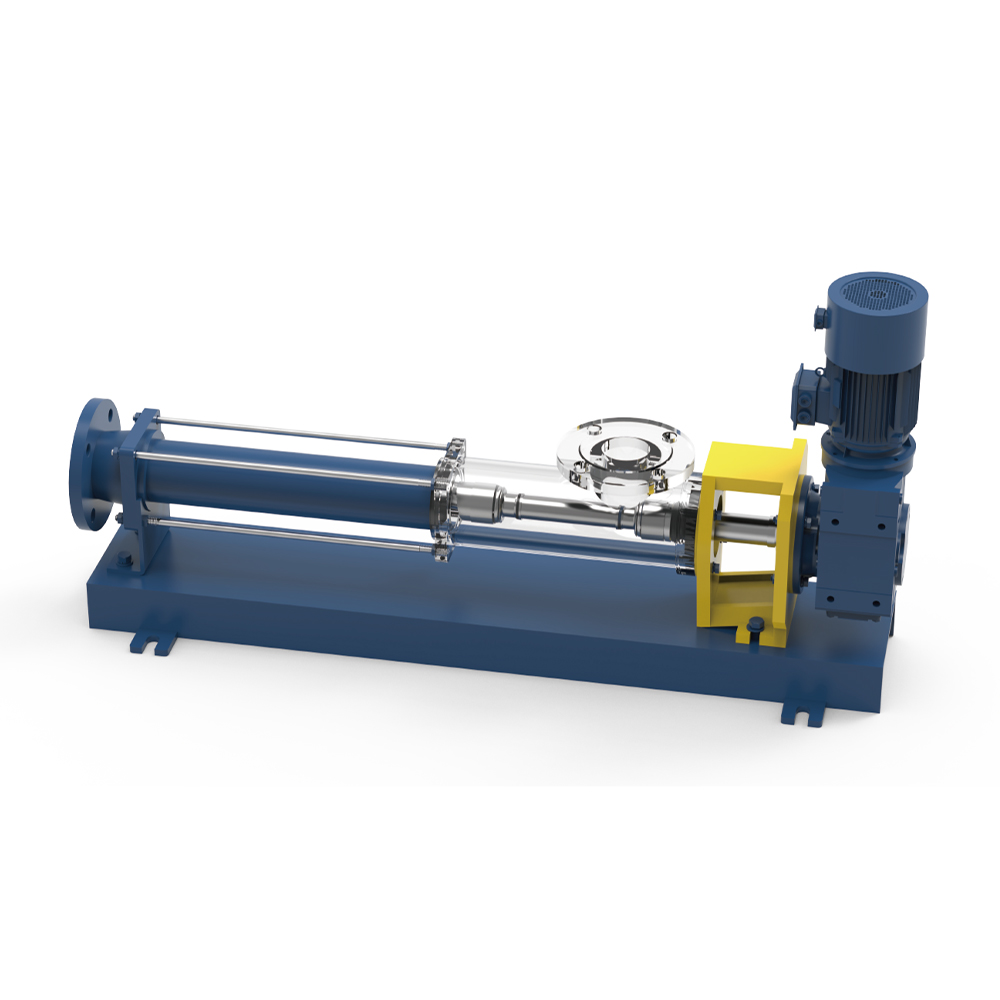
The speed reducer adopts the K series speed reducer, and the length of the pump can be shortened, so it can be used in places where the space is narro...
See Details
Various materials are available for different working conditions, such as NBR, HNBR, EPDM, and FKM.
See Details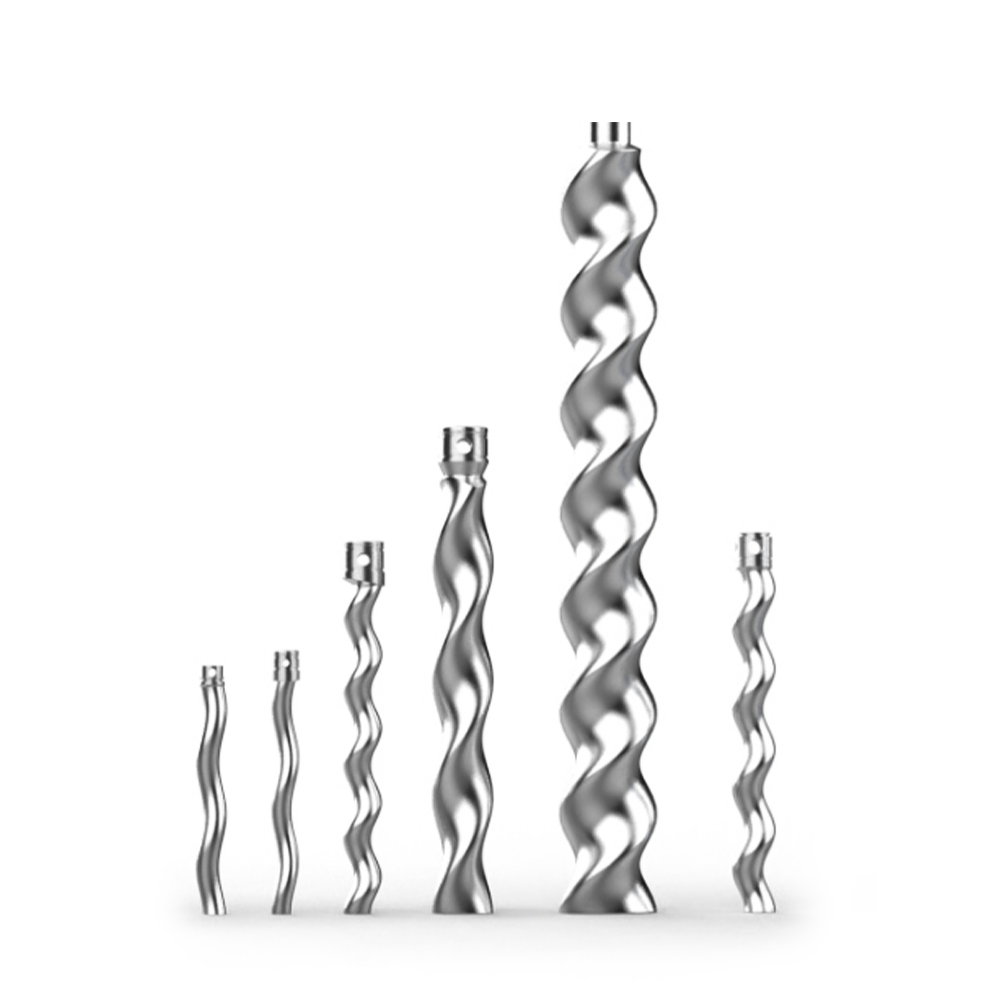
Multiple materials available, 304, 316L, 2205, rotor surface coating can be chrome plated or tungsten carbide sprayed.
See Details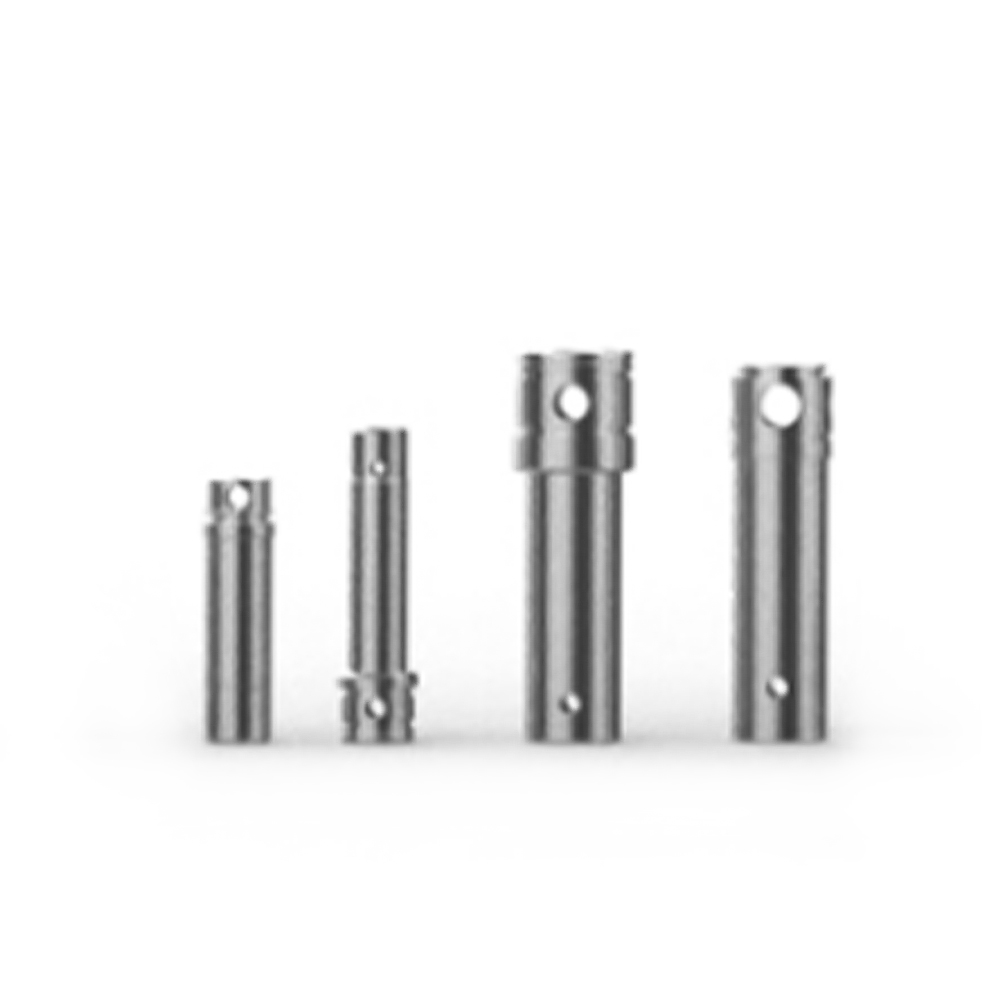
Multiple materials available: Q235,304,316L,2205,2507, etc.
See DetailsContact Us
Add: No. 36 Xintai Road, Economic Development Zone, Jingjiang City, Jiangsu Province, China
Tel: +86-13515167342
Fax: +86-523-84261117
E-mail: [email protected]
We'd love to
hear from you!
