
 English
 русский
 Español
Equal Wall Thickness Screw Pumps
Cat:Single Screw Pumps
Screw pumps equipped with equal wall thickness stator, the same kind of pump specifications pump flow, and pressure are increased. The equal wall thic...
See DetailsContent
Progressive cavity pumps rely on six critical spare parts that require regular inspection and replacement: the stator (elastomer lining, 6-18 months lifespan), rotor (stainless steel helical shaft, 2-5 years), coupling rod (connects drive to rotor, 2-4 years), drive shaft (power transmission, 3-6 years), universal joint assembly (connects rod ends), and mechanical seals/packing (prevents leakage). These components work in sealed cavities formed by rotor-stator interference fit, making material compatibility and precise installation essential for operational longevity.
Stator replacement is the most frequent maintenance task, requiring systematic execution to prevent damage to adjacent components.
Begin by depressurizing the system completely and disconnecting all power sources to prevent accidental startup. Drain all fluid from the pump casing—residual chemicals can damage new elastomer components during installation. For pumps handling hazardous materials, flush the cavity with compatible neutralizing agents before disassembly.
Loosen housing bolts evenly in a crisscross pattern to avoid warping the pump body. Extract the old stator using a puller tool if necessary—never force removal with metal tools that could scratch the rotor. Once removed, inspect the rotor for scratches, corrosion, or dimensional wear exceeding 0.1mm tolerance. Replace the rotor immediately if surface damage is detected, as worn rotors will destroy new stators within 100 operating hours.
Lubricate the stator bore with water or compatible fluid (soapy water for EPDM/NBR, silicone-based for FKM) to ease insertion and prevent elastomer tearing. Align inlet/outlet ports precisely with housing markings—misalignment causes turbulent flow and premature wear. Reinstall the rotor and perform dry manual rotation to confirm smooth operation before applying power. Tighten bolts to manufacturer torque specifications in stages, checking for binding at each increment.
Run the pump at reduced speed (60% of rated RPM) for 1-2 hours to allow the stator elastomer to conform to rotor geometry without overheating. Monitor bearing temperature, vibration levels, and seal leakage during this period. Gradual load increase prevents thermal shock that can cause stator swelling or delamination.
Preventive maintenance scheduling directly correlates with component longevity. Progressive cavity pumps require initial inspection after 700-1000 operating hours, with subsequent intervals not exceeding 1500 hours based on wear severity observed. [^61^]
| Component | Standard Interval | Abrasive Fluids | High Temperature | Inspection Focus |
|---|---|---|---|---|
| Stator | 6-12 months | 3-6 months | 4-8 months | Elastomer hardness, cracking, swelling |
| Rotor | 24-36 months | 12-18 months | 18-24 months | Chrome plating wear, dimensional accuracy |
| Universal Joint | 12 months | 6 months | 6 months | Lubrication state, pin wear, seal integrity |
| Mechanical Seal | 12-18 months | 6-12 months | 6-9 months | Face flatness, O-ring elasticity |
| Coupling Rod | 24-48 months | 18-24 months | 24 months | Straightness, joint pin clearance |
Incorrect material pairing causes 40-60% of premature spare part failures. Stator elastomers must match chemical compatibility, temperature range, and abrasion resistance requirements. [^66^]
Standard rotors use 304 or 316 stainless steel with chrome plating (0.05-0.1mm thickness) for wear resistance. For highly abrasive applications (mining, drilling mud), specify duplex stainless steel or ceramic-coated rotors—these extend service life by 300% in sand-laden fluids though at 50-80% cost premium. [^66^] Food and pharmaceutical applications require 316L stainless steel with FDA-compliant surface finishes (Ra ≤ 0.8μm).
Rapid stator wear (less than 3 months) indicates operational mismatch rather than material defect. [^61^]
Stator swelling and seizure occurs when pumped fluid chemically attacks elastomer or when temperature exceeds material limits. Immediate action requires switching to compatible elastomer (FKM for hydrocarbons, EPDM for aqueous solutions) and installing temperature monitoring. Rotor scoring in circumferential patterns signals abrasive particle ingress—install 0.5mm mesh strainers upstream and consider hardened rotor coatings. Universal joint seizure results from lubrication breakdown or seal failure; grease every 500 hours with NLGI Grade 2 lithium complex grease compatible with joint materials.
Never operate progressive cavity pumps dry—even 10-15 seconds of dry rotation generates sufficient heat to destroy stator elastomer through friction. [^61^] Install dry-running protection devices: capacitance-based level sensors in suction tank, vibration monitors detecting cavitation signatures, or torque sensors measuring load drop. These systems cost $200-500 but prevent stator replacements costing $800-2,500 depending on pump size.
Aftermarket parts from ISO-certified manufacturers (ISO 9001:2015) meet or exceed OEM specifications for most components. [^64^] However, using non-OEM stators in pumps under active warranty may void coverage for elastomer-related failures. Maintain documentation of part specifications and purchase records. Critical applications (nuclear, aerospace) typically mandate OEM parts exclusively.
Locate the pump identification plate showing model series (e.g., Netzsch NM038, Seepex BN26, Mono C23). Cross-reference with exploded assembly drawings in the manual. For worn parts without markings, measure rotor diameter, stator length, pitch, and eccentricity. Leading suppliers maintain interchange databases covering Netzsch NEMO, Seepex, Mono, PCM, and Allweiler series with 95% parts compatibility through dimensional standardization. [^64^]
Maintain inventory based on criticality: stators (1-2 units, highest failure rate), mechanical seal kits (complete sets including O-rings and faces), universal joint pins and bushings (wear items), and gasket sets (stator housing, seal chamber). Rotors and coupling rods have longer lead times (4-8 weeks for custom materials)—stock these only for critical processes where downtime exceeds $10,000/day.
Premature failure stems from three causes: improper break-in (running at full speed immediately), chemical incompatibility (elastomer swelling or hardening), or oversized rotor (excessive interference fit causing heat buildup). Verify rotor diameter matches stator specifications—reduced diameter rotors (0.3-0.5mm undersize) are specified for high-temperature applications to accommodate thermal expansion. [^61^]
Not strictly required, but strongly recommended when either component reaches 70% of rated wear. Worn rotors damage new stators through abrasive contact and improper cavity formation. Conversely, new rotors in worn stators experience excessive clearance, reducing volumetric efficiency by 15-30% and causing slip that generates heat. For optimal performance and longevity, replace as matched sets when either component shows significant wear.
Strategic spare parts management reduces lifecycle costs by 25-35% compared to reactive maintenance approaches. [^68^]
Track operating hours and fluid conditions using pump management software. Replace stators proactively at 80% of expected lifespan during planned maintenance windows rather than waiting for catastrophic failure that damages rotors and housing. This approach eliminates emergency shipping premiums (typically 200-400% of standard part costs) and prevents collateral damage to expensive drive components.
Rotors with minor surface wear can be re-chromed or ceramic-coated at 40-60% of replacement cost. Coupling rods and drive shafts undergo straightening and polishing if deflection remains below 0.05mm/m. However, never recondition stators—elastomer degradation is internal and invisible; re-lining services produce inconsistent wall thickness and interference fits.
Use this verification protocol before returning pumps to service:
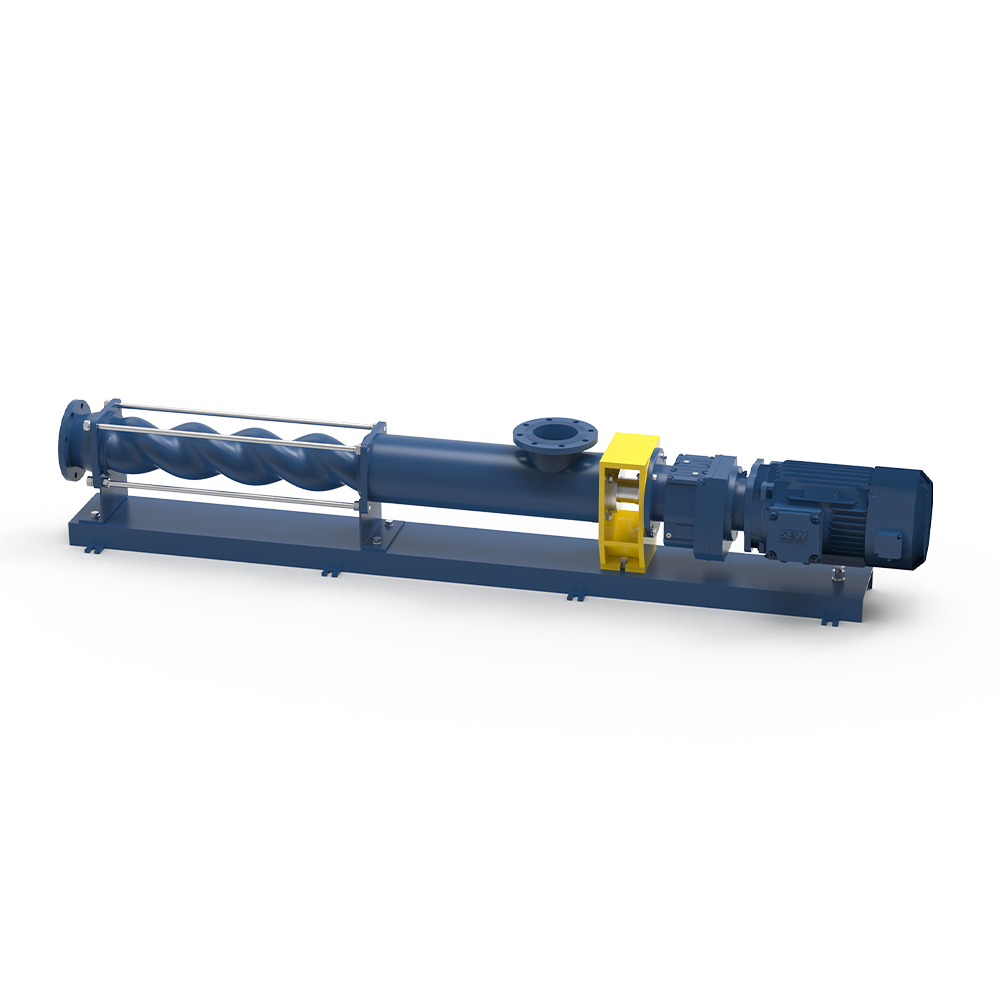
Screw pumps equipped with equal wall thickness stator, the same kind of pump specifications pump flow, and pressure are increased. The equal wall thic...
See Details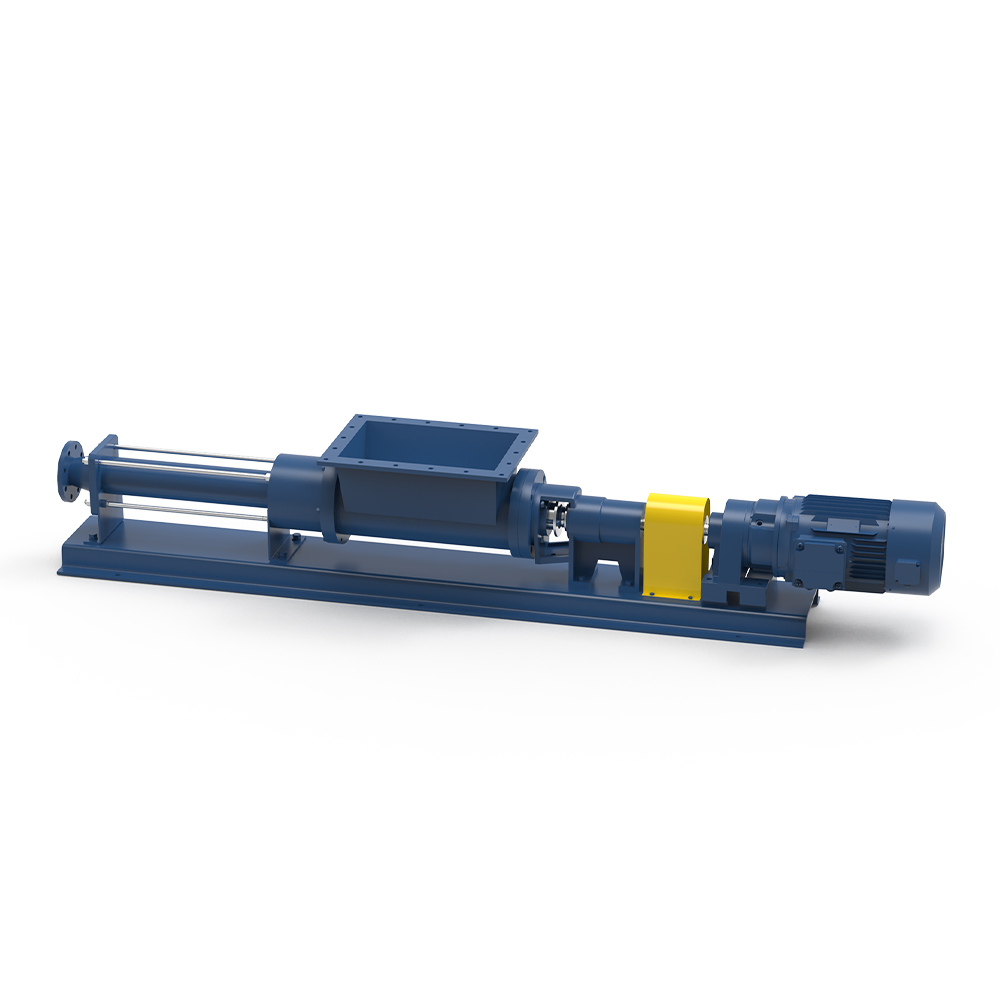
The inlet is a large hopper design W-type pump with a connecting shaft with multiple spiral vanes (which can effectively prevent the accumulation of m...
See Details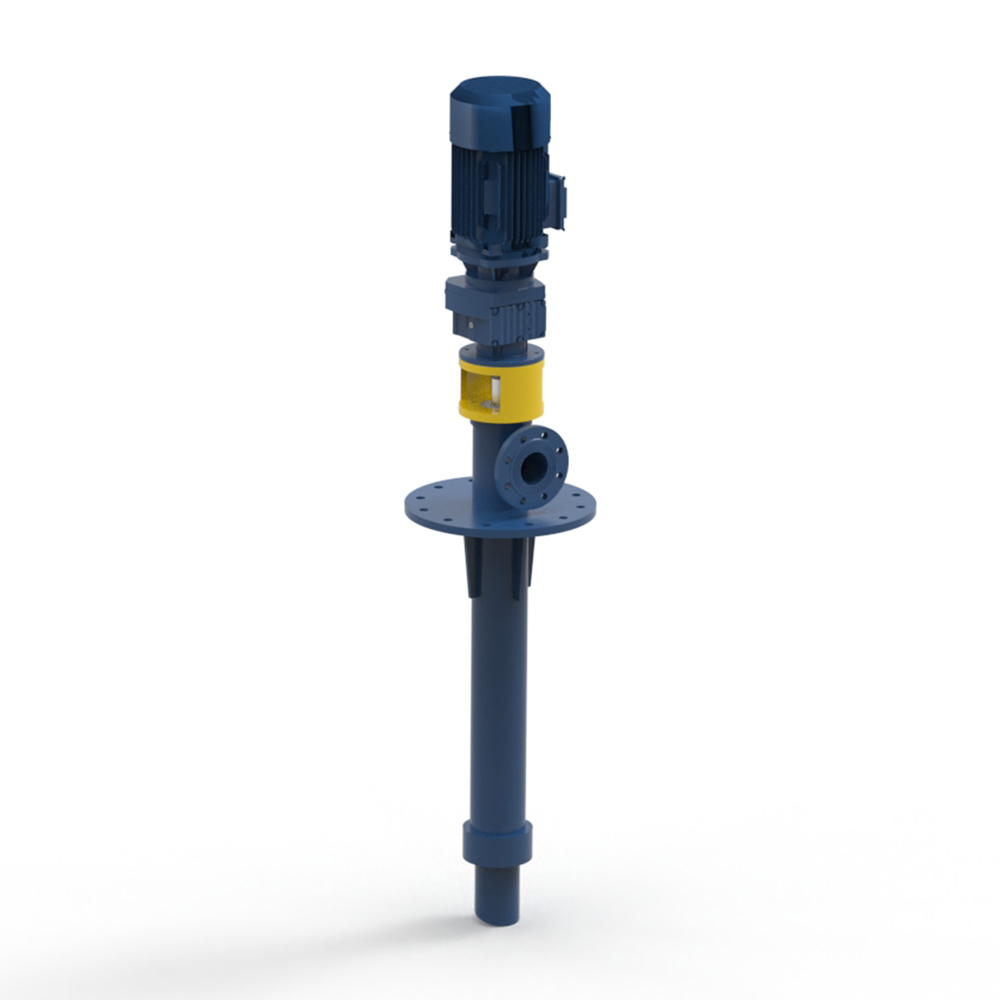
Mika vertical T-type screw pumps can be achieved through the length of the pump body to a variety of different depths of the pool, the pump's hopper i...
See Details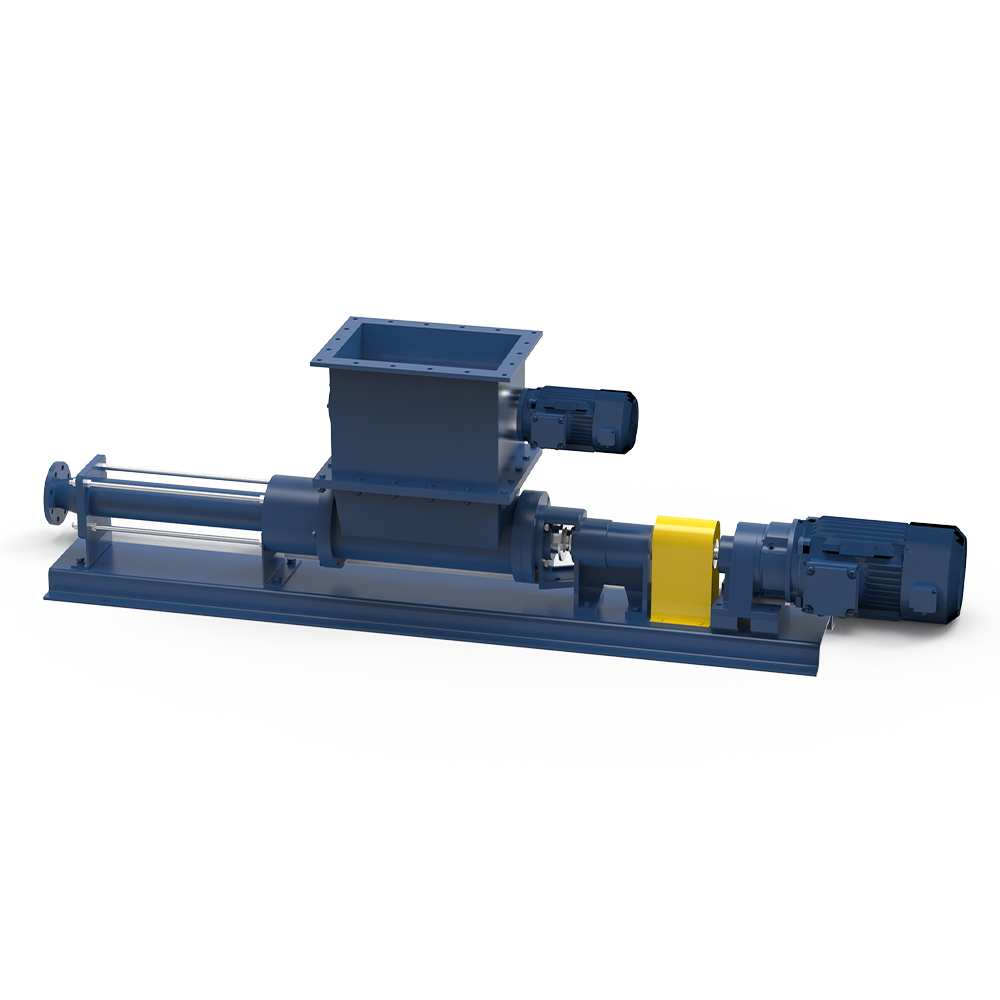
The inlet is designed for a large hopper with a bridge-breaking device P-pumps are suitable for conveying materials with high viscosity, high solids c...
See Details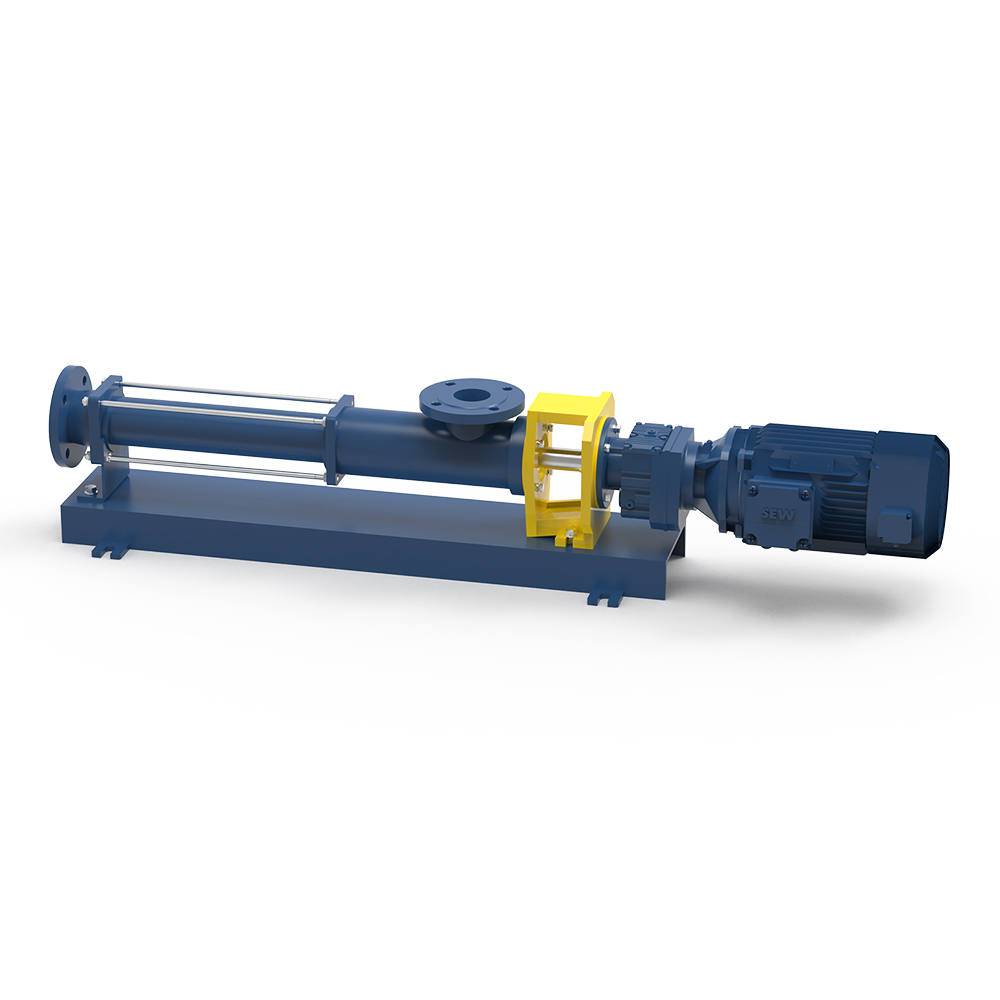
Mika Classic B direct-connected pumps are compact, easy to maintain, with low investment costs, and are suitable for a wide range of common working co...
See Details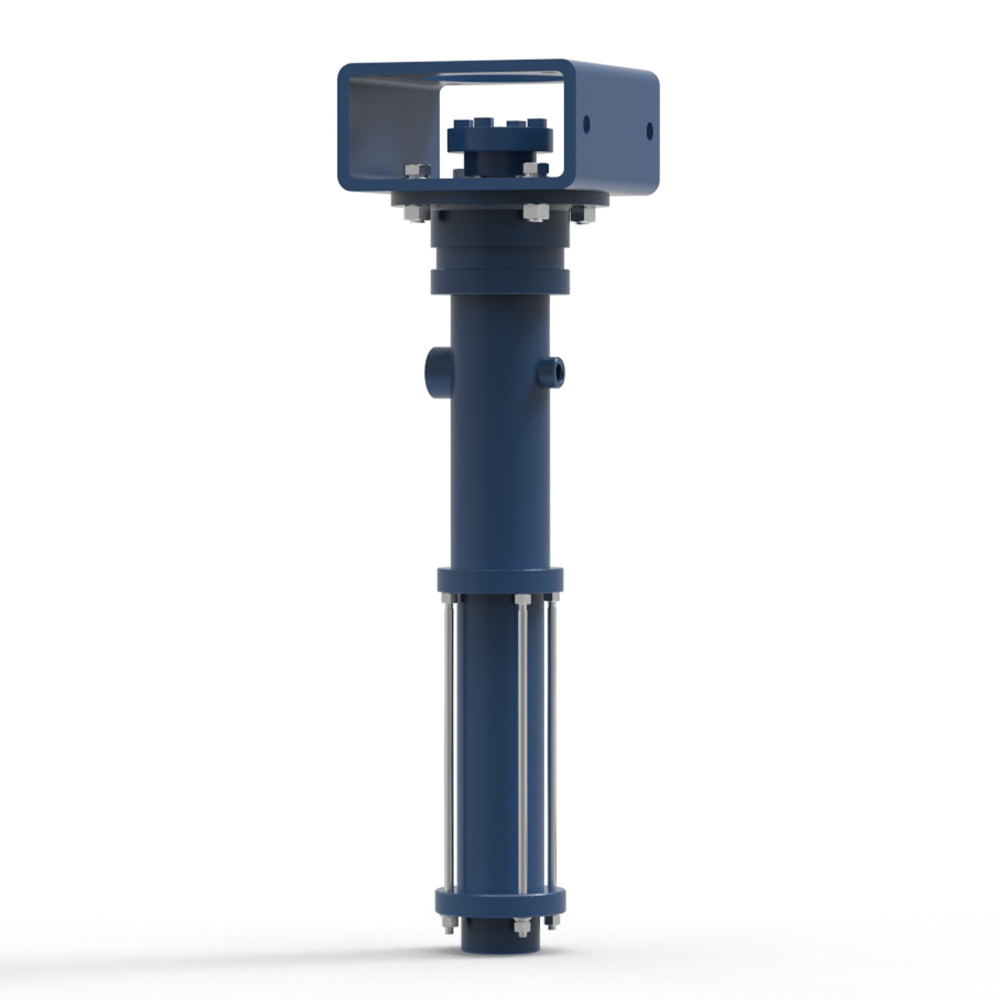
Precise flow rates and a wide range of materials for the metering and delivery of all kinds of sealants. Working Principle The MeiJia pump is a prog...
See Details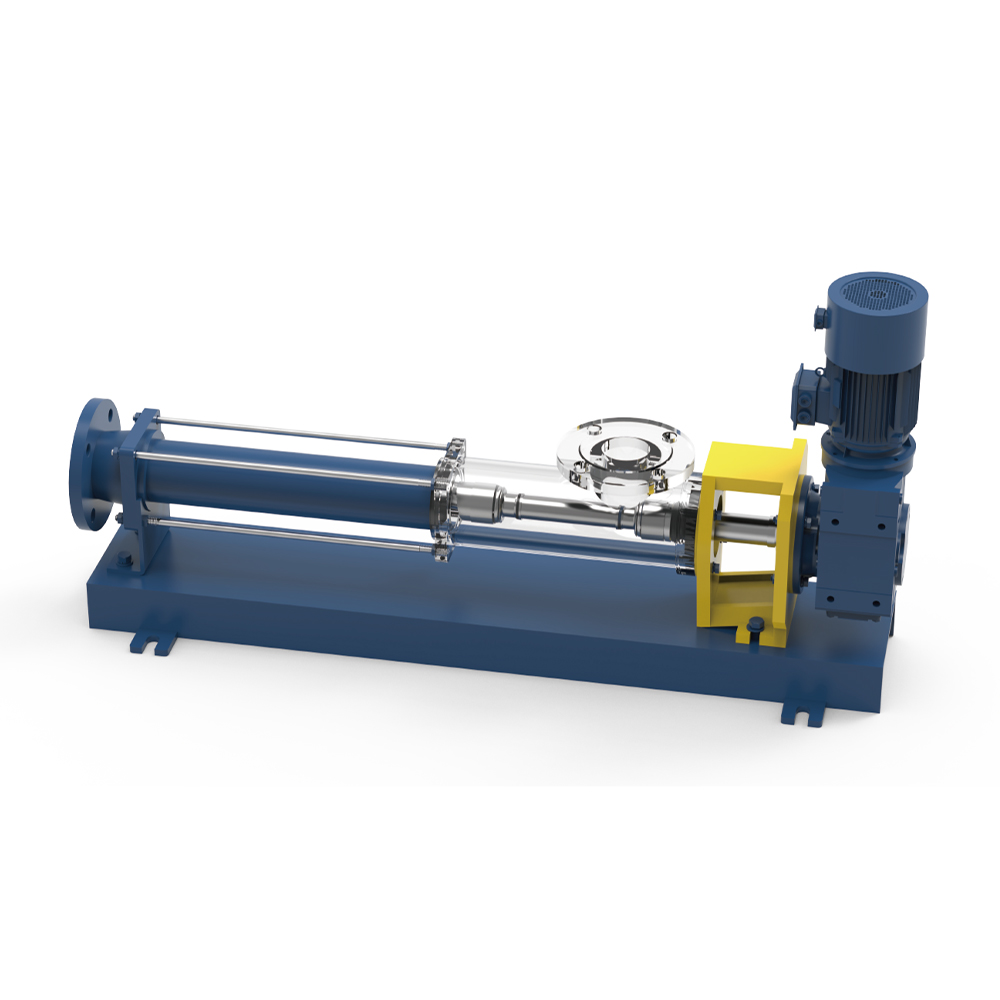
The speed reducer adopts the K series speed reducer, and the length of the pump can be shortened, so it can be used in places where the space is narro...
See Details
Various materials are available for different working conditions, such as NBR, HNBR, EPDM, and FKM.
See Details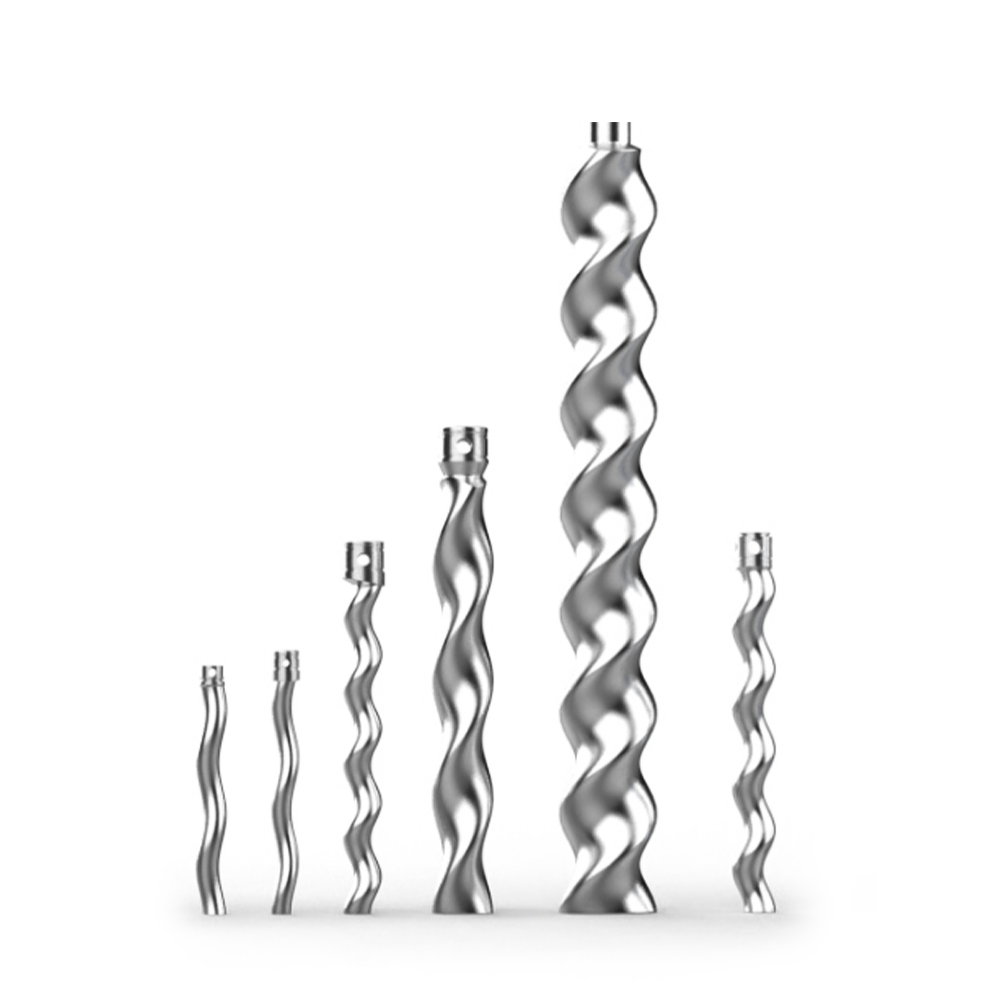
Multiple materials available, 304, 316L, 2205, rotor surface coating can be chrome plated or tungsten carbide sprayed.
See Details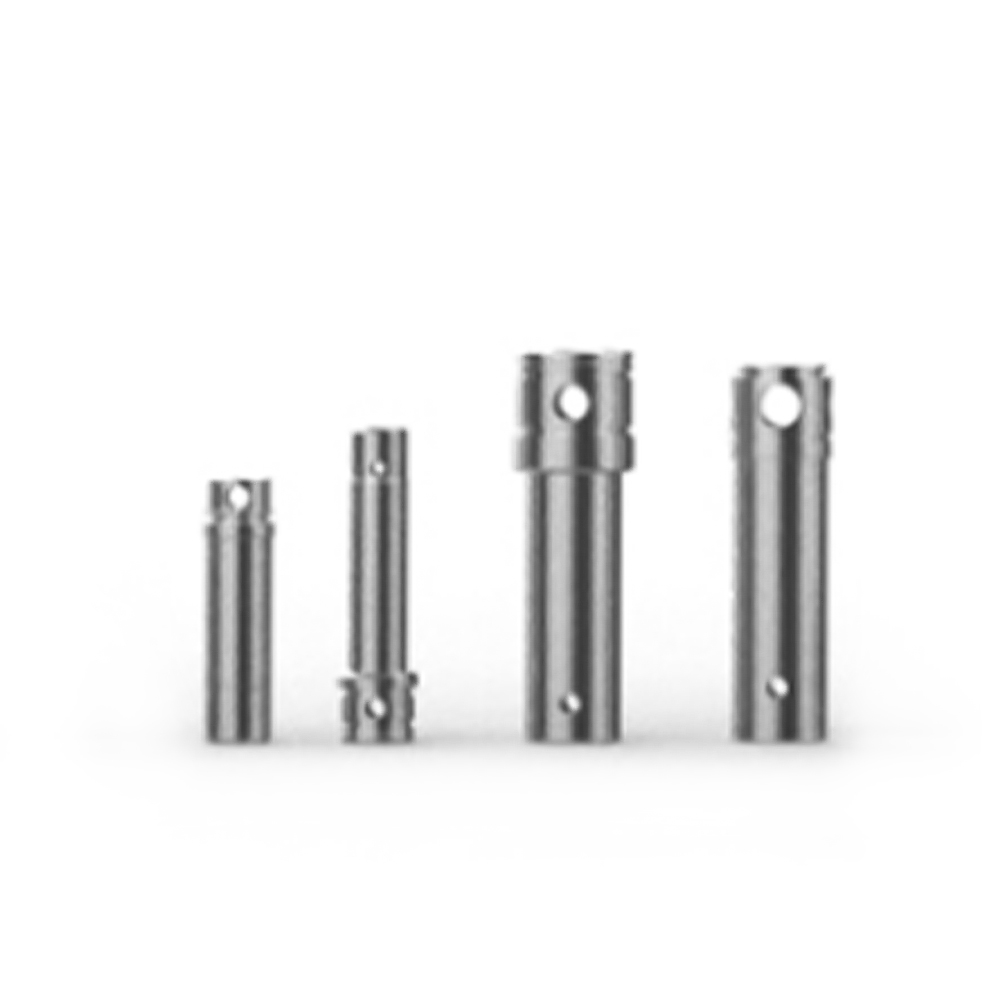
Multiple materials available: Q235,304,316L,2205,2507, etc.
See DetailsContact Us
Add: No. 36 Xintai Road, Economic Development Zone, Jingjiang City, Jiangsu Province, China
Tel: +86-13515167342
Fax: +86-523-84261117
E-mail: [email protected]
We'd love to
hear from you!
