
 English
 русский
 Español
Truck-mounted progressive cavity pumps
Cat:Single Screw Pumps
Mika vehicle-mounted pump, the pump base is not only stable and reliable, but also cleverly equipped with universal wheels, these wheels rotate flexib...
See DetailsContent
A single screw pump (also known as a progressive cavity pump or eccentric screw pump) is a positive displacement pump that transfers fluid through the rotation of a single helical rotor within a double-helical elastomeric stator. This design creates sealed cavities that move axially from suction to discharge, delivering steady, pulsation-free flow with minimal shear.
The core working principle involves an eccentric single-headed helical screw (rotor) rotating within a fixed bushing (stator) with a double-headed helical cavity. As the rotor turns via a universal joint drive, it forms continuous sealed chambers that transport medium from inlet to outlet without agitation—making it ideal for shear-sensitive fluids.
| Parameter | Typical Range | Notes |
|---|---|---|
| Flow Rate | 8 to 3,200 L/min | Directly proportional to rotor speed |
| Viscosity Range | Up to 200,000 cP | Handles high-viscosity fluids efficiently |
| Pressure Capacity | 0.6 MPa per stage | Multi-stage designs available |
| Particle Size | Up to 30mm | Fiber length up to 350mm |
| Solids Content | Up to 60% | For fine powder form |
Selecting the right single screw pump requires systematic analysis of fluid properties, operating conditions, and economic factors. Improper selection leads to premature wear, clogging, or insufficient performance.
Fluid properties are the most critical selection factors. Consider these parameters:
Calculate your process requirements precisely:
| Application | Rotor Material | Stator Material |
|---|---|---|
| Food & Beverage | 316 Stainless Steel | NBR or EPDM (FDA-approved) |
| Chemical Processing | Hastelloy or Coated Steel | Viton or PTFE-lined |
| Oil & Gas/Heavy Crude | Tool Steel or Ceramic-coated | High-temp NBR or HNBR |
| Wastewater/Sludge | Hard Chrome-plated Steel | Wear-resistant NBR |
Ensure proper inlet conditions to prevent cavitation: provide positive suction head for high-viscosity fluids, and consider these drive options:
Follow this troubleshooting sequence from external to internal factors:
Single screw pumps are NOT cost-effective for water applications. When designed for viscous fluids and run on water:
For water-like fluids, centrifugal pumps offer better efficiency and lower lifecycle costs.
The stator is the primary wear component requiring periodic replacement. Implement this maintenance schedule:
| Component | Inspection Frequency | Action Required |
|---|---|---|
| Mechanical Seal | Weekly | Check for leaks; replace if dripping |
| Stator (Elastomer) | Monthly | Measure clearance; replace when worn |
| Universal Joint | Quarterly | Lubricate; inspect for wear |
| Inlet Strainer | Weekly | Clean or replace as needed |
When requesting quotations, provide these specifications (note: centrifugal pump data sheets do not apply):
Common causes and remedies:
Single screw pumps serve critical functions across diverse industries due to their ability to handle complex fluids:
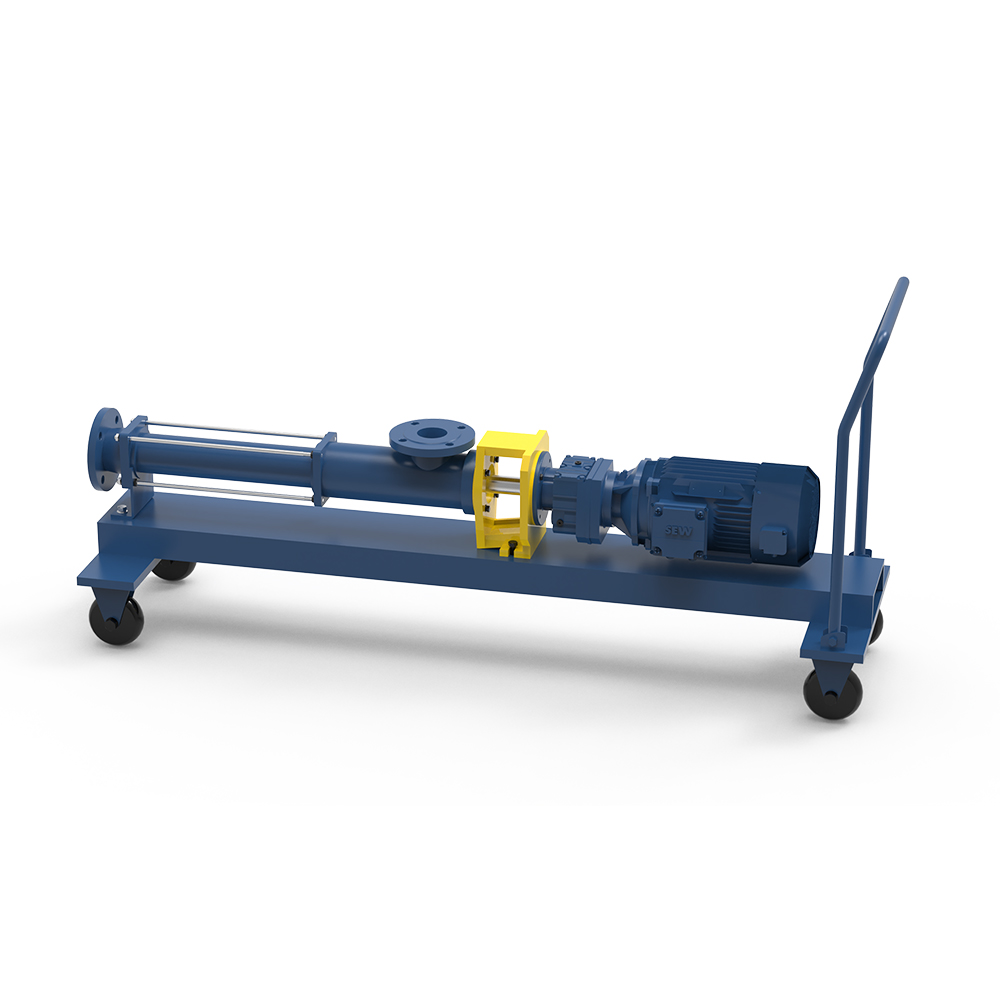
Mika vehicle-mounted pump, the pump base is not only stable and reliable, but also cleverly equipped with universal wheels, these wheels rotate flexib...
See Details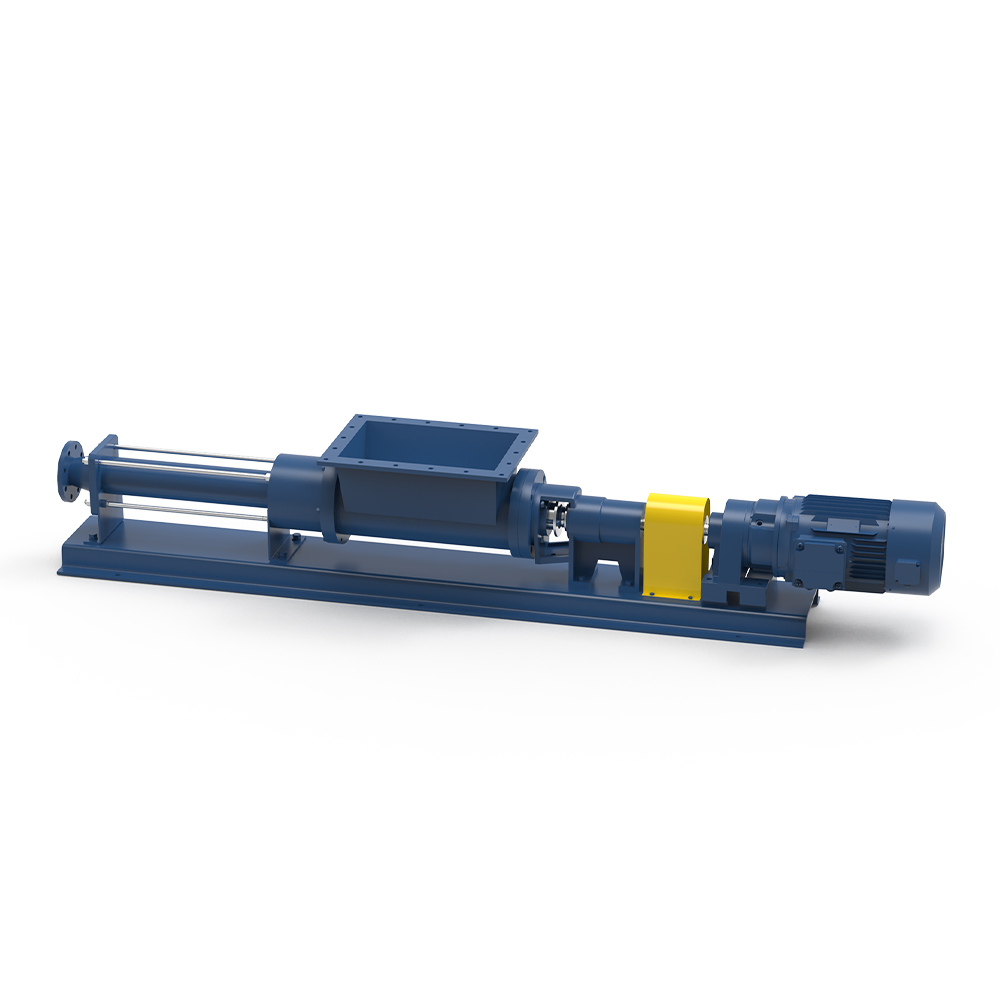
The inlet is a large hopper design W-type pump with a connecting shaft with multiple spiral vanes (which can effectively prevent the accumulation of m...
See Details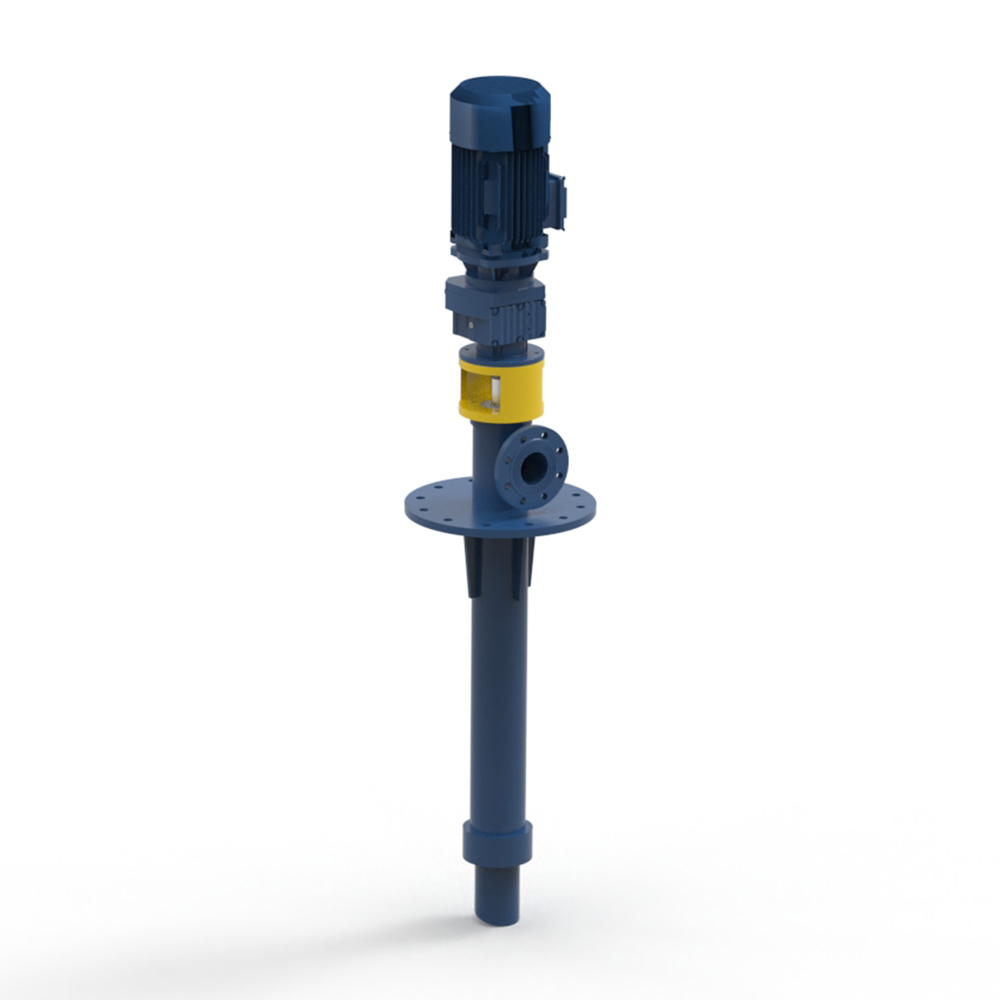
Mika vertical T-type screw pumps can be achieved through the length of the pump body to a variety of different depths of the pool, the pump's hopper i...
See Details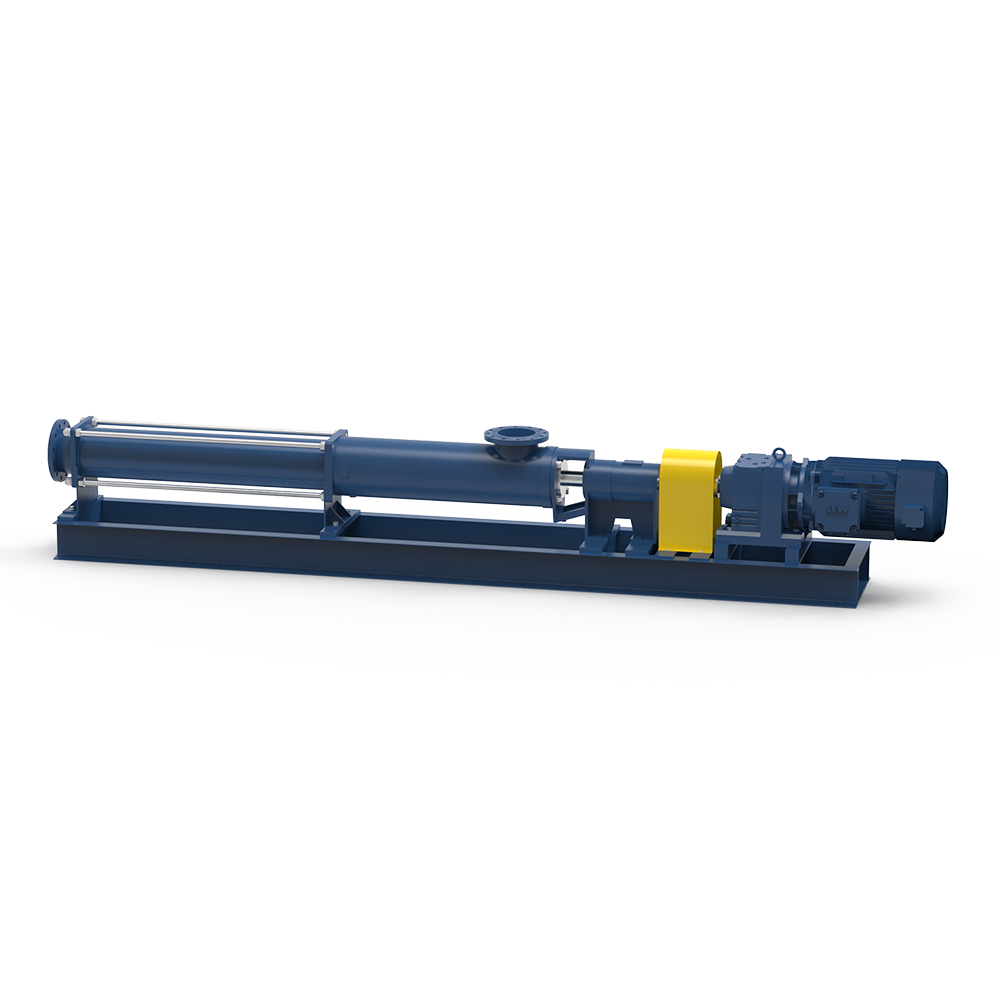
The S-pump with bearing frame support can withstand higher axial loads and can be used for high-pressure conditions, e.g. high-pressure sludge feed tr...
See Details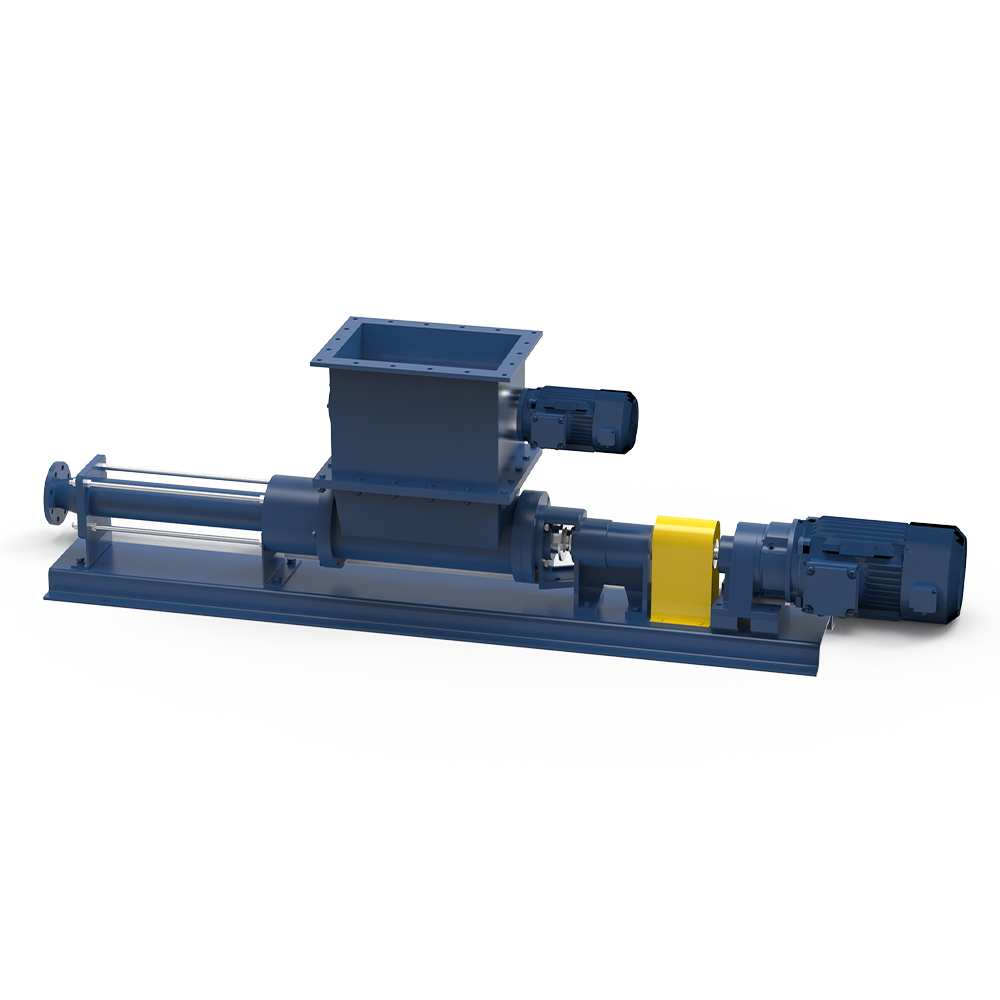
The inlet is designed for a large hopper with a bridge-breaking device P-pumps are suitable for conveying materials with high viscosity, high solids c...
See Details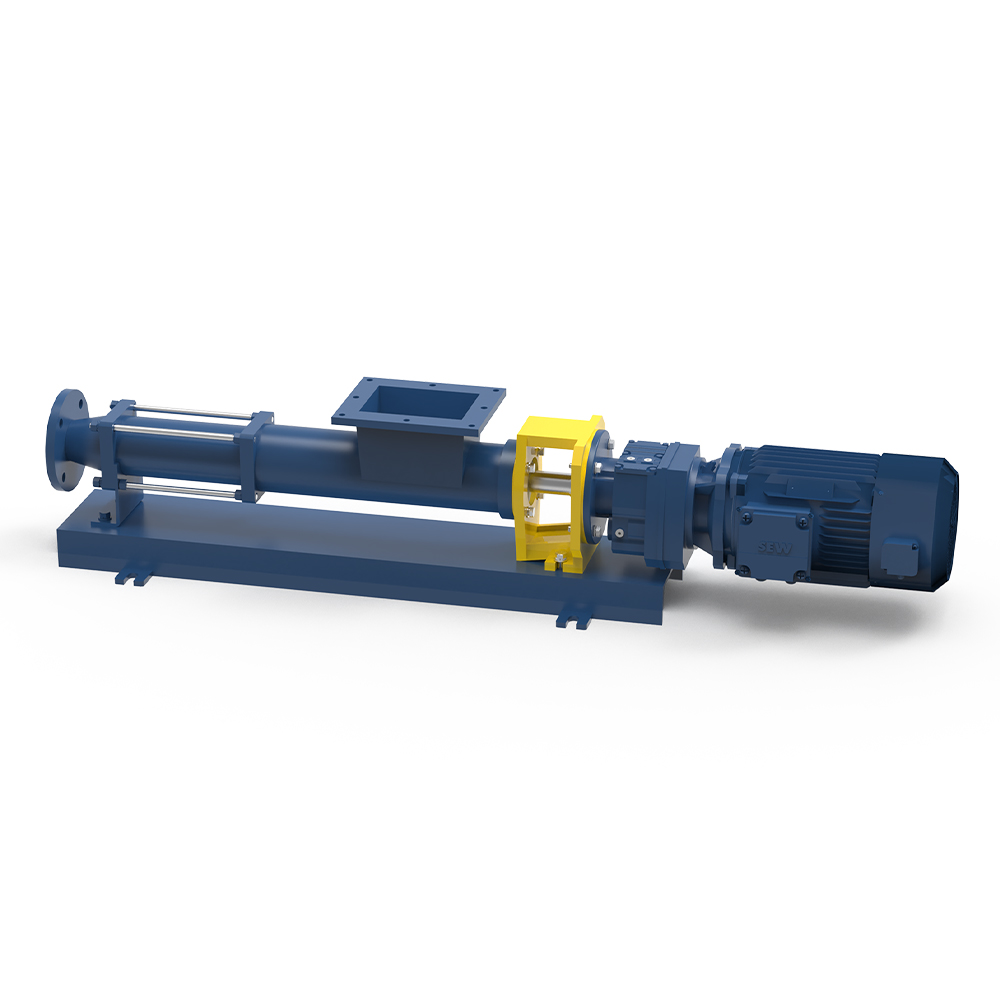
The inlet is a small rectangular hopper design H pump, suitable for conveying high viscosity solid content of less than 15% of the medium, such as cru...
See Details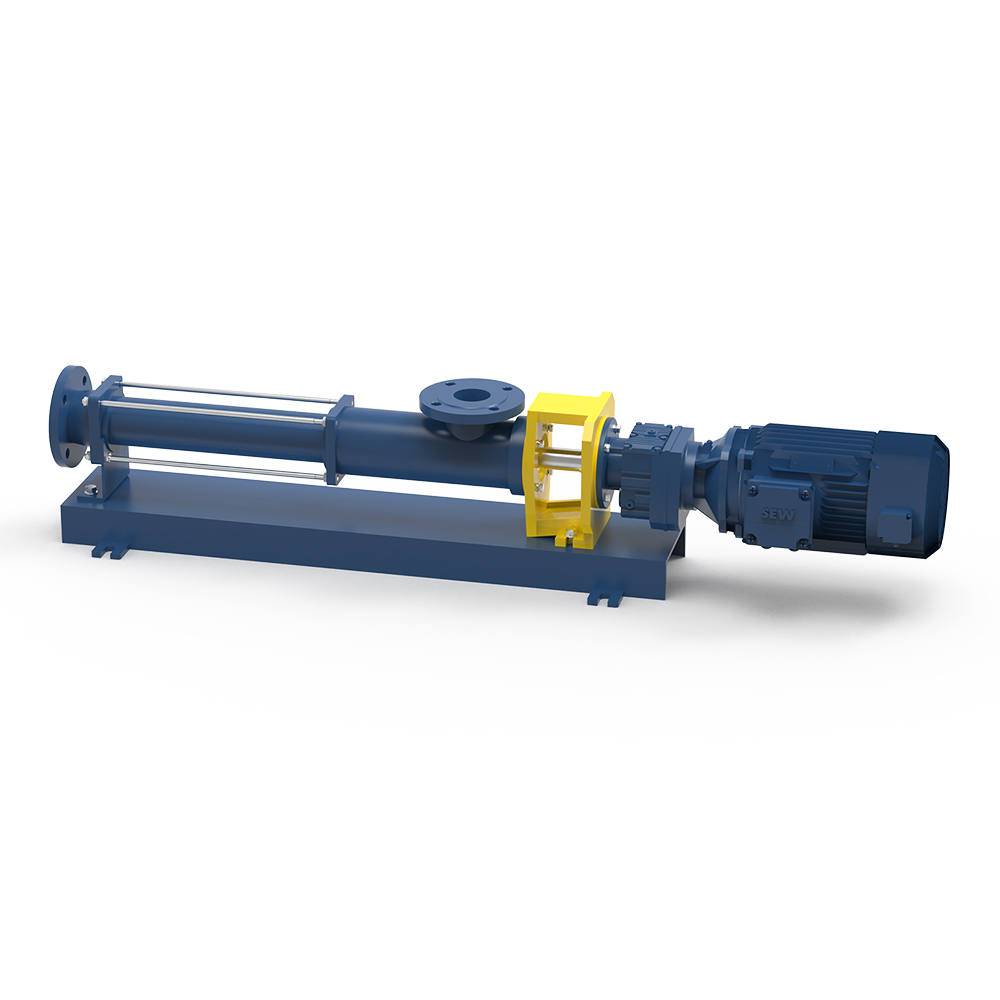
Mika Classic B direct-connected pumps are compact, easy to maintain, with low investment costs, and are suitable for a wide range of common working co...
See Details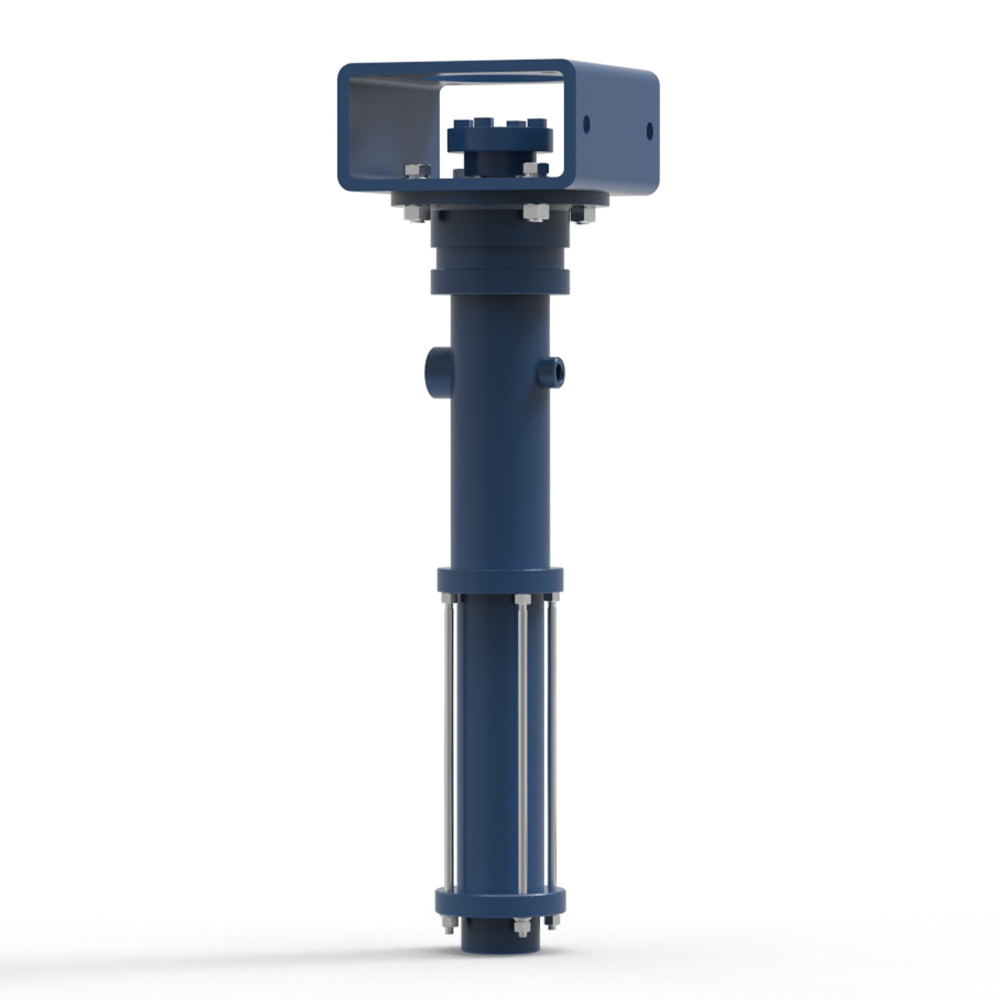
Precise flow rates and a wide range of materials for the metering and delivery of all kinds of sealants. Working Principle The MeiJia pump is a prog...
See Details
Various materials are available for different working conditions, such as NBR, HNBR, EPDM, and FKM.
See Details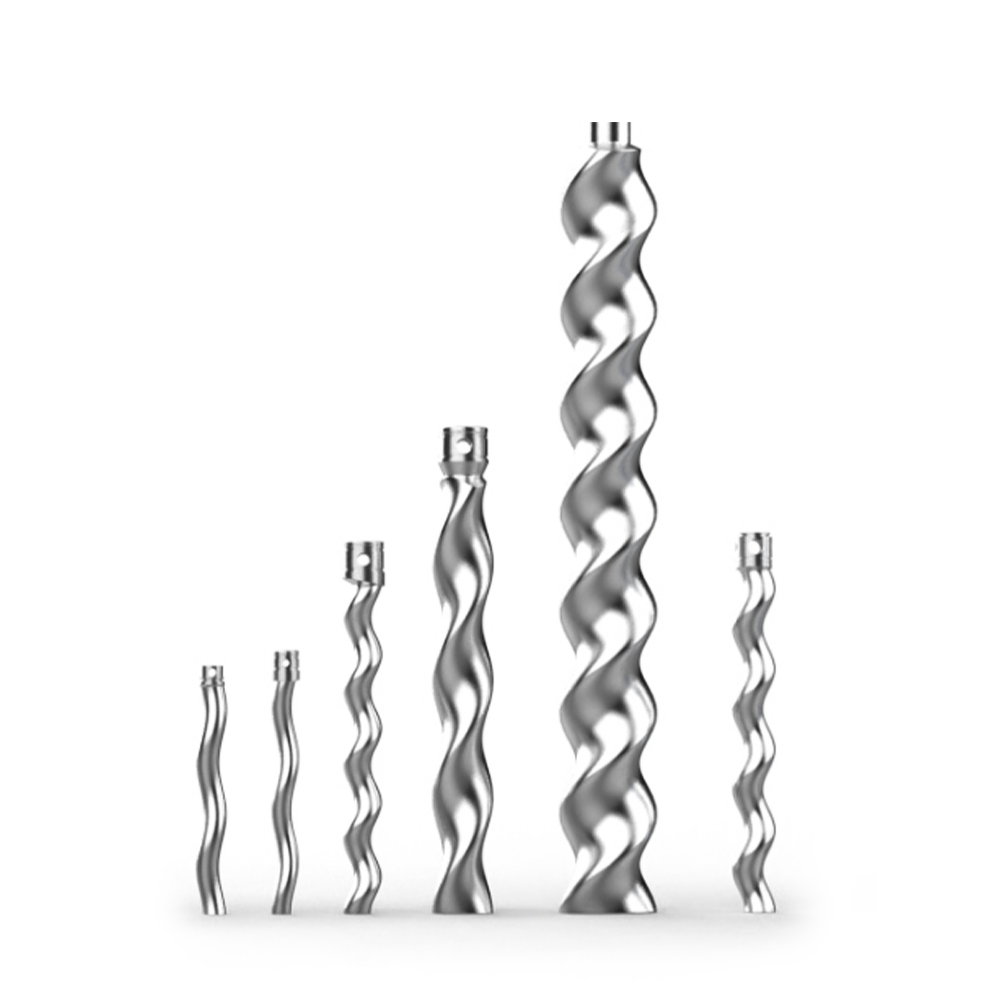
Multiple materials available, 304, 316L, 2205, rotor surface coating can be chrome plated or tungsten carbide sprayed.
See DetailsContact Us
Add: No. 36 Xintai Road, Economic Development Zone, Jingjiang City, Jiangsu Province, China
Tel: +86-13515167342
Fax: +86-523-84261117
E-mail: [email protected]
We'd love to
hear from you!
