
 English
 русский
 Español
Equal Wall Thickness Screw Pumps
Cat:Single Screw Pumps
Screw pumps equipped with equal wall thickness stator, the same kind of pump specifications pump flow, and pressure are increased. The equal wall thic...
See DetailsContent
In the food and beverage industry, the efficient and gentle conveyance of high-viscosity, particle-laden media—such as crushed fruit juice pulp, jams, or purees—poses unique challenges. Traditional pumps often struggle with clogging, inconsistent flow, or damage to delicate ingredients, leading to product waste and reduced efficiency. The H-type progressive cavity pump addresses these pain points with a targeted design, combining a small rectangular hopper, advanced structural engineering, and precision manufacturing to deliver reliable, stable performance for medium with solid content below 15%. This article explores the core features, working principles, and advantages that make the H-type pump an ideal solution for food processing and other high-viscosity applications.
A defining feature of the H-type progressive cavity pump is its small rectangular hopper inlet, engineered specifically for media with moderate solid content and high viscosity. Unlike larger hoppers that may cause bridging or uneven feeding in delicate materials, the compact, rectangular design ensures uniform material intake, preventing clumping or blockages in applications like fruit pulp or jam conveyance.
The H-type is tailored for media with solid content less than 15%, such as crushed fruit juice mixtures or food industry pastes. This design balances the need for efficient feeding with the requirement to minimize shear or damage to sensitive ingredients. The small hopper size reduces the risk of material accumulation, ensuring a consistent flow that preserves the texture and quality of the product—critical in food processing where even minor degradation can impact taste or appearance.
Materials like jams or fruit purees tend to stick together, forming bridges that block traditional pump inlets. The H-type’s rectangular hopper is shaped to disrupt these formations, allowing the medium to flow freely into the pump. This design eliminates the need for frequent manual intervention or additional agitation, streamlining operations and reducing downtime in busy food production lines.
Like other progressive cavity pumps, the H-type operates on a positive displacement mechanism, using a rotor and stator to move media axially. However, its design is optimized to handle the specific demands of high-viscosity, low-solid-content materials.
The rotor in the H-type progressive cavity pump is a screw with a large pitch, high tooth height, and small helix diameter. Its cross-section combines a circular segment (1/2 geometric shape) and an elliptical segment (2/3 geometric shape), creating cavities that gently trap and transport the medium without excessive agitation. This design is crucial for preserving the integrity of delicate food products, as it minimizes shear and prevents the breakdown of particles or fibers.
The stator is a double or triple-threaded helical sleeve that matches the rotor’s geometry. Made from food-grade elastomers or specialized materials, the stator is resistant to abrasion and corrosion, ensuring long-term durability in harsh food processing environments. The stator’s internal surface forms a continuous, sealed chamber with the rotor, creating a series of cavities that move the medium smoothly from the suction end to the discharge end.
The H-type progressive cavity pump stands out for its ability to maintain extremely high stability during operation, even when handling high-viscosity liquids or media with solid particles. This is achieved through precise manufacturing technology and advanced structural design, which eliminate the vibration and uneven liquid volume issues common to traditional pumps.
Unlike centrifugal or gear pumps that can stir or agitate the medium, the H-type operates with minimal vibration. This smooth, pulsation-free flow ensures uniform transmission of fluid, preventing separation of solids or degradation of sensitive ingredients. The reduced vibration also extends the pump’s service life, as it minimizes wear on internal components.
The H-type’s stable operation results in low noise levels, providing a quieter working environment for operators. This is particularly beneficial in food processing facilities, where noise reduction contributes to a more comfortable and safe workplace. The pump’s design also reduces the risk of product contamination, as there are fewer moving parts exposed to the medium.
In terms of efficiency, the H-type progressive cavity pump can transport more fluid per unit of energy, achieving a high energy consumption ratio. This aligns with current environmental requirements for energy saving and emission reduction, making it a sustainable choice for industries looking to reduce their carbon footprint. The pump’s ability to handle high-viscosity media without excessive power consumption further enhances its cost-effectiveness.
The versatility of the H-type progressive cavity pump makes it a valuable solution for a range of food and beverage applications, where gentle handling and consistent flow are paramount.
The H-type progressive cavity pump represents a significant advancement in fluid handling technology, specifically designed to meet the demands of high-viscosity, low-solid-content media in the food and beverage industry. Its small rectangular hopper, precision-engineered rotor-stator mechanism, and focus on stability and efficiency make it an indispensable tool for manufacturers looking to optimize their production processes.
By eliminating bridging issues, preserving product quality, and reducing energy consumption, the H-type pump ensures reliable, cost-effective conveyance that aligns with both operational and environmental goals. For businesses in the food industry, investing in an H-type progressive cavity pump is a strategic decision that can lead to improved productivity, reduced waste, and enhanced product quality.
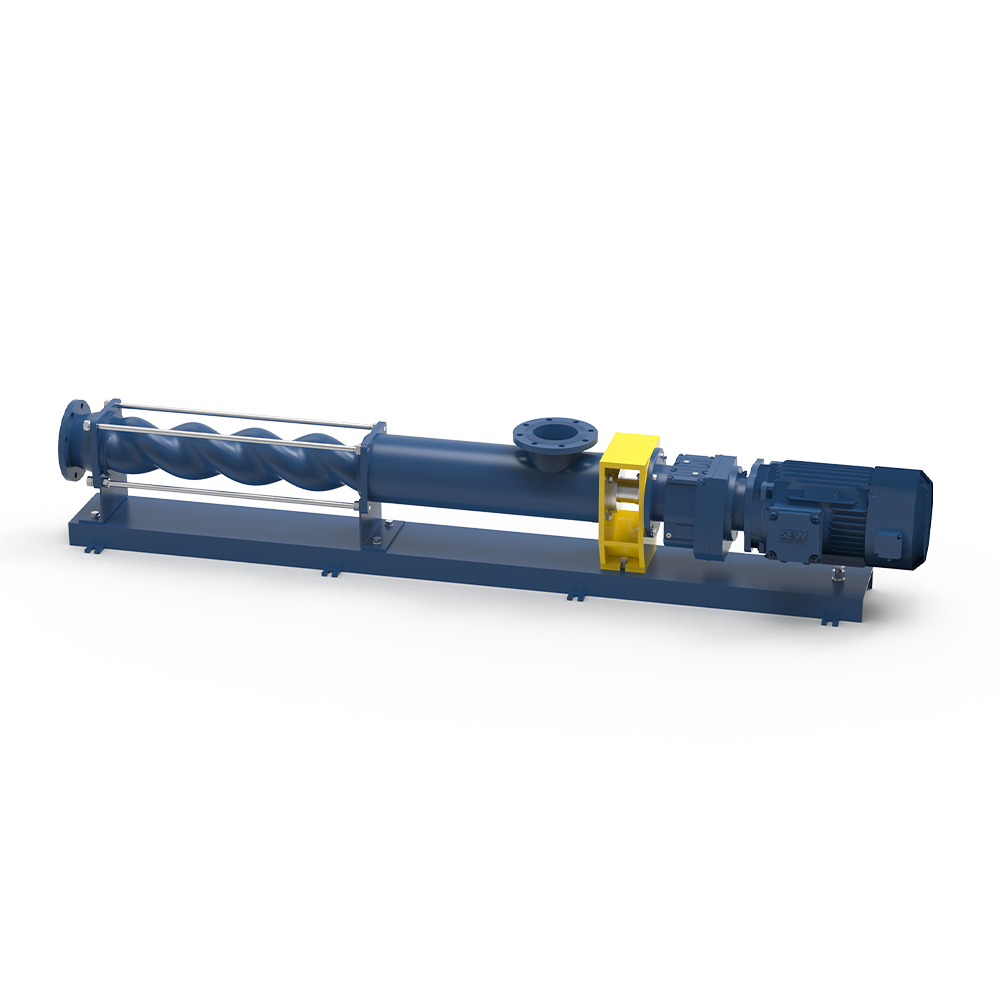
Screw pumps equipped with equal wall thickness stator, the same kind of pump specifications pump flow, and pressure are increased. The equal wall thic...
See Details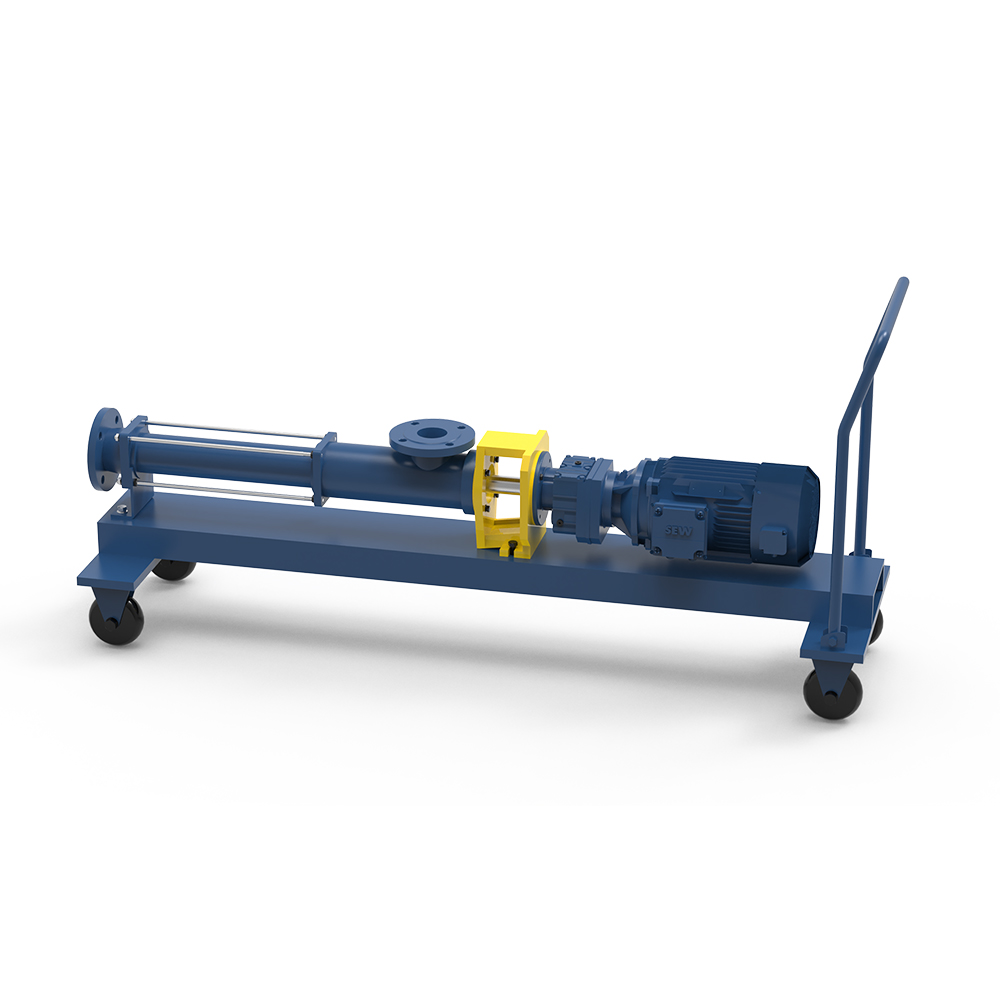
Mika vehicle-mounted pump, the pump base is not only stable and reliable, but also cleverly equipped with universal wheels, these wheels rotate flexib...
See Details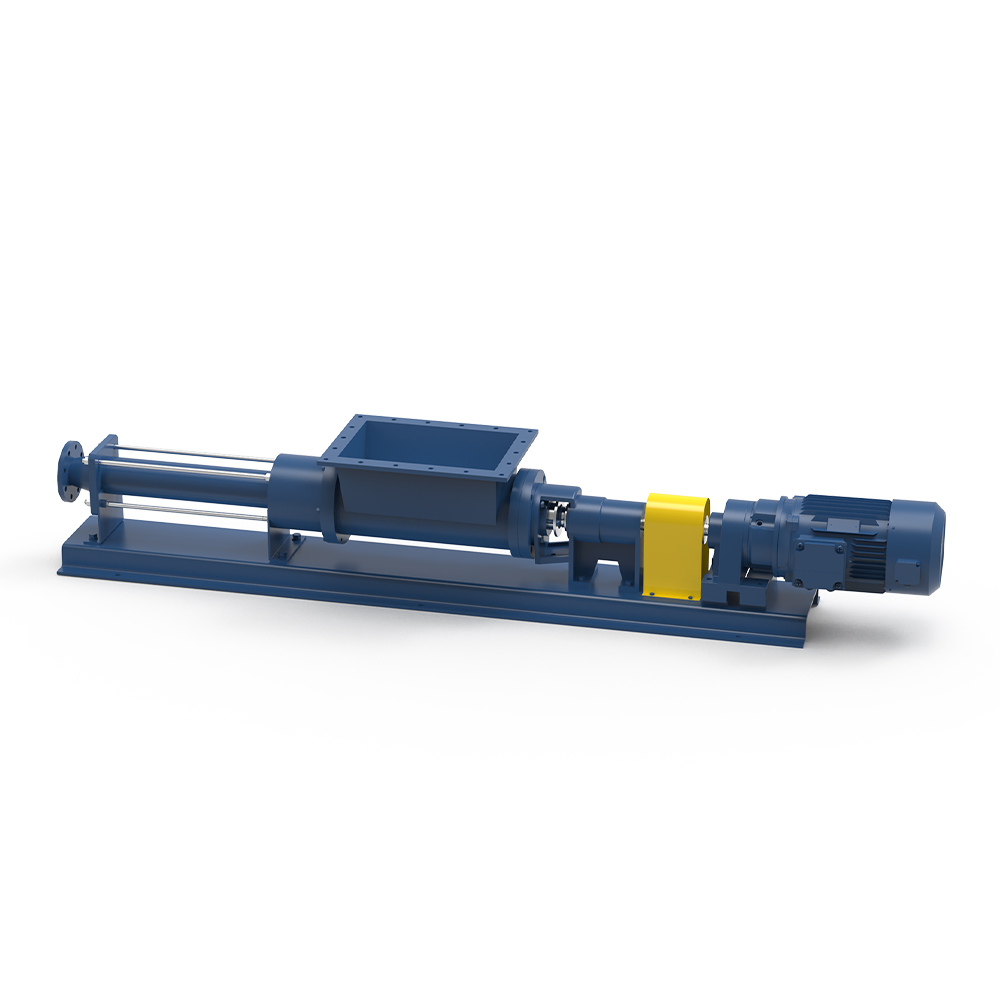
The inlet is a large hopper design W-type pump with a connecting shaft with multiple spiral vanes (which can effectively prevent the accumulation of m...
See Details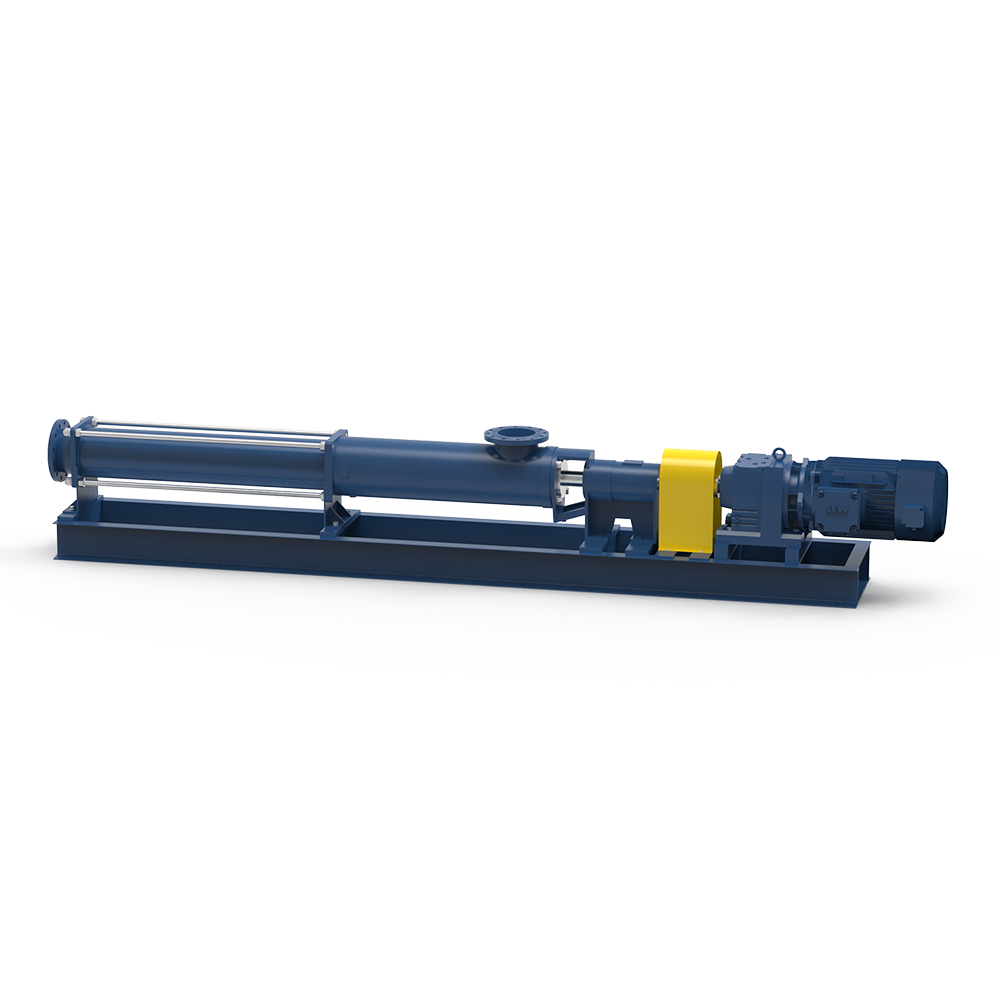
The S-pump with bearing frame support can withstand higher axial loads and can be used for high-pressure conditions, e.g. high-pressure sludge feed tr...
See Details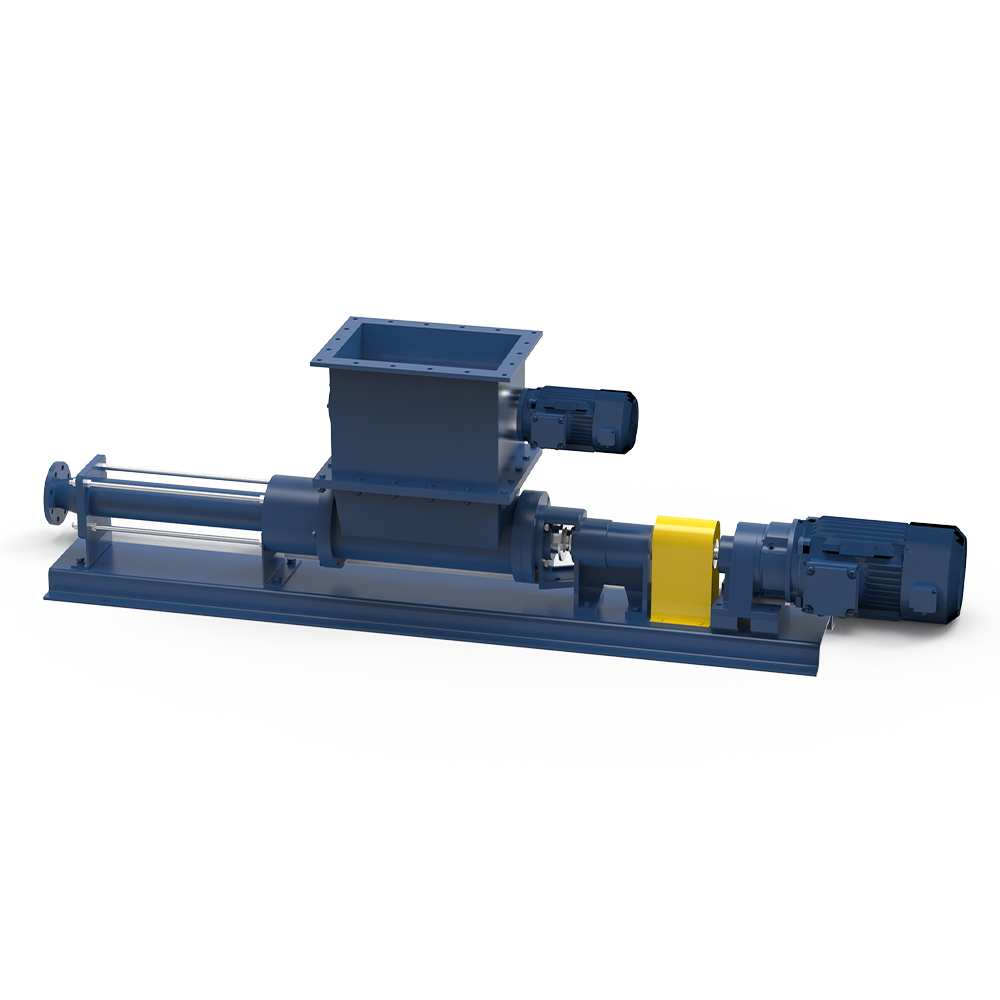
The inlet is designed for a large hopper with a bridge-breaking device P-pumps are suitable for conveying materials with high viscosity, high solids c...
See Details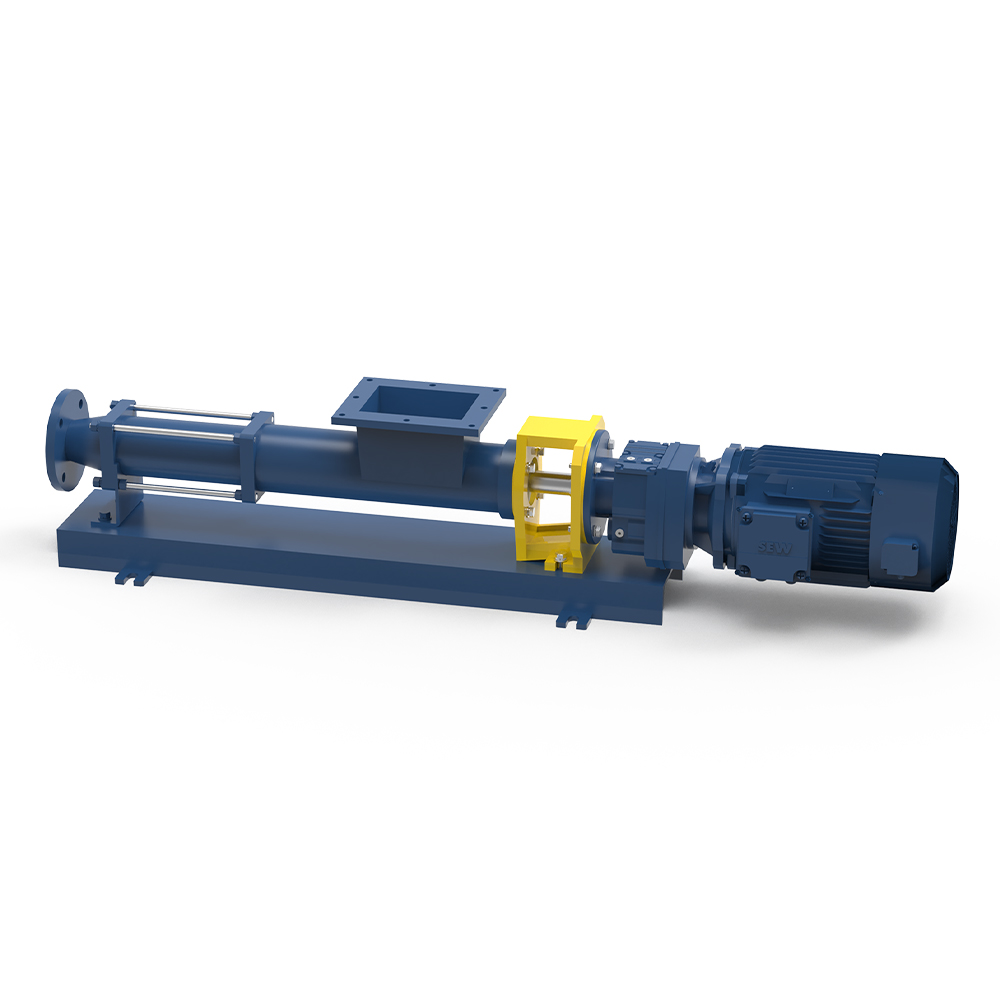
The inlet is a small rectangular hopper design H pump, suitable for conveying high viscosity solid content of less than 15% of the medium, such as cru...
See Details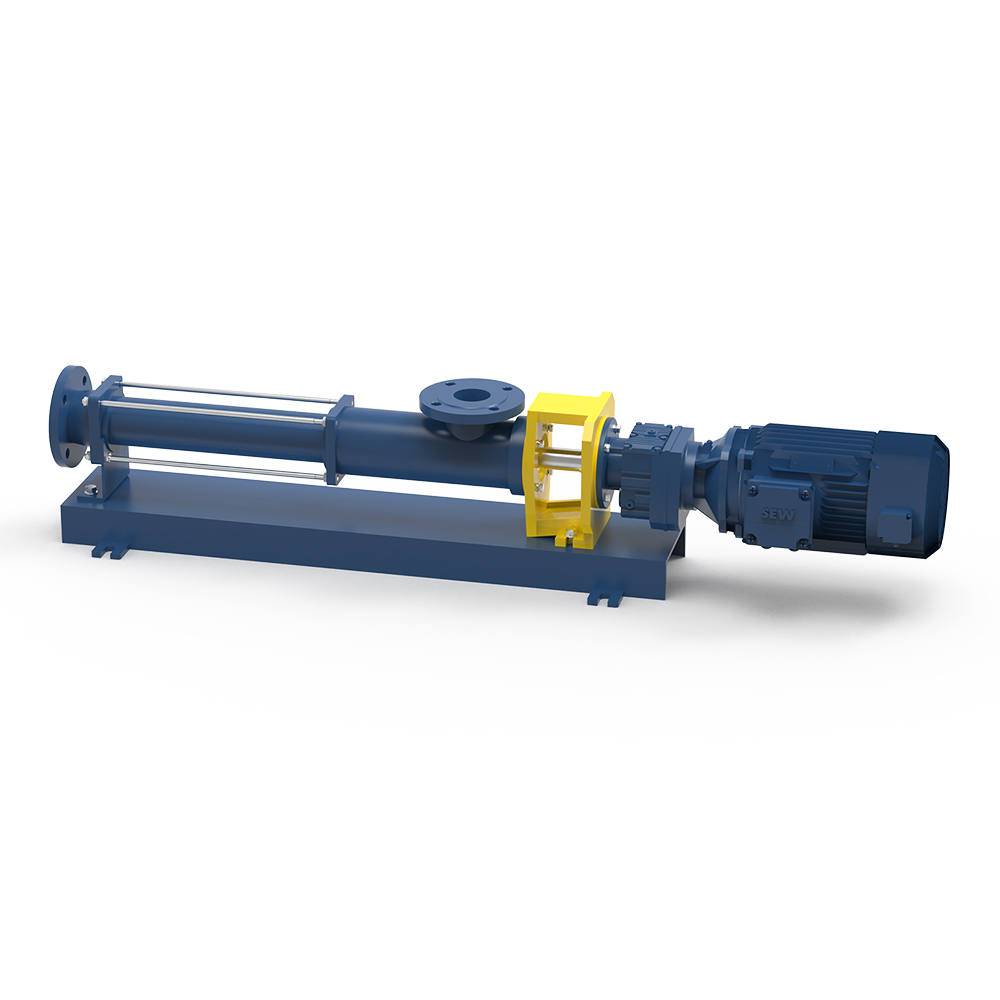
Mika Classic B direct-connected pumps are compact, easy to maintain, with low investment costs, and are suitable for a wide range of common working co...
See Details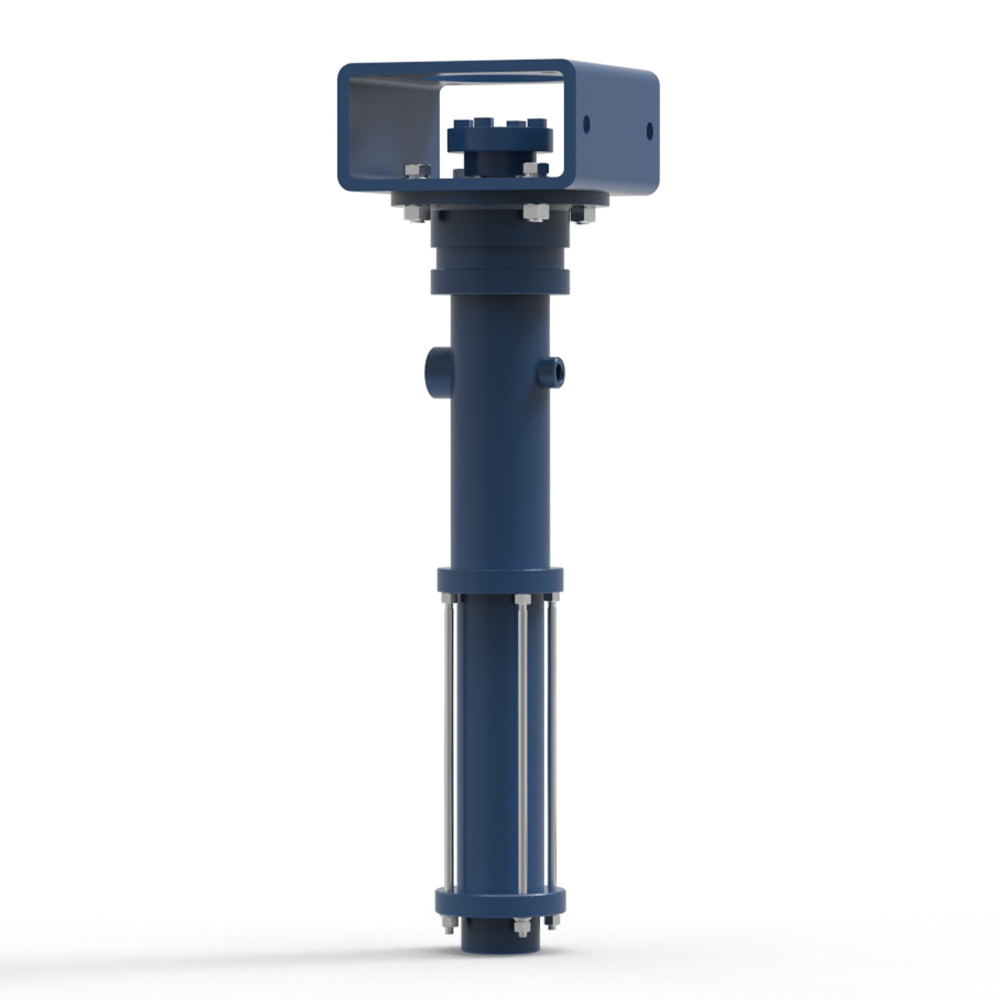
Precise flow rates and a wide range of materials for the metering and delivery of all kinds of sealants. Working Principle The MeiJia pump is a prog...
See Details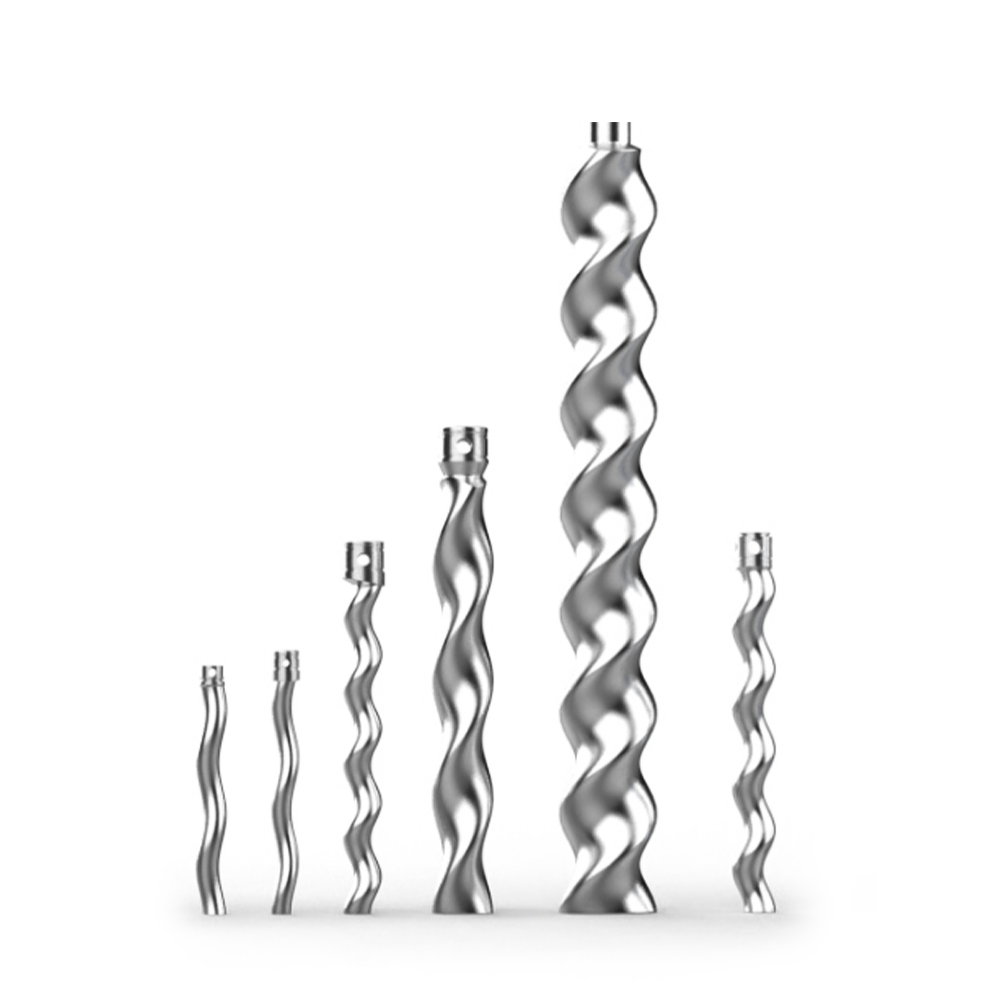
Multiple materials available, 304, 316L, 2205, rotor surface coating can be chrome plated or tungsten carbide sprayed.
See Details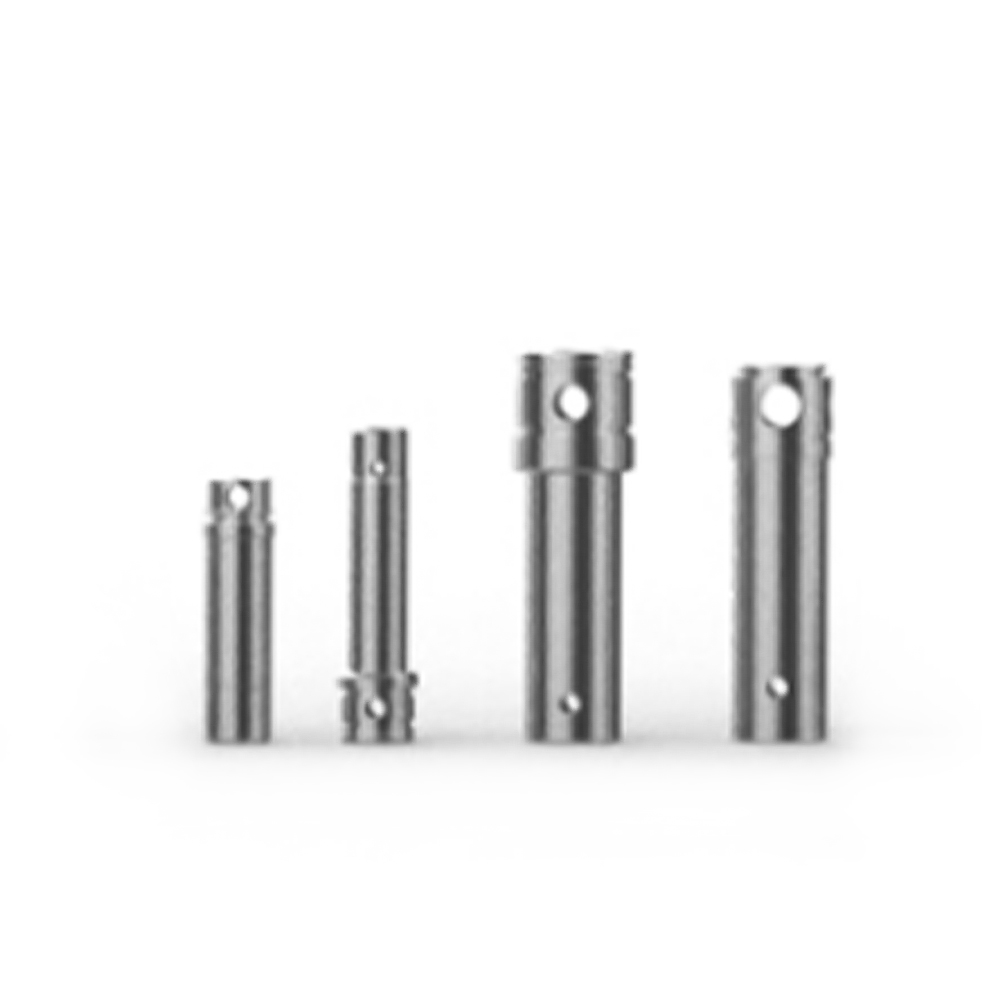
Multiple materials available: Q235,304,316L,2205,2507, etc.
See DetailsContact Us
Add: No. 36 Xintai Road, Economic Development Zone, Jingjiang City, Jiangsu Province, China
Tel: +86-13515167342
Fax: +86-523-84261117
E-mail: [email protected]
We'd love to
hear from you!
