
 English
 русский
 Español
Equal Wall Thickness Screw Pumps
Cat:Single Screw Pumps
Screw pumps equipped with equal wall thickness stator, the same kind of pump specifications pump flow, and pressure are increased. The equal wall thic...
See DetailsContent
If a process must move 12,000 cSt sludge at 8 bar without shearing the product, a centrifugal pump will often lose prime, shear the fluid, or drift far from its duty point. A positive displacement pump handles that duty differently: it traps a fixed volume and pushes it into the discharge line, so flow stays nearly constant even when pressure changes. The trade-off is that positive displacement pumps demand careful selection. The wrong rotor-stator fit, the wrong elastomer, the wrong speed, or a poorly chosen seal can turn a reliable metering pump into a maintenance problem within weeks. This guide explains how positive displacement pumps work, how the main rotary and reciprocating types differ, and how to select, operate, and maintain them in water treatment, chemical processing, pulp and paper, food, pharmaceutical, oil and gas, and energy applications. It also covers spare parts strategy, because in positive displacement pump service, the stator, rotor, seals, and drive train usually decide the true cost of ownership.
The most practical conclusion comes first: choose a positive displacement pump when the fluid is viscous, shear-sensitive, filled with delicate solids, or required to be dosed with repeatable accuracy. Choose a centrifugal pump when the fluid is clean, low viscosity, and the system needs high flow with low pressure. Most industrial pumping problems begin when that first decision is made on price alone rather than on fluid behavior and process risk.
Key conclusion: a positive displacement pump is selected for constant flow, high viscosity, shear sensitivity, or dosing accuracy, not simply because it can generate pressure.
A positive displacement pump is a pump that moves a fluid by repeatedly enclosing a fixed volume and then mechanically displacing that volume into the discharge system. The phrase “positive displacement” means the pump does not rely on velocity or centrifugal force to create flow. Instead, it creates flow by changing the volume of a chamber. That chamber expands on the suction side, fills with liquid, seals against backflow, and then reduces in volume or moves the trapped liquid to the discharge side. The result is a pump with a predictable flow rate per revolution or per stroke.
This behavior creates the most useful characteristic of a positive displacement pump: flow is largely independent of discharge pressure. If the pump runs at a fixed speed and the internal clearances are stable, the flow remains close to constant as system pressure rises. In a centrifugal pump, flow changes significantly when pressure changes, because the pump operates on a performance curve. In a positive displacement pump, pressure is a result of system resistance, not the primary mechanism that creates flow. That is why positive displacement pumps are widely used for metering, dosing, transfer of viscous fluids, and processes where the recipe depends on a repeatable volume.
The theoretical flow rate can be estimated with a simple relationship:
Q = Vd × n × ηv
Where Q is flow, Vd is displacement volume per revolution or stroke, n is speed, and ηv is volumetric efficiency. Volumetric efficiency accounts for internal slip, which is the small amount of fluid that leaks back through clearances, valves, or seals. Slip increases with pressure, wear, low viscosity, and poor fit. A new pump may have excellent volumetric efficiency, but after thousands of hours in abrasive service, the same pump may lose flow capacity because internal clearances have opened. This is why spare parts and wear inspection are not optional topics in positive displacement pump operation.
A positive displacement pump curve looks very different from a centrifugal curve. Instead of a rising and falling head-capacity curve, a PD pump typically shows a nearly vertical line: flow stays almost constant while pressure increases. The curve may slant slightly to the left at higher pressures because slip increases, but the overall shape remains stable. This makes the pump easy to apply when the system pressure varies, but it also means the pump must be protected against overpressure. If a positive displacement pump is started against a closed valve, the pressure can rise until a seal fails, a pipe bursts, or the drive train is damaged. A relief valve, pressure switch, or torque-limiting coupling is therefore essential.
Another practical point is that a positive displacement pump does not need a discharge valve to be partially closed for flow control. Flow is controlled by speed, stroke length, or bypass. Throttling a positive displacement pump on the discharge side is usually a poor control method and can waste energy or create dangerous pressure. Variable speed drives, mechanical stroke adjusters, and controlled bypass systems are more appropriate.
Key conclusion: a positive displacement pump delivers flow by trapped volume, so overpressure protection and speed-based flow control are mandatory design elements.
All positive displacement pumps follow a similar sequence, but the mechanical details vary widely. First, a chamber opens and draws liquid from the suction line. Second, the chamber closes or seals so that the liquid is trapped. Third, the chamber volume decreases or the trapped volume is carried to the discharge port. Fourth, the liquid is pushed into the discharge line. The cycle repeats with every revolution, stroke, or pulse. The way the pump seals and moves the trapped volume determines its type, its tolerance to solids, its shear behavior, and its maintenance profile.
Rotary positive displacement pumps use rotating parts to move the trapped volume. Examples include gear pumps, lobe pumps, vane pumps, progressive cavity pumps, peristaltic pumps, and screw pumps. Reciprocating positive displacement pumps use a back-and-forth motion. Examples include piston pumps, plunger pumps, and diaphragm pumps. Both families can handle high pressure, but their flow characteristics differ. Rotary pumps generally produce smoother flow, while reciprocating pumps often produce pulsation that must be managed with dampeners, flexible piping, or proper pipe support.
In a rotary positive displacement pump, the fluid is trapped between rotating elements and the pump casing. A gear pump traps fluid between gear teeth and the casing wall. A lobe pump traps fluid between two rotating lobes and the casing. A progressive cavity pump traps fluid in the cavities formed between a helical rotor and a helical elastomer stator. A peristaltic pump traps fluid inside a flexible tube that is compressed by rollers. Each design has different clearances, so each design has different tolerance to solids, different shear levels, and different viscosity limits.
Rotary pumps are often chosen for continuous transfer, high viscosity, and gentle handling. They can run at relatively high speeds, but speed must be matched to fluid viscosity. If a rotary pump runs too fast on a viscous product, the suction chamber may not fill completely, causing cavitation, vibration, and flow loss. If it runs too slowly, the process may not reach the required flow rate. The correct speed window is usually determined by viscosity, temperature, suction conditions, and the pump’s internal clearances.
Reciprocating pumps use a piston, plunger, or diaphragm to change the chamber volume. A piston or plunger moves inside a cylinder, while valves control the suction and discharge direction. A diaphragm pump uses a flexible membrane to move the fluid, which keeps the process liquid away from the drive mechanism. Diaphragm pumps are common in chemical dosing because they can be sealed against leakage and can handle aggressive fluids. Piston and plunger pumps are common in high-pressure applications such as reverse osmosis, cleaning systems, and oil and gas injection.
The main challenge with reciprocating pumps is pulsation. Every stroke creates a pressure pulse, and those pulses can travel through the piping system, causing vibration, noise, and fatigue. Pulsation dampeners, accumulators, flexible connectors, and proper pipe clamping are common solutions. Another challenge is valve wear. Suction and discharge valves open and close with every stroke, so abrasive or aggressive fluids can wear seats and discs quickly. Regular inspection of valves, seats, and diaphragms is essential for reliable operation.
Key conclusion: rotary positive displacement pumps favor smooth, gentle transfer, while reciprocating pumps favor high pressure and precise dosing but require pulsation and valve maintenance planning.
The positive displacement pump family includes many designs, and each design solves a different set of process problems. The table below compares the most common types by motion, typical use, shear behavior, solids tolerance, and maintenance focus. The goal is not to memorize every design, but to understand which mechanical principle matches the fluid and duty.
| Pump Type | Motion | Typical Strength | Shear Level | Solids Tolerance | Maintenance Focus |
|---|---|---|---|---|---|
| Progressive cavity / single screw | Rotary | Viscous, abrasive, shear-sensitive sludge and slurry | Low to moderate | Moderate to high | Stator, rotor, joint, shaft seal |
| Peristaltic | Rotary | Gentle transfer, abrasive slurries, dosing | Very low | High | Hose or tube replacement |
| Diaphragm | Reciprocating | Chemical dosing, aggressive fluids, leak-free operation | Low to moderate | Low to moderate | Diaphragm, valves, seals |
| Gear | Rotary | Clean lubricating fluids, hydraulic transfer | Moderate | Low | Gear wear, bearings, seals |
| Lobe | Rotary | Food, pharmaceutical, shear-sensitive transfer | Low | Moderate | Lobe clearance, timing gears, seals |
| Piston / plunger | Reciprocating | High pressure, metering, injection | Moderate to high | Low | Valves, packing, plunger, bearings |
| Vane | Rotary | Clean low-viscosity fluids, hydraulic systems | Moderate | Low | Vanes, rotor slots, seals |
Progressive cavity pumps, also called single screw pumps, are often the best compromise when the fluid is viscous, abrasive, and shear-sensitive at the same time. They are used for sludge, paper pulp, chemical slurries, food waste, and oilfield fluids. Peristaltic pumps are excellent for abrasive slurries because the fluid touches only the inside of a flexible hose, but the hose is a wear part and must be replaced periodically. Diaphragm pumps are common in dosing because they can be sealed and can handle aggressive chemicals, but they are less tolerant of large solids. Gear and vane pumps are excellent for clean lubricating fluids but are not suitable for abrasive slurries. Piston and plunger pumps are chosen for high pressure and accurate injection, but they require clean fluids and regular valve maintenance.
One important selection mistake is to compare pumps only by purchase price. A lower-cost pump with the wrong elastomer may fail in three months, while a higher-cost pump with the correct stator compound and speed may run for several years. In positive displacement pump selection, the cost of downtime, product loss, and maintenance labor usually exceeds the initial price difference. That is why industrial buyers should evaluate the total cost of ownership, including spare parts availability, service response, and the supplier’s ability to provide the correct wear parts.
Key conclusion: match the positive displacement pump type to fluid viscosity, shear sensitivity, solids content, pressure, and maintenance capability before comparing price.
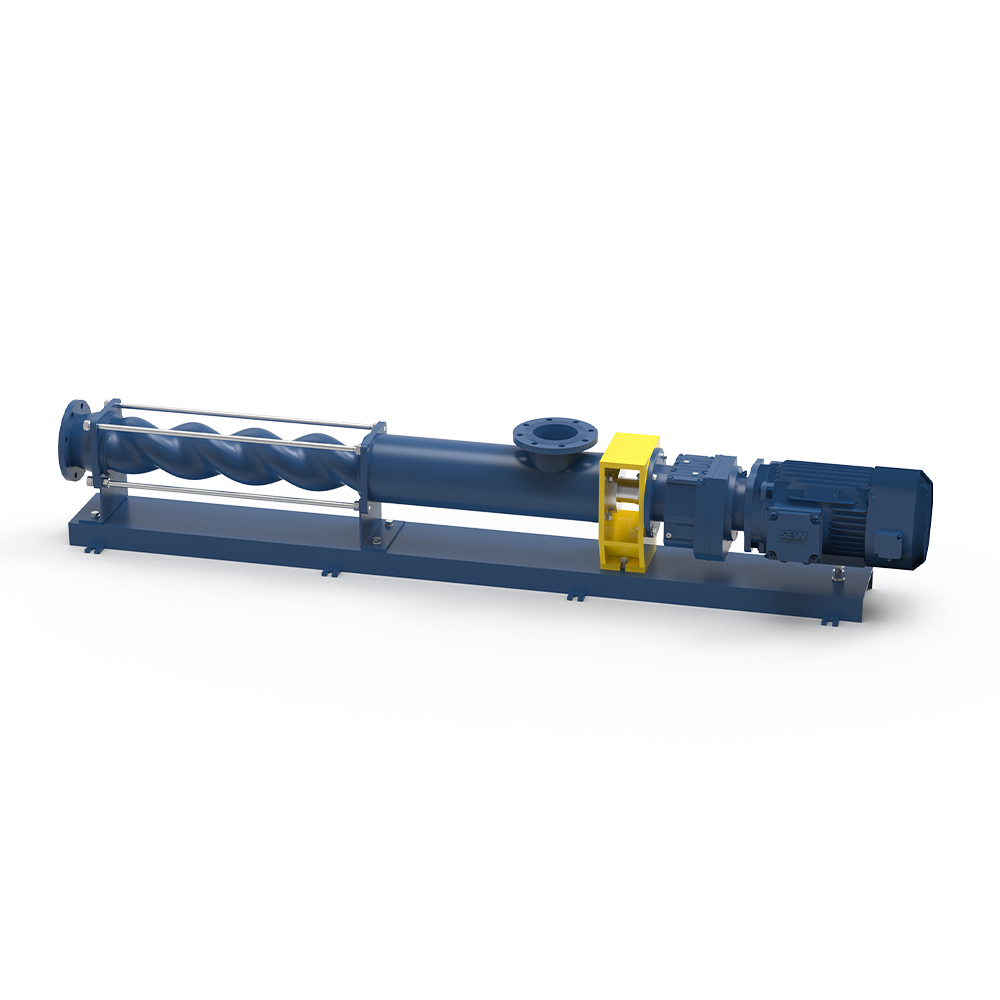 Equal Wall Thickness Screw PumpsThis screw pump has good self-priming ability, with water as the medium, suction on up to 3-5 meters; Conveying solid particles liquid: can convey liquid containing so...View Product →
Progressive cavity pumps, often called single screw pumps, are one of the most versatile positive displacement pump designs. They use a single helical metal rotor that turns inside a helical elastomer stator. As the rotor rotates, sealed cavities progress from the suction end to the discharge end, moving the fluid with low pulsation and low shear. The geometry allows the pump to handle viscous fluids, solids-laden slurries, and abrasive media that would quickly damage a gear or vane pump. The trade-off is that the stator and rotor are wear parts, and their fit must be matched to the fluid, temperature, and pressure.
One design variation is the equal wall thickness stator, which distributes rubber thickness more evenly around the cavity. This construction can improve heat dissipation, reduce localized stress, and provide more stable performance in demanding duties. The practical benefit appears in higher pressure operation, longer stator life, and more consistent volumetric efficiency. For buyers comparing progressive cavity pumps, the constant wall thickness design advantages are worth reviewing, especially for continuous duty in sludge, pulp, or chemical service.
Single screw pumps are widely used in environmental water treatment, where they transfer primary and secondary sludge, thickened sludge, and dewatering feed. They are also used in chemical plants for viscous intermediates, in pulp and paper mills for coating and starch slurries, in food processing for sauces and fruit preparations, in pharmaceutical production for shear-sensitive liquids, and in oil and gas for heavy crude, drilling mud, and produced water. The pump’s ability to handle high viscosity and moderate solids makes it a strong candidate when a centrifugal pump would either clog or lose efficiency.
When selecting a progressive cavity pump, the most important variables are flow rate, pressure, viscosity, temperature, solids size and concentration, abrasive content, pH, and cleaning requirements. The stator elastomer must be chemically compatible with the fluid and must tolerate the operating temperature. The rotor hardness and coating may need to be upgraded for abrasive slurries. The drive speed must be low enough to allow the suction cavity to fill, especially with high-viscosity fluids. The shaft seal must be selected for the fluid and for the cleaning method. If the pump is part of a dosing system, the accuracy of the drive and the stability of the stator fit become even more important.
A positive displacement pump manufacturer with experience in single screw pump design can help match the rotor, stator, and drive package to the duty. In practice, the difference between a pump that runs for years and one that fails early is often not the pump brand but the accuracy of the selection and the quality of the wear parts. Buyers should ask about rubber formulation, stator tolerance, rotor surface finish, shaft alignment, and spare parts availability. They should also confirm whether the supplier can provide replacement stators, rotors, and extension shafts for the specific pump model, because those parts determine long-term operating cost.
Key conclusion: progressive cavity pumps excel in viscous, abrasive, and shear-sensitive duties, but stator fit, elastomer choice, speed, and spare parts quality determine their real service life.
Selecting a positive displacement pump is a process of eliminating designs that cannot meet the duty, then optimizing the remaining options for efficiency, maintenance, and cost. The first step is to define the fluid. Viscosity at operating temperature is more important than viscosity at room temperature, because many fluids become much thinner or thicker as they heat or cool. Solids content, particle size, abrasiveness, and shape matter as well. A pump that handles fine solids may fail with fibrous solids, and a pump that handles soft solids may wear quickly with sand or scale.
The second step is to define the hydraulic duty. Required flow rate, suction pressure, discharge pressure, temperature, and duty cycle must be known. A positive displacement pump should be sized so that it operates at a reasonable speed and stroke rate, not at its maximum limit. If the pump is oversized and run slowly, the initial cost may be higher but the wear rate may be lower. If the pump is undersized and run at high speed, cavitation, vibration, and premature wear become likely. The best selection usually provides a small margin above the required flow and pressure, not a large one.
The third step is to evaluate shear sensitivity. Some fluids, such as emulsions, polymers, food sauces, and biological slurries, can be damaged by high shear. In those cases, progressive cavity, peristaltic, lobe, and diaphragm pumps are usually preferred over gear, vane, or high-speed piston pumps. The pump’s internal velocity, clearance, and agitation level determine how much shear the fluid experiences. If the product’s viscosity, texture, or stability changes after pumping, the pump may be too aggressive.
The fourth step is to review suction conditions. Positive displacement pumps must fill their chambers completely. If the suction line is too long, too narrow, or has too many fittings, the pump may cavitate. Net positive suction head available must exceed net positive suction head required, with a margin for viscosity and temperature. For high-viscosity fluids, a flooded suction or a slow-speed pump may be necessary. For volatile fluids, suction pressure must be high enough to prevent vaporization. For abrasive slurries, suction velocity should be low enough to avoid settling but high enough to prevent blockage.
The fifth step is to choose materials and seals. The wetted materials must resist corrosion, erosion, and temperature. Elastomers must resist swelling, hardening, and chemical attack. Seals must prevent leakage without creating excessive friction or heat. In food and pharmaceutical applications, the pump must be cleanable and may need sanitary connections, polished surfaces, and FDA-compliant elastomers. In chemical applications, containment and leakage control may be more important than efficiency. In abrasive applications, hardened rotors, coated parts, and replaceable wear plates may extend service life.
The sixth step is to plan control and protection. A positive displacement pump should never be deadheaded without protection. Relief valves, pressure switches, burst discs, torque limiters, and flow meters are common safeguards. Variable frequency drives can control flow by changing speed, which is often more efficient than bypass control. However, speed reduction must not starve the suction chamber or reduce the required mixing in the discharge line. The control strategy should be designed with the pump, not added after installation.
Key conclusion: size a positive displacement pump around fluid behavior, suction conditions, shear limits, and protection requirements, not around a single flow number.
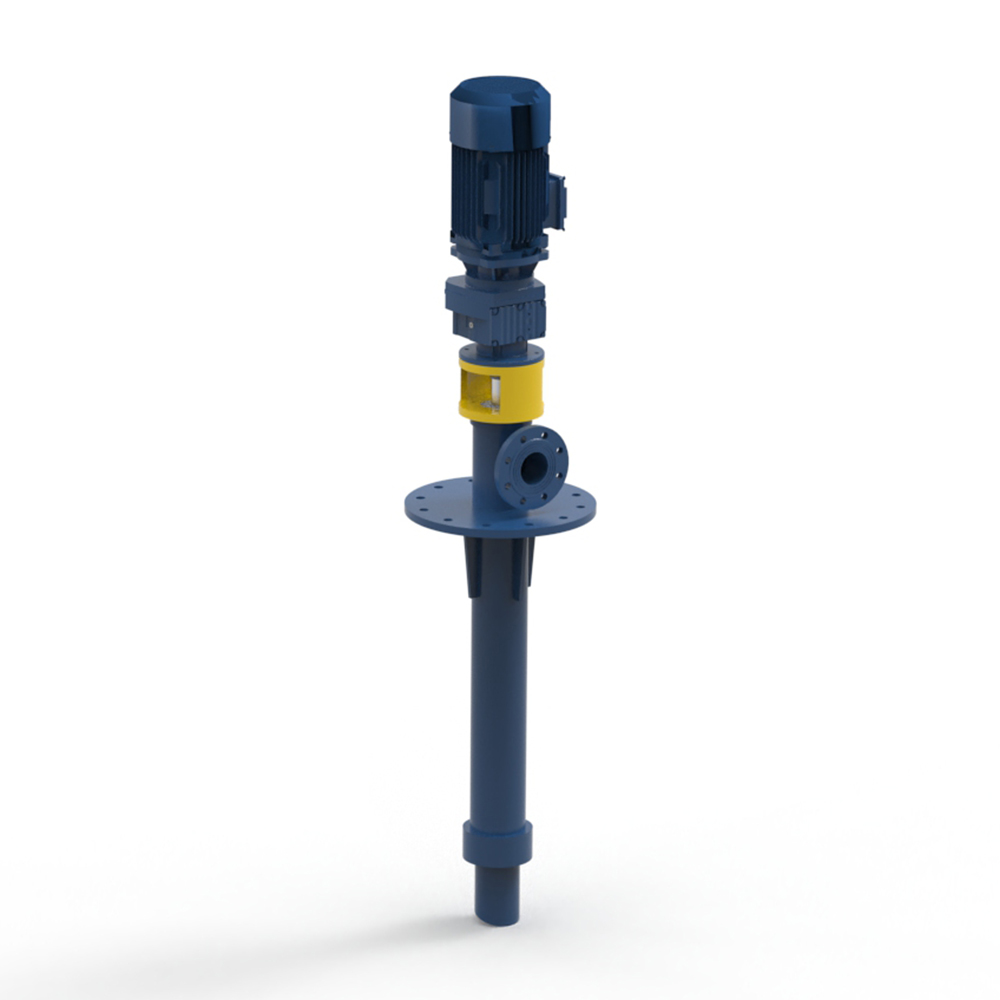 T-type screw pumpsT-type screw pumps can quickly establish a stable fluid transfer system, reduce start-up time and increase working efficiency. Whether it is liquid containing fine sol...View Product →
In environmental water treatment, positive displacement pumps transfer sludge, lime slurry, polymer, and chemical additives. Progressive cavity pumps are common for thickened sludge because they handle high solids and viscous material without clogging. Diaphragm pumps are common for polymer dosing because they provide accurate, repeatable volume. Peristaltic pumps are common for lime slurry because the fluid touches only the hose. The key selection issue in water treatment is often abrasive wear, because sludge and lime can contain sand, grit, and fibrous material.
In chemical processing, positive displacement pumps handle acids, bases, solvents, resins, and viscous intermediates. Diaphragm pumps are widely used for dosing because they can be sealed and can handle aggressive fluids. Progressive cavity pumps are used for viscous resins and slurries. Gear pumps are used for clean, lubricating chemicals. The key selection issue is chemical compatibility, because the wrong elastomer or seal can fail quickly. Temperature extremes, crystallization, and solids also affect the choice.
In pulp and paper, positive displacement pumps move pulp stock, coating color, starch, and wastewater sludge. Progressive cavity pumps are often chosen because they handle high consistency stock and shear-sensitive fibers. The key selection issue is fiber integrity and abrasive filler content. In food and pharmaceutical production, positive displacement pumps move sauces, syrups, creams, fruit preparations, and biological solutions. Lobe, progressive cavity, and peristaltic pumps are common because they provide gentle handling and cleanability. The key selection issue is hygiene, including surface finish, drainability, and compatibility with clean-in-place chemicals.
In oil and gas, positive displacement pumps handle heavy crude, drilling mud, produced water, and chemical injection. Progressive cavity pumps are used for heavy oil and drilling waste. Piston and plunger pumps are used for high-pressure injection. Diaphragm pumps are used for chemical dosing. The key selection issues are pressure, abrasion, temperature, and remote reliability. In energy and power generation, positive displacement pumps handle fuel oil, ash slurry, and chemical treatment. The key selection issue is often the ability to run continuously with minimal maintenance.
For buyers working with a positive displacement pump supplier, the most useful approach is to provide a complete duty description: fluid name, viscosity range, temperature range, solids content, pH, required flow, required pressure, suction condition, duty cycle, and cleaning method. A supplier that asks these questions is more likely to recommend the correct pump. A supplier that quotes only by flow and pressure may leave the hard parts of selection to the buyer. As a positive displacement pump manufacturer and supplier, Jingjiang Meijia Pump Industry focuses on single screw pumps and replacement parts for industrial duties where viscous, abrasive, and shear-sensitive fluids are common.
Key conclusion: the best positive displacement pump for an application is the one matched to the fluid, the process risk, and the maintenance resources available at the plant.
 Stator for progressive cavity pumpsWe introduce advanced equipment and manufacturing processes from abroad, strictly follow the ISO quality system for production, ensure stable quality, and have our own...View Product →
A positive displacement pump is a wear machine by design. It moves abrasive, viscous, or chemically active fluids, and it does so with close internal clearances. Maintenance planning should therefore begin before the pump is installed. The most important wear parts depend on the pump type, but in progressive cavity pumps the stator, rotor, shaft seal, universal joint, and extension shaft are the usual focus. A preventive maintenance schedule should include flow verification, pressure monitoring, vibration checks, temperature checks, seal inspection, and lubricant condition.
The stator is often the first wear part to fail in a progressive cavity pump. Rubber swells, hardens, or wears as it is exposed to the fluid, temperature, and abrasion. A worn stator reduces volumetric efficiency, so the pump delivers less flow at the same speed. It may also increase slip, which raises internal recirculation and heat. If the stator is running too dry, the rubber can overheat and fail quickly. If the stator is too tight, starting torque can be high and the motor may overload. The correct fit depends on the fluid, temperature, pressure, and pump speed.
The rotor wears more slowly than the stator in many applications, but it can still be damaged by abrasion, corrosion, or contact with the stator. A chrome-plated or hardened rotor may be needed for abrasive slurries. The extension shaft and universal joints transmit torque from the drive to the rotor. They must be lubricated and inspected for wear, because a failed joint can damage the stator, rotor, and drive train. The shaft seal must be selected for the fluid and the cleaning method. A mechanical seal may be needed for aggressive or volatile fluids, while a packing gland may be acceptable for some slurries.
Spare parts strategy should be based on criticality and lead time. A plant that cannot tolerate downtime should keep a spare stator, rotor, seal kit, and joint kit on site. A plant with redundant pumps may keep fewer parts but should still have access to a reliable supplier. The parts must be correct for the pump model and the duty. Using a generic stator with the wrong rubber compound may save money initially but can fail quickly, causing more downtime than the original part. Using a rotor with the wrong hardness or surface finish can accelerate stator wear.
For plants that operate pumps from multiple brands, a supplier that provides compatible replacement parts can simplify inventory. The parts must be dimensionally correct and made from the right materials. A positive displacement pump wholesaler or distributor can help consolidate parts, but the technical match must still be verified. The best maintenance program records operating hours, flow rate, pressure, temperature, and parts replaced. That record shows whether the pump is wearing normally or whether the process has changed. It also helps the supplier recommend improvements, such as a different elastomer, a slower speed, or a different pump type.
Key conclusion: positive displacement pump reliability depends on planned wear-part replacement, correct elastomer selection, and accurate records of flow, pressure, and operating hours.
The chart below uses a simple relative fit score to compare common positive displacement pump types across a mixed industrial duty profile. The score considers viscosity tolerance, shear sensitivity, solids handling, metering accuracy, and maintenance simplicity. A higher score does not mean the pump is universally better; it means the design is a stronger match for that combined profile. The purpose is to show why no single positive displacement pump is best for every fluid. A pump that scores well on metering may score poorly on solids. A pump that scores well on solids may require frequent hose or stator replacement. The chart is a discussion tool, not a substitute for a detailed process review.
The first trend is that progressive cavity and single screw pumps score highest in a mixed duty profile because they combine moderate solids tolerance with low shear and good viscosity handling. They are not the best choice for every duty, but they cover a wide range of sludge, slurry, pulp, and viscous chemical applications. Their main weakness is that the stator and rotor are wear parts, so maintenance planning is essential. A plant that ignores stator wear will see flow drop, pressure rise, and eventually pump failure.
The second trend is that peristaltic pumps score nearly as high because they are extremely gentle and tolerate abrasive solids well. The fluid touches only the hose, so corrosion and abrasion are confined to a replaceable part. The limitation is the hose itself. In continuous duty with abrasive slurry, the hose may need frequent replacement, and the pump may not be suitable for high pressure or high temperature. Peristaltic pumps are often excellent for dosing and for slurries where contamination must be avoided.
The third trend is that diaphragm pumps score well for dosing and aggressive chemicals but lower for solids handling. They are leak-free and can be sealed against the atmosphere, which is important for toxic or volatile fluids. However, check valves can clog or wear, and the pulsation produced by reciprocating motion must be managed. Diaphragm pumps are often the best choice for chemical injection, but they are not the first choice for fibrous sludge or large solids.
The fourth trend is that lobe pumps score well for gentle, clean, or food-grade transfer but require timing gears and close clearances. They can handle moderate solids and high viscosity, but they are not as tolerant of abrasive grit as progressive cavity or peristaltic pumps. They are often used in sanitary applications because they can be cleaned and because they provide smooth, low-shear flow.
The fifth trend is that piston and plunger pumps score lower in a mixed profile because they prefer clean fluids and high pressure. They can be extremely accurate and can reach very high pressures, which makes them valuable for injection and metering. However, valves, packing, and plungers wear, and pulsation can be significant. They are usually selected when pressure and precision are more important than solids tolerance.
The sixth trend is that gear and vane pumps score lowest in this mixed profile because they are designed for clean, lubricating fluids. They are compact, efficient, and cost-effective in hydraulic and transfer duties, but they are not suitable for abrasive slurries or shear-sensitive products. Using a gear pump on a solids-laden fluid is a common cause of rapid wear and flow loss.
The seventh trend is that the chart highlights the importance of application fit rather than general rankings. A pump with a lower score may be the perfect choice for a specific clean, high-pressure duty. A pump with a higher score may fail if the elastomer is wrong or the speed is too high. The score simply shows that different designs solve different problems.
The eighth trend is that maintenance simplicity strongly affects the total cost of ownership. A pump that is easy to inspect and rebuild can tolerate more wear before failure. A pump that requires special tools or long lead times for parts can cause extended downtime. In positive displacement pump selection, the maintenance team should be involved early, because their ability to service the pump affects the process more than the catalog efficiency.
The ninth trend is that viscosity and temperature must be evaluated together. A fluid that is thick at ambient temperature may become thin at process temperature, changing the pump’s slip and volumetric efficiency. A pump selected for cold viscosity may be oversized when hot, while a pump selected for hot viscosity may cavitate when cold. The operating temperature range should always be included in the selection data.
The tenth trend is that solids and abrasion determine wear-part life more than pump type alone. Fine abrasive particles can wear rotors, stators, valves, and seals. Fibrous solids can wrap around shafts and block valves. The pump type must match the solids shape and concentration, not just the percentage. A laboratory test or field trial with the actual fluid is often the best way to confirm the choice.
The eleventh trend is that metering accuracy depends on drive control, internal slip, and fluid stability. A progressive cavity pump can be an excellent metering pump if the speed is controlled and the stator is in good condition. A diaphragm pump can be an excellent metering pump if the valves seal properly and the diaphragm is not worn. A piston pump can be extremely accurate if the fluid is clean and the valves are in good condition. In all cases, calibration and maintenance determine real accuracy.
The twelfth trend is that the best pump for a plant is often the one with the best spare parts support. A pump that is technically perfect but has no local parts or service may cause long downtime. A pump that is slightly less efficient but has readily available stators, rotors, seals, and technical support may have a lower total cost. Buyers should evaluate the supplier’s inventory, response time, and ability to provide correct replacement parts.
Key conclusion: the highest-scoring positive displacement pump for a mixed industrial duty is usually a progressive cavity or peristaltic design, but final selection must be confirmed against the actual fluid, pressure, temperature, and maintenance plan.
The choice between a positive displacement pump and a centrifugal pump is one of the most common pump selection decisions. A centrifugal pump creates flow through velocity and pressure through a diffuser or volute. It is excellent for clean, low-viscosity fluids and for high flow rates at moderate pressure. A positive displacement pump creates flow by trapping and moving a fixed volume. It is excellent for viscous fluids, shear-sensitive products, accurate dosing, and high-pressure duties. The two families are not interchangeable in most applications, and forcing one to do the other’s job usually leads to poor performance.
| Factor | Positive Displacement Pump | Centrifugal Pump |
|---|---|---|
| Flow vs pressure | Nearly constant flow as pressure changes | Flow changes significantly with pressure |
| Viscosity | Excellent for high viscosity | Poor for high viscosity |
| Shear | Can be low shear depending on type | Generally higher shear at high speed |
| Solids | Type-dependent; some handle slurries well | Limited by impeller and casing design |
| Dosing accuracy | Excellent with proper control | Difficult to dose accurately |
| Overpressure risk | High; requires relief protection | Lower; flow decreases at high head |
| Maintenance | Wear parts depend on design | Usually simple for clean fluids |
In practice, a centrifugal pump is often the default choice because it is simple, compact, and inexpensive for water-like fluids. However, when the fluid becomes viscous, abrasive, or shear-sensitive, the centrifugal pump loses efficiency, clogs, or damages the product. At that point, a positive displacement pump becomes the practical choice. The transition is not always sudden. A fluid that is easy to pump at one temperature may become difficult at another. A process that starts with clean water may later include sludge or chemical additives. The pump selection should consider the full range of operating conditions, not just the initial startup condition.
One common error is to use a positive displacement pump for a high-flow, low-pressure transfer duty where a centrifugal pump would be more efficient. Another error is to use a centrifugal pump for a viscous dosing duty where a positive displacement pump would be more accurate. Both errors increase energy use and maintenance. The correct choice depends on the duty, not on a general preference for one pump family.
Key conclusion: positive displacement pumps excel in viscous, shear-sensitive, and dosing duties, while centrifugal pumps excel in clean, low-viscosity, high-flow duties.
Positive displacement pump problems usually appear as changes in flow, pressure, noise, vibration, temperature, or power consumption. The earlier those changes are detected, the easier the repair. A pump that gradually loses flow may have a worn stator, a worn rotor, a damaged valve, or increased internal slip. A pump that becomes noisy may be cavitating, running dry, misaligned, or operating with a blocked suction line. A pump that overheats may be running at too high a speed, with too little suction pressure, or with the wrong elastomer. A pump that trips the motor may be starting against pressure, running with a tight rotor-stator fit, or handling a fluid that is more viscous than expected.
Cavitation is one of the most damaging conditions for any positive displacement pump. It occurs when the absolute pressure in the suction chamber drops below the vapor pressure of the fluid, causing vapor bubbles to form and collapse. The collapse creates noise, vibration, and erosion. In a positive displacement pump, cavitation can also reduce volumetric efficiency because the chamber does not fill completely. Causes include a clogged suction strainer, a partially closed suction valve, a suction line that is too small, a fluid that is too viscous, or a pump speed that is too high. The solution is to improve suction conditions, reduce speed, heat the fluid if possible, or choose a larger pump.
Dry running is another common failure mode. Many positive displacement pumps rely on the process fluid for lubrication and cooling. A progressive cavity pump can destroy its stator in minutes if it runs dry. A gear pump can seize. A diaphragm pump may survive a short dry run, but the valves and diaphragm may still be damaged. Dry-run protection should be installed where the pump can lose suction during normal operation, such as when a tank runs empty or a suction line blocks.
Overpressure is a risk in every positive displacement pump installation. If the discharge line is blocked or a valve is closed, the pump will continue to displace volume until something fails. Relief valves, pressure switches, burst discs, and torque limiters are common protections. The relief valve should be sized for the full pump flow and should discharge to a safe location. It should also be inspected regularly, because a relief valve that is stuck closed offers no protection.
Wear is unavoidable, but it can be managed. The wear rate depends on the fluid, the pump speed, the materials, and the operating conditions. Abrasive solids are the most common cause of accelerated wear. Corrosion can also attack rotors, stators, seals, and casings. High temperature can harden or soften elastomers. Low viscosity can increase slip. High viscosity can increase starting torque. The maintenance program should record the operating conditions and the parts replaced, so that the root cause of wear can be identified and corrected.
Key conclusion: most positive displacement pump failures begin with suction starvation, dry running, overpressure, or abrasive wear, and all four can be controlled with proper protection and maintenance.
A positive displacement pump is used when a process needs constant flow, accurate dosing, high viscosity handling, or gentle movement of shear-sensitive fluids. Common applications include sludge transfer, chemical dosing, pulp and paper stock, food sauces, pharmaceutical liquids, heavy oil, and abrasive slurries. It is also used when the discharge pressure varies but the flow must remain stable.
A positive displacement pump traps a fixed volume and moves it mechanically, so flow stays nearly constant as pressure changes. A centrifugal pump adds velocity to the fluid and converts it to pressure, so flow changes significantly with system pressure. Positive displacement pumps handle viscosity and dosing better, while centrifugal pumps handle clean, low-viscosity, high-flow duties more efficiently.
Progressive cavity, peristaltic, lobe, and gear pumps are common choices for viscous fluids. Progressive cavity pumps are often preferred for viscous fluids with solids because they provide low shear and good solids tolerance. Peristaltic pumps are excellent for abrasive slurries and gentle transfer. Gear pumps are suitable for clean, lubricating fluids but not for abrasive slurries.
Many positive displacement pumps should not run dry because the fluid provides lubrication and cooling. Progressive cavity pumps can damage the stator quickly if run dry. Gear and vane pumps can seize. Diaphragm pumps may tolerate short dry runs, but valves and diaphragms can still be damaged. Dry-run protection is recommended whenever suction loss is possible.
Flow is usually controlled by changing pump speed, adjusting stroke length, or using a controlled bypass. Variable frequency drives are common for speed control. Throttling the discharge valve is generally not recommended because it creates pressure and wastes energy. A relief valve or pressure switch should always protect the pump from overpressure.
The critical spare parts depend on the pump type. For progressive cavity pumps, keep a stator, rotor, seal kit, joint kit, and extension shaft if lead times are long. For diaphragm pumps, keep diaphragms, valves, and seals. For peristaltic pumps, keep replacement hose or tube assemblies. The spare parts strategy should be based on criticality, lead time, and the cost of downtime.
Choose a manufacturer or supplier that asks detailed questions about viscosity, temperature, solids, pressure, suction conditions, and cleaning requirements. Look for proven experience in your industry, correct material selection, and available spare parts. A supplier that can provide both the pump and the wear parts, and that offers technical support after the sale, will usually reduce long-term operating risk.
Key conclusion: the right positive displacement pump is selected by fluid behavior and duty, protected against overpressure and dry running, and supported by a reliable spare parts supply.
Explore the single screw pump range for viscous, abrasive, and shear-sensitive industrial duties: single screw pump range.
For replacement wear parts, review the available stators, rotors, and extension shafts to plan maintenance and reduce downtime.
When evaluating a positive displacement pump, it helps to compare the pump’s design with the specific process risk. A pump that is easy to repair and has locally available parts may be more valuable than a pump with slightly higher catalog efficiency. A pump that is correctly sized and protected may run for years with predictable maintenance. A pump that is selected on price alone may create repeated failures, product loss, and unplanned downtime.
A practical procurement approach is to request a duty review from the supplier, including fluid data, required flow, pressure, temperature, and suction conditions. Ask for material recommendations, speed limits, protection requirements, and spare parts recommendations. Ask how the supplier will support the pump after installation. Those answers reveal more about long-term performance than a simple quotation.
Key conclusion: a positive displacement pump purchase should include technical selection support, overpressure protection, and a planned wear-part supply, not just a pump unit.
Start every positive displacement pump project with the fluid, not the pump. Viscosity, shear sensitivity, solids, temperature, pH, and duty cycle determine which pump family can work. Then define the hydraulic duty: flow, pressure, suction conditions, and control range. Then choose the pump type that matches those conditions. Finally, plan protection, maintenance, and spare parts before installation. This sequence prevents most of the problems that make positive displacement pumps expensive to own.
For viscous sludge, pulp, chemical slurry, and shear-sensitive products, progressive cavity and single screw pumps are often the strongest choice. For abrasive slurries with gentle handling, peristaltic pumps are excellent. For chemical dosing, diaphragm pumps are common. For clean, high-pressure injection, piston and plunger pumps are appropriate. For clean lubricating fluids, gear and vane pumps can be efficient. The key is to match the design to the duty and to maintain it with the correct parts.
As a positive displacement pump manufacturer and supplier focused on single screw pumps and replacement parts, Jingjiang Meijia Pump Industry supports industrial buyers who need practical selection, reliable wear parts, and long-term service. The most successful installations are not the ones with the lowest initial price. They are the ones where the pump, the process, and the maintenance plan are aligned from the beginning.
Key conclusion: select the positive displacement pump for the fluid and duty, protect it from overpressure and dry running, and support it with correct wear parts to achieve reliable, low-downtime operation.
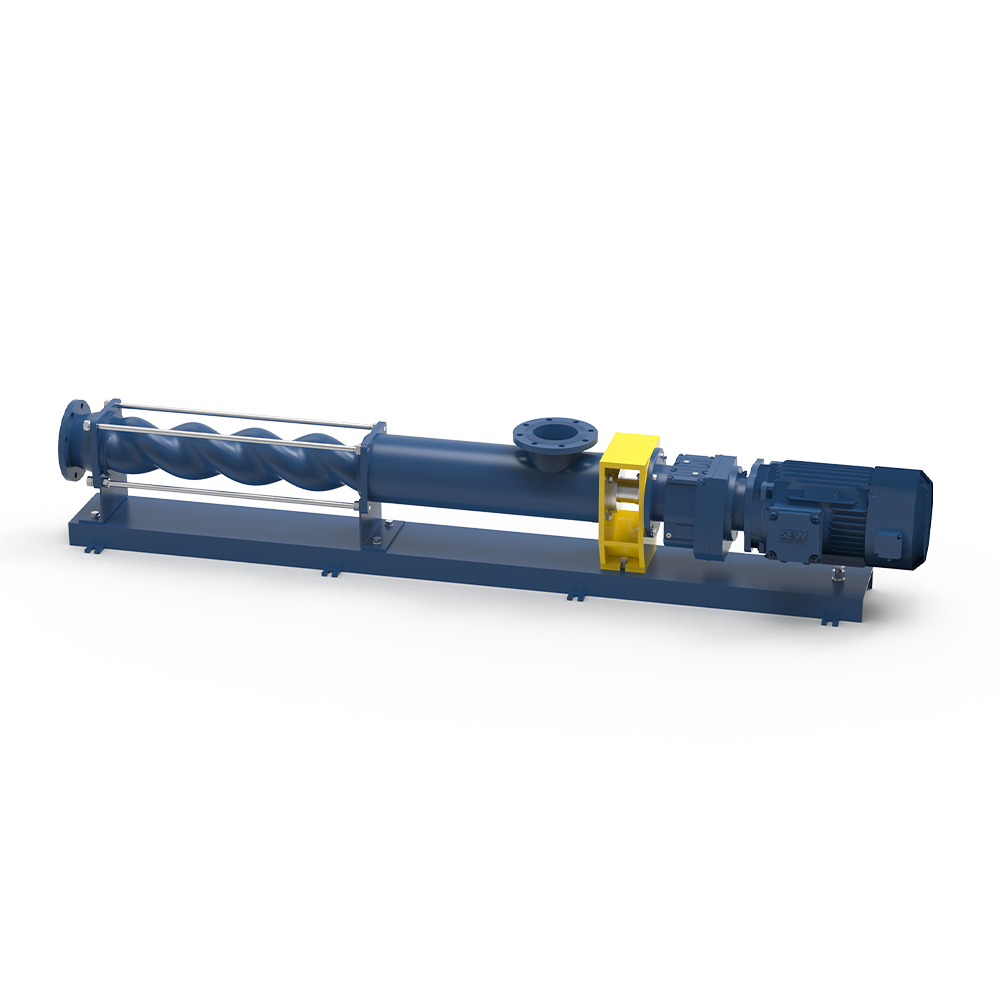
Screw pumps equipped with equal wall thickness stator, the same kind of pump specifications pump flow, and pressure are increased. The equal wall thic...
See Details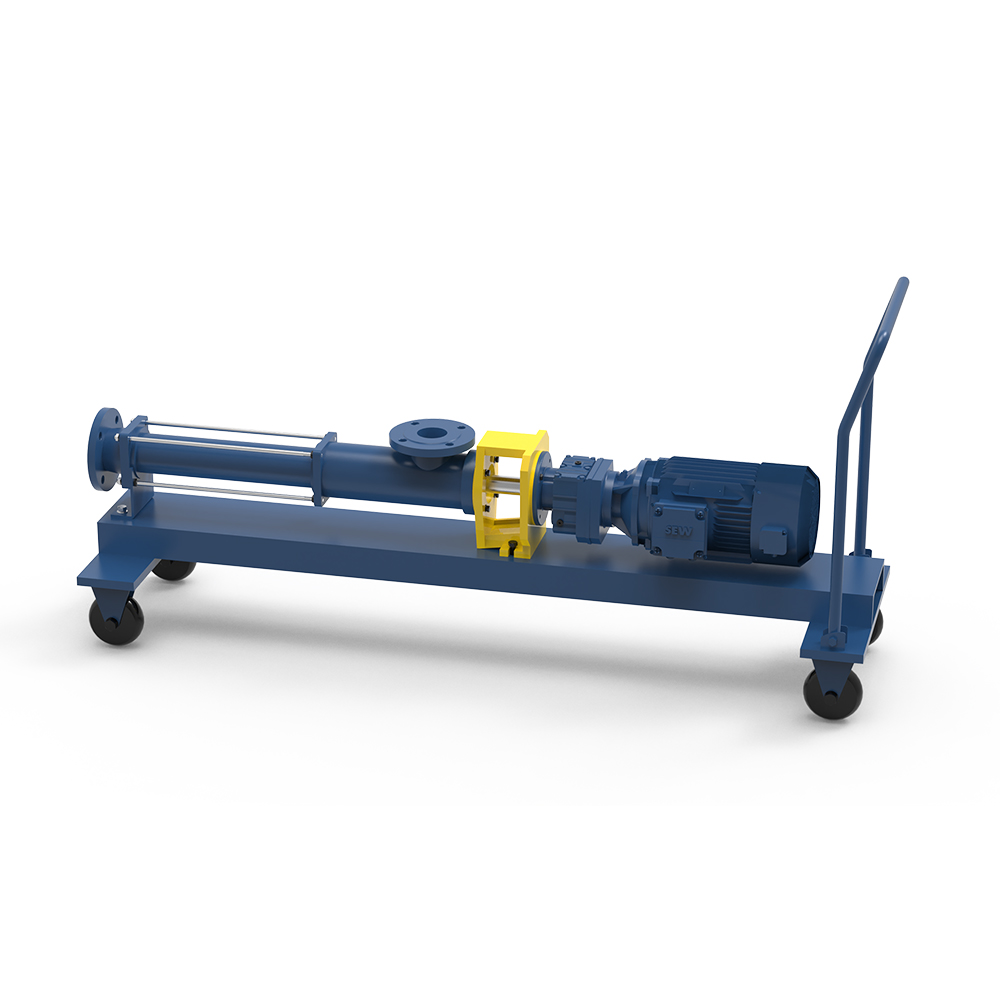
Mika vehicle-mounted pump, the pump base is not only stable and reliable, but also cleverly equipped with universal wheels, these wheels rotate flexib...
See Details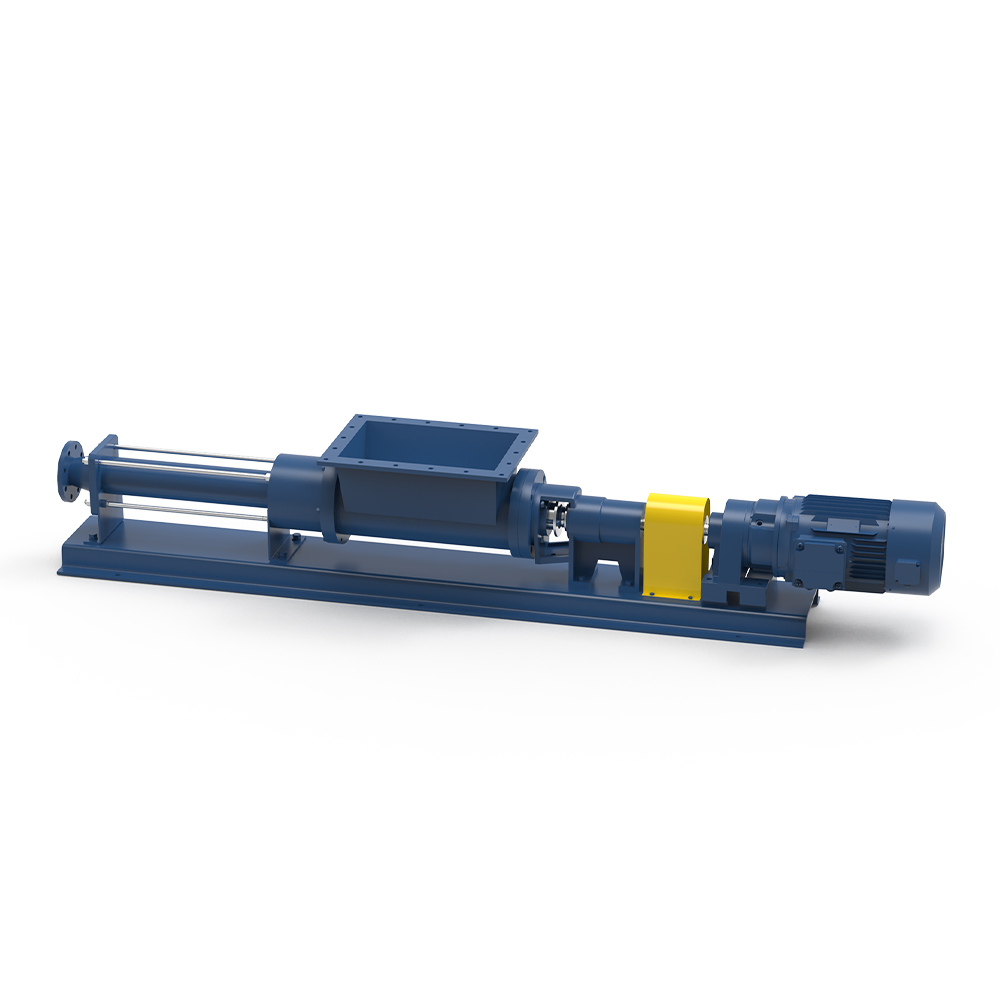
The inlet is a large hopper design W-type pump with a connecting shaft with multiple spiral vanes (which can effectively prevent the accumulation of m...
See Details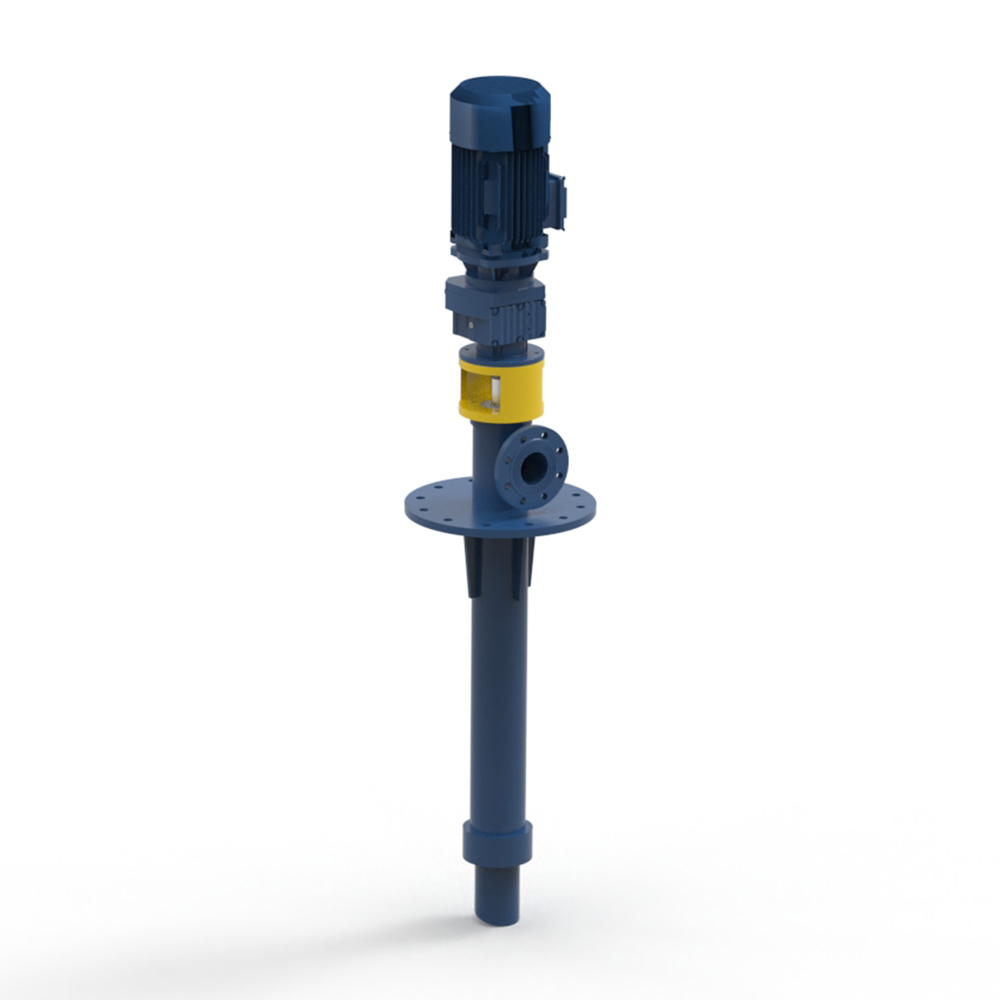
Mika vertical T-type screw pumps can be achieved through the length of the pump body to a variety of different depths of the pool, the pump's hopper i...
See Details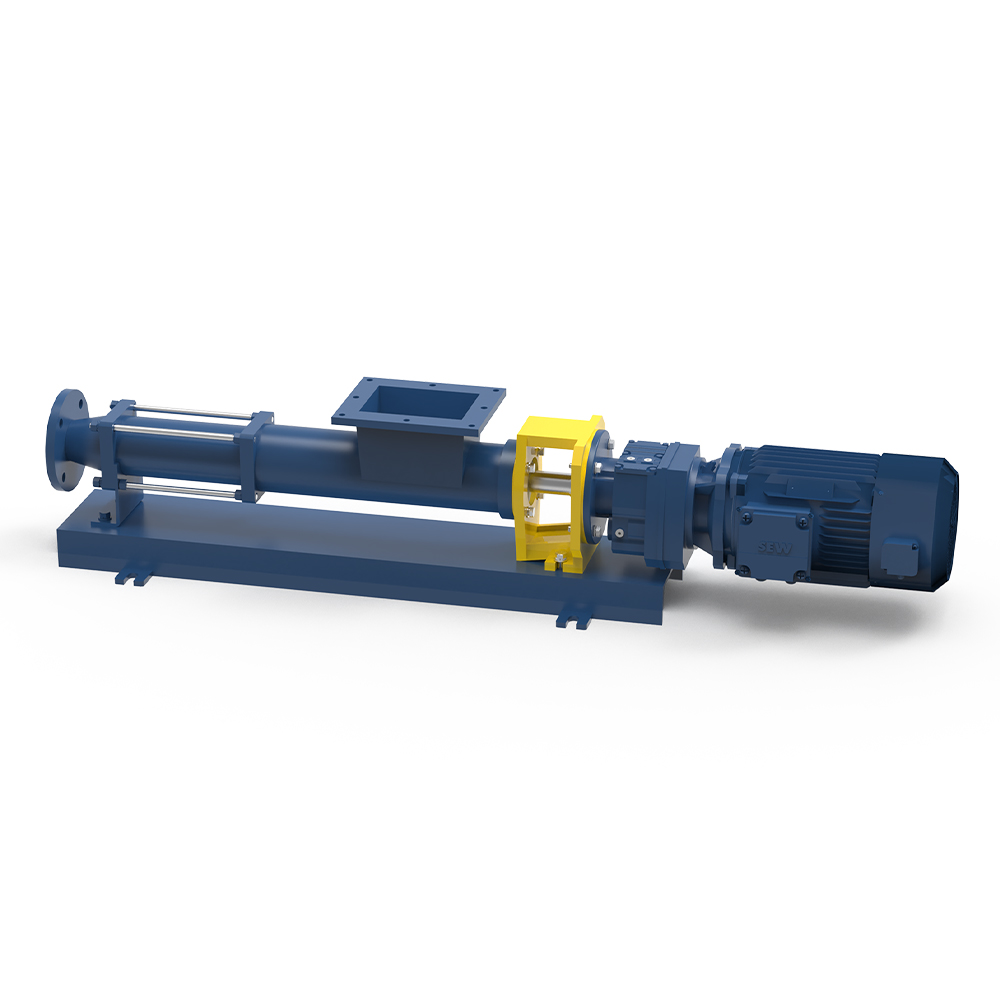
The inlet is a small rectangular hopper design H pump, suitable for conveying high viscosity solid content of less than 15% of the medium, such as cru...
See Details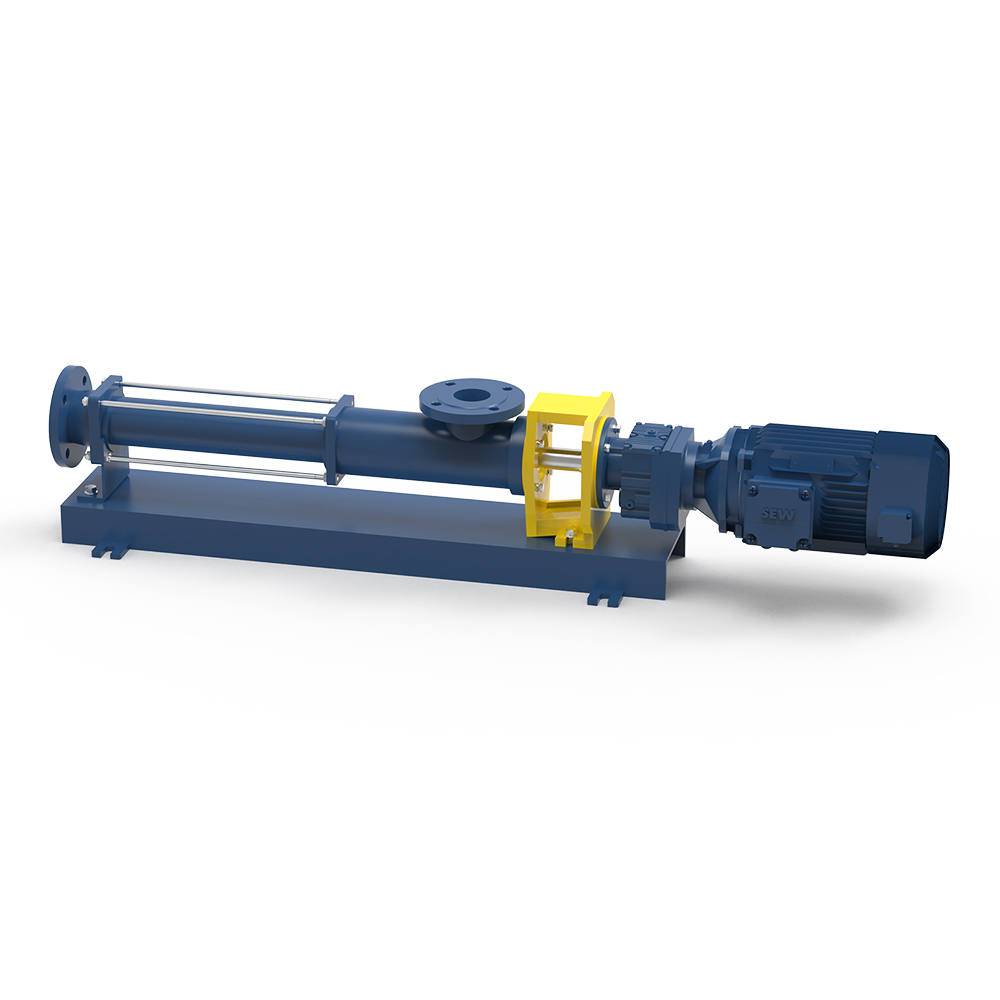
Mika Classic B direct-connected pumps are compact, easy to maintain, with low investment costs, and are suitable for a wide range of common working co...
See Details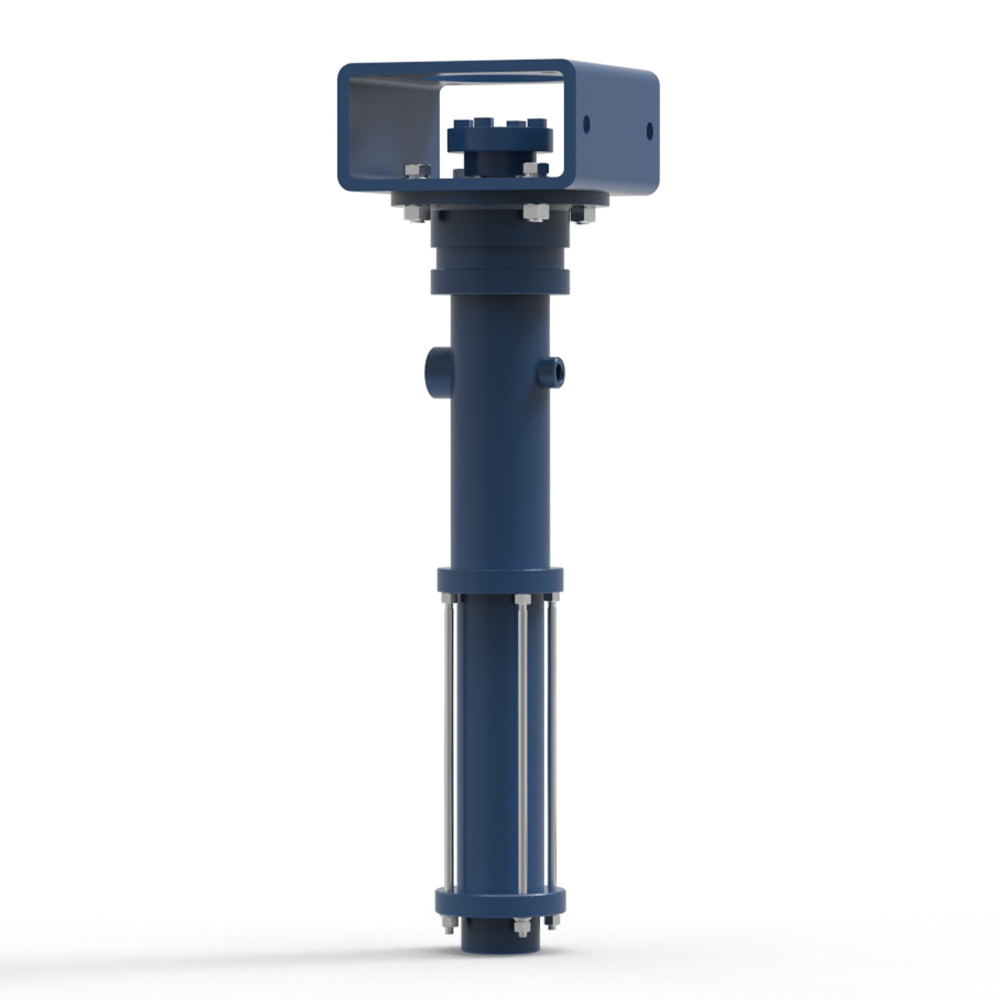
Precise flow rates and a wide range of materials for the metering and delivery of all kinds of sealants. Working Principle The MeiJia pump is a prog...
See Details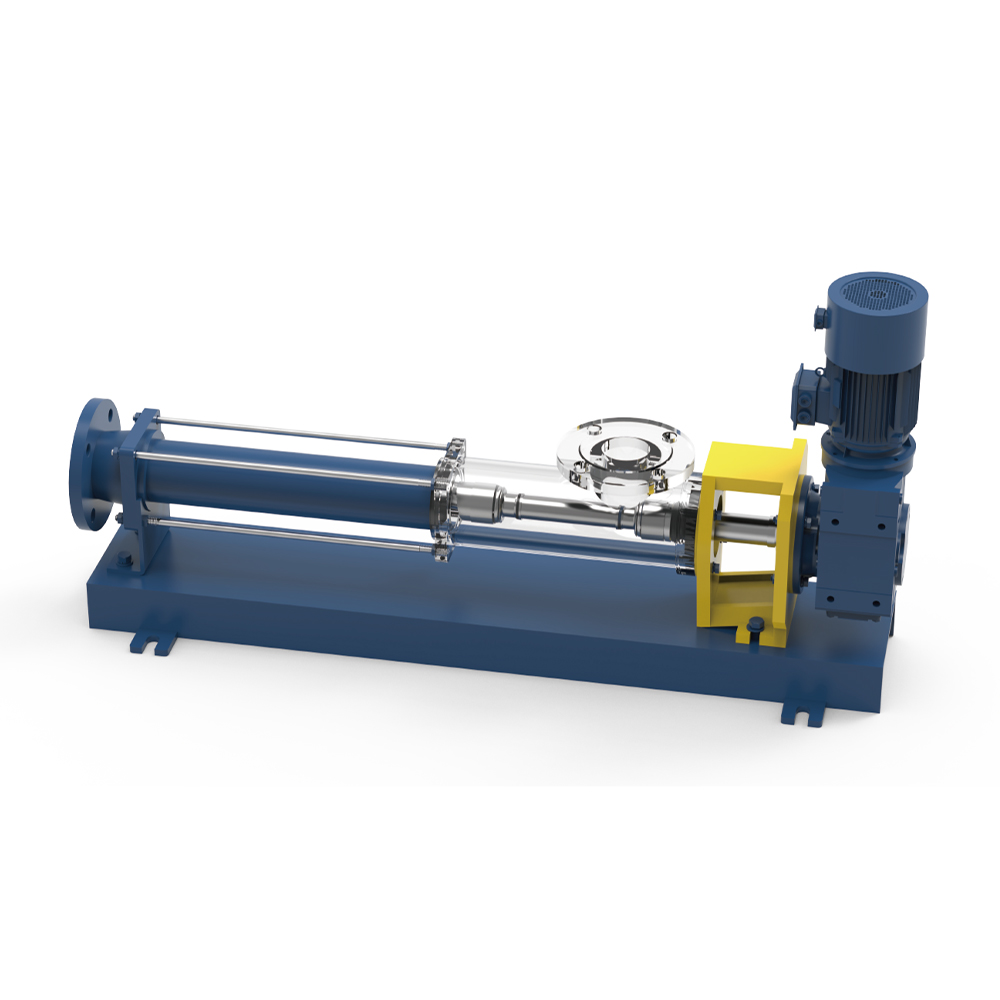
The speed reducer adopts the K series speed reducer, and the length of the pump can be shortened, so it can be used in places where the space is narro...
See Details
Various materials are available for different working conditions, such as NBR, HNBR, EPDM, and FKM.
See Details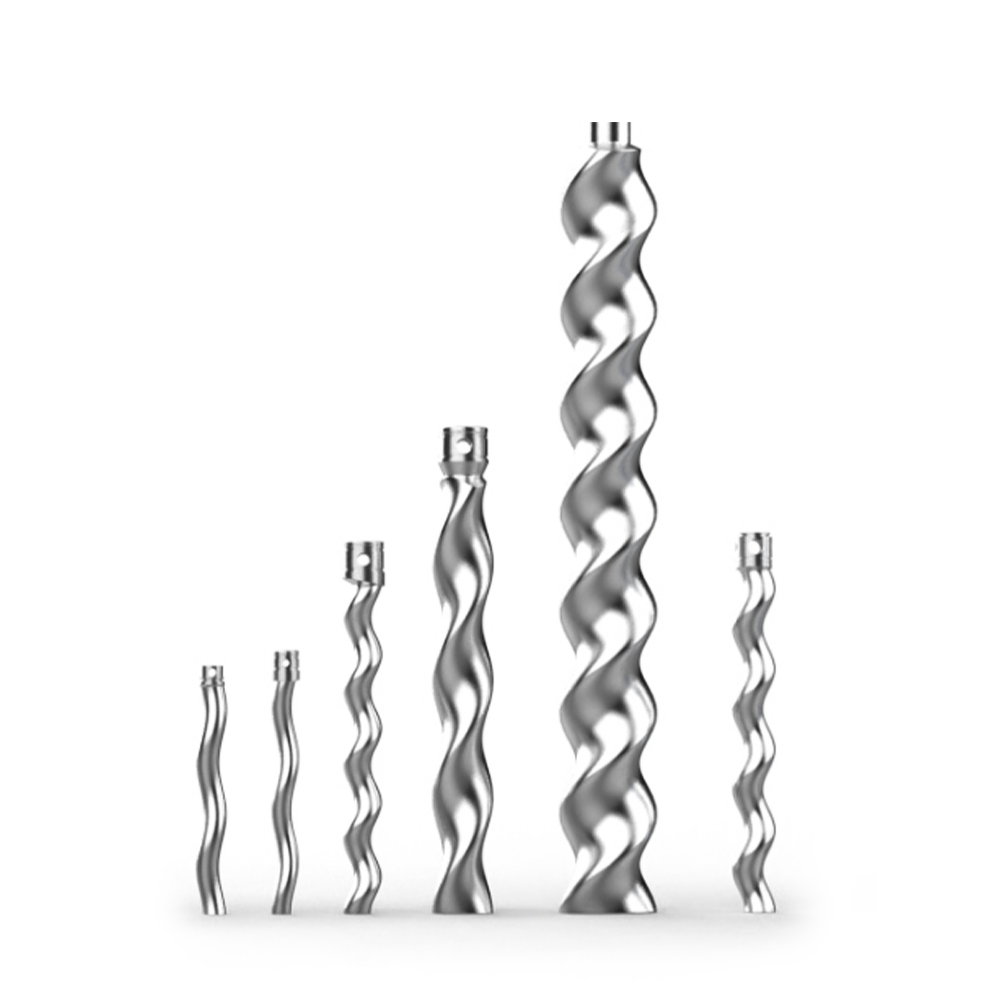
Multiple materials available, 304, 316L, 2205, rotor surface coating can be chrome plated or tungsten carbide sprayed.
See DetailsContact Us
Add: No. 36 Xintai Road, Economic Development Zone, Jingjiang City, Jiangsu Province, China
Tel: +86-13515167342
Fax: +86-523-84261117
E-mail: [email protected]
We'd love to
hear from you!
