
 English
 русский
 Español
Equal Wall Thickness Screw Pumps
Cat:Single Screw Pumps
Screw pumps equipped with equal wall thickness stator, the same kind of pump specifications pump flow, and pressure are increased. The equal wall thic...
See DetailsContent
In a municipal wastewater plant, operators dose polyaluminium chloride for fourteen hours a day. When filter head loss rises, the centrifugal pump on the dosing line quietly loses flow, so staff keep adjusting a valve by hand, and the dose still drifts by roughly five percent. Put a screw-type positive displacement pump on the same pipework and the flow holds within one percent, because the flow rate is set by rotor speed rather than by the resistance downstream. That is the practical case for positive displacement pumps, and it has nothing to do with the price tag on the nameplate.
A positive displacement pump traps a fixed volume of fluid and pushes it mechanically into the discharge line on every stroke or rotation. Because the displaced volume per cycle is fixed, flow is proportional to speed and almost independent of discharge pressure. That one design decision explains why these pumps dominate viscous, abrasive, shear-sensitive and metering duties, and it also explains why they are the wrong answer for moving large volumes of clean water across a long pipeline.
The family is broad. Reciprocating piston and diaphragm pumps, gear pumps, lobe pumps, peristaltic pumps, vane pumps and progressing cavity (single screw) pumps all belong to it, and each one solves a slightly different problem. Among them, the single screw pump has become the workhorse for sludges, slurries, pastes and polymer dosing because it can move abrasive and viscous media at low shear without destroying the fluid. Companies such as Jingjiang Meijia Pump Industry Co., Ltd., a single screw pump manufacturer based in Jingjiang, Jiangsu, build both complete progressing cavity pumps and the wear parts that keep them running: stators, rotors and extension shafts. That combination of machine and spare part supply matters more than most buyers expect, and we will come back to it.
This guide works through what defines a positive displacement pump, how the main types differ, where each one fits, how to select one, and how to keep it running. It is written for plant engineers, maintenance planners, project buyers and procurement staff who need to compare options on facts rather than on brochure language.
Every positive displacement pump shares three mechanical facts. First, a cavity of known volume opens, fills and then closes. Second, that trapped volume is forced into the discharge line rather than being accelerated by an impeller. Third, internal clearances determine how much fluid slips back past the moving parts, and that slip is the only thing that makes flow vary with pressure.
In a centrifugal pump, the relationship between head and flow is a curve: raise the pressure and the flow falls. In a positive displacement pump, the relationship is a nearly vertical line. Raise the pressure and the flow stays where it was, minus whatever leaks through the clearances. A well-built progressing cavity pump running at 200 rpm might move 8 cubic metres per hour at 3 bar and 7.9 cubic metres per hour at 10 bar. A centrifugal pump of the same size might fall from 8 to 4 cubic metres per hour over that same pressure change.
The trade-off is equally clear. Positive displacement pumps have more wearing parts in contact with the fluid, they tolerate dry running poorly in most designs, and they cannot be throttled on the discharge side the way a centrifugal pump can. If you close a valve on a running gear pump, the pressure rises until something fails. That is a mechanical fact, not a manufacturer defect.
The family splits into two mechanical branches. Reciprocating pumps move fluid with a back-and-forth motion of a piston, plunger or diaphragm. Rotary pumps move fluid with a rotating element: gears, lobes, vanes, screws or a rotor inside a helical stator. Each branch contains several distinct designs with different strengths.
| Pump type | Motion | Typical flow range | Viscosity tolerance | Solids handling | Typical duty |
|---|---|---|---|---|---|
| Progressing cavity (single screw) | Rotary, helical rotor in elastomer stator | 0.5 to 300 m³/h | Very high, up to 50,000 cP | Good, fibres and fine grit | Sludge, slurry, polymer dosing |
| External gear | Rotary, two meshing gears | 0.1 to 200 m³/h | Very high | Poor, clean fluids only | Lubricating oils, resins, fuel transfer |
| Lobe (rotary piston) | Rotary, two or three non-contacting lobes | 1 to 1,000 m³/h | High | Moderate, large soft solids | Food, dairy, paper stock, CIP circuits |
| Diaphragm, air driven | Reciprocating, flexible diaphragm | 0.5 to 60 m³/h | High | Moderate | Chemical transfer, sump duty, hazardous areas |
| Piston or plunger | Reciprocating, rigid piston | 0.01 to 500 m³/h | Medium to high | Poor | High-pressure metering, water injection |
| Peristaltic | Rotary, rollers compressing a hose | 0.01 to 40 m³/h | High | Good for large solids | Reagent dosing, abrasive slurries, sterile duty |
| Vane | Rotary, sliding vanes in a rotor | 0.1 to 100 m³/h | Medium | Poor | Lubricants, hydraulic and transfer service |
Selection between these designs usually comes down to four questions: how viscous is the fluid, how much solid matter does it carry, how sensitive is it to shear, and how accurately must the flow be controlled. Gear and vane pumps answer the first question well but fail the second. Lobe pumps handle soft solids at high flow but need tighter control of particle size. Peristaltic pumps handle nearly anything that fits through a hose but have a consumable tube that must be replaced on a schedule.
Progressing cavity pumps sit in the middle of the map in a useful way. They tolerate high viscosity, pass fibrous and abrasive solids, run at low shear, and maintain a stable flow against rising pressure. That combination is why they appear in wastewater thickening, paper stock transfer, food paste handling and chemical dosing at the same time.
 Single Screw Pumps ManufacturerProduct Features: 1) Excellent self-priming performance with a suction lift of up to 8.5 meters of water column. 2) Can transport liquids containing solid particles, w...View Product →
The progressing cavity pump, also called the single screw pump or the Moineau pump after its inventor, uses a single helical metal rotor turning inside a helical elastomer stator. The stator has one more lobe than the rotor, so the two form a series of sealed cavities that travel axially from suction to discharge as the rotor turns. Fluid moves forward in these cavities with very little turbulence and very little shear.
Because the cavities are sealed by the interference fit between rotor and stator, the pump is intrinsically self-priming and can lift fluid from several metres below the suction port. Flow is essentially proportional to speed, which makes a variable frequency drive a clean and repeatable flow control device. Turn the drive down to 30 percent and the flow drops to roughly 30 percent, with no need for a control valve and no wasted energy across a throttle.
Sludges with three to eight percent dry solids, paper stock at four percent consistency, food pastes, lime slurry, polymer solutions, crude oil emulsions and drilling mud all share a common trait: they are difficult to move without either blocking the pump or destroying the fluid. A progressive cavity pump handles all of them because the cavities are large, the passages are unobstructed, and the fluid is never subjected to high shear at an impeller tip.
The geometry also determines what wears out. The stator is a rubber sleeve bonded into a metal tube, and it takes the abrasive load. The rotor is a hardened, often chrome-plated steel helix. The extension shaft and the universal joints in the drive train transfer torque to the rotor and are the parts most likely to fail if the pump runs dry or if the discharge blocks. A plant that stocks stators, rotors and extension shafts can usually return a pump to service in a single shift.
One design variation deserves attention because it changes maintenance economics: the equal wall thickness design keeps the elastomer section uniform around the stator rather than thick on one side and thin on the other. The result is more even heat build-up and wear, longer stator life in abrasive duty, and more predictable performance as the rubber ages. In plants where a stator replacement is a scheduled event every few months, that difference is measurable in both downtime and cost per cubic metre.
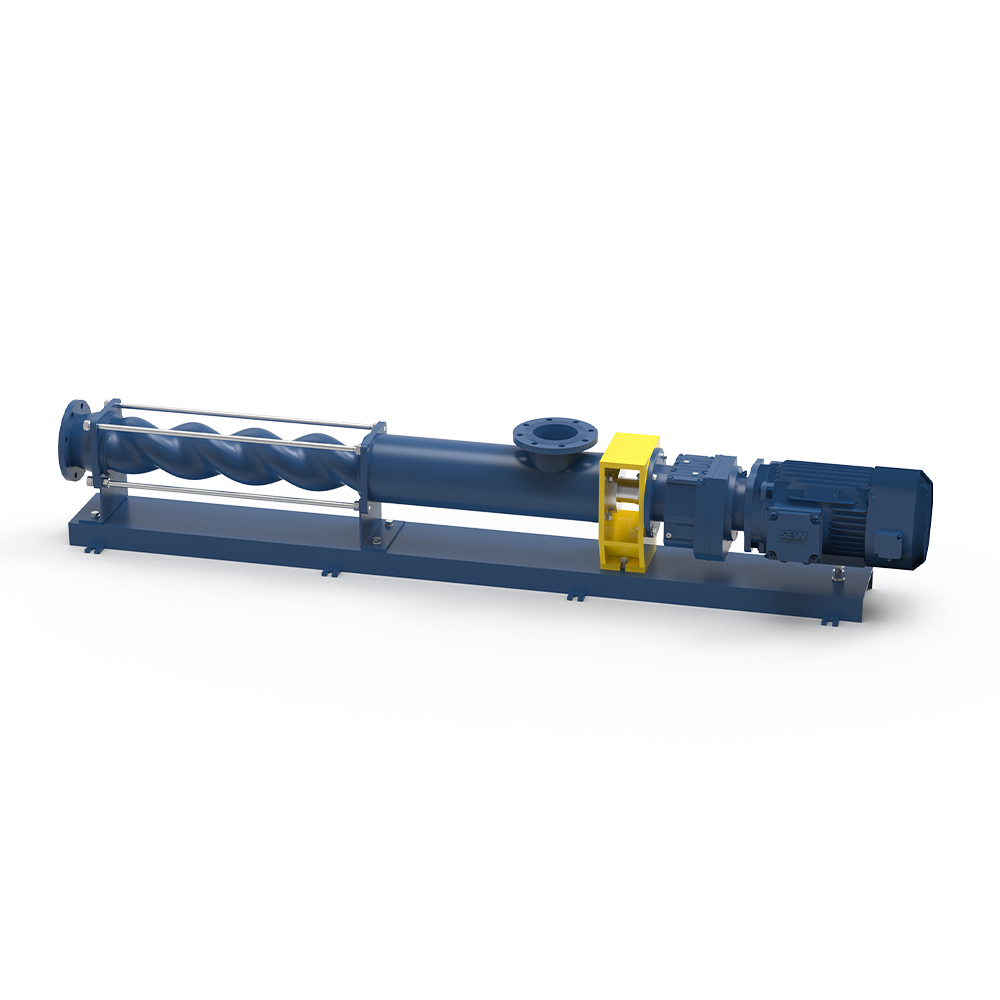 Equal Wall Thickness Screw PumpsThis screw pump has good self-priming ability, with water as the medium, suction on up to 3-5 meters; Conveying solid particles liquid: can convey liquid containing so...View Product →
The comparison between positive displacement and centrifugal pumps is often framed as a competition. It is not. The two families solve different problems, and the deciding variables are viscosity, flow rate, pressure stability and solids content.
| Parameter | Positive displacement pump | Centrifugal pump |
|---|---|---|
| Flow versus pressure | Nearly constant flow as pressure rises | Flow falls as pressure rises |
| Best viscosity band | Above roughly 100 cP, excellent above 1,000 cP | Below roughly 100 cP |
| Shear on fluid | Low to moderate, very low in screw and lobe designs | High at the impeller tip |
| Metering accuracy | Within 1 to 2 percent with a variable speed drive | Poor without extra instrumentation |
| Self-priming | Inherent in most designs | Requires priming unless self-priming variant |
| Solids tolerance | Good in screw, lobe and peristaltic designs | Limited by impeller and wear ring clearances |
| Dry running | Usually damaging, needs protection | Tolerated for short periods |
| Discharge throttling | Never allowed without a relief path | Normal method of flow control |
| Efficiency at high head, low flow | High | Low, far from best efficiency point |
Two failure patterns emerge when this table is ignored. The first is a centrifugal pump installed on a viscous duty, where the flow collapses to a fraction of the rated value and the motor draws heavy current without moving product. The second is a positive displacement pump installed on a clean water transfer line with a throttling valve, where the operator closes the valve to reduce flow and the pressure spike destroys a seal or a stator within minutes.
There is also a middle case worth naming. When a plant needs high flow and moderate viscosity in the same line, a lobe pump or a large progressing cavity pump often beats both a centrifugal pump and a gear pump on total cost of ownership, because it does not need a pre-feed booster and it does not need a downstream relief loop.
The distribution of positive displacement pump demand across industries is not random. It follows the fluids that each sector handles. Sectors that process thick, abrasive or shear-sensitive media use more of these pumps, while sectors that mostly move clean water use fewer. Looking at the pattern helps a buyer benchmark their own specification against what the wider market treats as normal.
Municipal and industrial wastewater treatment is the largest single user, because sludge thickening, dewatering feed and polymer dosing all require low shear and stable flow. Chemical processing follows closely, driven by viscous intermediates, corrosive reagents and accurate dosing of additives. Food and beverage ranks third, where gentle handling protects texture and where clean-in-place compatibility is mandatory rather than optional.
Oil, gas and energy applications concentrate on high-pressure injection, crude transfer and produced water handling. Pharmaceutical and biotechnology plants use smaller units for precise reagent metering under hygienic conditions. Pulp and paper mills use large units for stock transfer at consistency levels that would block a centrifugal pump.
The chart below shows an indicative split of installed positive displacement pump capacity by sector. It is a planning reference rather than a market statistic, but the ranking is stable year to year and it matches what most maintenance planners see in their own pump registers.
The first thing the chart shows is concentration. Water and wastewater plus chemical processing together account for more than four in every ten units installed, which means a supplier that serves those two sectors well already covers the majority of the market. For a buyer, this concentration has a practical consequence: pump ranges, stator compounds and spare part inventories in the industry are optimised around the media found in those two sectors, which are generally sludges, slurries, polymer solutions and mildly corrosive reagents.
The second observation is that food and beverage sits at fifteen percent, higher than many engineers assume. That share reflects the fact that food plants rarely buy a single pump for a single duty. A yoghurt line, a sauce filling station and a CIP return circuit may each require a different cavity geometry, so unit counts grow quickly even in relatively small facilities.
The third point concerns the tail of the distribution. Pulp and paper accounts for ten percent and other industries for eight percent, but those numbers hide large, demanding installations. A single paper mill can run dozens of progressing cavity pumps on stock preparation and coating colour circuits, and those pumps operate continuously under abrasive conditions. Maintenance planning in that sector is therefore far more intensive than the percentage alone suggests.
Pharmaceutical and biotech at eleven percent is the smallest mainstream segment by volume but often the most demanding by specification. Hygienic surface finishes, documented elastomer grades, full traceability and validated cleaning procedures raise unit cost significantly, even where flow rates are modest.
The fourth reading of the chart is about service infrastructure. Where demand concentrates, spare parts availability follows. Stators, rotors and extension shafts are stocked in depth for the water, chemical and food segments because those are the sectors with the highest replacement frequency. A buyer specifying a pump for a niche duty in a low-volume sector should confirm parts lead time before ordering the machine, not after the first failure.
The fifth takeaway is that sector share is a poor proxy for difficulty. A pump moving eight percent solids sludge in a municipal plant faces a harder life than a pump moving clean reagent in a pharmaceutical suite. When comparing quotations from different manufacturers or suppliers, the specification should be matched to the medium rather than to the industry label.
Finally, the chart supports a simple inventory rule. Plants that operate in the top three sectors should hold at least one spare stator per critical pump and one spare rotor per group of similar machines. Plants in the smaller segments can usually rely on a regional distributor provided the lead time is contractually fixed.
Most premature pump failures are selection errors rather than manufacturing defects. The following points cover the decisions that matter most, in the order they should be made.
Record viscosity at both pumping temperature and ambient temperature, because some polymers and slurries change by an order of magnitude between the two. Record the solids content by percentage and the maximum particle size in millimetres. Record the pH and the chloride level, since both drive the choice between cast iron, stainless steel and duplex materials. Record whether the fluid is shear-sensitive, because that single answer removes gear, vane and high-speed centrifugal options immediately.
Positive displacement pumps are sized by required flow at the required differential pressure, then checked against the maximum speed the selected geometry allows. Running a large pump slowly is generally better than running a small pump fast, because wear rate scales with speed. A pump sized at 70 percent of its maximum speed will typically deliver longer stator life than one running at 95 percent, even at the same duty point.
Elastomer choice decides stator life more than any other single variable. Nitrile handles water, sewage and mild hydrocarbons. EPDM suits hot water, steam and many chemical duties but swells in mineral oils. Hypalon covers acids and oxidising agents. Natural rubber offers the best abrasion resistance for lime slurry and paper stock but has limited temperature range. A manufacturer with in-house rubber formulation can adjust hardness, rebound and swelling behaviour for a specific site, which is often the difference between a six-month stator and a two-year stator.
Three protective devices belong on nearly every installation. A relief valve on the discharge protects against blocked lines and closed valves. A dry-run protection device, either a temperature probe in the stator or a flow switch, prevents the elastomer from burning when the suction line empties. A variable frequency drive limits starting torque and allows soft starts that reduce stress on the drive train and universal joints.
Ask the manufacturer for the specific elastomer grade, the rotor hardness and coating thickness, the extension shaft material and the joint design. Ask how quickly a stator can be shipped, and whether the supplier also produces spares for other brands. A manufacturer that serves both original equipment and replacement markets, and that exports to multiple regions, usually has a broader parts stock and a faster response than a supplier that only assembles complete units.
A progressing cavity pump has one predictable wear item: the stator. Everything else — rotor, extension shaft, joints, seals, bearings — wears more slowly and usually fails as a consequence of a stator problem, a dry run or a blocked line rather than on its own schedule.
Measuring flow at a fixed speed once a month gives a clear trend line, and that trend line predicts failure weeks before the pump stops. Plants that log this figure typically replace stators during planned shutdowns rather than during production hours.
When a stator reaches the end of its life, the correct action is to replace the stator and inspect the rotor. Chrome plating wear of more than about 0.2 mm across the lobe, visible pitting, or a change in the rotor profile all justify replacement at the same time. Fitting a new stator onto a worn rotor accelerates the wear of the new part and usually costs more over the following year than replacing both parts together.
Extension shafts and joint pins should be checked for fretting and for lost hardness whenever the rotor is removed. In pumps running at high speed or on abrasive duty, these components are the second most common cause of unplanned downtime.
 Stator for progressive cavity pumpsWe introduce advanced equipment and manufacturing processes from abroad, strictly follow the ISO quality system for production, ensure stable quality, and have our own...View Product →
Where a plant operates pumps from several different original brands, buying spares from a single manufacturer that produces interchangeable components for multiple pump families reduces inventory value while improving availability. That is a common approach in export-oriented facilities, and it is worth asking a supplier directly whether their stators, rotors and extension shafts are dimensionally compatible with the machines already installed.
A positive displacement pump moves a fixed volume of fluid per cycle, so its flow stays nearly constant as discharge pressure rises. A centrifugal pump converts velocity into pressure with an impeller, so its flow falls as pressure rises. The first is used for viscous, abrasive or metered duties; the second is used for high-flow transfer of thin, clean liquids.
Yes, and viscosity generally improves their performance. Thicker fluid seals the internal clearances, which reduces slip and increases volumetric efficiency. Progressing cavity, gear and lobe designs routinely handle fluids above 10,000 cP, well beyond the practical limit for a centrifugal pump.
Because the pump will keep generating pressure until something yields. If a discharge valve is closed or a line blocks, pressure rises immediately and can destroy a seal, a stator or a drive joint within seconds. A relief valve, a bypass loop or a pressure switch that stops the drive is mandatory on virtually every installation.
It depends entirely on the medium and the running speed. A clean, low-abrasive duty at moderate speed may last two to three years. An abrasive slurry with fine grit at high speed may need a stator every four to six months. Tracking flow at constant speed gives a far better forecast than a calendar schedule.
Four factors dominate: the size of the hydraulic end, the elastomer grade of the stator, the rotor material and coating, and the drive arrangement including the gearbox and motor. Stainless steel wetted parts and hygienic finishes add cost. Buying from a manufacturer who also supplies the spare parts usually reduces lifetime cost more than a lower initial purchase price does.
Only briefly and only with protection. The elastomer stator depends on the pumped fluid for lubrication and cooling. Running dry for more than a minute or two generates heat at the rotor and stator interface, which swells and destroys the rubber. A temperature probe or a flow switch on the suction side is a low-cost safeguard.
A manufacturer controls the elastomer formulation, the rotor geometry and the tolerances, so they can adjust a pump to a specific medium. A supplier or wholesaler usually offers faster delivery of standard models but limited ability to modify specifications. For difficult duties, buy from the manufacturer; for standard duties with tight delivery requirements, a wholesaler with confirmed stock is often the better route.
Yes, when paired with a variable frequency drive. Because flow is proportional to speed, a progressing cavity or diaphragm pump can hold dosing accuracy within one to two percent over a wide turndown range, without a control valve and without the pulsation problems that affect some reciprocating designs.
Positive displacement pumps earn their place in a plant when the fluid is thick, abrasive, shear-sensitive or must be dosed precisely. Within that family, the single screw or progressing cavity design covers the widest range of difficult media because it carries fluid forward in sealed cavities rather than throwing it outward with an impeller. The consequences are a flat flow curve, low shear, good solids tolerance and a metering accuracy that a centrifugal pump simply cannot match without extra instrumentation.
The engineering decisions that determine whether the installation succeeds are made before the order is placed. Viscosity at operating temperature, solids content, particle size, shear sensitivity, chemical compatibility and required accuracy all point towards a specific geometry and a specific elastomer. Speed selection, relief protection and dry-run protection then determine how long the machine lasts in service.
Maintenance is a matter of watching one number. Flow at fixed speed is the clearest indicator of stator condition, and a plant that logs it monthly will replace wear parts on schedule rather than during a production stoppage. Keeping a modest stock of stators, rotors and extension shafts, sourced from a manufacturer that understands both original equipment and replacement markets, converts that knowledge into uptime.
For buyers comparing quotations, the useful discipline is to separate price from cost. The purchase price is a one-time number; the stator replacement interval, the parts lead time and the accuracy of the flow curve are the numbers that decide what the pump actually costs per cubic metre of fluid moved. Ask for those figures in writing, and the comparison becomes straightforward.
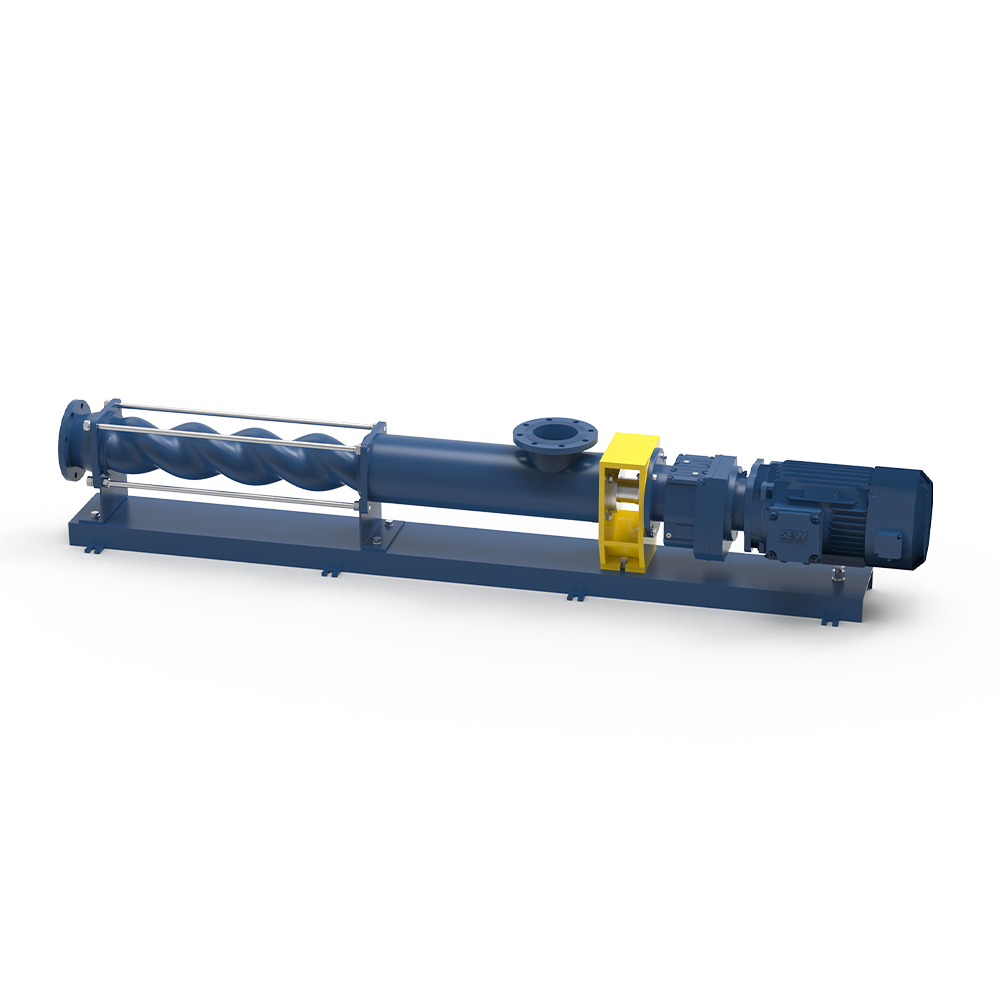
Screw pumps equipped with equal wall thickness stator, the same kind of pump specifications pump flow, and pressure are increased. The equal wall thic...
See Details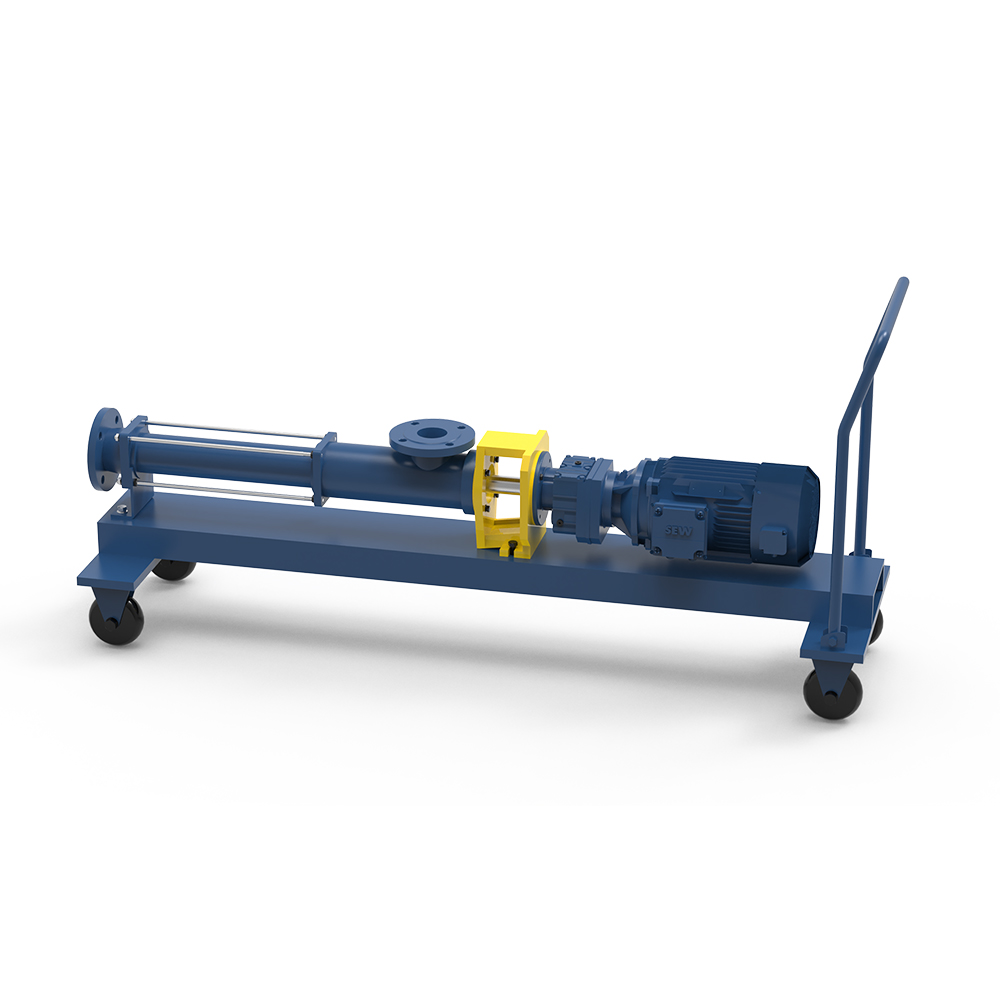
Mika vehicle-mounted pump, the pump base is not only stable and reliable, but also cleverly equipped with universal wheels, these wheels rotate flexib...
See Details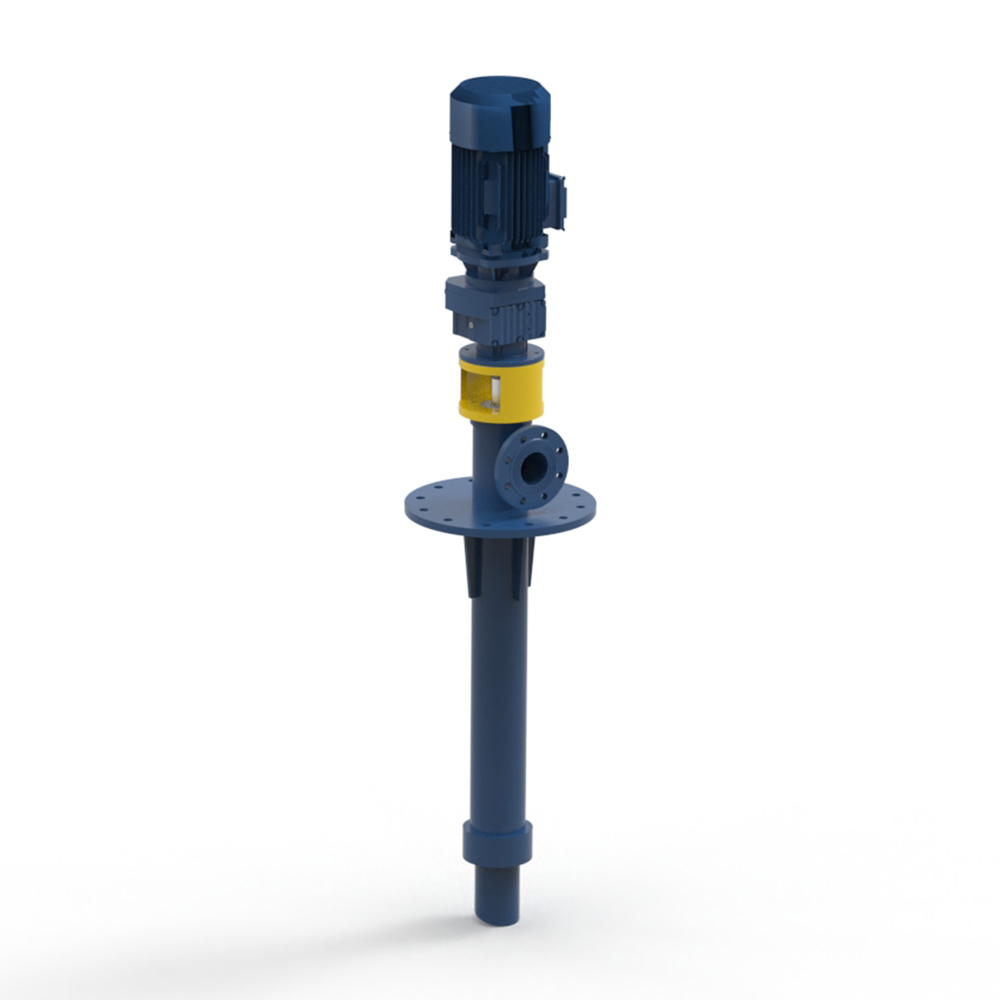
Mika vertical T-type screw pumps can be achieved through the length of the pump body to a variety of different depths of the pool, the pump's hopper i...
See Details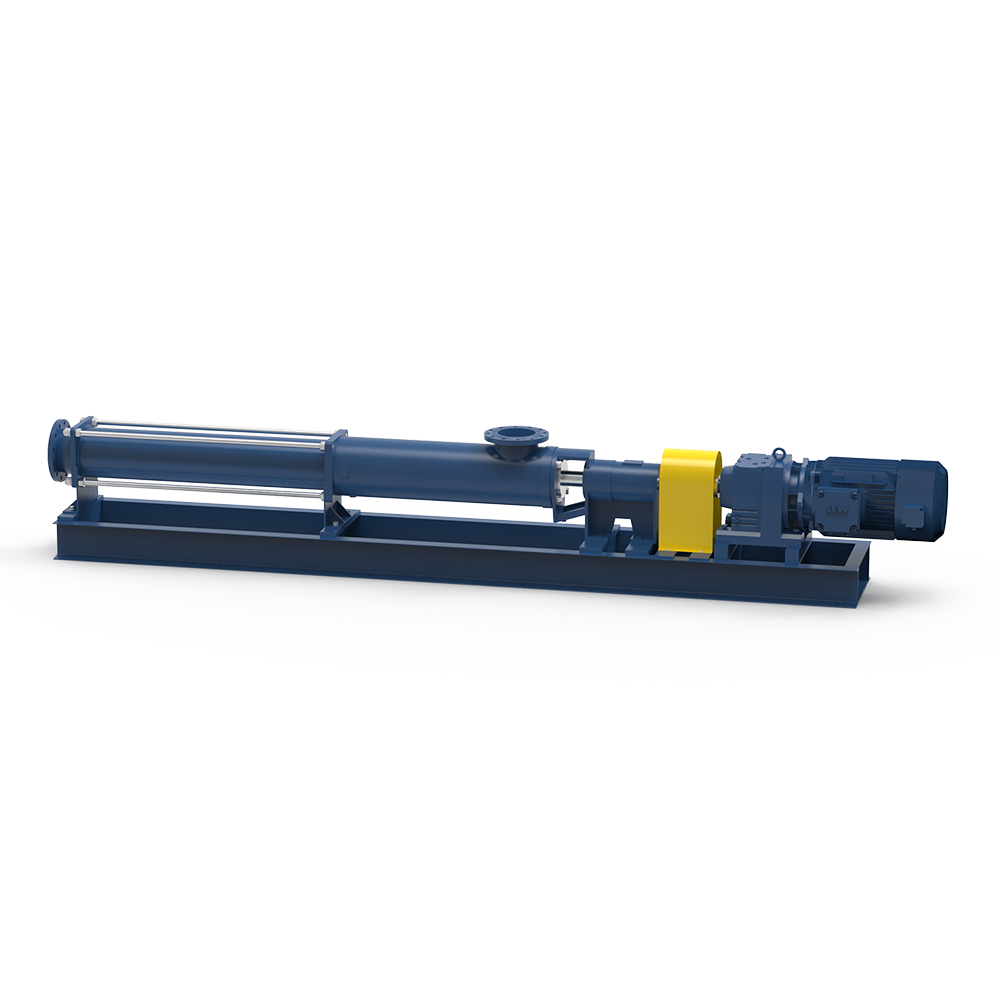
The S-pump with bearing frame support can withstand higher axial loads and can be used for high-pressure conditions, e.g. high-pressure sludge feed tr...
See Details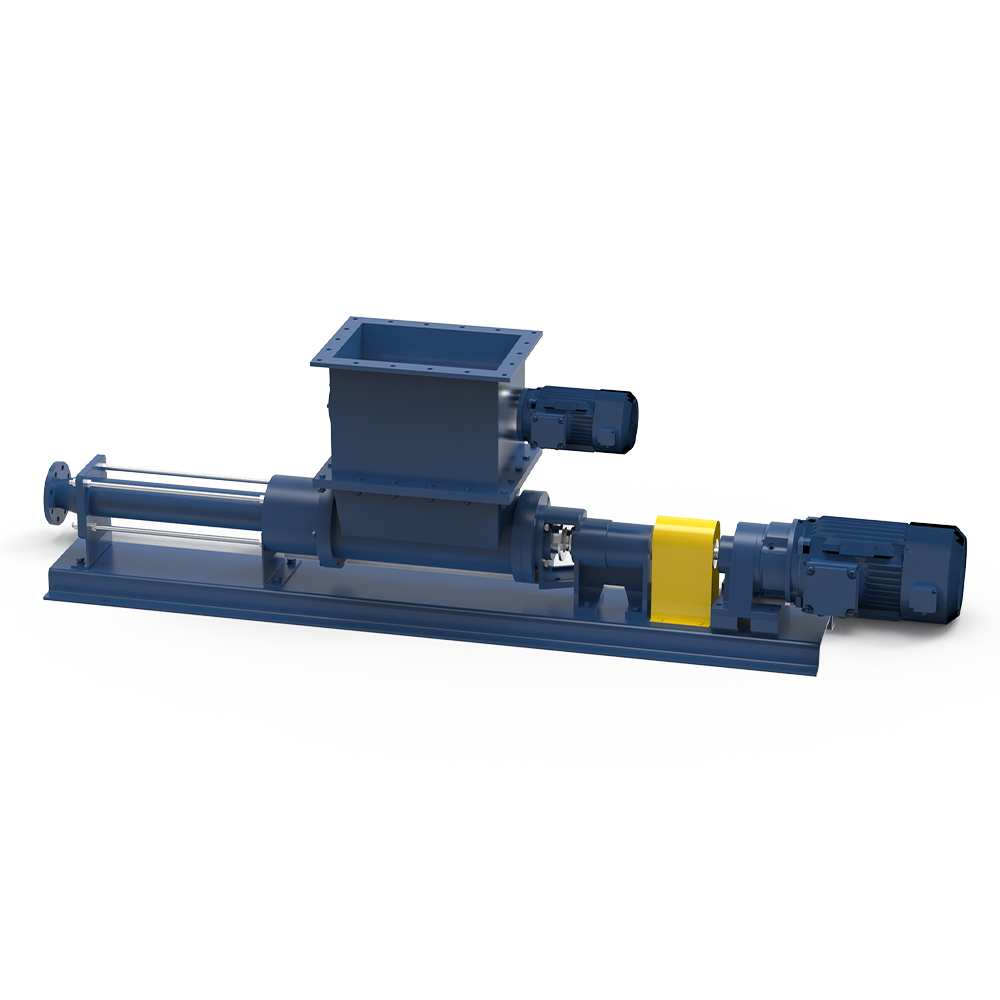
The inlet is designed for a large hopper with a bridge-breaking device P-pumps are suitable for conveying materials with high viscosity, high solids c...
See Details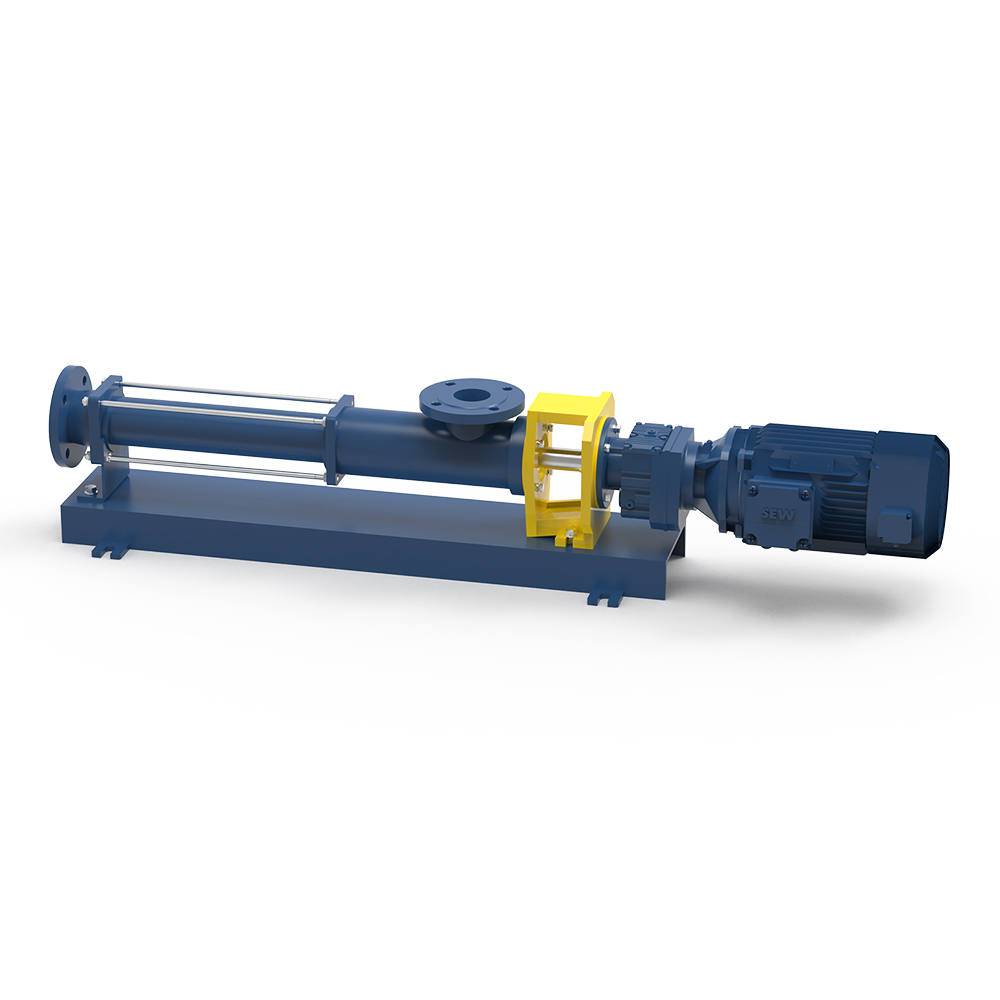
Mika Classic B direct-connected pumps are compact, easy to maintain, with low investment costs, and are suitable for a wide range of common working co...
See Details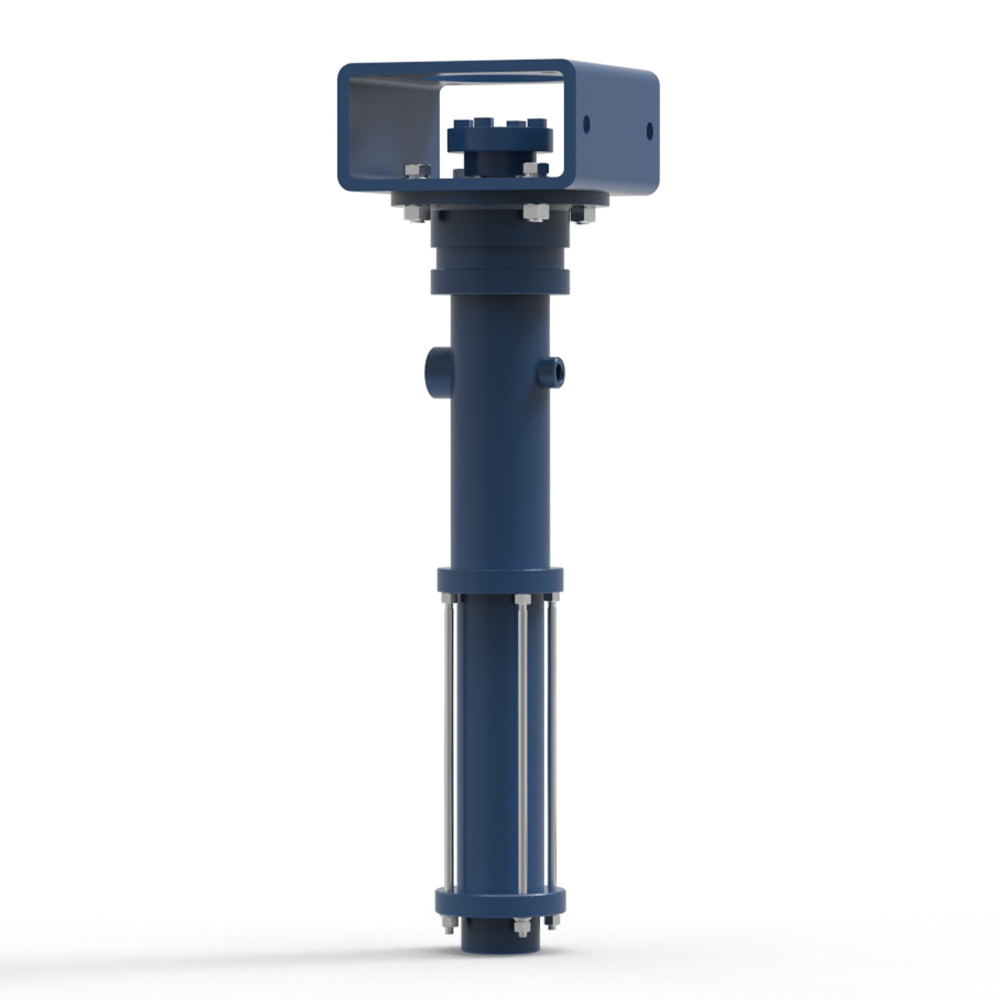
Precise flow rates and a wide range of materials for the metering and delivery of all kinds of sealants. Working Principle The MeiJia pump is a prog...
See Details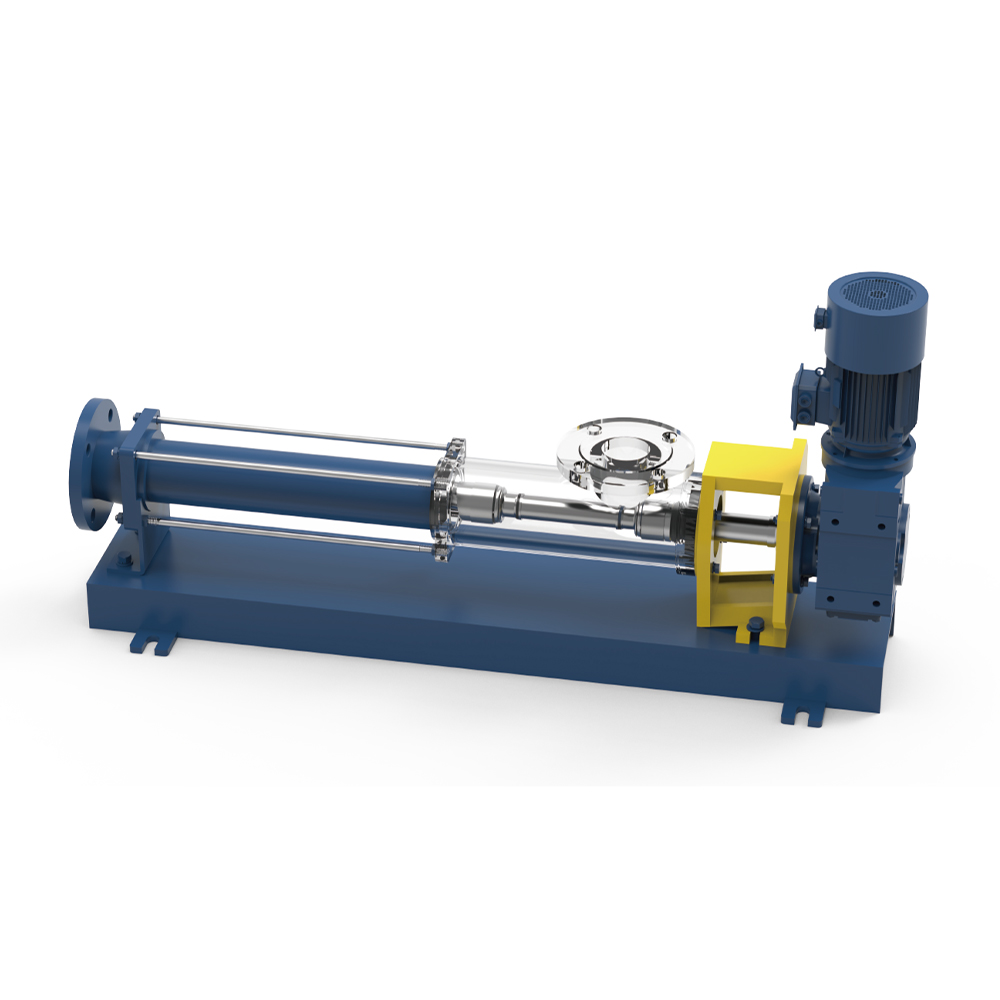
The speed reducer adopts the K series speed reducer, and the length of the pump can be shortened, so it can be used in places where the space is narro...
See Details
Various materials are available for different working conditions, such as NBR, HNBR, EPDM, and FKM.
See Details
Multiple materials available: Q235,304,316L,2205,2507, etc.
See DetailsContact Us
Add: No. 36 Xintai Road, Economic Development Zone, Jingjiang City, Jiangsu Province, China
Tel: +86-13515167342
Fax: +86-523-84261117
E-mail: [email protected]
We'd love to
hear from you!
