
 English
 русский
 Español
Truck-mounted progressive cavity pumps
Cat:Single Screw Pumps
Mika vehicle-mounted pump, the pump base is not only stable and reliable, but also cleverly equipped with universal wheels, these wheels rotate flexib...
See DetailsContent
A wastewater plant in Jiangsu was replacing worn centrifugal pump impellers every eight weeks. The sludge contained 4% to 6% solids and had a viscosity that climbed sharply after polymer dosing. When the maintenance team switched to a positive displacement pump, specifically a single screw progressive cavity unit, the replacement interval moved from weeks to months. That is the practical difference between moving fluid by velocity and moving it by trapped volume. A positive displacement pump captures a fixed amount of liquid and pushes it through the system with each rotation or stroke, so flow stays nearly constant even when viscosity, pressure, or solids content changes.
A positive displacement pump moves fluid by trapping a fixed volume in a chamber and then forcing that volume into the discharge line. The chamber expands to draw liquid in, seals against the inlet, and then contracts or rotates to push the liquid out. Because the pump does not rely on centrifugal force, its flow rate is largely independent of discharge pressure. If the discharge line becomes partially blocked, the pump will try to push against that resistance until the pressure relief device activates or a component fails. This is why positive displacement pumps need a relief valve, a torque-limiting coupling, or a variable-frequency drive with pressure feedback.
The two main families are reciprocating pumps and rotary pumps. Reciprocating pumps use a piston, plunger, or diaphragm that moves back and forth. Rotary pumps use gears, lobes, screws, vanes, or progressive cavities that rotate. A single screw pump, often called a progressive cavity pump, belongs to the rotary positive displacement family. It uses a helical rotor turning inside a helical rubber stator to create sealed cavities that travel continuously from suction to discharge. This design handles abrasive slurries, high-viscosity pastes, and shear-sensitive emulsions with less pulsation than many other positive displacement types.
| Feature | Centrifugal Pump | Positive Displacement Pump |
|---|---|---|
| Flow behavior | Flow varies with pressure and viscosity | Flow stays nearly constant across pressure changes |
| Best viscosity range | Low viscosity, typically below 500 cP | Low to extremely high viscosity, up to 1,000,000 cP for some designs |
| Solids handling | Limited; impeller wear increases with abrasives | Good to excellent depending on pump type and clearance |
| Shear effect | High shear in many models | Low shear, especially progressive cavity and lobe designs |
| Self-priming | Usually requires priming | Most types are self-priming |
Reciprocating pumps include diaphragm, piston, and plunger models. They are common in metering, dosing, and high-pressure cleaning. Rotary pumps include gear, lobe, vane, peristaltic, and screw pumps. Each has a different balance of pressure, flow, solids tolerance, and maintenance cost. Gear pumps are compact and good for clean lubricating fluids, but they do not like abrasive particles. Lobe pumps handle solids gently but need timing gears and tighter clearances. Peristaltic pumps are excellent for sterile or corrosive liquids but the hose is a consumable item.
Single screw pumps occupy a useful middle ground. They handle fibrous and abrasive slurries, run at relatively low speed, and produce a smooth, non-pulsating flow. In a progressive cavity pump, the rotor and stator form a series of sealed cavities that progress axially as the rotor turns. The geometry allows the pump to move thick sludge, paper pulp, food paste, and chemical slurries without emulsifying or damaging the product. For applications that need a more uniform wall thickness in the stator, an equal wall thickness design can improve heat dissipation and extend service life in demanding duty cycles.
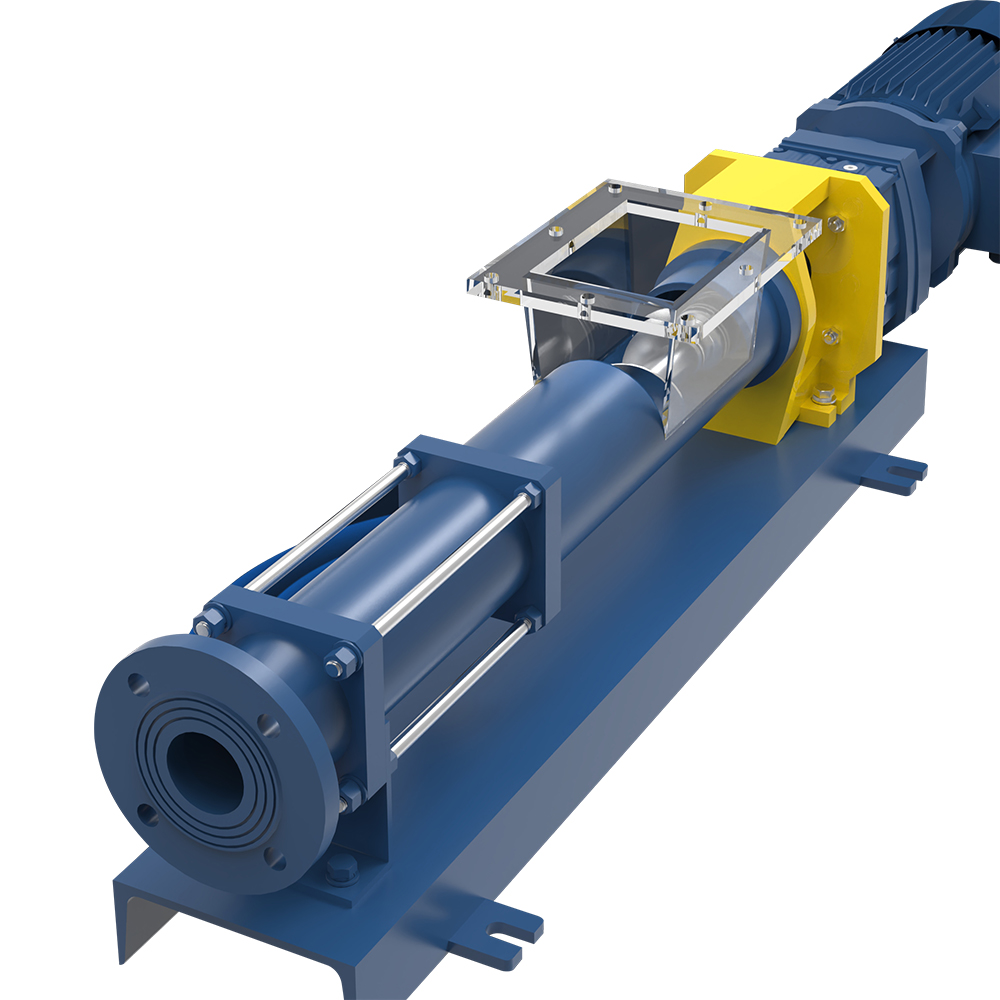 H-type progressive cavity pumpsThe H-type progressive cavity pump adopts precise manufacturing technology and advanced structural design to ensure that it can maintain extremely high stability durin...View Product →
H-type progressive cavity pumps are often selected for general industrial transfer where moderate pressure and reliable solids handling are required. They work well with flanges, drives, and baseplates that match common plant layouts. When the fluid contains fine solids or requires gentle handling, the T-type or W-type screw geometry may offer a better fit. The key is to match rotor-stator geometry to the actual particle size, viscosity, and temperature rather than choosing by pipe size alone.
Selection starts with the fluid, not the pump curve. You need viscosity at pumping temperature, specific gravity, solids content, particle size and shape, pH, temperature range, and whether the product is shear-sensitive. Then you add process requirements: flow rate, suction lift, discharge pressure, continuous or intermittent duty, and cleaning method. A pump that is oversized for pressure may cost more and wear faster, while one that is undersized will run at higher speed and reduce stator life.
The chart below compares typical viscosity handling ranges for common pump technologies. It is intended as a starting point, not a final selection tool, because actual limits depend on pump size, speed, temperature, and material selection.
The chart shows a clear trend: as viscosity rises, centrifugal pumps lose efficiency quickly, while positive displacement designs continue to move fluid. Diaphragm and gear pumps cover a wide middle range, but progressive cavity pumps extend much further into paste-like and highly viscous products. This does not mean a single screw pump is always the best answer. For clean, low-viscosity fluids at high flow, a centrifugal pump may still be more economical. For abrasive slurries with large solids, a different rotor-stator geometry or a lobe pump may be appropriate. The practical conclusion is to define the fluid first, then use viscosity and solids data to narrow the pump family before comparing models.
Environmental water treatment is one of the largest application areas. Single screw pumps transfer primary and secondary sludge, thickened sludge, and chemical slurries without clogging. In chemical plants, they dose polymers, move suspensions, and handle fluids that would damage a standard centrifugal impeller. Paper and pulp mills use them for stock, coating, and wastewater streams. Food and pharmaceutical production relies on their gentle handling for sauces, syrups, creams, and fermentation broths. Petrochemical and energy applications include oil sludge, drilling mud, and fuel transfer.
Mobile and space-constrained sites often use truck-mounted progressive cavity pumps. These units are built onto a trailer or truck bed so they can move between lagoons, tanks, and temporary storage areas. A dispensing valve can be added when the process requires precise dosing rather than bulk transfer. For equal wall thickness screw pumps, the application focus tends to be higher-pressure or higher-temperature duties where stator deformation and heat build-up would otherwise shorten service life. Typical industries include chemical processing, oil and gas, and industrial wastewater concentration.
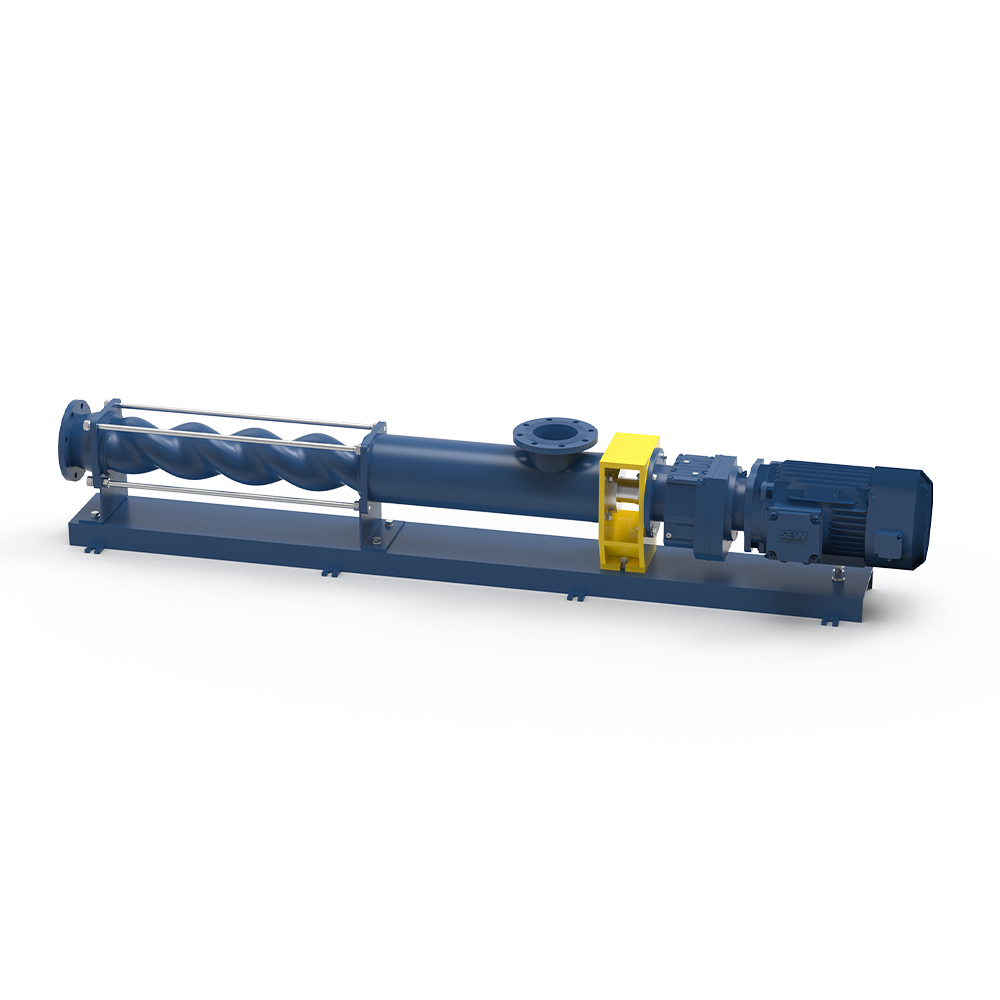 Equal Wall Thickness Screw PumpsThis screw pump has good self-priming ability, with water as the medium, suction on up to 3-5 meters; Conveying solid particles liquid: can convey liquid containing so...View Product →
When specifying for these environments, pay attention to elastomer choice, rotor coating, and seal arrangement. Nitrile, EPDM, and fluoroelastomer stators behave differently in oils, acids, and hot water. A hard-chrome or ceramic-coated rotor can reduce wear in abrasive service. Mechanical seals, packed glands, and lip seals each have different tolerance for pressure, temperature, and dry running.
Progressive cavity pumps have a predictable wear pattern. The stator is usually the first component to show reduced performance, because the rubber flexes with every rotation and gradually loses its interference fit. Symptoms include lower flow, higher discharge pressure for the same speed, slipping, and increased vibration. The rotor may wear on its chrome surface, especially in abrasive slurries. The extension shaft, coupling rods, and universal joints also carry torque and must be inspected for fatigue or looseness.
Spare parts planning should be based on duty cycle, not on calendar time alone. A pump running 24 hours per day on abrasive sludge may need a stator inspection every few months, while a clean chemical transfer application may run for years with only seal checks. Keep a spare stator, rotor, and extension shaft on site if downtime costs are high. Record the pump serial number, rotor-stator geometry, and elastomer type so replacement parts match the original performance.
 Stator for progressive cavity pumpsWe introduce advanced equipment and manufacturing processes from abroad, strictly follow the ISO quality system for production, ensure stable quality, and have our own...View Product →
During reassembly, lubrication of the rotor and stator is critical. Many installers use a compatible grease or soap solution to avoid dry start-up, which can tear the rubber within seconds. Check the suction line for leaks and the discharge relief valve for correct setting. If the pump has a variable-frequency drive, verify that the minimum speed still provides adequate cooling and that the maximum pressure does not exceed the stator rating. A simple maintenance log with flow, pressure, and vibration readings will reveal wear trends earlier than a failed part.
Not every project needs a custom pump, but most industrial buyers benefit from a manufacturer that understands the application beyond the catalogue page. A good positive displacement pump supplier will ask for fluid data, duty cycle, and site conditions before quoting. A wholesaler or trading company may offer competitive pricing on standard models, but technical support and spare parts availability often decide the total cost of ownership. For single screw pumps, look for a manufacturer with in-house rubber formulation, rotor machining, and testing capability.
Jingjiang Meijia Pump Industry, based in Jiangsu, China, produces single screw pumps and compatible spare parts for water treatment, chemical, pulp and paper, food, pharmaceutical, petrochemical, and energy applications. The company offers G-type, H-type, K-type, P-type, S-type, T-type, W-type, B-type direct-connected, equal wall thickness, and truck-mounted progressive cavity pumps, along with stators, rotors, and extension shafts. Its service commitments include 24-hour on-site response in Jiangsu, Zhejiang, and Shanghai, and 72-hour response in other regions. For international buyers, the location near a port supports export logistics and container loading.
When comparing suppliers, ask for material certificates, dimensional reports, and running test data. Confirm that the stator elastomer matches the chemical and temperature exposure. Check whether the rotor surface is hard chrome, stainless steel, or coated for abrasion. Ask how the supplier handles warranty claims and whether they stock spare parts for the models they sell. A supplier that can provide both complete pumps and replacement parts reduces the risk of long downtime when a stator or rotor reaches the end of its wear life.
A positive displacement pump is used for fluids that are too viscous, too shear-sensitive, or too filled with solids for a centrifugal pump. Common applications include sludge transfer, chemical dosing, food paste handling, paper stock, and oil sludge. It is also used where flow must remain constant despite changes in discharge pressure.
Yes. A single screw pump, also called a progressive cavity pump, is a rotary positive displacement pump. It traps fluid in cavities formed between the helical rotor and stator, then moves those cavities axially to the discharge. This makes it a strong choice for abrasive and high-viscosity media.
A centrifugal pump adds kinetic energy to the fluid and converts it to pressure. Flow changes with viscosity and system resistance. A positive displacement pump traps a fixed volume and pushes it out, so flow is nearly constant regardless of pressure. Centrifugal pumps are usually better for clean, low-viscosity, high-flow duties; positive displacement pumps are better for viscous, shear-sensitive, or solids-laden fluids.
Start with viscosity, solids content, particle size, temperature, pH, and shear sensitivity. Then define flow rate, suction conditions, discharge pressure, and duty cycle. Use those data to choose the pump family, then match rotor-stator geometry, elastomer, rotor coating, seals, and drive. A manufacturer or supplier with application experience can help avoid oversizing or undersizing.
Positive displacement pumps are not a universal replacement for centrifugal pumps, but they solve problems that centrifugal designs cannot handle efficiently. When the fluid is thick, abrasive, shear-sensitive, or difficult to prime, trapped-volume operation provides stable flow and predictable maintenance. Single screw progressive cavity pumps are one of the most versatile options within that family, especially when paired with the right stator elastomer, rotor coating, and spare parts plan. Whether you are a plant engineer, a maintenance manager, or a procurement specialist, the same rule applies: define the fluid, verify the materials, and choose a manufacturer or supplier that supports the pump through its full service life.
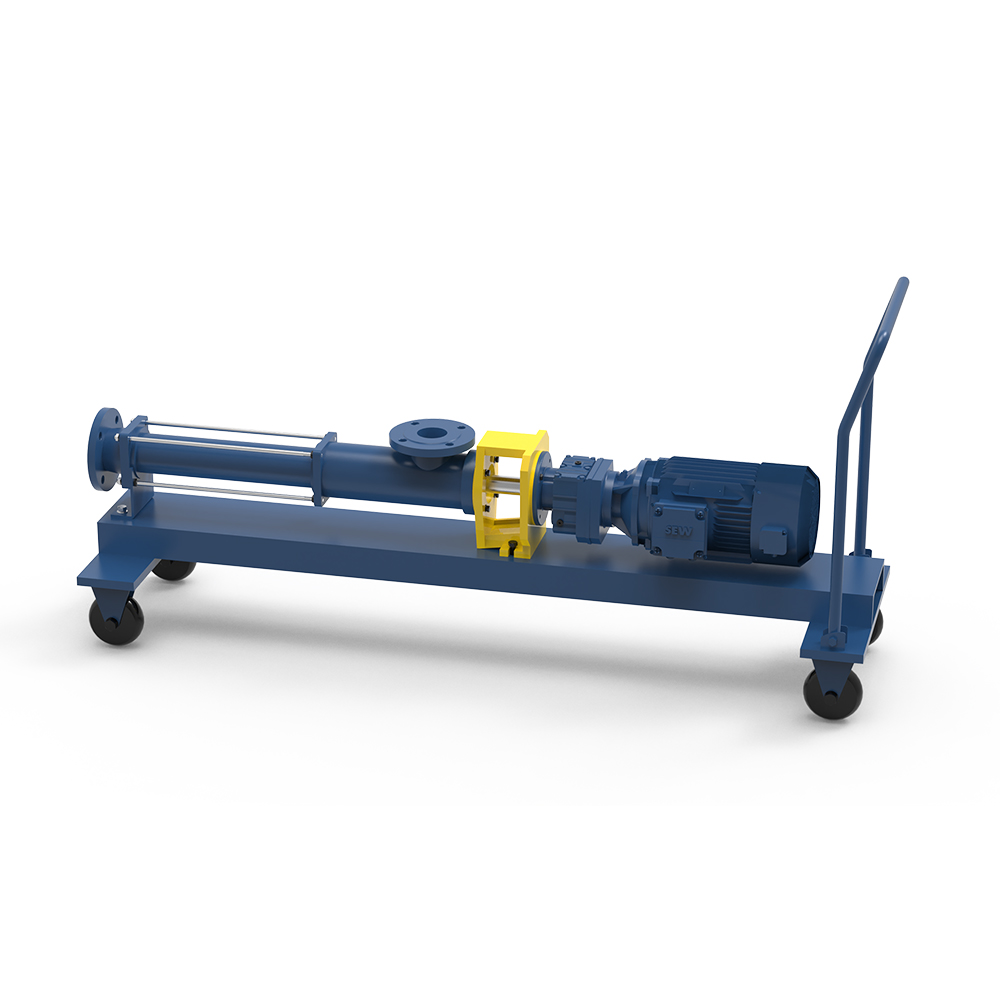
Mika vehicle-mounted pump, the pump base is not only stable and reliable, but also cleverly equipped with universal wheels, these wheels rotate flexib...
See Details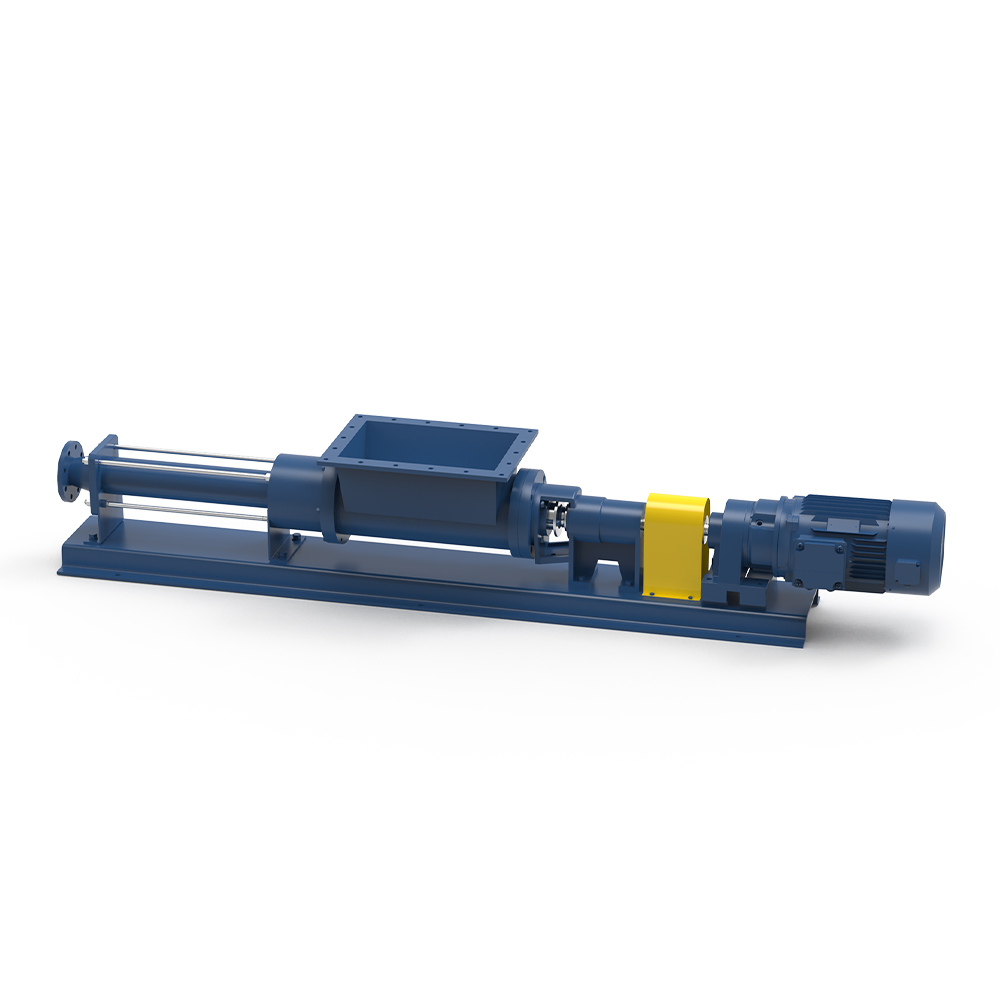
The inlet is a large hopper design W-type pump with a connecting shaft with multiple spiral vanes (which can effectively prevent the accumulation of m...
See Details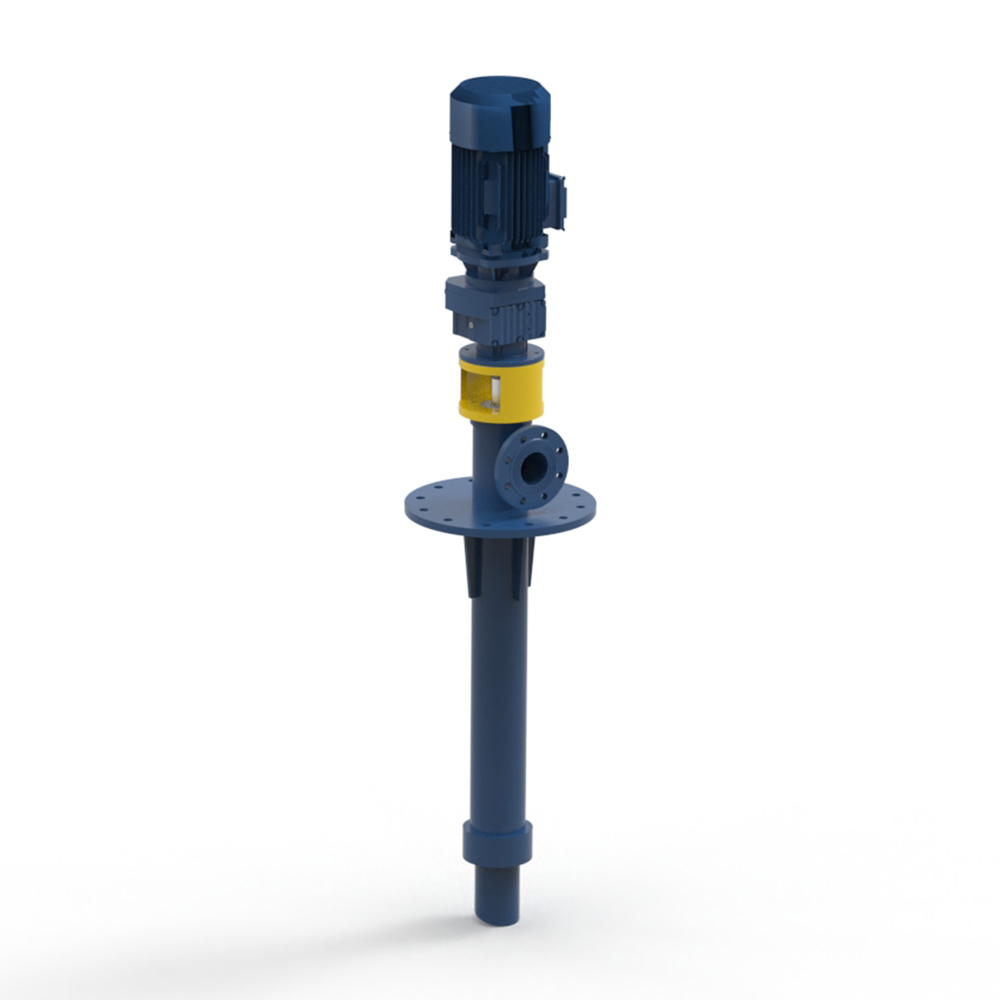
Mika vertical T-type screw pumps can be achieved through the length of the pump body to a variety of different depths of the pool, the pump's hopper i...
See Details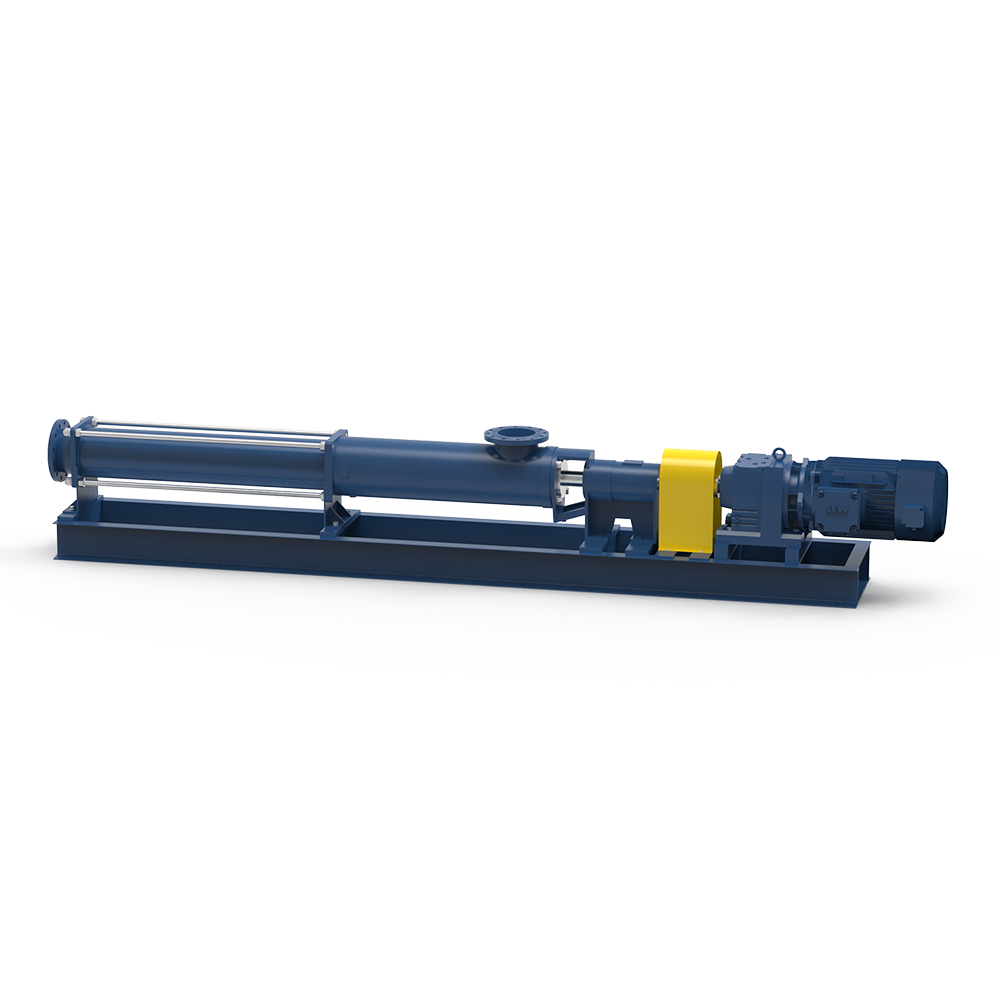
The S-pump with bearing frame support can withstand higher axial loads and can be used for high-pressure conditions, e.g. high-pressure sludge feed tr...
See Details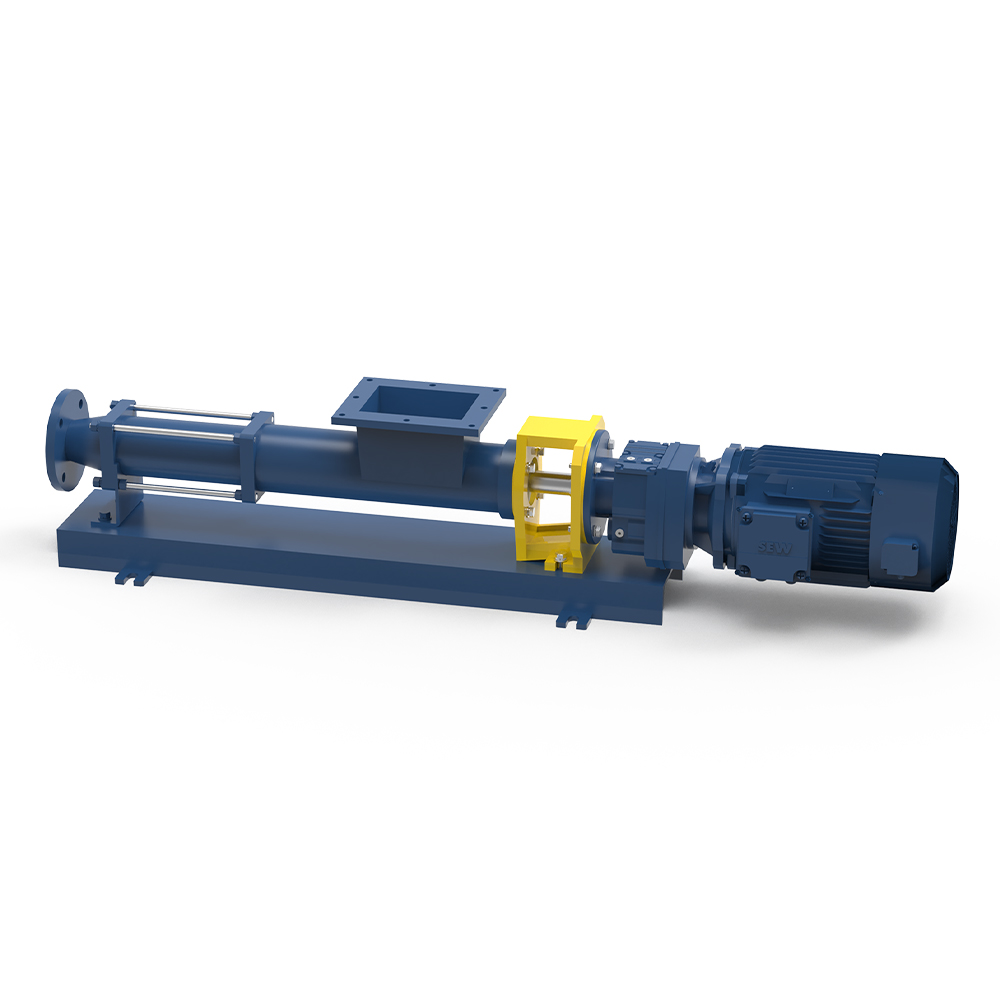
The inlet is a small rectangular hopper design H pump, suitable for conveying high viscosity solid content of less than 15% of the medium, such as cru...
See Details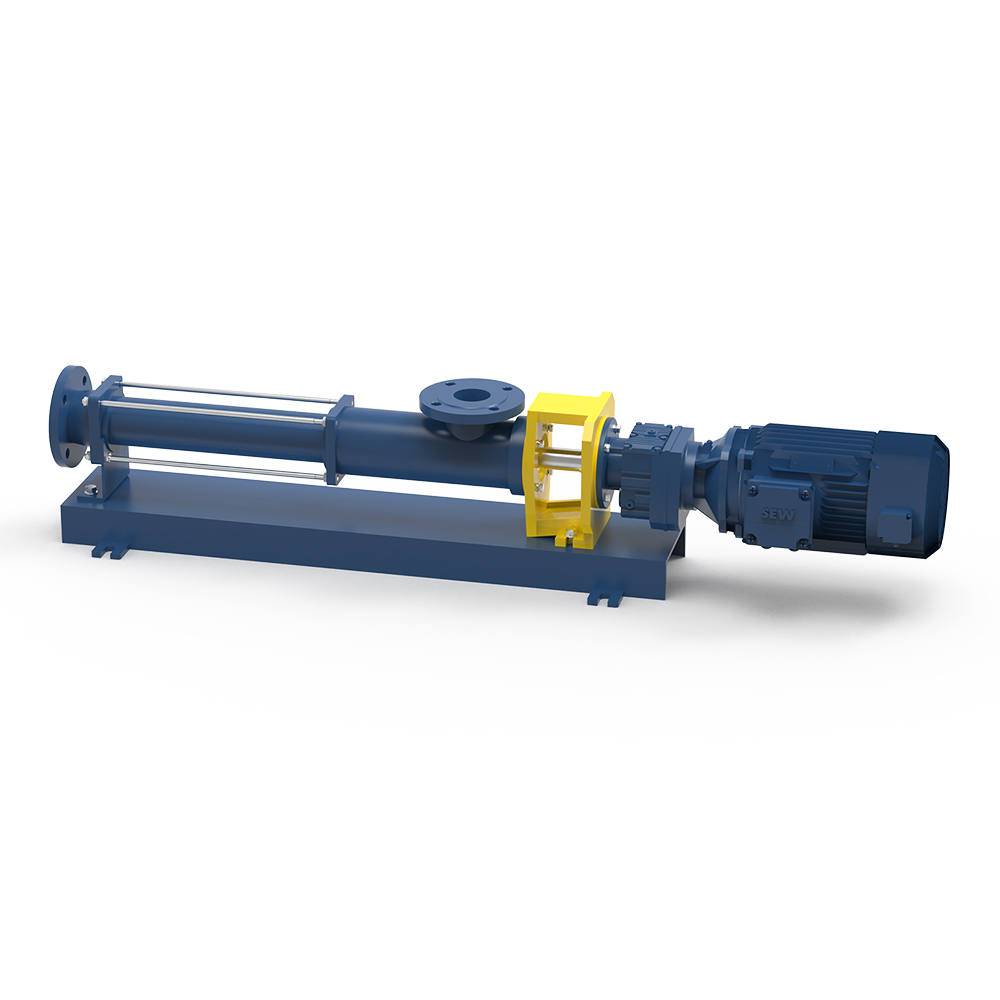
Mika Classic B direct-connected pumps are compact, easy to maintain, with low investment costs, and are suitable for a wide range of common working co...
See Details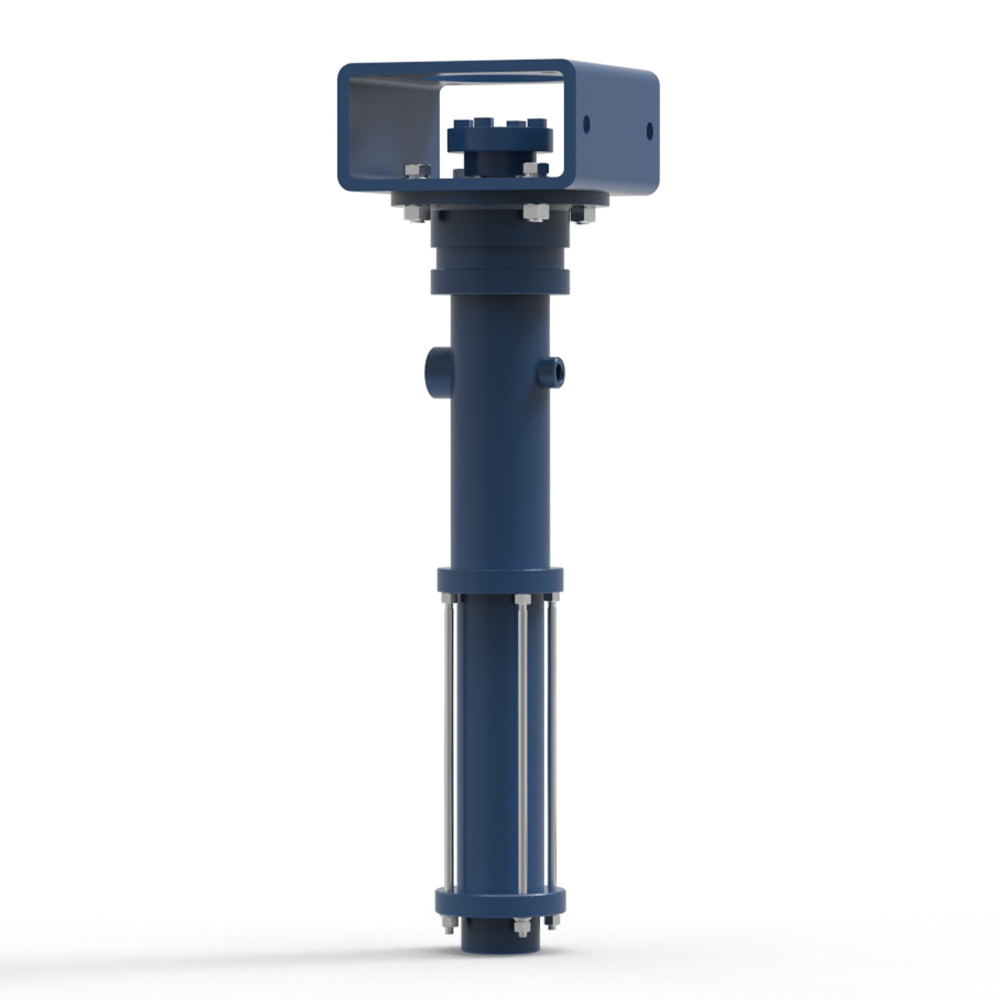
Precise flow rates and a wide range of materials for the metering and delivery of all kinds of sealants. Working Principle The MeiJia pump is a prog...
See Details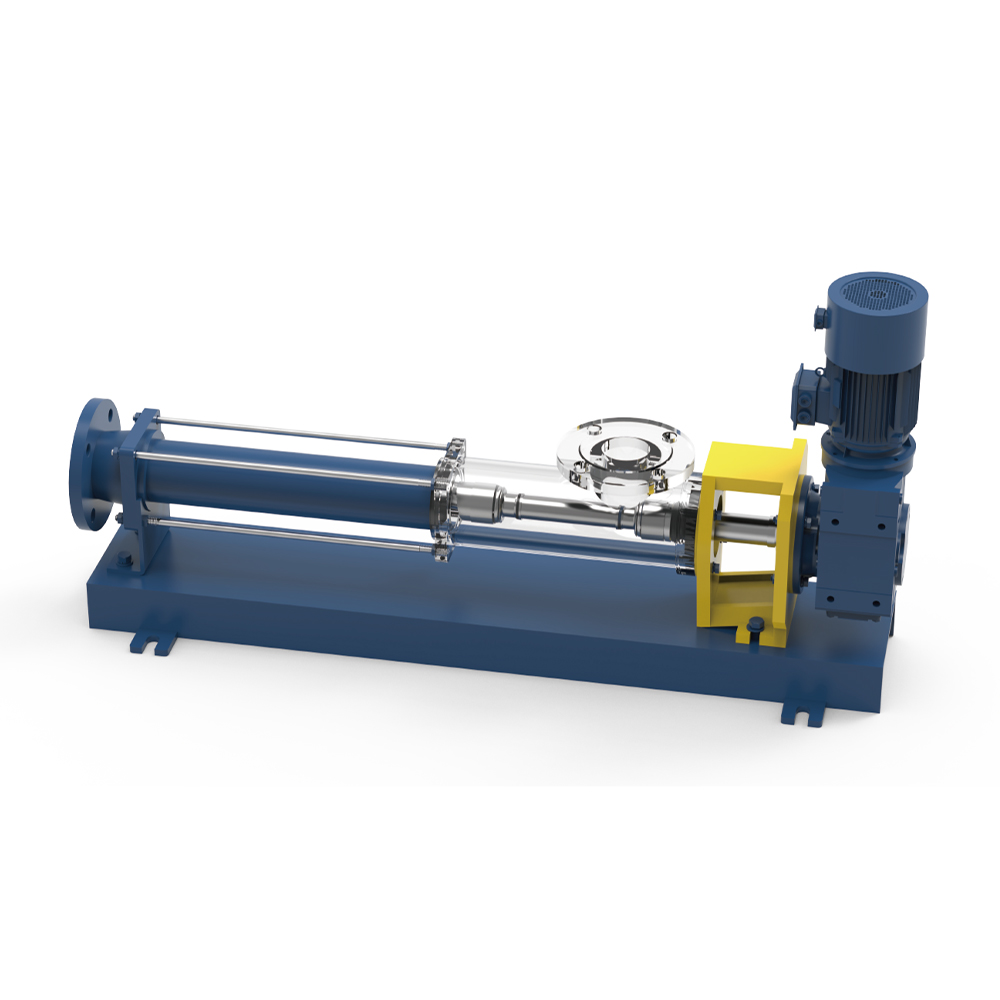
The speed reducer adopts the K series speed reducer, and the length of the pump can be shortened, so it can be used in places where the space is narro...
See Details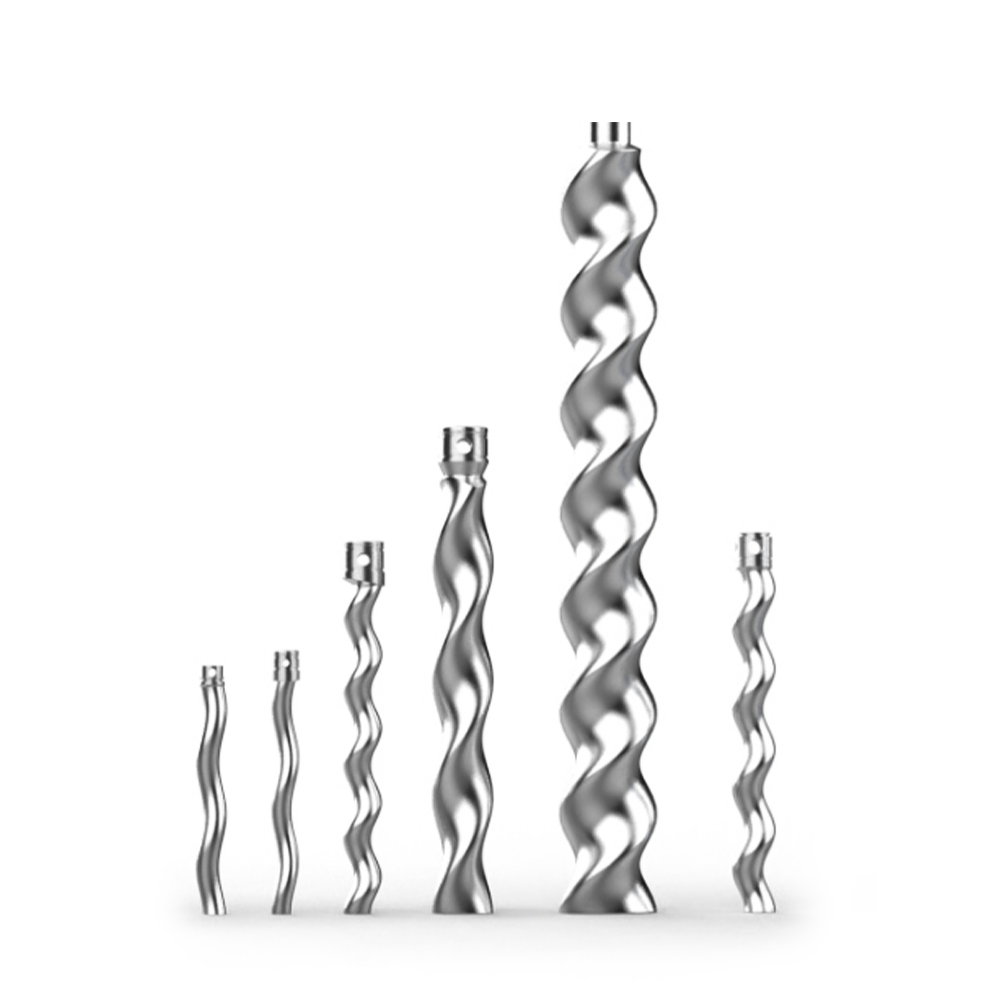
Multiple materials available, 304, 316L, 2205, rotor surface coating can be chrome plated or tungsten carbide sprayed.
See Details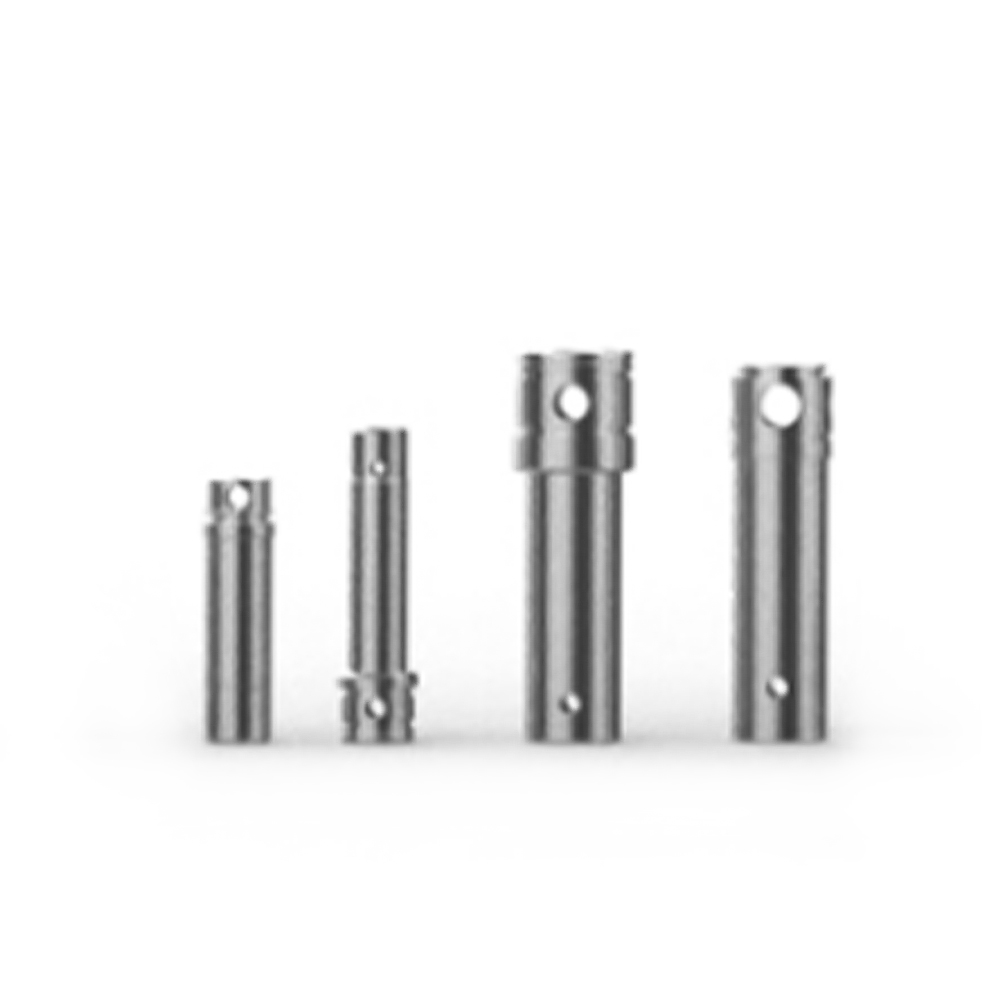
Multiple materials available: Q235,304,316L,2205,2507, etc.
See DetailsContact Us
Add: No. 36 Xintai Road, Economic Development Zone, Jingjiang City, Jiangsu Province, China
Tel: +86-13515167342
Fax: +86-523-84261117
E-mail: [email protected]
We'd love to
hear from you!
