
 English
 русский
 Español
Equal Wall Thickness Screw Pumps
Cat:Single Screw Pumps
Screw pumps equipped with equal wall thickness stator, the same kind of pump specifications pump flow, and pressure are increased. The equal wall thic...
See DetailsContent
If a single screw pump is losing flow, running warm or leaking at the shaft, the cause is usually one of four wear parts: the stator, the rotor, the drive joint or the shaft seal. Matching spare parts for progressive cavity pumps to the actual medium, speed and pressure of the duty is the single most useful decision a maintenance team can make. A part that fits the drawing but not the process will wear out early, and the pump will take the blame for it.
This article is written for maintenance managers, plant engineers and purchasing teams who buy screw pump accessories for water treatment plants, food lines, chemical dosing stations and paper mills. It explains which parts wear first, how to choose materials, how to describe an order so the supplier gets it right the first time, and how to judge a screw pumps manufacturer on more than a catalog page. Where numbers appear, they are typical planning figures drawn from common field patterns, and your own operating data should always be the final reference.
Jingjiang Meijia Pump Industry Co., Ltd. produces single screw pumps and a wide range of spare parts for them, and also supplies universal accessories that suit many pump designs found around the world. The notes below reflect the kind of questions our service engineers answer every week.
Conclusion: choose spare parts by medium, temperature, solids content and pressure, not by pump size alone.
A single screw pump moves liquid by turning a helical metal rotor inside a rubber or polymer stator. The two parts touch along a sealing line, and that contact is what builds pressure. Because the contact is physical, every hour of running removes a little material, and every particle in the fluid adds to the loss. This is why a single screw pump is a machine designed around replaceable wear parts rather than a machine that avoids wear.
In practice, a pump that handles clean, mild liquid at moderate speed can run for long periods before the stator needs attention. A pump that handles sludge with sand, or a food product with sugar crystals, will show wear much sooner. The same model number can therefore have very different replacement intervals at two different sites, and a stock list copied from another plant often turns out to be wrong.
Operators often notice a problem only when flow drops visibly, but the loss starts much earlier. As the interference between rotor and stator relaxes, a small amount of liquid slips backward through the sealing line. The pump compensates by drawing more current or running faster, which increases heat and speeds up wear further. Catching this early, through flow checks and motor current trends, lets a team plan a stator and rotor change during a scheduled stop instead of an emergency shutdown.
A worn stator that is left in service allows the rotor surface to be attacked by abrasive slip flow. A rotor with a damaged surface then cuts a replacement stator quickly. Replacing the pair together, or at least inspecting the rotor each time the stator is changed, is a common practice among experienced maintenance teams because it avoids this chain reaction.
Conclusion: planned replacement of wear parts is usually calmer and more predictable than waiting for a failure.
Before building a spare parts list, it helps to be clear about the role of each component. The table below summarizes the parts most often requested by plants that run Single Screw Pumps, together with the symptom that usually points to each one.
| Part | Function | Typical warning sign | Inspection point |
|---|---|---|---|
| Stator | Forms the sealing cavities with the rotor | Falling flow, rising motor current | Bore wear, swelling, hardening |
| Single screw rotor | Moves fluid along the stator in sealed pockets | Pressure drop at the same speed | Surface pitting, coating loss, diameter |
| Drive joint and pins | Transmits torque to the eccentric rotor | Knocking noise, vibration | Pin and bushing play, boot condition |
| Connecting rod and shaft | Links drive shaft and rotor | Wobble, thread wear | Straightness, thread condition |
| Mechanical seal or packing | Keeps the product inside the casing | Leakage at the shaft | Face wear, spring tension, flush supply |
| Suction casing and gaskets | Guides fluid into the pumping element | Air ingress, weeping at joints | Sealing faces, corrosion |
A useful habit is to keep at least one complete stator and rotor set on the shelf for every critical pump, plus a kit of joint pins, bushings and seals. For a plant with several identical pumps, one shared set is often enough to begin with, and the team can adjust it after the first full year of records.
Conclusion: the stator and rotor form the core spare set, and the joint and seal kit completes it.
When a maintenance team reviews a year of work orders, the pattern is usually uneven. A small number of parts account for most of the stoppages. The chart below shows a typical distribution drawn from planning experience on mixed municipal and industrial duties, and it is intended as a starting point for discussion rather than a measured result for any single site.
Reading the chart, the stator and rotor together account for just over half of the wear related stoppages, which is why a stator for progressive cavity pumps is the item most plants keep in stock first. The shaft seal and drive joint come next, and both are strongly affected by installation quality, so alignment and flushing practice matter as much as the part itself.
For the Meijia Pump Industry service team, this distribution shapes how spare parts kits are assembled. A kit built around the stator, rotor and joint set covers the largest share of likely events, while seals are packed separately so that they can be matched to the sealing arrangement on each pump. Customers who send us their last twelve months of maintenance notes allow us to adjust these proportions to their own situation.
It is also worth remembering that the smaller slices are not unimportant. Bearings and gaskets rarely stop a pump on their own, but a failed bearing can damage the shaft and drive joint, which moves the problem into a much larger slice of the chart. Including these minor items in a planned inspection takes little time and reduces the chance of a secondary failure.
Conclusion: stators and rotors carry more than half of typical wear events, so they deserve the first place on the stocking list.
The stator is a molded elastomer lining inside a steel tube, and the choice of elastomer decides how well it tolerates the liquid. Many early failures that are blamed on poor quality are actually a mismatch between the rubber compound and the chemistry or temperature of the process. Sending the supplier a short description of the liquid, including its temperature range and any cleaning agents used, is the fastest way to avoid this.
| Elastomer type | Suited to | Typical temperature range | Points to watch |
|---|---|---|---|
| Natural rubber | Abrasive slurries, water based media | Up to about 60 degrees C | Poor resistance to oils and many solvents |
| Nitrile (NBR) | Oils, fats, sewage with grease | Up to about 90 degrees C | Limited resistance to strong oxidizers |
| EPDM | Dilute acids and alkalis, hot water, many food lines | Up to about 120 degrees C | Not for mineral oils |
| Fluoroelastomer (FKM) | Chemicals, fuels, higher temperatures | Up to about 150 degrees C | Needs review for steam cleaning cycles |
| Hydrogenated nitrile (HNBR) | Oil bearing media with higher heat | Up to about 130 degrees C | Check compatibility with cleaning chemicals |
Another factor is fit. Stators are molded with a defined interference against the rotor, and this fit has to be adjusted when the liquid is hot, because the elastomer expands. A stator made for cold water duty may grip too tightly at higher temperature, causing heat buildup and early failure. For this reason, the operating temperature should be stated at the time of order, even if it is only reached during cleaning cycles.
Some applications benefit from stators with an even elastomer wall thickness, which spreads heat and mechanical load more uniformly. These are often considered for higher pressure or higher temperature duty. Standard stators remain a practical choice for most water, sludge and general process lines, and the decision between the two is best made after reviewing the pressure and temperature profile with the supplier.
Conclusion: state the medium, temperature and cleaning agents when ordering a stator, because the elastomer must match the chemistry as well as the dimensions.
The Single Screw Rotor is a precision part. Its helical geometry has to match the stator profile closely, and its surface finish affects both wear rate and friction. A rotor that looks acceptable to the eye can still be out of tolerance by an amount that changes pump performance, which is why dimensional inspection records are worth asking for from any supplier.
Hard chrome is the most familiar coating, and it performs well in many applications when the base material is sound and the plating is applied evenly. For abrasive duty, harder surface treatments can extend the interval between replacements, though they must be matched with a stator compound that can tolerate the contact. A smooth surface finish reduces friction and heat, and it also makes it easier for the stator to maintain its seal over time.
Rotor straightness and pitch accuracy are checked during manufacturing at Meijia Pump Industry, and the rotor is paired with a stator whose fit is set for the stated temperature and medium. Customers who run several identical pumps sometimes ask for rotors and stators to be supplied as matched sets, so that replacement is a simple, repeatable job for the maintenance crew. This practice also keeps documentation tidy, since each set can be traced to one order and one set of inspection records.
Conclusion: a rotor should be selected for the medium first, then checked for coating quality and dimensional accuracy.
Plants tend to focus on the stator and rotor, then run short of the small items that keep the pump running between major overhauls. Good Screw pump accessories are not glamorous, but they influence reliability every day. Below is a practical list of items worth including in a stocking plan.
Dry running deserves special mention. A stator relies on the pumped liquid for lubrication and cooling, so running without liquid for even a short period can damage the elastomer. A simple temperature switch on the stator or a flow monitor on the discharge costs little compared with the damage it can help prevent, and many customers add one during their first spare parts order.
As a supplier of universal accessories for single screw pump designs from many sources, Meijia Pump Industry can often match joint parts, rods and seals to existing pumps in the field, including older models where original documentation is incomplete. In those cases, a worn sample part or a clear photograph with measurements is usually enough for our engineers to begin identifying the correct item.
Conclusion: small accessories such as joint kits, seals and dry run sensors support the main wear parts and deserve a place in the stocking plan.
Different industries stress different parts. A food line cares about hygiene and gentle handling, a wastewater plant cares about grit and grease, and a vertical installation adds long shafts and bearings to the picture. The chart below shows how the demand for parts tends to be split across four common pump types, again as a planning illustration.
The chart shows that a Food screw pump leans toward stators, since gentle handling and frequent cleaning put the elastomer under thermal and chemical stress. A Sewage screw pump and a Sludge screw pump shift weight toward the rotor, because grit and fibers attack the metal surface, and a Sludge screw pump in particular benefits from a hardened or coated rotor surface.
A Vertical screw pump looks different again. Its longer drive train brings extra shafts, couplings and guide bearings, so the share of seals, joints and accessories grows to about half of the demand. Plants that operate sump or tank installations should therefore plan their stock of intermediate shafts and bearing sleeves alongside the stator and rotor.
Meijia Pump Industry supplies parts for all four types, and our engineers adjust recommendations by application rather than by catalog category. When customers describe their medium and installation layout, we can suggest a starting spare parts list that follows the pattern above and then refine it after the first service interval.
Conclusion: the right spare parts mix depends on the pump type, so a food line, a sewage plant and a vertical sump should not share one stocking list.
Deciding when to replace a stator is partly a matter of numbers and partly a matter of production schedules. The chart below compares two approaches over eighteen months: a team that replaces the stator at a planned point and a team that runs the pump until output drops sharply. The values show relative flow output and are illustrative, not measured data from a specific site.
The planned approach shows a gentle decline followed by a recovery when the stator and rotor are changed at month twelve. The run to failure approach keeps falling, and by month eighteen the pump delivers only a little more than half of its original output while consuming more energy to do so. The gap between the two curves is the part of production that a plant can protect by acting early.
In real operation, the right replacement point depends on the medium, the speed and the quality of earlier maintenance, so each plant should set its own trigger. Common triggers include a drop of ten percent in flow at constant speed, a rise in motor current, or an increase in discharge pressure needed to deliver the same flow. Recording these three values at each weekly round gives enough information to estimate the next change date.
Having spare parts for progressive cavity pumps ready before the trigger is reached also shortens the stop. A team that has the stator, rotor and joint kit on site can complete a change in a single shift, while a team that must wait for delivery may need to run the pump in a degraded condition or arrange temporary pumping.
Conclusion: tracking flow, current and pressure lets a team schedule stator and rotor changes before output falls sharply.
A purchasing team reviewing a screw pumps manufacturer or a supplier of replacement parts looks at more than a product list. Material records, dimensional inspection, technical support and the ability to match parts to existing equipment all affect how smoothly the first order goes. The radar chart below compares two typical supplier profiles on five criteria and is meant as a checklist, with each score representing a planning judgment rather than a published rating.
The wider polygon represents a supplier that designs and produces its own parts, keeps inspection records and employs engineers who can discuss the duty. Such a supplier is usually able to offer a broader range of materials and to adapt dimensions for older pumps. A trading company can still be a practical source for standard items, but it may have less room to adjust the part when the application is unusual.
Cross model fit is worth a separate look. Many plants run single screw pumps from several origins, and a manufacturer that can supply universal screw pump accessories and stators for different designs saves the plant from managing many suppliers. Meijia Pump Industry takes this approach, and our team regularly works from drawings, samples or worn parts to identify the right replacement.
Delivery lead time is the point where real conditions matter most. A supplier that holds standard stators and rotors in stock can often respond to urgent requests faster, while special elastomers or coated rotors need extra time for molding and finishing. Asking about typical lead times for both standard and special items during the first conversation avoids surprises later.
Conclusion: a supplier that produces and inspects its own parts is usually better placed to match unusual duties and older pump models.
Most ordering errors come from missing information rather than carelessness. A short checklist sent with the first inquiry allows the supplier to identify the correct part and to flag any concern about the duty. The list below reflects the details our engineers ask for most often.
Wholesale buyers and distributors who stock parts for customers often add a recurring order plan to this list. A plan that states expected quarterly quantities by part type lets a manufacturer schedule molds and machining, and it can shorten the response time for each shipment. Meijia Pump Industry works with distributors and end users in this way, and we welcome discussions about long term supply arrangements.
If a plant does not have full information, that is not a barrier. Our engineers can start from a sample part and a short description of the application, and then confirm the remaining details by message or call. Experience shows that a few photographs and a tape measure are often enough to begin a reliable identification.
Conclusion: a complete inquiry with nameplate data, medium, temperature and photographs helps the supplier recommend the correct part on the first attempt.
Good parts can still fail early if the installation is careless. A few routine checks during a stator and rotor change make a noticeable difference to the service life of the new parts. The practices below are widely used by experienced maintenance crews.
Running speed also influences wear. Many abrasive applications perform better at lower speeds, even if this means selecting a slightly larger pump. A reduction in speed lowers the sliding velocity at the sealing line and often extends the interval between stator changes, particularly in a Sludge screw pump or a Sewage screw pump with grit.
Conclusion: careful cleaning, even tightening and a recorded baseline help new stators and rotors reach their expected service life.
Jingjiang Meijia Pump Industry Co., Ltd. is located at No. 36 Xintai Road, Jingjiang Economic and Technological Development Zone, Jiangsu Province. It is a professional company engaged in the production, sales, and after-sales service of single-screw pumps and high-quality single-screw pump spare parts.
Meijia Pump Industry has numerous experienced, technically mature, high-quality, and trusted engineers in the design, manufacturing, inspection, and complete sets of screw pumps. Meijia single screw pump products have advanced technology, complete structure, diverse forms, complete specifications, and durability. They are widely used in industries such as environmental water treatment, chemical industry, paper and pulp, food and pharmaceutical, petrochemical, energy, etc. Meijia Pump Industry also provides universal accessories for global single screw pump brands. Its strong production capacity, rich practical experience, and mature technological advantages provide stable support for our products.
The company's after-sales service center has a team of experienced engineers to provide customers with thoughtful after-sales service. After long-term and careful comparison, different users have reached a similar observation: Meijia single screw pump products can operate year after year in different environments and working conditions. Meijia Pump Industry is your trusted partner, and leaders from all walks of life are welcome to visit and offer guidance.
Conclusion: Meijia Pump Industry combines production, inspection and after-sales engineering in one team, which supports both new pumps and spare parts supply.
Send your pump model, medium and a photograph of the worn part to our engineers, and we will help identify the matching stator, rotor or accessory. Visit our website at [YOUR-WEBSITE-URL] to view the range of single screw pumps, spare parts for progressive cavity pumps and screw pump accessories supplied by Meijia Pump Industry as a manufacturer and supplier for distributors and end users.
Common signs include a drop in flow at constant speed, a rise in motor current, higher discharge pressure for the same output and visible wear or swelling when the stator is inspected. Recording these values at regular intervals helps set a replacement trigger for each pump.
Many plants replace them as a matched pair, because a worn rotor surface can shorten the life of a new stator. If the rotor is still within tolerance and the surface is in good condition, it may be reused, but it should be measured and checked first.
Send the pump model and serial number, the medium and its temperature, the operating pressure and speed, and photographs or dimensions of the worn part. This allows our engineers to identify the right item and to flag any compatibility concern.
Meijia Pump Industry supplies universal accessories and spare parts for many single screw pump designs. Fit is confirmed by checking drawings, samples or measurements before production, so that the part matches the existing pump.
Sludge often contains sand and fibers, so a rotor with a hardened or coated surface is commonly selected. The final choice depends on solids content, pH and running speed, and our engineers can review these details with you.
Stainless steel contact parts, food compatible elastomers for the stator and smooth surfaces that are easy to clean are the main points. Stators in these lines also face frequent cleaning cycles, so temperature and chemical resistance should be stated when ordering.
Because of the longer drive train, a vertical pump also needs intermediate shafts, guide bearings, sleeves and top seals. These items form a larger share of the spare parts list than they do for a horizontal pump.
Yes. We supply spare parts for progressive cavity pumps to distributors, wholesalers and end users, and we can discuss recurring order plans so that production and delivery are scheduled in advance.
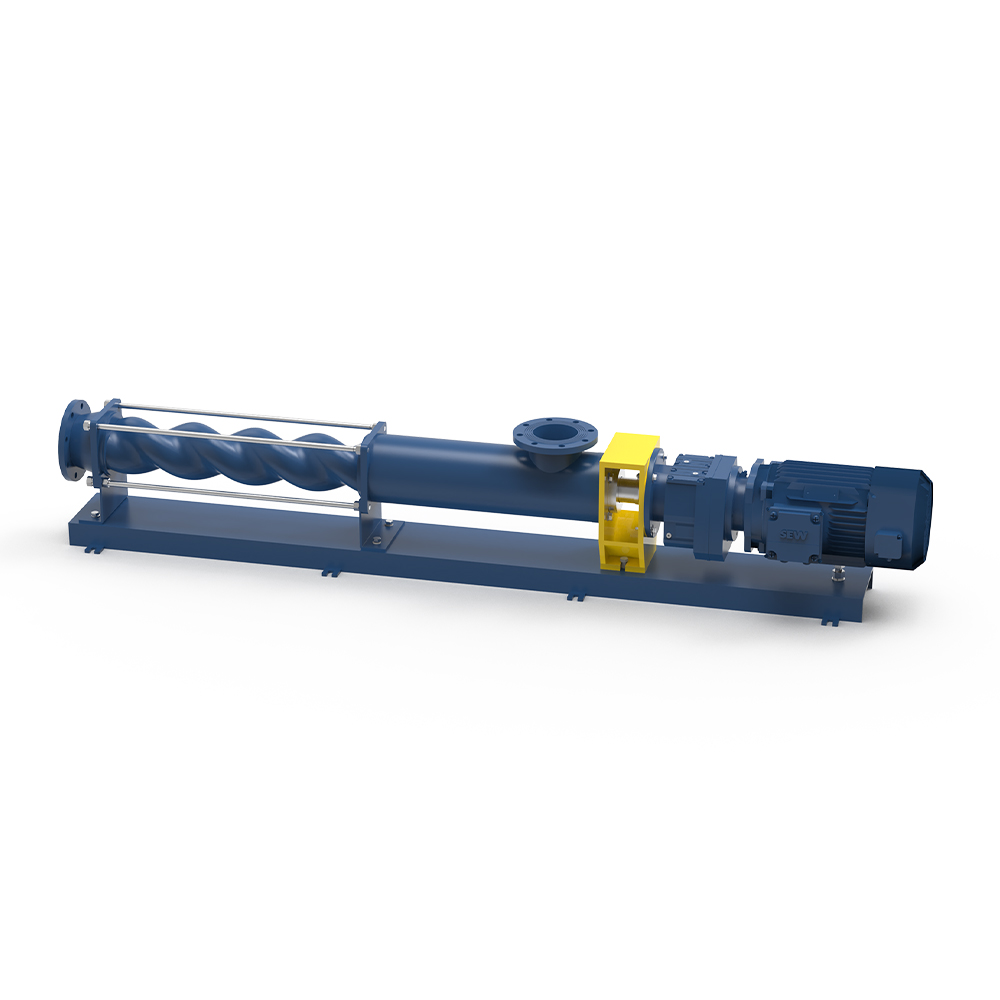
Screw pumps equipped with equal wall thickness stator, the same kind of pump specifications pump flow, and pressure are increased. The equal wall thic...
See Details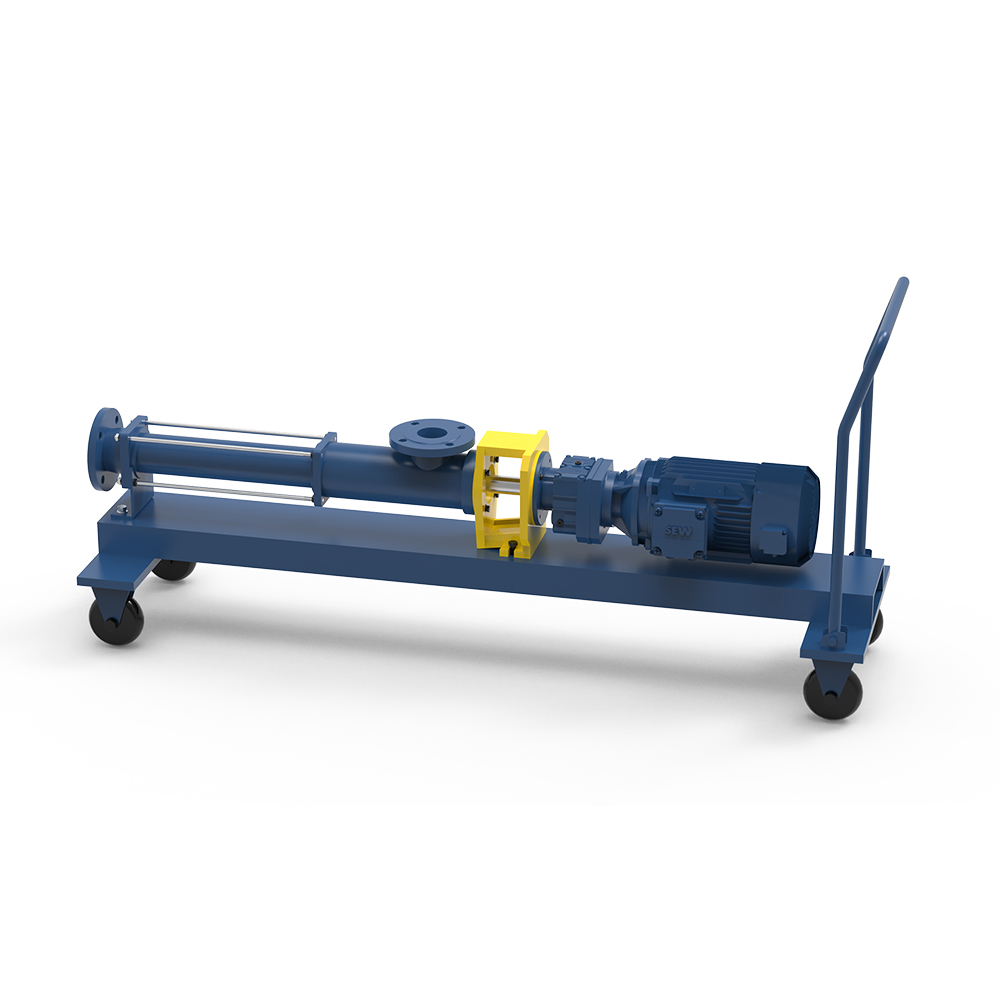
Mika vehicle-mounted pump, the pump base is not only stable and reliable, but also cleverly equipped with universal wheels, these wheels rotate flexib...
See Details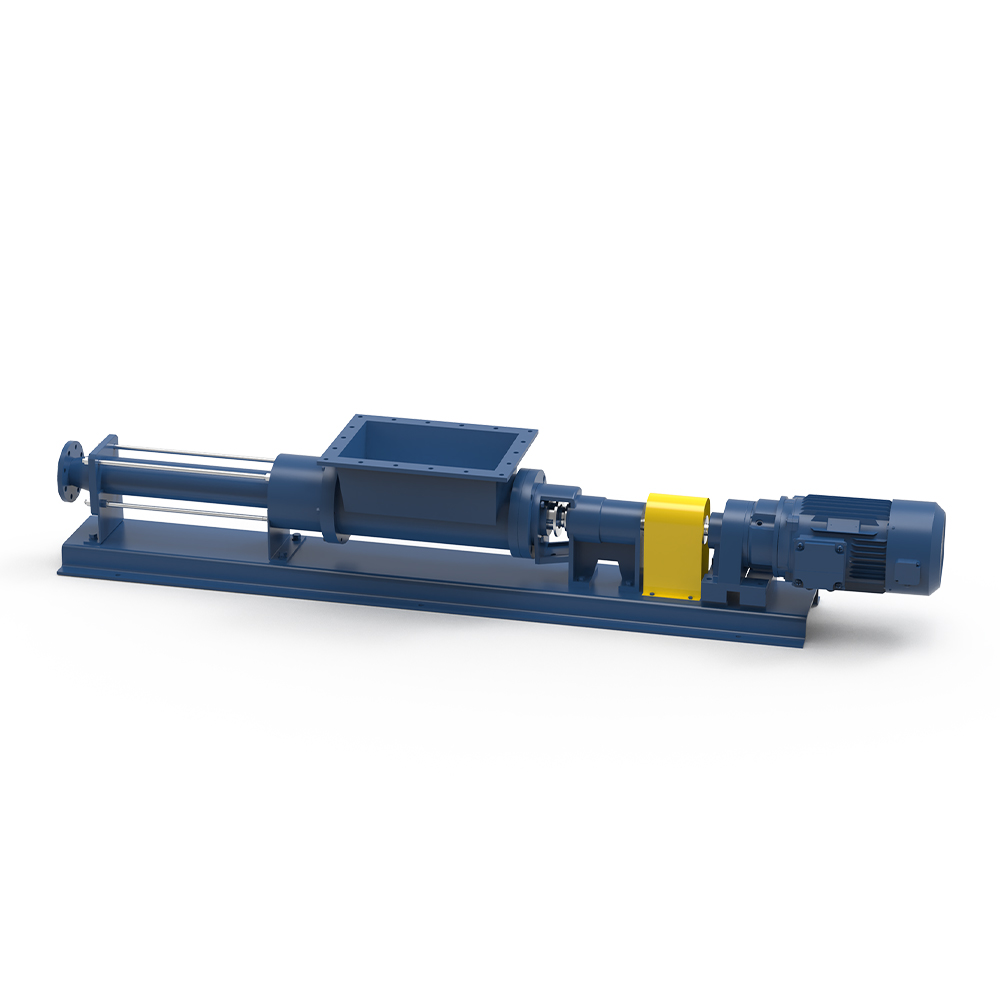
The inlet is a large hopper design W-type pump with a connecting shaft with multiple spiral vanes (which can effectively prevent the accumulation of m...
See Details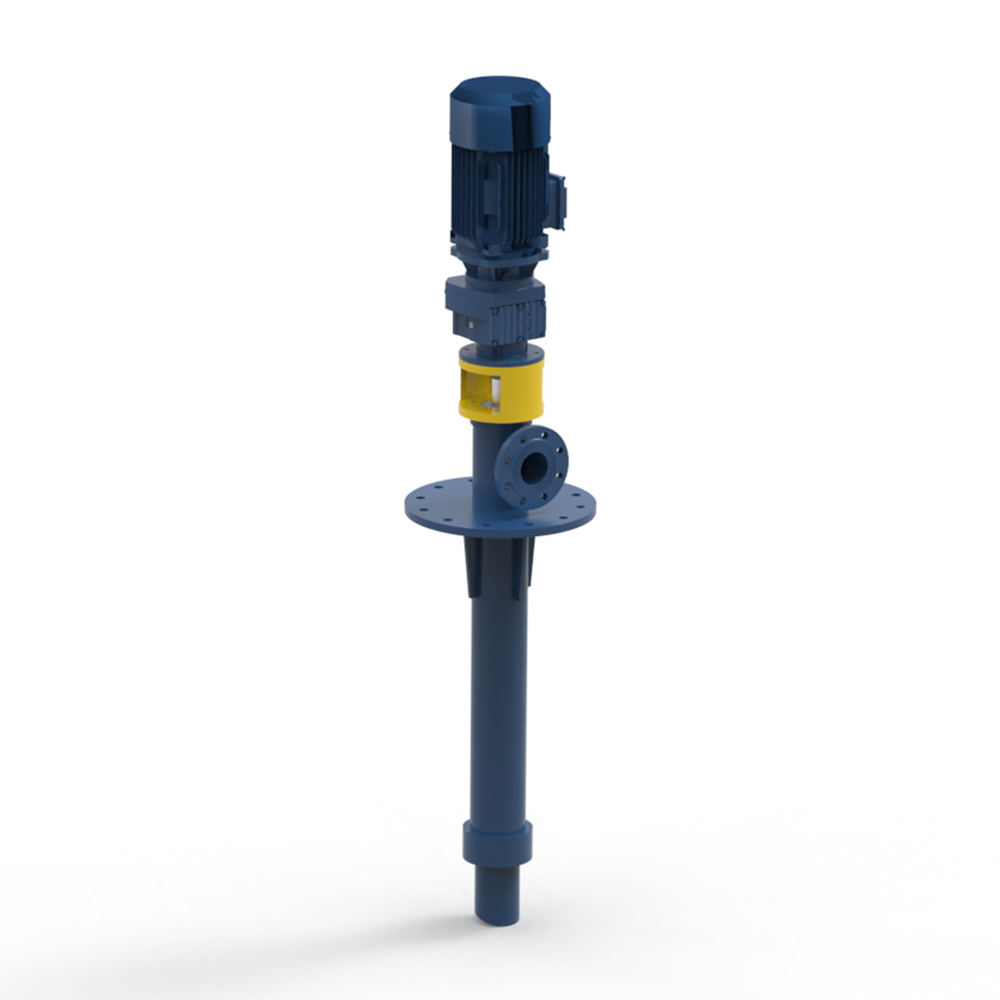
Mika vertical T-type screw pumps can be achieved through the length of the pump body to a variety of different depths of the pool, the pump's hopper i...
See Details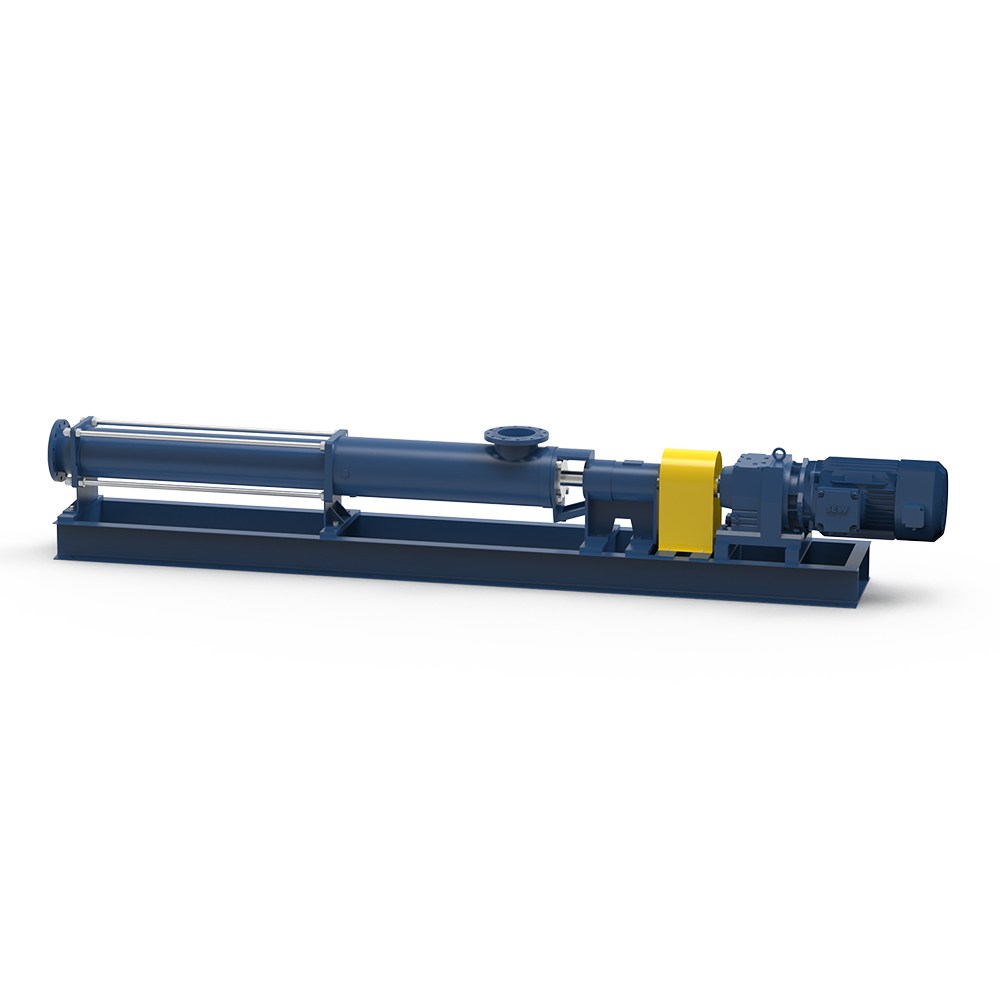
The S-pump with bearing frame support can withstand higher axial loads and can be used for high-pressure conditions, e.g. high-pressure sludge feed tr...
See Details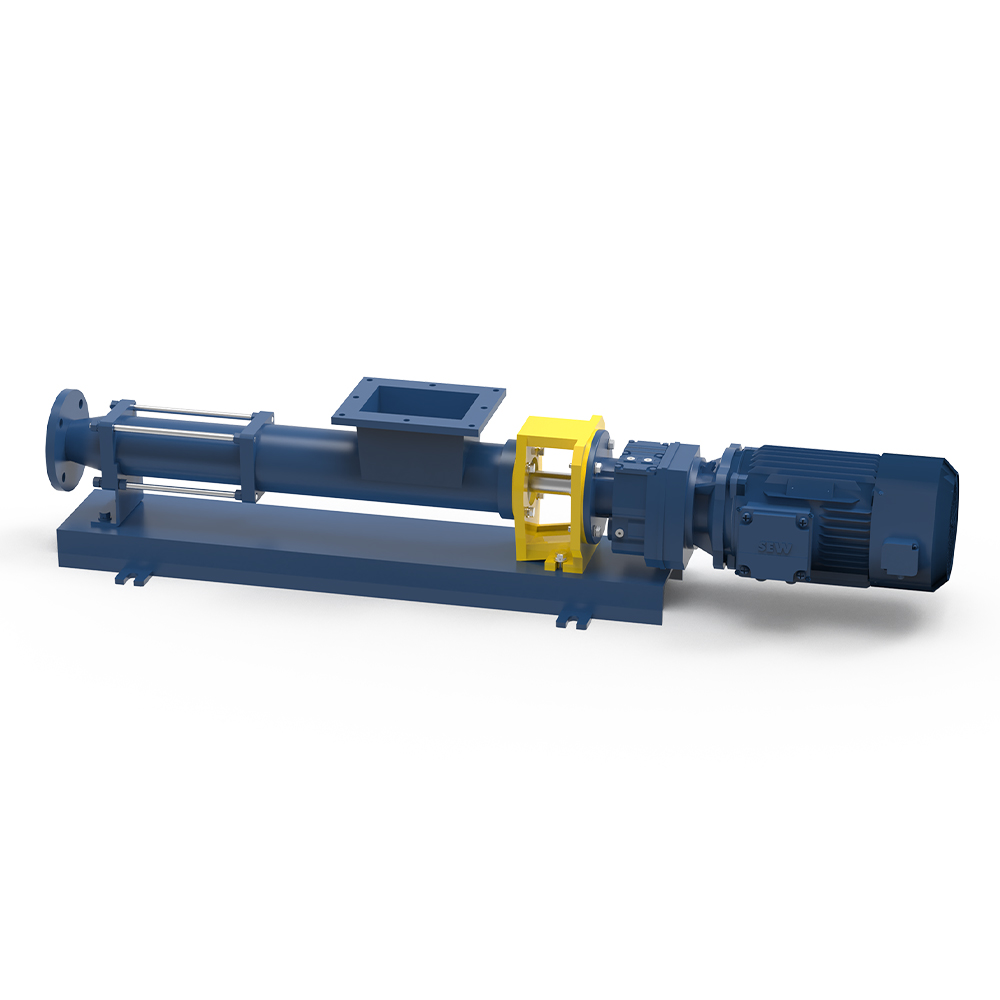
The inlet is a small rectangular hopper design H pump, suitable for conveying high viscosity solid content of less than 15% of the medium, such as cru...
See Details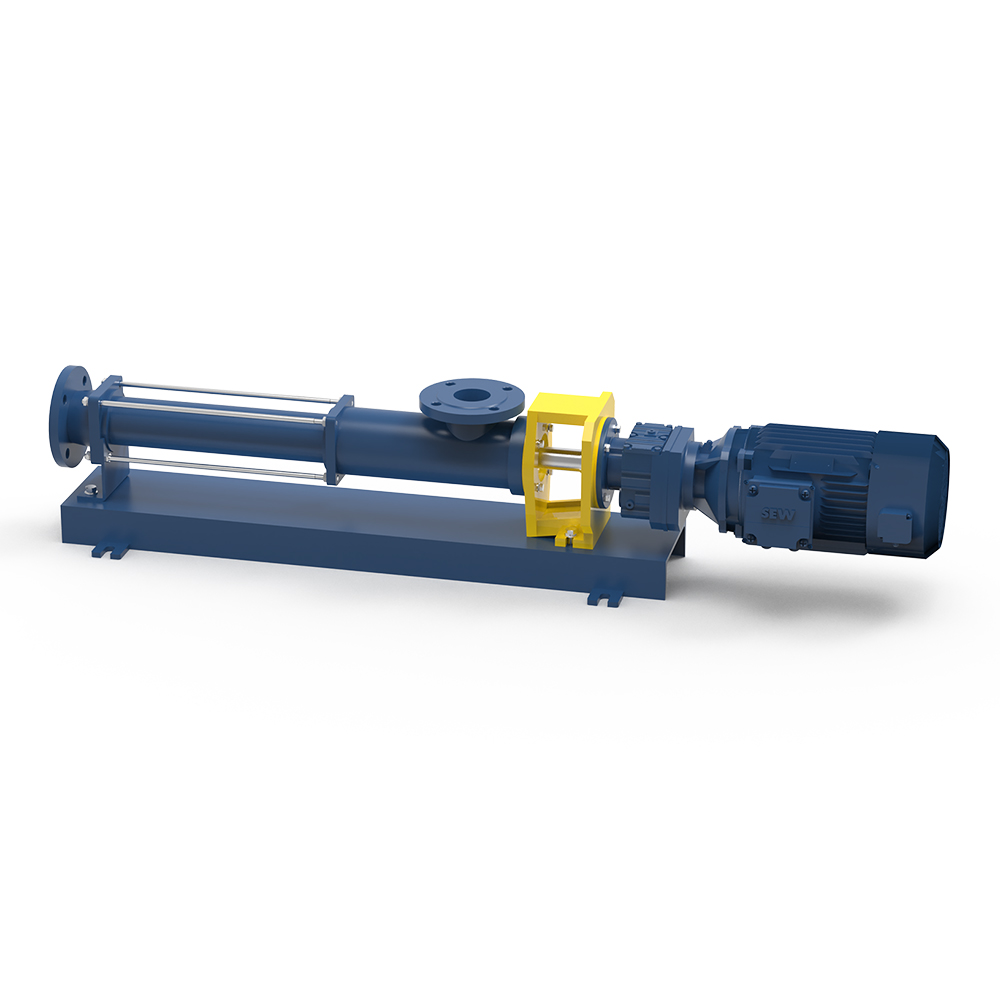
Mika Classic B direct-connected pumps are compact, easy to maintain, with low investment costs, and are suitable for a wide range of common working co...
See Details
Various materials are available for different working conditions, such as NBR, HNBR, EPDM, and FKM.
See Details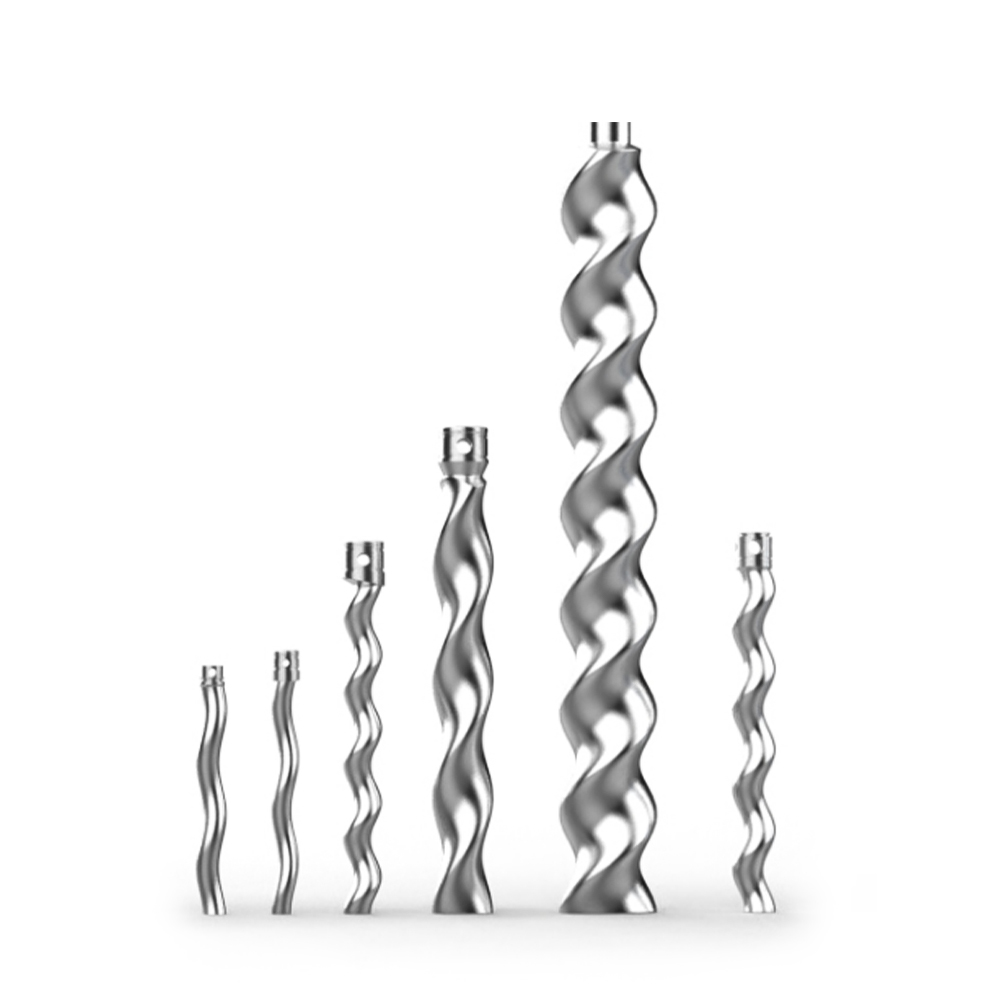
Multiple materials available, 304, 316L, 2205, rotor surface coating can be chrome plated or tungsten carbide sprayed.
See Details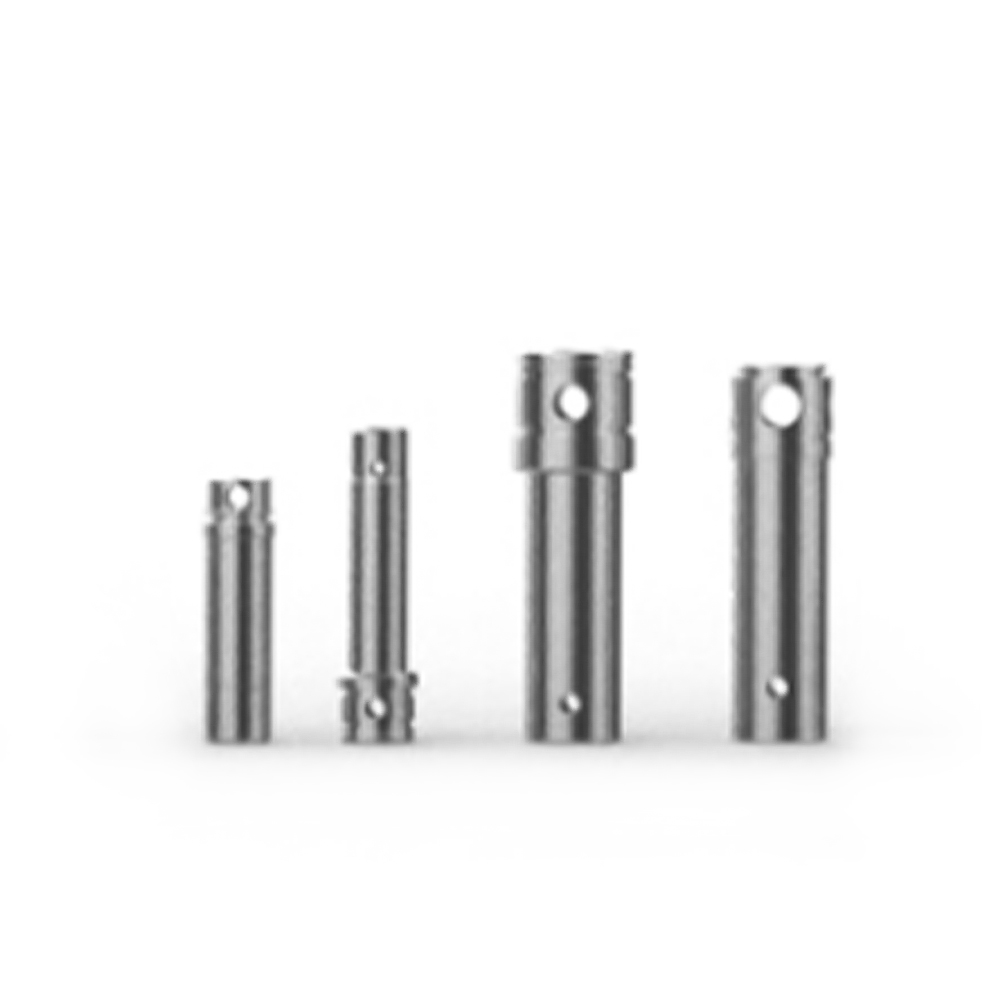
Multiple materials available: Q235,304,316L,2205,2507, etc.
See DetailsContact Us
Add: No. 36 Xintai Road, Economic Development Zone, Jingjiang City, Jiangsu Province, China
Tel: +86-13515167342
Fax: +86-523-84261117
E-mail: [email protected]
We'd love to
hear from you!
