
 English
 русский
 Español
W-type single screw pumps
Cat:Single Screw Pumps
The inlet is a large hopper design W-type pump with a connecting shaft with multiple spiral vanes (which can effectively prevent the accumulation of m...
See DetailsContent
A single screw pump (also known as a progressive cavity pump) performs three primary functions: metered flow of viscous fluids, low-pulsation transfer of shear-sensitive materials, and self-priming lifting of multi-phase mixtures. Unlike centrifugal pumps, a single screw pump delivers a constant, linear flow rate directly proportional to its rotational speed—typically achieving volumetric efficiencies above 95% across a wide pressure range.
This unique performance makes it indispensable in industries ranging from oil & gas to food processing and wastewater treatment. Below, we explore each function with measurable data and practical examples.
Single screw pumps function as positive displacement metering devices. Each rotation displaces a fixed volume (from 0.005 to over 2,500 liters) regardless of discharge pressure. Flow rate accuracy typically stays within ±0.5% to ±1% when properly sized.
In enhanced oil recovery (EOR), operators inject polymer solutions with viscosities up to 10,000 cP. A single screw pump doses at precisely 2.5 L/min against pressures of 40 bar (580 psi). Centrifugal pumps would lose efficiency above 1,000 cP and cannot maintain linear dosing. The result: consistent polymer injection reduces chemical waste by up to 15% annually per well pad.
The gentle pumping action of a single screw pump is one of its most valued functions. Unlike piston or lobe pumps, the fluid moves axially without turbulence or rapid pressure spikes. Shear rates are typically below 200 s⁻¹—comparable to low-shear mixing. This preserves product integrity for delicate materials.
In a controlled test pumping yogurt cultures (a shear-sensitive biological fluid), a single screw pump maintained viable cell counts above 95% after 10 hours of recirculation. A lobe pump under identical conditions reduced viability to 72%. For food processors, this means longer shelf life and better product consistency.
| Pump Type | Maximum Shear Rate (s⁻¹) | Pulsation Amplitude (% of flow) | Product Degradation after 5 cycles |
|---|---|---|---|
| Single Screw Pump | 180 | ±2% | 3% loss |
| Twin-Lobe Pump | 450 | ±8% | 12% loss |
| Centrifugal Pump | 2,000+ | N/A (non-positive displacement) | 45% loss (emulsion broken) |
Single screw pumps can lift fluids from suction lifts as high as 8.5 meters (28 feet) of water column under dry conditions, and 9.5 meters (31 feet) when primed. More importantly, they handle gas, liquid, and solid mixtures simultaneously—a function called multi-phase pumping. Gas volume fractions (GVF) up to 80% are possible without vapor lock.
In a municipal treatment plant, scum contains 40% air, 55% water, and 5% grease/solids. A single screw pump transfers this mixture from a DAF (dissolved air flotation) tank to a digester at 12 m³/h. Centrifugal pumps lost prime within 10 minutes, while diaphragm pumps clogged every 2 hours. The single screw pump ran for 2,000 hours without failure, reducing maintenance costs by €8,000/year.
Yes, but only for short durations (30-60 seconds). The stator (typically elastomer) requires fluid lubrication and cooling. Extended dry running damages the stator and rotor. For applications with intermittent dry periods, specify stators made of high-temperature elastomers (e.g., FKM or HNBR) or add a dry-run protection sensor.
Single screw pumps offer volumetric efficiency between 85% and 98% under normal operating conditions. Overall mechanical efficiency (including motor and gearbox) ranges from 55% to 75%, which is 10-20% higher than centrifugal pumps when handling viscosities above 1,000 cP.
Unlike centrifugal pumps, flow rate of a single screw pump remains nearly constant with viscosity changes. Doubling viscosity from 1,000 cP to 2,000 cP reduces flow by less than 2% at constant speed. This makes them ideal for dosing additives where feed viscosity varies with temperature.
A single-stage single screw pump typically delivers 6 to 12 bar (87 to 174 psi) differential pressure. Each additional stage adds similar pressure. For high-pressure applications like reverse osmosis feed (up to 40 bar), use a 4-stage or 6-stage configuration. Each stage contains one set of rotor-stator cavities.
To select the correct single screw pump for your function, evaluate three parameters against the table below:
| Primary Function | Key Design Feature | Typical Material Pairing | Performance Target |
|---|---|---|---|
| Metering/dosing | Close-tolerance rotor/stator (interference fit 0.1-0.3 mm) | Hard chrome rotor + NBR stator | Flow accuracy ±0.5% |
| Shear-sensitive transfer | Large cavity (L/D ratio < 3:1) & low speed (50-200 rpm) | 316L rotor + food-grade EPDM stator | Shear rate < 200 s⁻¹ |
| Multi-phase (gas + solids) | Open throat hopper or auger feeder + hard-faced rotor | Stellite rotor + HNBR stator (abrasion-resistant) | Handle 80% GVF + 15 mm solids |
For most industrial applications, the single screw pump’s combination of metering precision, low shear, and multi-phase capability makes it the most versatile positive displacement pump. When your fluid is too thick for centrifugal pumps or too delicate for piston pumps, a single screw pump is the functional answer.
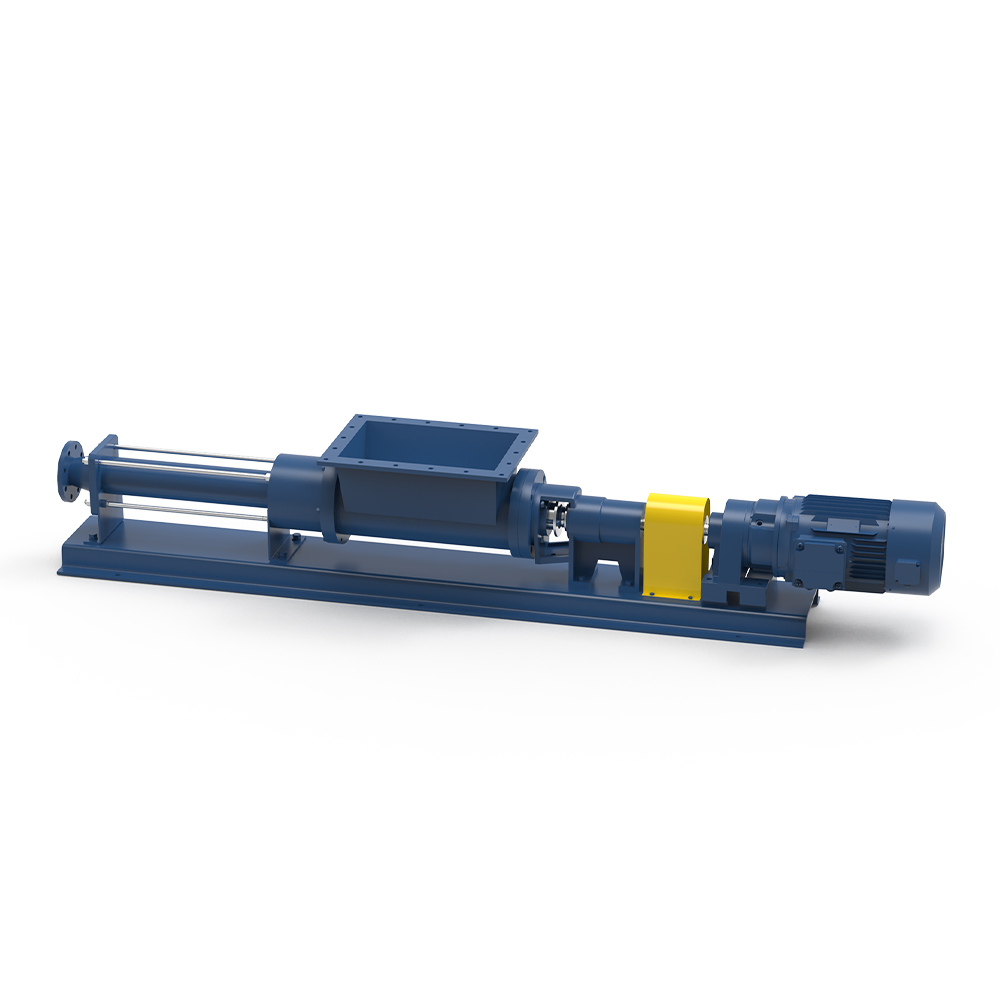
The inlet is a large hopper design W-type pump with a connecting shaft with multiple spiral vanes (which can effectively prevent the accumulation of m...
See Details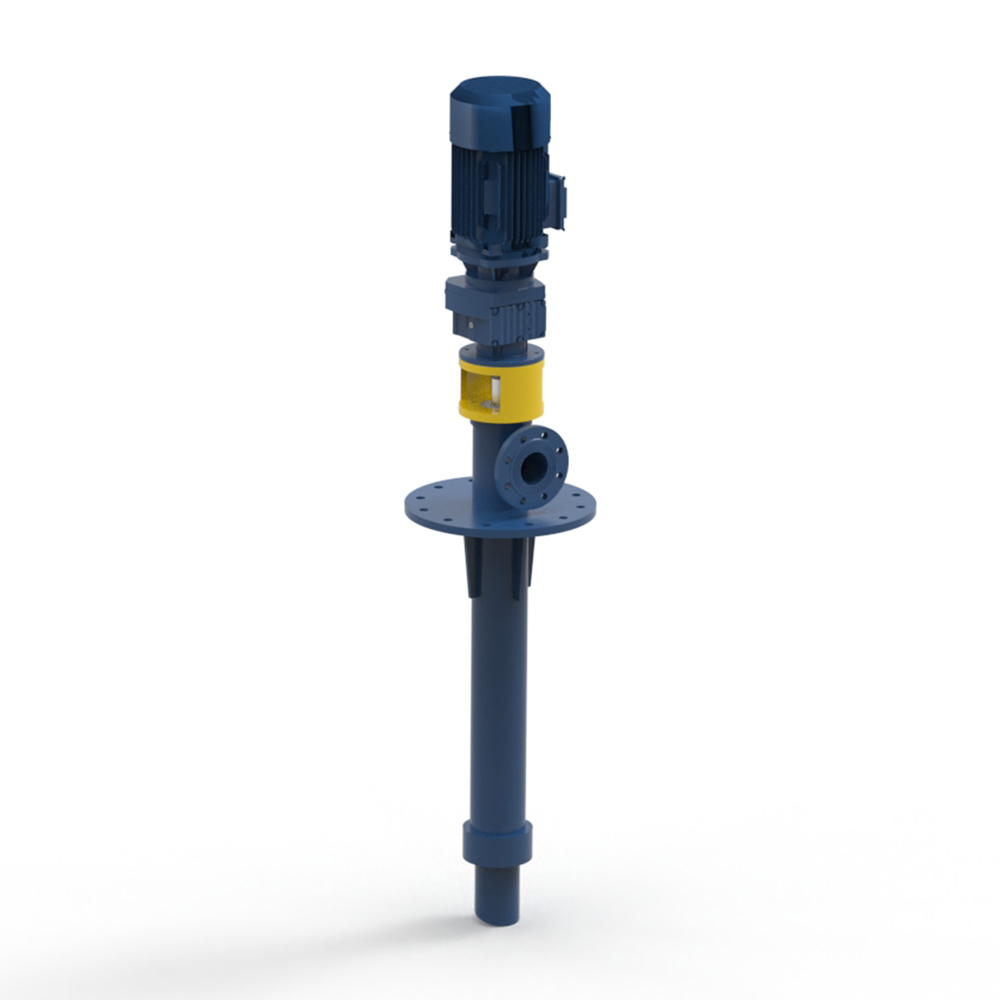
Mika vertical T-type screw pumps can be achieved through the length of the pump body to a variety of different depths of the pool, the pump's hopper i...
See Details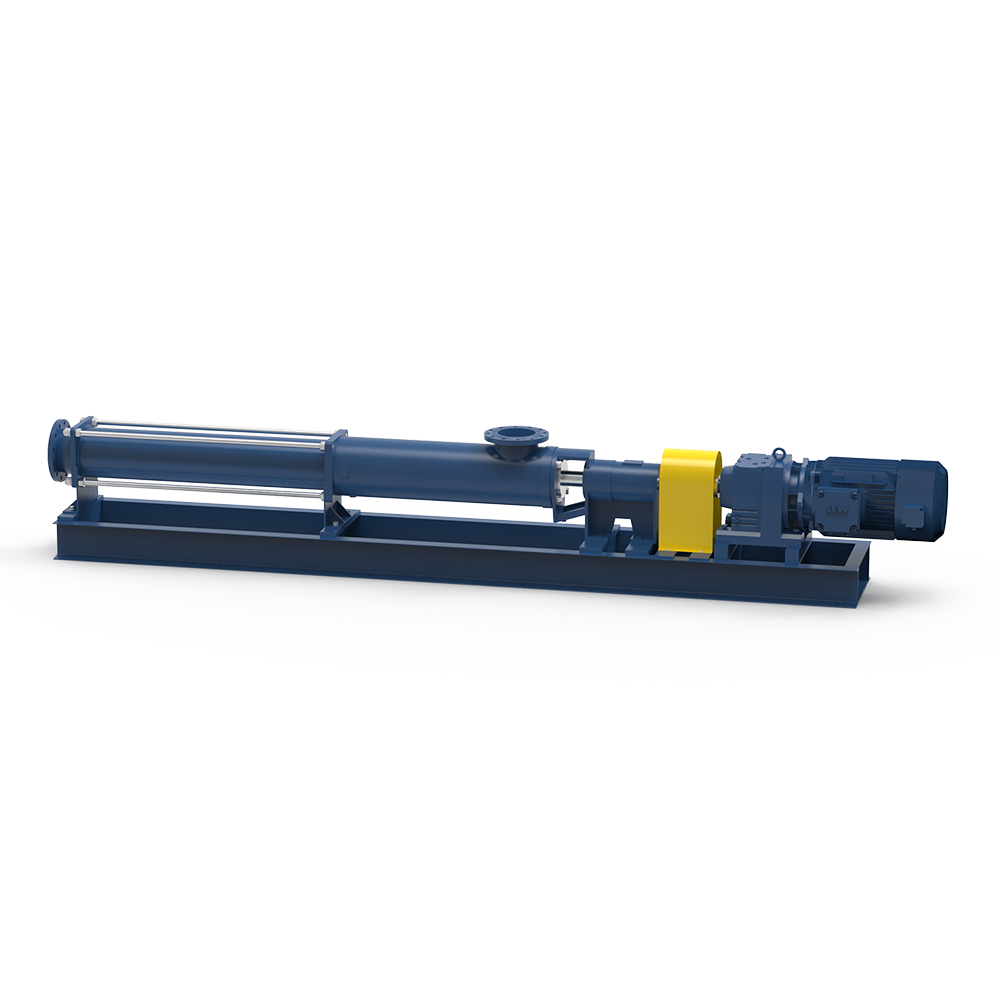
The S-pump with bearing frame support can withstand higher axial loads and can be used for high-pressure conditions, e.g. high-pressure sludge feed tr...
See Details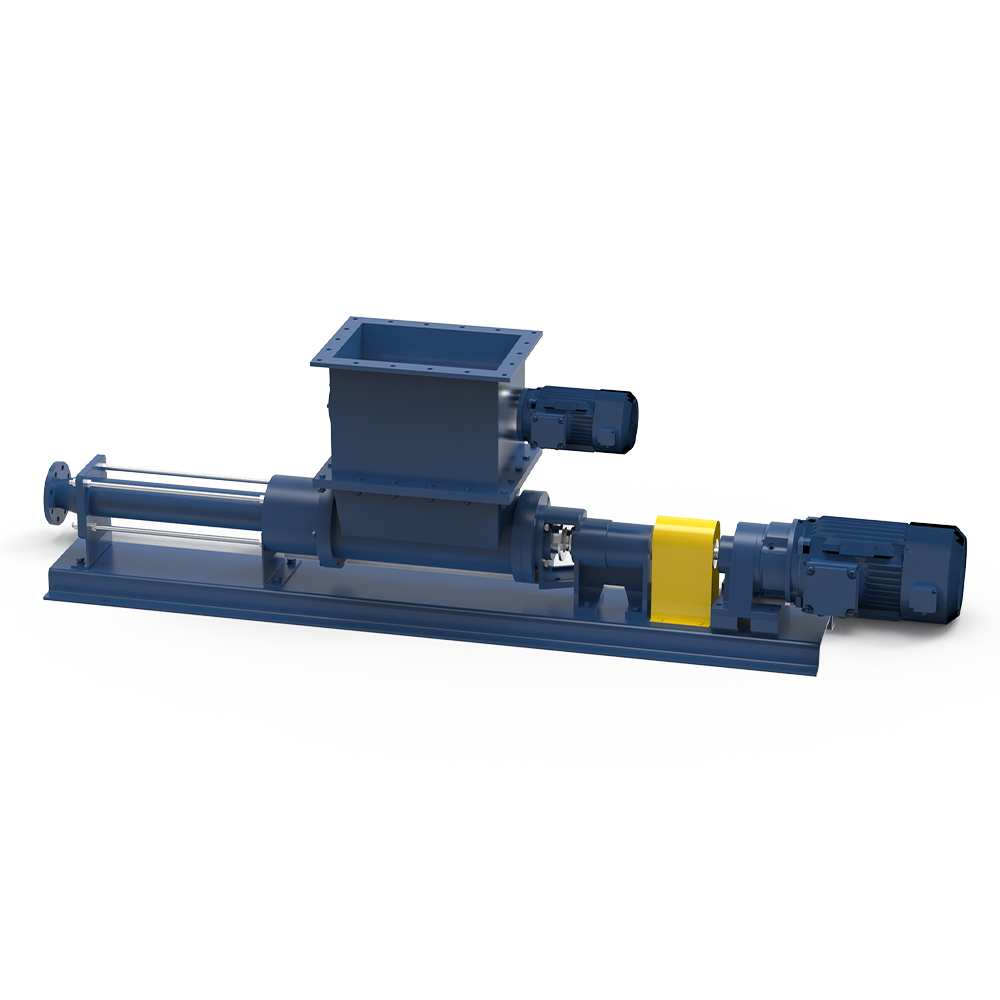
The inlet is designed for a large hopper with a bridge-breaking device P-pumps are suitable for conveying materials with high viscosity, high solids c...
See Details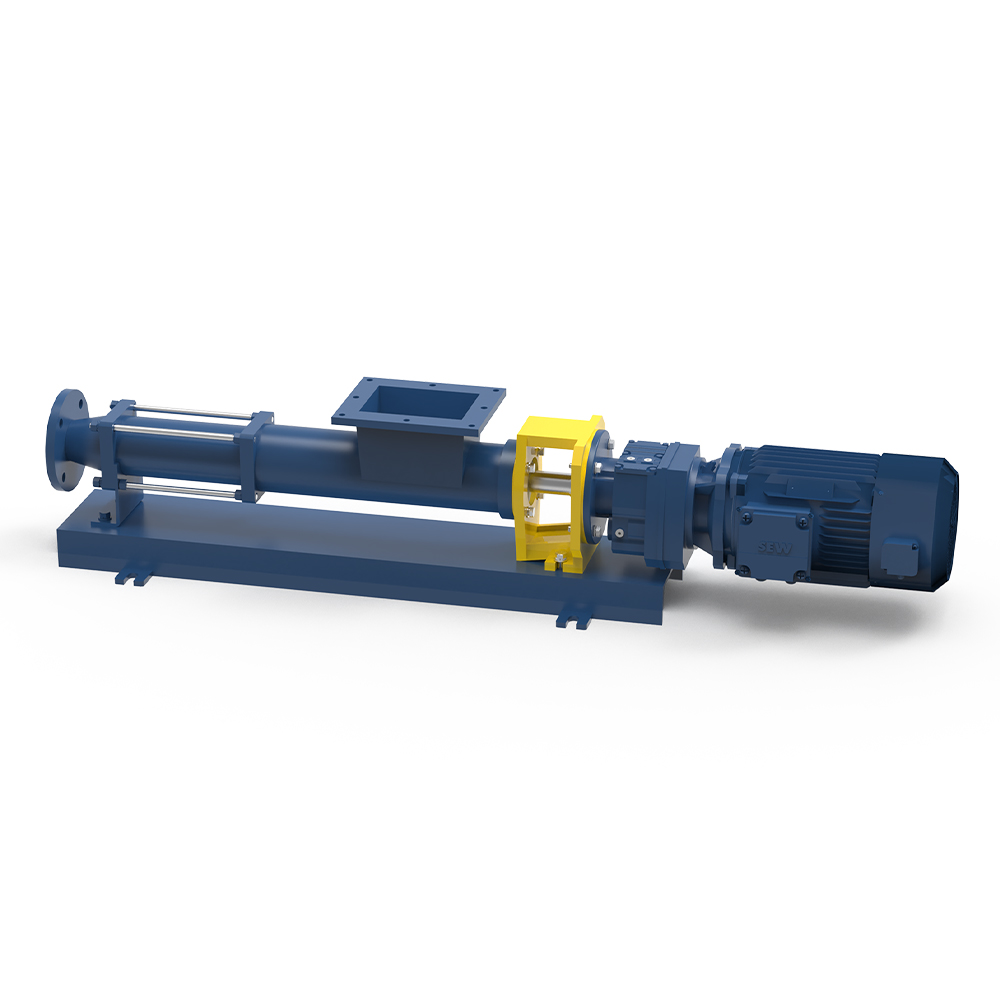
The inlet is a small rectangular hopper design H pump, suitable for conveying high viscosity solid content of less than 15% of the medium, such as cru...
See Details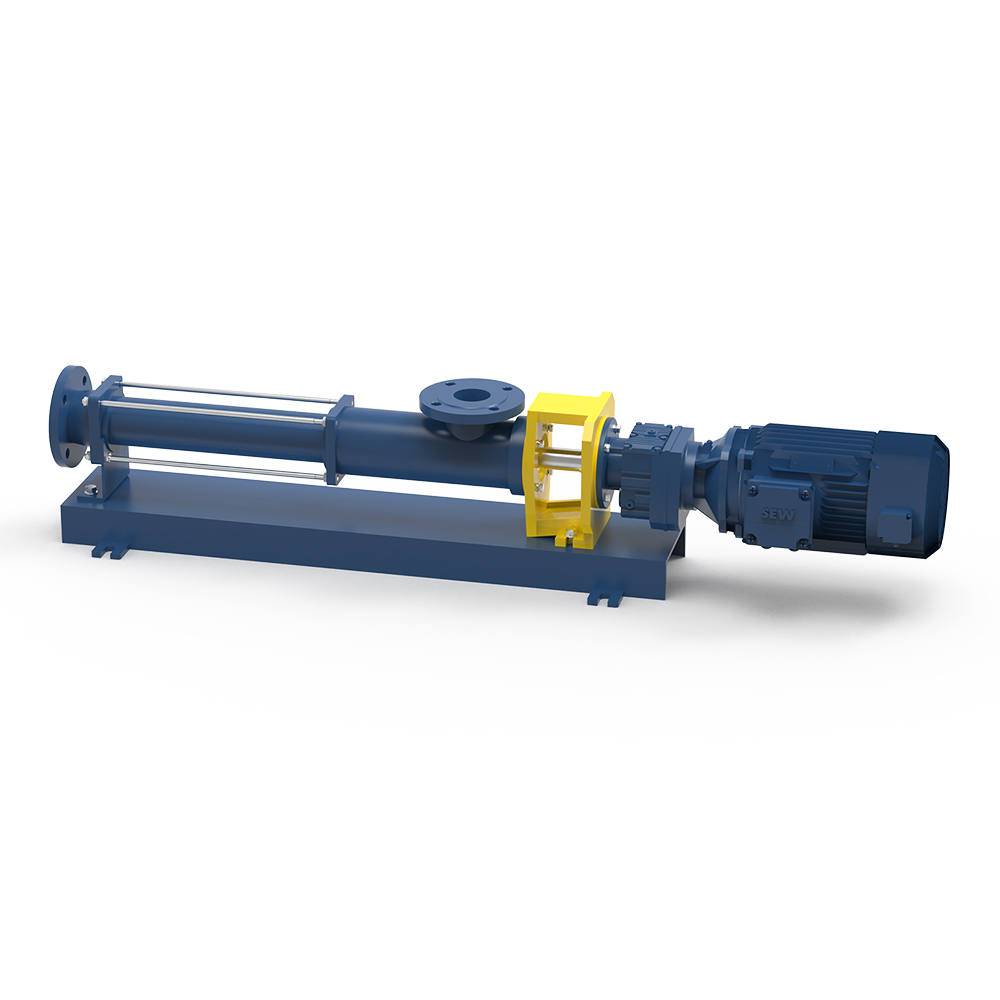
Mika Classic B direct-connected pumps are compact, easy to maintain, with low investment costs, and are suitable for a wide range of common working co...
See Details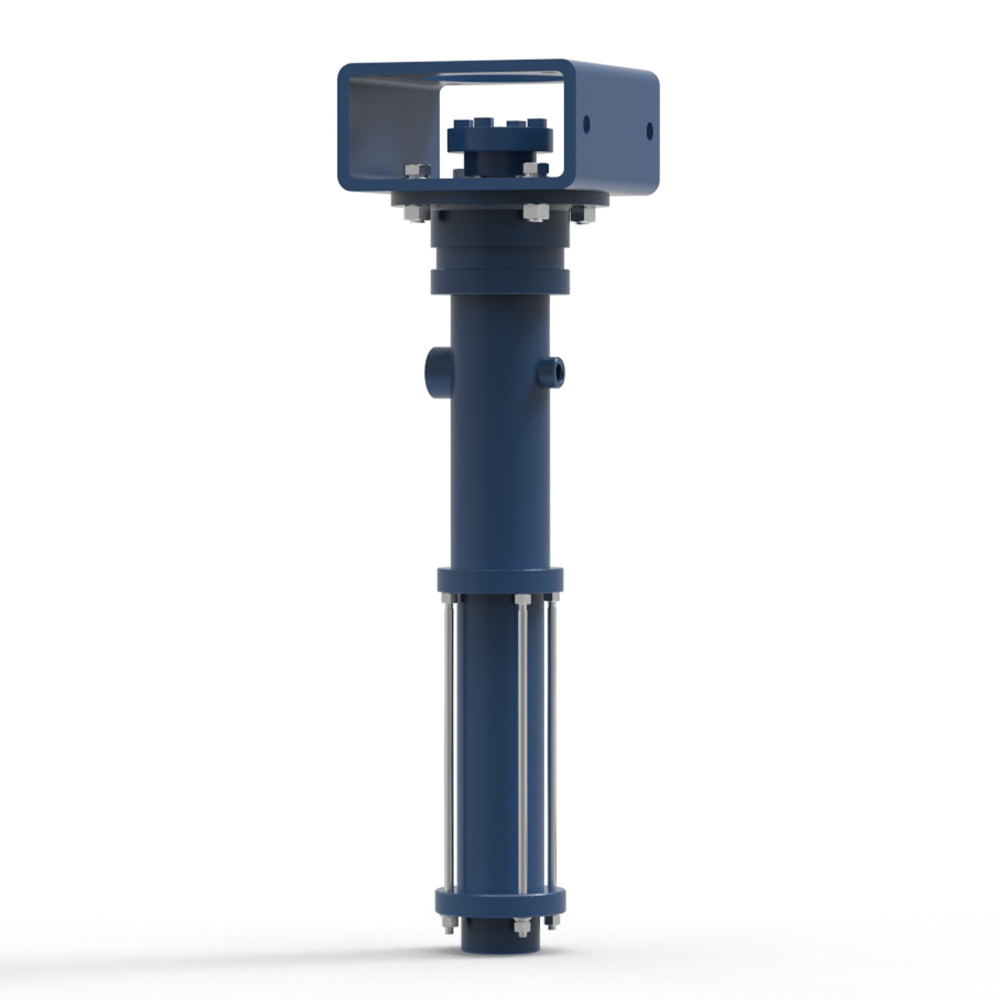
Precise flow rates and a wide range of materials for the metering and delivery of all kinds of sealants. Working Principle The MeiJia pump is a prog...
See Details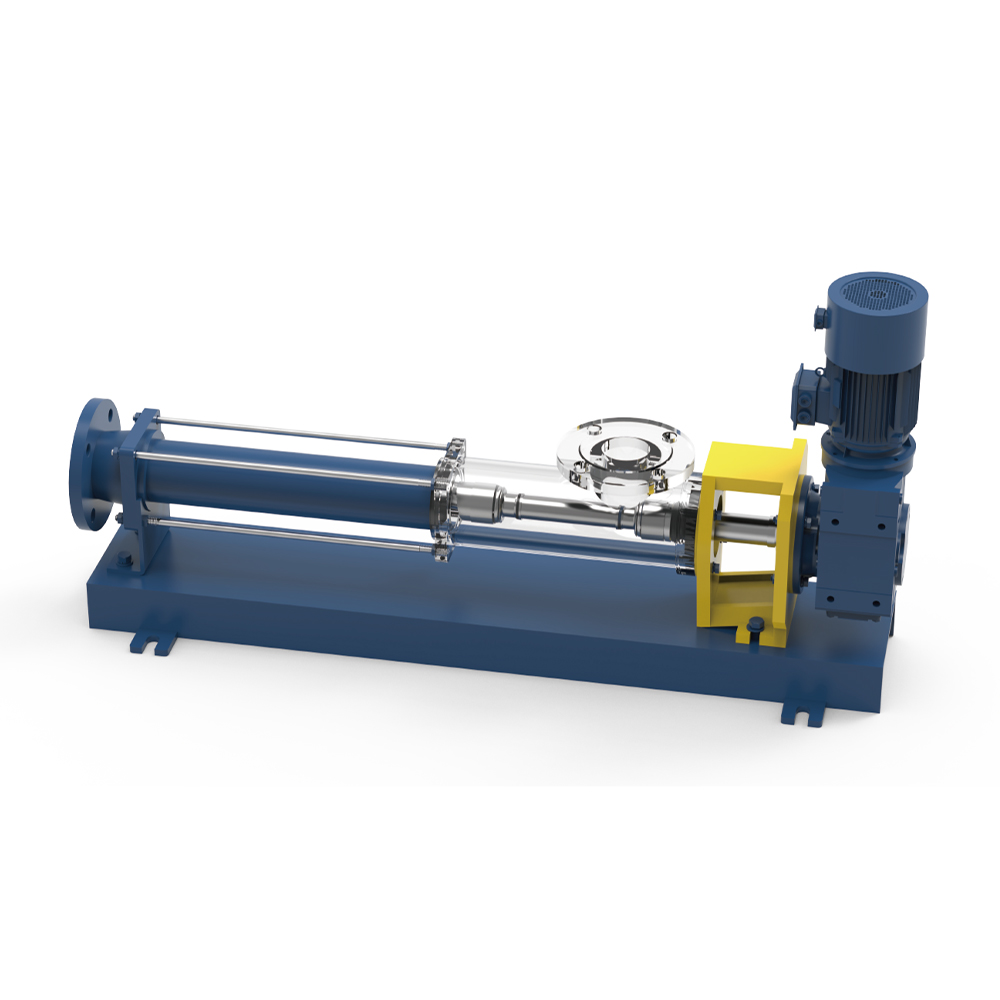
The speed reducer adopts the K series speed reducer, and the length of the pump can be shortened, so it can be used in places where the space is narro...
See Details
Various materials are available for different working conditions, such as NBR, HNBR, EPDM, and FKM.
See Details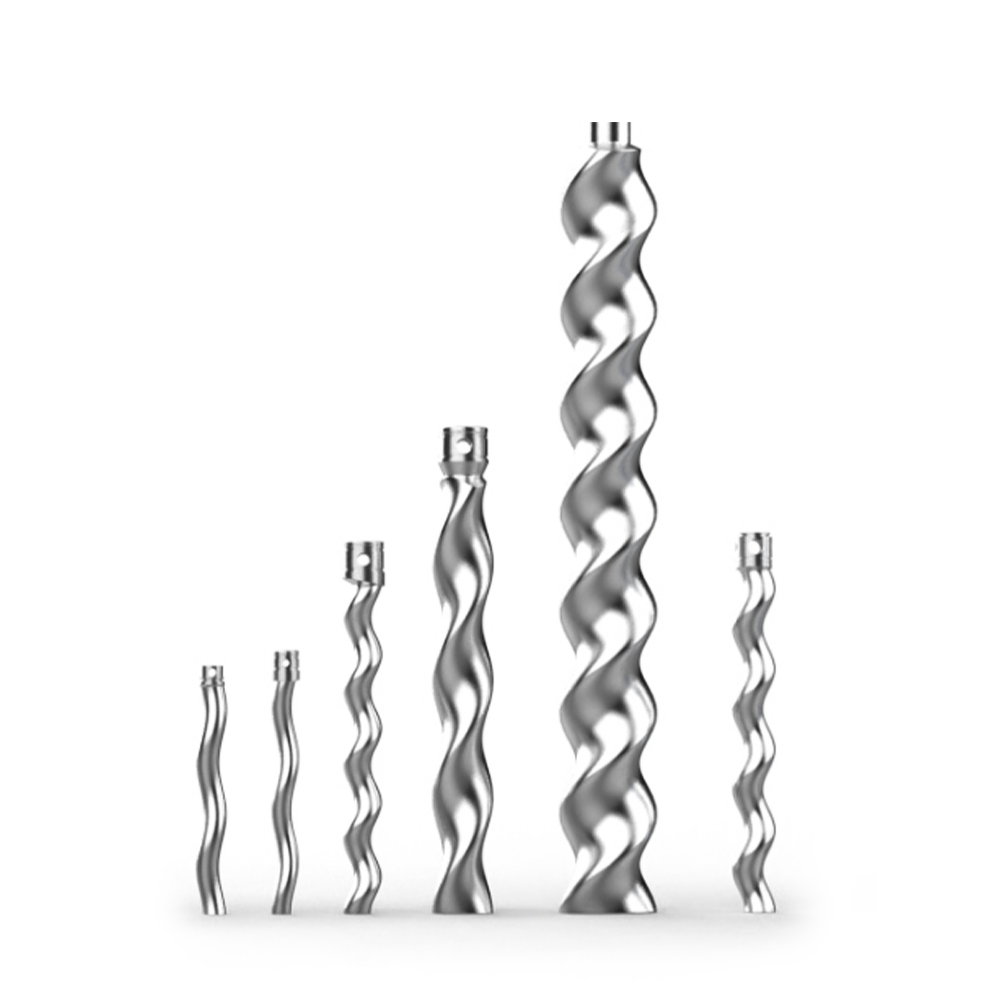
Multiple materials available, 304, 316L, 2205, rotor surface coating can be chrome plated or tungsten carbide sprayed.
See DetailsContact Us
Add: No. 36 Xintai Road, Economic Development Zone, Jingjiang City, Jiangsu Province, China
Tel: +86-13515167342
Fax: +86-523-84261117
E-mail: [email protected]
We'd love to
hear from you!
