
 English
 русский
 Español
Equal Wall Thickness Screw Pumps
Cat:Single Screw Pumps
Screw pumps equipped with equal wall thickness stator, the same kind of pump specifications pump flow, and pressure are increased. The equal wall thic...
See DetailsContent
Spare parts for progressive cavity pumps serve the essential function of restoring pump performance, preventing catastrophic failures, and extending equipment lifespan by up to 40%. These components maintain the precise interference fit between the rotor and stator, ensure seal integrity under pressures reaching 24 bar (350 psi), and preserve the volumetric efficiency that defines this pump technology. Without timely replacement of worn parts, progressive cavity pumps experience rapid degradation in flow consistency and increased energy consumption of 15-25%.
The rotor functions as the primary pumping element, converting rotational energy into fluid displacement through its helical geometry. Typically manufactured from 316 stainless steel or hardened tool steel with chrome plating, the rotor maintains a critical eccentric rotation within the stator. Its surface finish, measured at 0.4-0.8 micrometers Ra, directly impacts friction coefficients and wear rates. When rotor diameter decreases by more than 0.5mm due to abrasion, replacement becomes mandatory to prevent stator damage and efficiency loss.
The stator functions as both the pump chamber and the elastic sealing element, typically constructed from nitrile rubber (NBR), fluorocarbon (FKM), or ethylene propylene (EPDM) depending on chemical compatibility. Its double-internal helix design creates sealed cavities that transport fluid from suction to discharge. The stator's interference fit—typically 0.3-0.6mm depending on pump size—generates the sealing pressure necessary for volumetric efficiencies of 75-85%. Stator life expectancy ranges from 2,000 to 8,000 operating hours, heavily influenced by fluid abrasiveness and temperature exposure.
The universal joint assembly functions to transmit torque from the drive shaft to the eccentrically rotating rotor while accommodating angular misalignment. This component operates under constant cyclic loading, with pin and bushing wear representing 30% of all progressive cavity pump failures. Sealed universal joint designs incorporating lubricant-filled protective sleeves extend service intervals from 3 months to over 12 months in abrasive applications such as wastewater sludge handling.
Shaft sealing systems function to prevent process fluid leakage while accommodating the rotor's eccentric movement. Single mechanical seals handle pressures up to 10 bar, while double-acting cartridge seals manage 24 bar in high-pressure applications. PTFE-based packing sets with lantern rings allow for 1-2 drops per minute controlled leakage, providing cooling and lubrication in high-temperature services up to 260°C (500°F).
| Spare Part Condition | Volumetric Efficiency Loss | Energy Consumption Increase | Flow Rate Reduction |
|---|---|---|---|
| New components | 0% (baseline) | Baseline | 100% rated capacity |
| Stator 50% worn | 12-18% | +15% | 85-88% |
| Rotor surface degraded | 8-12% | +10% | 90-92% |
| Seal leakage present | 5-25% | +5-20% | 75-95% |
The data demonstrates that stator wear produces the most significant performance degradation, with volumetric efficiency dropping by up to 18% when the elastomer loses its elastic recovery properties. This degradation accelerates exponentially; a stator operating at 50% wear will reach failure within 200-400 additional hours compared to the initial 4,000-6,000 hours of service life.
In artificial lift applications, spare parts must function under high gas-to-liquid ratios (GLR) exceeding 90% and temperatures up to 180°C. Specialized stator elastomers with high acrylonitrile content (36-41%) resist hydrocarbon swelling while maintaining tear strength above 25 kN/m. Rotor coatings of tungsten carbide or ceramic extend run life in sandy production environments from 3 months to 18 months.
Progressive cavity pumps in municipal wastewater facilities handle solids concentrations up to 8% by volume and fibrous materials. The universal joint functions under particularly severe conditions, requiring hourly torque fluctuations of ±40%. Pin and bushing materials upgraded to hardened 17-4PH stainless steel with nitride surface treatments demonstrate 5x improvement in wear resistance compared to standard carbon steel components.
Spare parts in sanitary applications must function while meeting FDA 21 CFR 177.2600 and EU 1935/2004 compliance standards. Stators molded from platinum-cured silicone or EPDM achieve surface roughness below 0.8 micrometers Ra, preventing bacterial adhesion. Rotor designs with reduced eccentricity (3-5mm versus standard 7-10mm) minimize shear rates to preserve product integrity in shear-sensitive applications such as yogurt and cosmetic cream transfer.
The economic function of spare parts inventory extends beyond simple replacement to production continuity assurance. Analysis of maintenance data reveals that unplanned progressive cavity pump failures cost 3.5 to 7 times more than scheduled replacements due to production losses and emergency procurement premiums.
Effective spare parts management relies on specific functional indicators:
Facilities operating more than 6 progressive cavity pumps achieve optimal total cost of ownership by maintaining a rotating spare stator and rotor set per pump size, plus 10% of annual consumption for wear parts such as seals and universal joint kits. This inventory strategy reduces mean time to repair (MTTR) from 72 hours to 4 hours while minimizing capital tied up in spare parts by 35-40% compared to complete pump spare assemblies.
The functional performance of spare parts depends critically on material selection matched to operating conditions. Incorrect elastomer specification can reduce stator life by 80% or cause catastrophic chemical attack within 48 hours.
| Elastomer Type | Temperature Range | Primary Function | Typical Applications |
|---|---|---|---|
| NBR (Nitrile) | -20°C to 100°C | Oil resistance, abrasion resistance | Hydrocarbon transfer, lubricating oils |
| EPDM | -40°C to 150°C | Chemical resistance, steam service | Boiler feed, acids, hot water |
| FKM (Viton) | -20°C to 200°C | High-temperature chemical resistance | Aggressive chemicals, aromatic solvents |
| HNBR | -25°C to 150°C | Enhanced oil and abrasion resistance | Sour crude oil, drilling muds |
| PTFE-lined | -40°C to 260°C | Universal chemical inertness | Hydrofluoric acid, chlorine compounds |
Rotor coating materials similarly define functional limits. Standard chrome plating (25-50 micrometers thickness) provides adequate protection for pH 4-9 environments. For highly acidic services (pH < 3), ceramic coatings of chromium oxide or tungsten carbide extend corrosion resistance while maintaining surface hardness above 1,200 HV.
The function of spare parts extends to installation procedures that ensure design performance. Improper stator installation, including uneven bolt torque or misalignment exceeding 0.05mm per 100mm of coupling span, reduces component life by 40-60%.
Stator housing bolts require specific torque sequences to prevent elastomer distortion. For pumps with DN 80-100mm stators, cross-pattern tightening to 45-55 Nm in three stages ensures uniform compression. Rotor insertion requires silicone-based assembly lubricant rather than petroleum grease, which causes elastomer swelling and premature failure.
Functional verification of spare parts before installation includes:
These verification steps ensure that spare parts function as designed, achieving the 6,000-10,000 hour service intervals specified by manufacturers rather than experiencing premature failures from dimensional incompatibility.
Diagnostic functions rely on failure symptom analysis. Gradual flow reduction with increased power draw indicates stator wear. Intermittent flow pulsation suggests universal joint looseness. External leakage without performance loss isolates seal failure. Metallic noise during operation indicates rotor-to-stator contact requiring immediate inspection of both components.
Aftermarket spare parts can maintain full functional equivalence when manufactured to ISO 15136-1 or API 676 standards. Critical verification includes elastomer hardness within ±5 Shore A of OEM specification, rotor dimensional tolerance of h6 or better, and surface finish matching Ra 0.4 micrometers. Third-party components lacking these specifications demonstrate 30-50% reduction in service life in comparative testing.
The compression ratio—defined as (rotor major diameter - stator minor diameter) / stator minor diameter × 100%—determines sealing pressure and starting torque. Standard ratios of 2-4% balance efficiency against wear rates. High-compression stators (5-7%) function in high-viscosity applications (>5,000 cP) but reduce life by 25% in thin liquids. Low-compression designs (1-2%) suit shear-sensitive fluids but sacrifice 10-15% volumetric efficiency.
Standard spare parts tolerate maximum 30 seconds of dry running before thermal damage occurs. Specialized stators with PTFE or bronze-impregnated elastomer compounds extend dry-running capability to 5-10 minutes, functioning as emergency protection during inlet blockages. These components incorporate solid lubricant phases that reduce friction coefficients from 0.8 to 0.15 in unlubricated conditions.
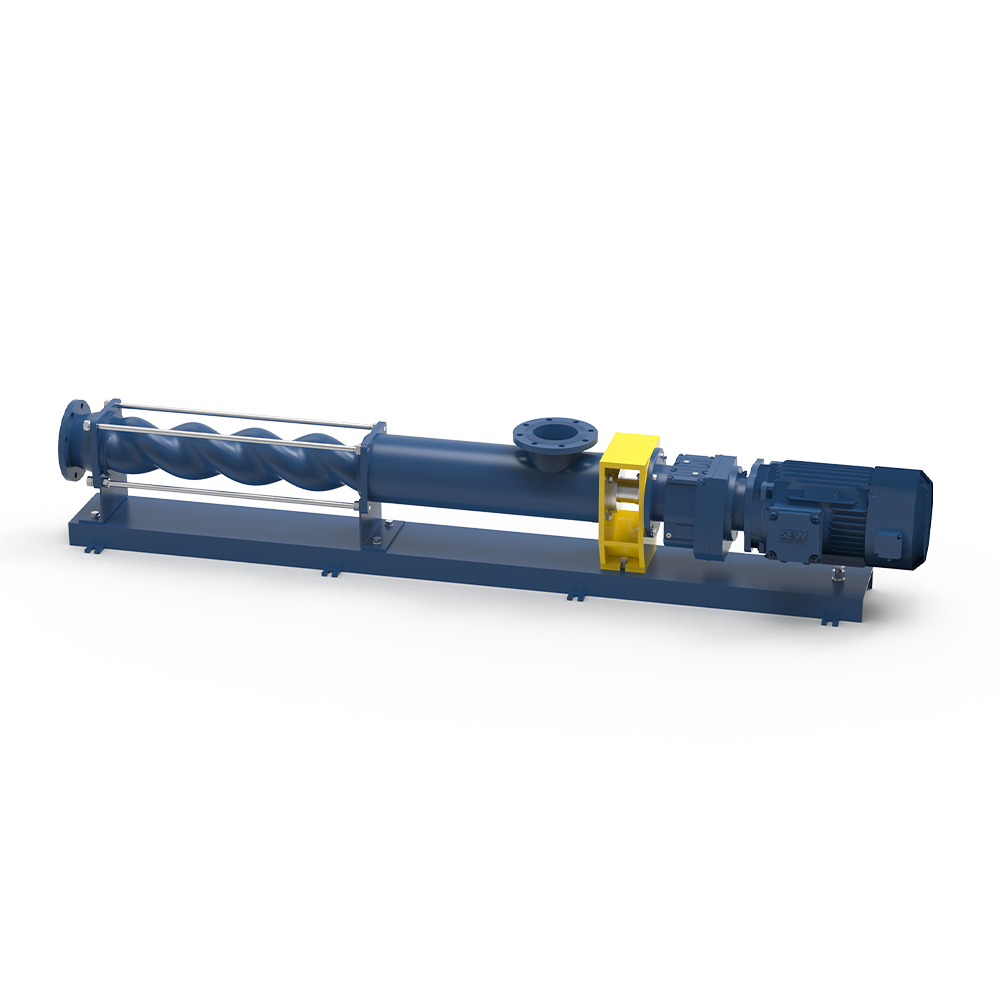
Screw pumps equipped with equal wall thickness stator, the same kind of pump specifications pump flow, and pressure are increased. The equal wall thic...
See Details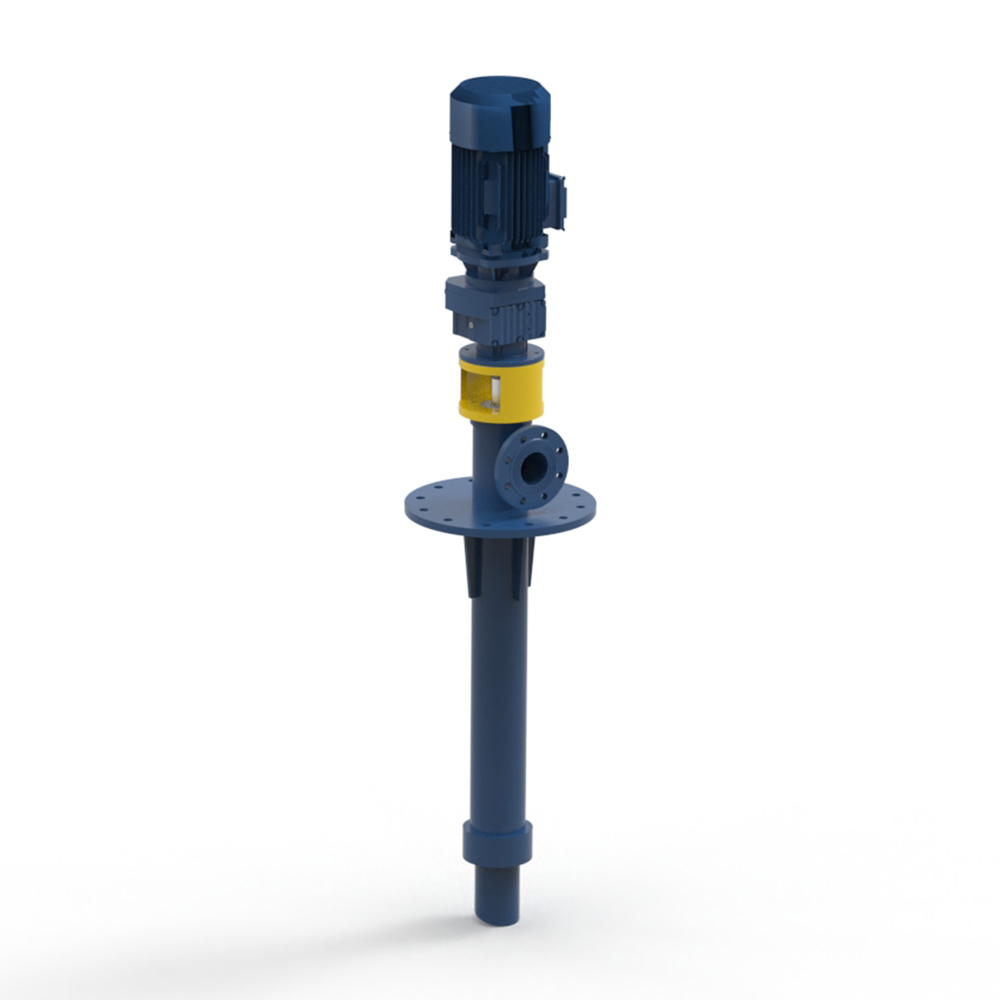
Mika vertical T-type screw pumps can be achieved through the length of the pump body to a variety of different depths of the pool, the pump's hopper i...
See Details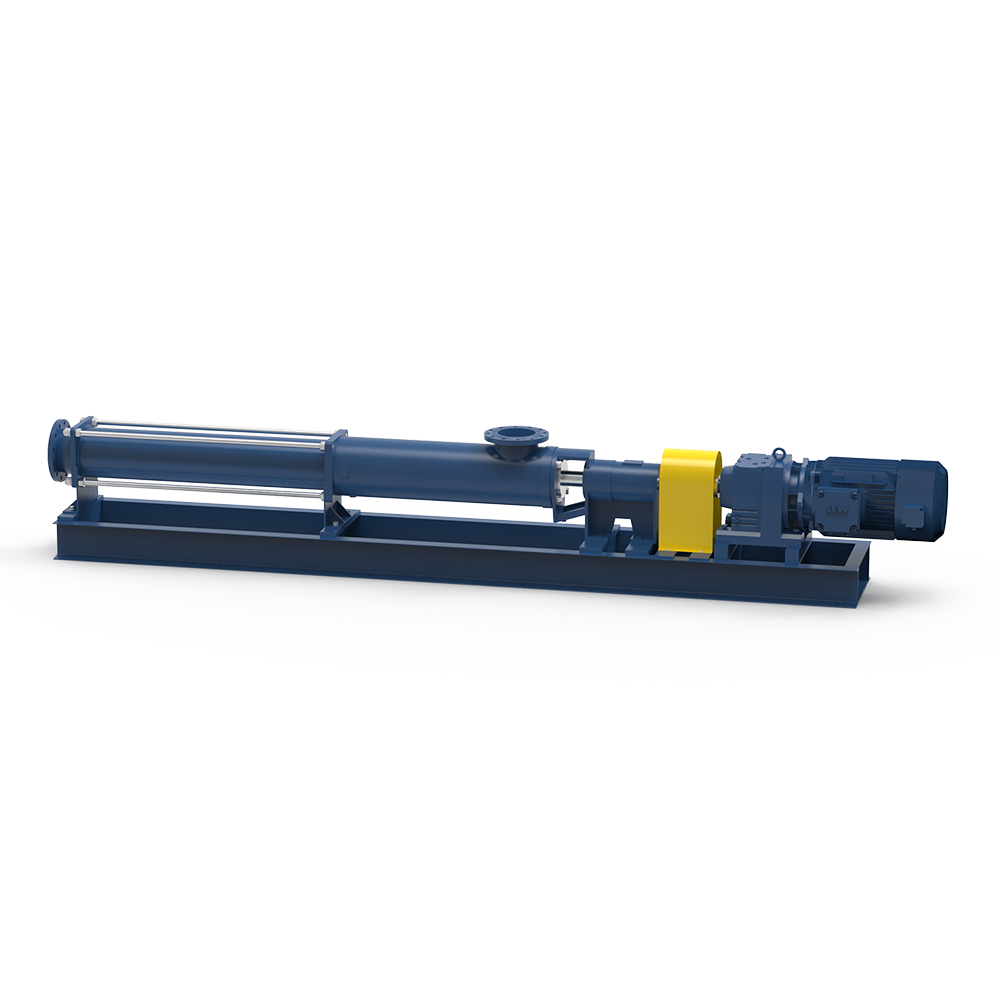
The S-pump with bearing frame support can withstand higher axial loads and can be used for high-pressure conditions, e.g. high-pressure sludge feed tr...
See Details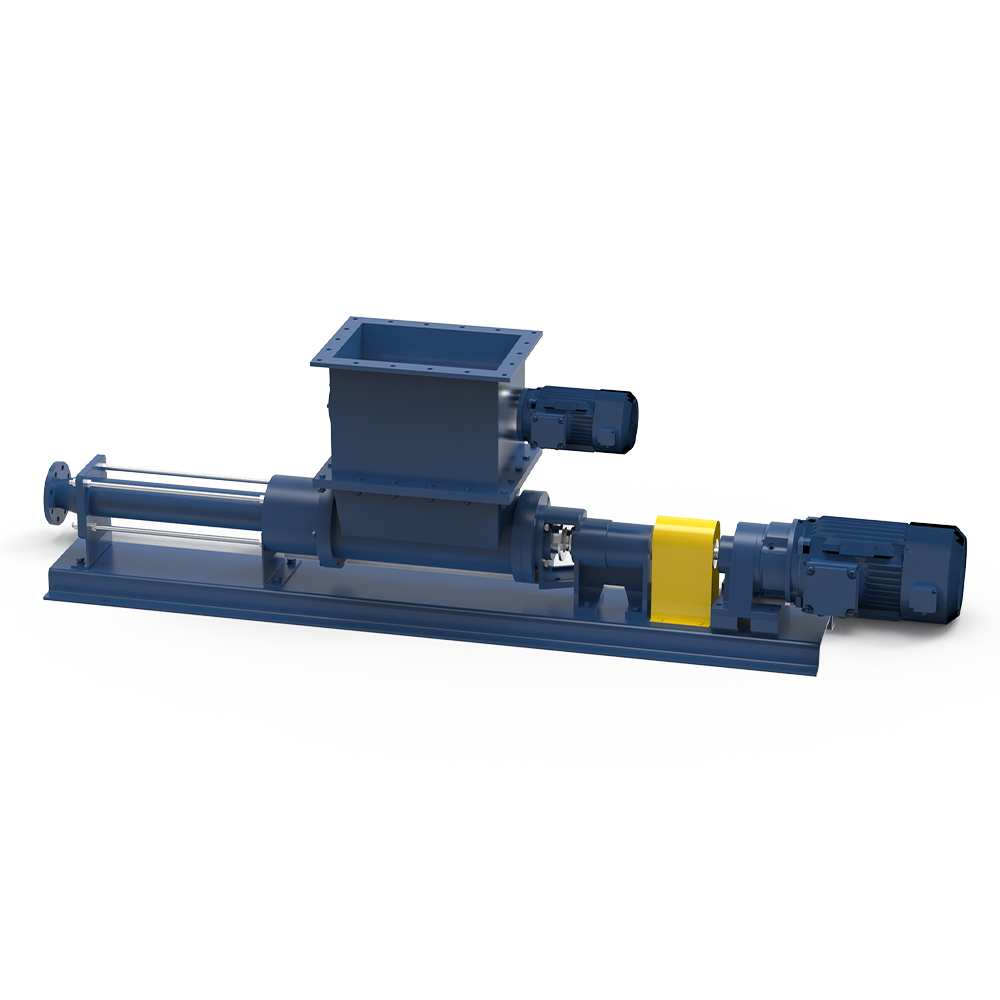
The inlet is designed for a large hopper with a bridge-breaking device P-pumps are suitable for conveying materials with high viscosity, high solids c...
See Details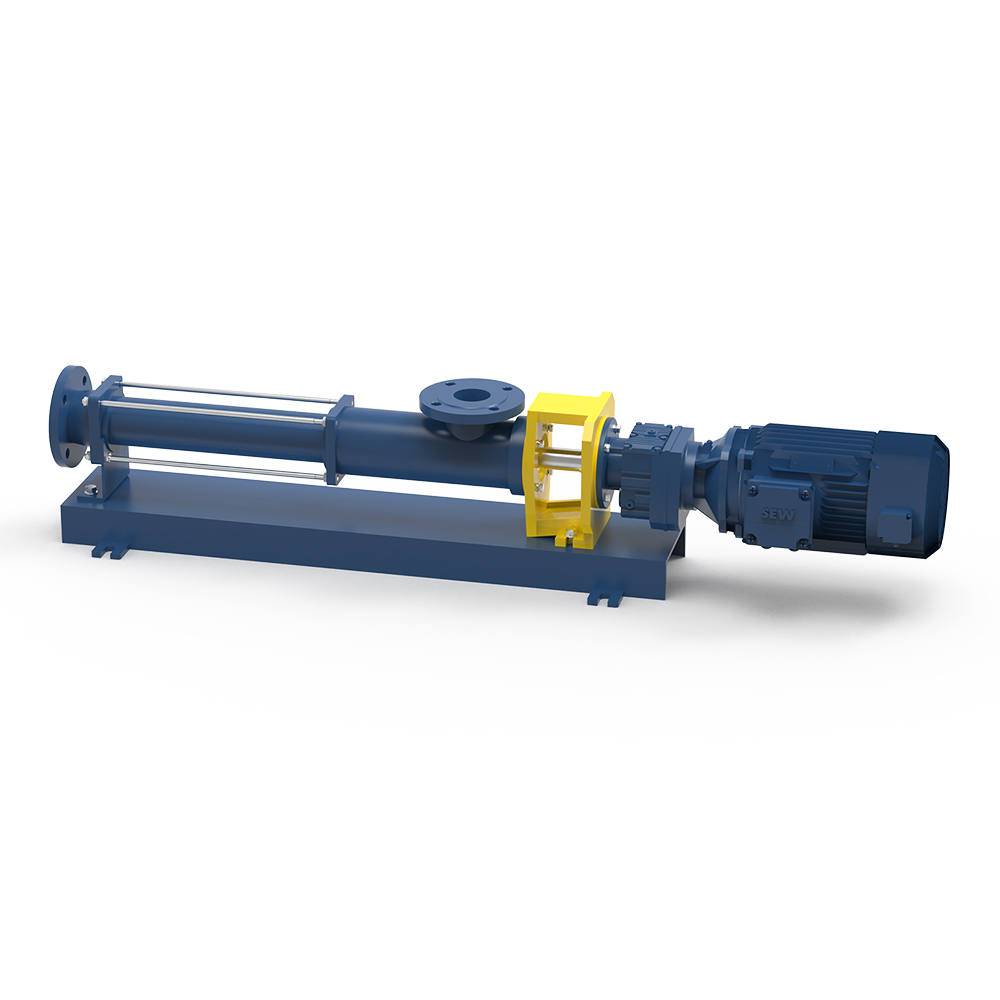
Mika Classic B direct-connected pumps are compact, easy to maintain, with low investment costs, and are suitable for a wide range of common working co...
See Details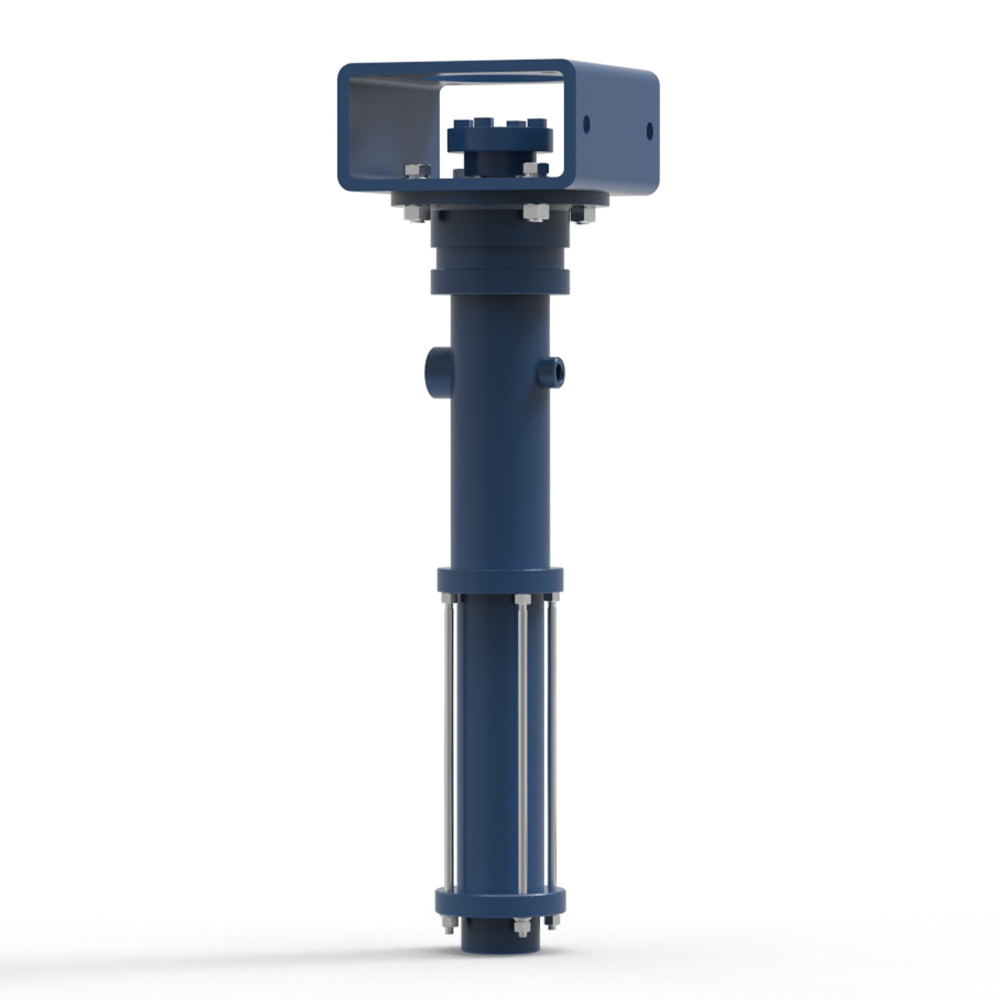
Precise flow rates and a wide range of materials for the metering and delivery of all kinds of sealants. Working Principle The MeiJia pump is a prog...
See Details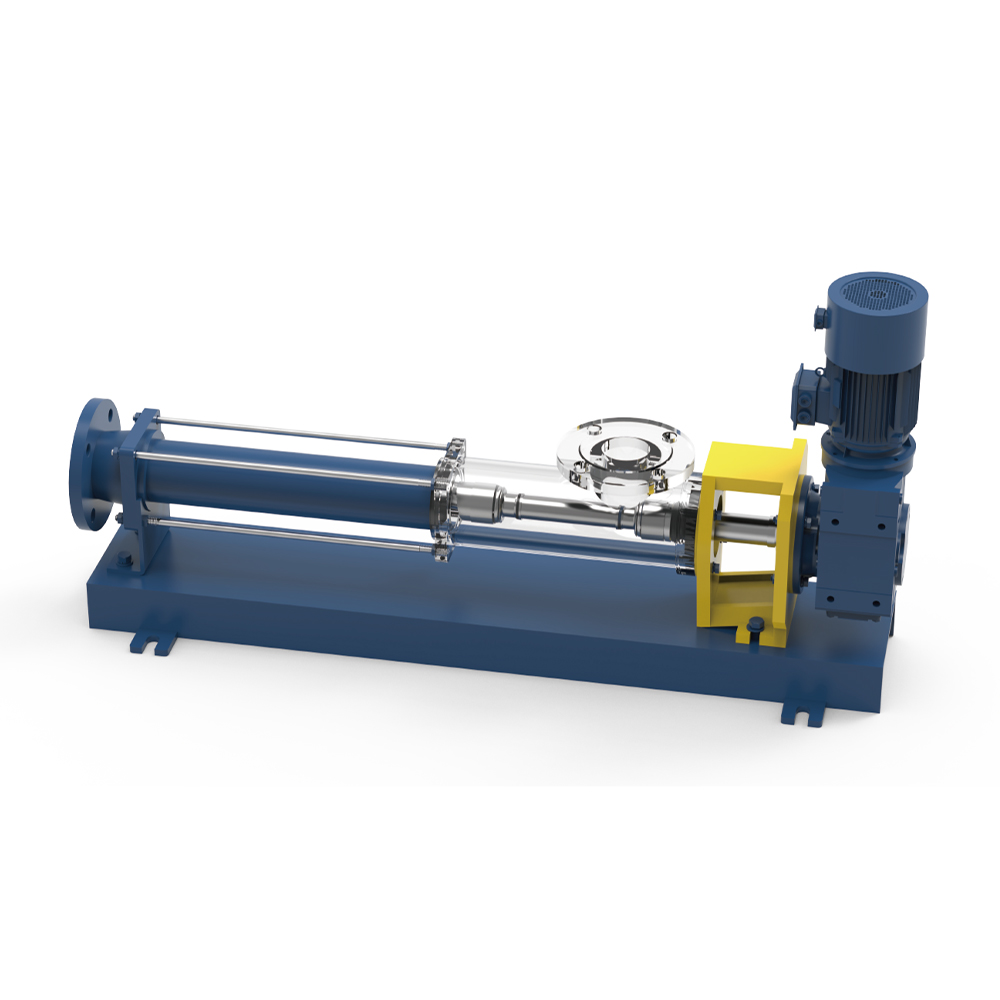
The speed reducer adopts the K series speed reducer, and the length of the pump can be shortened, so it can be used in places where the space is narro...
See Details
Various materials are available for different working conditions, such as NBR, HNBR, EPDM, and FKM.
See Details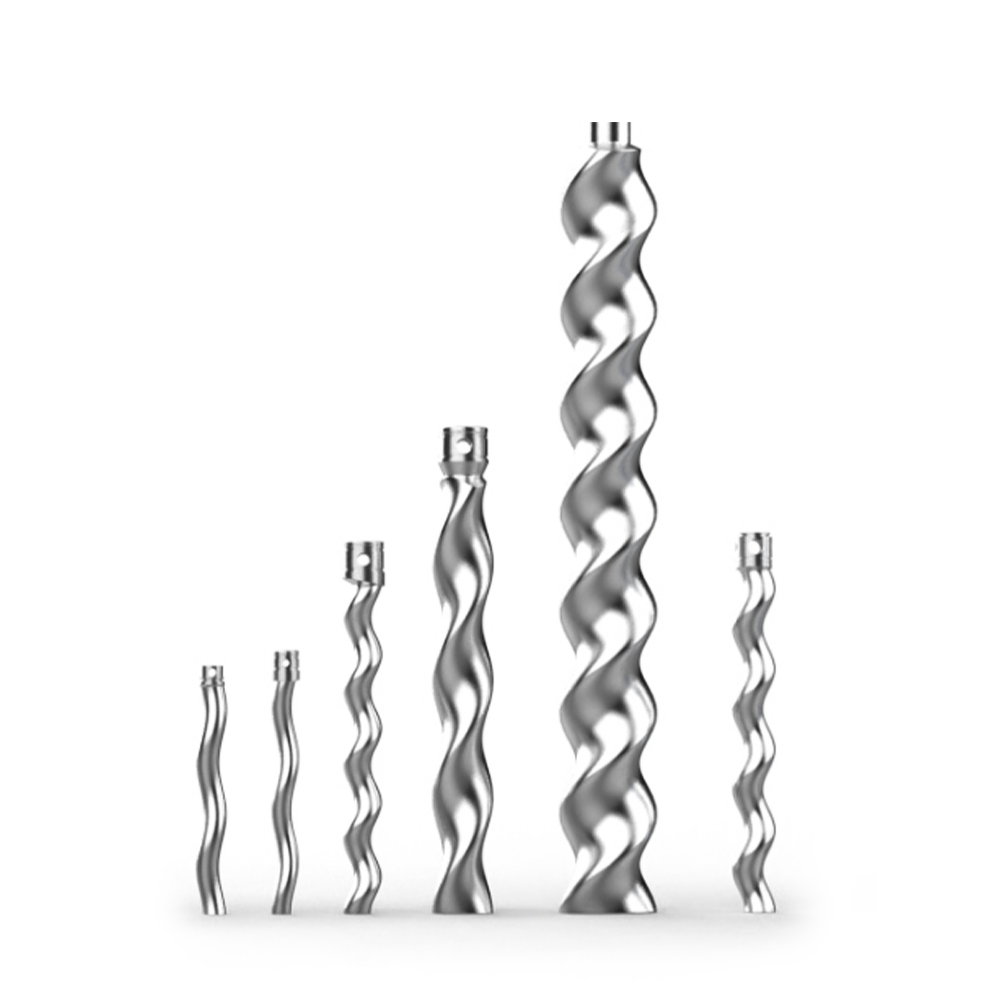
Multiple materials available, 304, 316L, 2205, rotor surface coating can be chrome plated or tungsten carbide sprayed.
See Details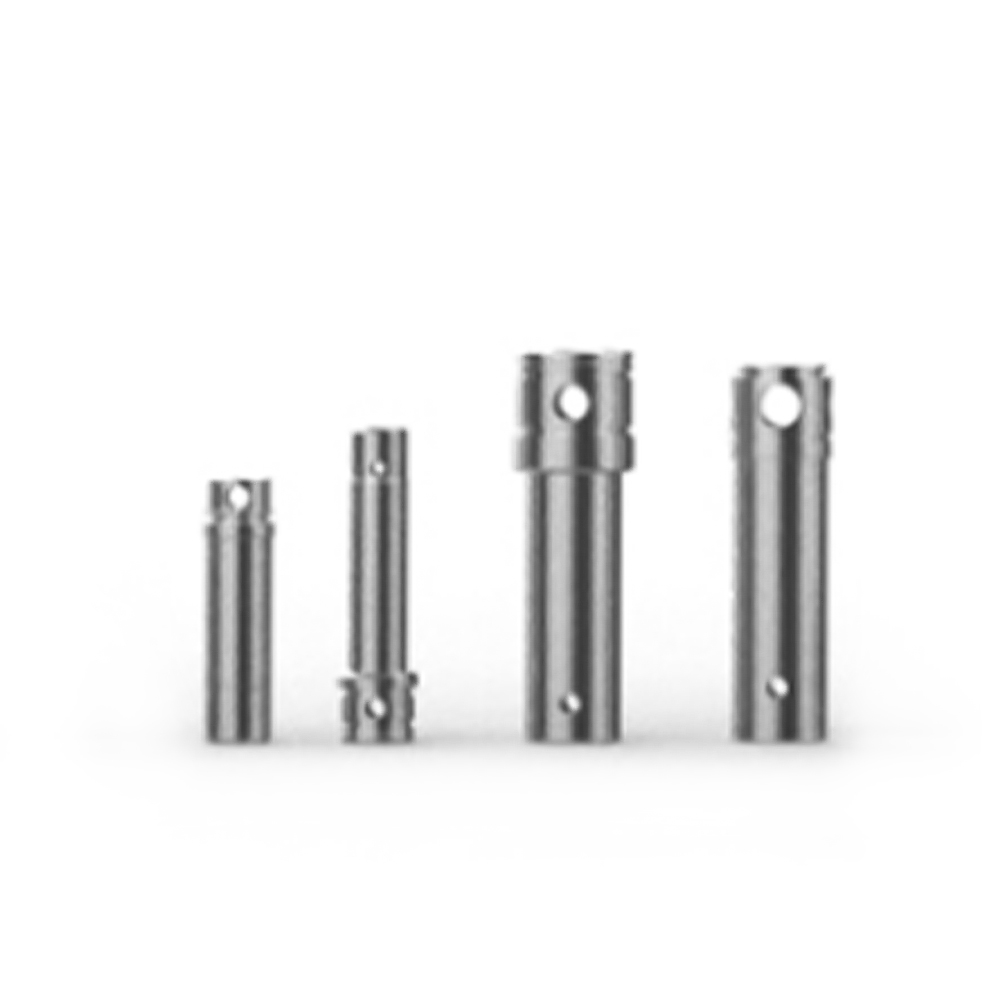
Multiple materials available: Q235,304,316L,2205,2507, etc.
See DetailsContact Us
Add: No. 36 Xintai Road, Economic Development Zone, Jingjiang City, Jiangsu Province, China
Tel: +86-13515167342
Fax: +86-523-84261117
E-mail: [email protected]
We'd love to
hear from you!
