
 English
 русский
 Español
Equal Wall Thickness Screw Pumps
Cat:Single Screw Pumps
Screw pumps equipped with equal wall thickness stator, the same kind of pump specifications pump flow, and pressure are increased. The equal wall thic...
See DetailsContent
W-type single screw pumps are positive displacement pumps designed for handling viscous fluids, slurries, and shear-sensitive materials across industries including wastewater treatment, food processing, and chemical manufacturing. Their eccentric single-rotor design enables continuous, pulsation-free flow with self-priming capabilities up to 8.5 meters suction lift, operating efficiently at pressures up to 24 bar (350 psi) and flow rates ranging from 0.5 to 500 m³/h.
The W-type single screw pump operates through a progressive cavity principle where a single helical rotor (typically metallic) rotates eccentrically within a double-helix elastomer stator. This creates sealed cavities that transport fluid from suction to discharge port without crushing or shearing the medium. The volumetric efficiency remains consistently above 75-85% even with viscosity variations between 1 cP and 1,000,000 cP.
Unlike centrifugal pumps requiring flooded suction, W-type pumps achieve self-priming capabilities up to 8.5 meters (28 feet) vertically. The pump can handle entrained air or gas volumes up to 60% by volume without losing prime, making them ideal for tank emptying and suction lift applications where traditional pumps fail.
W-type pumps excel with fluids that challenge conventional pumping technologies. They handle:
| Pump Size | Flow Range (m³/h) | Max Pressure (bar) | Speed Range (rpm) |
|---|---|---|---|
| W25 | 0.5 - 2.5 | 12 | 50 - 400 |
| W50 | 2 - 10 | 12 | 50 - 350 |
| W100 | 8 - 35 | 12 - 24 | 50 - 300 |
| W200 | 30 - 120 | 12 - 24 | 50 - 250 |
| W400 | 100 - 500 | 12 - 24 | 50 - 200 |
Correct installation ensures optimal W-type pump performance and longevity. Key requirements include:
Before startup, ensure pump casing is filled with fluid to prevent dry-running damage to the stator. For variable speed drives, begin at 20-30% maximum speed during priming phase, then gradually increase to operating speed. Monitor discharge pressure stabilization within 30-60 seconds; pressure fluctuations exceeding ±10% indicate air entrainment or component wear.
Operating speed must correlate with fluid viscosity to prevent excessive heat generation and stator degradation. General guidelines recommend:
In municipal and industrial wastewater facilities, W-type pumps handle primary sludge with 4-8% solids concentration and thickened sludge up to 12% solids. Their ability to pump against fluctuating discharge pressures (typical in filter press feeding) without flow reduction makes them superior to centrifugal alternatives. A single W200 pump can transfer 60 m³/h of digested sludge at 12 bar pressure to dewatering equipment continuously.
Multiphase pumping applications utilize W-type pumps for crude oil/water/gas mixtures with gas volume fractions (GVF) up to 95%. Downhole PC pump systems achieve lifting capacities of 500+ meters vertical depth with flow rates of 50-300 m³/day in heavy oil production where API gravity falls below 20°.
Sanitary W-type pumps with 316L stainless steel rotors and FDA-compliant nitrile or EPDM stators maintain product integrity. They handle shear-sensitive products like yogurt (viscosity 2,000-5,000 cP) at speeds below 200 rpm to preserve texture, achieving volumetric efficiencies of 80-90% with CIP (Clean-in-Place) compatibility at temperatures up to 120°C.
Regular maintenance extends W-type pump service life beyond 20,000 operating hours. Critical intervals include:
| Component | Inspection Interval | Replacement Criteria |
|---|---|---|
| Stator elastomer | Every 2,000 hours | Cracking, swelling >5%, or flow loss >15% |
| Rotor chrome layer | Every 4,000 hours | Wear depth >0.1mm or scoring |
| Mechanical seal | Every 8,000 hours | Leakage >5 drops/minute |
| Timing gear/Universal joint | Every 4,000 hours | Backlash >0.2mm or lubricant contamination |
Flow rate reduction typically indicates stator wear or rotor-stator clearance increase. A 10-15% flow decrease signals replacement requirements. Excessive vibration (>7.1 mm/s) often results from misalignment or bearing failure. Temperature monitoring is critical: stator temperatures exceeding 80°C accelerates elastomer aging and requires immediate speed reduction or cooling measures.
Stator material selection determines chemical compatibility and wear resistance:
Standard rotors utilize 4140 alloy steel with 0.2-0.3mm hard chrome plating ( hardness 65-70 HRC) for abrasion resistance. For highly corrosive applications, duplex 2205 stainless steel or tool steel with ceramic coating extends service life by 300-400% in severe duty cycles.
W-type pumps feature optimized stator geometry with extended pitch designs (typically 2/3 rotor pitch ratio), providing higher volumetric efficiency and reduced pulsation compared to standard 1:1 pitch configurations. The "W" designation indicates enhanced bearing housing and sealing systems capable of handling higher pressure differentials up to 24 bar per stage.
No—dry-running causes immediate stator damage due to friction heat buildup exceeding 200°C within seconds. Install dry-run protection sensors (temperature or vibration-based) or ensure continuous fluid presence. Some models offer PTFE-lined stators providing 30-60 seconds dry-running tolerance for intermittent applications.
Each 1 meter of suction lift reduces available NPSH by 0.1 bar. At maximum 8.5 meter suction height, flow capacity decreases approximately 15-20% due to cavity expansion and slip increase. For optimal performance, position pumps within 3 meters of fluid source when handling viscous media.
Under normal operating conditions with clean water, stators last 8,000-12,000 hours; with abrasive slurries, expect 2,000-4,000 hours. Rotors typically achieve 15,000-25,000 hours before rechroming. Mechanical seals require replacement every 6,000-10,000 hours depending on fluid abrasiveness and seal material (carbon/ceramic standard, silicon carbide for severe duty).
Yes, 3A Sanitary Standard certified W-type pumps are available with polished Ra 0.8μm surface finishes, tri-clamp connections, and FDA-compliant materials. They handle viscous food products at temperatures from -10°C to 120°C while maintaining biological safety standards required for dairy, beverage, and sauce applications.
W-type pumps demonstrate overall efficiency of 55-75% across their operating range, compared to 40-60% for centrifugal pumps in viscous applications. Power requirements follow the formula: P (kW) = (Q × ΔP) / (36.7 × η), where Q is flow in m³/h, ΔP is pressure in bar, and η is efficiency. For a W100 pump delivering 20 m³/h at 8 bar, power consumption approximates 4.2 kW at 75% efficiency.
While initial capital costs run 20-40% higher than centrifugal alternatives, W-type pumps reduce lifecycle costs through:
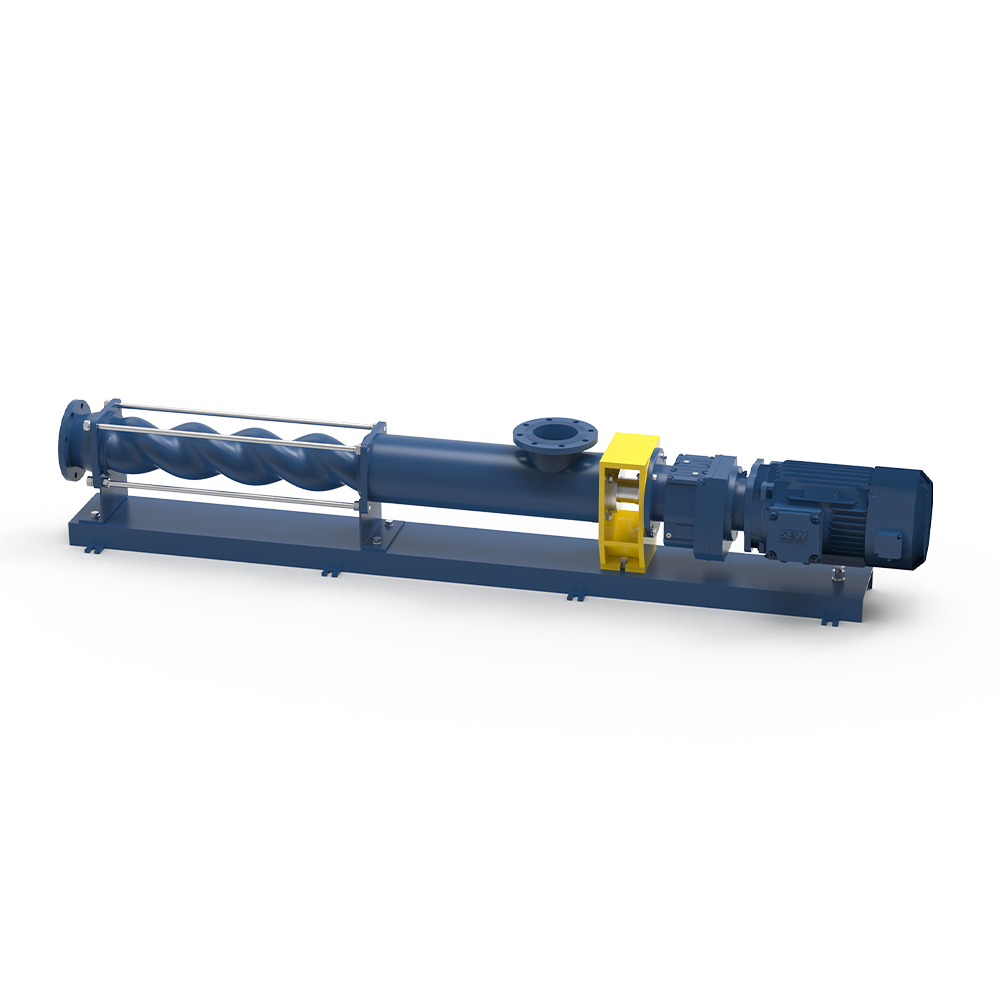
Screw pumps equipped with equal wall thickness stator, the same kind of pump specifications pump flow, and pressure are increased. The equal wall thic...
See Details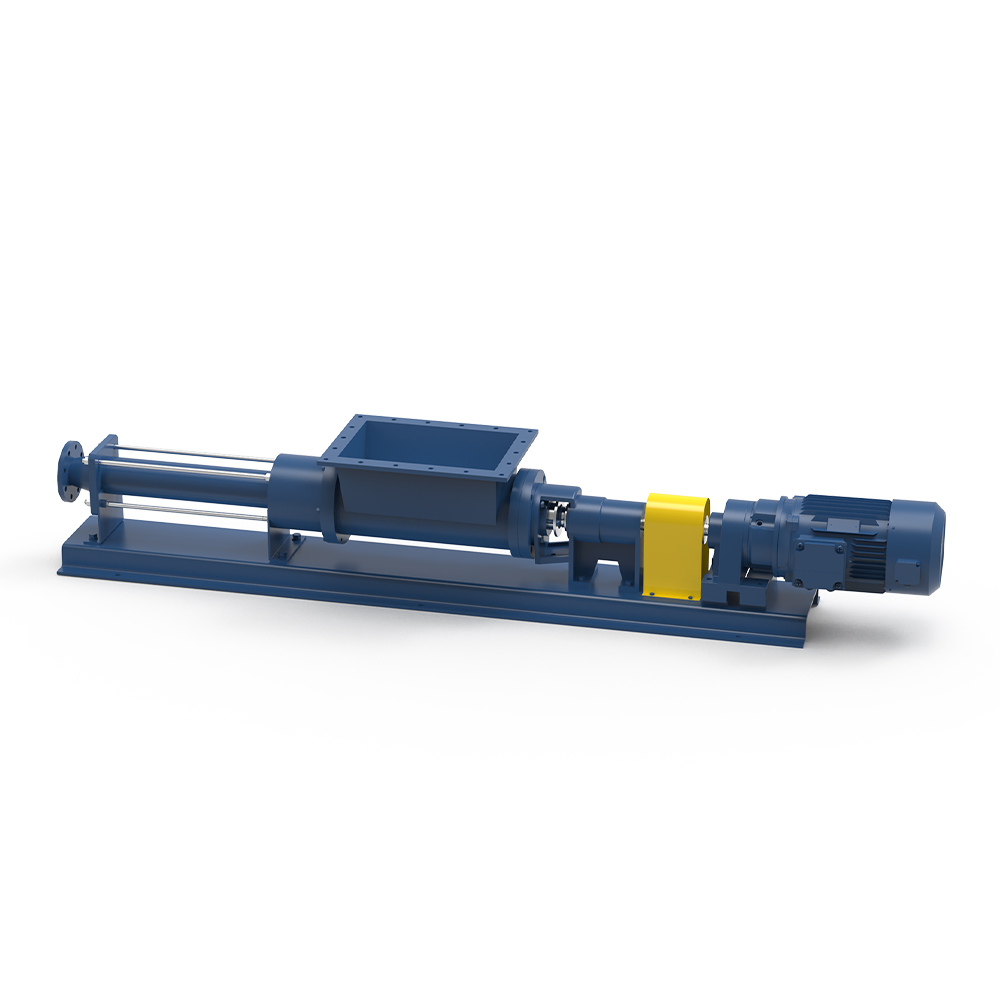
The inlet is a large hopper design W-type pump with a connecting shaft with multiple spiral vanes (which can effectively prevent the accumulation of m...
See Details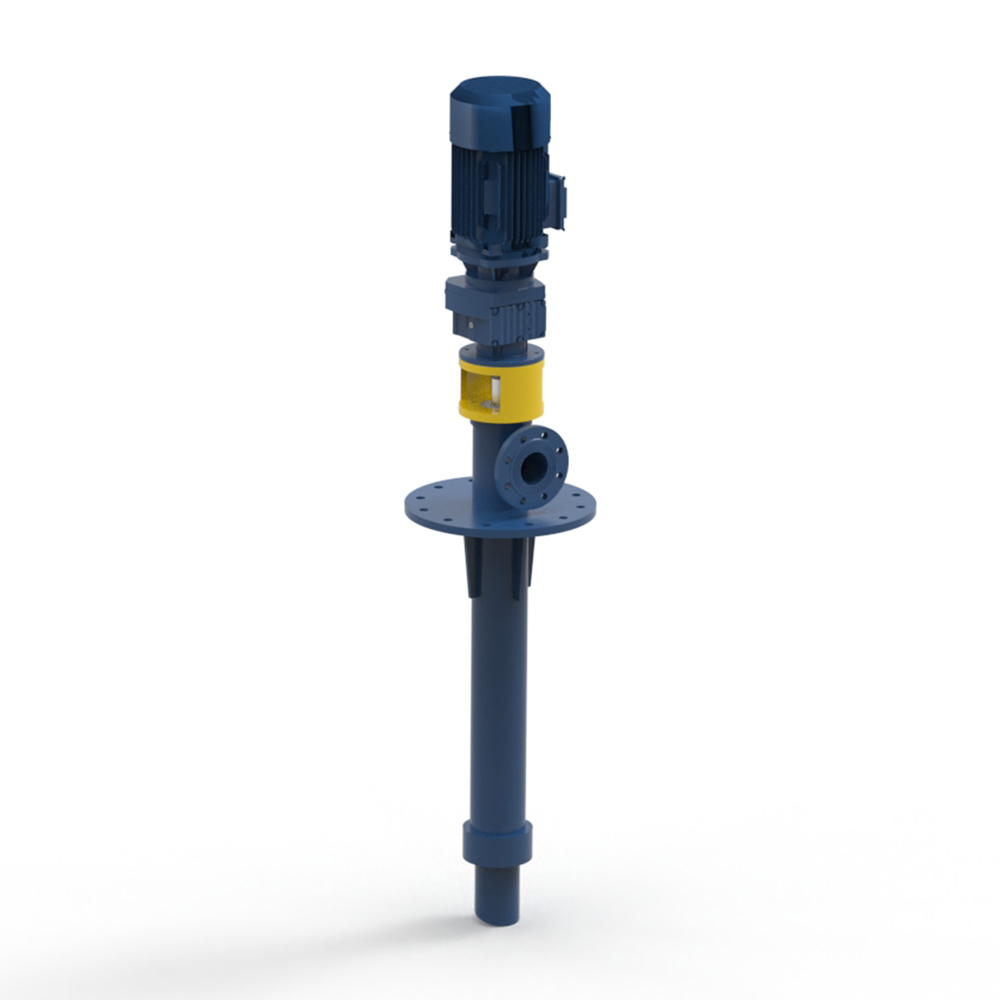
Mika vertical T-type screw pumps can be achieved through the length of the pump body to a variety of different depths of the pool, the pump's hopper i...
See Details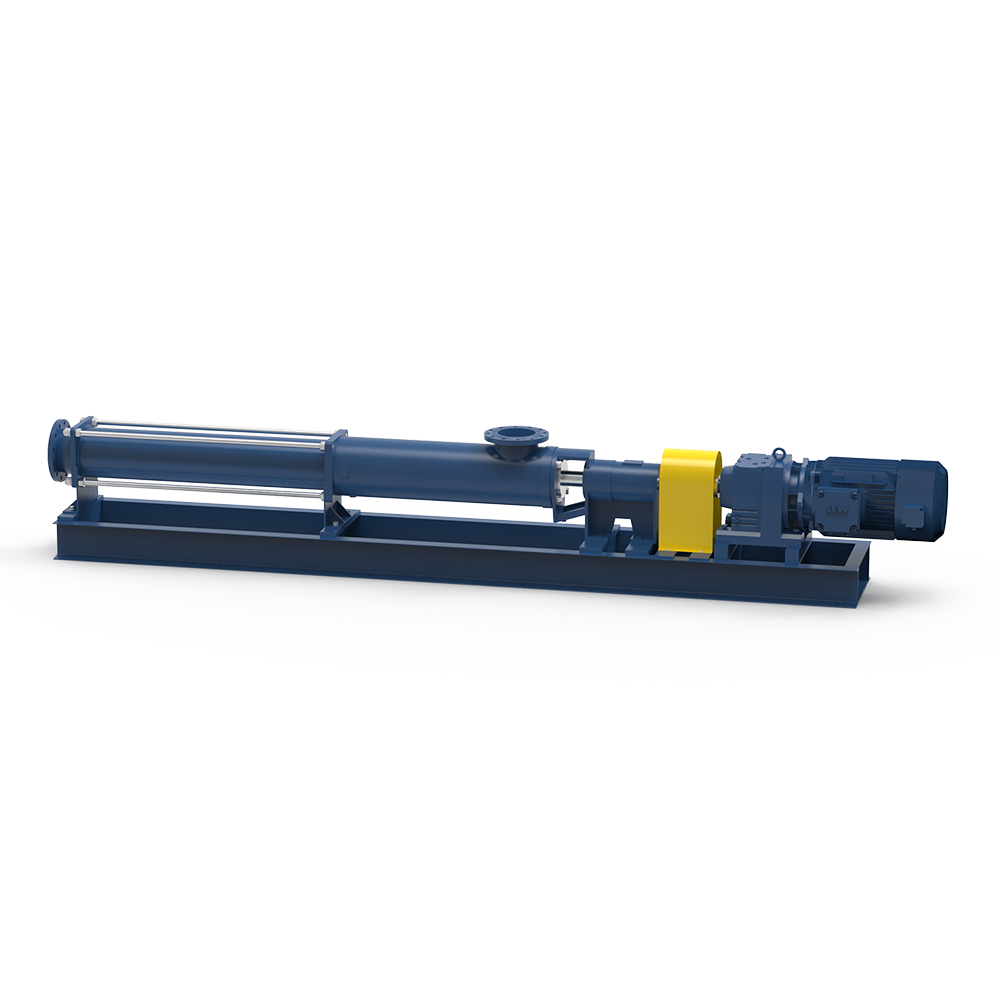
The S-pump with bearing frame support can withstand higher axial loads and can be used for high-pressure conditions, e.g. high-pressure sludge feed tr...
See Details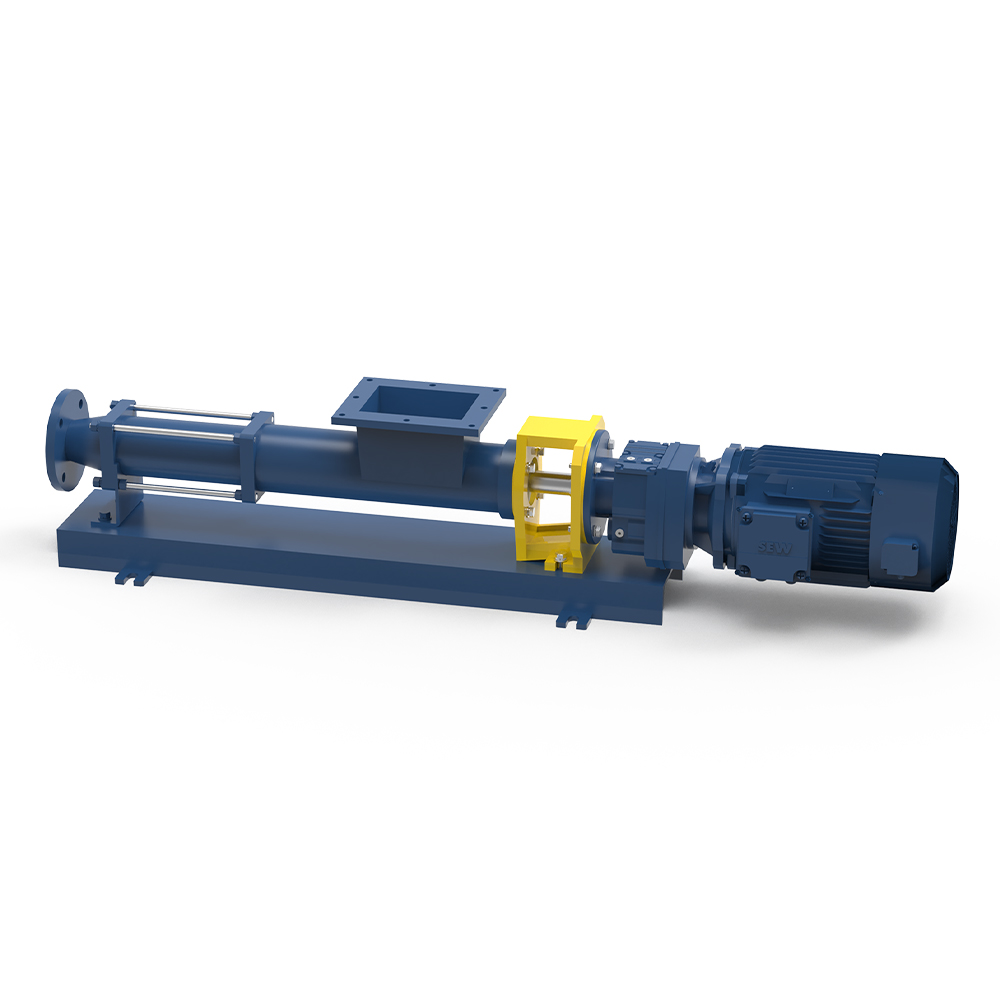
The inlet is a small rectangular hopper design H pump, suitable for conveying high viscosity solid content of less than 15% of the medium, such as cru...
See Details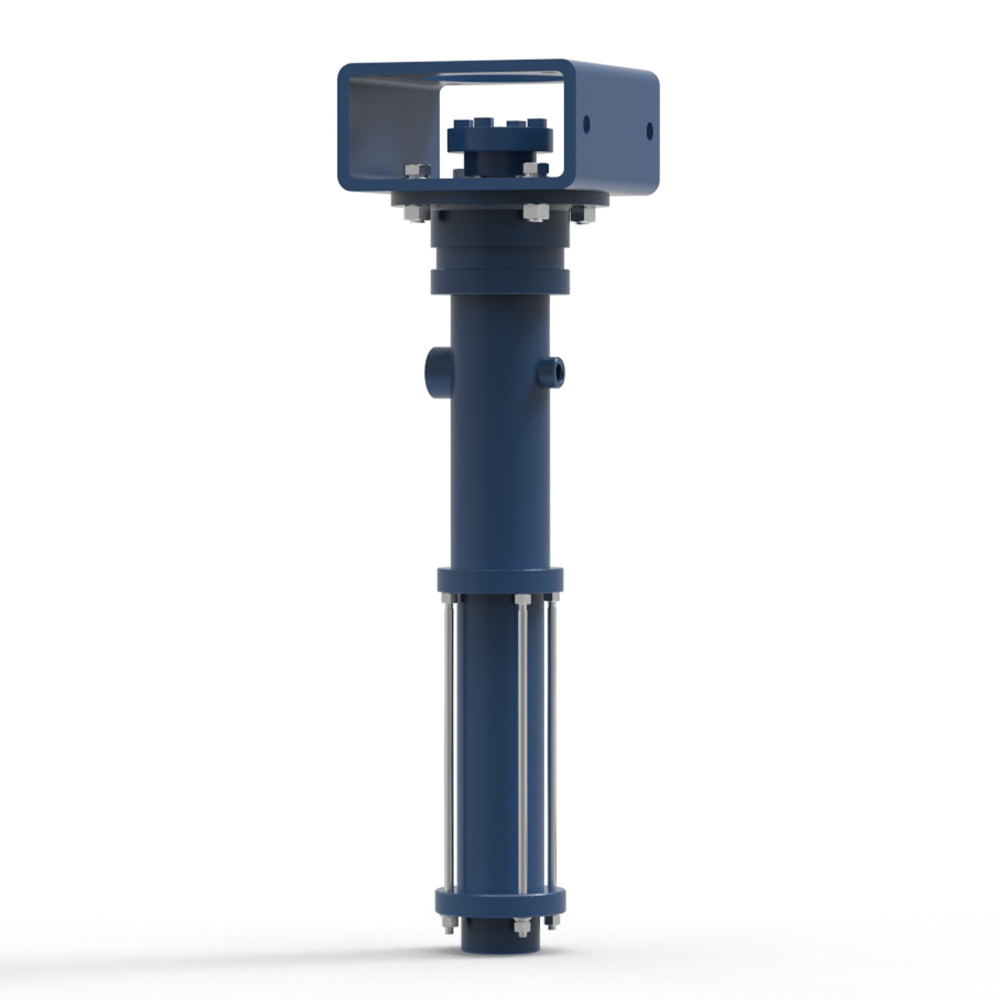
Precise flow rates and a wide range of materials for the metering and delivery of all kinds of sealants. Working Principle The MeiJia pump is a prog...
See Details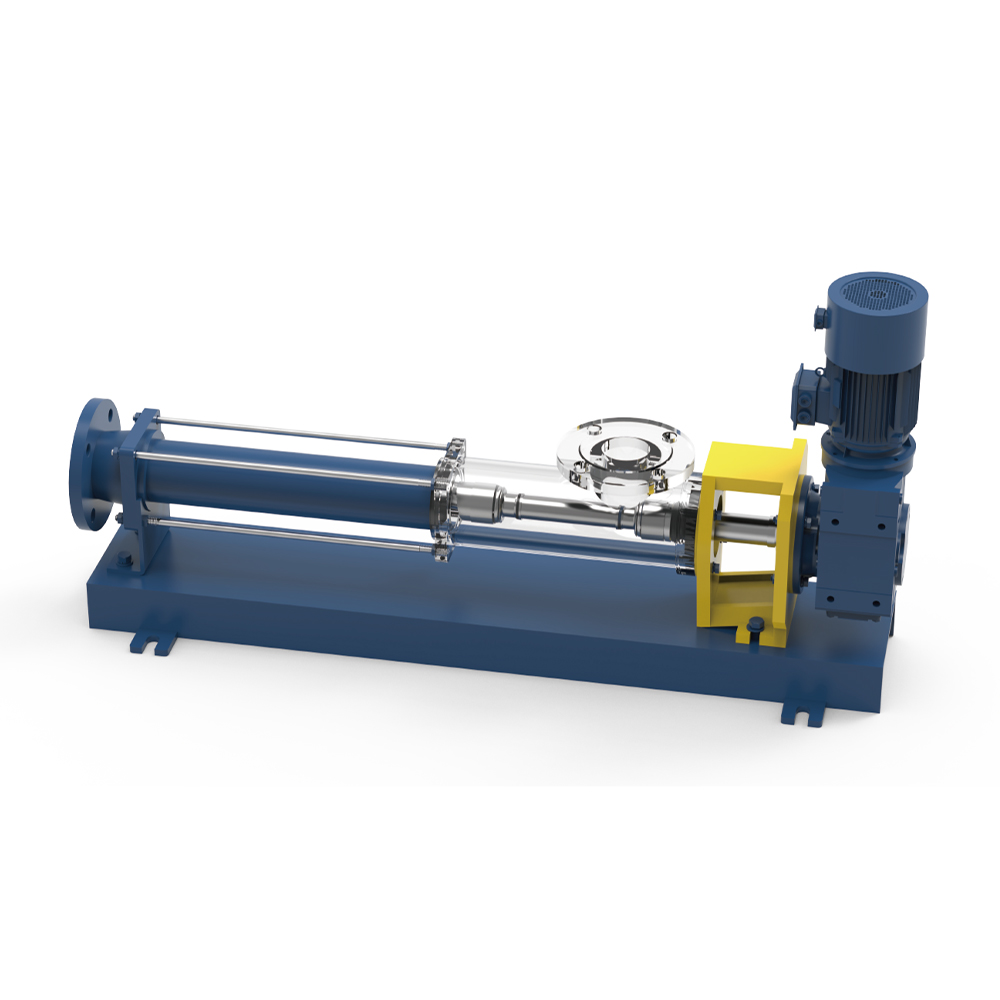
The speed reducer adopts the K series speed reducer, and the length of the pump can be shortened, so it can be used in places where the space is narro...
See Details
Various materials are available for different working conditions, such as NBR, HNBR, EPDM, and FKM.
See Details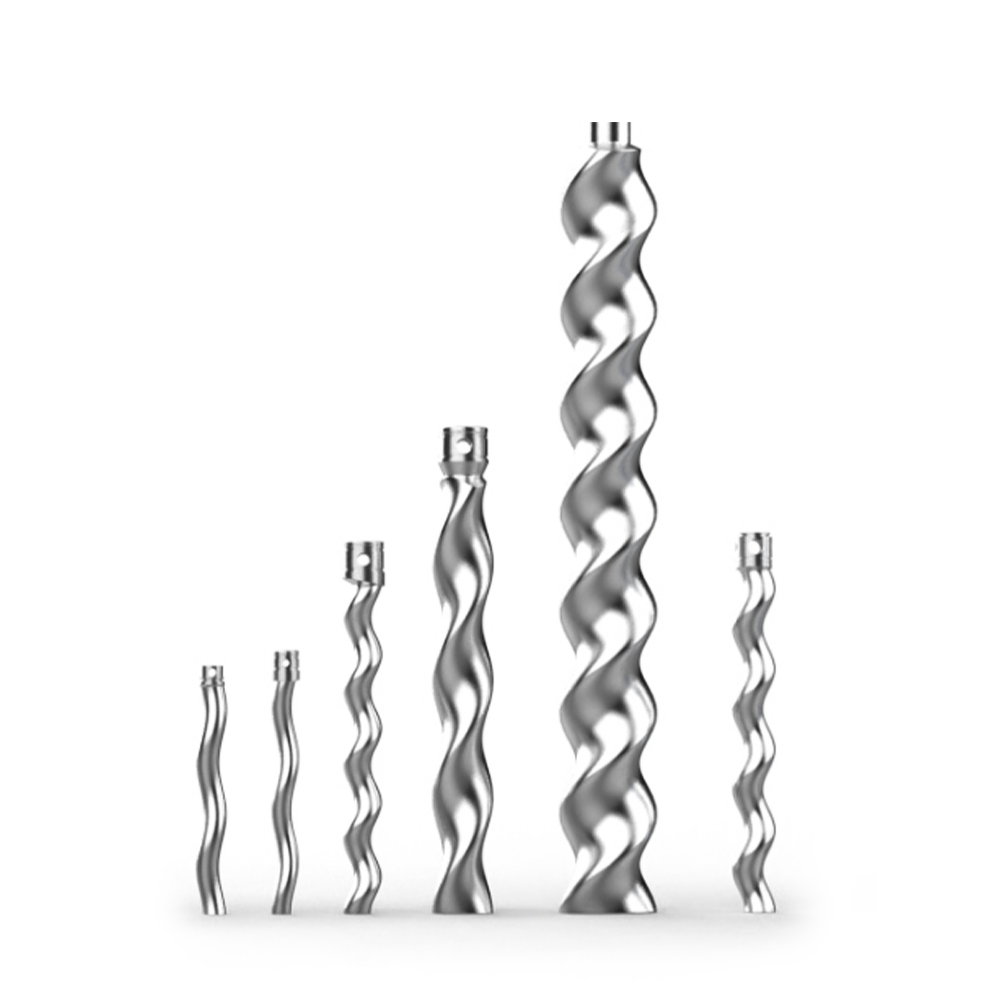
Multiple materials available, 304, 316L, 2205, rotor surface coating can be chrome plated or tungsten carbide sprayed.
See Details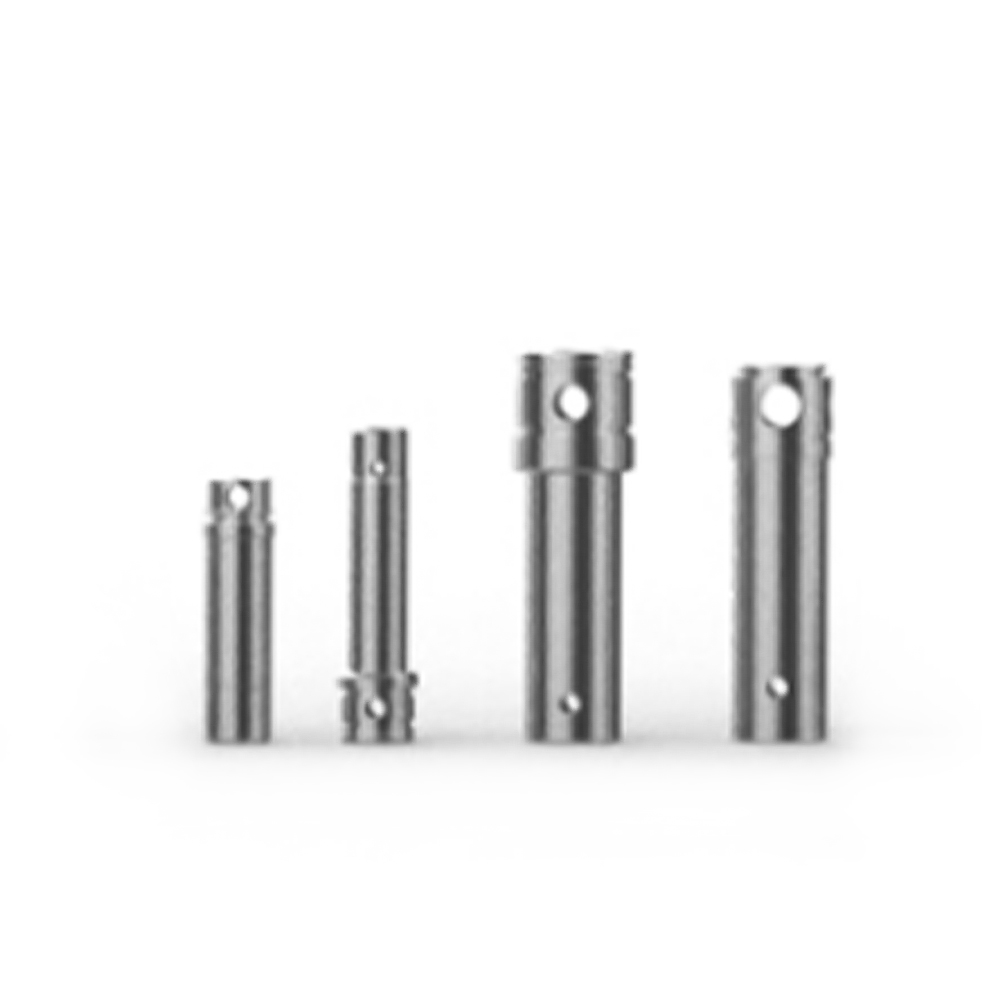
Multiple materials available: Q235,304,316L,2205,2507, etc.
See DetailsContact Us
Add: No. 36 Xintai Road, Economic Development Zone, Jingjiang City, Jiangsu Province, China
Tel: +86-13515167342
Fax: +86-523-84261117
E-mail: [email protected]
We'd love to
hear from you!
