
 English
 русский
 Español
Equal Wall Thickness Screw Pumps
Cat:Single Screw Pumps
Screw pumps equipped with equal wall thickness stator, the same kind of pump specifications pump flow, and pressure are increased. The equal wall thic...
See DetailsContent
A single screw rotor is the helical shaft component that rotates inside a matching stator to move fluid or semi-solid material through a progressive cavity pump, or that pushes and melts plastic material forward inside an extruder barrel. Its core function is straightforward: as the rotor turns, the spiral groove forms a sealed cavity against the surrounding wall, and this cavity progresses along the axis, carrying material with it at a steady, low-pulsation flow rate. This is the direct answer to what the part does, and everything below explains how it works, why it wears, and how to select and maintain one correctly.
In pump applications, the rotor works together with a stator for progressive cavity pumps, an elastomer-lined sleeve that provides the sealing surface. In extrusion applications, the same helical geometry works against a metal barrel wall instead of a rubber stator. Both systems rely on the same underlying principle: a rotating spiral geometry converting rotational energy into steady axial displacement of material.
The photograph below shows a set of single screw rotors of varying lengths and pitch profiles, illustrating how the same fundamental spiral design is scaled for different flow capacities and application sizes, from compact dosing units to longer rotors used in higher-volume transfer duties.
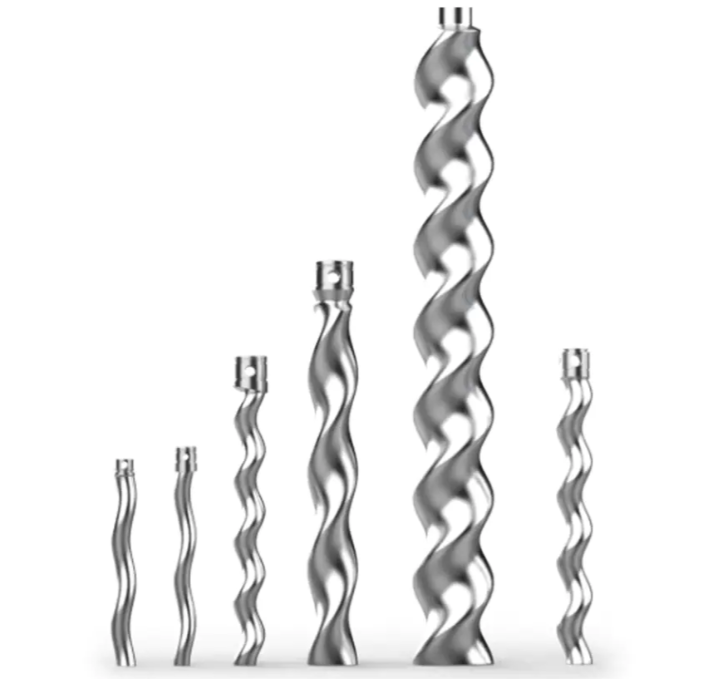
Each rotor is defined by a small number of geometric parameters that determine its performance: the outer diameter of the spiral, the pitch (the axial length of one full helical turn), the eccentricity (the offset between the rotor centerline and the geometric centerline), and the groove depth. The isometric diagram below labels these parameters on a simplified rotor model to make the terminology easier to follow when reading a technical drawing or spare parts catalog.
Understanding these parameters matters because changing any one of them shifts the rotor's flow characteristics, its shear profile, and its wear pattern. A shorter pitch with a smaller groove depth tends to suit higher-pressure, lower-flow duties, while a longer pitch with a deeper groove favors gentler handling of shear-sensitive materials such as food products. This is why single screw rotor symptoms of premature wear are often traced back to a mismatch between the original geometry and a changed operating condition, rather than a defect in the part itself.
Inside a plastic extruder, the single screw rotor pushes raw material forward and generates heat through friction as material passes through the gap between the spiral groove and the inner wall of the barrel. As the screw rotates, it applies shear force and pressure on the material, gradually softening it and mixing it evenly before it is pushed toward the die and extruded into the finished shape. Screw speed, barrel temperature, and system pressure all directly influence how efficiently this process runs, and they equally influence how quickly the rotor surface wears.
In a high-temperature working environment, wear on the rotor generally comes from four overlapping sources. First, elevated temperature softens the rotor material itself, intensifying friction against the barrel wall and producing thermal wear. Second, the relative motion between the rotor and the barrel, material, and other contact surfaces during rotation produces ordinary mechanical wear over time. Third, impurities such as additives or residual moisture in the processed material can corrode the rotor surface and accelerate degradation. Fourth, the rotor's own geometry, material selection, and manufacturing precision affect how resistant it is to all of the above from the outset.
| Wear Source | Primary Cause | Typical Effect |
|---|---|---|
| Thermal wear | Softening of rotor surface at high temperature | Accelerated surface friction |
| Mechanical wear | Relative motion against barrel or stator | Gradual dimensional loss |
| Corrosive wear | Impurities, moisture, or additives | Pitting and surface degradation |
| Design-related wear | Geometry or manufacturing precision | Uneven wear distribution |
The horizontal bar chart below presents a general, illustrative comparison of how strongly each of these four factors typically contributes to overall rotor wear under sustained high-temperature operation. It is intended as a conceptual guide rather than a measured statistic from any single installation, since actual wear proportions vary by material, speed, and maintenance history. Even so, the relative ordering is consistent with common field experience: thermal and mechanical wear tend to dominate, while corrosive and design-related factors act as contributing rather than primary causes. Recognizing which factor is most active in a given system helps determine whether the priority fix is a coating upgrade, a cooling improvement, or a geometry review.
Controlling wear on a single screw rotor starts with material choice. High-temperature-resistant, wear-resistant, and corrosion-resistant alloy steels or specialty alloys are the standard starting point for rotors expected to run continuously under demanding conditions. Beyond bulk material, surface treatment plays an equally important role in extending service life.
Applying wear-resistant coatings such as tungsten carbide or silicon nitride to the rotor surface increases surface hardness and improves resistance to both mechanical and thermal wear, which is particularly valuable in continuous-duty extrusion lines.
Optimizing geometric parameters such as helix angle, pitch, and groove depth reduces how long material sits in contact with the rotor surface and lowers shear force at any single point, which in turn reduces localized wear concentration.
Strengthening the cooling system helps ensure the rotor and barrel are effectively cooled during high-temperature operation, keeping working temperature within a stable range and reducing thermal wear over the long term.
The radar chart below compares four rotor design approaches across five performance dimensions on a relative scale, offering a conceptual framework for evaluating screw pump accessories and rotor upgrade options rather than a report on any single tested product. It shows that a coated, geometry-optimized rotor generally scores higher across wear resistance and service life, while a standard uncoated rotor remains a reasonable choice for lighter-duty or intermittent applications. Reading across the five axes together, rather than any single point in isolation, gives the clearest picture of where a given design trades one advantage for another. This kind of comparison is most useful early in a specification process, before a rotor and stator pairing is finalized for a particular duty.
Single screw rotors and the pumps built around them are used across a wide range of industries because the underlying spiral displacement principle handles a broad spectrum of viscosities and material types with relatively low shear compared to other pump technologies. A vertical screw pump configuration is often selected where floor space is limited or where gravity feed simplifies loading, while horizontal configurations remain common in continuous process lines.
As a screw pumps manufacturer supplying both complete single screw pumps and individual spare parts for progressive cavity pumps, matching rotor material and coating to the specific industry is a routine part of the specification process, since a rotor suited to abrasive sludge duty is not automatically the right choice for food-grade transfer.
This illustration reflects a general pattern seen across process industries: applications involving abrasive solids, such as sludge transfer and chemical or petrochemical duty, place greater demand on rotor wear resistance than gentler applications such as food product transfer or clean water handling. This is precisely why rotor material and coating selection should always be matched to the specific duty rather than treated as a one-size-fits-all decision, and why consulting with the pump supplier during specification tends to prevent premature wear issues later.
Beyond material and coating choices, day-to-day operating discipline has a measurable effect on how long a single screw rotor lasts in service. The following practices are widely recognized within the progressive cavity pump and extrusion industry as effective ways to slow wear progression.
The line chart below illustrates, in general terms, how consistent maintenance practices tend to affect cumulative rotor wear over an extended operating period compared with minimal or irregular maintenance. It is presented as a conceptual trend rather than measured data from a specific unit, since actual wear curves depend heavily on material abrasiveness, temperature control, and duty cycle. Even so, the widening gap between the two lines over time reflects a pattern commonly reported across the industry: early-stage wear differences are small, but they compound significantly the longer a poorly maintained rotor remains in continuous service. This is one of the clearest arguments for building a routine inspection schedule into any pump or extrusion maintenance plan rather than reacting only after a failure occurs. Facilities that track wear trends over time are generally better positioned to plan rotor replacement proactively rather than experiencing unplanned downtime.
Jingjiang Meijia Pump Industry Co., Ltd. is located at No. 36 Xintai Road, Jingjiang Economic and Technological Development Zone, Jiangsu Province. The company is engaged in the production, sales, and after-sales service of single screw pumps and single screw pump spare parts, with an engineering team experienced in the design, manufacturing, and inspection of complete screw pump sets.
Meijia single screw pump products feature a complete structural range, diverse configuration options, and complete specifications suited to durability-focused applications. They are used across environmental water treatment, chemical processing, paper and pulp, food and pharmaceutical, petrochemical, and energy sector operations. As a screw pumps manufacturer, Meijia Pump Industry also supplies universal accessories compatible with a wide range of single screw pump systems, supported by production capacity and technical experience intended to provide stable performance for its products.
The company's after-sales service center maintains a team of engineers available to support customers with technical follow-up after installation. Over long-term comparison across different environments and working conditions, users have reported that Meijia single screw pump products continue to operate reliably year after year. Jingjiang Meijia Pump Industry welcomes visits and technical exchange from partners across the industry.
Q1: What causes premature wear in a single screw rotor?
Premature wear is typically caused by a combination of high operating temperature, mechanical friction against the barrel or stator, impurities in the processed material, and a geometry or coating mismatch with the specific duty.
Q2: How do I know if a single screw rotor needs replacement?
Common indicators include reduced flow output, increased noise or vibration during operation, inconsistent pressure readings, and visible surface pitting or grooving during routine inspection.
Q3: Can the same rotor design be used for food and sewage applications?
Generally not without adjustment; a food screw pump rotor requires food-grade materials and finishes, while a sewage or sludge screw pump rotor is typically specified with different coatings and geometry suited to abrasive solids.
Q4: How often should a single screw rotor be inspected?
Inspection frequency depends on duty severity, but routine visual and dimensional checks during scheduled maintenance intervals are recommended to catch wear trends before they affect output quality.
Q5: Are single screw pump spare parts interchangeable across brands?
Dimensional compatibility varies by manufacturer, so spare parts for progressive cavity pumps, including rotors and stators, should be matched to the original pump specification or confirmed with the supplier before ordering.
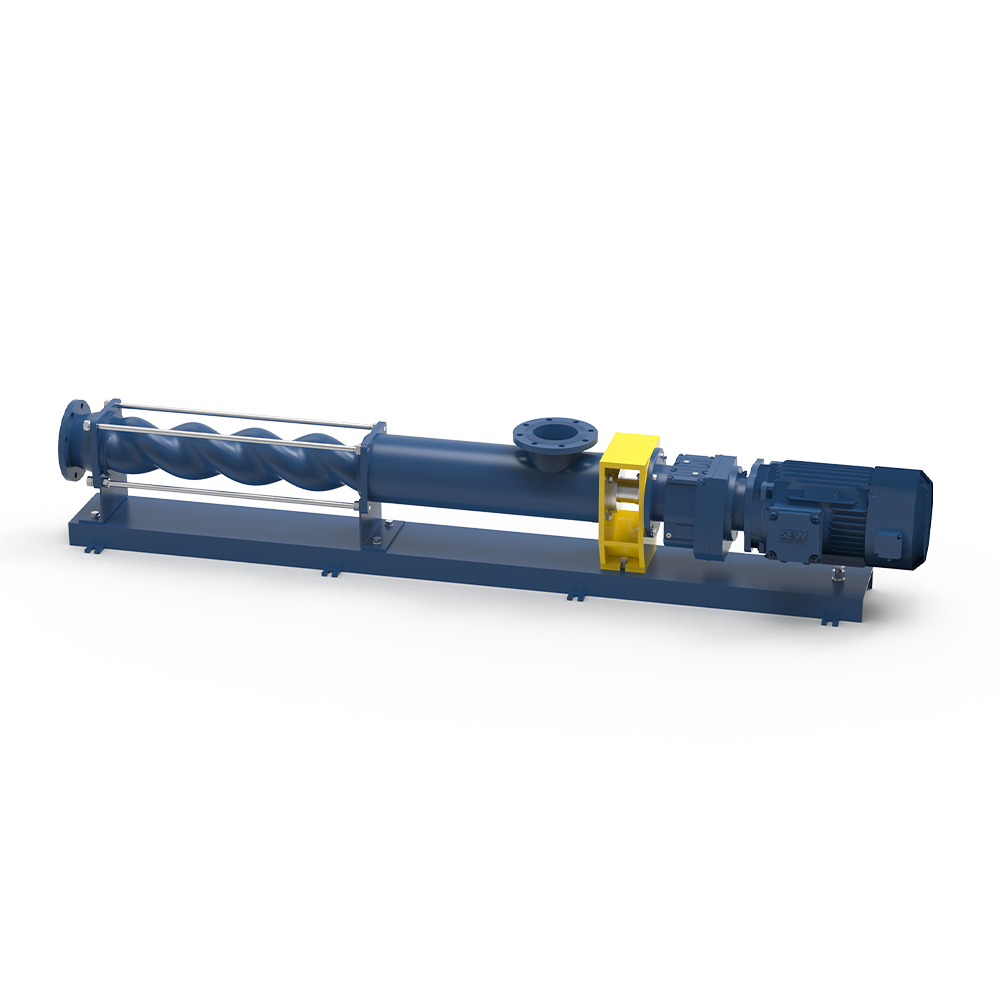
Screw pumps equipped with equal wall thickness stator, the same kind of pump specifications pump flow, and pressure are increased. The equal wall thic...
See Details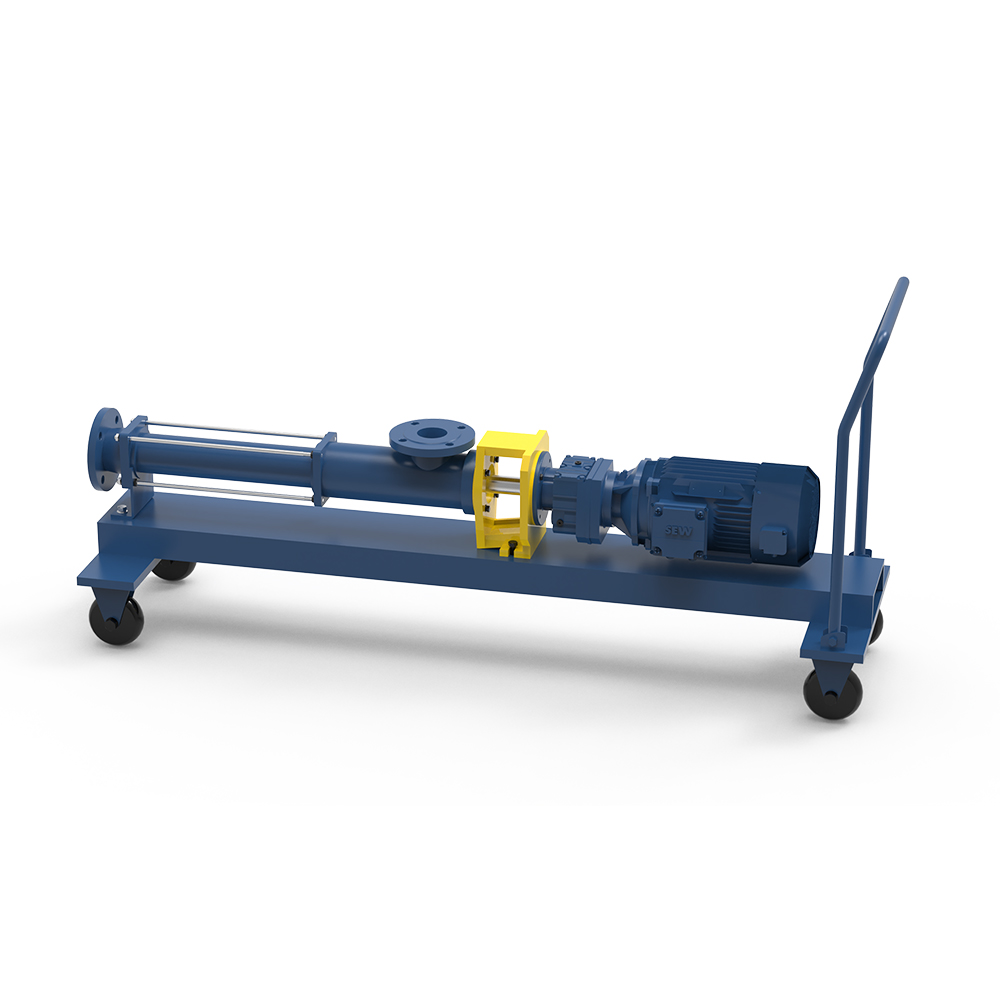
Mika vehicle-mounted pump, the pump base is not only stable and reliable, but also cleverly equipped with universal wheels, these wheels rotate flexib...
See Details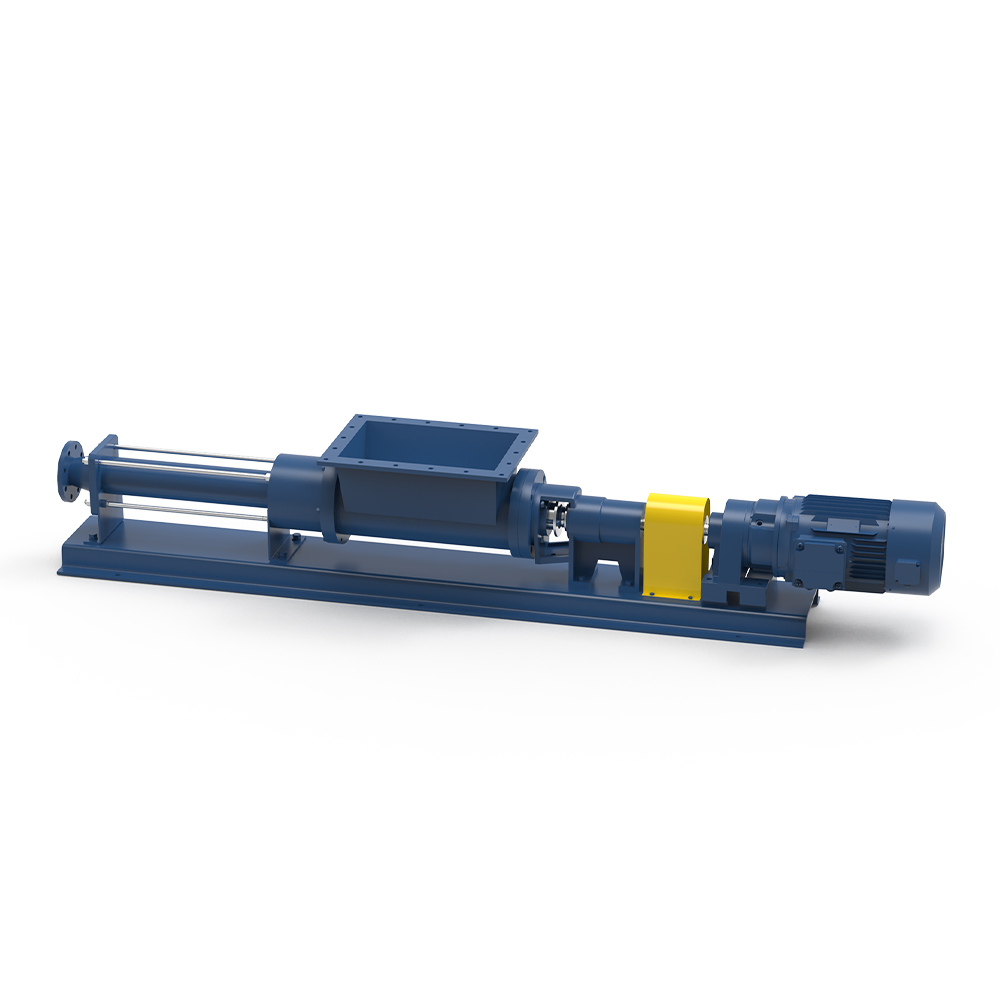
The inlet is a large hopper design W-type pump with a connecting shaft with multiple spiral vanes (which can effectively prevent the accumulation of m...
See Details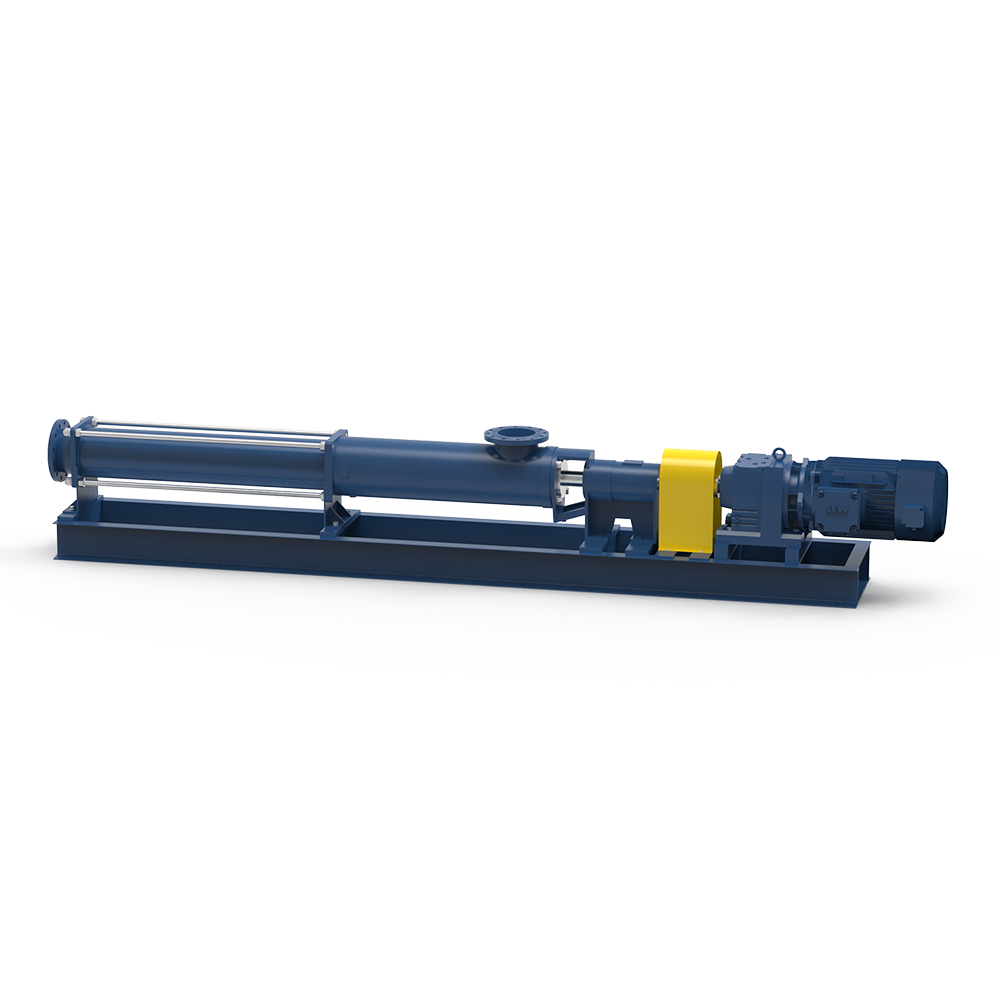
The S-pump with bearing frame support can withstand higher axial loads and can be used for high-pressure conditions, e.g. high-pressure sludge feed tr...
See Details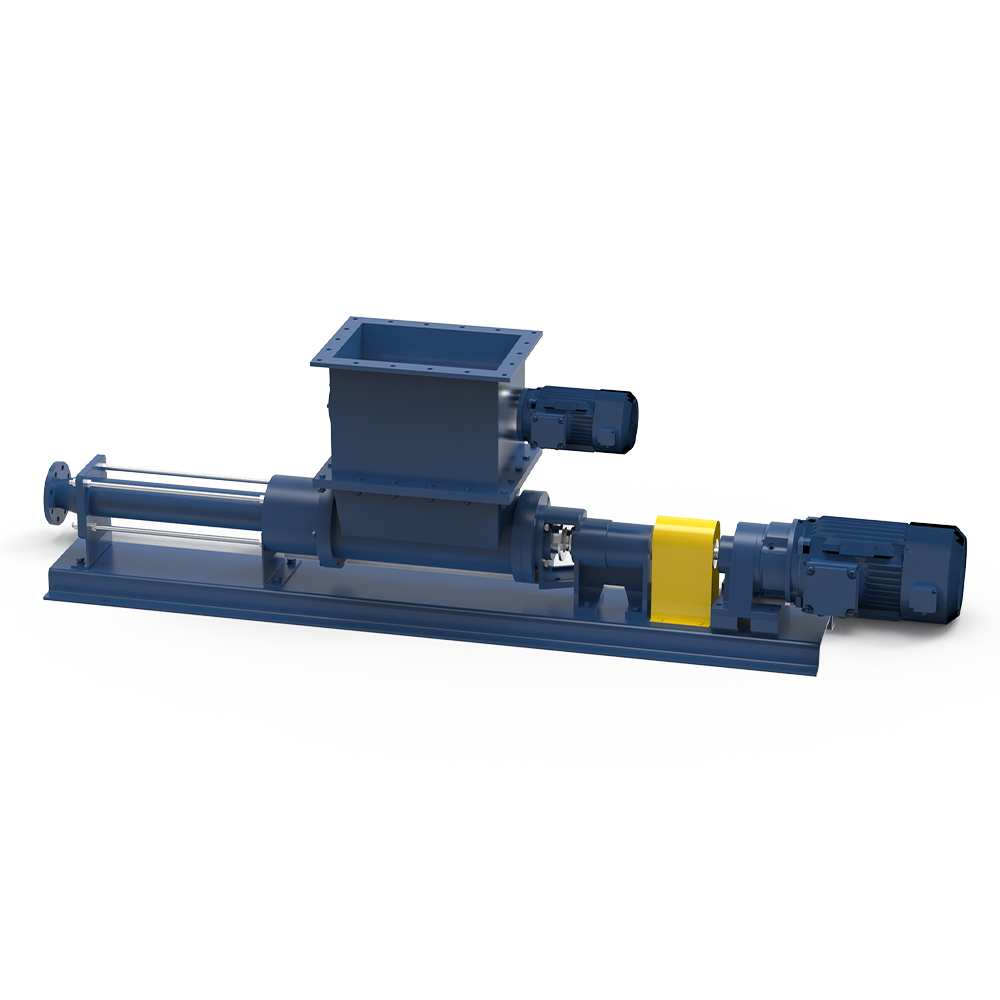
The inlet is designed for a large hopper with a bridge-breaking device P-pumps are suitable for conveying materials with high viscosity, high solids c...
See Details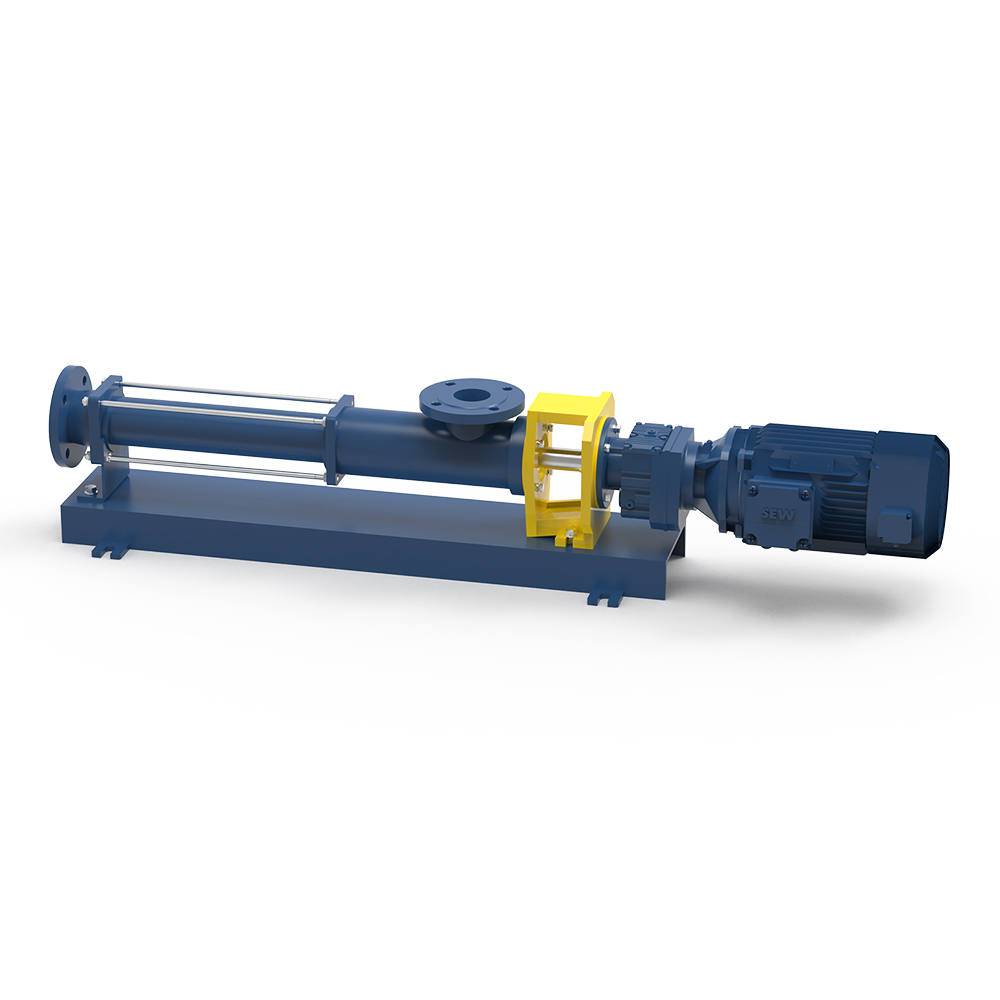
Mika Classic B direct-connected pumps are compact, easy to maintain, with low investment costs, and are suitable for a wide range of common working co...
See Details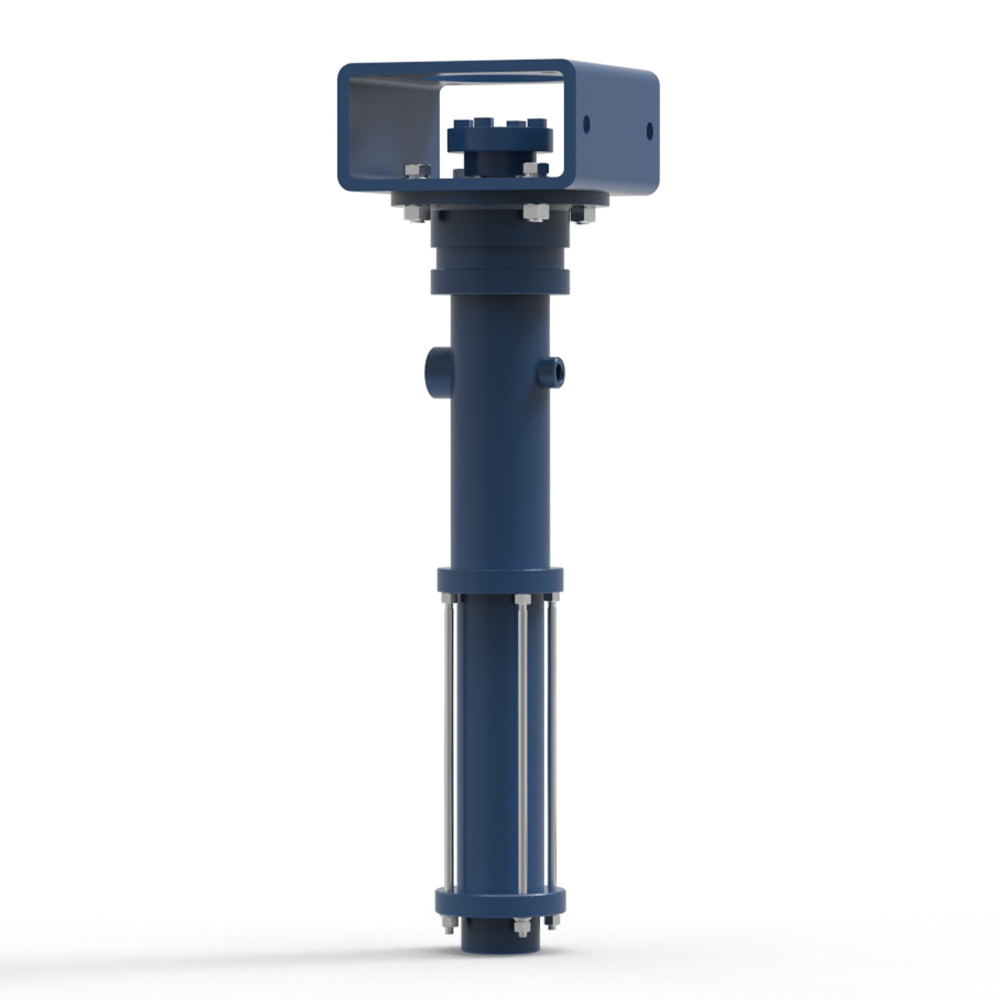
Precise flow rates and a wide range of materials for the metering and delivery of all kinds of sealants. Working Principle The MeiJia pump is a prog...
See Details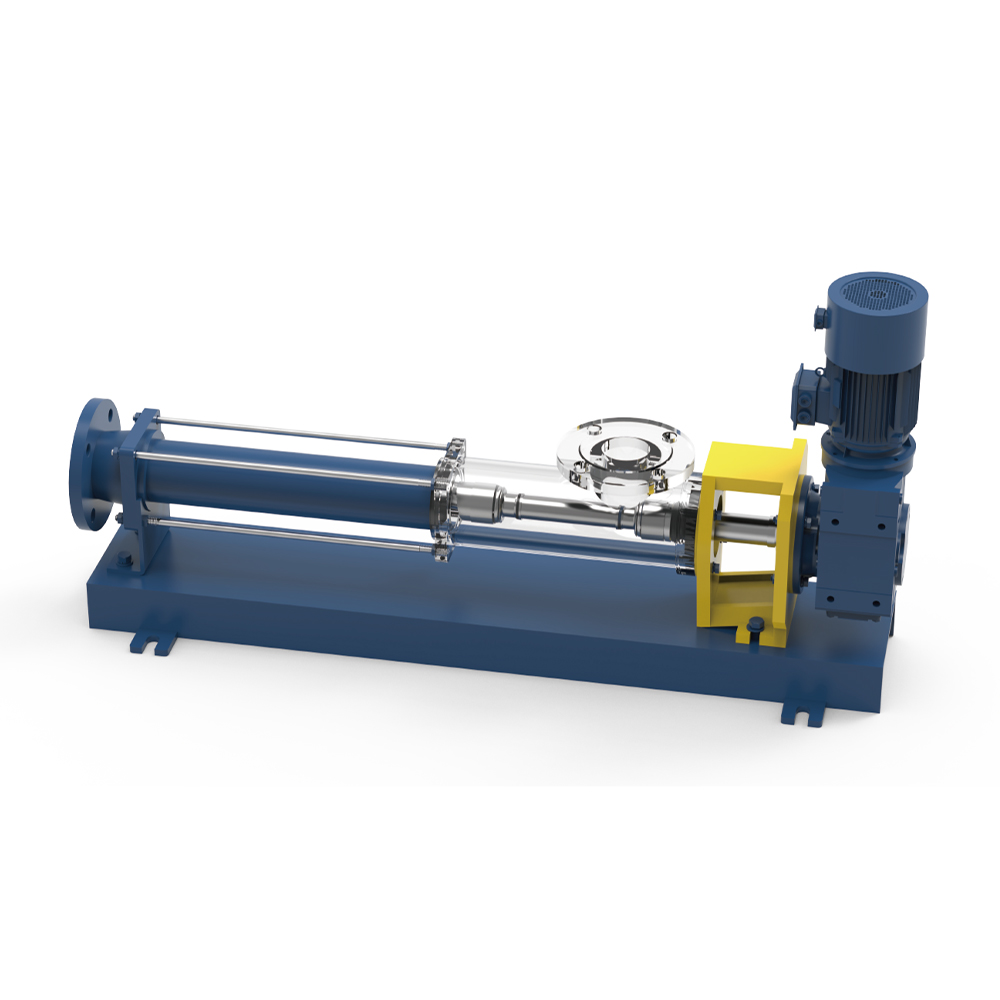
The speed reducer adopts the K series speed reducer, and the length of the pump can be shortened, so it can be used in places where the space is narro...
See Details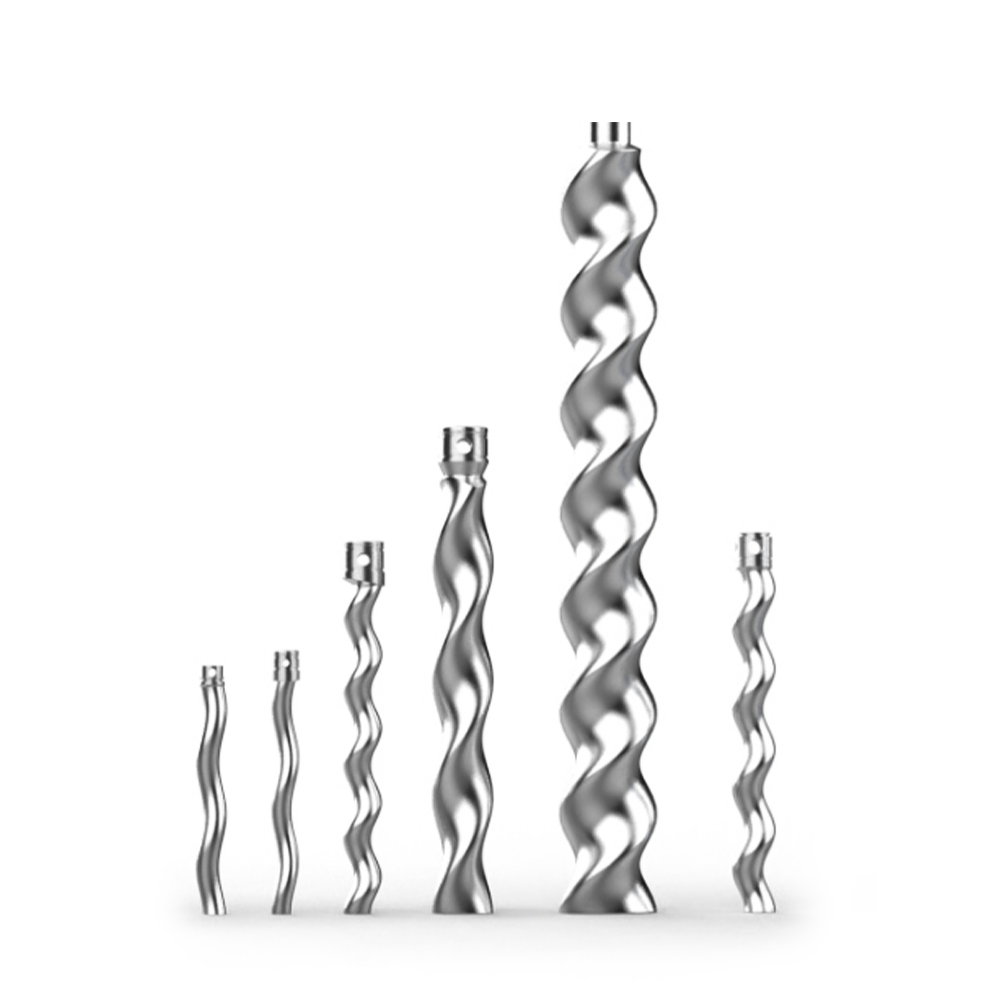
Multiple materials available, 304, 316L, 2205, rotor surface coating can be chrome plated or tungsten carbide sprayed.
See Details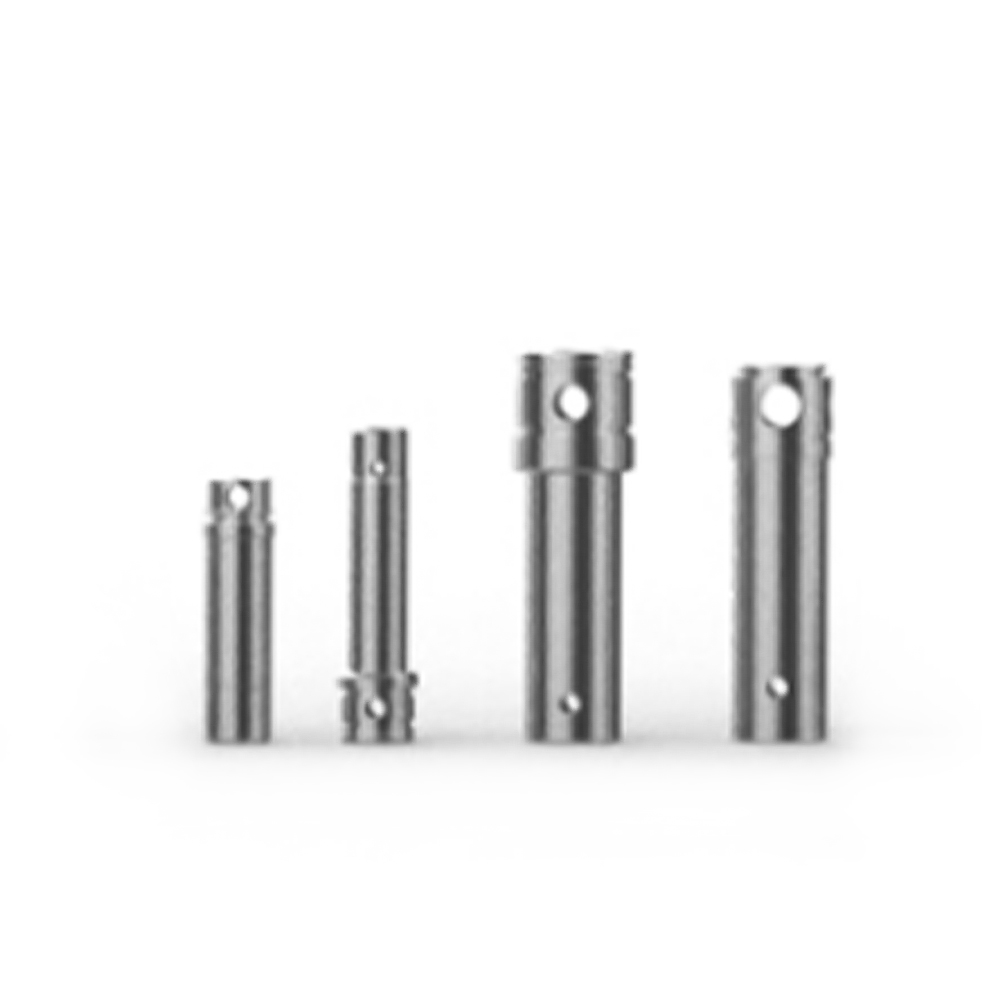
Multiple materials available: Q235,304,316L,2205,2507, etc.
See DetailsContact Us
Add: No. 36 Xintai Road, Economic Development Zone, Jingjiang City, Jiangsu Province, China
Tel: +86-13515167342
Fax: +86-523-84261117
E-mail: [email protected]
We'd love to
hear from you!
